

An Army-surplus hut helped shape Music Row. A downtown laundry business supported a mother’s efforts to free her children. And a passage connecting Second Avenue with the riverfront got its name from a dog.
These stories are part of Nashville Sites’ free, self-guided tours. Open them in your phone’s browser, listen to the narration or read along, and explore at your own pace. No app download required.
These eight routes cover recording studios, riverfront warehouses, parks, and places where students challenged segregation.
Early History: A City Shaped by the Cumberland River
The Early History tour connects Nashville’s beginnings with the Cumberland River, following a route through Fort Nashborough, Public Square, and the Capitol area.
At Fort Nashborough, the buildings are reconstructions rather than surviving structures from the 1700s. Interpretation also includes Native American history and a feather monument dedicated when the updated center opened in July 2017.
Expect an uphill walk toward the Capitol. The tour lists an outdated Tennessee State Museum address; the museum is at 1000 Rosa L. Parks Boulevard. Allow separate travel time.
For more indoor stops, explore our guide to free museums in Nashville.
Route estimate: 1.8 miles · 15 stops · two hours
Historic Music Row: The Hut Behind the Recordings
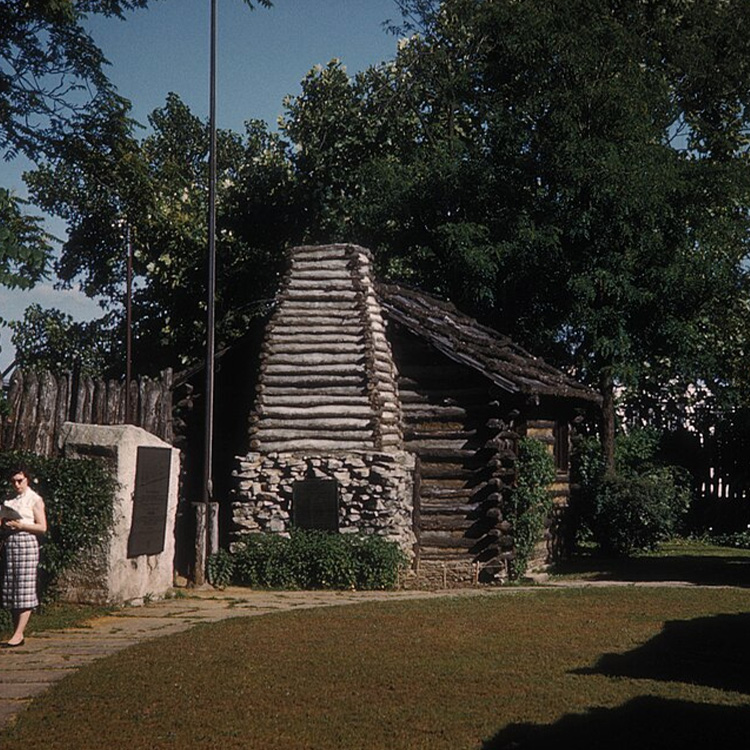
In 1955, the Bradley brothers added an Army-surplus Quonset hut to create an early major recording space on Music Row.
The Historic Music Row tour includes the Decca/Quonset Hut/Columbia complex, RCA Studio A, RCA Studio B, and businesses behind the recordings. Archival photographs reveal details the buildings’ current exteriors might not suggest.
Start at Owen Bradley Park, 1 Music Square East, beside the Buddy Killen roundabout. Look for Bradley’s piano statue.
Studios A and B are separate stops. This route is also distinct from the longer Music Row Neighborhood tour.
Route estimate: one mile · 15 stops · one hour
Civil Rights Sit-Ins: Before the 1960 Campaign
Nashville students conducted test sit-ins in late 1959, before the major campaign of 1960.
The Civil Rights Sit-Ins tour connects that preparation with downtown addresses where students challenged segregation, including former Woolworth, McLellan’s, and Kress locations, Public Square, and Witness Walls.
Begin at Sixth Avenue North and Church Street. Historic photographs help connect today’s streets with the movement.
The Main Library’s Civil Rights Room adds an indoor stop. On the second floor, inside the Nashville Room, it includes photographs, a timeline, and a symbolic lunch counter.
Route estimate: one mile · 11 stops · about 72 minutes
Early Black Life and Culture: Work, Family, and Education
Sally Thomas ran a downtown laundry business while working to secure freedom for her children.
Her story anchors part of the Early Black Life and Culture tour, which also introduces Sarah Estell, who operated an ice-cream and confectionery business, and Sarah Porter, who taught Black children.
Starting at Fort Nashborough, 170 First Avenue North, the route explores enslavement, entrepreneurship, education, and family life. Some stops identify former locations where buildings no longer stand.
Preview the Nettie Napier Day Home Club directions: its later Fourth Avenue South address conflicts with the surrounding walking sequence on Fourth Avenue North. Check the map before continuing.
Families may also want to preview narration involving slavery and coercion.
Route estimate: 1.2 miles · 11 stops · 90 minutes
Women’s History Highlights: Beyond the Ryman Stage
Lula Naff began working directly for the Ryman in 1914 and became its official manager in 1920. Her booking work helped shape the venue’s entertainment history.
The Women’s History Highlights tour places her alongside women involved in Nashville’s businesses, schools, care institutions, culture, and public life.
Start at Public Square. Stops include the Satsuma Tea Room, Old Woman’s Home, Ryman, libraries, and Capitol area. The route covers more ground historically than the separate Woman’s Suffrage tour.
The optional final Bicentennial Mall/State Museum stop requires additional travel time. Use the museum’s current address: 1000 Rosa L. Parks Boulevard.
Route estimate: 1.5 miles · 15 stops · 90 minutes
Centennial Park: An Exposition Became a Park
The 1897 Tennessee Centennial Exposition preceded Centennial Park, which opened in 1903.
The Centennial Park tour explores that connection through the Parthenon exterior, Suffrage Monument, Sunken Garden, and Centennial Art Center/former swimming-pool stop. The Taylor Swift bench is included, too.
Begin on the east side of the Parthenon near the museum entrance, 2500 West End Avenue. Posted QR codes connect to audio, and stops can be explored in any sequence.
Check park construction notices before visiting. For a longer music-themed outing, try our Taylor Swift Nashville itinerary.
Route estimate: one mile · 12 stops · one hour
Historic Second Avenue: Warehouses and a Dog’s Namesake
The Historic Second Avenue tour follows riverfront warehouses through their commercial history, preservation, and new uses.
One stop has a particularly personal story: Butler’s Run is named after Steve and Judy Turner’s dog. Their renovation created a narrow courtyard through the former H. G. Lipscomb building, connecting Second Avenue with the riverfront.
Begin at 108 First Avenue South by the WeGo terminal and finish at Public Square.
Second Avenue reopened fully to vehicle traffic on December 22, 2025, but building and passage access may vary. The tour also lists conflicting North/South addresses near Butler’s Run; check the map.
Find more architectural stories in our guide to Nashville buildings with little-known histories.
Route estimate: 1.2 miles · 11 stops · one hour
Fort Negley: Forced Labor and Family History
Union authorities forcibly conscripted enslaved and free Black people to build Nashville’s defenses. Others came to the camps seeking protection or paid work.
The Fort Negley digital tour explores that labor history and descendant research. Narrator Gary Burke connects the site with his ancestor’s service in the United States Colored Troops.
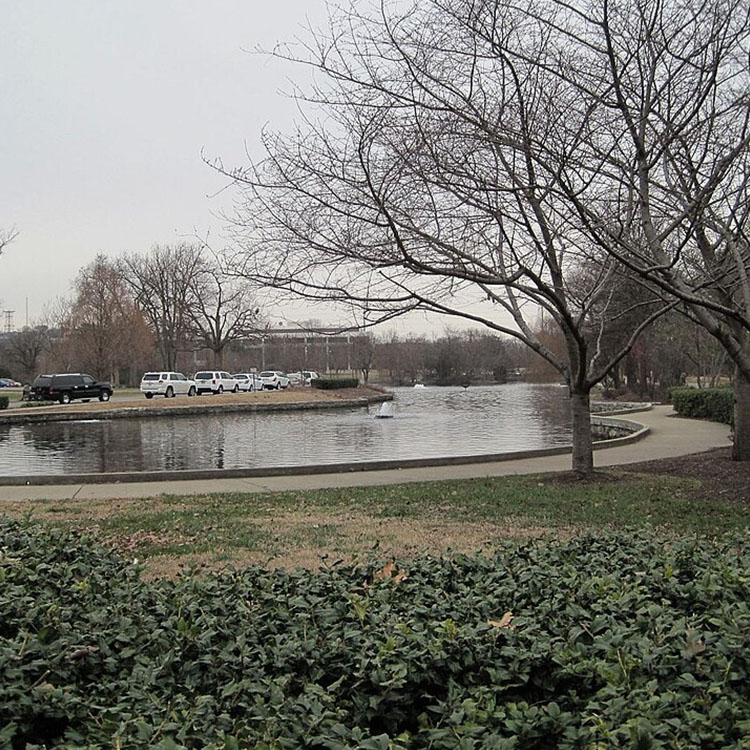
As of October 28, 2026, the hilltop fort remained listed as closed. The half-mile park trail remained open, with very limited parking.
Call 615-862-8470 before visiting 1100 Fort Negley Boulevard. Use the virtual tour for inaccessible stops.
Published full route: one mile · 12 stops · about one hour. The complete walk is not confirmed open.
What to Know Before You Go
Select “Start Walking Tour” on a tour page. Allow location access for GPS navigation or follow written directions. Bring water, comfortable shoes, and a charged phone; the website requires internet access.
Distances and times are provider estimates. Allow extra time for crossings, hills, breaks, detours, and indoor visits. Most tours are described as wheelchair accessible, but construction and individual stops may affect access.
Free narration does not include every attraction’s admission. Parking, meals, and optional tickets cost extra. Our Nashville lunch guide can help plan a meal stop.
Visitor details below reflect the draft’s October 28, 2026 information; check official notices before leaving.
- Fort Nashborough: Free; published hours are 9 a.m.–4 p.m. daily.
- Tennessee State Museum: Free; closed Mondays. Use 1000 Rosa L. Parks Boulevard and check the official website.
- Main Library: 615 Church Street. Published hours: weekdays 9 a.m.–6 p.m., Saturday 9 a.m.–5 p.m., Sunday 2–5 p.m. The adjacent garage remains closed, and a November 7, 2026 gala closure is announced. Check library notices.
- RCA Studio B: The separate paid experience requires Country Music Hall of Fame and Museum admission and departs from the museum with transportation included.
- Ryman: Paid experiences are separate from walking-tour narration.
- Centennial Park: Published hours are dawn–11 p.m.; free parking is available. Parthenon museum admission is separate: $15 adults, $10 seniors 62+ and ages 4–17; under four free.
- State Capitol: Free interior admission weekdays, 9 a.m.–4 p.m., excluding state holidays. During renovations, the published accessible entrance is through Cordell Hull, 425 Rep. John Lewis Way North. Large bags and backpacks are prohibited.
- Fort Negley: Free visitor center; published hours are Tuesday–Friday noon–4 p.m. and Saturday 9 a.m.–4 p.m. Restrooms are available during center hours.