

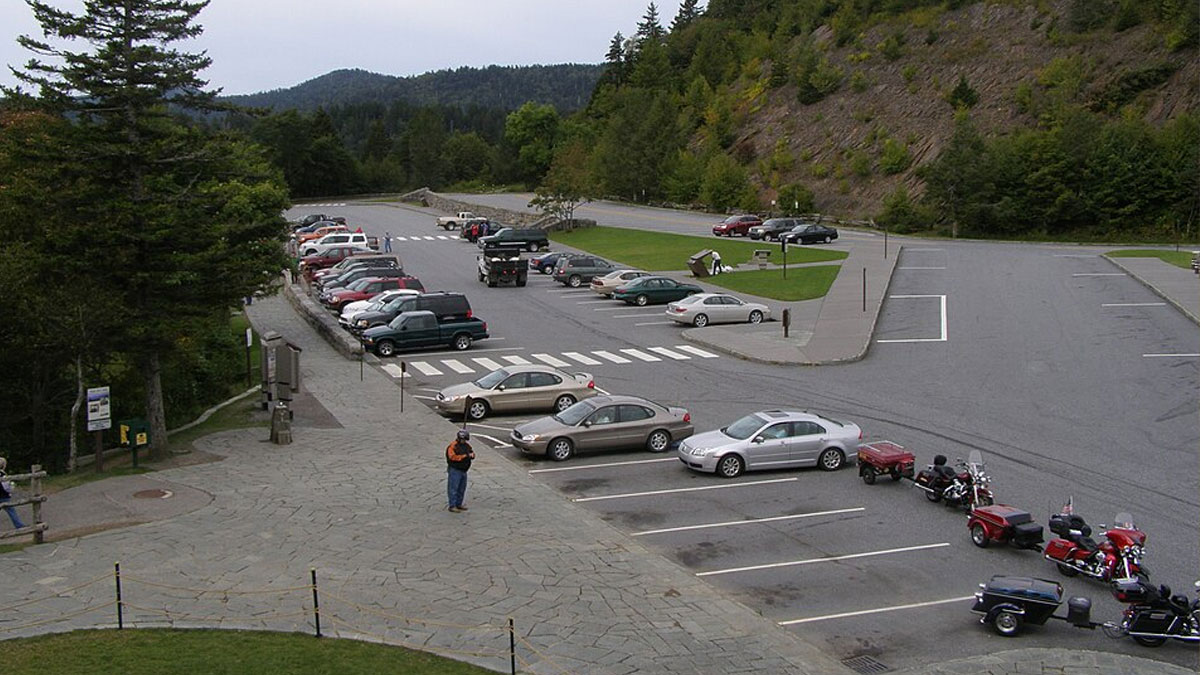
You can drive through Great Smoky Mountains National Park without paying an entrance fee. Park your car for a hike, though, and a $5 charge generally enters the picture.
The difference comes down to 15 minutes.
Stay parked longer than that, and most vehicles need a parking tag. Keep driving through, and no tag is required.
Behind that distinction is a road agreement dating to 1951. It helps explain why the park can charge for parking while keeping its entrance free—and why your national park pass won’t cover the bill.
The Road Agreement That Kept Entrance Free
In 1951, Tennessee transferred Newfound Gap Road and Little River Road to the national park with a restriction against tolls on those roads.
According to the National Park Service, that restriction, combined with federal law, prevents the park from charging entrance fees.
The rule has a specific history. It does not mean every activity or service inside the park must be free.
Camping can carry a charge. So can parking.
The park introduced its Park it Forward parking program on March 1, 2023. It treats the tag as a separate recreation fee, allowing the roads to remain free to enter while collecting money from vehicles making longer stops.
What the 15-Minute Rule Actually Means
Planning to drive through the mountains without stopping? You do not need a parking tag.
Pulling into a legal parking space for a quick stop lasting no more than 15 minutes? You do not need one then, either.
But a hike, picnic, or visitor-center visit can easily run longer. Once a motor vehicle is parked for more than 15 minutes, the tag requirement applies unless an exemption covers the visit.
That makes the decision fairly simple: if you plan to leave the car and explore, arrange your tag first.
For a family sharing one vehicle, that means one tag. The charge is per vehicle, not per passenger.
Bring two cars, and you need separate tags for each.
Five Dollars for a Day—or Forty for Repeat Visits
The park offers three parking-tag options:
- Daily: $5
- Weekly: $15
- Annual: $40
A daily tag works well for a single day of hiking, walking, or picnicking. But watch the expiration: it ends at 11:59 p.m. Eastern on the printed date, rather than 24 hours after purchase.
Buy one late in the afternoon, and it will not cover the following morning.
For a longer vacation, a little arithmetic helps. Two daily tags cost $10, making them cheaper than a weekly tag. Three daily tags equal the weekly price. Four parking days within one covered week cost $20 with daily tags, compared with $15 for the weekly option.
Frequent visitors should consider the annual tag. Eight separate daily purchases total $40; a ninth makes the annual option cheaper, provided the visits fall within its validity period.
Annual tags are valid through the last day of the expiration month punched on the tag. Check that date when purchasing.
Tags are tied to a vehicle’s license plate and cannot be transferred between cars. An annual tag stays with that vehicle, so a household switching cars needs to plan accordingly.

Your National Park Pass Does Not Replace the Tag
Already have an America the Beautiful pass?
You still need a Smokies parking tag unless an exemption applies.
Senior, Access, and Military passes also do not replace it, and interagency passes do not provide a parking-tag discount.
There is an important distinction for visitors with disabilities: vehicles displaying valid state-issued disability plates or placards are exempt from the parking-tag requirement. An Access Pass alone is a different credential and does not create that exemption.
Registered frontcountry campers have another limited exception. They do not need a tag while parked at their designated campsite.
Drive from that campsite to a trailhead and park for more than 15 minutes, however, and the usual requirement returns.
The park also waives the parking-tag requirement on designated fee-free days; check its current calendar before visiting.
The Phone Screenshot That Won’t Work
You can buy daily and weekly tags through Recreation.gov, entering your vehicle’s plate and the dates you need.
Then comes the easy-to-miss step: you must print the tag.
A phone image is not accepted. Park staff will not print it for you.
That matters if you book from a hotel room or buy while already on the road. Having a receipt on your phone does not finish the job.
Without access to a printer, use an onsite seller or automated machine. NPS lists machines at locations including Sugarlands, Newfound Gap, Metcalf Bottoms, and the Cades Cove orientation shelter.
The machines operate around the clock and accept credit cards. Tap-to-pay is unavailable, so bring the physical card.
Most trailheads do not have machines. Buy before heading to your chosen hike, especially since cell coverage is extremely limited.
Using a rental car? Wait until you know its license plate before purchasing.
Where to Put It—and Why Annual Buyers Should Plan Ahead
Daily and weekly tags belong face-up on the lower passenger-side dashboard.
Annual tags attach to the lower passenger-side windshield. In either case, the tag must match the vehicle’s plate.
You can order an annual tag through Smokies Life, but allow time for delivery.
Smokies Life currently lists $9.25 shipping and advises allowing up to three weeks for delivery. Check the final total at checkout. A receipt does not serve as a temporary pass.
For an upcoming visit, buying in person avoids the delivery wait.
What the Money Supports
NPS says all recreation-fee revenue collected in the Smokies stays in the park.
Its fee-funded work includes ranger services and maintenance—the people and upkeep behind a park visit.
That funding pool includes camping fees as well as parking revenue.
A parking tag covers the required fee. It does not reserve a space.
A full trailhead lot remains full even if you bought an annual tag months ago. The tag also does not authorize parking on vegetation, in prohibited areas, or where a vehicle could block emergency access.
A First Visit Without the Rush
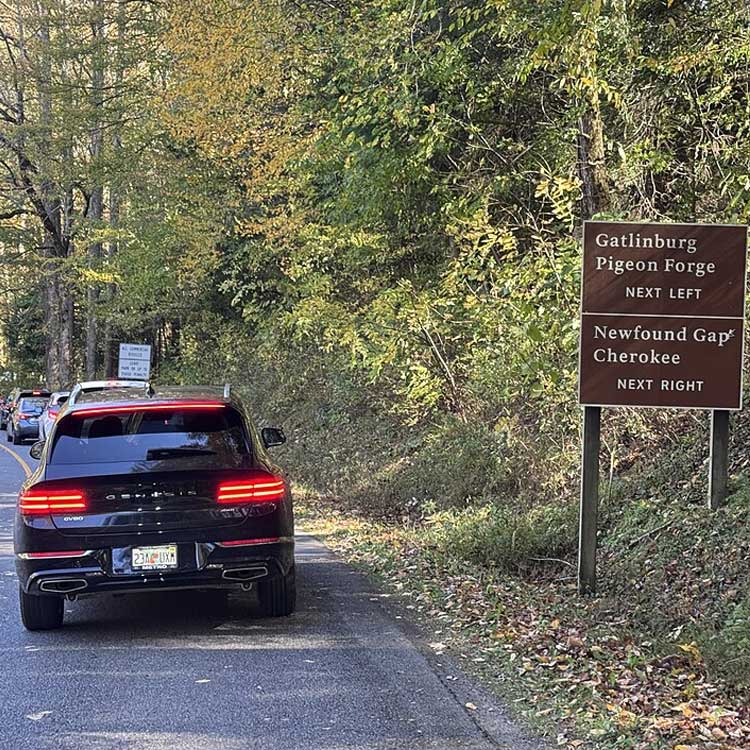
For visitors coming from Gatlinburg, Sugarlands Visitor Center offers a practical starting point for maps and current advice.
A visit lasting longer than 15 minutes requires a tag unless an exemption applies. Budgeting $5 for the vehicle gives you room to look around without turning the stop into a race against the clock.
For a modest woodland outing, consider Sugarlands Valley Nature Trail, a paved half-mile loop identified by the park as ADA accessible.
It has its own trailhead and is separate from the paths behind the visitor center. Check the location before setting off.
Sugarlands Visitor Center also has accessible parking, restrooms, and one-level exhibits. Elsewhere, a trail described as “short” may still have an uneven surface or steep grades.
For more ideas while planning your route, browse our guide to lesser-known places in the Smoky Mountains.
Before choosing a hike, check the park’s current closures. As of October 31, 2026, Laurel Falls Trail remains closed, with reopening anticipated sometime in 2027.
Arrive earlier or later when possible, and choose a backup destination before driving out. Download your maps, get the tag, and leave enough flexibility to try another trailhead if the first lot is full.