

The Great Smoky Mountains have no shortage of famous stops. Cades Cove can fill with cars. Kuwohi draws visitors to the highest point in Tennessee. And downtown Gatlinburg is rarely mistaken for a quiet mountain hideaway.
But scattered around the Smokies are places with much smaller profiles: an abandoned resort community, an old stone springhouse nicknamed the “Fairy House,” a covered bridge from the 1800s and even a tunnel hidden beneath a mountain road.
A social media post highlighting eight supposed “best-kept secrets” of the Smokies recently caught our attention. We checked the locations against National Park Service records, Tennessee historical information and other sources.
The good news is that all eight places are real.
Some of the details floating around online, however, are outdated or need a little context. Here’s what Tennesseans should know before adding these spots to a Smokies trip.
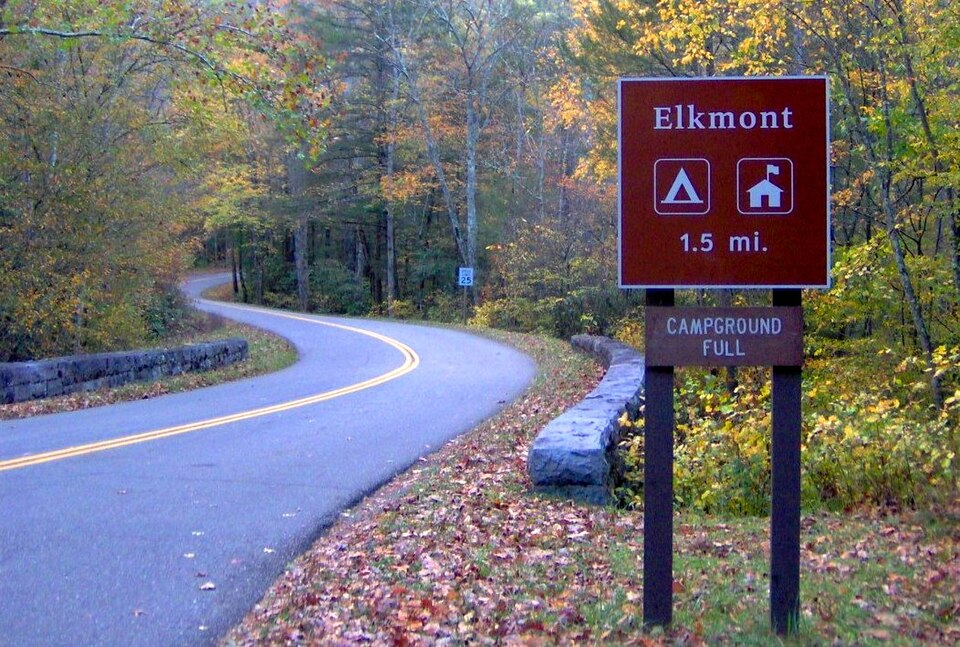
1. Elkmont has a ghost-town past — and a tiny “Troll Bridge”
Elkmont is one of the strangest history lessons hiding inside Great Smoky Mountains National Park.
Long before tourists arrived with hiking boots and cameras, the area developed from a mountain settlement into a logging community. It later became a vacation destination, with families staying in cabins around the Appalachian Club.
When Great Smoky Mountains National Park was created, those private properties eventually became part of the park.
Many buildings disappeared over the years, but the National Park Service has preserved a collection of historic structures in Elkmont, including cabins in the area commonly called Daisy Town.
Then there’s the “Troll Bridge.”
Despite the storybook name, it isn’t an official attraction populated by trolls. It’s a small old stone bridge near the Elkmont historic area that has developed a following among Smokies visitors.
Anyone looking for it should remember that unofficial paths aren’t the same thing as maintained park trails. Historic structures and surrounding vegetation should be left undisturbed.
2. Harrisburg Covered Bridge is a Tennessee survivor
You don’t even have to enter the national park for this one.
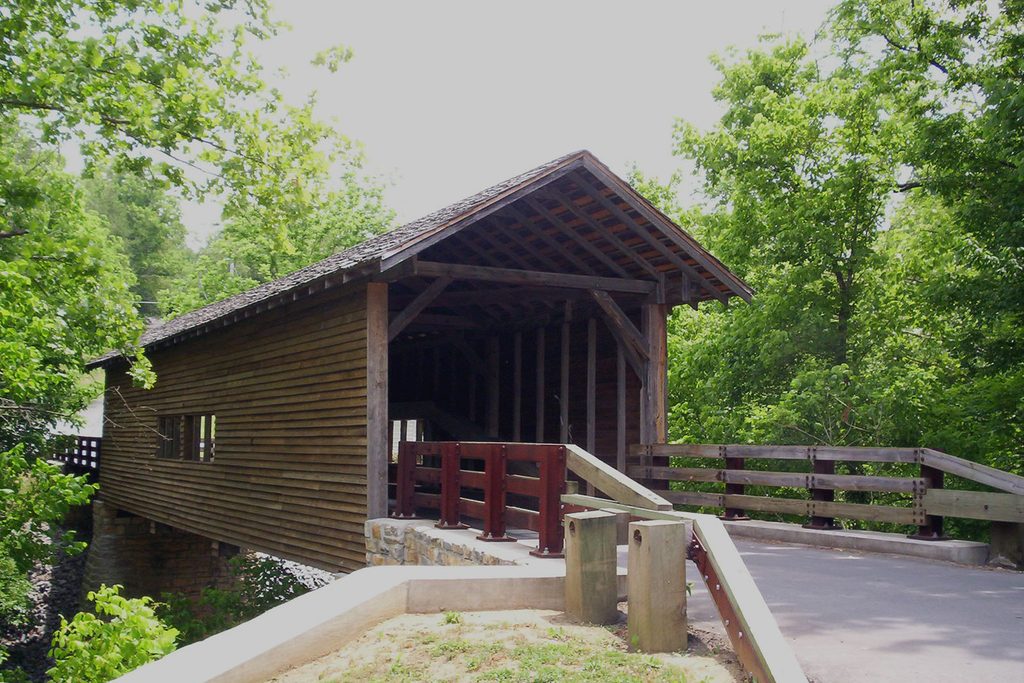
The Harrisburg Covered Bridge sits east of Sevierville and dates to 1875. The bridge was built after flooding destroyed an earlier crossing.
It was added to the National Register of Historic Places in 1975.
There’s also some confusion online about how rare it is. You’ll often see Harrisburg described as one of only four covered bridges left in Tennessee.
A more precise description comes from the Tennessee Department of Transportation: Harrisburg is one of four remaining historic covered bridges in the state’s historic bridge inventory.
Either way, a wooden covered bridge approaching its 151st birthday in 2026 is a pretty unusual roadside stop.
3. The Walker Sisters stayed when a national park grew around them
For a combination of Tennessee history and hiking, head toward Little Greenbrier.
Little Greenbrier School was constructed in 1881 and served the surrounding mountain community as both a school and church.
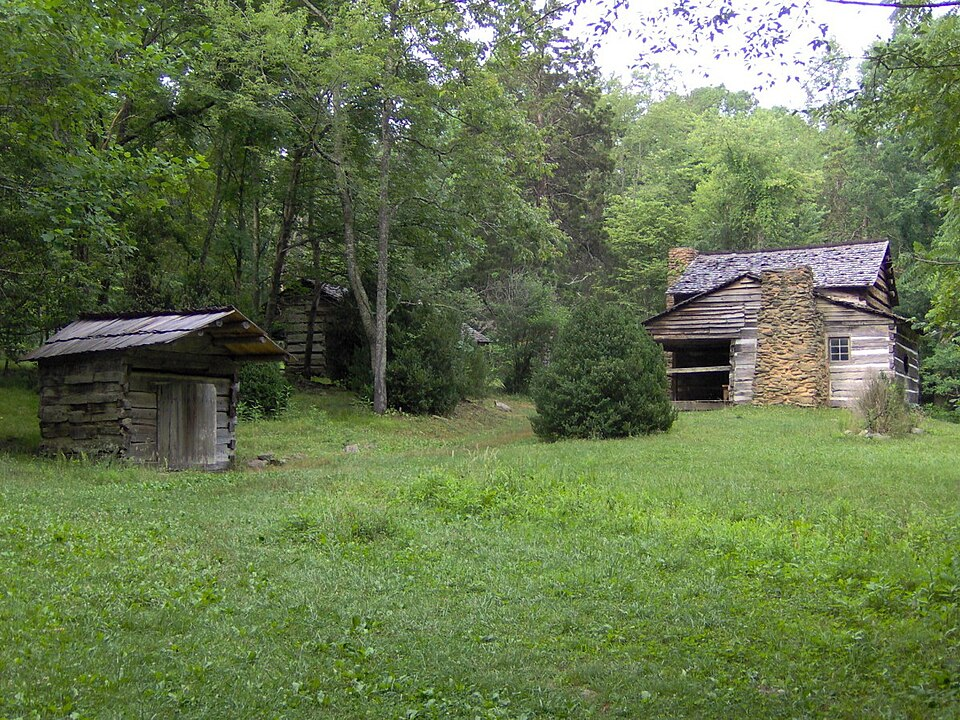
Farther along the trail is the Walker family homesite.
The Walker Sisters became some of the best-known residents who remained in the mountains after the creation of Great Smoky Mountains National Park.
Their story is sometimes simplified online into “five sisters who refused to leave.” The history is more complicated.
There were seven Walker sisters, and six never married. Five sisters eventually became especially well known to park visitors. They remained at the family property under a lifetime arrangement and sold visitors handmade goods and food, including toys, crocheted items and apple pies.
The walk to their old home offers something increasingly hard to imagine in the Smokies: a glimpse of what life looked like before this landscape became America’s most visited national park.
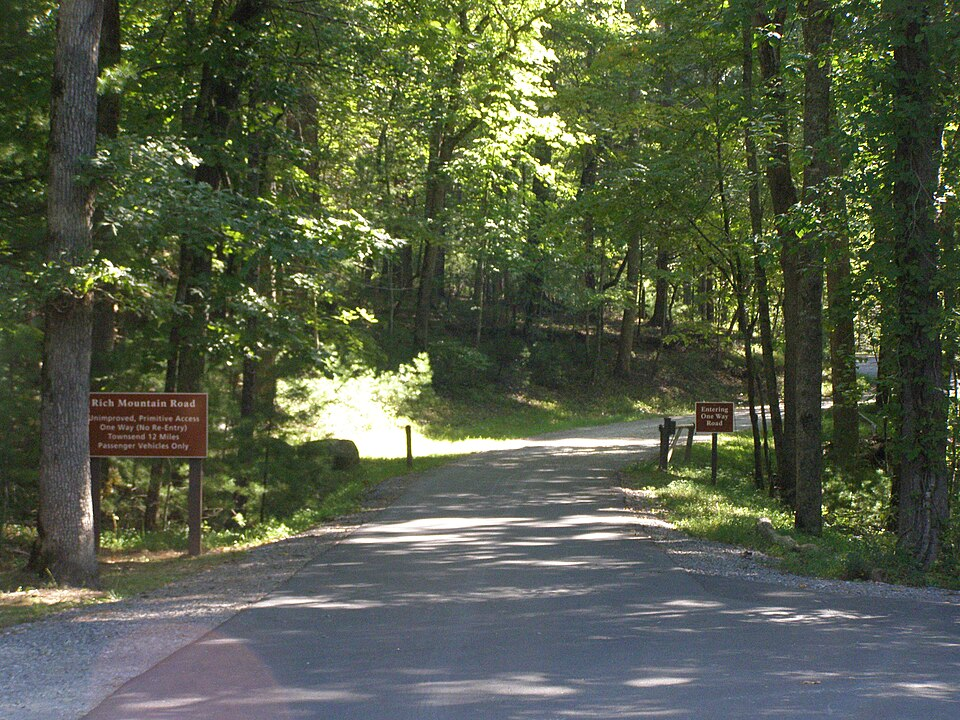
4. Rich Mountain Road offers another way out of Cades Cove
Most Tennessee travelers know Cades Cove Loop Road.
Fewer take Rich Mountain Road.
The one-way gravel road leaves Cades Cove and heads toward the Townsend side of the mountains. Along the way, travelers get mountain scenery and a different perspective on the cove.
There is an important catch.
Rich Mountain Road is seasonal.
The National Park Service’s 2026 schedule lists the road as open from April 10 through Nov. 9, although weather and road conditions can always change access.
There are vehicle restrictions, too. Motorhomes, buses, vans longer than 25 feet and vehicles pulling trailers aren’t allowed.
In other words, don’t arrive with the camper and discover your “secret shortcut” isn’t going to happen.
5. The “House of the Fairies” wasn’t actually built for fairies
This may have the best name on the list.
Hidden in the Twin Creeks area near Gatlinburg is an old stone structure widely called the House of the Fairies.
Its real story is almost as interesting.
The building was a springhouse connected with the Voorheis Estate, a mountain retreat developed by businessman Louis E. Voorheis beginning in 1928.
Voorheis used local stone, wood, springs and streams while developing the property, giving the estate a rustic mountain character.
The tiny stone springhouse eventually picked up its much more magical modern nickname.
There is no evidence of fairies living there.
Tennessee bears are another matter.
6. Yes, there really is an old tunnel beneath Kuwohi Road
This might be the strangest entry.
An old tunnel exists beneath the mountain road leading toward Kuwohi. It’s commonly called the Thomas Divide Tunnel, although other names have been used over the years.
The tunnel allowed an old hiking route to pass underneath the roadway instead of sending hikers across it.
One thing has changed since many online articles about the tunnel were written.
Clingmans Dome is now Kuwohi.
The U.S. Board on Geographic Names approved restoration of the Cherokee name Kuwohi in 2024. The National Park Service now also refers to the access road as Kuwohi Road.
The old tunnel isn’t a standard, heavily developed park attraction, either. Travelers should not treat social-media directions to unofficial places as substitutes for current park maps and guidance.
Sometimes a hidden gem is hidden because there’s no giant brown highway sign pointing toward it.
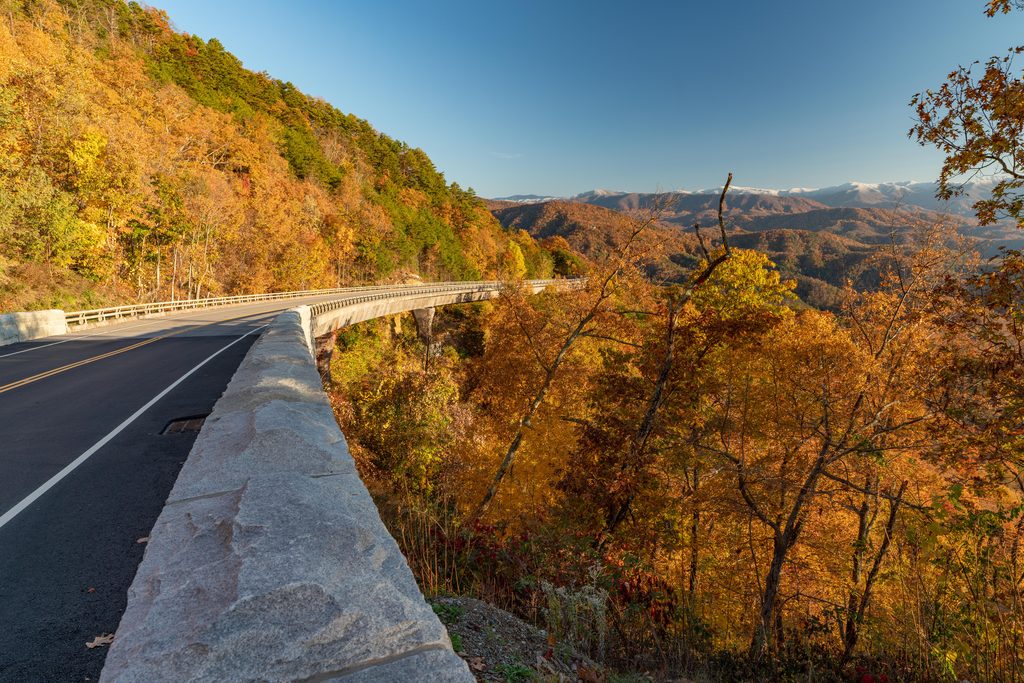
7. Wears Valley and the Foothills Parkway offer a quieter view
Wears Valley isn’t exactly a secret anymore, but compared with the commercial strips of Gatlinburg and Pigeon Forge, it can feel like a different East Tennessee vacation.
The nearby Foothills Parkway makes the area even more interesting.
One spectacular section runs between Walland and Wears Valley, with overlooks providing wide views toward the Smokies.
Online posts still sometimes call part of this route the “new Missing Link.”
“New” is doing a lot of work there.
The long-awaited section opened in 2018.
The bigger story is how long the Foothills Parkway has been in development. Congress authorized the project in 1944, and the National Park Service describes it as Tennessee’s oldest unfinished highway project.
So the Missing Link may no longer be missing, but the full original parkway vision still isn’t complete.
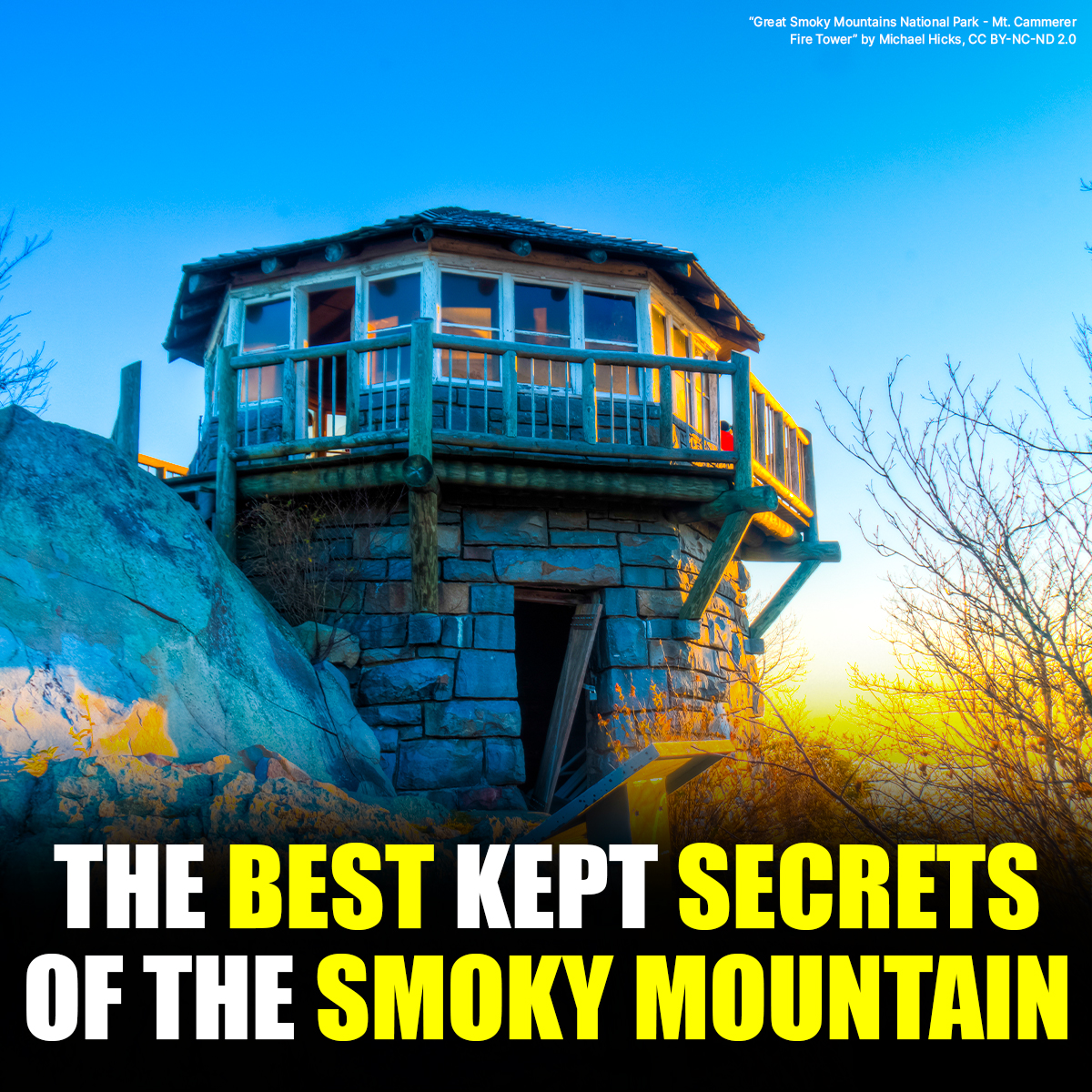
8. Mount Cammerer rewards hikers who earn the view
This is not the stop to squeeze in before dinner because you have an extra 45 minutes.
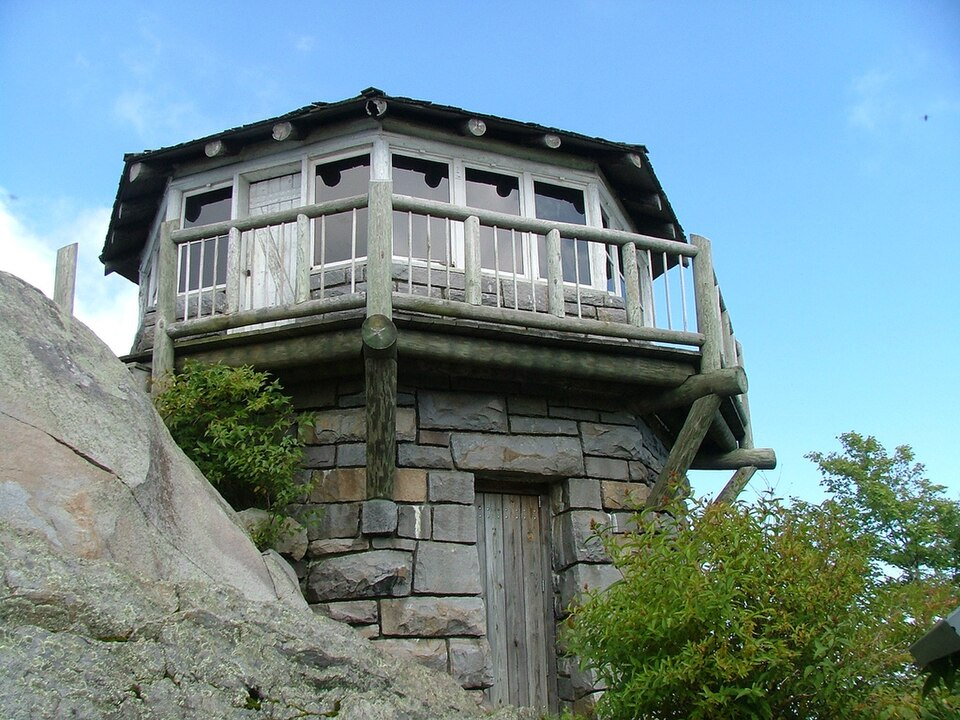
Mount Cammerer’s historic fire lookout sits at roughly 4,669 feet in the northeastern Smokies.
The unusual stone lookout provides sweeping mountain views, but reaching it requires a serious hike.
A commonly used route beginning around the Cosby area is roughly 11 miles roundtrip and includes substantial elevation gain.
The lookout itself is an important piece of park history and was added to the National Register of Historic Places in 2019.
For experienced hikers, it can be one of the more memorable destinations in this corner of Tennessee.
For everyone else, know what you’re signing up for before heading up the mountain.
Fire Tower” by Michael Hicks, CC BY-NC-ND 2.0
Before hunting for Smokies “secrets”
There is one thing these places have in common: several aren’t conventional roadside tourist attractions.
Conditions and access can change. Some roads close seasonally. Some destinations require long hikes. Others involve historic structures that need to be protected rather than climbed on or altered.
Visitors should check current National Park Service road, trail and weather information before heading out.
There’s also the park’s parking-tag system. Vehicles parked inside Great Smoky Mountains National Park for more than 15 minutes need a valid parking tag. Having a tag doesn’t guarantee a parking space.
And remember that the Smokies are bear country. Food and trash should be properly secured, and visitors should follow NPS wildlife-distance rules.
The bigger lesson may be that East Tennessee’s most famous outdoor destination still has plenty to discover beyond its busiest overlooks.
Some of these places aren’t really “secrets” anymore.
But compared with sitting bumper-to-bumper on a busy afternoon in Gatlinburg, they might feel like one.
Sources
- National Park Service — Great Smoky Mountains National Park: Elkmont Historic District and Little River Trail
https://www.nps.gov/grsm/ - National Park Service — Walker Sisters and Little Greenbrier history
https://www.nps.gov/grsm/learn/historyculture/walker-sisters.htm - National Park Service — Great Smoky Mountains seasonal road schedule
https://www.nps.gov/grsm/planyourvisit/seasonalroads.htm - National Park Service — Voorheis Estate history
https://www.nps.gov/articles/featured_stories_voorheis.htm - National Park Service — Foothills Parkway
https://www.nps.gov/places/foothills-parkway.htm - Tennessee Department of Transportation — Historic Covered Bridges
https://www.tn.gov/tdot/structures-/historic-bridges/covered-bridges.html - National Park Service, National Register of Historic Places — Harrisburg Covered Bridge and Mount Cammerer Fire Lookout records
https://npgallery.nps.gov/