
A roller coaster once carried riders through the grounds of Nashville’s Shelby Park. Streetcars brought visitors out for concerts, dancing, and an afternoon of amusement in East Nashville.
Today, you’re more likely to arrive with a dog leash or a bag of baseball equipment.
But the park’s quieter appearance hides a much busier beginning. This familiar stretch of public land opened as a private amusement destination in the summer of 1892, years before Nashville bought it.
The amusement park declined in stages, with attractions fading before the city bought the property. Entertainment returned for a time, but the company behind the grounds went bankrupt. Before the public park opened, the land even supported cattle and crops.
The Streetcar Brought People—and Potential Buyers
The Edgefield Land Company developed the original Shelby Park at the end of a streetcar line. A pavilion offered plays and concerts, giving passengers a reason to make the trip.
The location was part of the appeal. People could leave the downtown core and ride out to a place built for leisure.
There was also a business purpose behind the entertainment. The amusement park helped draw attention to developing East Nashville. An afternoon outing brought potential buyers into the area, with music and attractions doing some of the introductions.
According to Friends of Shelby Park and Bottoms’ history, the private park formally opened in the summer of 1892. Sunday band performances were among its offerings by 1893.
A Roller Coaster, Bowling, and Balloon Acts
By early July 1894, a switchback roller coaster was operating at Shelby Park.
Historian Debie Oeser Cox’s newspaper-based account describes an entertainment lineup far removed from today’s walking paths and picnic shelters.
For the 1895 season, Cox lists swings, tenpin bowling, throwing games, theater and dancing, a Flying Jenny ride, and the coaster.
Promoters also advertised balloon ascents, parachute drops, and live performers. Friends’ history cites an 1894 newspaper report promoting a balloon-and-parachute act involving Lula Randall and her poodle.
The sources reviewed do not identify the coaster’s exact location or when it was removed.
The Attractions Began Fading Before Bankruptcy
Shelby Park’s early success did not produce a steady climb.
By 1896, attractions had diminished, although people continued visiting the grounds. Cox’s account describes competition from Glendale Park and complaints about maintenance.
Entertainment later returned. Theater and variety performances revived some activity in 1898 and 1899, and moving-picture entertainment appeared in 1899.
A casino theater stood near the location of today’s community center. Here, “casino” referred to an entertainment and gathering space, including theater and dancing.
Offerings shrank, organizers tried new attractions, and the property’s future became uncertain.
In 1903, the owning development company went bankrupt.
After a 1905 court ruling placed the property in a trustee’s hands, it was leased for cattle grazing and crops. Neighbors still had limited access to the former park.
Nashville Bought the Land for $40,000
The city considered acquiring the property after the bankruptcy, but local opposition delayed a purchase.
In 1909, Nashville bought the first 151 acres for $40,000 from creditors, according to Metro Parks’ history.
Even the name came up for discussion. Some supported calling the property Riverside Park. The park board kept Shelby Park.
The municipal park opened on July 4, 1912—twenty years after the private amusement destination’s 1892 opening.
Public ownership also needs a qualification. Friends’ history notes that the 1912 park served white residents under segregation. Its opening did not mean equal access for all Nashvillians.
The Public Park Had Its Own Unusual Attractions
Shelby Park’s more elaborate features did not end with the amusement era.
The later public landscape included a Dutch windmill, a boat-shaped boathouse, spring features, and log comfort stations, according to The Cultural Landscape Foundation.
The windmill burned in 1940.
These details can make old photographs confusing. A windmill or decorative boathouse may belong to the municipal park’s history rather than the earlier amusement destination.
The landscape foundation also identifies a concrete fountain shelter near Lillian Avenue and remnants of Cave Spring near the community center.
Other additions reflected changing ideas about recreation. Shelby Golf Course opened in 1924. The community center followed in 1961. The adjoining Shelby Bottoms developed as greenway land in the 1990s.
The grounds kept changing long after the coaster disappeared. Shelby Park is one of many places that reveal a different side of the city, alongside the locations featured in our guide to 11 Nashville buildings with secrets most locals have never heard.
Where to Start Looking at That History Today
For the amusement-park connection, begin near Shelby Park Community Center at 401 South 20th Street, close to Shelby Avenue.
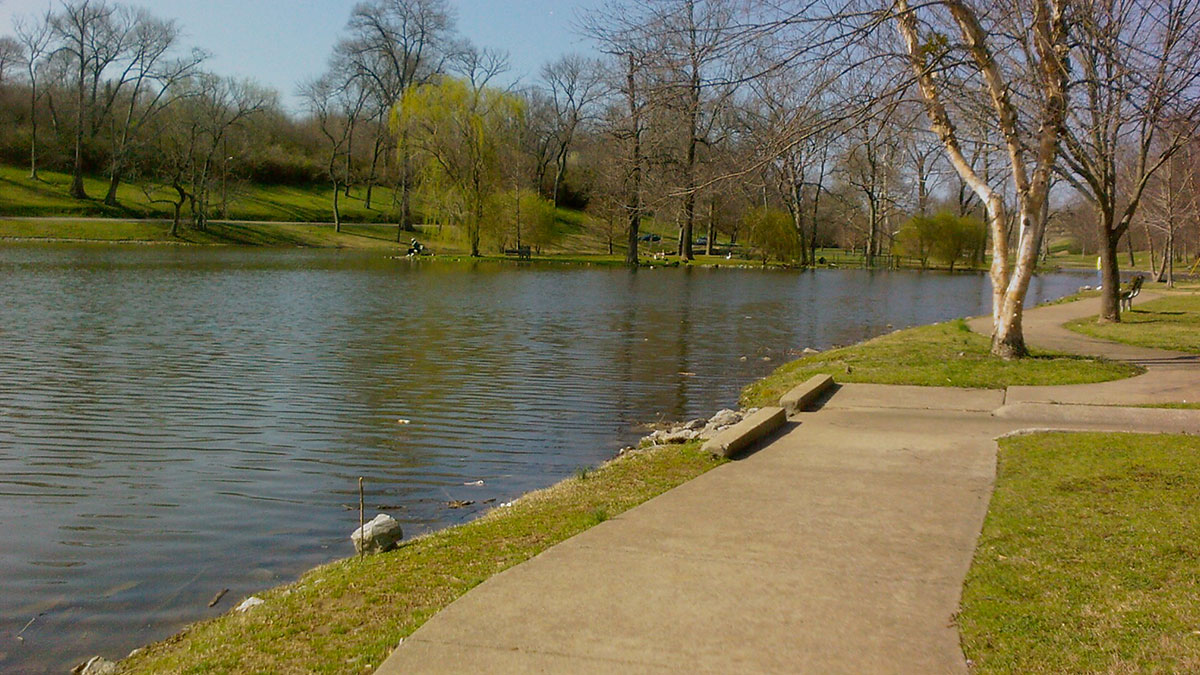
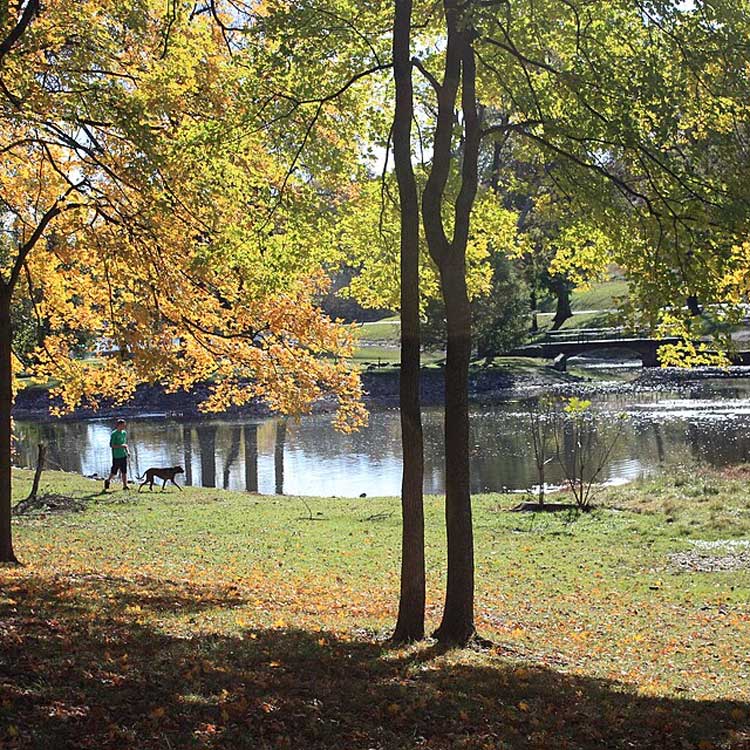
The old casino theater stood near the present community-center location. The lake area offers another part of the story—the landscape that developed after Nashville took ownership.
Shelby Park and Shelby Bottoms connect, but they have different hours. Shelby Park is open daily from dawn to 11 p.m.; Shelby Bottoms is open daily from dawn to dusk.
Before leaving, check Metro’s park closure notices for road, facility, shelter, and greenway access updates.
If you’re planning a longer outing, our guides to Nashville’s hidden local spots and free things to do in Nashville offer more places to explore.