
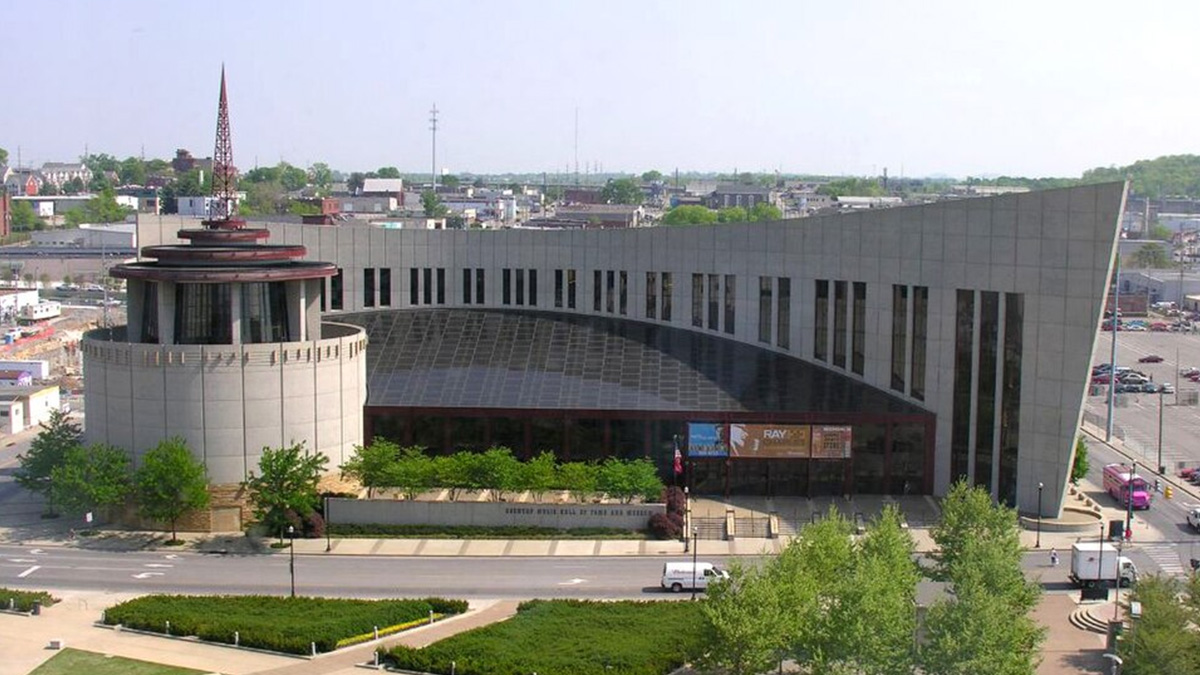
Two adult tickets to the Country Music Hall of Fame and Museum add up to $63.90 at the listed general-admission price. Nashville Public Library cardholders have a way to keep that money: borrow a Community Counts Passport.
The passport provides free museum admission for the borrowing cardholder and one guest. You don’t need to bring children or buy a museum membership.
But you do need the physical passport. Showing your library card at the museum won’t get you into the galleries.
That makes this an outing worth planning ahead for. The library handles the passport checkout, and the museum handles admission when you arrive. Knowing what each step involves can save you a wasted trip—and help you keep the savings once parking enters the picture.
If you’re looking for more outings without an admission bill, our guide to free museums and galleries around Nashville has other ideas.
Borrow the Passport Before You Pick Your Date
Start with Nashville Public Library’s Community Passports page and follow its link to place a hold. The library lists the item as the Country Music Hall of Fame and Museum Passport; the museum calls it the Community Counts Passport.
Those different names can make it sound like you’re looking at two offers. You’re looking for the same library admission benefit.
Once it’s available, collect it from the library. The checkout period is seven days, with no renewals.
Those seven days are your window to use the passport. They don’t provide a week of museum visits. Admission is for one day.
Think about when you can realistically go before collecting it. If your week is already packed, the short checkout period matters. You’ll need time for the museum visit, getting downtown, and returning the passport if you don’t use it.
Allow time for the hold before committing to a date. Passport availability can vary, and placing a library hold does not reserve museum admission.
That distinction is especially useful if you’re coordinating with a visiting friend. A plan to borrow a passport isn’t the same as having one ready for their weekend in town.
If you don’t use the passport, return it to any NPL location. After you redeem it at the museum, it may remain on your library account for up to a week while it’s returned.
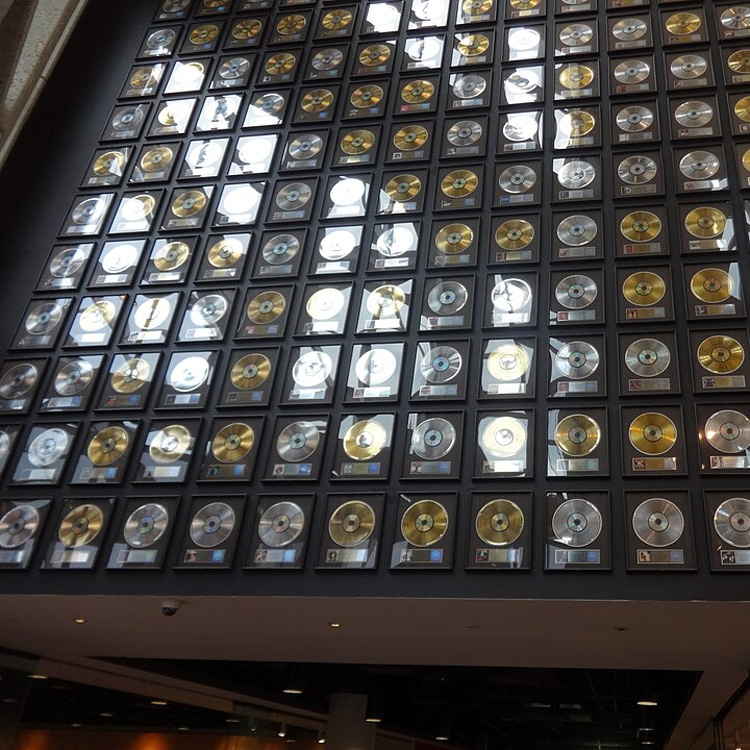
Take It to the Museum Information Desk
Bring the physical passport to the museum’s Information Desk, where you’ll exchange it for admission.
The borrowing cardholder must attend. The passport is nontransferable, so you can’t borrow one and send two friends instead. There’s no digital version.
Before leaving home, check that you have the passport itself. Your library card, a screenshot, or the checkout showing in your account won’t replace the physical item.
Proof of residency is required. It’s a good idea to bring your library card and photo ID showing your current address. If your ID has an old address, check with the museum about acceptable documentation before visiting.
Sorting that out beforehand is easier than trying to resolve it at the desk, particularly if you’ve already paid to park.
If you live outside Davidson County and have an NPL card, confirm that your account qualifies to borrow the passport. Bringing an out-of-town guest? Ask whether they need their own proof of local residency.
The offer covers the borrowing cardholder and one guest, but eligibility questions deserve a direct answer from the people administering it. Don’t assume that having a library account settles every detail.
For eligibility and reservation questions, contact 615-416-2001 or [email protected].
What the Free Admission Gets You
The passport covers admission to the downtown museum. Parking, food, audio tours, and separate guided experiences cost extra. RCA Studio B and Hatch Show Print tours aren’t automatically included.
You can keep the outing focused on the galleries without adding those purchases. If you do want a separate tour, check its price and arrangements before building your day around it.
For a first visit, start with Sing Me Back Home: A Journey Through Country Music, the museum’s central exhibition. Instruments, stage clothing, photographs, recordings, and archival video help tell the story of how country music developed.
The mix gives you several ways into the subject. You might be drawn to the instruments, recognize a performance outfit, or stop to watch archival footage. You don’t need to arrive with a detailed knowledge of country music history to find something worth a closer look.
Then choose a stop that connects with music you already enjoy.
Kenny Chesney: Living in Fast Forward, scheduled through June 20, 2027, includes his college-era Fender Concord guitar and the wicker chair associated with “Old Blue Chair.” The objects connect his college years with the songs fans know today.
Clint Black: The Hard Way on Purpose, listed through August 2027, includes handwritten “Like the Rain” lyrics, performance harmonicas, and a custom-built Gibson J-40 guitar.
Those are concrete things to look for, especially if either artist’s music has been part of your own life. Handwritten lyrics or a familiar chair can give you a reason to pause instead of moving straight to the next display.
If you’d like to follow the exhibits with a live performance, our guide to Nashville readers’ favorite music venues can help you choose where to go next. Just account for that extra stop when deciding how long to park.
Bringing Children? Check the Separate Local Offer
The library passport doesn’t require children, but families should know about another admission benefit.
Through Local Kids Visit Free, residents 18 and younger from seven counties qualify for free museum admission: Davidson, Cheatham, Robertson, Rutherford, Sumner, Williamson, and Wilson.
That program also offers 25% off general admission for up to two accompanying adults. Residency verification is required.
The distinction matters: the youth program discounts adult admission, while the library passport provides free admission for the borrowing cardholder and one guest.
For two adults visiting together, the passport is the benefit to investigate. For a family, the children’s offer may also be relevant—but it has its own eligibility and reservation steps.
If you’re bringing eligible children and using a passport for the adults, contact the museum about arranging the visit. The children’s offer has its own reservation process.
Tell the museum how many adults and children are coming and that you plan to use a library passport. That gives staff the information they need to explain how to arrange admission for your group.
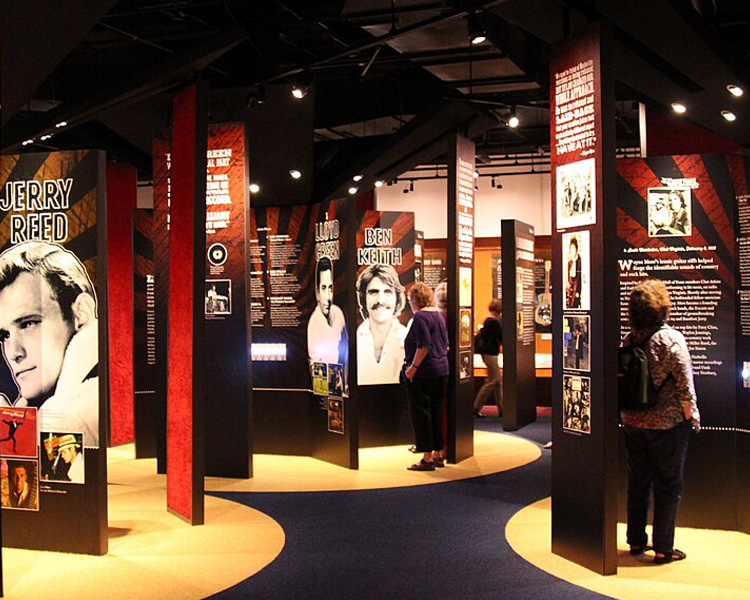
Allow About Two Hours—and Budget for Parking
The museum says most visitors spend approximately two hours there. Normal hours are 9 a.m.–5 p.m. Central Time daily, at 222 Rep. John Lewis Way S.
Use those two hours as a planning guide. If you enjoy reading exhibit labels or watching archival video, give yourself room to linger. Arriving close to closing leaves less flexibility.
Check the museum’s Know Before You Go page before leaving. Holiday closures, the annual Medallion Ceremony, and other schedule changes can affect access.
If a particular program is your reason for visiting, confirm its arrangements too; admission doesn’t guarantee a seat in a limited-capacity program.
The museum advertises validated parking at Walk of Fame Parking Garage, 161 Fourth Ave. S., and SoBro Tower Garage, 210 Third Ave. S.
Listed validated rates are $15 for up to three hours or $25 for up to six hours, offered daily between 9 a.m. and 6 p.m.
Free admission can still make this an affordable outing, but parking belongs in the budget from the beginning. Two people using the passport avoid the listed $63.90 admission total; they still need to account for transportation and anything they choose to buy.
Choose your parking window around the whole outing. Lunch, a walk downtown, or another attraction can extend the day well beyond the time you spend in the galleries.
Collect your validation at the museum Information Desk by 5 p.m. A two-hour museum visit leaves some room within the shorter parking window, but walking, admission, and any extra downtown stops count toward your garage time.