
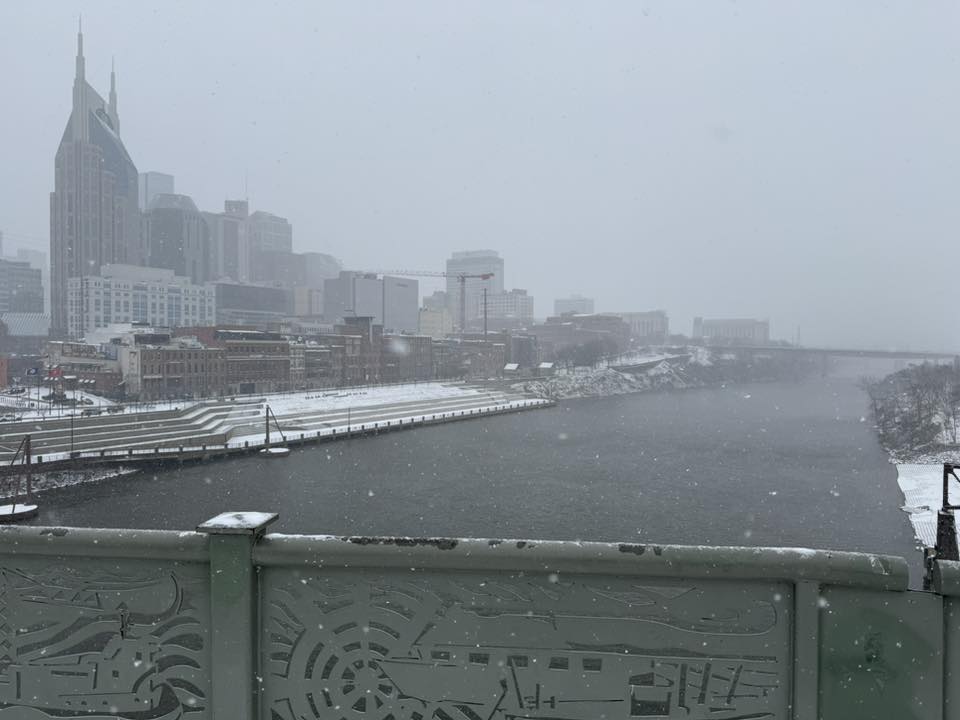
A lengthy post in the Nashville Visitors Facebook group sparked intense discussion about whether tourists should visit during the emergency. The original poster laid out the harsh reality: nearly 200,000 of Nashville Electric Service’s 300,000 customers were without power, roads were covered in thick ice, and locals desperately needed hotel rooms to escape freezing homes.
The Reality on the Ground
The situation was genuinely severe. People reported going 36-48 hours without power, with indoor temperatures dropping to 38 degrees. Water bowls were freezing inside kitchens. Many couldn’t even leave their blocks safely.
One commenter described clearing ice off their truck for over an hour before attempting a 45-minute drive that would normally take much less time. Another mentioned trees and power lines continuing to snap under the weight of ice even after the initial storm passed.
The Local Perspective
Most locals were clear: this wasn’t the time for tourists. The concern wasn’t just inconvenience – it was about resource allocation during an actual emergency.
Hotel rooms became a point of real frustration. Essential workers, including power company line crews arriving from out of state to help restore electricity, struggled to find accommodations. Meanwhile, some downtown bars were housing employees in hotels to keep serving tourists, taking up rooms that emergency workers needed.
People without heat for days watched visitors book hotel rooms with heated pools while they huddled in their cars for warmth.

The Tourism Economy Conflict
Not everyone agreed tourists should stay away. Nashville’s economy depends heavily on tourism, and employees at bars and restaurants still needed income despite the storm.
A few commenters noted that downtown Nashville fared better than residential areas. Underground power lines meant fewer outages in the tourist district, and major roads were cleared faster than neighborhood streets.
One local even welcomed visitors, arguing that empty hotel rooms and closed businesses hurt workers who depend on tourist dollars to pay their bills.
The Geographic Split
Downtown told a different story than the surrounding areas. While residential neighborhoods dealt with impassable streets and widespread power outages, the honky tonk district remained relatively functional.
Someone living downtown reported never losing power and seeing traffic flow reasonably well, even if not normally. The airport reopened, rideshares were available (though expensive), and bars operated with skeleton crews.
But venture outside the tourist bubble? That’s where the real damage existed.
What About Scheduled Trips?
Travelers with non-refundable reservations faced tough choices. Some argued they couldn’t afford to lose their deposits and asked what was actually open.
Others took the loss rather than risk traveling on ice-covered highways. The general sentiment from locals: if your airline cancelled your flight, you might get a refund anyway.
The Comparison to Natural Disasters
Several people drew parallels to other emergencies. Would tourists visit Florida immediately after a hurricane? Hawaii right after the Lahaina fires?
This ice storm resulted in four confirmed deaths, 143 downed power poles, and a third of all power outages nationwide concentrated in the Nashville area. The temperature stayed below freezing for days, with single-digit forecasts ahead.
A Few Dissenting Voices
Some visitors said they were coming anyway. A traveler from Colorado joked that the conditions looked like a typical February day back home.
A handful of people pushed back against what they saw as rudeness, arguing that out-of-towners might not understand how severe things were – which is exactly why they were asking the Facebook group for advice.
The Bottom Line
The overwhelming consensus: Nashville needed time to recover before welcoming tourists. Not because locals don’t appreciate visitors, but because they literally couldn’t provide a good experience while dealing with a historic power outage and dangerous road conditions.
The honky tonks would still be there in a week. The ice wouldn’t.