Nashville visitors can spend hundreds of dollars on attractions, entertainment, and downtown parking while missing some of the city’s best experiences that cost absolutely nothing. Even worse, some of the most memorable stops require reservations that travelers don’t know to make until it’s too late.
These 15 Nashville stops reveal a different side of Music City, from historic recording studios to overlooked museums and extraordinary places hiding in plain sight. A few are just steps from attractions you probably already planned to visit.
The Free Skyline View People Discover After Paying for a Rooftop
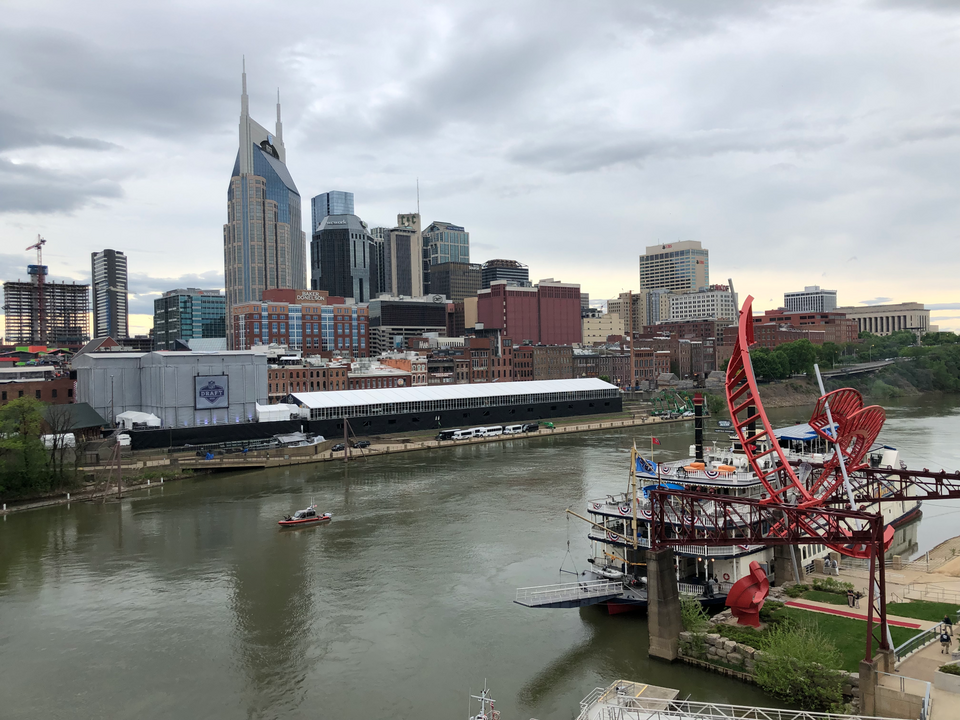
The John Seigenthaler Pedestrian Bridge crosses the Cumberland River between downtown Nashville and the East Bank, near Nissan Stadium. Originally opened in 1909 as the Shelby Street Bridge, it is now one of the city’s most recognizable pedestrian landmarks.
And the view doesn’t cost a penny.
Walk onto the bridge from the downtown side, and the familiar noise of Broadway gradually fades behind you. The Cumberland River stretches below, with the downtown skyline rising above the waterfront.
The AT&T Building, known locally as the Batman Building, stands among the towers. From this angle, Nashville looks completely different from the city you see standing between the honky-tonks.
During the evening, the changing light makes the experience even better.
Buildings begin reflecting warm colors, the river catches the last daylight, and the city lights gradually appear. You can hear traffic in the distance, but you’re far enough above the streets to enjoy the view without fighting through a crowd.
Here’s what catches people off guard.
One of Nashville’s most memorable skyline experiences is completely free, and you don’t need to buy a drink or reserve a rooftop table to enjoy it.
The insider trick is to visit around sunset rather than in the middle of the afternoon. You’ll see the skyline in daylight and, if you stay long enough, watch the city transform after dark.
The bridge is a public pedestrian route, so there is no admission charge or ticket requirement.
Parking is the part that requires planning.
Downtown garages and event parking can become expensive, especially when something is happening at Nissan Stadium. Visitors staying downtown can often reach the bridge on foot without moving their car.
Wear comfortable shoes and remember that the bridge is exposed to the weather. Tennessee sunshine can feel especially strong when there’s little shade.
The biggest mistake is assuming the bridge is simply a convenient way to cross the river.
It’s an attraction in its own right.
And while this stop gives you Nashville from above, the next one takes you inside a piece of the city’s musical history that many people walk right past.
The Souvenir You Could Have Made Yourself
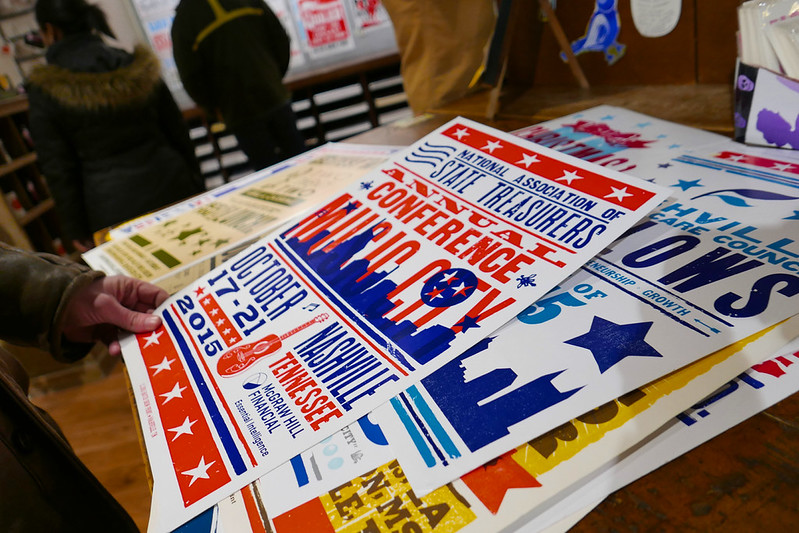
Hatch Show Print has been producing distinctive letterpress posters since 1879. Today, the historic print shop operates inside the Country Music Hall of Fame and Museum complex in downtown Nashville, offering guided experiences that typically last about an hour.
Many visitors see the famous posters without realizing they can discover how they’re made.
Step inside, and the atmosphere feels different from a modern souvenir store.
Wooden printing blocks, old-fashioned machinery, and rows of colorful posters tell the story of an art form that existed long before digital design.
The posters have a look that is immediately recognizable.
Bold lettering, dramatic illustrations, and striking colors have advertised generations of musicians, concerts, and entertainment events.
There’s something satisfying about seeing how those designs come together through physical printing equipment rather than a computer screen.
You begin to understand why an old concert poster can feel like a little piece of American music history.
Here’s the detail that surprises people.
Hatch Show Print isn’t just a historic poster shop. Its guided experience includes an opportunity to create a keepsake print.
That’s a very different souvenir from another T-shirt purchased on Broadway.
The insider move is to look into the Hatch Show Print tour while booking your Country Music Hall of Fame visit.
The two attractions share a building, but you should not assume that buying one experience automatically reserves the other.
Tour availability and ticket prices can change, so confirm the current schedule before planning your day.
If you’re traveling with someone who loves art, graphic design, vintage advertising, or country music, this is especially worth considering.
Another mistake is rushing through the shop because you think the posters are simply reproductions of old designs.
The working presses are part of what makes the place special.
And speaking of places visitors overlook while planning expensive museum days, Nashville has an enormous history museum that doesn’t charge admission.
The Museum That Charges Nothing and Tells the Whole Tennessee Story
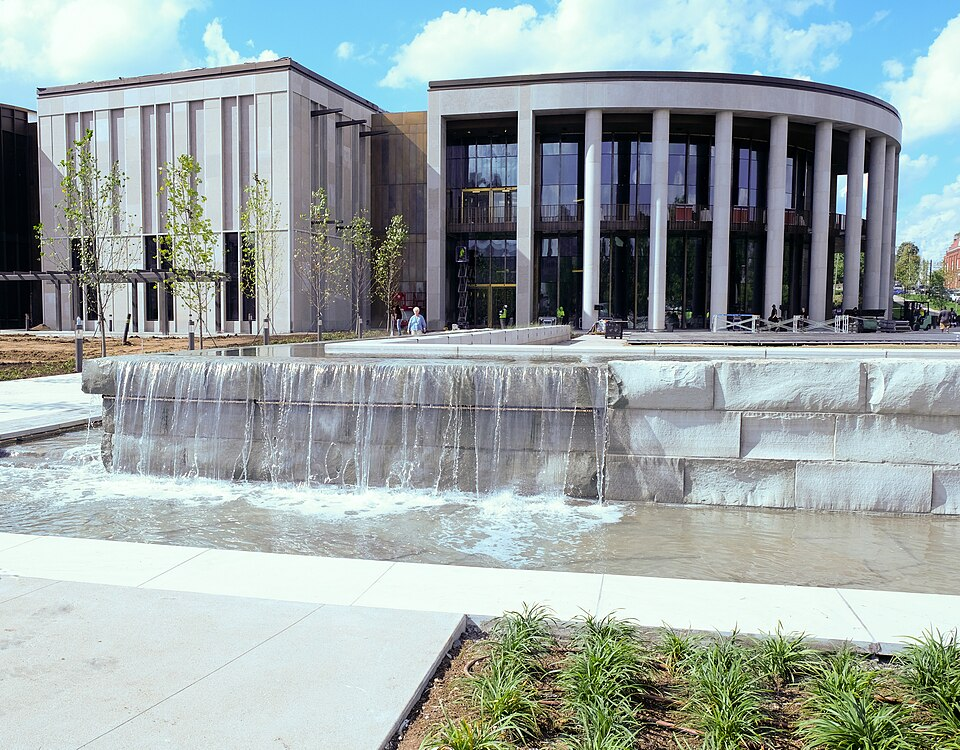
The Tennessee State Museum sits on Rosa L. Parks Boulevard beside Bicentennial Capitol Mall State Park and the Nashville Farmers’ Market. Admission is free, and the museum offers exhibitions covering Tennessee’s history, culture, and people.
That combination makes it one of the smartest stops in the city.
Inside, the exhibits take visitors far beyond the country music industry.
Tennessee’s Indigenous history, early settlement, statehood, the Civil War, emancipation, and the changing lives of its residents are all part of the larger story.
The museum’s displays use historical objects, images, documents, and interpretive exhibits to bring different periods to life.
One moment, you’re learning about the state’s earliest communities.
The next, you’re confronting difficult chapters of American history that shaped the Tennessee people know today.
It is the kind of place where an intended quick visit can turn into a much longer afternoon.
Here’s what most people don’t realize.
You can visit one of Nashville’s most substantial cultural attractions without paying an admission fee.
The best strategy is to combine the museum with the neighboring Farmers’ Market and Bicentennial Capitol Mall State Park.
That creates an entire outing without having to drive between three separate destinations.
Free parking is available in the shared museum and market parking area, although spaces can be harder to find during busy periods.
The museum is an indoor attraction, making it particularly useful when summer heat or a rainy afternoon interrupts your plans.
Check its operating schedule before visiting, especially around holidays.
Don’t make the mistake of treating this as a tiny local-history display that you’ll finish in a few minutes.
There’s enough material here to reward a visitor who enjoys taking their time.
And once you step outside, you’ll discover that Nashville has turned an entire stretch of parkland into an outdoor Tennessee history lesson.
The Giant Tennessee Map Most Visitors Never Walk Across
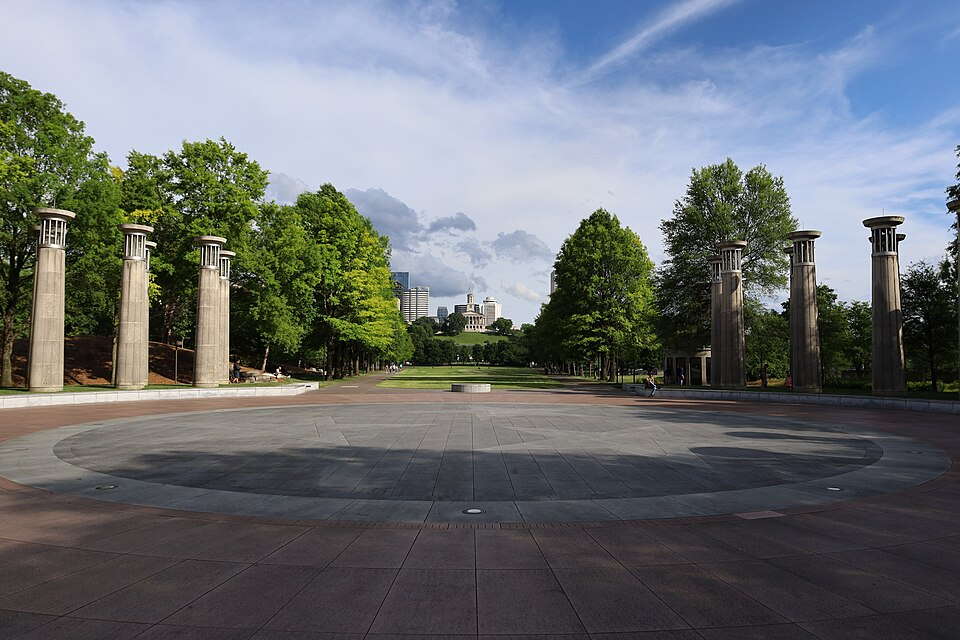
Bicentennial Capitol Mall State Park sits immediately north of the Tennessee State Capitol, beside the Tennessee State Museum and Nashville Farmers’ Market. The park opened in 1996 to commemorate Tennessee’s 200th anniversary of statehood.
It is a public park filled with monuments, historical displays, and views toward the Capitol.
But it doesn’t feel like an ordinary neighborhood green space.
A large granite map of Tennessee spreads across the grounds, inviting visitors to look at the state from a completely different perspective.
Elsewhere, historical markers and memorial features explain important moments in Tennessee’s past.
The park also includes a carillon with bells representing the state’s counties.
When the bells sound, the experience feels especially connected to the place itself.
You can walk through the grounds, study the monuments, and look toward the Capitol rising above the surrounding streets.
It’s a remarkably peaceful contrast to the entertainment district.
Here’s the surprise.
One of Nashville’s most interesting outdoor attractions combines a giant map, state history, Capitol views, and a carillon without requiring an admission ticket.
The insider trick is to visit immediately after the Tennessee State Museum.
The park is right next door, so there’s no reason to make a separate driving trip.
Visitors interested in photography should take time to explore the different viewpoints toward the Capitol rather than stopping at the first monument.
The park itself is free to enter.
Because it’s an outdoor attraction, comfortable walking shoes, drinking water, and weather-appropriate clothing make the experience more enjoyable.
Summer afternoons can be hot, and exposed sections of the grounds offer limited relief from direct sunlight.
The common mistake is treating the park as merely a shortcut between the museum and another destination.
Slow down.
The details are the attraction.
And just a short walk away, another overlooked Nashville stop offers something equally valuable after a morning of sightseeing: a good meal without returning to Broadway.
The Lunch Stop That Can Save Your Entire Afternoon
The Nashville Farmers’ Market operates near the Tennessee State Museum and Bicentennial Capitol Mall State Park, just north of downtown. Its Market House brings together food vendors, while other market areas feature agricultural products, plants, and specialty goods.
It’s one of those places that makes more sense the moment you walk inside.
Instead of committing to a single restaurant, you can look around and decide what sounds good.
The atmosphere is casual.
Food counters, tables, and people moving between vendors give the Market House a different feeling from the polished dining rooms around downtown hotels.
There’s room for different appetites, too.
One person might want a hearty lunch while someone else is interested in a lighter meal or something sweet.
The surrounding market adds another layer to the visit, particularly when farm vendors and specialty sellers are operating.
Here’s what makes this stop especially useful.
The Farmers’ Market sits beside two free attractions, making it possible to combine lunch, Tennessee history, and an outdoor walk without spending the day moving your car.
The insider move is to plan this as one complete outing.
Visit the museum first, explore the park, then head to the Market House when you’re ready to eat.
You can also reverse that order if hunger is already becoming the main concern.
Food prices depend on the vendor and what you order, so don’t assume every meal is automatically cheaper than a downtown restaurant.
The real savings may come from avoiding another parking charge or unnecessary rideshare trip.
The market has parking available, but busy periods can affect availability.
Check the current hours of individual vendors, since the Market House and other market areas do not necessarily follow identical schedules.
The trap is arriving with your heart set on one particular vendor without confirming that it’s open.
Come with a little flexibility.
That’s part of the fun.
And if the market offers a satisfying taste of everyday Nashville, the next stop reveals a side of the city’s nightlife that existed long before today’s towering Broadway bars.
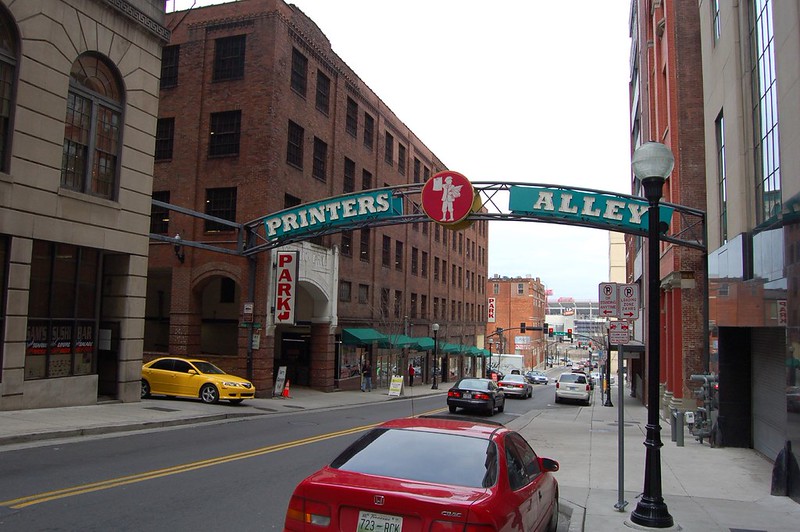
The Alley That Was Famous Before Broadway Became the Main Attraction
Printers Alley runs through downtown Nashville between Third and Fourth avenues, north of Broadway. Its history reaches back to the city’s printing and publishing businesses, and it later became one of Nashville’s best-known nightlife districts.
Today, the alley remains home to entertainment venues with a very different personality from Lower Broadway.
Walk into the narrow passage, and the atmosphere changes.
The buildings sit close together. Signs glow above the entrances, and music drifts from establishments tucked into the old downtown streetscape.
It feels more intimate than the wide, crowded blocks of Broadway.
One of its best-known destinations is Skull’s Rainbow Room, whose history dates to 1948.
The venue is associated with the late David “Skull” Schulman and Nashville’s long tradition of live entertainment.
Another longtime alley attraction is Bourbon Street Blues and Boogie Bar, known for blues-oriented live music.
This is Nashville nightlife with a different soundtrack.
Here’s what catches visitors off guard.
Printers Alley was an established entertainment destination long before the modern Lower Broadway tourism scene became Nashville’s defining image.
The insider tip is to explore the alley before committing your entire evening to Broadway.
Look at the performance schedules for individual venues and choose the music you actually want to hear.
A jazz or blues performance can be a welcome change after an afternoon of country music.
Walking through the alley itself doesn’t require a ticket, but individual businesses may charge covers or have minimum purchases.
Dining, reserved seating, and special performances can also affect the cost.
Don’t assume that every venue operates like a Broadway honky-tonk where you can simply wander in at any time.
Some experiences are better with reservations.
And remember that Printers Alley is still an active nightlife area, not a preserved historical attraction.
Respect the businesses and people who use it.
But if you enjoy music in smaller rooms, there’s another Nashville institution where the performance matters far more than the building’s appearance.
The Little Room Surrounded by a Neighborhood That Changed Around It
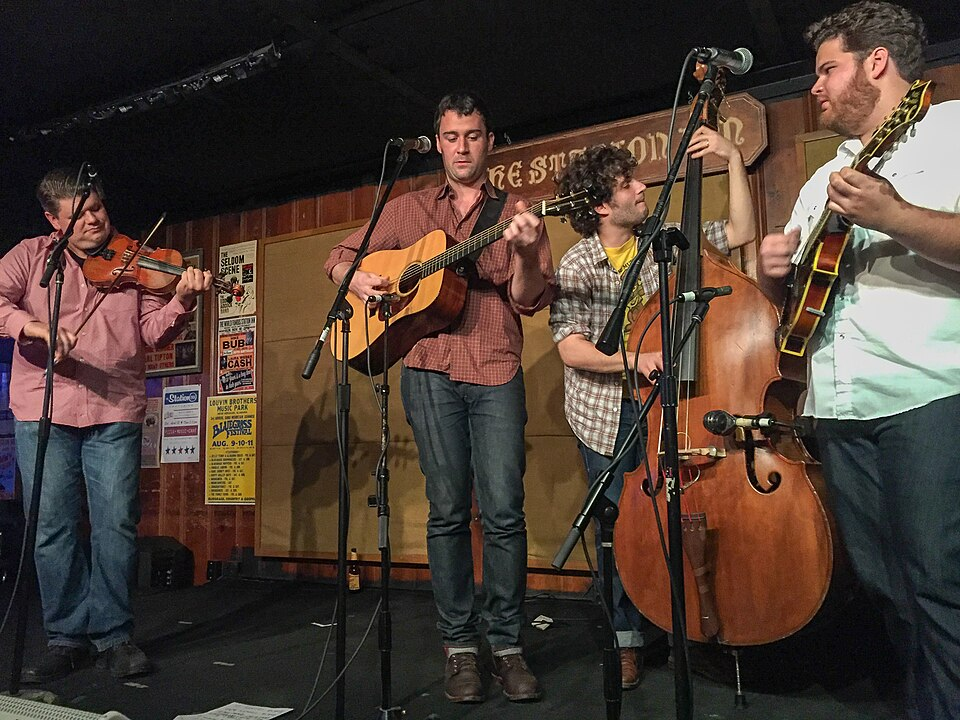
The Station Inn has been a Nashville bluegrass institution since 1974. Located in The Gulch, it offers live roots music in a neighborhood now known for upscale restaurants, hotels, apartments, and shopping.
The contrast is part of its charm.
Outside, The Gulch reflects modern Nashville.
Tall buildings, busy streets, and fashionable storefronts have transformed the surrounding area.
Then there’s the Station Inn.
The modest exterior doesn’t suggest the importance of the music performed inside.
Step into a performance, and the focus shifts to instruments, voices, and the interaction between musicians.
Bluegrass is especially rewarding in a room where you can appreciate the individual sounds.
A mandolin cuts through the arrangement.
A banjo answers.
The fiddle takes a turn, and the musicians bring everything back together.
It’s music that rewards listening rather than simply providing background noise.
Here’s the part people miss.
The Station Inn has been part of Nashville’s music scene for decades, yet its modest appearance makes it easy to overlook among The Gulch’s newer buildings.
The insider strategy is to check the performance calendar before your trip.
Choose an evening based on the artist or type of music rather than assuming every show offers the same experience.
The venue has traditionally emphasized a straightforward, music-first atmosphere, with many performances using first-come seating arrangements.
Confirm current ticketing and admission policies for the particular show.
Parking in The Gulch can require planning, especially on busy evenings.
If you’re staying nearby, walking may be more convenient than moving your vehicle and paying for another parking space.
Don’t arrive expecting the elaborate production of a major concert hall.
That’s not the point.
The attraction is being close to musicians who know exactly what they’re doing.
And for another intimate Nashville music experience, the next stop requires a little more advance planning than most visitors expect.
The Tiny Songwriter Room Where Waiting Until Vacation Can Be Too Late
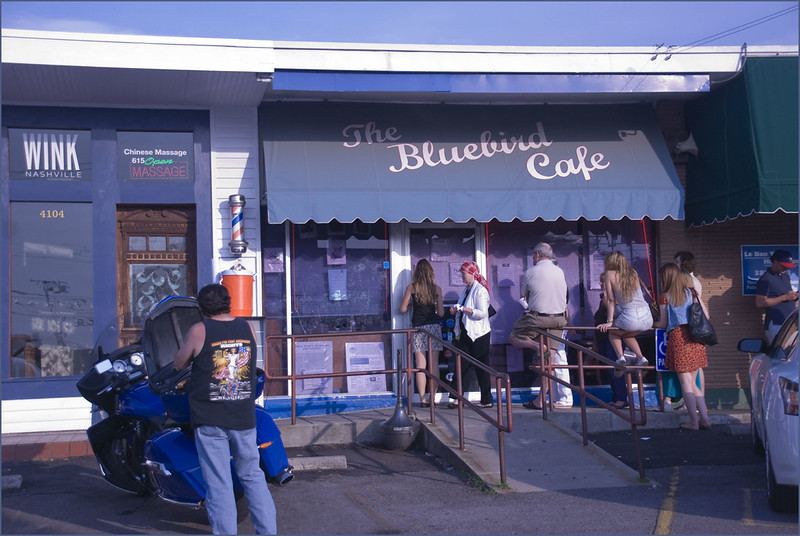
The Bluebird Cafe is located in a shopping center in Nashville’s Green Hills area, away from the downtown entertainment district. The intimate listening room is famous for songwriter performances, including shows where the people who wrote familiar songs explain and perform their own work.
It doesn’t look like a major Nashville landmark from outside.
That’s part of what makes the experience so memorable.
Inside, the emphasis is on listening.
The performers are close to the audience, and the room is designed around the songs rather than elaborate stage effects.
An acoustic guitar begins.
A songwriter introduces a piece of music.
Then a familiar melody fills the room, sometimes sounding completely different from the polished recording people know.
The stories behind songs can become as compelling as the performances themselves.
Here’s where travelers get caught.
The Bluebird Cafe releases many reservations only about a week before performances, and desirable seats can disappear quickly.
For Friday through Sunday performances, reservations generally open on the preceding Monday at 8 a.m. Central.
That timing matters.
The insider move is to study the reservation rules before leaving home, then set a reminder for the appropriate release.
The Monday evening open mic traditionally operates on a first-come, first-served basis, offering another way to experience the venue.
Limited walk-up seating may be available for some performances, but it isn’t guaranteed.
The Bluebird also has a $15 food-or-drink minimum per seat, separate from the cover charge and applicable fees.
That means the ticket price isn’t necessarily the entire cost of your evening.
Parking and arrival instructions should be checked when making reservations.
The biggest mistake is assuming that a famous Nashville music venue operates like a downtown bar where you can simply walk inside and find a table.
Plan ahead.
A little preparation can make the difference between hearing a songwriter perform and hearing someone else describe the experience afterward.
And the next Nashville music stop has an equally important booking detail, even though it’s connected to one of the city’s most famous museums.
The Recording Room Where Nashville’s Greatest Hits Took Shape
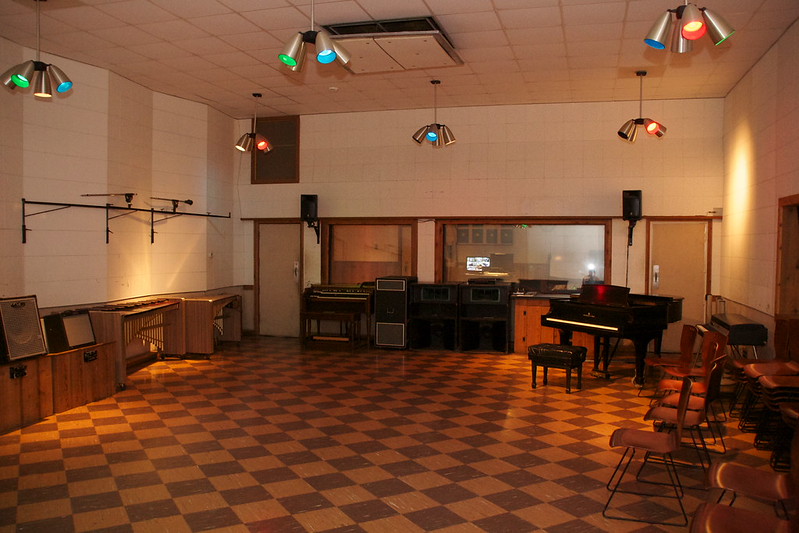
Historic RCA Studio B opened on Music Row in 1957. The recording studio became an important part of the Nashville Sound and hosted sessions involving Elvis Presley, Dolly Parton, Roy Orbison, and many other influential performers.
It’s one of the most historically significant music-related rooms visitors can experience in Nashville.
The building itself is understated.
There isn’t a giant arena or elaborate entertainment complex announcing what happened inside.
Instead, the appeal comes from standing in a place where music history was actually made.
The studio environment encourages a different kind of appreciation.
Rather than looking at an artist’s clothing or a collection of awards, visitors can think about the recording process itself.
The musicians, microphones, arrangements, and production decisions all mattered.
Songs that became part of American culture began as performances inside rooms like this one.
Here’s what visitors often learn too late.
RCA Studio B tours are separate guided experiences that depart from the Country Music Hall of Fame and Museum, with transportation included and museum admission required.
You can’t assume that walking into the Country Music Hall of Fame automatically gives you access to Studio B.
The insider move is to arrange the studio experience when booking your museum visit.
Tours are generally offered during the day, with departures between 10 a.m. and 3 p.m., and advance reservations are encouraged.
Because transportation is organized through the museum, visitors should follow the specified departure instructions rather than driving directly to the studio expecting to join a tour.
Allow enough time for the complete experience.
Don’t schedule another attraction immediately afterward without considering travel and tour duration.
The trap is treating Studio B as a quick photo stop on Music Row.
Its significance is inside the building.
And while Studio B celebrates the recordings Nashville made famous, the next attraction reveals the broader musical traditions that helped shape the city.
The Downtown Museum That Tells the Music Story Broadway Leaves Out
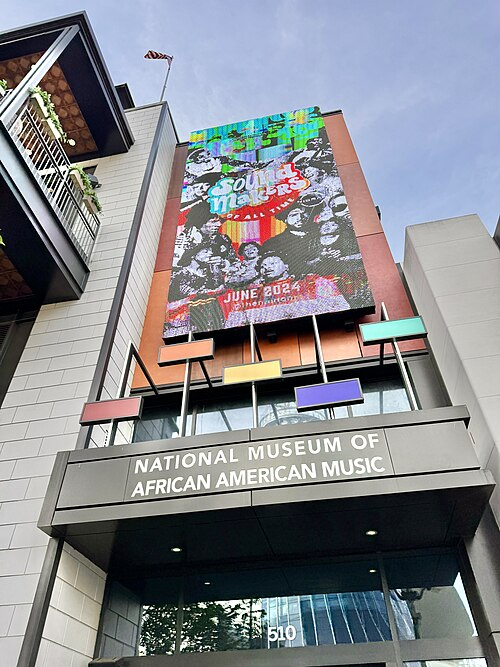
The National Museum of African American Music is located at Fifth Avenue and Broadway in downtown Nashville. Opened in 2021, the museum explores the influence of African American music across genres including gospel, blues, jazz, R&B, and hip-hop.
Its location makes it especially easy to miss for visitors rushing between the honky-tonks.
That’s unfortunate because the museum adds essential context to Nashville’s identity.
Inside, the exhibits connect musical styles, performers, historical movements, and cultural influences.
The story moves far beyond a single genre.
Gospel traditions help explain later developments in American popular music.
Blues and jazz reveal important foundations.
Rhythm and blues, soul, and hip-hop demonstrate how musical innovation continued through changing generations.
The experience helps visitors hear familiar music differently.
Here’s the important detail.
Nashville’s musical history cannot be understood through country music alone, and this museum explains the enormous contributions of African American artists to the American soundtrack.
The insider tip is to visit this museum alongside, rather than instead of, the Country Music Hall of Fame.
The two experiences tell different parts of a much larger story.
Together, they offer a more complete understanding of why Nashville became Music City.
The museum is a ticketed attraction, so confirm admission prices and operating hours before visiting.
Because it is downtown, parking costs may be a consideration.
Visitors staying near Broadway can often reach it on foot.
Allow enough time to engage with the exhibits rather than rushing through before dinner.
The mistake is assuming this museum is only for people who enjoy one particular kind of music.
Its subject is the development of American music itself.
And the next stop takes that story out of the museum and onto a Nashville street with a remarkable musical past.
The Street That Helped Shape Music City Before the Spotlight Moved Elsewhere
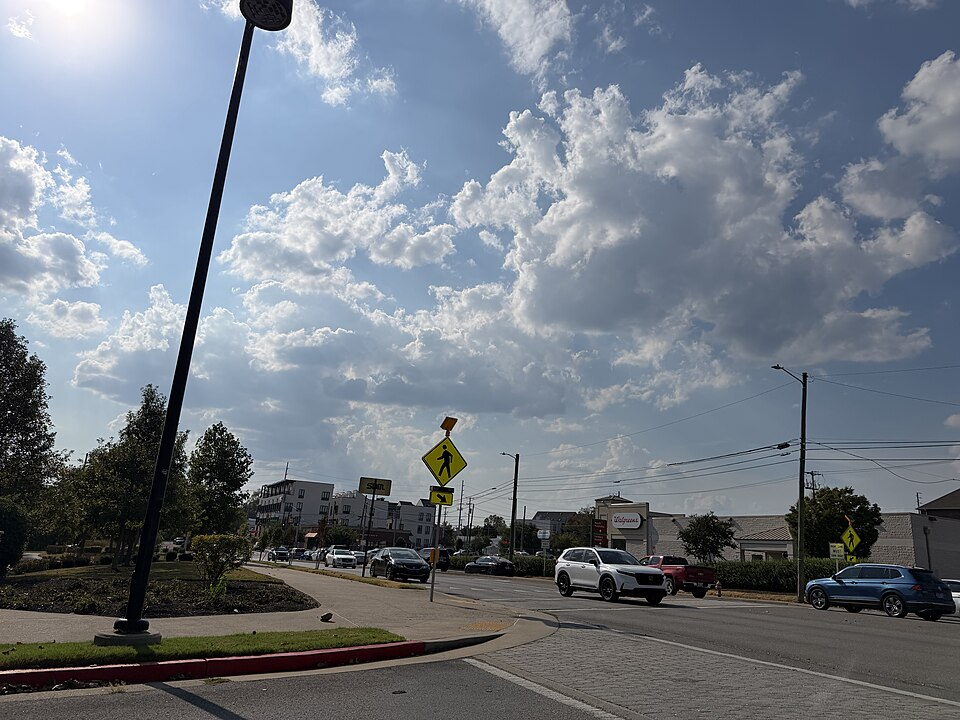
Jefferson Street is one of Nashville’s most historically important music corridors. Located north of downtown, it became a center of African American cultural life and entertainment, particularly during the era when segregation shaped where musicians could perform and audiences could gather.
The street’s story is essential to understanding Nashville beyond Broadway.
During its musical heyday, Jefferson Street was associated with clubs, performers, and audiences who helped develop the city’s reputation as an entertainment center.
Jazz, blues, and R&B were important parts of that identity.
The neighborhood also connected Nashville’s music scene with its historically Black educational institutions and surrounding communities.
That history gives the street a significance that isn’t immediately obvious from a casual drive.
Unlike a purpose-built entertainment attraction, Jefferson Street is a living urban corridor.
Its historical importance is layered into the neighborhood itself.
Here’s what many visitors never learn.
Nashville had a thriving Black music scene along Jefferson Street long before the modern tourist image of Music City became dominated by Lower Broadway.
The insider move is to approach Jefferson Street as a historical destination rather than expecting a continuous strip of preserved vintage clubs.
Jefferson Street Sound is one place associated with the area’s musical heritage, and its current public offerings should be confirmed before visiting.
You can also deepen the experience by exploring the National Museum of African American Music first.
That background makes the neighborhood’s history easier to understand.
Be mindful that Jefferson Street is not simply an entertainment district created for visitors.
People live, work, study, and run businesses in the surrounding area.
Respect private property and don’t assume every historic building is open to the public.
The trap is expecting the past to remain perfectly preserved.
Urban change has altered the landscape, but it hasn’t erased the importance of what happened here.
And after this history-rich stop, Nashville offers something completely different: a museum filled with some of the strangest automobiles you’re likely to encounter.
The Car Museum Where Normal Cars Are the Exception
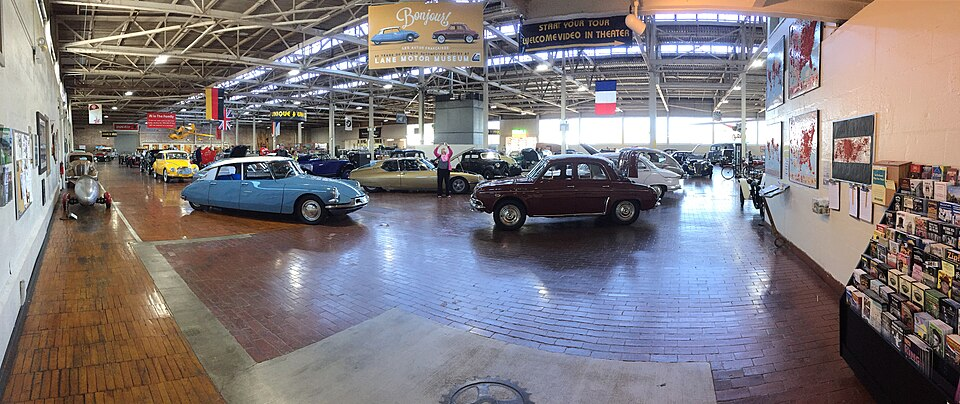
Lane Motor Museum is located on Murfreesboro Pike southeast of downtown Nashville. The museum opened in 2003 and occupies a former bakery building, with a collection especially known for unusual European vehicles and unconventional automotive engineering.
This isn’t your typical collection of polished American muscle cars.
Walk through the displays, and you’ll encounter machines that challenge almost every assumption about what a car should look like.
Some are remarkably small.
Others feature unexpected shapes, unusual engineering arrangements, or designs that seem more appropriate for a science-fiction movie.
Microcars are a particular attraction.
These compact vehicles show how manufacturers responded to different transportation needs, fuel concerns, and design ideas.
Some look almost comically tiny beside ordinary modern automobiles.
Others demonstrate remarkably clever engineering.
Here’s the surprise.
Lane Motor Museum specializes in unusual automotive designs, including rare European microcars and other unconventional vehicles that many Americans have never seen in person.
The insider tip is to visit with an open mind, even if nobody in your group considers themselves a car enthusiast.
The collection is as much about creativity, history, and engineering as it is about automobiles.
Take time to read the vehicle descriptions.
Understanding why a manufacturer designed something unusual often makes the vehicle far more interesting.
Admission is ticketed, and current prices and opening days should be confirmed before visiting.
The museum is outside the main downtown walking area, so plan transportation accordingly.
Parking is available at the museum.
Don’t assume every vehicle in the collection is always on public display, since museum exhibits and arrangements can change.
The biggest mistake is dismissing this attraction because you don’t particularly care about cars.
It’s often the strangest designs that make the strongest impression.
And Nashville’s surprises don’t stop with automobiles. The next one looks like a trip to ancient Greece without leaving Tennessee.
The Greek Temple With a Giant Golden Surprise Inside
The Parthenon stands in Centennial Park, west of downtown Nashville. The full-scale replica of the ancient Greek temple was originally created for Tennessee’s 1897 Centennial Exposition, and the permanent structure visitors see today was completed in 1931.
Its exterior is already extraordinary.
Massive columns rise above the park grounds, creating a scene that seems completely unexpected in the middle of Tennessee.
Visitors gather on the steps, take photographs, and admire the architectural details.
But many never go inside.
That’s where the experience becomes even more surprising.
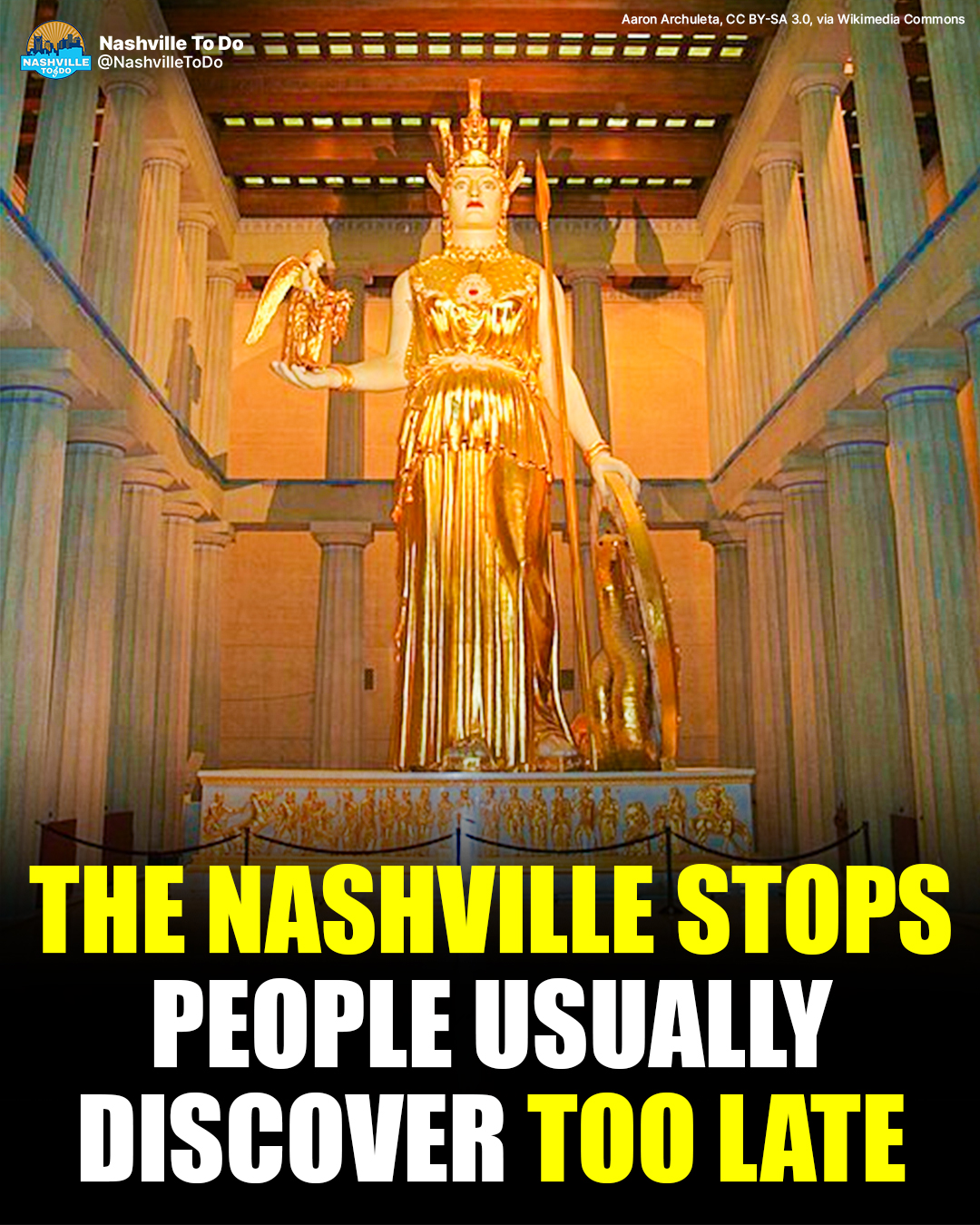
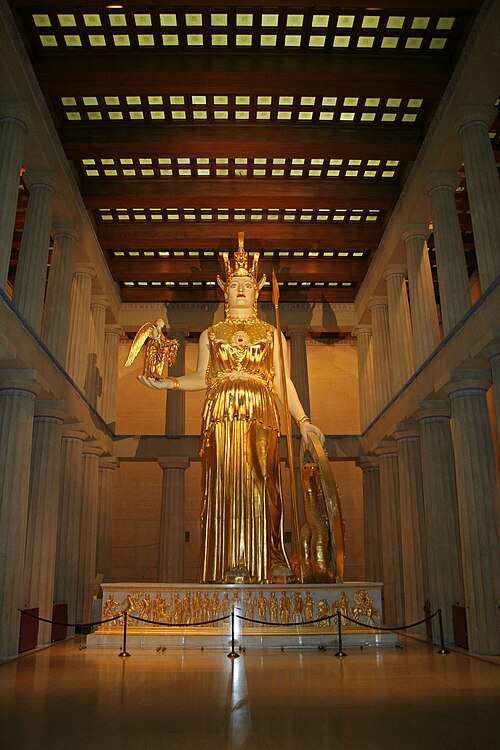
The interior houses an art museum and a towering statue of Athena Parthenos.
The sculpture stands approximately 42 feet tall and is decorated with gold leaf.
Looking upward at the enormous figure gives visitors a sense of the scale and drama associated with ancient temple sculpture.
Here’s what catches people off guard.
The Parthenon’s enormous Athena sculpture is inside the building, so visitors who only photograph the exterior miss one of Nashville’s most unusual attractions.
The insider strategy is to enjoy both experiences.
Walk around the exterior first, taking time to appreciate the columns and the surrounding park.
Then visit the interior rather than assuming you’ve already seen everything.
Centennial Park itself is free to enjoy, but entering the Parthenon’s museum requires admission.
Check current ticket prices and opening hours before visiting.
Parking is available around Centennial Park, although spaces can become harder to find during busy periods and special events.
If you’re traveling with someone who enjoys architecture, mythology, sculpture, or art, allow time for the museum exhibits.
The mistake is thinking of the Parthenon as nothing more than a strange Nashville photo opportunity.
It’s also an important part of the city’s cultural history.
And if you appreciate beautiful architecture, the next destination offers an entirely different kind of grandeur, with gardens surrounding a historic estate.
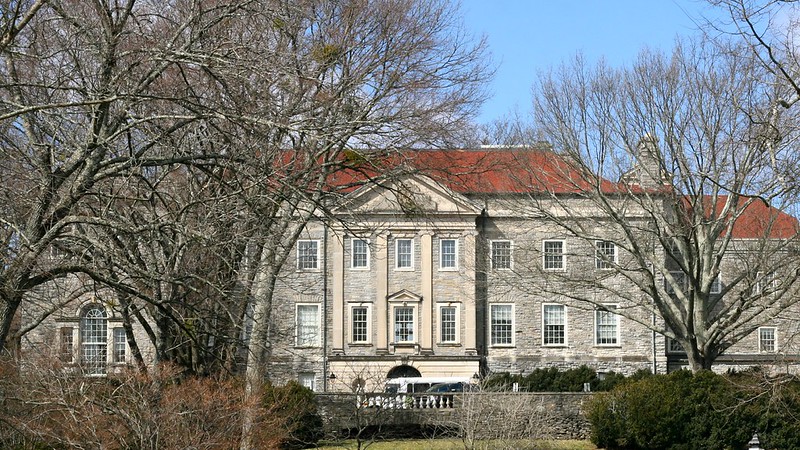
The Historic Estate That Feels a World Away From Broadway
Cheekwood Estate and Gardens occupies a historic property in southwest Nashville. The estate is known for its mansion, art exhibitions, botanical gardens, and seasonal displays that transform the grounds throughout the year.
It’s a very different kind of Nashville afternoon.
Instead of honky-tonk music and crowded sidewalks, visitors encounter landscaped gardens, winding paths, and the architectural presence of a grand historic home.
The experience changes with the seasons.
Spring brings fresh growth and flowering displays.
Summer fills the gardens with greenery.
Autumn offers changing colors and seasonal programming, while holiday events create another reason to return.
The mansion adds a sense of history to the grounds.
Its architecture and interiors reflect a different chapter of Nashville life, one connected with the city’s development and the wealth created by successful local businesses.
Here’s what makes this stop special.
Cheekwood combines a historic estate, botanical gardens, and art experiences in one destination, offering a side of Nashville that has little to do with its famous nightlife.
The insider tip is to check the seasonal calendar before choosing your visit date.
Cheekwood’s programming changes, and certain displays or events may be available only during specific periods.
Don’t assume that everything shown in photographs from another season will be present during your visit.
Admission options can vary depending on the experience and special programming.
Confirm ticket details and reservation requirements before traveling.
The property is outside downtown, so plan enough travel time and avoid treating it as a quick stop between two tightly scheduled attractions.
Comfortable walking shoes are useful for exploring the gardens.
Weather also matters, especially when much of your planned visit is outdoors.
The trap is booking too little time.
Cheekwood is best enjoyed when you aren’t watching the clock every few minutes.
And for the final stop, there’s one more Nashville museum that turns the spotlight away from famous singers and toward the musicians who helped create the recordings everyone remembers.
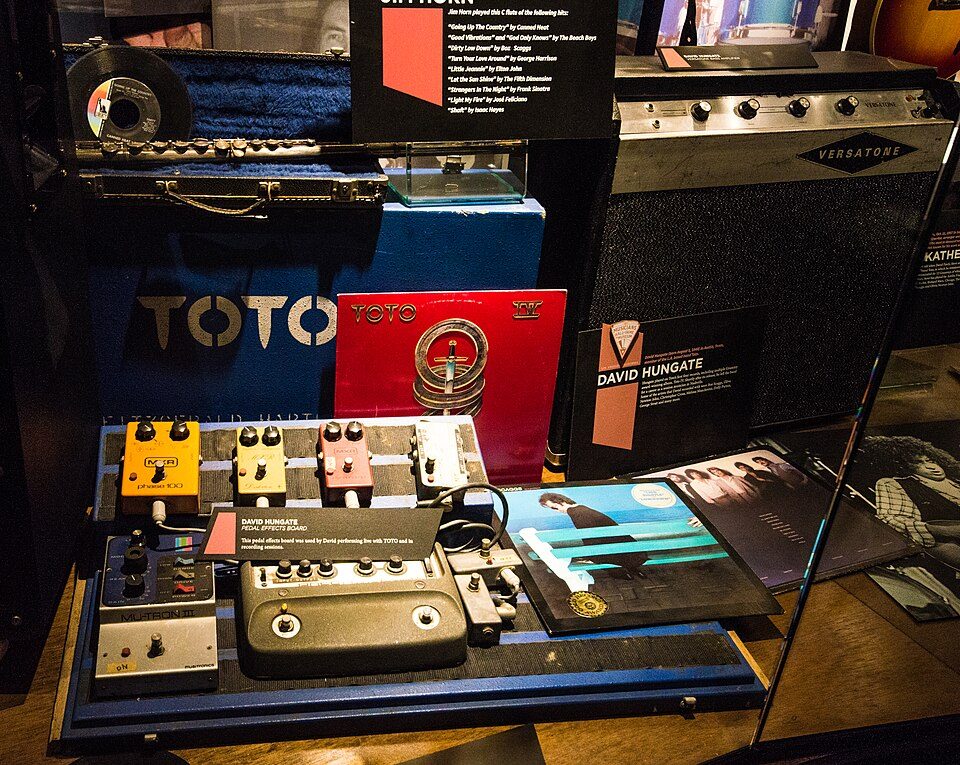
The Museum That Finally Gives the Musicians Behind the Hits Their Due
The Musicians Hall of Fame and Museum is located in the Nashville Municipal Auditorium building, north of downtown. Its exhibits celebrate instrumentalists, studio players, and performers whose work shaped recordings across country, rock, pop, soul, and other genres.
This is a different way of looking at music history.
Most people remember the singer.
They recognize the face on the album cover, the voice on the radio, and the artist standing beneath the stage lights.
But every recording has a much larger story.
Someone played the guitar part that made the song instantly recognizable.
Someone developed the bass line.
Someone added the piano, drums, or other instrumental details that turned a performance into a hit.
The museum gives those contributions the attention they deserve.
Exhibits feature instruments, recording history, and stories connected with influential musicians and celebrated recordings.
For people who love music, these objects can be just as fascinating as a famous performer’s costume.
Here’s what makes this museum different.
The Musicians Hall of Fame celebrates the players behind the recordings, not just the stars whose names appeared on the records.
The insider move is to visit after experiencing some of Nashville’s other music attractions.
Once you’ve learned about famous singers, songwriters, and studios, the musicians’ stories become even more meaningful.
It’s also a good choice for visitors whose musical tastes extend beyond the country.
The museum is a ticketed attraction, so check current admission prices and operating hours before visiting.
Its location near the Municipal Auditorium places it within reach of downtown, but parking arrangements and costs should be checked in advance.
Allow time to explore the exhibits rather than treating the museum as a quick addition to an already crowded itinerary.
The mistake is assuming that a museum about musicians will simply repeat what you’ve seen at the Country Music Hall of Fame.
The focus is different.
And once you understand how many people helped create Nashville’s famous sound, the city’s musical identity becomes much richer.
The Unexpected Fact About Nashville’s Most Overlooked Stops
Nashville’s reputation as Music City didn’t begin with the modern honky-tonks on Broadway. Long before today’s entertainment district became a major tourist destination, the city was already building a musical identity through publishing, recording studios, live performance venues, and communities that contributed to American music in very different ways.
Even the Parthenon tells part of that larger story. Nashville’s nickname, the Athens of the South, reflects its longstanding association with education and culture, not its modern entertainment industry. The city’s full-scale Greek temple became a lasting symbol of that identity.
That’s why the best Nashville trips usually leave room for more than the obvious attractions. The places that stay with you aren’t always the ones with the biggest signs, the longest lines, or the highest ticket prices.
Sometimes the best part of Nashville is the place you almost drove past.