

A Tennessee vacation can get expensive fast when every stop comes with another admission ticket, parking charge, souvenir shop, or overpriced drink. The strange part is that some of the places Tennesseans actually spend their free Saturdays cost little or nothing.
After digging through tourism information, recent visitor reports, local recommendations, and Tennessee discussions, a pattern becomes pretty clear: the famous attraction is not always bad. Sometimes the hype is simply bigger than the experience. And in a few places, the better version is only minutes down the road.
The Smokies Experience That Happens Beyond the Billboards
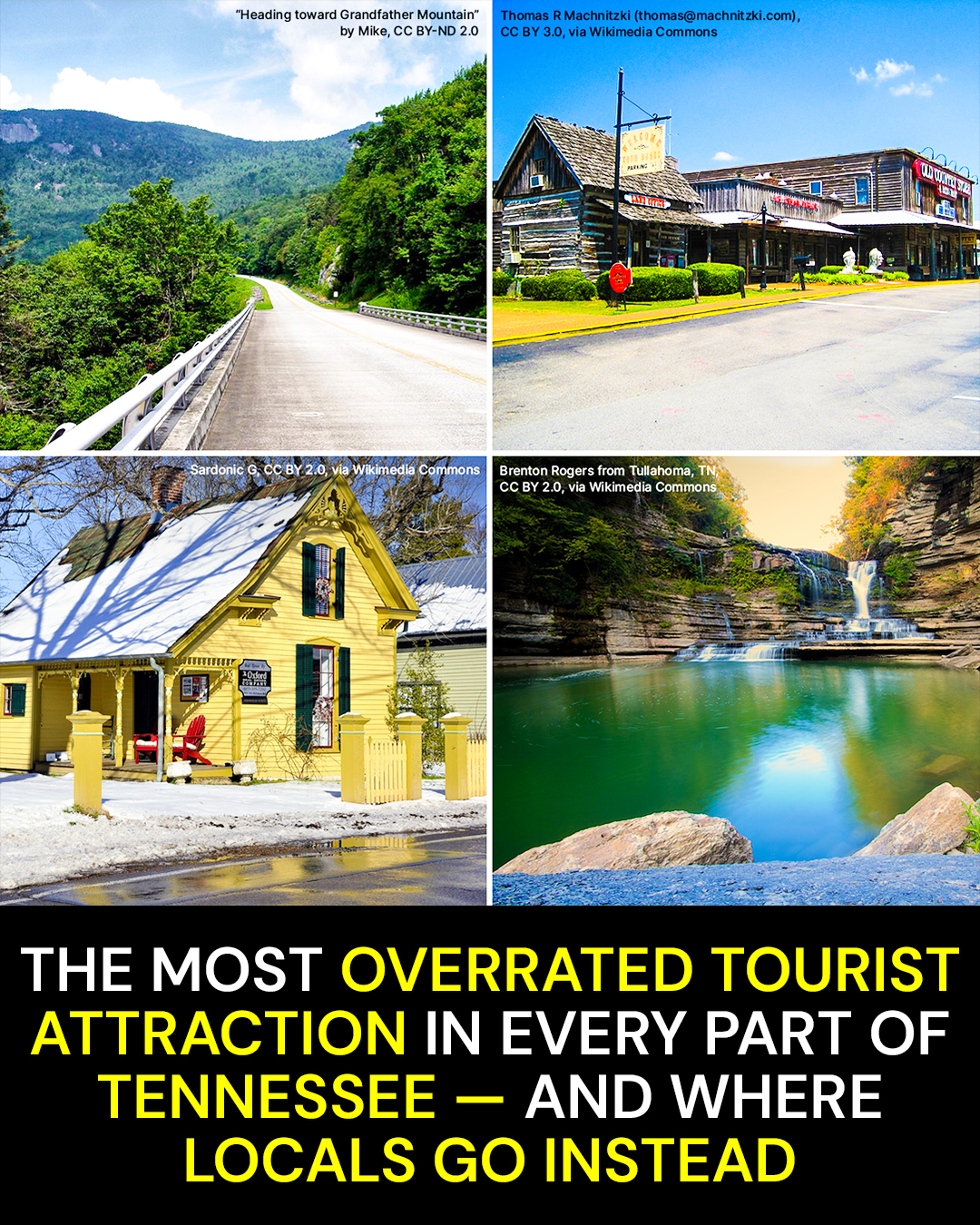
Pigeon Forge Parkway is one of Tennessee’s biggest tourism corridors, packed with dinner shows, go-karts, miniature golf, museums, souvenir stores, themed attractions, and enormous entertainment complexes. Yet Great Smoky Mountains National Park sits right next door, and Townsend gives visitors a quieter gateway into the same mountains.
Drive the Parkway at night and you understand the appeal immediately.
Signs flash against the mountains. Families pour from attractions. Traffic crawls past theaters and restaurants while another giant roadside building appears around practically every bend.
For some families, that is exactly the vacation they came for.
The problem begins when somebody travels hundreds of miles expecting the Smokies and spends most of the trip surrounded by asphalt.
Here’s what catches people off guard.
The most memorable Smokies experience may be the one that does not require buying an attraction ticket at all.
Townsend is the counterpoint. It sits on the western side of Great Smoky Mountains National Park and gives you access to Little River, Cades Cove, Tremont, Laurel Creek Road, Foothills Parkway, hiking, and tubing. Local travel discussions regularly recommend it to people trying to escape the more commercial side of the Smokies.
The insider move is simple: use the commercial strip selectively. Pick the attraction you genuinely want, then spend the daylight hours in the mountains.
That matters because attraction fees multiply quickly when several people are traveling together. Inside the national park, however, the scenery is the attraction. Remember that Great Smoky Mountains National Park requires a parking tag when you park for longer than 15 minutes, so “free park” does not mean you can simply leave a vehicle anywhere without planning.
Also, do not assume Townsend means nobody else knows about it. Cades Cove can still become crowded, particularly during popular travel periods. Start early and treat the drive itself as part of the experience rather than something to rush through.
The trap is trying to squeeze five ticketed Pigeon Forge attractions into a single day while the mountains you traveled to see disappear behind your schedule.
But Tennessee’s next overrated stop is different. This time, the attraction is beloved as a symbol, even by people who admit the actual visit can be surprisingly brief.
The Golden Landmark That’s Better as the Beginning of Your Knoxville Day
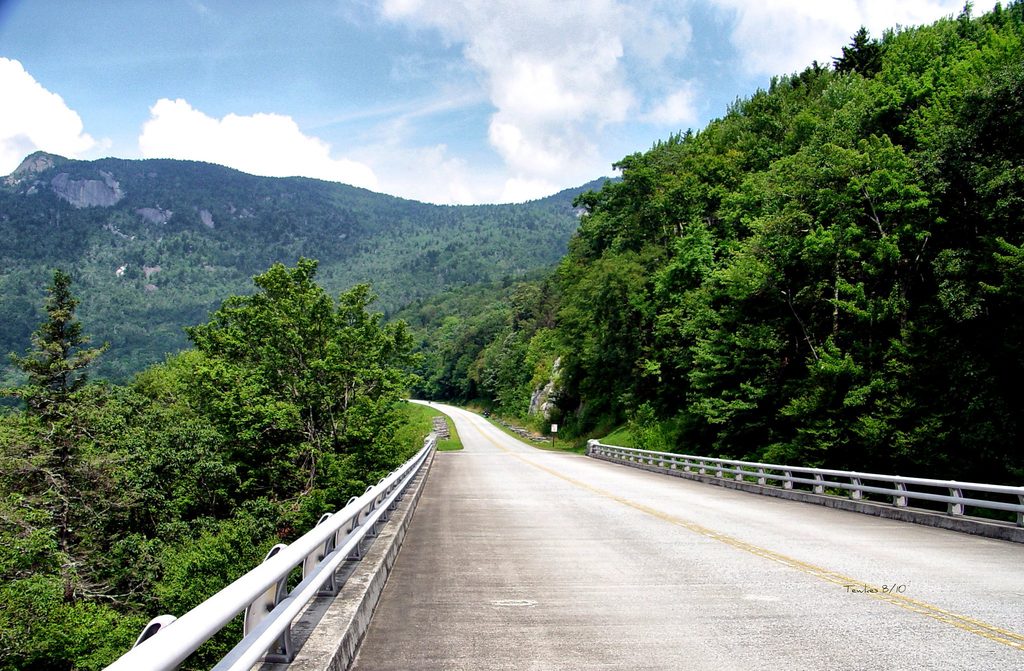
The Sunsphere has defined Knoxville’s skyline since the 1982 World’s Fair. Its observation level offers 360-degree views and exhibits about the fair, but Knoxville’s Urban Wilderness connects more than 60 miles of trails and greenways just minutes from downtown.
Nobody is suggesting Knoxville should take the Sunsphere down.
Quite the opposite.
That big gold ball glowing above World’s Fair Park is pure Knoxville. It belongs in the skyline the way the Batman Building belongs in Nashville.
Go up, look around, learn why the thing exists, and take your pictures.
Then keep going.
Here’s what catches people off guard.
Knoxville’s more surprising attraction is a huge outdoor recreation network practically in downtown’s backyard.
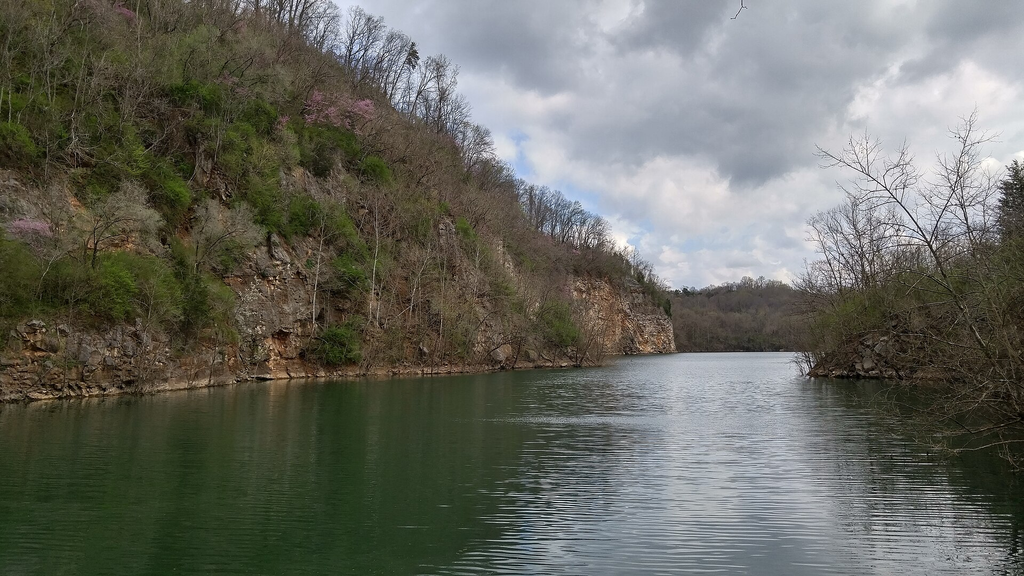
Ijams Nature Center sits roughly 3.5 miles from downtown and anchors one of the most interesting sections of the Urban Wilderness. The research notes document more than 300 acres at Ijams, with trails, river access, Mead’s Quarry, Ross Marble Quarry, wildlife habitat, fishing, paddling, and connections into the larger trail system.
The contrast is wonderful.
One minute you are looking at downtown Knoxville. Not long afterward, you can be beside quarry cliffs and still water with hiking shoes on your feet.
If you want the insider version of Knoxville, combine the two experiences rather than choosing one. See the Sunsphere, walk World’s Fair Park, then devote the larger part of your day to Ijams and the Urban Wilderness.
Mead’s Quarry is especially interesting for paddlers because motorboats are not permitted there. That changes the entire feel of the water.
The trap is treating the Sunsphere as the big Knoxville experience, checking it off, eating downtown, and leaving town.
Knoxville makes considerably more sense once you realize how much of its personality lives outdoors.
And if you think Knoxville’s overlooked outdoor side is impressive, wait until the pavement turns into high mountain country farther northeast.
The Famous Tennessee Venue That’s Completely Different When the Seats Are Empty
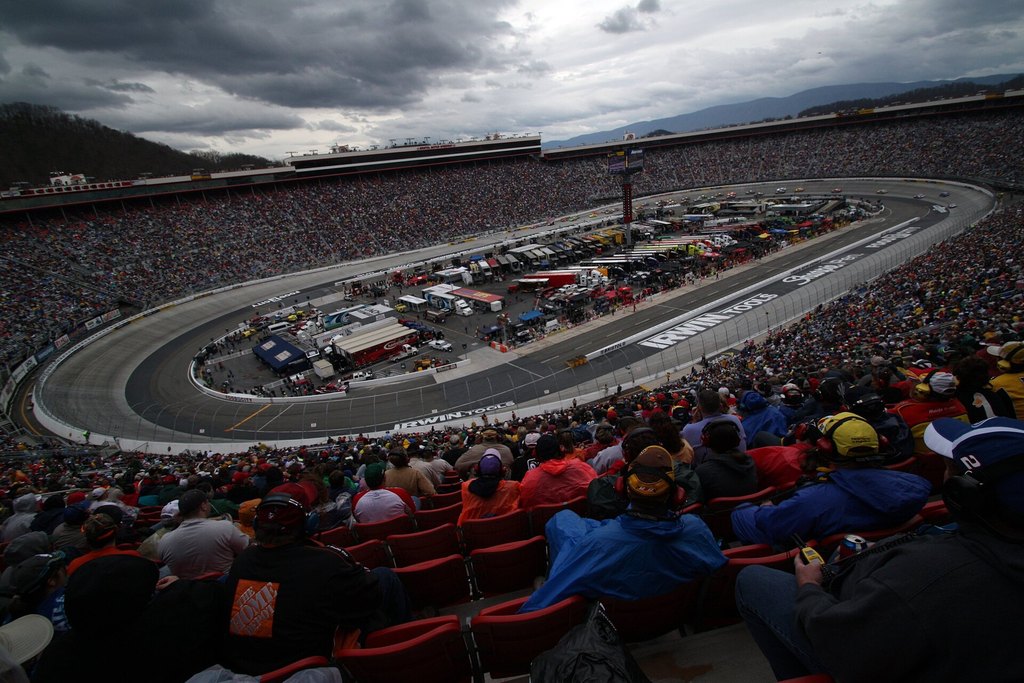
Bristol Motor Speedway is one of Northeast Tennessee’s most recognizable landmarks, but the equation changes when no race or major event is taking place. Local recommendations regularly point visitors toward Roan Mountain, Carvers Gap, Watauga Lake, Appalachian Trail sections, and other outdoor destinations instead.
On race weekend, this argument goes out the window.
Go.
The sound, crowds, spectacle, and atmosphere are the point.
On an ordinary day, though, a huge empty speedway has to compete with some awfully pretty country.
Drive toward Roan Mountain and the landscape starts doing the sales pitch for you. Roads climb, temperatures shift, ridgelines stack against the horizon, and the mountains begin to feel much larger than they looked from town.
Carvers Gap provides access to Appalachian Trail country and the famous high-elevation balds.
Here’s what catches people off guard.
The Bristol area makes far more sense as a gateway to Northeast Tennessee than as a one-attraction destination.
Local recommendations include Roan Mountain, Watauga Lake, Laurel Falls, Beauty Spot, Steele Creek Park, and Appalachian Trail sections. A 2026 visitor who spent ten days exploring the Tri-Cities singled out Carvers Gap at Roan Mountain as one of the standout experiences.
There is another good move if you came for Tennessee music history.
Head into downtown Bristol.
The Birthplace of Country Music Museum gives the area’s music story far more context than simply snapping a photograph at the Tennessee-Virginia state line.
The insider strategy is therefore easy. If the speedway has an event you care about, build around it. If nothing is happening there, do not force it into a full-day attraction.
Mountain weather is the practical trap. Conditions at higher elevations can feel very different from conditions down in town, so check current park and road information before heading toward the ridges.
And give yourself time.
This is not scenery designed to be consumed between two restaurant reservations.
The next Tennessee attraction does exactly the opposite. It puts nature on a schedule, takes you underground, and inspires arguments every time somebody calls it overrated.
The Underground Waterfall Tennesseans Will Happily Argue About
Ruby Falls takes visitors inside Lookout Mountain to an underground waterfall, and the property reports welcoming more than half a million guests from around the world annually. The standard experience uses reserved time slots, while quieter outdoor alternatives sit surprisingly close to downtown Chattanooga.
First, give Ruby Falls its due.
An underground waterfall inside a mountain is unusual.
Walking from daylight into cool cave air, following passages deeper underground, and finally reaching the falls creates the kind of experience children remember years later.
But this is not wild cave exploration.
It is a managed attraction. You move through a structured experience with other visitors, and popular times can sell out.
That distinction matters.
Here’s what catches people off guard.
You can experience the natural side of Chattanooga without spending your afternoon moving through Lookout Mountain on somebody else’s timetable.
Stringers Ridge sits only about two miles from downtown and covers 92 acres, with trails used by hikers, runners, mountain bikers, and families.
Reflection Riding Arboretum and Nature Center gives you another option at the base of Lookout Mountain. Its more than 300 acres include hiking, wildlife habitat, native plants, canoeing, and nature programming.
The insider trick is deciding what you actually want.
If the underground waterfall itself fascinates you, Ruby Falls may be worth every minute. Reserve ahead and go knowing you are visiting a developed attraction, not wandering through an undeveloped cave.
If what you really want is quiet Tennessee nature, Reflection Riding may fit the day better.
The trap is confusing “natural attraction” with “wilderness.”
Ruby Falls is nature presented as an attraction. Reflection Riding lets the surrounding ecosystem become the experience.
That does not make one good and the other bad.
It makes them different.
And Tennessee’s next famous natural destination proves that even a genuinely beautiful waterfall can become overrated when everybody arrives at once.
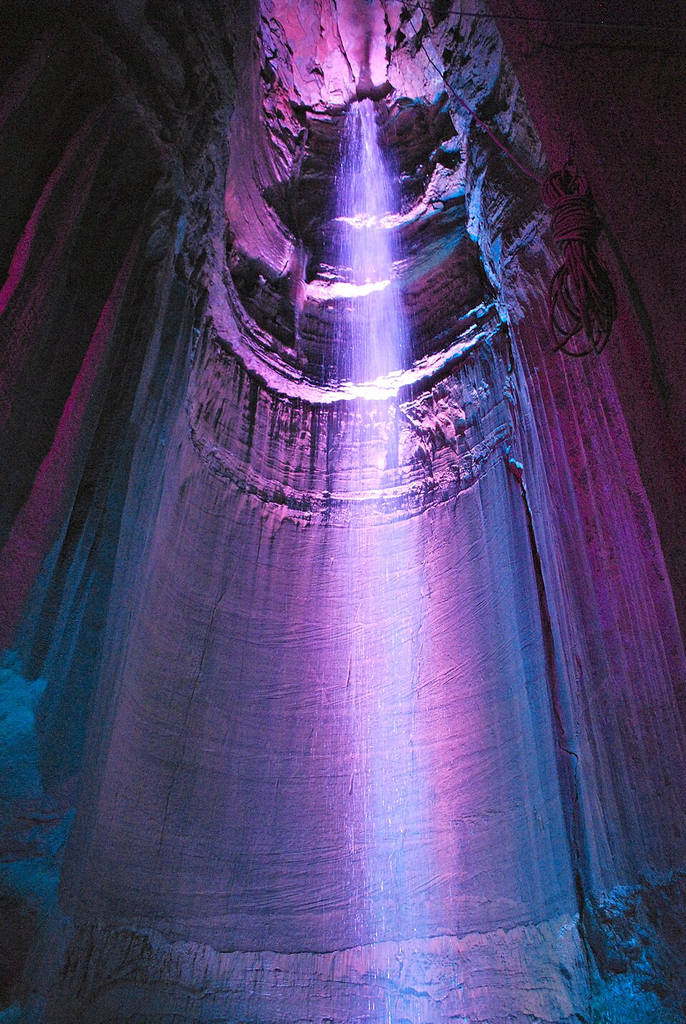
The Waterfall That’s Gorgeous Until Everybody Has the Same Saturday Idea
Cummins Falls is one of the Upper Cumberland’s most celebrated swimming-hole landscapes, but reaching the base is not a casual roadside stop. Gorge access requires a permit, and Tennessee warns visitors about strenuous hiking, slippery terrain, water crossings, swimming, rock scrambling, and flash-flood danger.
That last part gets lost in photographs.
Pictures make Cummins Falls look simple.
Blue-green water. Rock ledges. A waterfall spreading across the stone. People cooling off below it.
Then you arrive and discover the journey matters just as much as the destination.
This is rugged terrain.
On busy warm-weather weekends, you add another ingredient: people.
Local Tennessee discussions have specifically complained about crowding at Cummins Falls and recommended other Upper Cumberland parks instead.
Here’s what catches people off guard.
Cummins Falls is not a simple “park the car and walk over to the waterfall” attraction.
For experienced hikers wanting something different, Window Cliffs State Natural Area offers a dramatically different adventure. The trail is approximately 5.5 miles round trip, typically takes about 2.5 to 3 hours, and includes 18 creek crossings before reaching the narrow limestone ridge above Cane Creek.
That is not the easier alternative.
It is the quieter adventure for somebody prepared for it.
For travelers who want less of a workout, the research points toward Rock Island State Park, Burgess Falls overlooks, Fall Creek Falls during quieter periods, and Standing Stone State Park.
The insider trick is matching the waterfall to the traveler instead of chasing whichever one has the most Instagram photos.
Check official conditions before any gorge or waterfall hike. Rain upstream can change water conditions, slick rock deserves respect, and appropriate footwear matters.
The trap is showing up at Cummins Falls expecting a quick swim and discovering that you planned for a beach day when you needed to plan for an outdoor adventure.
But the next overrated Tennessee attraction does not suffer from too much water.
It suffers from too many neon signs, too many celebrity names, and far too many people believing one street represents an entire music city.
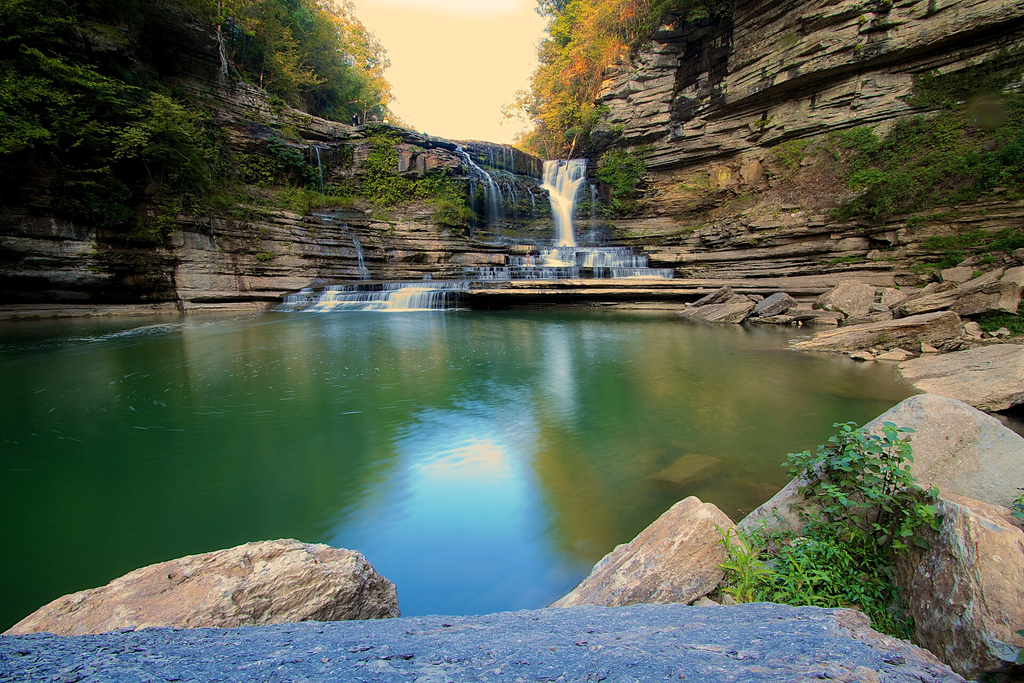
The Four Blocks Tourists Mistake for All of Nashville
Lower Broadway is Nashville’s most famous nightlife corridor, lined with honky-tonks and increasingly dominated by large entertainment venues and celebrity-branded bars. Even Nashville’s tourism organization recommends Honky Tonk Highway to first-time visitors, but smaller venues such as Station Inn, The Listening Room, Basement East, and others represent a very different side of Music City.
Broadway at night is a spectacle.
Boot heels hit the sidewalk. Music leaks from open windows and rooftop stages. Neon bounces off passing cars. One band ends a song while another one is already thundering through a chorus twenty yards away.
See it once.
Seriously.
The mistake is thinking you have now experienced Nashville’s music scene.
Here’s what catches people off guard.
Lower Broadway sells the Nashville people imagine before they arrive, while smaller rooms around town help explain why Nashville became Music City in the first place.
For bluegrass, Station Inn is the obvious counterpoint.
The room has deep roots in Nashville’s bluegrass and Americana culture, and recent visitors specifically looking for live music without Broadway crowds have been directed there by locals. The Station Inn’s Sunday bluegrass jam has also been promoted by Nashville tourism as a free live-music option.
Songwriter-focused rooms offer another Nashville experience entirely.
Instead of hearing another cover performed above a packed bar, you can hear writers talk about the songs themselves.
The insider move is not “never go to Broadway.”
Go early. Walk it. Listen. Take in the madness.
Then leave.
Spend another evening somewhere where the music is the reason everybody came through the door.
The practical trap downtown is assuming every bar, show, parking option, and evening works the same way. Policies, event schedules, reservations, age restrictions, and prices vary, so check the specific venue before going.
And do not build a tight itinerary around driving across downtown during major events.
Nashville traffic has humbled better plans than yours.
Once the noise gets old, there is another supposedly “secret” Middle Tennessee destination visitors flee toward. Unfortunately, thousands of other people discovered the secret too.
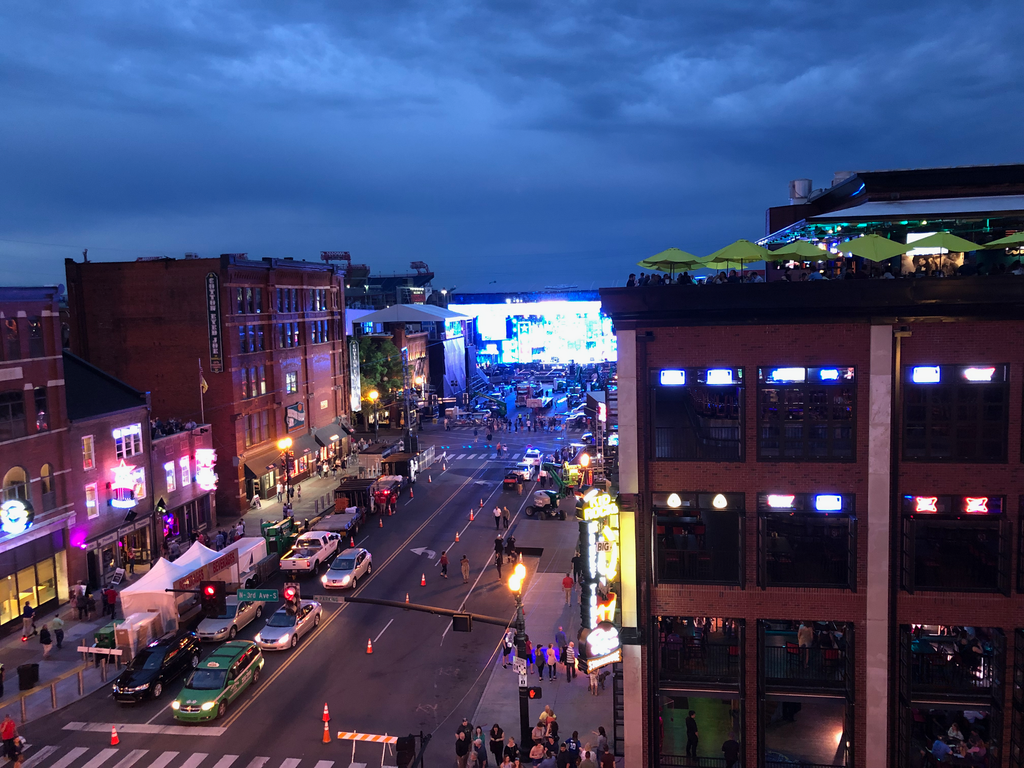
The Tiny Tennessee Village That Isn’t a Secret Anymore
Leiper’s Fork remains one of Williamson County’s most appealing little communities, but its reputation as an undiscovered country escape has outgrown reality. Visit Franklin now describes it as a tourist destination, popular live shows can sell out, and locals have warned visitors about weekend congestion.
That does not mean you should skip it.
Quite the opposite.
Go when the village can still breathe.
On a quiet morning, the surrounding roads roll through the Williamson County countryside, old buildings sit close to the road, and the whole place feels wonderfully removed from downtown Nashville.
On a packed weekend afternoon, the mood changes.
Parking tightens. Visitors fill the shops. Everybody seems to be pursuing the same small-town Tennessee moment at exactly the same time.
Here’s what catches people off guard.
The best part of visiting Leiper’s Fork may be leaving Leiper’s Fork and continuing into the countryside around it.
Natchez Trace Parkway is the obvious extension. Nearby options documented by Visit Franklin include Timberland Park, Garrison Creek, Bowie Nature Park, Harlinsdale Farm, and Harpeth River recreation. Garrison Creek Loop is about 1.3 miles, making it a manageable add-on rather than an all-day expedition.
The insider move is a weekday morning.
Arrive around the time the village begins waking up, look around, enjoy the atmosphere, then keep driving.
Do not arrive expecting miles of attractions. Leiper’s Fork’s scale is part of its charm.
The trap is treating it like a full-scale tourist district and arriving during the busiest part of Saturday with no plan beyond “find the cute village.”
This is one of those Tennessee places where slowing down makes the experience better.
And from quiet country roads, we’re heading to the opposite end of the emotional spectrum: a Tennessee street with so much history that visitors sometimes forget the rest of the city exists.
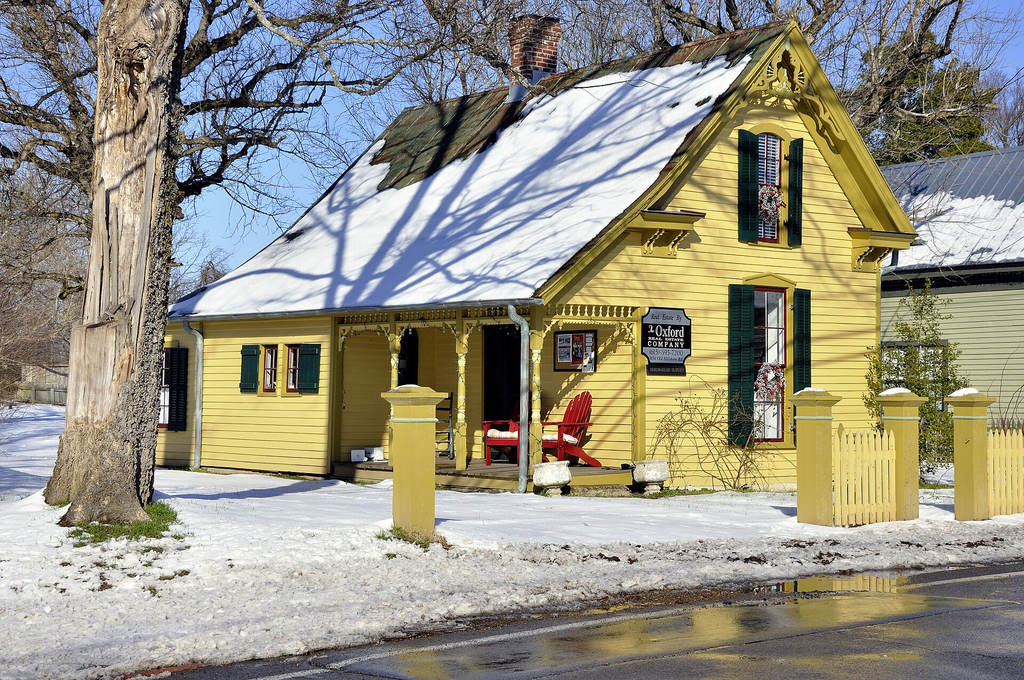
The Famous Memphis Street That Should Be Your First Stop, Not Your Last
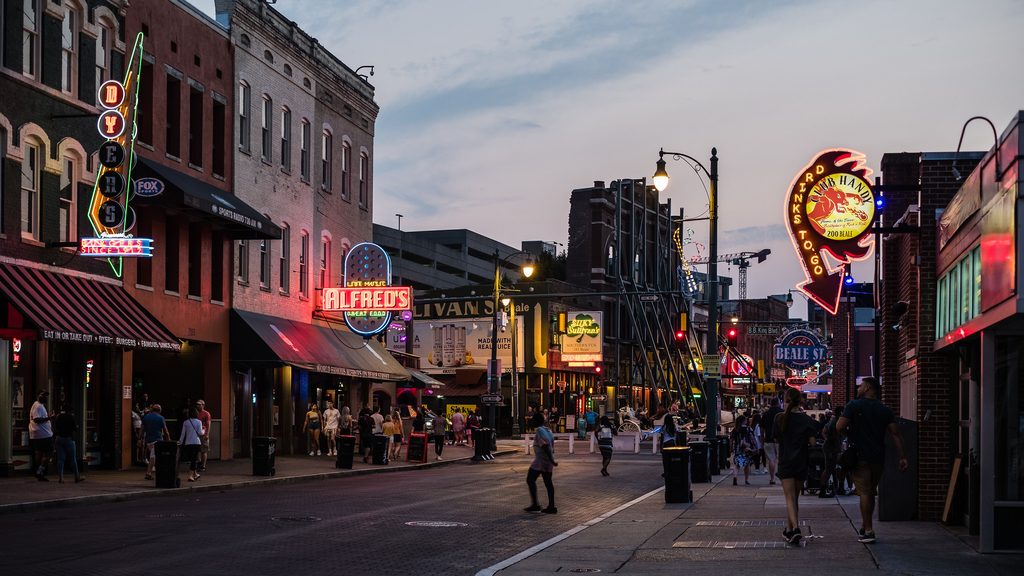
Beale Street is central to Memphis mythology, but it should not become your entire Memphis itinerary. Local recommendations repeatedly send visitors beyond Beale toward Cooper-Young, Overton Square, Midtown, Stax, Sun Studio, Shelby Farms, and the National Civil Rights Museum.
Beale deserves its moment.
The signs glow. Music pours through doorways. The street carries a name recognized far beyond Tennessee.
You are walking through a place tied to a music story that changed American culture.
But Memphis is much bigger than its most photographed street.
Move into Midtown and the city changes texture.
Cooper-Young has restaurants, bars, shops, galleries, music, and historic homes. Overton Square adds restaurants, theater, local retail, music venues, and an independent movie theater. Crosstown Concourse, Broad Avenue Arts District, and Overton Park expand the picture again.
Here’s what catches people off guard.
Beale gives you Memphis nightlife mythology, but Stax, Sun, and Midtown give you a much fuller picture of Memphis music culture.
Stax is especially important if the music is why you came.
It shifts the conversation from nightlife to the artists, musicians, recordings, and cultural forces behind Memphis soul.
Sun Studio is touristy too, but that is not automatically an insult. It remains an active recording studio after daytime tours and is consistently recommended to Memphis visitors.
The insider move is to divide your Memphis time.
Give Beale an evening or part of one. Give the city’s museums, neighborhoods, studios, and food culture the rest.
The trap is staying downtown, seeing Beale, eating somewhere convenient, and telling yourself you have seen Memphis.
You have seen the postcard.
You have not finished the city.
Our last stop is farther east along I-40, where another familiar Tennessee roadside attraction can accidentally convince travelers that West Tennessee has nothing wilder waiting beyond the interstate.
The Interstate Stop That Shouldn’t Be Your Only Taste of West Tennessee
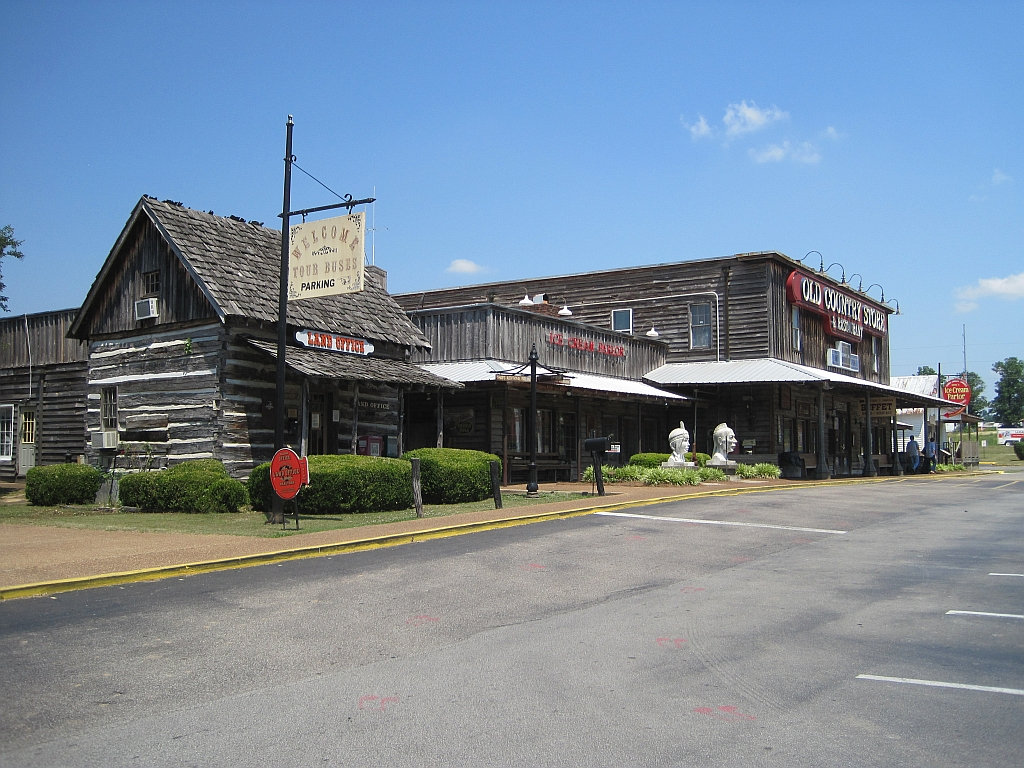
Casey Jones Village in Jackson is a convenient I-40 stop built around railroad history, a museum, shops, dining, and the story of legendary railroad engineer Casey Jones. It remains popular with travelers, but West Tennessee becomes considerably more interesting when you keep exploring beyond the highway stop.
This one deserves gentler treatment.
Casey Jones Village is not some awful attraction locals need to rescue you from.
It works precisely because it is convenient.
You can pull off the interstate, stretch your legs, absorb some railroad history, and get back on the road.
The problem is making it the only thing you remember about this part of Tennessee.
West Tennessee does not look like the Smokies.
That is the point.
Here the landscape starts flattening, wetlands matter more, cypress trees replace mountain overlooks, and the state begins leaning toward the Mississippi Delta.
Here’s what catches people off guard.
Some of Tennessee’s most unusual scenery is in the part of the state many travelers treat as something to drive through.
Cypress Grove Nature Park in Jackson offers an elevated boardwalk through cypress habitat with water, birds, and quiet walking. Recent visitor reports describe it as particularly peaceful in the morning, although boardwalk conditions have occasionally required repairs, so check current access before making a special trip.
For the bigger detour, keep Reelfoot Lake in mind.
Reelfoot is regularly recommended by Tennesseans as one of Northwest Tennessee’s signature nature destinations. Visitors come for cypress trees, fishing, bird watching, boating, bald eagles, sunsets, and a landscape that feels unlike the mountain Tennessee shown in most tourism ads.
The insider tip is the most important part.
Get on the water if conditions and your abilities allow.
Reelfoot makes more sense from the lake than from a quick parking-lot stop. Boat tours, paddling, fishing, and time near the cypress-filled water reveal why people defend this place so fiercely.
The trap is giving it 45 minutes.
West Tennessee rewards patience.
The Unexpected Fact About Tennessee’s Most Overrated Attractions
Here is the funny thing about this entire list: most of these places are not actually bad.
Broadway really does glow at night. Ruby Falls really is underground. The Sunsphere really is a piece of World’s Fair history. Leiper’s Fork really is charming. Beale Street really does matter. Pigeon Forge can keep a family entertained from morning until bedtime. The problem is rarely the attraction itself. It is assuming the attraction is the destination.
Tennessee gets more interesting the moment you stop treating the billboard as an instruction.
Go see the famous thing. Take the picture. Buy the T-shirt if you want it.
Then keep driving.
Because the Tennessee people remember longest is often waiting twenty minutes farther down the road, after the neon disappears and the billboards finally stop telling you where to look.