
Nashville visitors can easily spend $20 or more on a trendy lunch without realizing some of the city’s most important food is still being spooned from steam tables in old neighborhood restaurants.
After digging through restaurant histories, current menus, local reporting, preservation stories and decades of Nashville food culture, one thing becomes clear. The meat-and-three is not disappearing quietly, and some of these places have already survived situations that should have finished them.
The Cafeteria Line Nashville Thought It Had Lost for Good
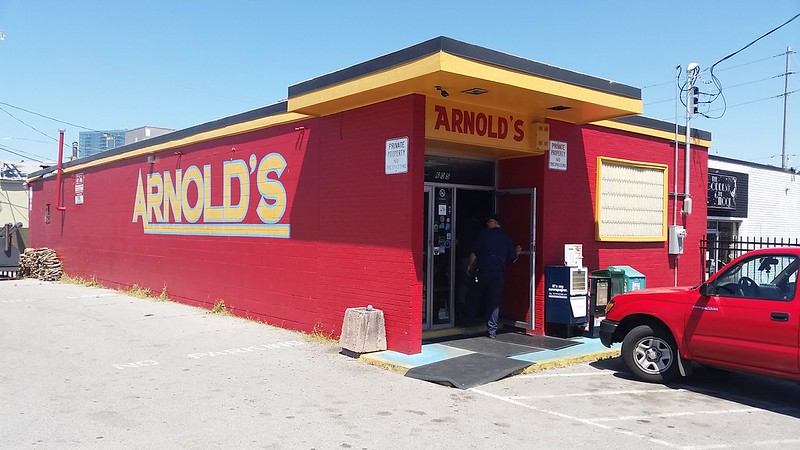
Arnold’s Country Kitchen opened at 605 Eighth Avenue South in 1982, when Jack and Rose Arnold built a family restaurant around scratch-made Southern cooking. In 2009, the James Beard Foundation gave Arnold’s its America’s Classics Award, putting an old-fashioned cafeteria line on the national culinary map.
Walk in and the ritual still matters.
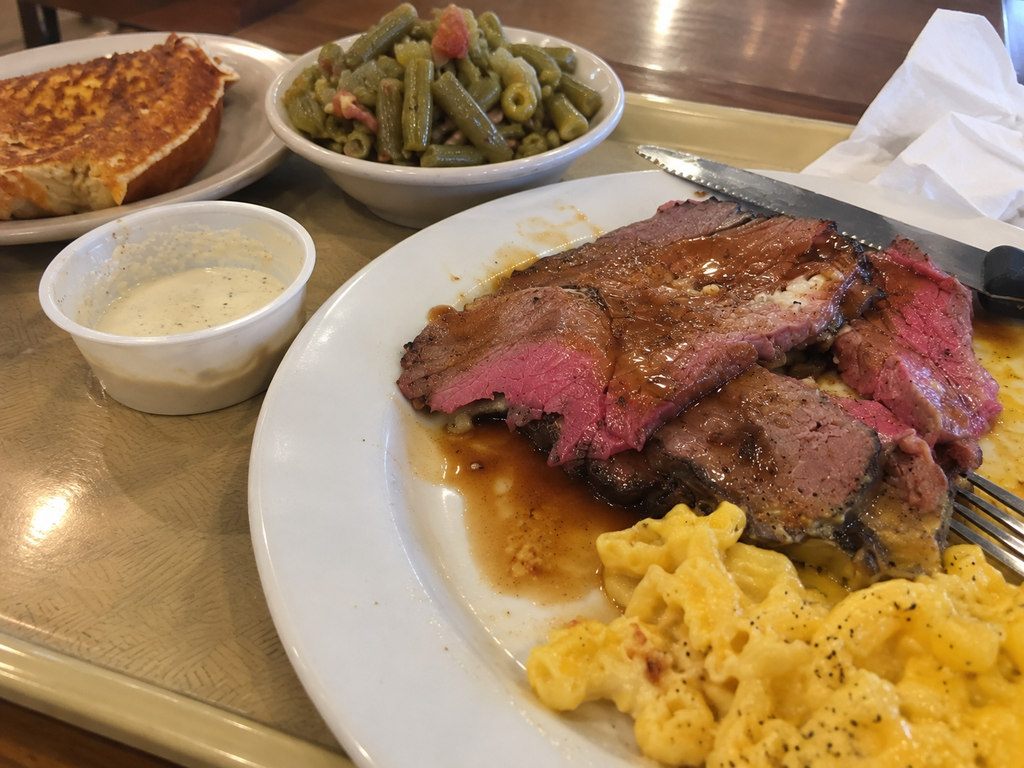
You grab a tray. You move down the line. Roast beef gets sliced. Vegetables are spooned onto the plate. Cornbread lands beside everything else. The colors are pure Southern lunch counter: dark greens, golden crust, brown gravy, yellow corn, creamy casseroles.
There is nothing particularly fashionable about the process.
That’s precisely the point.
Arnold’s built its reputation on food that tastes like somebody started cooking long before you thought about lunch. The restaurant is especially famous for its roast beef, fried chicken, greens, fried green tomatoes, cornbread and pies.
Here’s what catches people off guard.
Arnold’s actually closed in January 2023, then came back after Nashville showed just how badly it wanted the restaurant to survive.
The final lunches before that closure drew lines down the block. Then a proposed development deal for the property fell apart. A Thanksgiving pop-up followed in late 2023, and some customers waited roughly 90 minutes before the doors even opened. By March 2024, the family had taken the property off the market and committed to keeping Arnold’s going.
That changes the way you look at the lunch line.
These are not customers eating at a restaurant preserved behind glass. They are part of the reason it is still functioning.
If you’re going, arrive with time to spare rather than treating Arnold’s like a quick detour between downtown attractions. Weekday lunch runs from 10:30 a.m. to 2:45 p.m., and Saturday brunch runs from 11 a.m. to 3 p.m.
The trap is assuming you can show up whenever you please because Nashville restaurants tend to stay open late. Arnold’s is built around lunch, not Broadway hours.
And while Arnold’s had one dramatic resurrection, another Nashville dining room has managed an even harder trick. It has simply refused to change.
The Restaurant Where Four Generations Refused to Follow the Trends
Wendell Smith’s Restaurant opened at 407 53rd Avenue North in 1952. Today the family describes the business as being well into its third generation, with members of the fourth generation already working around the restaurant.
This is the sort of place where Nashville’s timeline gets scrambled.
Outside, Sylvan Park and West Nashville have changed enormously. New residents arrive. Property values climb. Businesses turn over. Buildings disappear.
Then you walk into Wendell Smith’s.
The restaurant still operates around daily specials and the familiar rhythm of breakfast followed by meat-and-three lunches. Roast beef, baked ham and barbecue share the rotation with meatloaf, chicken and dumplings, fried chicken, pork steak, fried pork chops, liver and onion gravy, catfish and chicken and dressing.
The vegetables tell you just as much about the place.
Turnip greens. Fried corn. Creamed potatoes. Macaroni and cheese. Beets. Tomatoes. Cucumber and onion salad.
Nobody in a proper meat-and-three needs to explain why macaroni and cheese belongs beside the vegetables.
Here’s what catches people off guard.
The restaurant says some days bring roughly 500 customers, including regulars who eat there twice in the same day.
That is the part outsiders sometimes miss about these places. They were never designed primarily as special-occasion restaurants.
They are habit restaurants.
The insider move is to look at the daily rotation before choosing your day. Wednesday brings fried chicken and pork steak with gravy. Thursday is fried pork chop and liver with onion gravy. Friday brings chicken and dressing and fried catfish. Saturday brings fried chicken plus several other rotating choices.
Wendell Smith’s opens at 6 a.m. Monday through Saturday. It stays open until shortly after 7 p.m. on weekdays and 7 p.m. Saturday, and it is closed Sunday. Walk-ins are the norm.
The trap is ordering like every meat is available every day. The rotation is part of the experience.
There is also something reassuring about the family’s succession story. Nashville has lost restaurants not because customers stopped loving them, but because owners eventually wanted to retire and nobody wanted the brutal hours required to keep the kitchen going.
Wendell Smith’s has another generation learning the work.
That may be worth more than any preservation plaque.
But a few miles away, another family restaurant carries a piece of Nashville history that reaches far beyond lunch.
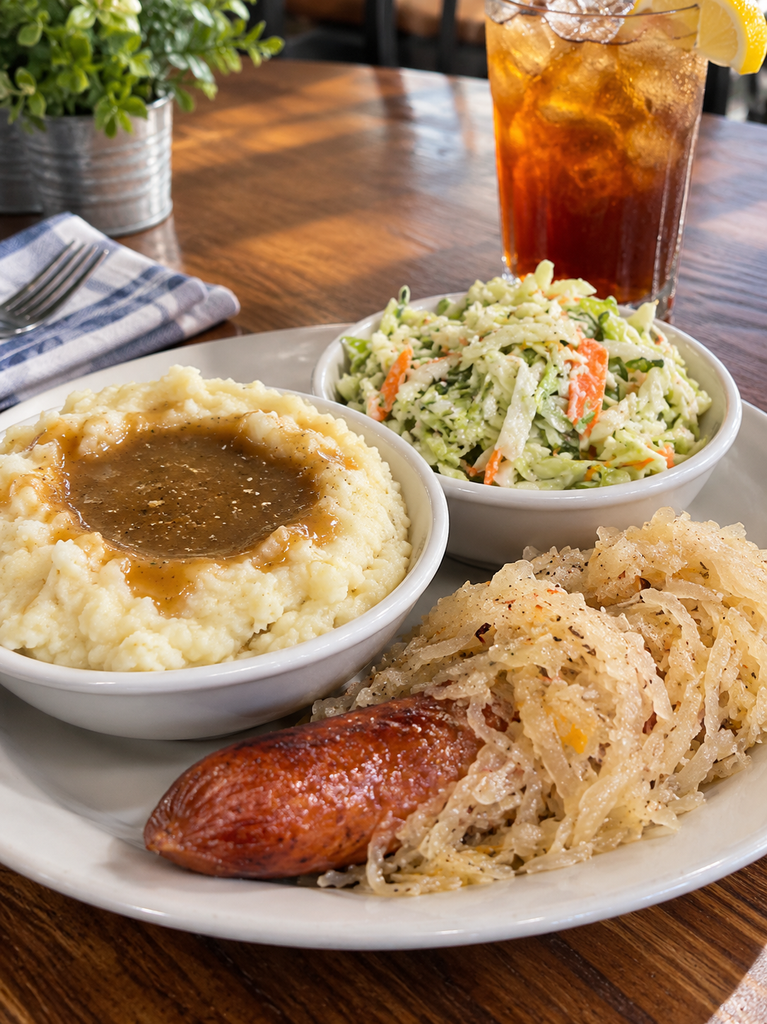
The Steam Table That Once Helped Black Travelers Find a Safe Meal
Swett’s Restaurant at 2725 Clifton Avenue dates to 1954, when Walter and Susie Swett turned what began as a small tavern into one of North Nashville’s defining family restaurants. More than seven decades later, the business remains in the Swett family.
Its origin story sounds almost too perfect.
Susie Swett was cooking meals for the couple’s large family while customers came through the tavern. People smelled what was being cooked and wanted plates too.
Eventually, the family food became the business.
Today you still move through a cafeteria-style setup, choosing from Southern meats, vegetables and desserts. Fried chicken, baked barbecue chicken, catfish and meatloaf can share the line with greens, macaroni and cheese, squash casserole, potato casserole, peach cobbler and chess pie.
The room matters as much as the plate.
Swett’s has fed students, neighborhood families, politicians, celebrities and generations of Nashvillians who knew this part of town before its current wave of redevelopment.
Here’s what catches people off guard.
Swett’s was listed in the Negro Motorist Green Book in 1960 and 1961.
The Green Book directed Black motorists toward businesses where they could find food, lodging and services during segregation. That makes Swett’s more than an old restaurant.
It is part of the surviving physical story of Black travel, entrepreneurship and community life in Nashville.
There is another remarkable survival detail. The Swett family originally bought its property for $1,700, paying $37 a month. In September 2026, the restaurant was reported to be serving more than 300 plates on a typical day and more than 500 on Sundays.
The insider tip is simple: come hungry, and don’t treat the vegetables as filler. In a meat-and-three, the side dishes are half the reason to be there.
The restaurant’s own site lists daily service beginning at 11 a.m. at the Clifton Avenue location.
The bigger trap is seeing Swett’s only as a nostalgic restaurant.
Its survival has involved something very practical: property.
The family has acquired surrounding real estate over the years, giving it a degree of control that many independent restaurants never have. When the value of the dirt beneath a restaurant begins rising faster than the value of the plates coming out of its kitchen, owning that dirt can be the difference between staying and disappearing.
That lesson becomes painfully clear at the next stop, where Nashville almost lost an institution over the changing economics of one street.
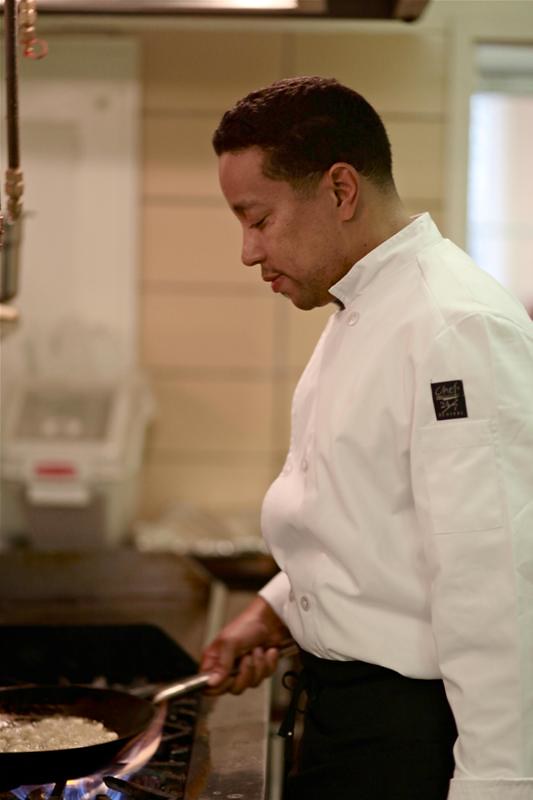
The Soda Fountain That Had to Move to Stay Where It Belonged
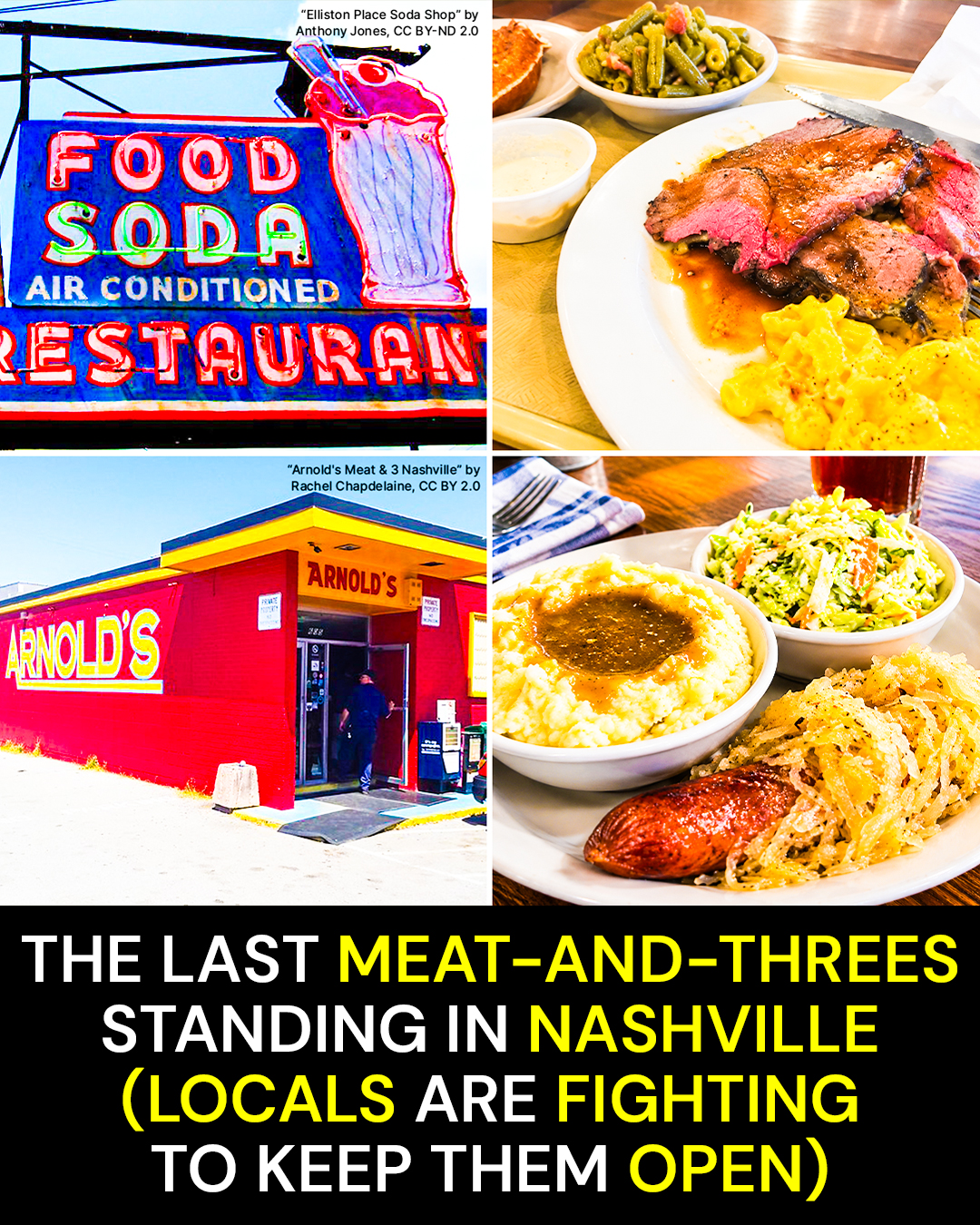
Elliston Place Soda Shop has served Nashville since 1939 at 2105 Elliston Place, making it one of the oldest operating restaurants in this story. Founder Lynn Chandler is closely tied to Nashville’s meat-and-three history, and the restaurant still sells meat-and-two and meat-and-three plates today.
This one feels different the moment you see it.
The soda fountain, red-and-white details, booths, neon and old-school diner atmosphere pull you toward another Nashville. Not the Nashville of rooftop bars and party tractors, but the Nashville where lunch counters, jukeboxes and neighborhood restaurants were everyday fixtures.
Then there is dessert.
A milkshake beside a plate of Southern vegetables sounds excessive until you remember where you are.
That contrast is the fun of Elliston Place. You can get a meat-and-three and follow it with the kind of hand-dipped milkshake that belongs in a chrome-and-neon American diner.
Here’s what catches people off guard.
When the restaurant’s future became uncertain, a longtime customer and local developer stepped in and helped preserve it rather than simply watching another piece of old Nashville disappear.
Tony and Lisa Giarratana took over the restaurant in 2019. A long-term lease was secured in a historic building next door, and pieces of the original restaurant, including recognizable interior elements and the soda-fountain character, were preserved during the move.
This is preservation with a cash register.
The insider move is to come when you have time for both sides of the personality. Order the Southern plate if that is what brought you here, but save room for the soda-shop half of the story.
Current online pricing lists a meat-and-three starting at $15.99 and a milkshake at $6.99. The restaurant opens at 7:30 a.m. Monday through Saturday and closes at 4 p.m.; Sunday hours are 9 a.m. to 3 p.m.
The trap is thinking this is merely a retro-themed restaurant.
The history came first.
There is also a wonderful Nashville connection buried in the city’s meat-and-three family tree. Chandler later sold another Eighth Avenue South restaurant to Jack Arnold. That business became Arnold’s Country Kitchen.
One tradition kept branching into another.
But the next restaurant’s survival story is much rougher. It involves a tornado, a pandemic, construction next door and a family that still refused to leave.
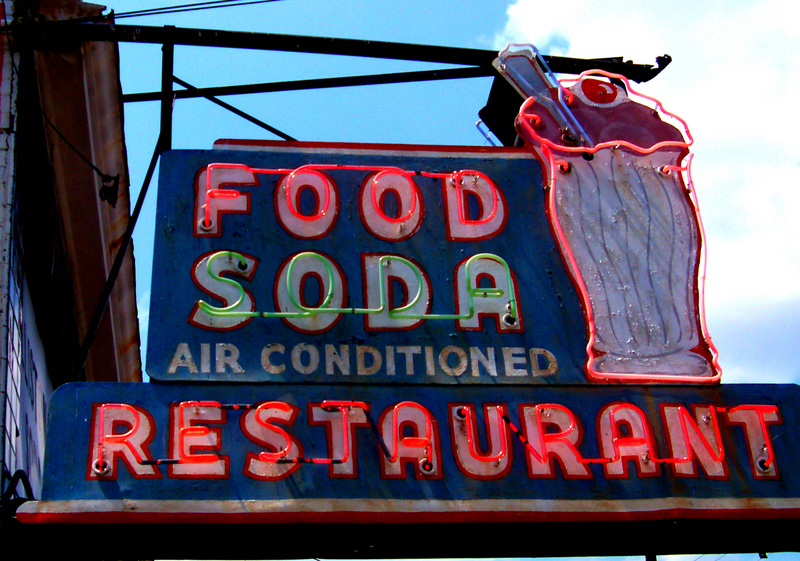
The North Nashville Cafe That Keeps Surviving the Next Crisis
Silver Sands Cafe at 937 Locklayer Street has been family-owned since the mid-1950s, with recipes passed through three generations. Its menu includes fried chicken, smothered pork chops, salmon croquettes, greens, macaroni and cheese, hot-water cornbread and a rotating lineup of Southern specials.
Ordering is wonderfully straightforward.
Get in line.
Move along the steam table.
Tell the server what you want.
Pay at the end.
And if a special is gone, it is gone.
There is no endless corporate kitchen in the back producing identical replacements. Silver Sands tells customers plainly that when a pan of a weekly special empties, that dish may be finished until the following week.
Here’s what catches people off guard.
Silver Sands survived the 2020 tornado, pandemic disruption, a community fundraising effort, a development dispute and more than $9,000 in work to relocate its kitchen exhaust system.
After the tornado badly damaged the restaurant, chef Tandy Wilson, the Lee Initiative and others helped organize support. The Lee Initiative offered to match donations up to $10,000.
Then came another threat.
Construction on the neighboring property created a dispute involving Silver Sands’ longtime kitchen exhaust vent. Metro eventually required the restaurant to relocate the system to the roof.
Owner Sophia Vaughn’s response was not subtle. She publicly said she intended to fight for the restaurant.
That is why Silver Sands belongs near the center of this story.
The insider move is to plan around the daily specials and arrive early, especially Sunday. The restaurant itself calls Sunday its busiest service. Chitterlings, oxtails, turkey and dressing, and spaghetti are among the Sunday specialties, and popular dishes can sell out.
Silver Sands is open Tuesday through Friday from 6:30 a.m. to 2:30 p.m. and Sunday from 11 a.m. to 3 p.m. It is closed Monday and Saturday. One piece of cornbread comes with a meal, with additional cornbread currently listed at $1.
The trap is arriving late for one specific special and assuming another pan is coming.
Sometimes it isn’t.
Silver Sands shows what fighting to keep Old Nashville alive can literally look like.
But sometimes survival requires something even harder than fighting for the old building.
Sometimes you have to leave it.
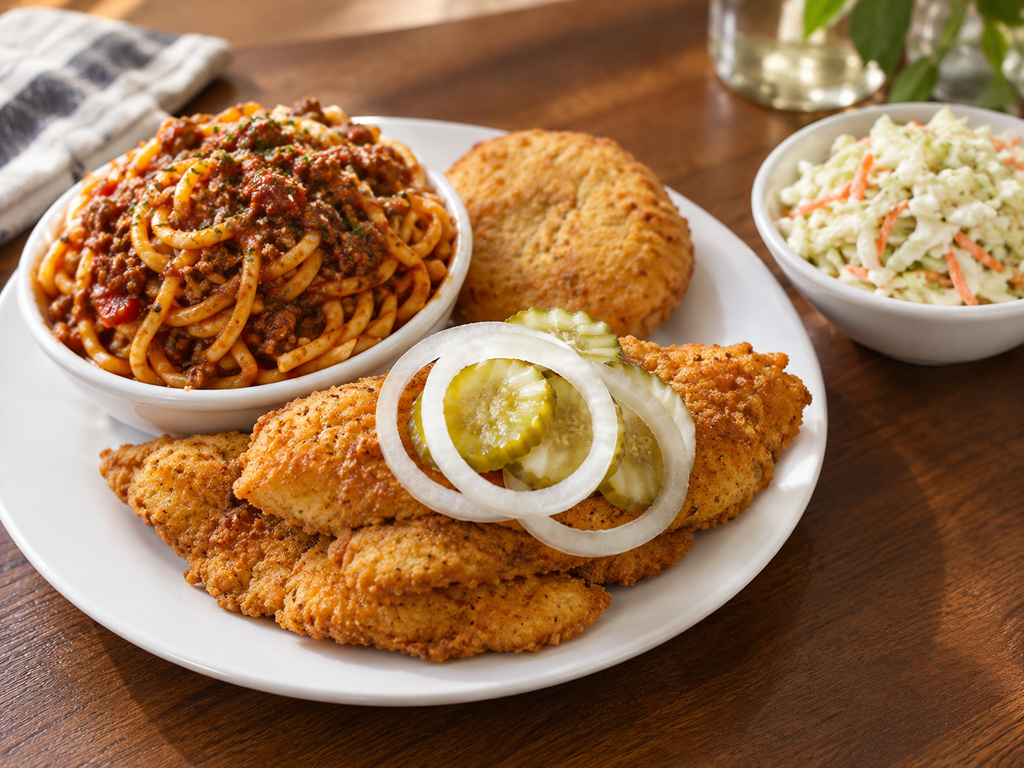
The Restaurant Whose Customers Followed It Across Town
Bailey & Cato opened in Riverside Village in 2000 and built a following around family-style Southern cooking before development changed the equation around its Inglewood location.
In 2016, the family sold the property and closed that restaurant.
For plenty of neighborhood businesses, that would have been the final chapter.
Bailey & Cato moved to Madison instead.
The new address is 1130 Gallatin Pike South, far enough from the old Riverside Village location that regulars had to make a conscious decision to follow.
They did.
When Bailey & Cato reopened, NewsChannel 5 reported lines out the door during the soft opening. The kitchen ran out of food, and some customers were ordering five, six or seven plates at a time.
Here’s what catches people off guard.
Bailey & Cato survived losing its original neighborhood location because enough customers cared about the food more than the address.
That is a different kind of preservation.
Buildings matter. Old counters matter. Neon signs and booths matter.
But sometimes the thing worth saving is the cooking itself.
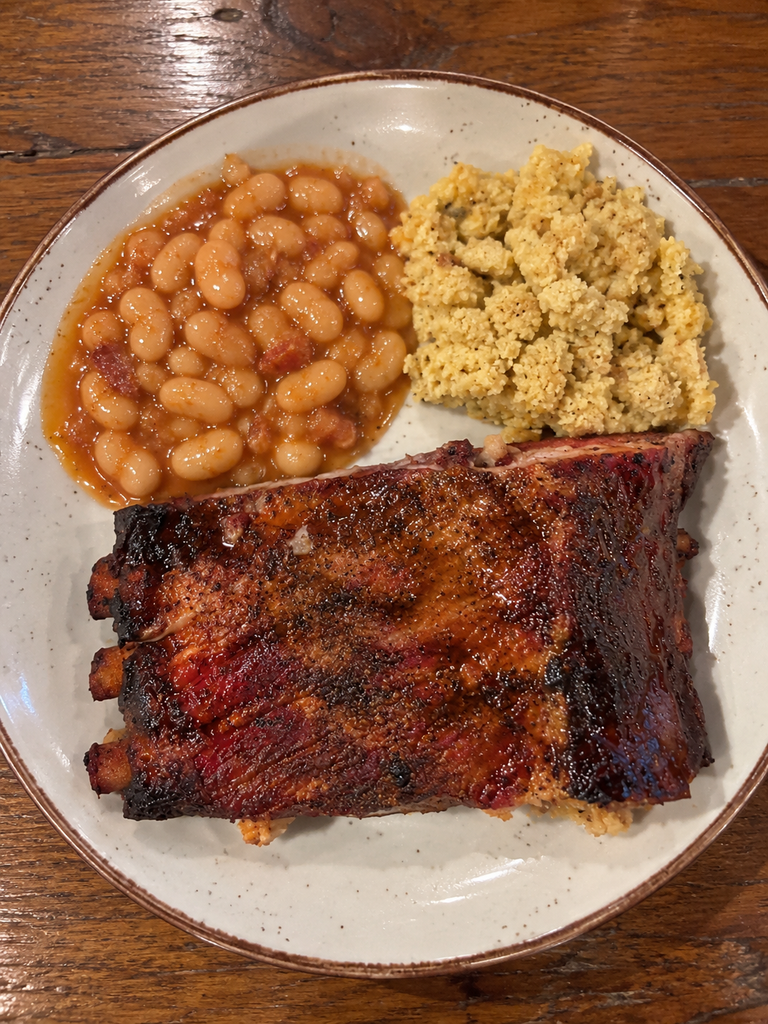
The restaurant remains known for plates built around dishes such as ribs, smoked chicken, fried chicken, fish, greens, white beans and other Southern staples.
The insider move is to treat Bailey & Cato as a destination rather than assuming all of Nashville’s old-school food is clustered downtown. Madison is part of the story too.
Recent listings show the restaurant operating at 1130 Gallatin Pike South, with service concentrated from Wednesday through Sunday. Because published schedules differ between restaurant directories, confirm the day’s hours before making a special drive.
That inconsistency is the practical trap.
Small independent restaurants do not always operate with the clockwork schedule of national chains. Holidays, sellouts and schedule changes matter.
Bailey & Cato also exposes one of the biggest misconceptions about Nashville’s disappearing food culture.
A restaurant can survive and still lose the neighborhood that made it famous.
The next place proves something else. Keeping the meat-and-three alive does not require pretending it is still 1954.
The Tiny Salemtown Counter Proving This Food Is Not a Museum Piece
Big Al’s Deli at 1828 Fourth Avenue North opened in Salemtown in 2013. Alphonso Anderson built the restaurant around Southern comfort food, breakfast and changing lunch specials rather than trying to reproduce an old Nashville cafeteria exactly.
That distinction matters.
There is a danger in talking about meat-and-threes as if the whole tradition belongs behind museum glass.
It doesn’t.
Big Al’s can serve familiar Southern cooking and then turn around with dishes such as chipotle-raspberry chicken or South Carolina-style shrimp and grits.
The room itself is small. Customer accounts repeatedly describe the experience as personal, with hospitality becoming part of the meal rather than something delivered from a corporate training manual. The official site describes the food as Southern comfort cooking “with a lot of soul.”
Here’s what catches people off guard.
Big Al’s shows that Nashville’s meat-and-three tradition can change without losing the basic idea that made it work.
The formula was never really about preserving one exact menu.
It was about choice, abundance, daily cooking and a plate that could feed somebody properly in the middle of a workday.
The insider move here is to check the day’s food rather than arriving with one fixed order in mind. Changing specials are part of the appeal.
Big Al’s is open Tuesday through Friday from 8 a.m. to 2 p.m. and Saturday from 9 a.m. to 1 p.m. It is closed Sunday and Monday.
The trap is the short schedule and limited seating.
This is not a place to postpone until late afternoon.
And Big Al’s raises an important question for anybody worried about the death of the meat-and-three.
What if saving the tradition does not mean freezing it?
Older restaurants may preserve recipes, dining rooms and family histories. Newer cooks can preserve the underlying idea while changing flavors around the edges.
Nashville needs both.
And one weekday lunch room on Lebanon Pike makes that point even clearer.
The Weekday Lunch Counter Tourists Rarely Build a Trip Around
City Cafe East at 1455 Lebanon Pike operates as a weekday lunch restaurant, opening from 10 a.m. to 2:30 p.m. Monday through Friday and closing on weekends.
That schedule tells you plenty.
This is lunch food.
Not midnight food. Not rooftop food. Not something invented around a weekend tourism rush.
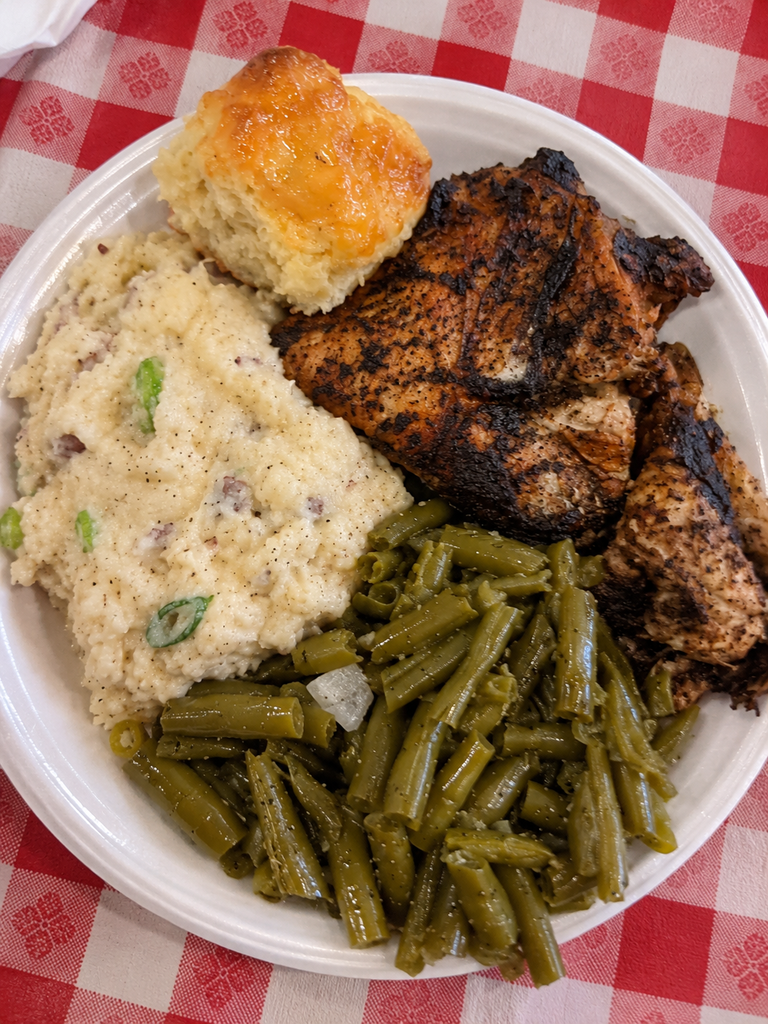
The rotating lineup has included the sort of dishes that make a meat-and-three regular study the menu before leaving home: roast beef, fried pork chops, chicken and dumplings, casseroles, deviled eggs and house-made desserts.
You build a plate around what sounds good that day.
Then you sit down with enough food to make the afternoon feel slightly less productive.
That’s part of the bargain.
Here’s what catches people off guard.
Restaurants like City Cafe East prove Nashville has not run out of meat-and-threes at all. What Nashville is losing is the older ecosystem that once made this style of eating ordinary.
That distinction matters.
Calling these restaurants “the last” works emotionally because so many famous institutions have vanished. It should not be taken literally. Nashville still has restaurants cooking in this tradition, and some are doing perfectly well.
The insider move is to remember the weekday-only schedule. City Cafe East is a poor choice for somebody saving all their food exploration for Saturday.
The restaurant’s current schedule is 10 a.m. to 2:30 p.m. Monday through Friday. Recent published menu pricing has listed a meat with one side at $12.70, a meat with two sides at $13.95, and vegetable plates in the same general range, although current pricing should always be checked before ordering.
The trap is simple: show up on the weekend and lunch isn’t happening.
Places like this are important because they keep the story from becoming a funeral for Old Nashville.
The meat-and-three is still cooking.
The harder question is how many of the old family institutions can keep doing it for another generation.
The Unexpected Fact About Nashville’s Meat-and-Three Tradition
Nobody can cleanly prove that Nashville invented the meat-and-three.
What Nashville can claim is an unusually deep relationship with it. Hap Townes operated one of the earliest famous examples. Lynn Chandler helped popularize the format and later sold an Eighth Avenue South restaurant to Jack Arnold. Arnold’s turned that tradition into a nationally recognized institution.
And these restaurants have never existed in isolation.
During pandemic-era shortages, Wendell Smith’s Benji Cook recalled that David Swett helped him with chicken when supplies ran short. Cook said he would return the favor with things like eggs when necessary.
Think about that for a second.
Two old Nashville restaurants, technically competitors, helping keep each other’s kitchens running.
That is the part of meat-and-three culture that cannot be recreated by installing vintage tile in a new restaurant.
Nashville has already seen what happens when these places disappear. The Pie Wagon, which dated to 1922 and became known as the “Music Row Commissary,” eventually closed. Dandgure’s ended its 31-year run in 2022, with customers standing in the summer heat for more than an hour during its final days. Rotier’s disappeared too.
The losses happen for different reasons. Retirement. Repairs. Development. Property sales. Labor. Thin margins. Family decisions.
Sometimes the restaurant is busy right up until the end.
That is what makes the survival stories so important.
Arnold’s customers came back after a closure.
Silver Sands received community help after disaster.
Bailey & Cato’s customers followed the restaurant to another part of town.
Swett’s built security through family ownership and real estate.
Wendell Smith’s has another generation learning the business.
Elliston Place found an owner willing to preserve the pieces that gave the restaurant its character.
And newer places prove the plate itself still has somewhere to go.
A meat-and-three was always more than one protein beside three vegetables. It was a cheap, filling table where construction workers, students, politicians, musicians, office workers and neighborhood regulars could end up eating the same greens and cornbread.
Nashville can put old signs in museums and old photographs in books.
Restaurants are harder.
They need customers tomorrow.
If Old Nashville is worth saving, sometimes the most useful thing you can do is show up hungry.
Add a practical restaurant comparison tableMake the opening promise more specific