
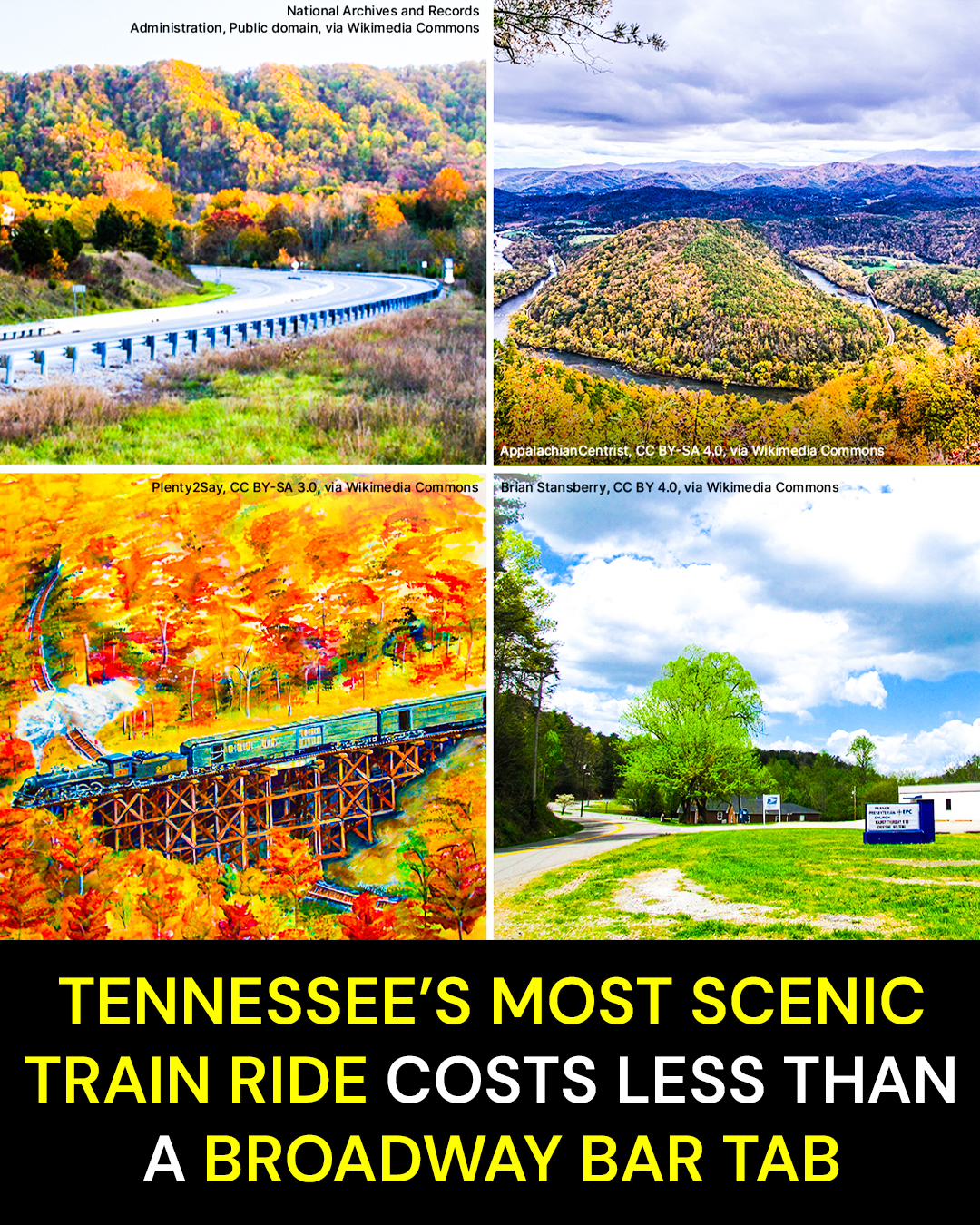
Three drinks at one Lower Broadway honky-tonk can run about $62 after Tennessee’s liquor tax, before you leave a tip. For roughly the same money, you can spend four and a half hours rolling through a Tennessee river gorge on 50 miles of historic railroad.
The Hiwassee Loop is the kind of Tennessee experience visitors miss because it starts far from Nashville’s neon. And the best part comes when the train somehow ends up 62 feet above the track it just traveled.
The $55 Train Ride That Makes Broadway Prices Look Different
The Hiwassee Loop is operated by the Tennessee Valley Railroad Museum from Delano, Tennessee, at 9406 Highway 411. The standard excursion covers approximately 50 miles in four and a half hours, with regular 2026 adult coach fares starting at $55 and rising to $65 on fall-premium dates.
That is where the Broadway comparison gets interesting.
At Ole Red on Broadway in Nashville, the official drink menu lists souvenir-glass cocktails at $22, refills at $17 and shots at $15. Add those three together and you are at $54. Apply the menu’s listed 15 percent Tennessee liquor-by-the-drink tax and the total reaches about $62.10 before gratuity.
Meanwhile, down in southeast Tennessee, $55 can put you in an enclosed, climate-controlled passenger coach headed into the Hiwassee River Gorge.
The scenery changes quickly after departure. Buildings thin out. Forest begins pressing toward the railroad. The Hiwassee appears beside the tracks, disappears around bends, then flashes back into view between trees.
This is not a ten-minute amusement ride around a railroad museum.
You are traveling through a mountain corridor that once carried freight through some of the roughest railroad country in Tennessee.
Here’s what catches people off guard.
A regular adult coach ticket can cost less than three drinks at a Lower Broadway honky-tonk, yet the train ride lasts roughly four and a half hours.
For the value play, stick with standard coach. You travel the same route and reach the same historic loop as passengers paying more than $100 for dome seating.
Parking at Delano is free, another important difference from a downtown Nashville outing. Passengers should arrive at least 30 minutes before departure because the train will not wait for late arrivals.
The trap is assuming the excursion leaves from TVRM’s main Chattanooga museum.
It does not.
Put 9406 Highway 411, Delano, Tennessee, into your directions and check the route before leaving. Delano is rural enough that TVRM also warns visitors not to depend on Uber or Lyft for the return trip.
Once you are aboard, though, the city feels a long way away.
And the next surprise is that the railroad itself becomes part of the scenery.
The Railroad That Climbs Over Its Own Tracks
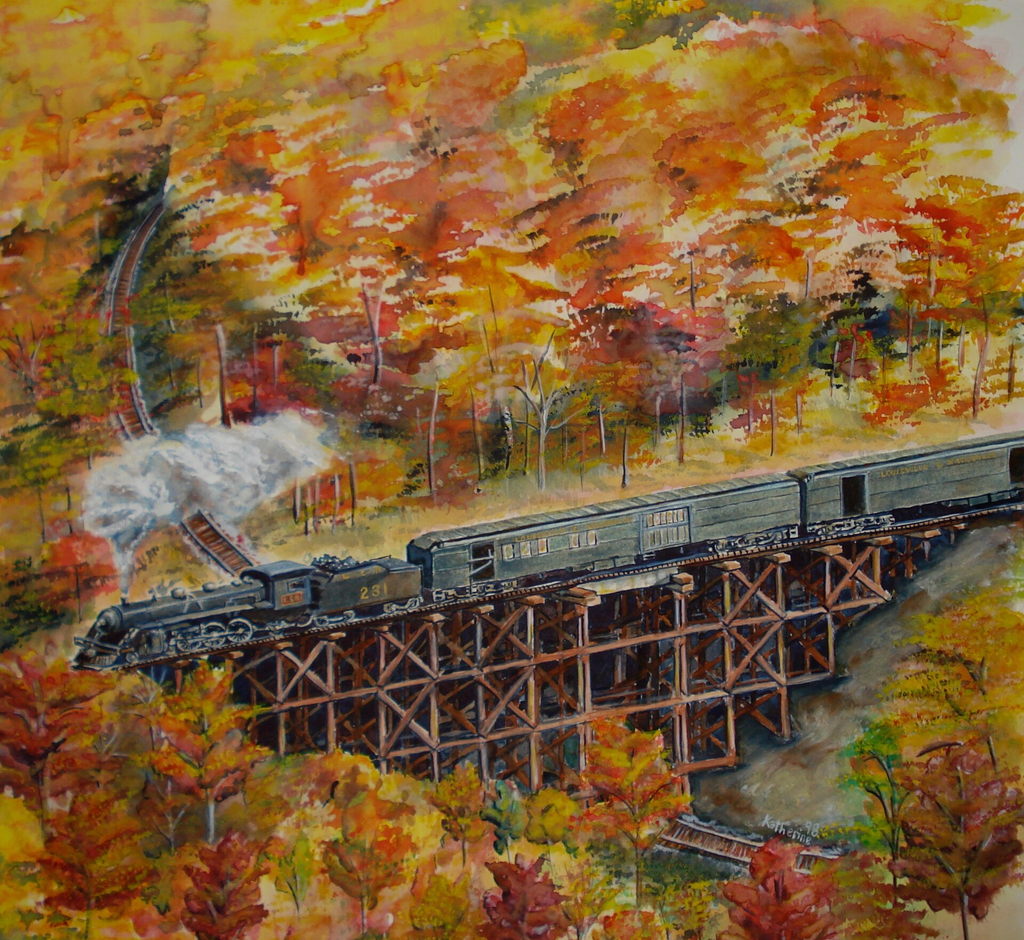
The signature moment on the Hiwassee Loop happens near Farner, where a railroad engineering solution dating to 1898 sends the train around Bald Mountain. The track gains elevation until the train eventually crosses roughly 62 feet above a section of railroad it traveled only minutes earlier.
Think about that for a second.
You ride along the lower track, curve through the mountain landscape, keep climbing and eventually look down toward the rails that were beneath your train not long before.
It is a railroad corkscrew built into the Tennessee mountains.
Before the loop existed, railroad builders used switchbacks to handle the difficult grade. In 1898, engineers replaced that cumbersome arrangement with the looping track visitors ride today.
The experience unfolds gradually.
There is no roller-coaster climb or sudden drop. The train keeps working through curves and forest until the geography starts making sense from the window.
Then you realize how much elevation you have gained.
The mountains that looked close suddenly fall away below the car. The lower track appears beneath you. The trestle carries the train across the route it has already traveled.
Here’s what catches people off guard.
At the loop’s high point, the train passes approximately 62 feet above its own earlier route.
Do not spend the first half of the trip worrying that you picked the wrong side of the train. TVRM rotates passengers between the river and mountain sides around the midpoint so one side does not monopolize the scenery.
That little detail matters.
Regular coach cars have large windows and climate control, so the basic ticket still gives you the full loop experience. Dome seats provide a higher viewing position, but they are not necessary to see the route’s defining feature.
There are restrooms aboard, and TVRM says passengers are never more than one car away from one.
The trap here is expecting the loop to look like a theme-park attraction. It is an actual piece of railroad engineering spread across a mountain landscape, so part of the fun is understanding what the train is doing as it climbs.
And that 1898 loop is only one piece of a much stranger railroad story.
The Old Line With a Nickname Most Visitors Never Hear
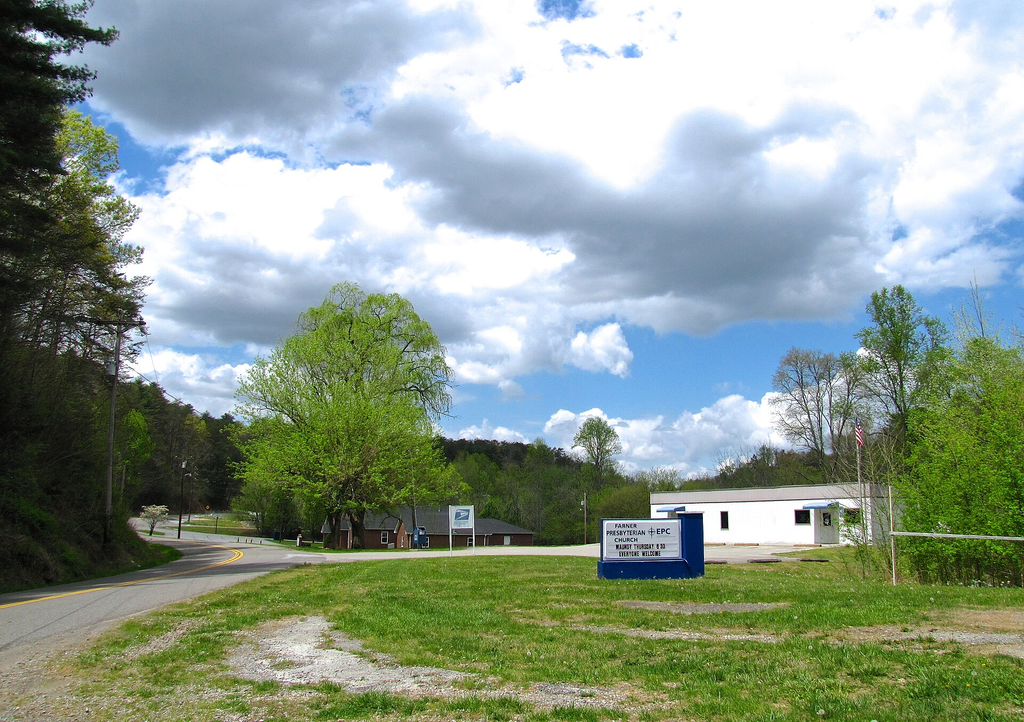
The railroad through the Hiwassee country was completed in 1890, and the mountain route eventually became part of the Louisville & Nashville system. After L&N developed a more direct route, this difficult mountain railroad became known as the Old Line.
It also carried another memorable nickname: the Hook and Eye Line.
The Hiwassee Loop formed the “Eye.” A series of sharp curves farther south created the “Hook.”
That nickname tells you plenty about the geography.
Railroad builders were not drawing a clean line across a flat map. They were trying to thread trains through mountains, river valleys and steep grades where the terrain dictated almost every move.
The result is a ride that rarely feels straight for long.
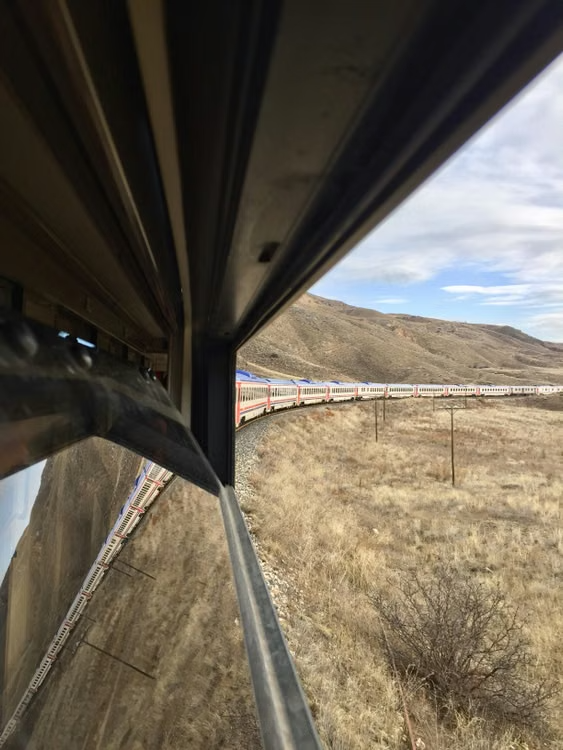
You hear the steady rhythm of wheels beneath the coach. Trees slide past the windows. River bends appear below. Curves reveal portions of the train ahead or behind, reminding you how tightly the railroad follows the land.
For decades, these rails were about work rather than sightseeing.
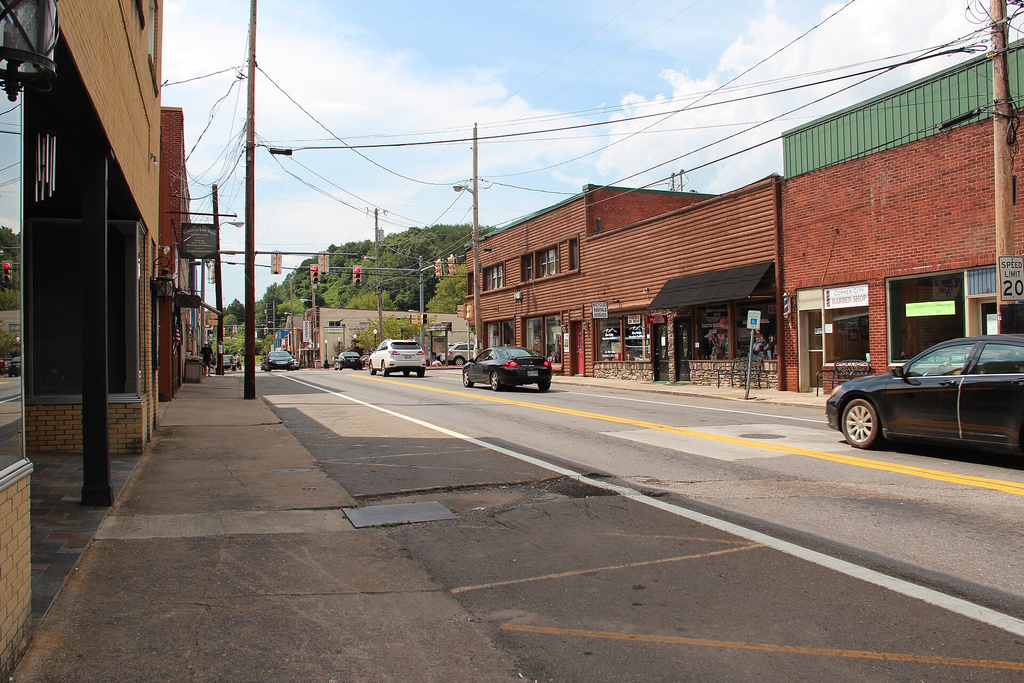
The Old Line served the Copper Basin around Copperhill and Ducktown. Freight moved copper-related products, timber and other materials through this mountain corridor.
Here’s what catches people off guard.
The peaceful railroad tourists ride for scenery today once served one of southeast Tennessee’s important industrial transportation corridors.
Listen to the onboard historical interpretation instead of treating it as background noise. Understanding why trains were here makes the loop and steep terrain considerably more interesting.
There is one caveat. Some past riders have felt that amplified narration and onboard entertainment can become too continuous or loud. If you mainly want quiet scenery, know before booking that this is an interpreted heritage excursion, not a silent observation train.
The route’s freight era eventually faded. Regular freight use wound down around 2001.
That could easily have been the end of the story.
Instead, what happened next is the reason you can buy a ticket today.
The Mountain Railroad That Almost Disappeared
The Hiwassee railroad could have become another abandoned mountain right-of-way after regular freight service wound down around 2001. Instead, the Tennessee Overhill Heritage Association purchased the threatened line in 2002, preserving the corridor for the future.
The Tennessee Valley Railroad Museum later became its passenger excursion operator.
That rescue matters when you look out the window.
Old railroads disappear surprisingly easily. Tracks are removed. Bridges deteriorate. Vegetation takes over. A transportation corridor that shaped communities for generations can become almost invisible.
Here, the rails kept their purpose.
Only now, instead of copper-related freight and timber moving through the mountains, the cars carry families, railroad enthusiasts, leaf peepers and travelers who simply want several hours away from highways.
A roughly 19-mile portion of the corridor between Reliance and Farner was placed on the National Register of Historic Places in 2007.
That designation adds another layer to the trip.
The vintage atmosphere is not being created solely by old-fashioned passenger cars. The route beneath them is historic.
Here’s what catches people off guard.
A roughly 19-mile section of the railroad passengers travel was added to the National Register of Historic Places in 2007.
If railroad history matters to you, pay attention before the train reaches the loop. The curves, grades, bridges and relationship between the track and river are part of the story, not simply transportation to the “main attraction.”
The regular Hiwassee Loop has no destination layover. You remain on the excursion rather than getting off in a town for lunch or shopping.
That distinguishes it from the longer Copperhill Special, which continues toward Copperhill, Tennessee, and McCaysville, Georgia, and includes a town layover.
The trap is booking the longer trip simply because you assume more miles automatically mean a better experience. If the gorge, historic railroad and spiral loop are your priorities, the standard Hiwassee Loop already covers the marquee scenery.
And the landscape surrounding those historic rails is protected for reasons that have nothing to do with trains.
Where 23 Miles of River Carry a Scenic-River Designation
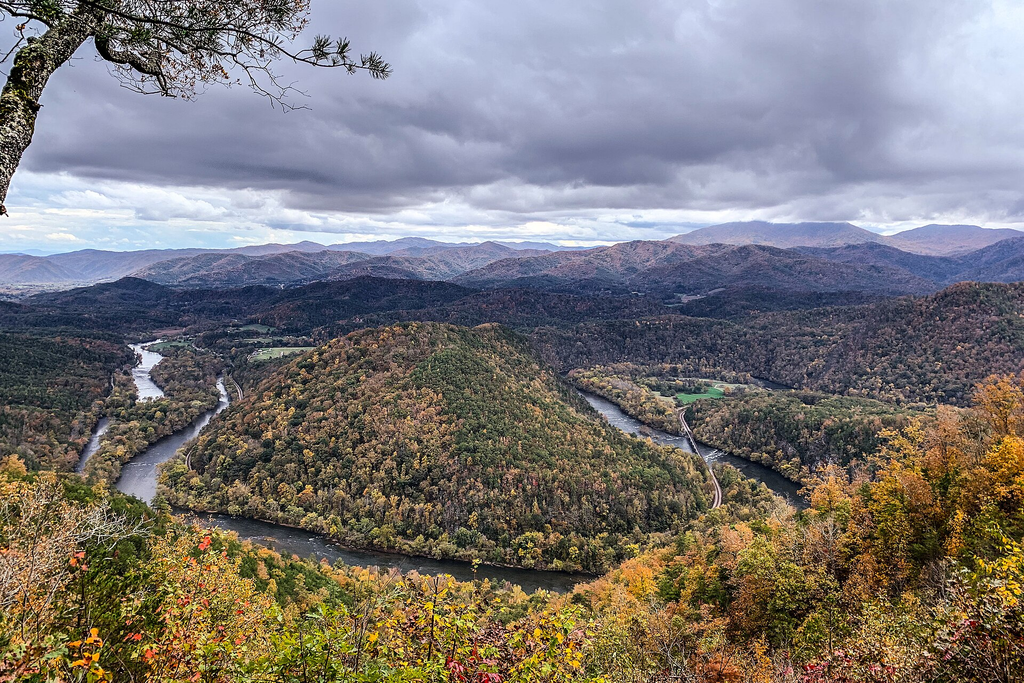
The Hiwassee Loop follows the Hiwassee River through heavily forested southeast Tennessee, including scenery associated with Cherokee National Forest. Tennessee has designated approximately 23.2 miles of the Hiwassee, from the Highway 411 bridge to the North Carolina line, as a state scenic river.
That protection helps explain why this ride feels different from an excursion through developed countryside.
For long stretches, the view is trees, mountain slopes, water and railroad.
The Hiwassee changes personality as it moves through the region. The river includes flat water along with Class I, II and III rapids.
During warmer months, train passengers may spot kayakers or tubers below.
The water flashes through gaps in the forest, sometimes broad and calm, sometimes broken by rocks and current. The railroad repeatedly bends with it.
Tennessee State Parks notes that wildlife in the Hiwassee area includes deer, raccoons, cranes, geese and numerous woodland birds. Bald eagle sightings have also become increasingly frequent in the area, although no wildlife sighting is guaranteed from the train.
This is mountain scenery without requiring a hiking boot.
Here’s what catches people off guard.
Approximately 23.2 miles of the Hiwassee River in this corridor carry Tennessee’s scenic-river designation.
Keep your attention outside even when the train is not approaching the famous loop. The river is not merely something you pass once. It keeps reappearing as the railroad follows the gorge.
Bring binoculars if you enjoy watching birds or scanning distant slopes, but keep expectations realistic. This is wild country, not a wildlife park.
The cars are enclosed and climate controlled. A recent September rider reported that the air conditioning became cold enough to make a light layer worthwhile, even when outside temperatures did not suggest jacket weather.
The trap is dressing only for the forecast.
Four and a half hours inside an air-conditioned vintage passenger car can feel very different from standing outside at the depot.
Then autumn arrives, and the entire gorge changes character.
The Fall Ride People Learn to Book Too Late
The Hiwassee Loop operates on selected dates during its 2026 season, which runs from March 29 through November 22. October into early November is the popular fall-color window, and TVRM warns that autumn departures, particularly premium seating and longer excursions, can fill early.
This is when the route looks made for a postcard.
The train sits low inside the gorge while hardwood-covered slopes rise around it.
Instead of seeing fall color as a distant strip of mountains from an interstate overlook, you travel through it.
Leaves crowd the windows. River water reflects pieces of the surrounding color. Curves in the railroad reveal more forest ahead, then another stretch of river, then another mountain wall.
As foliage thins later in the season, longer views begin opening through the trees. TVRM notes that passengers can even catch a glimpse toward Apalachia Dam across the North Carolina line when conditions allow.
There is no responsible way to promise the exact weekend when fall color will peak.
Rainfall, elevation and weather can shift the timing every year.
That uncertainty is part of Appalachian autumn.
Here’s what catches people off guard.
Fall coach tickets rise to about $65 for adults, and popular October and early-November departures can fill before casual visitors get around to booking.
If saving money matters more than seeing peak foliage, consider a regular-season date. The same railroad, river gorge and 1898 loop are there outside the premium fall window.
Spring has its own appeal, with bright new growth and river views before the canopy becomes especially dense. Summer brings deep green forest and the chance to see people kayaking or tubing below.
The train is not a fall-only experience.
The practical difference is demand and price.
Regular standard coach adult tickets are listed around $55 on TVRM’s detailed 2026 fare information, compared with roughly $65 during premium fall periods. Exact pricing should always be checked for the departure date before booking.
The trap is waiting for someone to announce the “perfect” foliage weekend. By the time everybody agrees the mountains are turning, the seats you wanted may already be gone.
Of course, that raises another question.
Do you really need one of those expensive glass-dome seats?
The $105 Upgrade You Do Not Need to See the Main Attraction
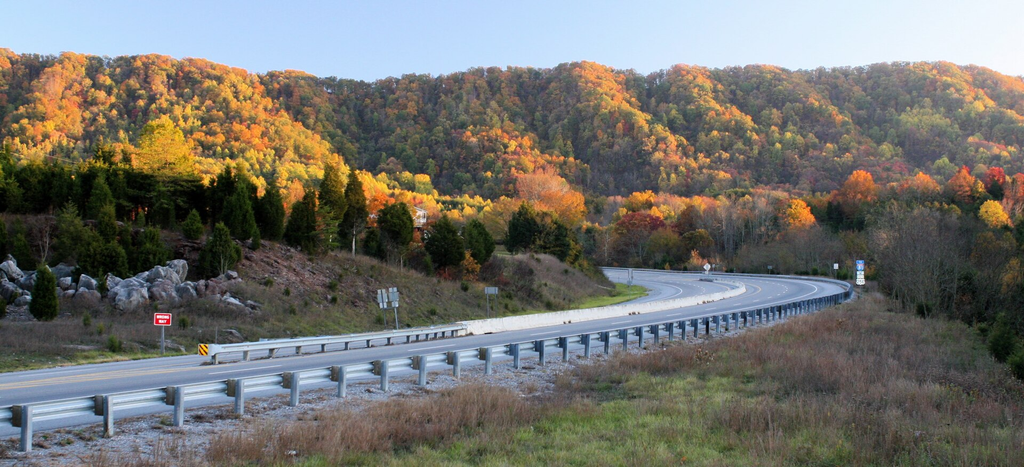
Standard coach on the Hiwassee Loop starts around $55 for an adult on regular dates, while dome seating is approximately $105 and can reach around $130 during premium fall periods. Both travel the same railroad, through the same gorge and across the same historic loop.
That price difference is substantial.
The dome cars certainly have appeal.
You sit higher beneath curved glass, which opens views toward treetops and mountain slopes instead of limiting your sightline to a side window. Some dome configurations hold only around 18 passengers, making them feel considerably more intimate than standard coach.
There are other upgrades, too.
Signature Lounge seating runs around $60 on regular dates and includes lounge-style chairs, a snack box and beverages. Crown Class sits on the lower level of a dome car, which can matter for travelers who want an upgraded experience without climbing the stairs required for actual dome seating.
Then there are observation and parlor options, with prices varying by date and seating type.
It is easy to turn a $55 scenic train ride into a $100-plus experience.
You do not have to.
Here’s what catches people off guard.
The regular coach follows exactly the same 50-mile route and reaches exactly the same 1898 loop as the $100-plus dome seats.
For travelers focused on value, standard coach is the straightforward choice.
The passenger rotation between river and mountain sides also reduces the pressure to chase a supposedly perfect seat. You are not stuck watching everybody across the aisle get the scenery for the entire journey.
There is a practical accessibility consideration, too. Historic railroad cars have narrow spaces and limited mobility accommodations, and dome seating requires stairs. TVRM recommends contacting the railroad before booking if anyone in the group has mobility concerns.
The trap is paying for a premium seat because you think standard coach somehow skips the best views.
It does not.
Spend the upgrade money if the elevated glass-dome experience itself matters to you, not because you think it buys access to a different railroad.
And whatever seat you choose, pack something to eat before you arrive in Delano.
The Tiny Depot Mistake That Can Ruin the Whole Day
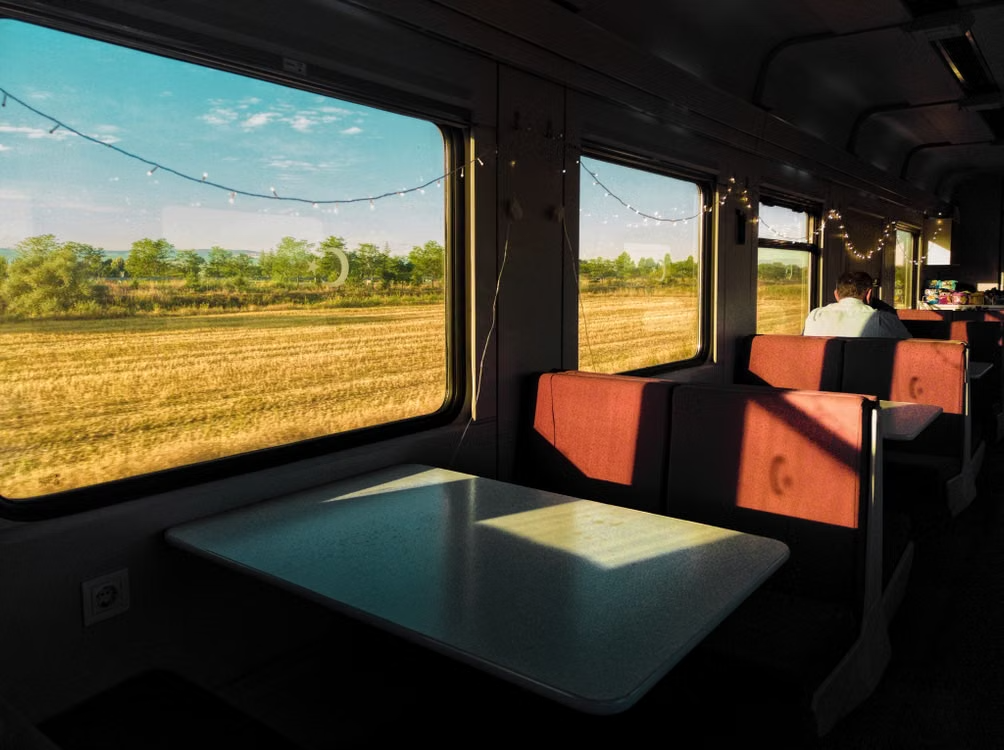
The Hiwassee Loop boards at 9406 Highway 411 in Delano, not at the Tennessee Valley Railroad Museum’s main Chattanooga campus. Passengers should arrive at least 30 minutes early, parking is free, and the train does not wait for late arrivals.
This may be the most important section of the entire article.
Delano is rural.
Do not picture a downtown station surrounded by coffee shops, parking garages and restaurants where you can kill an hour if you arrive early.
Recent visitor feedback has described the boarding location as fairly bare-bones, with limited facilities around the depot and few convenient choices for grabbing forgotten food at the last minute.
Once aboard, there is a small commissary selling drinks, coffee, water, chips, crackers, candy and similar items.
Passengers may also bring light snacks or lunch and bottled water.
Large coolers are prohibited, and passengers cannot bring their own alcohol aboard.
That means a little preparation goes a long way.
Here’s what catches people off guard.
Driving to TVRM’s Chattanooga museum instead of the Delano boarding point can put you nowhere near the train you actually booked.
Check the boarding address the night before. Then check it again before leaving.
If you are coming from Chattanooga, build in generous travel time rather than planning around the fastest estimate your phone produces. TVRM’s visitor guidance recommends allowing considerably more time than some standard mapping estimates.
Do not rely on rideshare transportation, either. TVRM specifically warns that Uber and Lyft availability around rural Delano may be limited, particularly when you need to get back.
Pets and emotional-support animals are not permitted, although trained service animals are allowed.
Restrooms are available aboard.
And bring that light layer, even in warm weather.
The trap is treating Delano like a suburban attraction where anything you forget can be purchased five minutes away.
Come prepared, arrive early and the simplicity of the place becomes part of its charm rather than a problem.
For Nashville visitors, however, there is one more reality check that matters.
The Nashville Day Trip That Is Longer Than It Looks
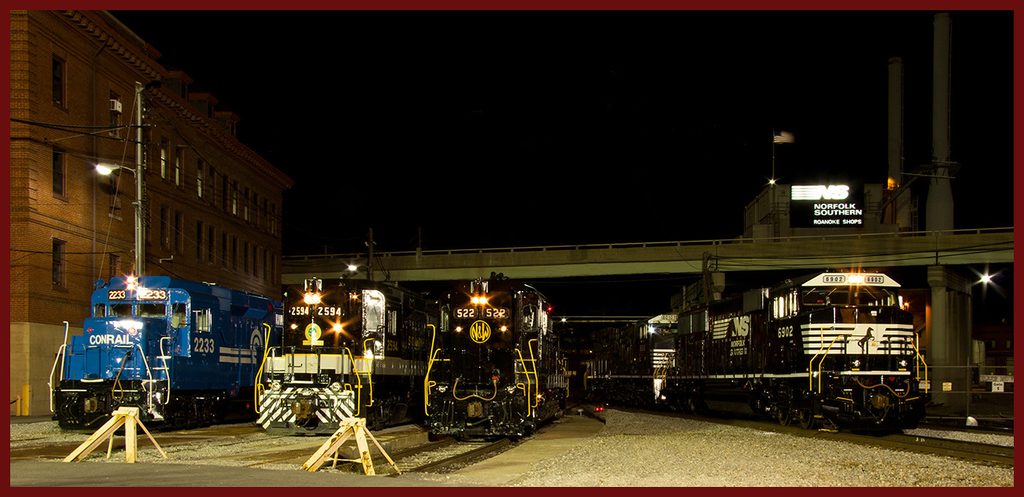
Delano sits roughly 180 miles from Nashville, with typical driving estimates around three and a quarter to three and a half hours each way depending on traffic and route. Add a four-and-a-half-hour train ride and you are looking at a very long day.
So yes, the Hiwassee Loop costs less than some Broadway bar tabs.
No, it is not around the corner from Broadway.
That distinction matters.
Leaving Nashville early enough to drive more than three hours, arriving at least 30 minutes before departure, riding the train for four and a half hours and then driving another three-plus hours home can put you on the move for well over 11 hours.
Some travelers will happily do it.
Most will enjoy the experience more by treating southeast Tennessee as the destination rather than squeezing the railroad between Nashville plans.
The ride fits particularly well into a Chattanooga-area trip.
Once you are already in southeast Tennessee, Delano becomes a much more natural excursion.
The scenery also feels more rewarding when you are not watching the clock and thinking about a three-hour drive home after dark.
Here’s what catches people off guard.
From Nashville, the Hiwassee Loop makes more sense as part of an overnight southeast Tennessee getaway than as a casual half-day excursion.
If you are starting in Nashville, plan conservatively and consider staying in the Chattanooga or southeast Tennessee area.
Do not build a tight schedule around an optimistic GPS estimate.
The train itself operates on selected dates rather than daily, so confirm the exact excursion date before making lodging or road-trip plans around it.
And remember that TVRM operates several very different train experiences.
The Missionary Ridge Local leaves from Chattanooga, costs substantially less and lasts roughly 65 minutes. It includes the historic Missionary Ridge Tunnel and railroad restoration facilities, but it is not the same wilderness-heavy Hiwassee experience.
The Copperhill Special goes in the other direction. It expands the Hiwassee journey into a full-day excursion toward Copperhill, Tennessee, and McCaysville, Georgia, with roughly a 90-minute town layover.
The trap is seeing “Tennessee Valley Railroad Museum” on a ticket page and assuming every excursion leaves from the same station or delivers the same experience.
For this trip, two words matter: Hiwassee and Delano.
But there is another version of the ride for people who want to keep going after everyone else turns around.
The Train That Keeps Going All the Way to the State Line
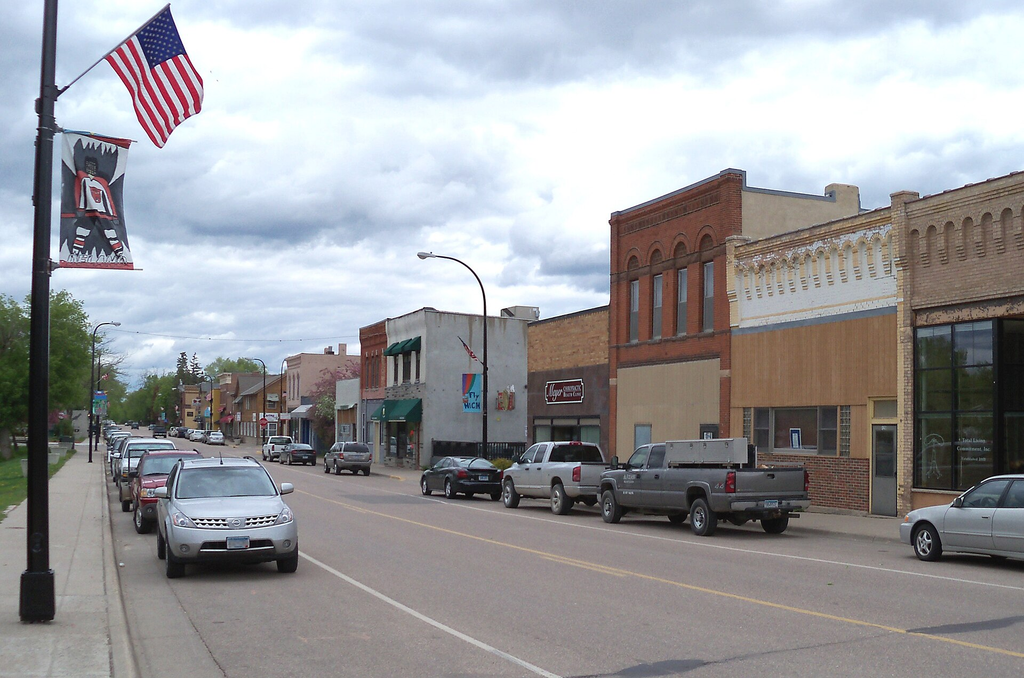
The Copperhill Special follows the Hiwassee route beyond the standard Loop excursion toward Copperhill, Tennessee, and neighboring McCaysville, Georgia. It is a full-day railroad experience rather than the approximately four-and-a-half-hour out-and-back Hiwassee Loop.
This is the choice for travelers who look at four and a half hours on a train and think, “That’s not enough.”
The early portion delivers the familiar Hiwassee experience.
Forest closes around the tracks. The river appears beside the train. The railroad works through the gorge and around the historic loop.
Then, instead of turning the experience into a return trip, the train keeps going toward the Copper Basin.
That is historically fitting.
The Old Line survived for decades in part because of freight connected with this industrial region around Copperhill and Ducktown.
Modern passengers get a much more leisurely reason to make the journey.
The Copperhill Special includes roughly a 90-minute layover, giving passengers time away from the train before the return trip.
It turns the railroad itself into a full-day destination.
Here’s what catches people off guard.
The Copperhill Special extends the same historic mountain route into an excursion that can occupy most of your day.
Choose it because you genuinely want the longer rail experience and town layover, not because you think the standard Hiwassee Loop is a shortened version that misses the famous loop.
The regular Loop already gives you the gorge, river, mountain railroad and signature 62-foot self-crossing.
Current advertised Copperhill prices start around $80 to $85 depending on the date and booking page, so check the exact departure before planning around a specific fare.
The practical issue is time.
A full-day train trip requires more food planning, more schedule flexibility and, for anyone coming from Nashville, an even stronger argument for spending the night in southeast Tennessee.
The trap is underestimating how much sitting a full-day heritage train excursion involves. If somebody in your group gets restless after a couple of hours, the standard Hiwassee Loop may be the better fit.
But for people who love the slow rhythm of rail travel, the extended trip connects the scenery to the industrial communities that once gave this railroad its reason for existing.
And that brings the story to a Tennessee town built because railroads once mattered this much.
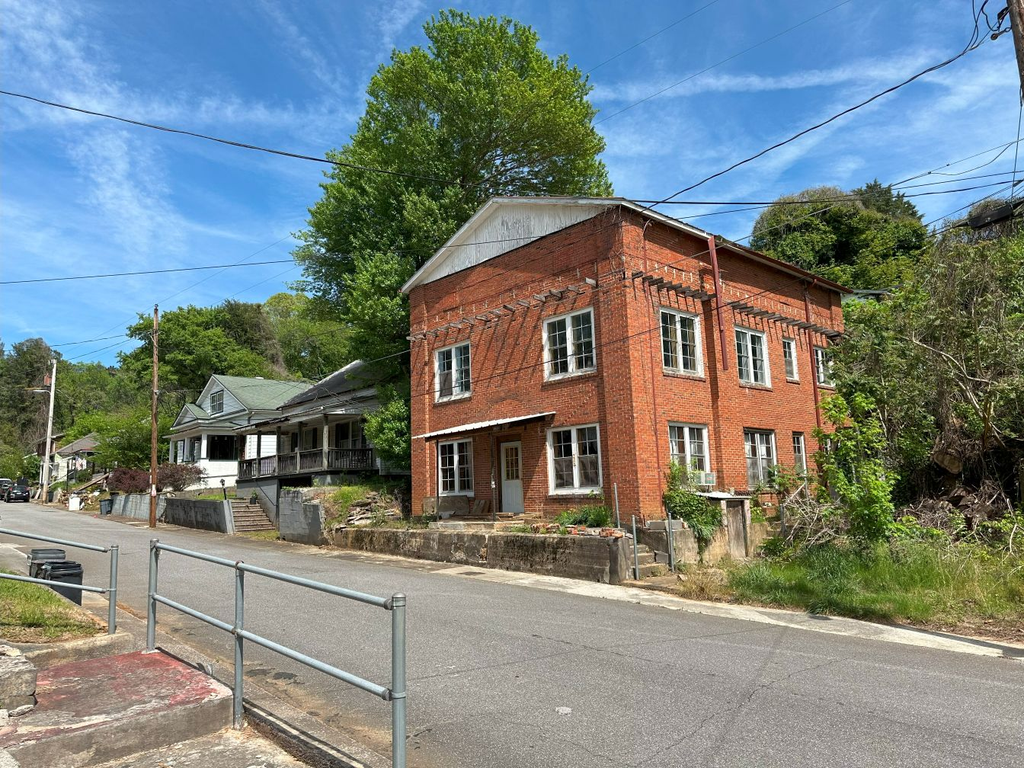
The Railroad Town That Explains Why These Tracks Exist
Etowah’s history is closely tied to the Louisville & Nashville Railroad. When L&N developed a newer route that bypassed the difficult Hiwassee Gorge, railroad facilities helped Etowah grow into a community whose economy was deeply connected to the tracks.
By 1920, Etowah’s population had climbed above 4,000.
That history changes the way the Hiwassee excursion feels.
Today, a slow train through a forested river gorge sounds like an escape from modern life.
A century ago, railroads in this part of Tennessee were modern life.
They meant jobs.
They meant freight.
They connected mining and timber country with markets far beyond these mountains.
The Copper Basin around Copperhill and Ducktown generated freight that moved through this system. Timber and copper-related products traveled where tourists now sit beside picture windows watching the river.
It is hard to imagine those two versions of the same landscape occupying the same place.
That is precisely why the history works.
Here’s what catches people off guard.
The quiet mountain railroad sold today as a scenic escape survived for generations because this region was busy with industry, freight and railroad work.
Pay attention to the towns on your drive through southeast Tennessee rather than treating them as empty space between the interstate and Delano.
The railroad shaped this region far beyond the view from the passenger car.
There is no admission fee required to appreciate that context. It simply requires knowing what you are looking at.
The practical lesson is to leave extra time in your schedule instead of racing to Delano at the last minute. This corner of Tennessee rewards slow travel.
The trap is thinking the scenery is the whole story.
The mountains are beautiful, but the railroad exists because generations of people had to figure out how to move goods and trains through them.
Which makes the final fact about the Hiwassee Loop even better.
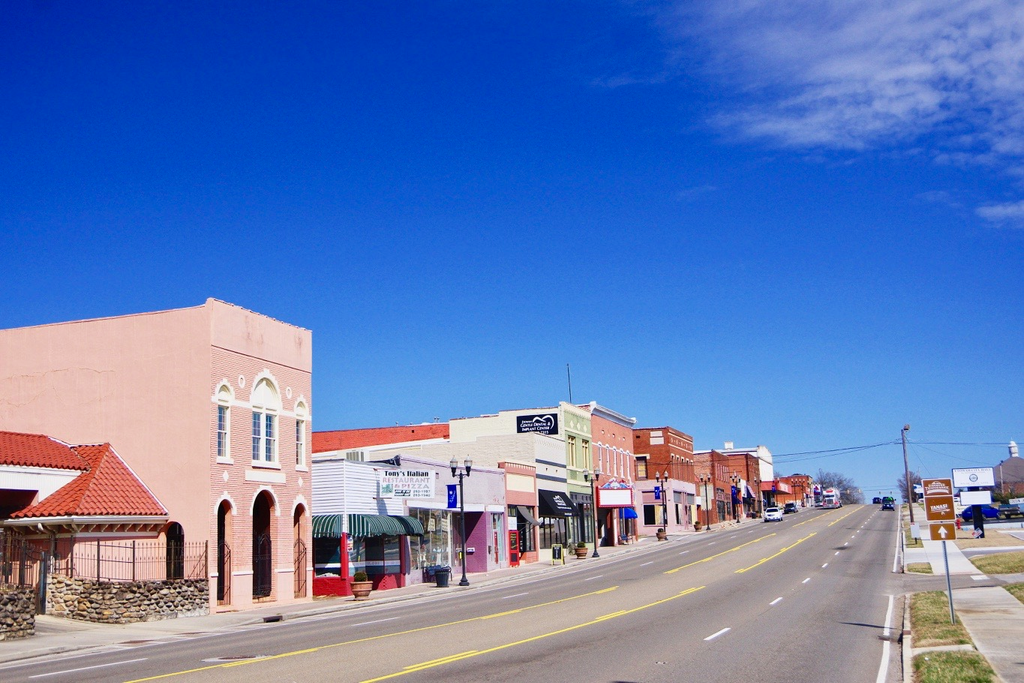
The Unexpected Fact About the Hiwassee Loop
The most memorable thing about the Hiwassee Loop may not be that the train crosses 62 feet above its own track.
It may be that this experience nearly vanished.
Regular freight use wound down around 2001. The Tennessee Overhill Heritage Association purchased the threatened line in 2002, and a roughly 19-mile portion of the historic corridor later joined the National Register of Historic Places in 2007.
What once hauled industrial freight through difficult Appalachian terrain now carries people who come simply to look out the window.
That is quite a second act.
Broadway will still be there when you get back to Nashville, along with the $22 cocktails, music and neon. But Tennessee gets a lot quieter once you leave the city behind.
Sometimes the better splurge is 50 miles of railroad, four and a half hours in the mountains, and the moment you look down and realize you’re riding 62 feet above where you just were.