

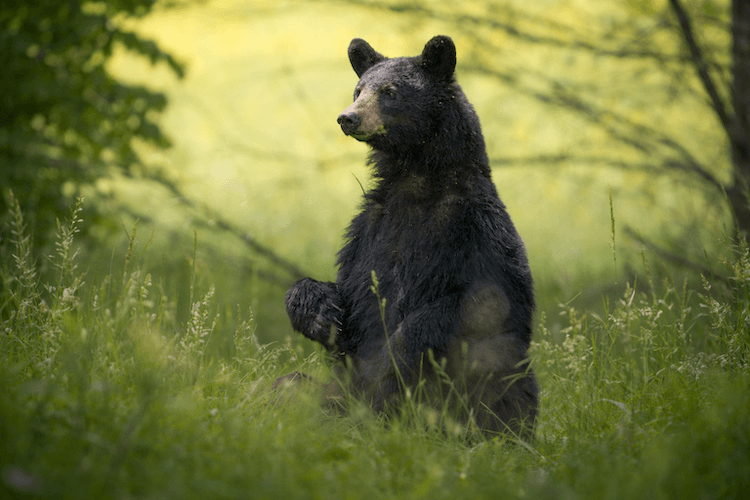
If you’re planning a trip to the Smoky Mountains, there’s a new law you’ll want to know about before you go.
Governor Bill Lee signed SB2597/HB2215 into law this week, making it a criminal offense to feed black bears in areas where it’s already been prohibited. The law takes effect July 1, 2026.
And yes, that includes situations where you didn’t even know a bear was eating your food.
What the Law Actually Says
Under the new law, anyone who knowingly feeds a black bear in a posted no-feeding zone will face a Class B misdemeanor and a fine of at least $250.
If you accidentally leave food or garbage unsecured and a bear gets into it, you’ll get a written warning on your first offense. A second offense? That’s also a minimum $250 fine.
The Tennessee Wildlife Resources Agency (TWRA) can now work with local law enforcement to enforce these rules. So it’s not just rangers keeping an eye out. Local police can get involved too.
Where Is It Actually Illegal to Feed Bears?
This is where it gets a little complicated.
Right now, the law applies in areas that already have posted notices banning bear feeding. The City of Gatlinburg is the biggest example, where fines and court costs can already top $100.
The Great Smoky Mountains National Park has its own federal rules. Inside the park, feeding wildlife of any kind is prohibited. Get caught feeding a bear there and you could face fines up to $5,000 and up to six months in jail.
What the new state law doesn’t do is create a statewide ban on bear feeding everywhere in Tennessee. If there’s no posted notice, the law doesn’t apply. But wildlife officials are clear: feeding bears anywhere is a bad idea.
Why Does This Even Matter?
Bears that get fed by humans learn to associate people with food. Once that happens, they start approaching humans looking for a meal. That’s dangerous for visitors, and it often ends badly for the bear.
In 2024, the TWRA euthanized a near-record number of black bears because they had become public safety risks. Most of those cases happened in Gatlinburg.
The TWRA has been pushing for a statewide law like this for years. The bill passed nearly unanimously in the state senate on March 30, which tells you how seriously wildlife officials take this issue.
What This Means If You’re Visiting the Smokies
A few practical things to keep in mind:
Don’t leave food out, even unintentionally. Coolers, trash bags, and snacks left on a picnic table can attract bears just as fast as tossing them a piece of food directly.
Bear-proof trash cans exist for a reason. Use them.
If you see a bear, enjoy it from a distance. Don’t try to get closer for a photo, and definitely don’t offer it anything to eat.
If you’re camping, follow all food storage guidelines. Most campgrounds in and around the Smokies have specific rules about where and how food must be stored.
The Bigger Picture
The Smokies are one of the most-visited national parks in the country, and black bear sightings are one of the reasons people come. Keeping those bears wild and wary of humans is what makes those encounters special.
A bear that’s been fed by people isn’t a wildlife experience anymore. It’s a problem waiting to happen.
For more on staying safe around black bears in Tennessee, visit bearwise.org.
Source: WATE 6 On Your Side