

Ask around Nashville long enough, and you’ll notice a pattern. People don’t just miss buildings or restaurants. They miss a whole feeling. A slower pace, a friendlier stranger, a parking spot that didn’t cost a full paycheck.
Nashville has grown fast. Really fast. And with that growth came some real losses that longtime locals still bring up all the time. Here’s what people say they miss most about the city before it became “Music City” the tourist brand, back when it was just Nashville.
Opryland USA Is Still The Top Answer
If there’s one thing that comes up over and over, it’s Opryland USA. The theme park closed decades ago, but it’s still the first thing many people mention when asked about old Nashville.
It wasn’t just a park. It was a rite of passage. Families spent entire summers there. Locals worked their first jobs there. And when it closed to make way for the Opry Mills mall, a lot of people never really forgave the decision.
If you’re new to Nashville, this explains a lot. When someone mentions “Opryland” with a sigh, they’re not being dramatic. They’re mourning a real piece of their childhood.
Printers Alley And Music Row Before The High Rises
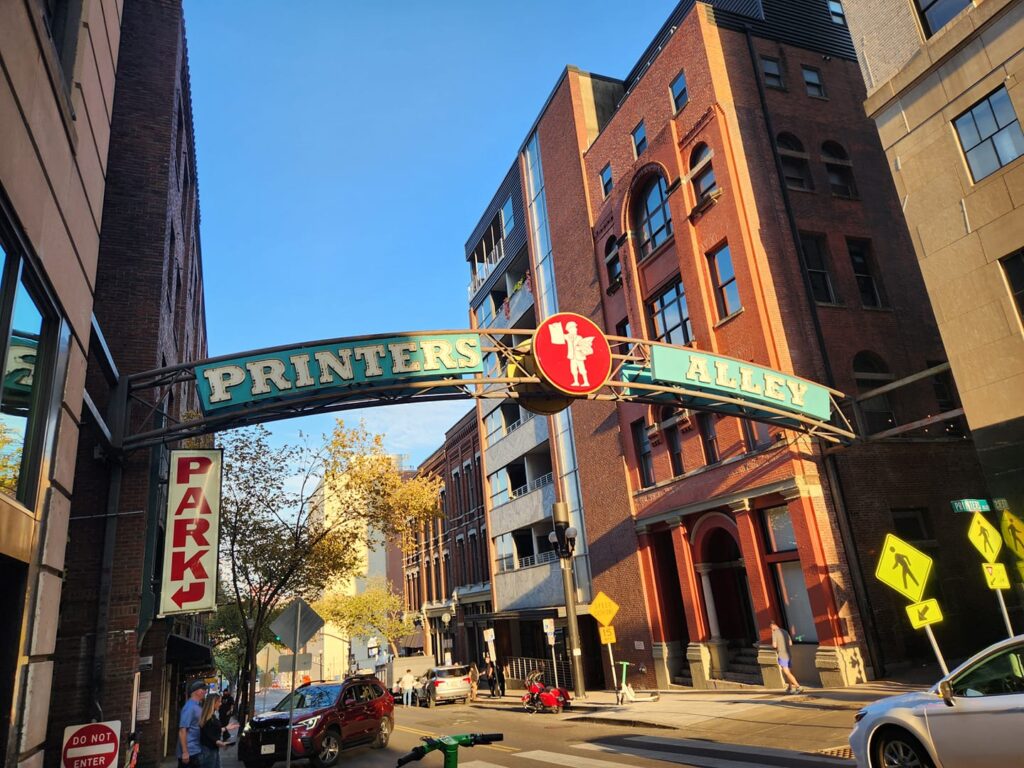
Printers Alley used to be the place for live music and late nights, long before Broadway turned into what it is today. Locals remember steakhouses, piano bars, and a version of downtown nightlife that felt personal instead of packaged.
Music Row gets brought up just as often. It used to be lined with small studios, publishing houses, and charming old bungalows where actual songs got written. Now much of it has been replaced with high rise condos. For people who worked in or around the music industry, that shift feels less like progress and more like erasure.
Second Avenue shows up a lot too. Before the crowds and the pedal taverns, it was a place locals could walk at night without fighting through bachelorette parties for sidewalk space.
Restaurants And Shops That Don’t Exist Anymore
A huge chunk of the nostalgia is about food. Not fancy food. Familiar food.
People bring up meat and three diners, old school department store lunch counters, and small local spots that got replaced by chains. Downtown department stores weren’t just shopping destinations. They were gathering places where you’d run into neighbors at lunchtime.
Some specific spots come up again and again in conversation. Steakhouses in Printers Alley. Local diners known for their vegetables and comfort food. Family owned restaurants that felt like an extension of someone’s kitchen. Even smaller chains that have since left the market get mentioned with real fondness, especially ones known for casual dinners out with family.
The common thread isn’t really the menu. It’s that these places were locally run and easy to get to, without a wait list or a cover charge.
Traffic And Parking Used To Be An Afterthought
If you talk to anyone who lived in Nashville before the boom, you’ll hear the same thing about getting around town. It used to be fast.
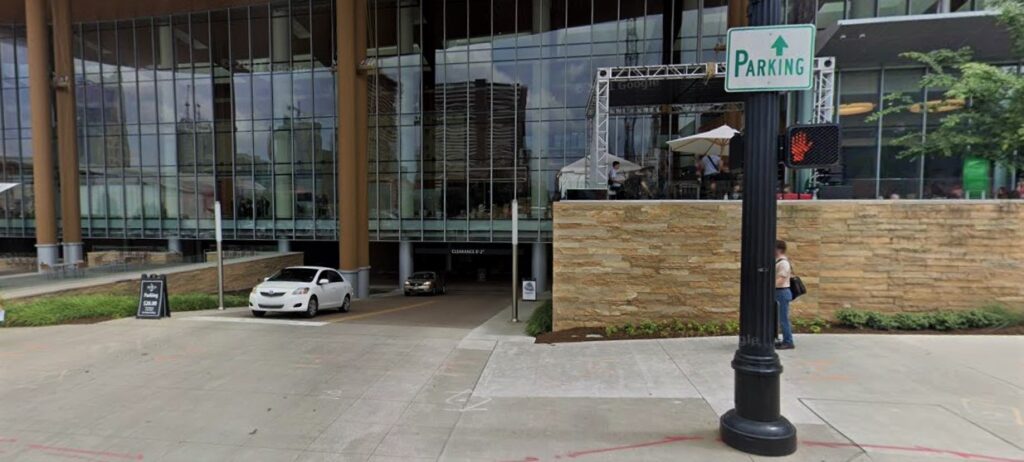
People talk about crossing the entire city in fifteen or twenty minutes without thinking twice about it. Parking downtown was cheap, sometimes just a few dollars for the whole night. Compare that to today, where finding a spot can eat up half an hour and cost more than dinner.
This isn’t nostalgia for the sake of nostalgia. It’s a real, practical difference in daily life. Getting downtown for a show used to be simple. Now it takes planning.

A Different Kind Of Music City
Nashville earned the nickname Music City honestly, but a lot of longtime residents feel the music itself has changed along with the skyline.
There’s a real longing for the variety that used to exist downtown. Rock, blues, jazz, punk, and country all had a place side by side. Now the sound coming out of most Broadway bars tends to blend into the same formula, night after night.
Traditional country music comes up often too, with people missing the storytelling style that shaped Nashville’s reputation in the first place. That’s not a knock on newer artists. It’s more about missing the range that used to define the city’s sound.
Safety, Community, And Just Knowing Your Neighbors
This might be the most common theme of all, and it’s less about a place and more about a feeling.
People describe old Nashville as a smaller, tighter community where you’d run into friends and family just by walking around town. There’s a strong sense that the city used to feel safer, both downtown and in general. Walking around at night, or letting kids roam a neighborhood, felt normal instead of risky.
There’s also a lot of talk about common courtesy. Held doors, friendly small talk, southern hospitality that felt automatic instead of performative. A lot of that gets tied to accents too. Longtime residents miss simply hearing a southern drawl in daily conversation, something that’s becoming rarer as more people move in from other parts of the country.
Affordability Is A Constant Theme
Housing costs come up constantly, and for good reason. People talk about buying homes for well under two hundred thousand dollars in neighborhoods that now sell well into the millions.
It’s not just housing either. Concerts were cheaper. Parking was cheaper. Going out to eat didn’t feel like a financial decision. For a lot of longtime residents, the rising cost of living is the single biggest change, and it touches almost every other memory on this list.
Seasonal Traditions That Have Faded
A few specific seasonal memories show up again and again. Christmas shopping downtown at night gets described as almost magical, with department store windows and a much calmer crowd than today’s holiday foot traffic.
Summer festivals get mentioned too, especially outdoor concert series that brought the community together without today’s massive crowds or ticket prices. These kinds of events used to feel like something everyone in town could enjoy together, not just something built for tourists.
The Skyline And The Pace Of Change
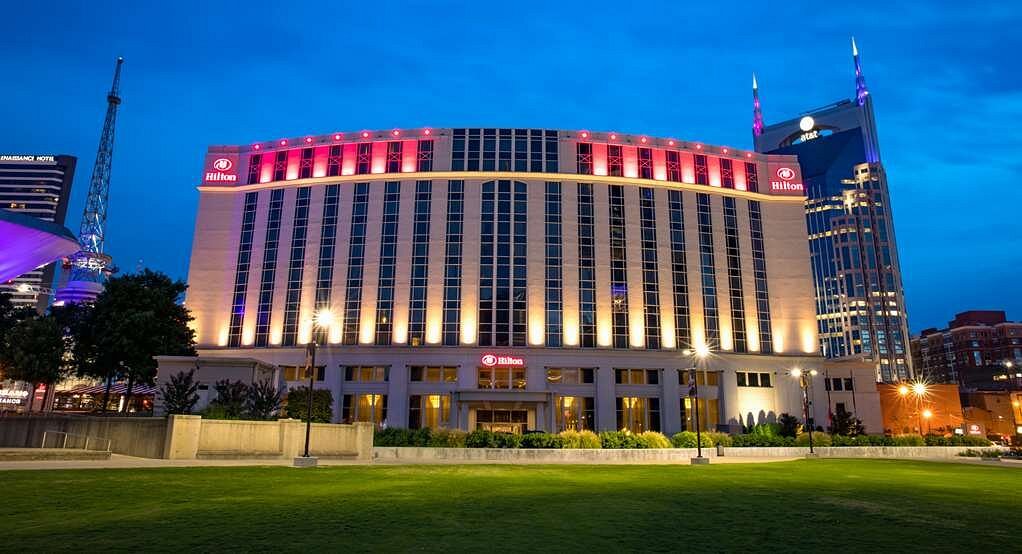
Even people who appreciate Nashville’s growth admit the skyline looks completely different than it did even fifteen years ago. Cranes, high rises, and constant construction have become the new normal downtown.
For some, that change feels exciting. For a lot of longtime residents though, it feels like the city grew faster than its identity could keep up with. The result is a place that looks impressive from a distance but sometimes feels less personal up close.
Why This Still Matters For Visitors Today
If you’re planning a trip to Nashville, this isn’t just a trip down memory lane. It actually helps to know what locals value, because the spirit people describe missing, real hospitality, local flavor, and a slower pace, still exists if you know where to look.
Skip the packed main strip on a Saturday night and you’ll still find smaller bars with real music variety. Ask a local for a restaurant recommendation instead of relying on the first search result, and you’ll usually land somewhere closer to what old Nashville used to feel like every day.
The old Nashville that people describe wasn’t perfect, but it was distinct. Friendly, affordable, and easy to move through. That version of the city hasn’t completely disappeared. You just have to look a little harder to find it these days.