
For a city that calls itself Music City, it’s surprising how many visitors never venture beyond Lower Broadway.
They spend a weekend hopping between rooftop bars, listening to cover bands, paying premium drink prices, and then leave thinking they’ve experienced Nashville’s music scene.
According to locals, they couldn’t be more wrong.

Broadway Isn’t Winning This Vote
One thing became obvious almost immediately.
Many commenters went out of their way to point out that Broadway wasn’t even in the running.
In fact, several openly argued that some of Nashville’s worst music experiences can be found on Lower Broadway. They described it as crowded, overpriced, tourist-focused, and increasingly disconnected from the musicians who built Nashville’s reputation.
The criticism wasn’t aimed at live music itself.
It was aimed at what Broadway has become.
A lot of residents see it as entertainment for tourists rather than a reflection of Nashville’s actual music culture.
The Heart Of Nashville Lives In Smaller Rooms
Instead of giant crowds and neon lights, commenters repeatedly praised smaller venues where songwriting, musicianship, and authenticity still matter.
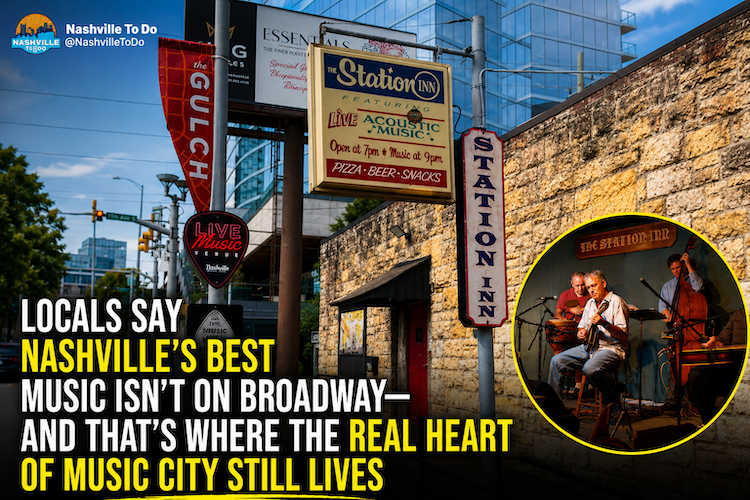
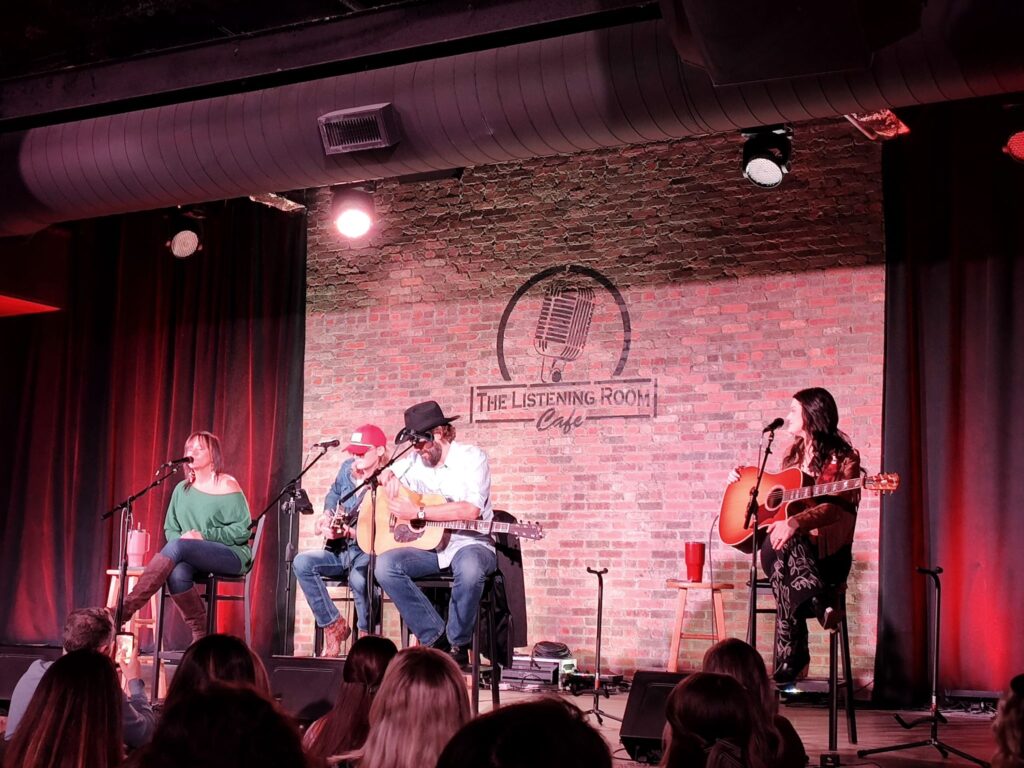
The Station Inn emerged as one of the most frequently mentioned venues in the discussion. So did 3rd & Lindsley, The Listening Room, The Bluebird Cafe, Basement East, The Local, Dee’s Country Cocktail Lounge, and Eastside Bowl.
These places share something important.
People go there to listen.
Not just drink.
Not just party.
Not just take Instagram photos.
They go because the music is the attraction.
Songwriters Still Matter Here
One theme that surfaced repeatedly was Nashville’s songwriting culture.
Several venues were praised specifically because they allow audiences to hear the stories behind the songs and discover artists before they become famous.
That’s something many locals believe tourists miss entirely.
The city’s greatest musical asset isn’t necessarily the stars.
It’s the thousands of working musicians, writers, and performers who are still trying to become stars.

The Opry And The Ryman Still Command Respect
While many newer venues received attention, two legendary institutions remained nearly untouchable.
The Grand Ole Opry.
The Ryman Auditorium.
Both appeared repeatedly throughout the discussion, often with a level of reverence that bordered on sacred.
Even people who disagreed on almost everything else seemed to agree that these venues remain central to Nashville’s musical identity.
They’re more than concert halls.
They’re cultural landmarks.
The Nostalgia Runs Deep
Perhaps the most revealing comments weren’t about existing venues at all.
They were about the ones that are gone.
Former favorites like Starwood Amphitheater, 12th & Porter, Douglas Corner, 328 Performance Hall, The Sutler, and other lost venues surfaced throughout the discussion.
That nostalgia reflects a recurring theme whenever locals talk about Nashville.
Growth brought new opportunities.
But it also erased pieces of the city that many people still miss.
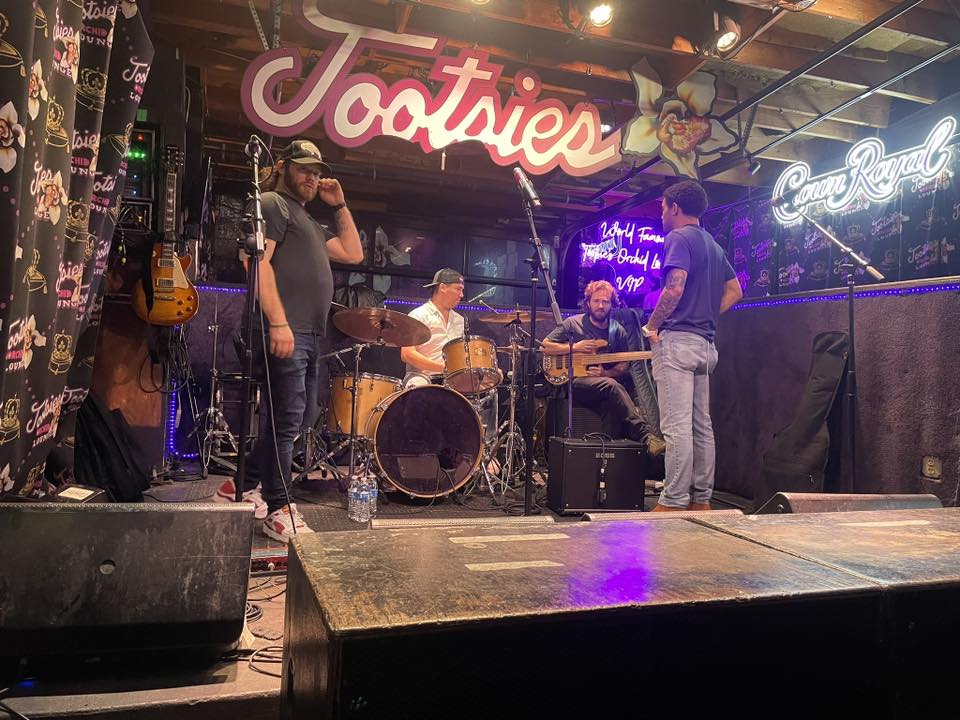
The Real Nashville Music Debate
What made this conversation interesting wasn’t simply which venue received the most votes.
It was the divide between two visions of Nashville.
One version is the city sold to tourists.
The other is the city musicians talk about.
One is built around celebrity bars, bachelor parties, and cover bands.
The other is built around songwriters, listening rooms, bluegrass jams, jazz nights, and artists trying to perfect their craft.
Judging by the comments, many locals believe the second version is still alive.
You just have to leave Broadway to find it.
And perhaps that’s the biggest irony in Music City today.
The best place to experience Nashville’s music culture may be the places most tourists never visit.