

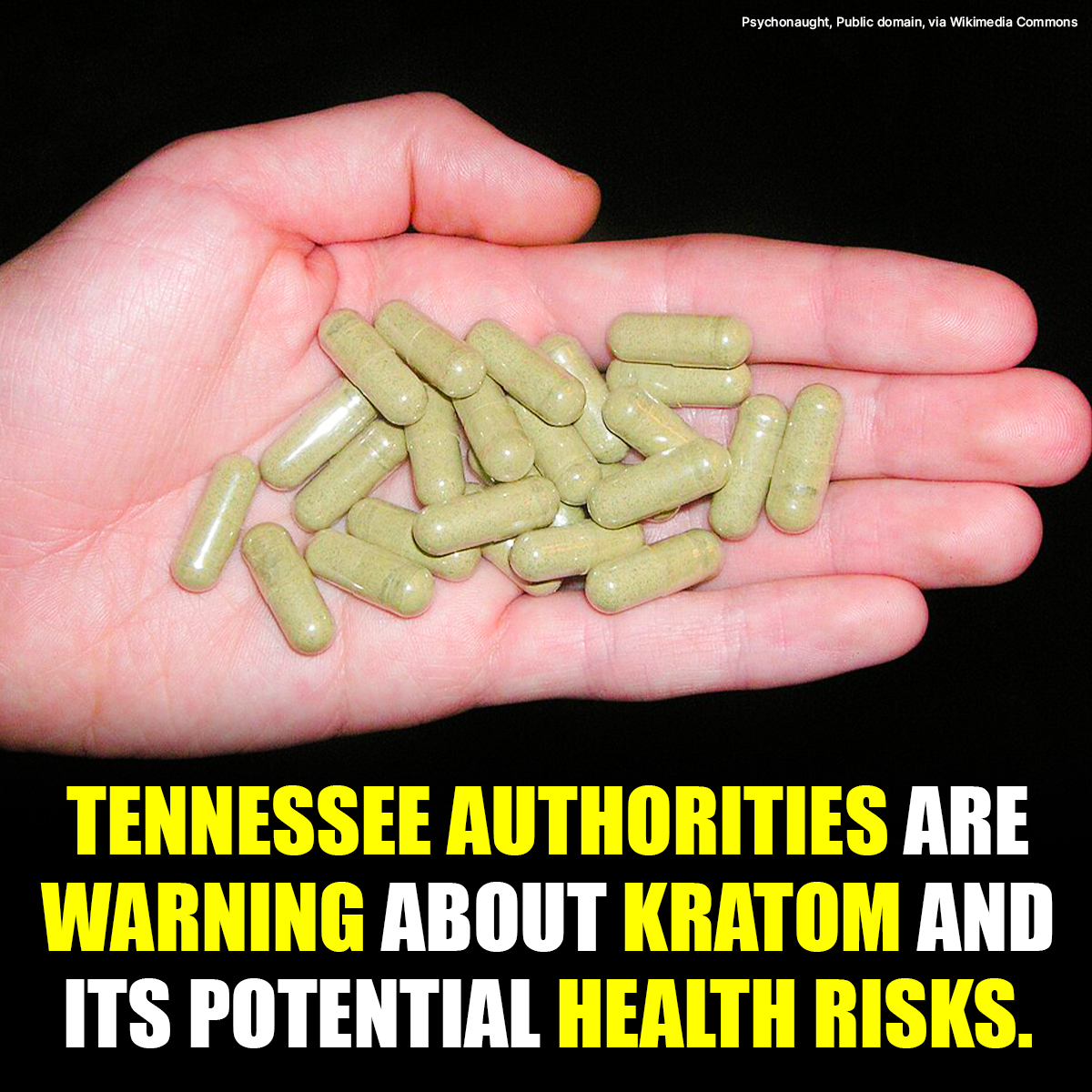
A product sitting on a gas station or smoke-shop shelf can look ordinary enough. It may come in a small bottle, a gummy package or a bag of powder.
But in Tennessee, one word on that package now matters a lot: kratom.
Since July 1, 2026, Tennessee has banned the possession, manufacture and sale of kratom. That is a major change from the state’s older rules, which focused more narrowly on certain synthetic kratom compounds.
For Tennesseans, the practical takeaway is simple: something that may still be available online or sold in another state can be illegal once it crosses into Tennessee.
Tennessee’s kratom rules changed this summer
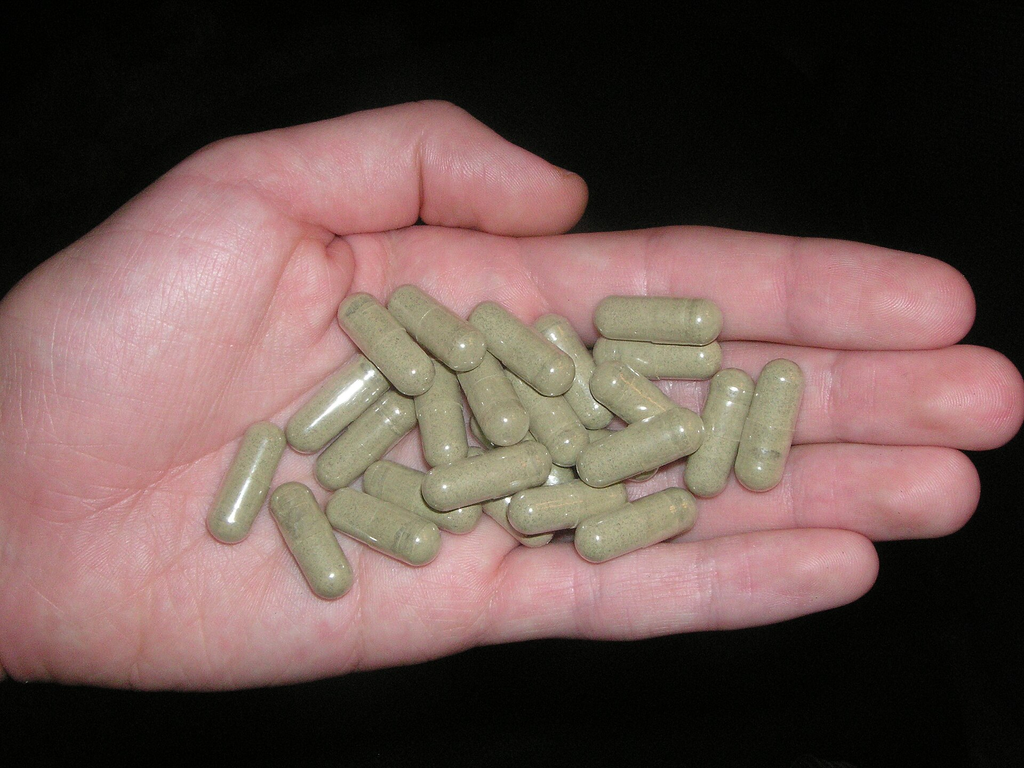
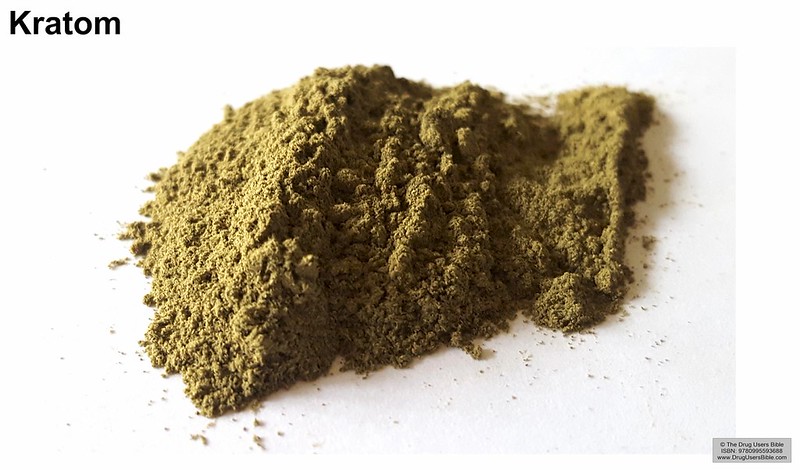
Kratom comes from Mitragyna speciosa, a tree native to Southeast Asia. Products made from its leaves are sold in several forms, including powders, capsules, gummies, extracts and liquid shots.
Tennessee’s Department of Mental Health and Substance Abuse Services says a new state law that took effect July 1 expanded the state’s restrictions to cover the plant itself and products made from it.
The General Assembly passed the measure as Matthew Davenport’s Law, officially Public Chapter 950. Gov. Bill Lee signed it May 7, and it took effect July 1. State legislative records say the law created criminal offenses and new testing requirements involving kratom.
That timing is important.
Someone remembering Tennessee’s older rules may believe natural kratom is treated differently from synthetic versions. Years ago, that distinction did matter. A 2017 Tennessee attorney general opinion concluded that natural botanical kratom was not prohibited under the law then in effect.
That is no longer the current rule.
The state now specifically says possession, manufacture or sale of kratom is banned.
Why authorities are talking about it again
The change is getting renewed attention as Tennessee law enforcement agencies warn consumers and retailers about kratom products.
WSMV reported that authorities have also raised concerns about products sold under other names, including products labeled “Cat’s Claw,” because a label may not make clear that a product contains kratom-related compounds.
That creates an unusual problem for shoppers.
This is not necessarily a case where the word “kratom” will always be printed in giant letters across the front of a package. A consumer may have to look more closely at an ingredient list for names such as mitragynine or 7-hydroxymitragynine, often shortened to 7-OH.
That distinction is especially important because federal health officials have focused considerable attention on concentrated 7-OH products.
Kratom and concentrated 7-OH are not exactly the same thing
The conversation around these products can get confusing quickly.
Kratom naturally contains several chemical compounds. Two that receive particular attention are mitragynine and 7-hydroxymitragynine.
The U.S. Food and Drug Administration says 7-OH occurs naturally only in trace amounts in kratom leaves. But manufacturers can sell products containing added or highly concentrated 7-OH.
The FDA has warned consumers to avoid those concentrated products, which can appear as tablets, gummies, drink mixes and shots. The agency describes concentrated 7-OH products as potent opioid products and says they have not been proven safe or effective for medical use.
Federal regulators have made a point of distinguishing concentrated 7-OH from traditional kratom leaf products. In 2025, the FDA said its push for tighter federal controls specifically targeted 7-OH rather than natural kratom leaf.
Tennessee has gone further at the state level by banning kratom itself.
That difference between federal action and Tennessee law is one reason residents should not assume a product is legal here simply because it is sold elsewhere.
The health warnings go beyond legality
Even outside the question of Tennessee criminal law, federal health officials have raised concerns about kratom.
The FDA says it has received reports involving problems including seizures, liver toxicity and substance use disorder. It also notes that deaths have been associated with kratom use, although kratom was commonly found alongside other substances in those cases and its role was not always clear.
That last detail matters because drug investigations can become misleading very quickly when the presence of a substance is treated as proof that it caused a death.
For example, WSMV reported that packaged kratom was found during investigations into the separate deaths of two University of Mississippi students in September. Investigators had not established that kratom caused or contributed to either death.
Finding a product at a scene and proving that product caused a death are two very different things.
Tennessee’s change reaches beyond store shelves
Matthew Davenport’s Law does more than prohibit kratom.
Tennessee officials say the law also expanded testing requirements involving suspected drug overdoses. It directs medical examiners to include kratom testing in certain overdose-related autopsies and requires testing in some other suspected overdose cases.
The law also affects Tennessee’s drug-free workplace system. The Department of Labor and Workforce Development is moving to specifically include kratom within the program’s definition of a drug.
So the state’s approach is broader than removing one category of products from convenience-store counters. Tennessee is treating kratom as an issue involving criminal law, overdose investigation and workplace drug policies.
What Tennessee shoppers should watch for
The easiest rule is also the safest one: do not assume that a product is legal simply because it is sitting on a shelf, available online or marketed as “natural.”
For Tennessee consumers, ingredient labels now matter.
Names connected with kratom can include Mitragyna speciosa, mitragynine, 7-hydroxymitragynine and 7-OH.
And for retailers, the stakes are much higher than deciding whether to keep an unpopular product in stock. Tennessee’s new law created criminal penalties connected with kratom possession and distribution.
The bigger lesson from the state’s changing rules is that Tennessee’s treatment of kratom has shifted sharply in a relatively short time.
A person who looked up the law several years ago could have found that natural kratom was permitted under the rules then in place.
As of September 2026, that information is outdated.
In Tennessee, the legal landscape changed on July 1 — and anyone buying, carrying or selling these products should know that before discovering the change the hard way.
Sources
- Tennessee Department of Mental Health and Substance Abuse Services — current state guidance on kratom and the July 1, 2026 ban.
- Tennessee General Assembly — Matthew Davenport’s Law, HB 1649/SB 1656, Public Chapter 950.
- Tennessee Department of Labor and Workforce Development — overview of the law and workplace implications.
- U.S. Food and Drug Administration — kratom and concentrated 7-OH health information.
- WSMV reporting on Tennessee law-enforcement warnings and recent kratom-related investigations.