
A Hydrogen-Powered Air Taxi Just Flew 523 Miles — And Nashville Is On The Route Map
An air taxi that runs on hydrogen just completed a 523-mile test flight. No jet fuel. No CO2 emissions. Just water vapor.
And one of the routes the company has its eye on? Nashville to New Orleans.
What Actually Happened
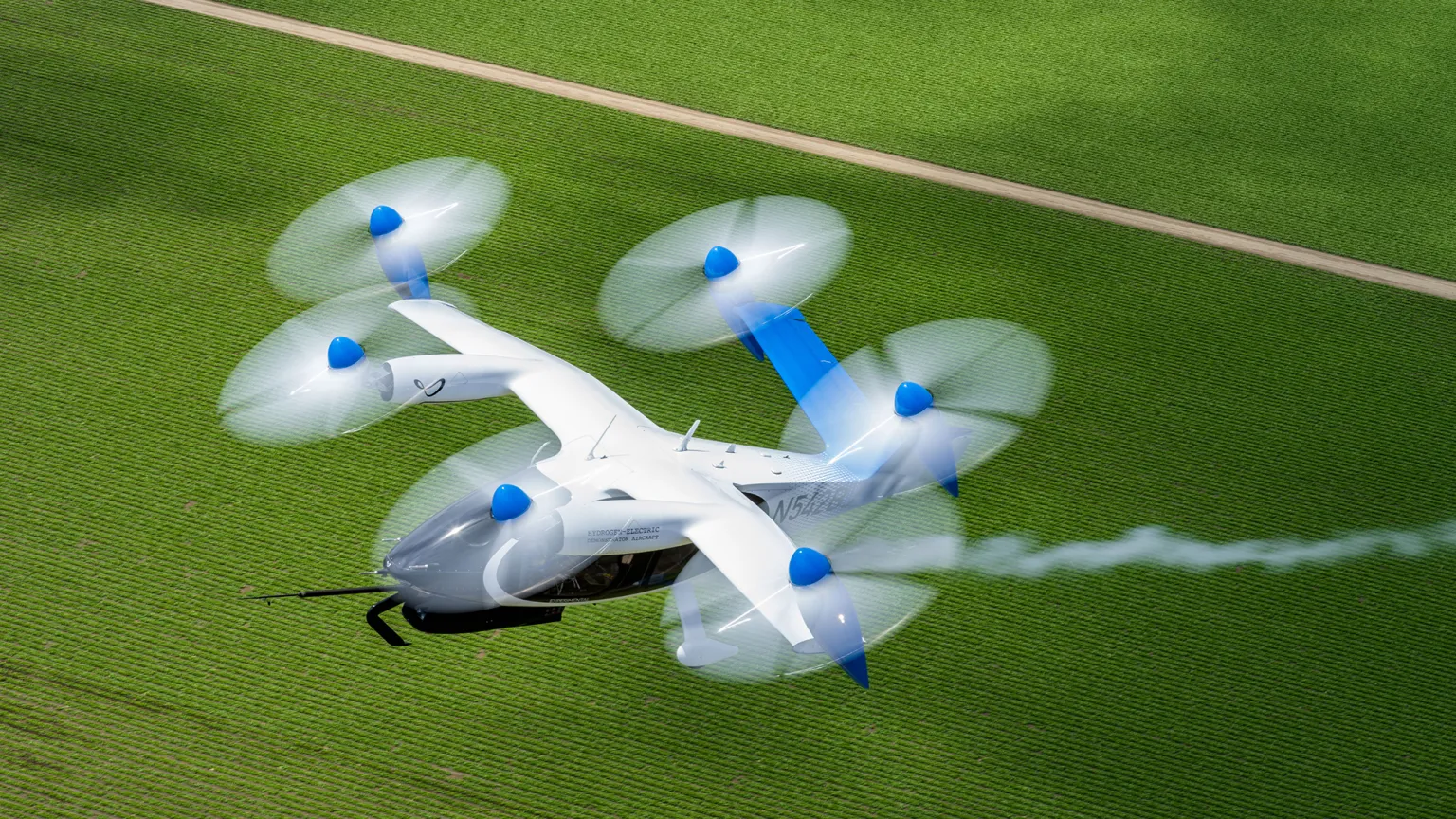
A company called Joby Aviation took one of its electric aircraft prototypes and fitted it with a liquid hydrogen fuel tank and fuel system.
The modified plane flew 523 miles above Marina, California without producing any in-flight emissions. When it touched down, it still had 10% of its hydrogen fuel left.
That’s a pretty big deal. Most electric air taxis max out at around 100 miles on a single charge. This more than quintupled that range.
How The Hydrogen System Works
Here’s the basic idea. Instead of relying purely on a battery, the aircraft uses hydrogen to create a chemical reaction that charges its fuel cells while flying. That energy powers the motor and spins the propellers.
The only byproduct? Water vapor.
Joby CEO JoeBen Bevirt summed it up this way: “Traveling by air is central to human progress, but we need to find ways to make it cleaner.”
Nashville Is Already In The Conversation
Joby specifically mentioned Nashville to New Orleans as an example route for future hydrogen-powered flights.
Baltimore to Boston is another one they brought up. The idea is to cover mid-range regional travel — the trips that are too long to drive comfortably but feel like overkill for a traditional commercial flight.
If this technology gets off the ground commercially, it could change how people think about getting between Southern cities.
It’s Not Perfect Yet
Worth knowing before you get too excited.
Hydrogen fuel is still much more costly to produce than electricity or traditional jet fuel. And while the flight itself produced zero emissions, about 95% of hydrogen made in the US currently comes from natural gas — which is itself a major source of CO2.
So it’s cleaner during flight. The full picture is more complicated.
“Green hydrogen” sourced from renewable energy is still relatively rare. The Biden administration did commit $7 billion toward hydrogen hub development, which could help close that gap over time.
What Comes Next
Joby is still focused on getting its battery-electric air taxi into commercial service first. The hydrogen model is further out.
But here’s something interesting: Joby says most of the work they’ve already done on the electric version carries over to hydrogen. Same landing pads. Same operations team. Same software system.
That means the hydrogen version isn’t starting from scratch. It’s more of a next step than a completely separate project.