
The chocolate spends days in a stone mill. You can learn why in about 30–40 minutes.
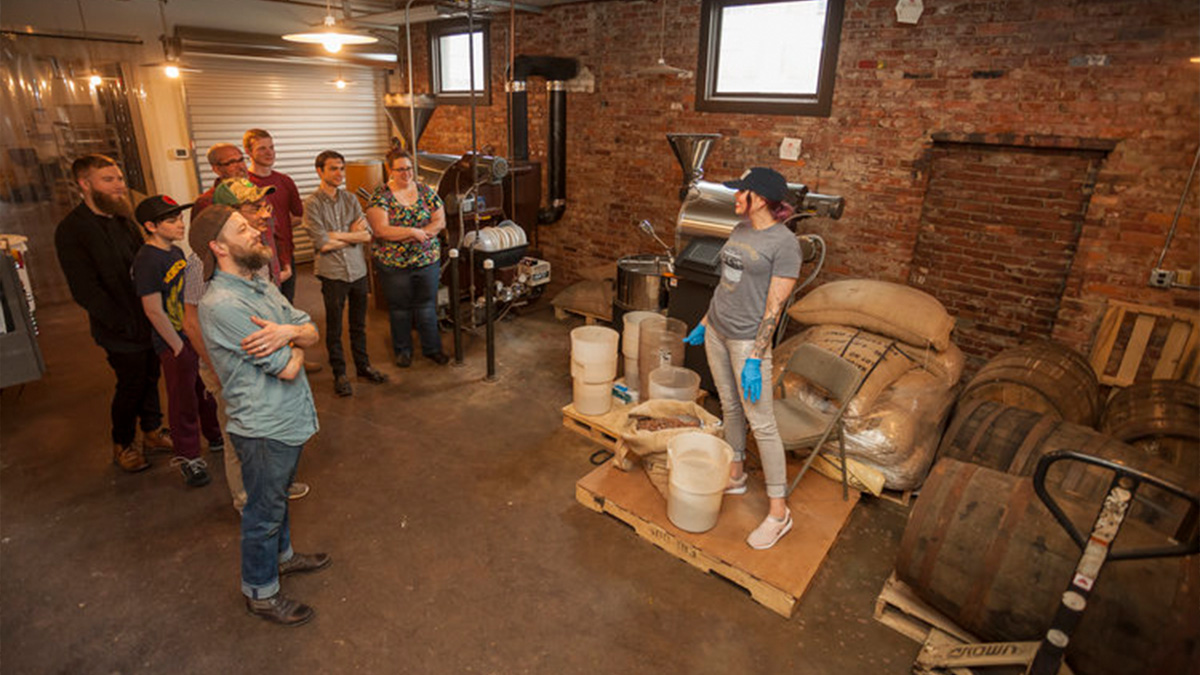
At Olive & Sinclair Chocolate Co. in East Nashville, Saturday factory tours explain how cacao becomes chocolate. A team member leads the visit, samples are included, and everyone gets a hairnet.
The hairnet may do little for your hairstyle. You’ll wear it inside the working chocolate factory at 1628 Fatherland Street.
For visitors, the appeal is getting beyond the wrapper. A finished chocolate bar tells you what the company sells. The tour helps explain how its ingredients and production methods shape what you taste.
Before booking, there’s one practical detail to settle: the company’s two tour pages list different adult prices. The difference is small, but it matters when you’re calculating the cost for a family.
What Your Tour Ticket Includes
The guide explains the company’s roasting and stone-grinding methods, with chocolate samples included along the way.
That makes it a manageable Saturday stop for locals, couples, or families with children curious about how food gets made.
The published 30–40-minute duration is useful when deciding where the visit fits into your day. You can leave room for another Nashville stop without building your entire itinerary around the factory.
If you’re filling out a Saturday itinerary, our guide to daytime things to do beyond Broadway offers more places to consider alongside the tour.
The strongest reason to buy a ticket is an interest in the process. If you’ve wondered what happens between a cacao bean and a wrapped bar, a guided explanation gives those steps some context. It also gives you questions to carry into the tasting.
If you’re hoping to sample a particular chocolate or see specific equipment operating, ask before booking.
That distinction matters in a working factory. Choose the tour for its published description, and confirm any particular experience that would determine whether you book.
Why the Stone Mill Deserves Your Attention
“Bean-to-bar” describes how much of the work happens here: Olive & Sinclair starts with cacao beans and turns them into finished chocolate.
According to its process page, the beans come largely from farms in the Dominican Republic and Ghana. The Nashville part is the chocolate making.
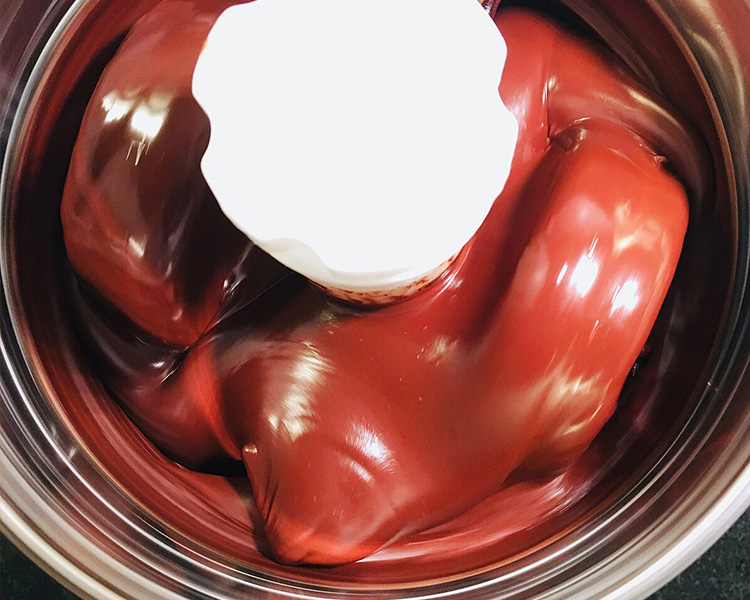
The company slow-roasts the beans, then grinds the nibs—the pieces inside the beans—in stone mills for days.
That’s the detail worth holding onto during a short visit. Something you might eat in a few minutes has spent considerably longer being processed before it reaches its wrapper.
A short tour explains stages of that longer process. You won’t follow one batch from beans to finished bars, but you can learn why the work takes so much longer than your visit.
Ask what the mill changes as it works and what the team looks for before moving to the next stage. Those questions give you something concrete to connect with the equipment and the finished chocolate.
The company’s About page identifies pure brown sugar as its sweetener. Ask what it contributes to the flavor, then keep that question in mind during the tasting.
You don’t need a vocabulary of tasting notes to enjoy that comparison. Start with what you notice, then use the guide’s explanation to connect the flavor with the ingredients and methods.
The Factory Shop Has Its Own Curiosities
After learning how the chocolate gets made, you can decide what to take home.
The factory store advertises changing Chocuterie flavors, caramels, and occasional experiments. Ask what’s available that day.
One distinctive option is Duck Fat Caramels, made with duck fat, cream, butter, thyme, black pepper, and chilies. They’re an optional shop purchase, not a promised tour sample.
That ingredient list gives you a useful starting point at the counter. Ask how the herbs, pepper, and chilies come through before deciding whether the caramels suit your taste or someone on your gift list.
If Saturday doesn’t work, the store lists hours of Thursday–Saturday, 10 a.m.–5 p.m., and advertises free shop samples. Browsing the store does not include factory-tour access.
Choose between those visits based on what interests you. A shop stop suits someone mainly looking for chocolate to buy. The ticketed tour adds the guided explanation of how it’s made.
If you’re shopping for someone with dietary restrictions, check the individual product label. An unusual flavor may make an interesting gift, but the ingredients need to work for the person receiving it.
Prices and Booking: Confirm the Total
The main tour page lists $8 for adults ages 13 and older. The company’s Squarespace tour page lists $10. Both list $5 for children ages 6–12.
For two adults and two children ages 6–12, that’s $26 or $30 before any applicable taxes or fees. Follow the main website’s booking link and confirm the total before paying.
The calculation is straightforward: two $8 adult tickets plus two $5 child tickets total $26. Using the $10 adult price brings the same group to $30.
Treat those figures as a planning range until you see the booking total. Neither calculation includes optional purchases from the shop, so keep those separate when setting your outing budget.
Tours run on Saturdays, with hourly departures beginning at 10 a.m. Check the official tour page and booking link for available times and book online in advance. Online tickets are unavailable on tour day; walk-ins may fit if space allows.
If you’re making a special trip, advance booking gives you a firmer plan than relying on an opening after you arrive. Check the available departure first, then arrange the rest of your day around it.
Keep these rules in mind:
- Bring a card. Payments are card only.
- Tickets booked directly are nonrefundable. Rescheduling is allowed; check the terms and deadline.
- The recommended age is 6 and older. Ask before bringing younger children.
- Groups larger than 10 should contact the company.
For families, consider whether the children will enjoy listening to an explanation of food production. The short duration may help, but interest in the subject is a better guide than a love of candy alone.
To add another stop without another round of admission charges, browse our free things to do in Nashville with kids. Check individual attractions’ current hours and any adult admission requirements before choosing.
Allow roughly an hour for the tour and optional shopping. If you’re planning a date around the visit, our guide to things to do in Nashville for couples can help you find a second activity.

Check Dietary and Accessibility Needs Before Booking
Contact the company about allergies before buying nonrefundable tickets. Duck Fat Caramels contain dairy, including cream and butter, and their product page states that the facility also uses gluten, tree nuts, peanuts, and sesame seeds. Ask about the actual tour samples and possible cross-contact.
Be specific about the allergy or restriction you need to discuss. Ask whether suitable samples can be provided and what information is available about how they’re handled.
The caramel label is relevant to that product and its stated facility warning. It does not establish the ingredients in every chocolate offered during a tour.
The visitor pages do not include a detailed accessibility guide. If you need wheelchair or stroller space, seating, or an accessible restroom, ask about the full tour route.
Explain what would make the visit workable for you. A question about whether you can remain seated, for example, is more useful than a general question about whether the tour is accessible.
Call 615-262-3007 or email [email protected] with your specific needs. The company also lists its contact information and shop hours on its official visitor page.
For someone interested in how food gets made, this is a compact outing with a clear focus: cacao, stone mills, and the chocolate they produce. Confirm your ticket total and any individual requirements, then arrive with a question you’d like the guide to answer.