
A family can spend more than $170 just getting four adults into one famous Memphis attraction, before parking, lunch, or souvenirs enter the picture. Across Tennessee, the better trick is not avoiding every famous place. It is knowing which experiences are worth the money and which have a local alternative.
These 15 swaps cover Nashville, the Smokies, Memphis, and Tennessee whiskey country. Some of the famous stops deserve one visit. But the places Tennesseans choose for their own Saturday afternoon can tell you much more about the state.
The Nashville Strip That Is Better Before the Party Really Starts
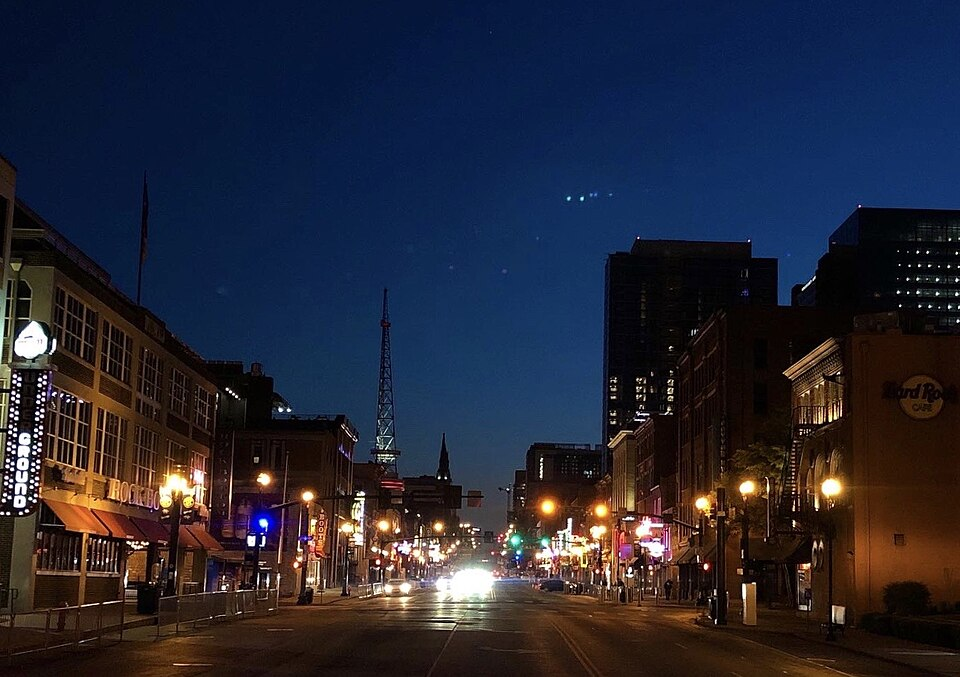
Lower Broadway is Nashville’s famous Honky Tonk Highway, packed with multi-story bars, rooftop decks, live bands, celebrity-backed venues, and some of the city’s biggest visitor crowds. It is the Nashville scene millions of travelers picture before they ever arrive.
Walk it after dark and everything competes for your attention. Bass pours through open doors. Neon reflects off windows. Bands overlap from one doorway to the next while pedal vehicles, party groups, and packed sidewalks add another layer of noise.
There is nothing wrong with wanting to see it.
The mistake is assuming this is where Nashville goes when Nashville wants to hear music.
Here’s what catches people off guard.
Broadway is worth experiencing once, but some of Nashville’s most respected music rooms sit well outside the Broadway tourism bubble.
Station Inn has spent more than 45 years building its reputation around bluegrass, classic country, Americana, and roots music. Instead of several floors competing for your attention, it operates as the sort of listening room where the stage matters more than the spectacle.
Another alternative is Dee’s Country Cocktail Lounge in Madison. Dee’s is a 21-and-up neighborhood venue with a throwback 1970s country feel and live music seven nights a week.
The insider move is simple. See Broadway earlier in the day or early evening, take your pictures, hear a few songs, and then make the actual night about the music.
Broadway is busiest when downtown nightlife is in full swing, so leaving before the late-night crush can change the experience considerably. Station Inn and Dee’s operate their own performance schedules, so check the show you want before heading over.
The trap is not Broadway itself.
The trap is spending every night there because nobody told you Nashville keeps going long after the neon ends.
And sometimes the most touristy Nashville experience does not even happen inside a building.
The Nashville Party You Pay to Ride Past
Pedal taverns and rolling party vehicles have become almost as recognizable in downtown Nashville as cowboy boots and rooftop bars. They circle the tourism district carrying groups through some of the most congested streets in the city.
You hear them before you really notice them.
Music rolls down the block. Groups wave at pedestrians. Traffic stacks up behind slow-moving vehicles while downtown continues moving around the party.
It can be entertaining, particularly for a group that came to Nashville specifically for that experience.
But locals have complained about the noise and congestion associated with the vehicles, and Nashville has debated how many of them should be operating downtown.
Here’s the funny part.
If what you actually want is drinks, music, people-watching, and a night moving between interesting bars, you can do all of that without spending the evening riding past the bars.
East Nashville is the better swap.
The neighborhood is known for independent restaurants, dive bars, cocktail spots, coffee shops, live music, vintage stores, and businesses that function as neighborhood hangouts rather than attractions designed around a single tourism experience.
The insider move is to pick one part of East Nashville and wander from there rather than trying to cover the entire neighborhood.
You still get the loose plan that makes a Nashville night fun. Stop somewhere for a drink. Hear some music. Find food when somebody gets hungry. Change plans when a place down the street looks better.
Just remember that East Nashville is a real neighborhood. Parking rules, residential streets, and individual business hours matter.
And there is another Nashville mistake that costs visitors far more than a pedal tavern ticket.
It is never leaving downtown at all.
The Nashville Morning That Comes With Free Parking
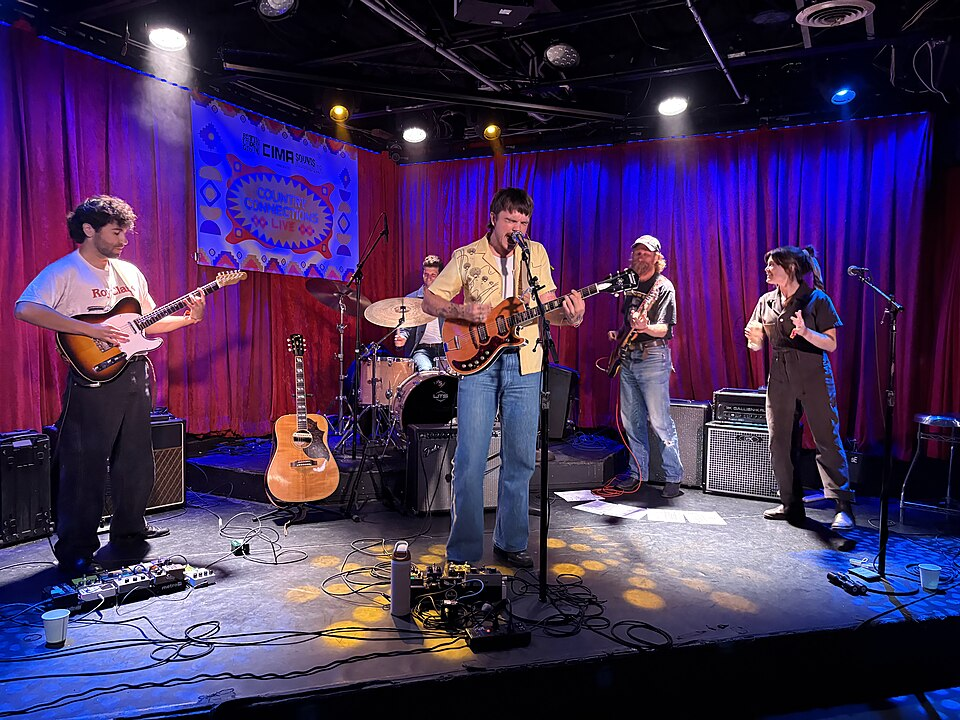
The Nashville Farmers’ Market sits beside Bicentennial Capitol Mall State Park, within easy reach of Germantown, the Tennessee State Capitol, and the Tennessee State Museum. Its Market House is open daily from 8 a.m. to 8 p.m., although individual merchant hours vary.
That alone makes it feel different from the downtown tourist corridor.
Inside, lunch smells drift from food counters. Outside, the setting opens toward the Capitol and the broad lawns and pathways of Bicentennial Mall. During the main growing season, farm sheds bring another layer of Tennessee produce and vendors to the area.
Then there is Germantown nearby, where old Nashville architecture and newer restaurants sit within one of the city’s most walkable historic neighborhoods.
Here’s what visitors paying downtown parking rates may not expect.
The Nashville Farmers’ Market offers free two-hour customer parking, with additional free two-hour street parking nearby and free state-lot parking on Saturdays and Sundays.
That is the insider move.
Build a half-day around the market, Bicentennial Mall, the Tennessee State Museum, and Germantown instead of driving from one downtown attraction to another.
The Market House itself keeps long daily hours, but individual businesses may close earlier. Outdoor farm shed schedules also vary seasonally, so do not assume every vendor will be there simply because the building is open.
The trap is believing Nashville begins at the river and ends a few blocks west of Broadway.
It doesn’t.
And if you want to bring something home, there is an even better reason to get beyond the souvenir racks downtown.
The Tennessee Souvenir That Does Not Need “Nashville” Printed Across It
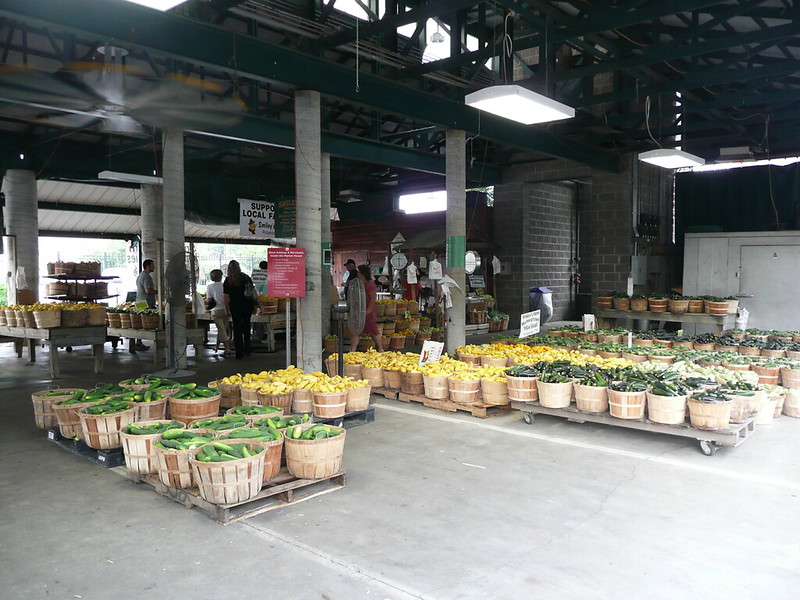
Historic downtown Franklin gives visitors an alternative to the mass-produced shirts, shot glasses, hats, and trinkets filling tourist-heavy retail corridors. Franklin’s Main Street sits within a National Register historic district and has received Great American Main Street recognition.
The setting does half the work.
Historic storefronts line the street. Restaurants, galleries, antique shops, boutiques, and booksellers occupy buildings that belong to the town rather than a themed shopping complex.
Some downtown Franklin buildings date as far back as 1799.
That history changes the rhythm of shopping here. You browse slowly. You notice the architecture between stores. You may walk out with artwork, a book, an antique, or something made locally instead of another identical Tennessee T-shirt.
Here’s the distinction that matters.
Franklin is popular with visitors, but its downtown is a functioning historic district rather than a purpose-built souvenir zone.
Stop at the downtown visitor center if you want self-guided materials before wandering Main Street.
The insider move is not to arrive with a shopping checklist. Give yourself time to walk a few blocks, look down side streets, and browse whatever catches your eye.
Franklin should not be sold as an undiscovered town. Plenty of travelers know about it, and weekends can be busy.
The trap is assuming “authentic” automatically means “nobody else knows about it.”
Sometimes it simply means the place existed before tourists showed up.
And nowhere does paying for the experience versus paying attention to what surrounds you become clearer than in Gatlinburg.
The Nearly $40 Mountain View Sitting Beside a National Park
Gatlinburg SkyPark lists an adult single-visit window price of $38.95, with taxes extra, while its adult SkyPass is listed at $48.95. The attraction combines a chairlift ride, mountaintop setting, and the famous SkyBridge.
The view is undeniably impressive.
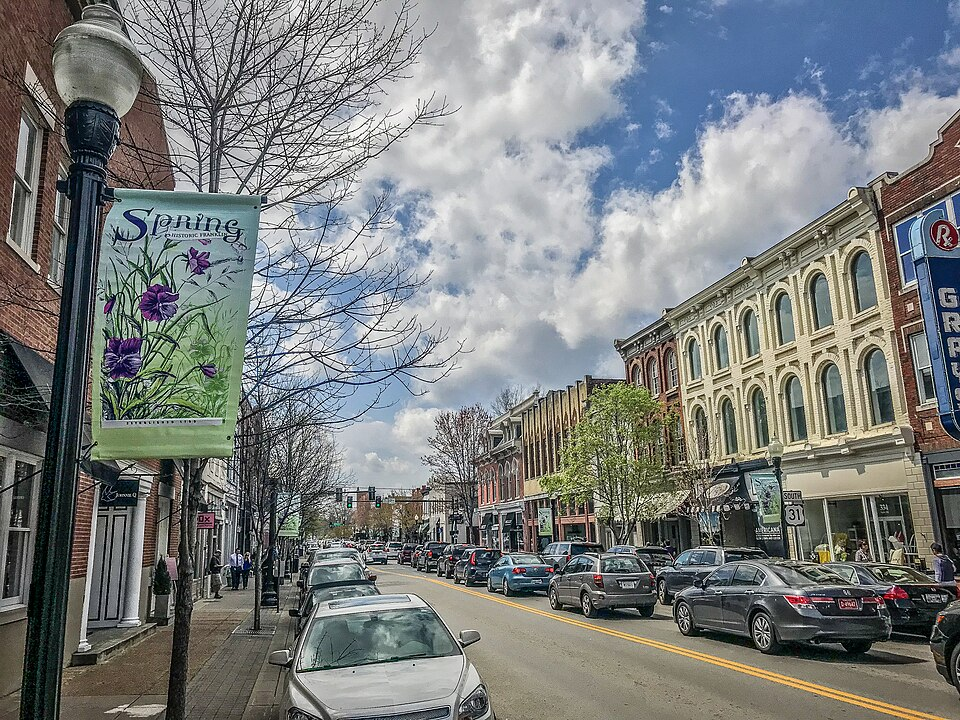
You rise above Gatlinburg and watch the town shrink beneath you. Ridges stack toward the horizon in shades of blue and gray. On a clear day, the Smokies seem to roll forever.
For some travelers, the chairlift and bridge are part of the fun, not merely a way to see mountains.
But here’s what catches people off guard.
Great Smoky Mountains National Park has no standard entrance fee, although anyone parking longer than 15 minutes needs a parking tag.
If scenery is your real priority, head into the park.
Kuwohi, formerly called Clingmans Dome, is the highest point in Great Smoky Mountains National Park. Kuwohi Road’s published 2026 season runs through November 29, weather permitting.
The insider move is to decide what you are buying before buying the ticket.
Want the chairlift, bridge, and mountaintop attraction? SkyPark makes sense.
Want to stand among the actual mountains? Spend that time in the national park instead.
Remember the parking-tag requirement and seasonal road closures. Mountain weather can change plans quickly, particularly at higher elevations.
The trap is paying attraction prices for scenery when scenery was the only thing you wanted.
But views are not the only thing Gatlinburg packages for tourists.
So does Appalachian culture.
The Gatlinburg Shopping Loop Where Somebody Actually Made the Souvenir
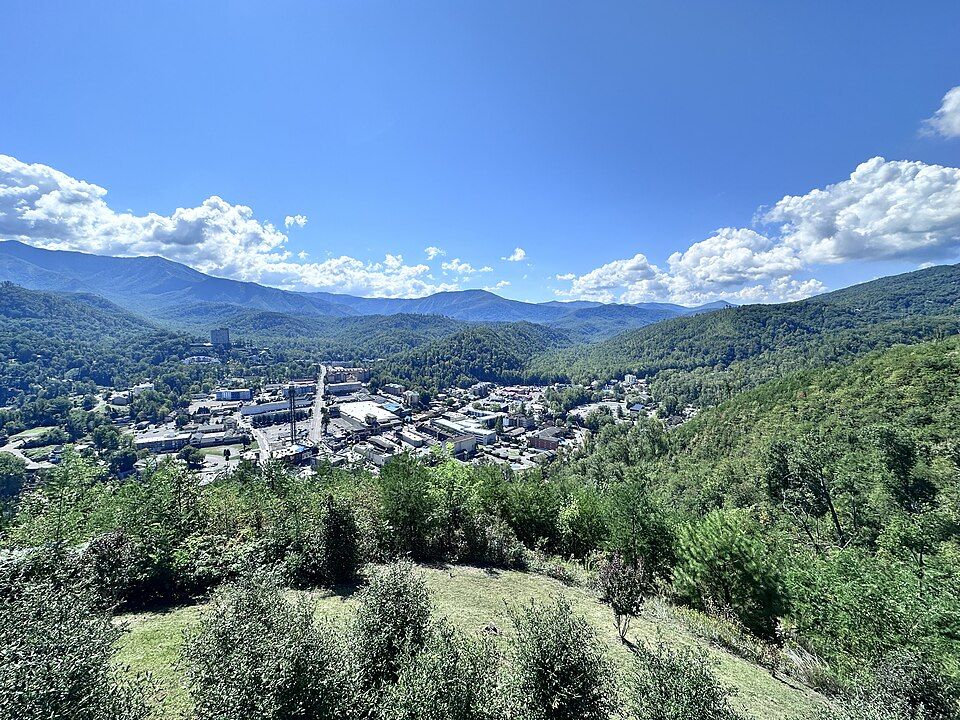
Gatlinburg’s Parkway is loaded with novelty attractions, themed experiences, arcades, and souvenir shops. A short drive away, the Great Smoky Arts & Crafts Community revolves around working artists and craftspeople instead.
That difference becomes obvious once you start browsing.
Pottery carries the marks of the person who shaped it. Woodwork smells like wood instead of plastic packaging. Jewelry, paintings, and regional crafts sit in studios where making things is part of the attraction.
You are not just looking for another object that says “Smoky Mountains.”
You are looking at the creative tradition of the mountains themselves.
Here’s what catches shoppers off guard.
The Great Smoky Arts & Crafts Community is built around independent artisans, giving visitors the chance to buy regional work instead of generic destination merchandise.
The insider move is to allow more time than you think you need.
This is not one giant store where you can race through every aisle. The pleasure comes from moving between individual shops and studios and seeing what different craftspeople make.
Hours vary from business to business, so check any studio you especially want to visit before making the drive.
And do not confuse this advice with skipping every commercial Gatlinburg attraction. Families may genuinely enjoy novelty museums and other Parkway entertainment.
The trap is spending an entire Smokies vacation surrounded by mountain-themed merchandise without meeting the culture that inspired it.
A few miles down the road, Pigeon Forge has the same problem on an even bigger scale.
The Piece of Pigeon Forge That Was Here Before the Go-Karts
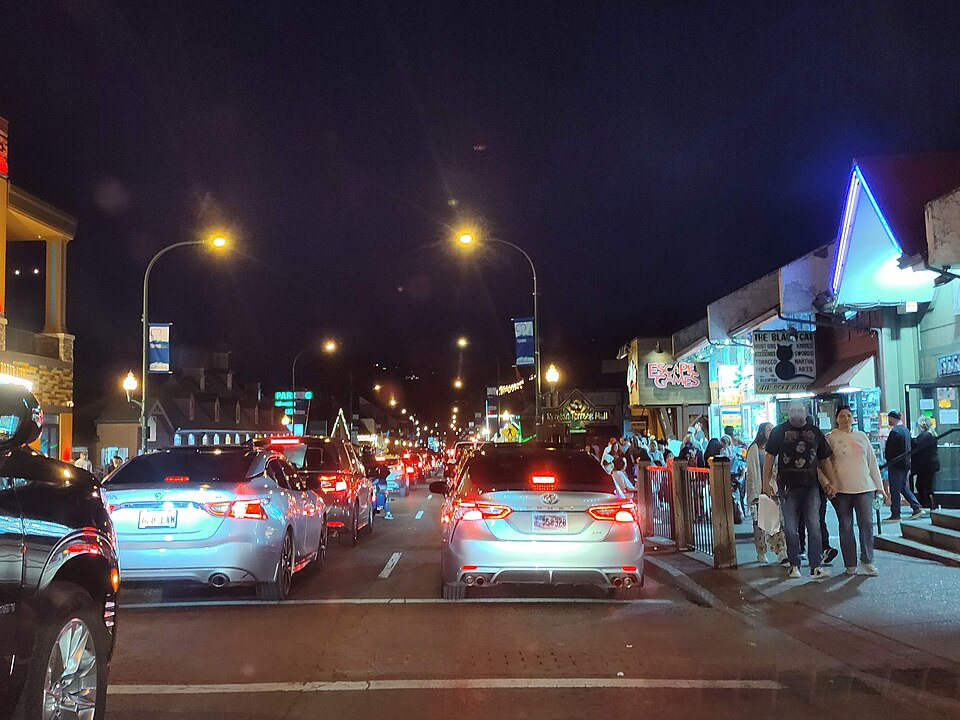
The Old Mill in Pigeon Forge dates to around 1830, long before giant roadside attractions turned the Parkway into one of Tennessee’s busiest tourism corridors. By 1842, the mill was important enough that the community’s first post office operated inside it.
Stand near the Little Pigeon River and modern Pigeon Forge briefly makes more sense.
Water moves beside the old mill. Stone and weathered wood replace blinking signs. The story shifts from vacation attractions to farming families who needed grain ground and a community built around water power.
Even the town’s name reaches backward. “Pigeon Forge” reflects the passenger pigeons once associated with the area and an iron forge established nearby.
Here’s what catches people off guard.
One of the most photographed buildings in modern Pigeon Forge predates the city’s tourism boom by well over a century.
The insider move is to use the Old Mill District as a reset when Parkway overload sets in.
You do not need to declare war on miniature golf or dinner shows. That is part of Pigeon Forge, too.
But spending the whole day jumping between purpose-built attractions can make every vacation stop begin to blur together.
Individual shops, restaurants, and attractions in the district maintain their own schedules, so check the places you want to enter rather than assuming the entire district operates as one attraction.
The trap is thinking Pigeon Forge sprang into existence when somebody built the first giant attraction.
Its story is much older.
And just up the road, another town proves you can find Dolly Parton history without standing inside an entertainment complex.
The Smokies Town Where Dolly’s Story Is Written Into the Sidewalks
Historic downtown Sevierville traces its roots to the 1790s and centers around the 1896 Sevier County Courthouse. It is an easy contrast to The Island in Pigeon Forge, a purpose-built complex of rides, restaurants, shops, fountains, and entertainment.
Downtown Sevierville feels like a town because it is one.
The courthouse rises above the center. Older buildings have been adapted for new businesses. Murals, shops, restaurants, and pieces of local history appear as you walk.
Then there is Dolly.
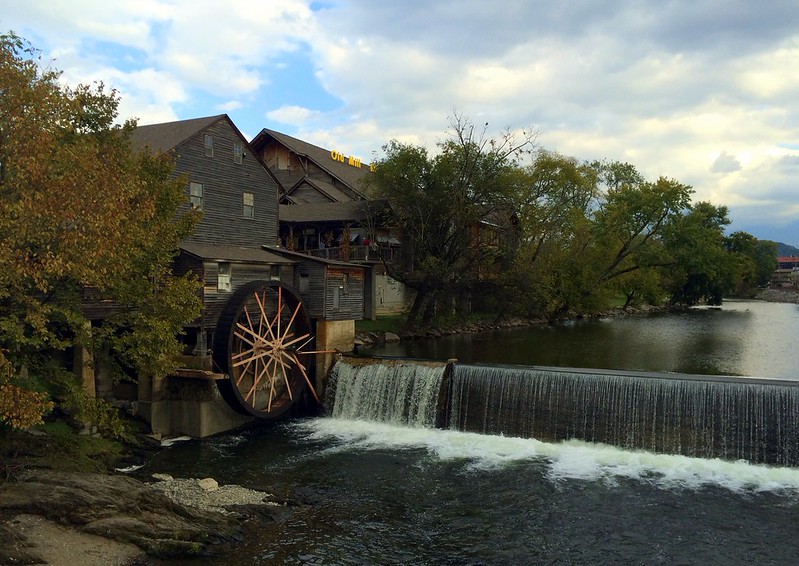
Her statue stands outside the courthouse in her home county, but one of the better stories sits elsewhere downtown.
Here’s what catches people off guard.
The restored Pines building occupies a site connected to an early paid performance by a very young Dolly Parton.
Sevierville offers a self-guided walking tour with roughly 40 historic points of interest, which is the insider move for anyone who enjoys old buildings and local stories.
The Island can still be a perfectly good choice for families who want rides and entertainment concentrated in one place.
Downtown Sevierville serves a different purpose.
There is no admission ticket required simply to walk around town, although individual businesses naturally set their own hours and prices.
The trap is assuming the biggest concentration of attractions automatically delivers the strongest sense of place.
Sometimes the better Smokies memory is standing beside an old courthouse while traffic and amusement rides feel surprisingly far away.
And the same rule applies to what you carry home.
The Smokies Souvenir You Might Still Want Ten Years From Now
Smokies souvenir megastores make buying something easy. Downtown Sevierville and other local East Tennessee shops make buying something meaningful more interesting.
The difference is visible on the shelf.
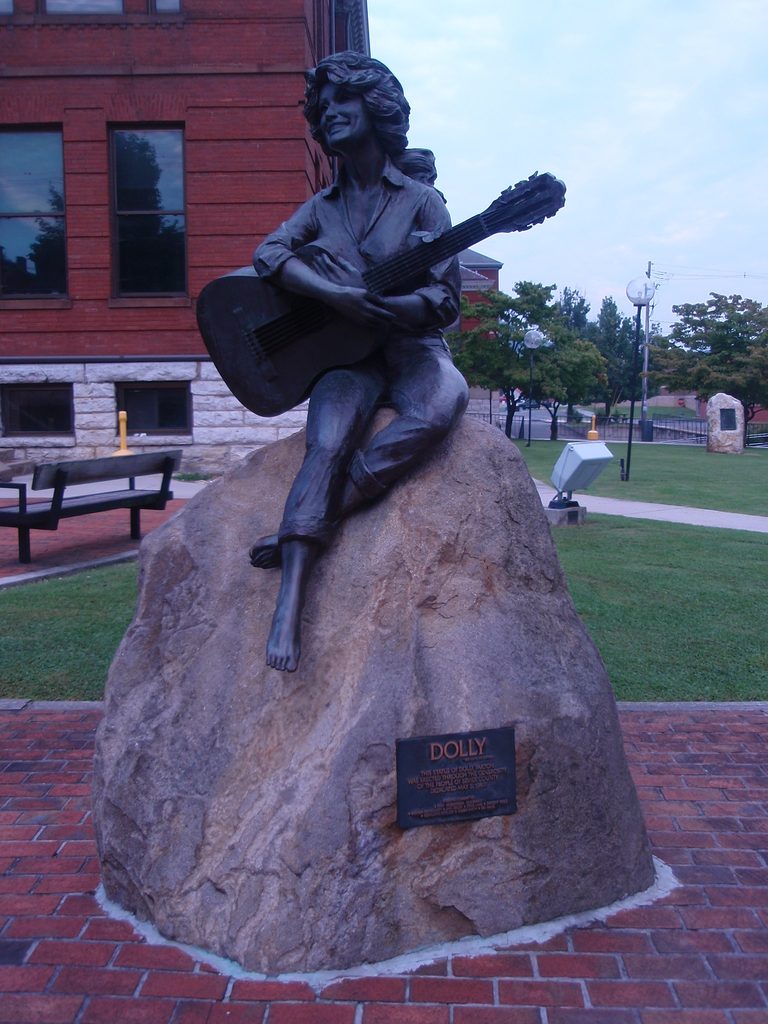
Instead of another oversized destination logo, you can look for pottery, regional artwork, quilts, custom jewelry, and locally produced food. Sevierville’s tourism organization itself has encouraged travelers seeking Appalachian souvenirs to consider locally made goods.
There is something satisfying about picking up an object that could sit in your kitchen or living room without screaming “VACATION PURCHASE.”
That’s the point.
The souvenir locals would actually put in their homes usually does not need “Gatlinburg” written across it in six-inch letters.
The insider move is to ask where something was made.
A shop can look local while selling merchandise produced hundreds or thousands of miles away. If buying Appalachian-made work matters to you, look at labels and ask questions.
Prices and opening hours vary by shop, and handmade does not automatically mean cheap.
You may pay more for a handmade bowl than a printed coffee mug.
But value and lowest price are not always the same thing.
The trap is buying something because you feel obligated to bring home a souvenir, then wondering why you bought it six months later.
The mountains offer a similar lesson with sightseeing.
The most famous drive is wonderful. The timing can be miserable.
The Smokies Drive Locals Do Not Want to Spend Staring at Brake Lights
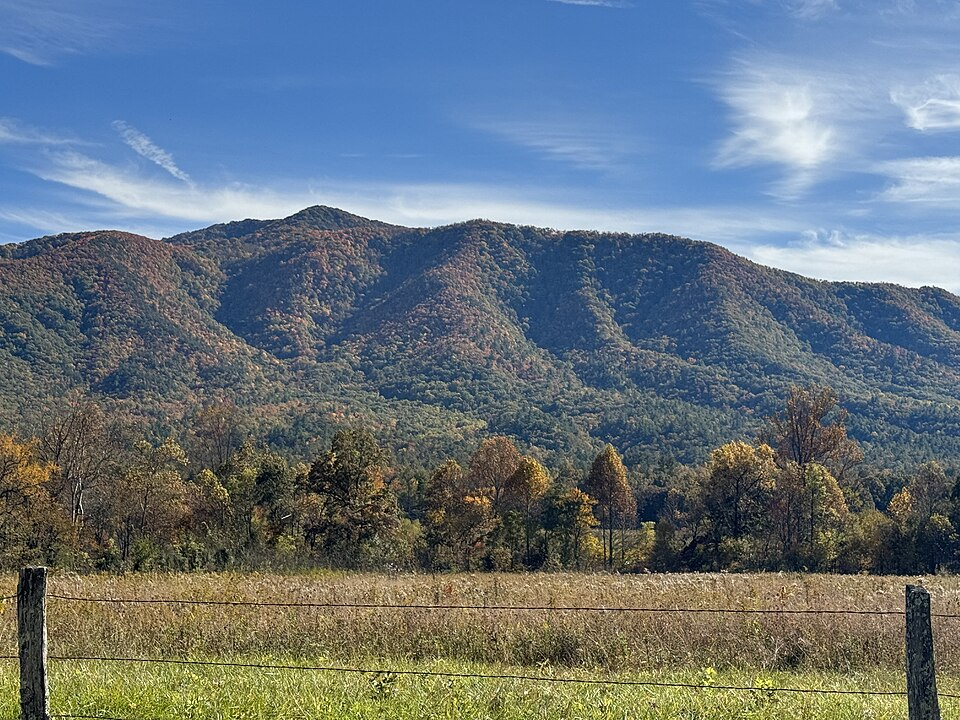
Cades Cove is an 11-mile loop in Great Smoky Mountains National Park, and it deserves its reputation for mountain scenery, wildlife, and historic structures. The problem is not Cades Cove. It is attempting the loop when everybody else had exactly the same idea.
On a quiet stretch, the valley feels enormous.
Fields spread toward wooded ridges. Old cabins and churches tell the story of communities that existed before this land became America’s most visited national park.
Then traffic stops.
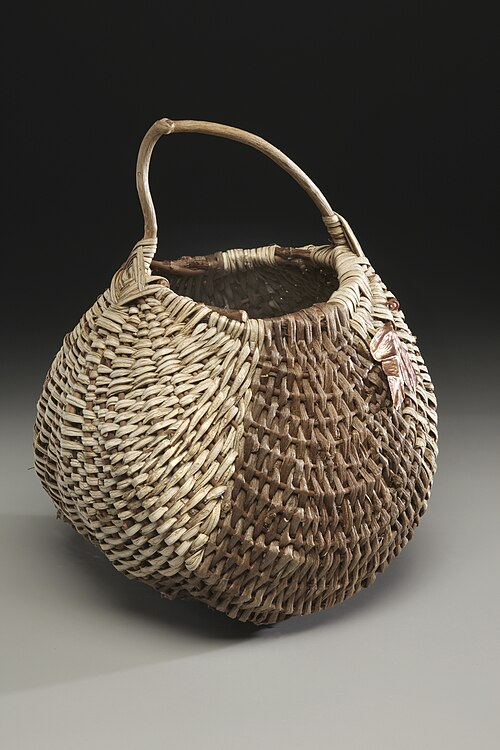
One wildlife sighting can slow an entire line of vehicles. What looked like a peaceful scenic drive suddenly becomes a long view of somebody else’s bumper.
Here’s the distinction locals understand.
In 2026, Cades Cove Loop Road closed to motor vehicles every Wednesday from May 6 through September 30 so pedestrians and cyclists could use the road.
The National Park Service specifically advised visitors to avoid the morning rush on those vehicle-free Wednesdays because parking could fill, recommending afternoon arrival instead.
That is the insider move.
Do not skip Cades Cove. Skip the version of Cades Cove where poor timing becomes the main memory.
Outside vehicle-free Wednesdays, crowd levels vary considerably by season, weather, and time of day. Remember that Great Smoky Mountains National Park requires a parking tag when parking for more than 15 minutes.
Cades Cove is too important and too beautiful to dismiss as a tourist trap.
The traffic jam is the trap.
Now head west, because Memphis has its own famous street that visitors sometimes mistake for the entire city.
The Memphis Street You Should See Without Giving It Your Whole Night
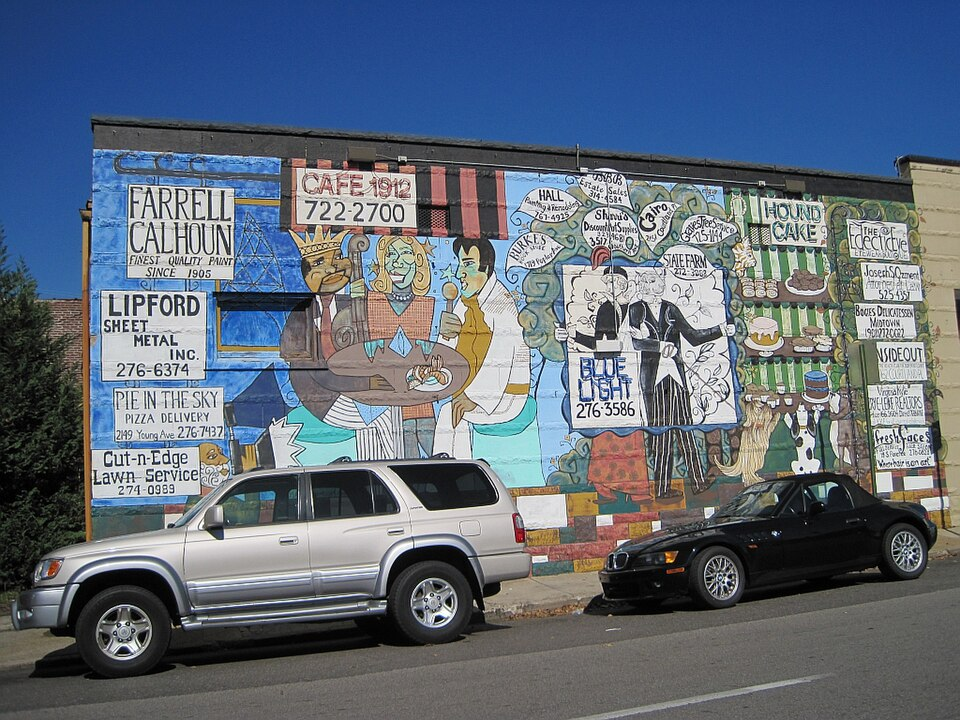
Beale Street is one of America’s legendary music streets, and skipping it entirely would miss a major piece of Memphis history. But local discussions repeatedly make a distinction between visiting Beale and treating it as the only place in Memphis worth going after dark.
Beale is spectacle.
Signs glow over the street. Blues pours through doors. Visitors drift between clubs beneath one of the most recognizable street scenes in Tennessee.
It deserves to be seen.
It just does not have to be your entire Memphis nightlife experience.
Here’s what catches visitors off guard.
Memphis Tourism itself describes Cooper-Young as a place to experience Memphis like a local, with restaurants, bars, shops, galleries, and live music filling the historic district.
Cooper-Young is the neighborhood alternative.
Bar DKDC regularly hosts performers, while the surrounding district gives you independent restaurants and businesses within a neighborhood rather than a tourism corridor.
Overton Square offers another option, particularly if your ideal evening is dinner followed by theater, ballet, live music, or drinks.
The insider move is to divide the experience.
See Beale. Hear it. Walk it. Then spend another evening somewhere Memphians actually build ordinary nights out.
Individual venues maintain their own hours and performance calendars, so check schedules if live music or a particular show is important.
The trap is not visiting Beale Street.
The trap is visiting Beale Street and thinking you have now seen Memphis.
And no Memphis attraction makes the price-versus-passion question clearer than the city’s most famous house.
The $85 Memphis Pilgrimage That Makes Sense Only If You Care About the King
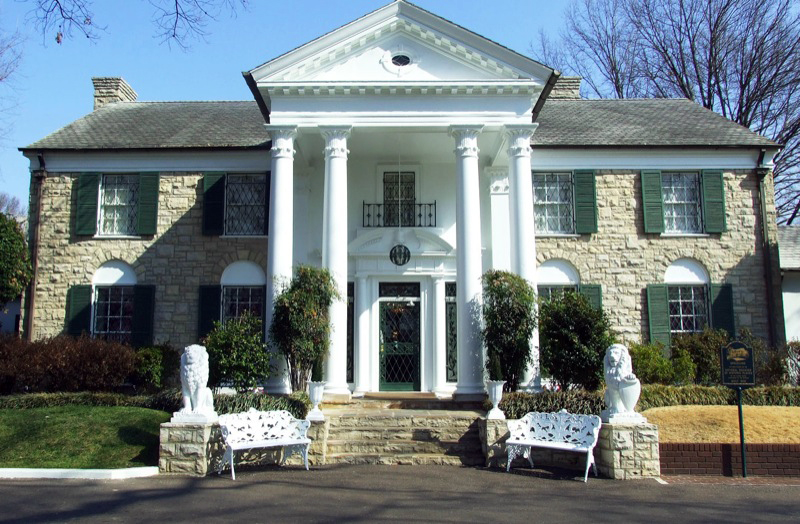
Graceland’s Elvis Experience tour is listed at $85 for adults, while premium options rise substantially higher. For serious Elvis fans, that can be pilgrimage money rather than admission money.
You are entering the world attached to one of the biggest names in American popular culture.
For somebody who grew up with Elvis records in the house, the price may barely matter. The mansion is the reason for coming to Memphis.
But if Elvis is simply one artist among dozens you associate with the city, Memphis gives you other ways to spend your music-history budget.
Here’s where the math gets interesting.
Stax Museum and Sun Studio each list adult admission at $20, a fraction of the basic Graceland Elvis Experience price.
Stax Museum of American Soul Music is open Tuesday through Sunday from 10 a.m. to 5 p.m., with last admission at 4 p.m. Its story stretches beyond one star into the music and culture surrounding Stax Records.
Sun Studio also lists $20 adult admission. Its guided tours run roughly 40 to 50 minutes, with tours offered on the half hour, and it operates seven days a week.
The insider move is to choose according to your actual musical interest, not according to which attraction has the most famous name.
Graceland is the right answer for an Elvis fan.
Stax or Sun may be the better answer for somebody who wants a broader Memphis music story for less money.
The trap is buying the most expensive ticket because you feel a Memphis trip is incomplete without it.
The next Memphis argument is even more dangerous.
It involves barbecue.
The Famous Memphis Rib Joint Locals Will Argue About Until Supper
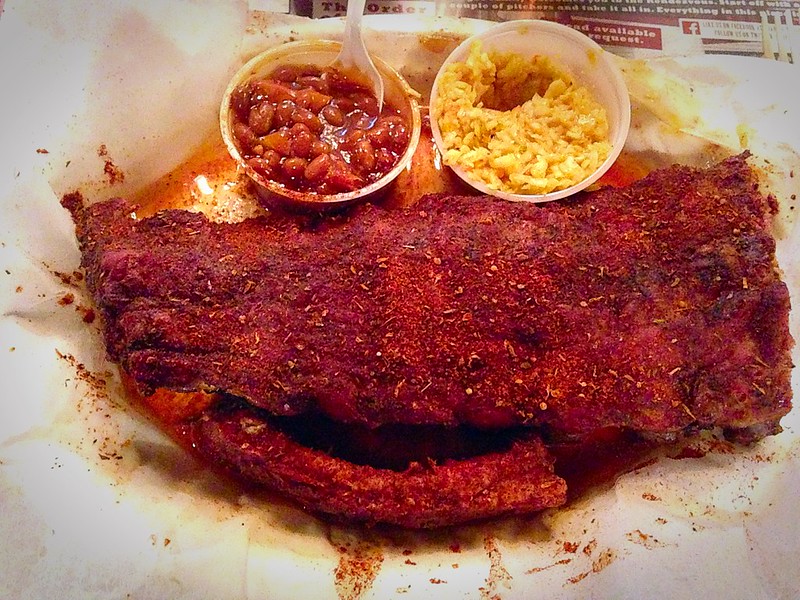
Charlie Vergos’ Rendezvous is historic, centrally located, and famous for its distinctive dry-rub ribs. It also attracts large numbers of visitors, which has turned the restaurant into one of Memphis’ best-known food landmarks.
Walk into a famous barbecue joint and the senses take over fast.
Smoke hangs in the air. Seasoning clings to ribs. Plates hit tables while generations of Memphis barbecue opinions hover over every bite.
Then somebody asks the question guaranteed to start an argument.
“Is this really the best barbecue in Memphis?”
Here’s what catches outsiders off guard.
Local Memphis discussions regularly recommend places such as Bar-B-Q Shop, Cozy Corner, and Payne’s when visitors ask where residents eat barbecue.
The insider move is not replacing one absolute “best” restaurant with another.
Memphis barbecue does not work that way.
Try the style that interests you. If Rendezvous history and atmosphere matter, go there. If your priority is exploring smaller local favorites, put Bar-B-Q Shop, Cozy Corner, or Payne’s on your list.
Hours vary among barbecue restaurants, and popular items can sell out. Check before making a special trip.
Most importantly, do not tell a Memphian that another Memphian told you where the city’s “real” barbecue is.
You may accidentally lose half your afternoon.
The trap is believing Memphis barbecue has one correct answer.
In fact, arguing about the answer may be the most authentic experience of all.
And the city’s next local swap costs nothing.
The Mississippi View That Gets Better When You Walk Across the River
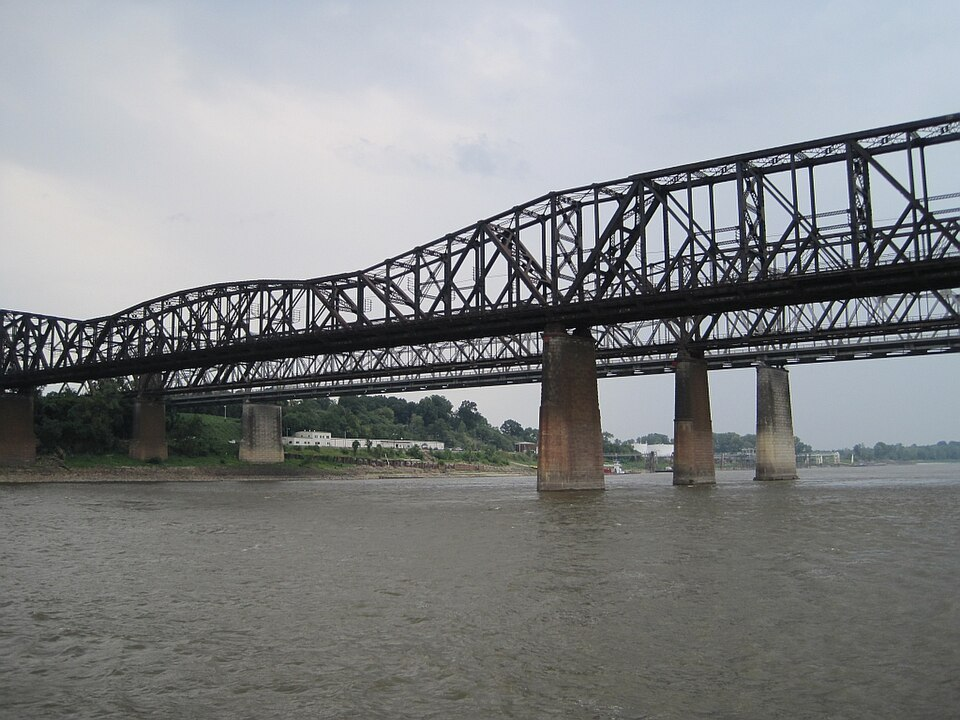
The observation deck at the Bass Pro Shops Pyramid currently lists admission at $8 for adults and $5 for children ages 5 through 12. Big River Crossing, meanwhile, stretches nearly a mile across the Mississippi River between Memphis and West Memphis.
One gives you a view of the river.
The other puts you over it.
Walk onto Big River Crossing and the scale of the Mississippi begins to register beneath your feet. The Memphis skyline sits behind you. The river and floodplain open outward, and the crossing itself becomes the experience.
Here’s the money-saving part.
Big River Crossing is free, offers free parking on both sides, and is generally open daily from about 6 a.m. until 10 p.m.
Tom Lee Park gives you another free riverfront option.
The redesigned 31-acre park includes walking paths, overlooks, gardens, hammocks, public art, a playground, and the elevated Memphis Flyway walkway.
The insider move is to save these experiences for pleasant weather and give yourself time to walk rather than treating the river as something to photograph from the car.
The Pyramid itself is still worth seeing. Few retail buildings anywhere look quite like it.
The trap is assuming you have to pay for an observation deck to get the memorable Mississippi view.
Pay to see the river from above, or walk almost a mile across it for free.
But Tennessee has one more famous name where choosing the quieter road can completely change the day.
The Tennessee Whiskey Stop Almost Everybody Knows Before They Arrive
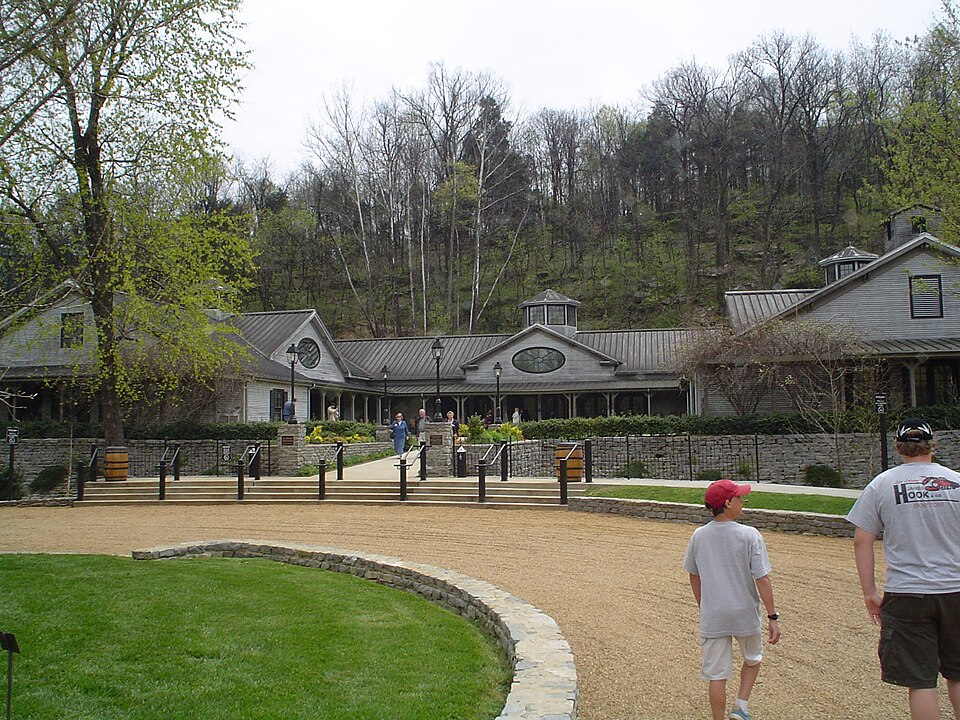
Jack Daniel’s Distillery in Lynchburg sits roughly 70 miles southeast of Nashville and is one of America’s most famous distillery destinations. Its standard tour has been listed around $35, with premium experiences reaching considerably higher prices.
Lynchburg has become pilgrimage territory for whiskey travelers.
Visitors arrive already knowing the black label. The distillery name appears on shirts, bar shelves, signs, and collections around the world.
That fame is exactly why it draws so many first-time Tennessee whiskey travelers.
But Tennessee whiskey country does not end in Lynchburg.
Here’s what catches people off guard.
Cascade Hollow Distilling Co. in Tullahoma, home of George Dickel, is another official Tennessee Whiskey Trail stop with tours and tasting experiences.
The setting gives travelers another way into Tennessee whiskey culture without simply repeating the itinerary nearly every first-time whiskey visitor already knows.
The insider move is to think in terms of whiskey country rather than one distillery.
Cascade Hollow can be paired with time around Tullahoma and the surrounding region, turning a distillery visit into a broader Tennessee road trip instead of an out-and-back attraction run.
Tour schedules, tasting availability, age restrictions, and prices can change, so reservations and current policies should be checked before driving out.
Jack Daniel’s is not overrated simply because it is famous. If the brand matters to you, Lynchburg is exactly where you should go.
The trap is thinking Tennessee whiskey has only one address.
The Unexpected Fact About Tennessee’s “Tourist Traps”
The funny thing about Tennessee tourist traps is that several of them are famous for perfectly good reasons. Broadway really does have live music pouring out of its doors. Graceland really does matter to music history. Cades Cove really is beautiful. Jack Daniel’s really is part of Tennessee’s identity.
What locals understand is that fame and value are two different things. They know when to visit the famous place, when to arrive at a different time, and when the better experience is sitting one neighborhood, one back road, or one $20 ticket away.
The best Tennessee trips are not built by avoiding tourists.
They are built by knowing when to stop traveling like one.