
A $5 Smokies parking tag can still leave you with nowhere to park, and arriving at a famous trailhead at 10 a.m. can cost you more time than the hike itself. Tennessee has plenty of rules visitors never see until they accidentally break one.
Some are simple courtesy. Others are backed by actual regulations. After digging through state driving guidance, National Park Service rules, local advice, and Nashville etiquette, these are the 13 worth knowing before your trip.
The Mountain-Road Rule That Saves Everybody’s Patience
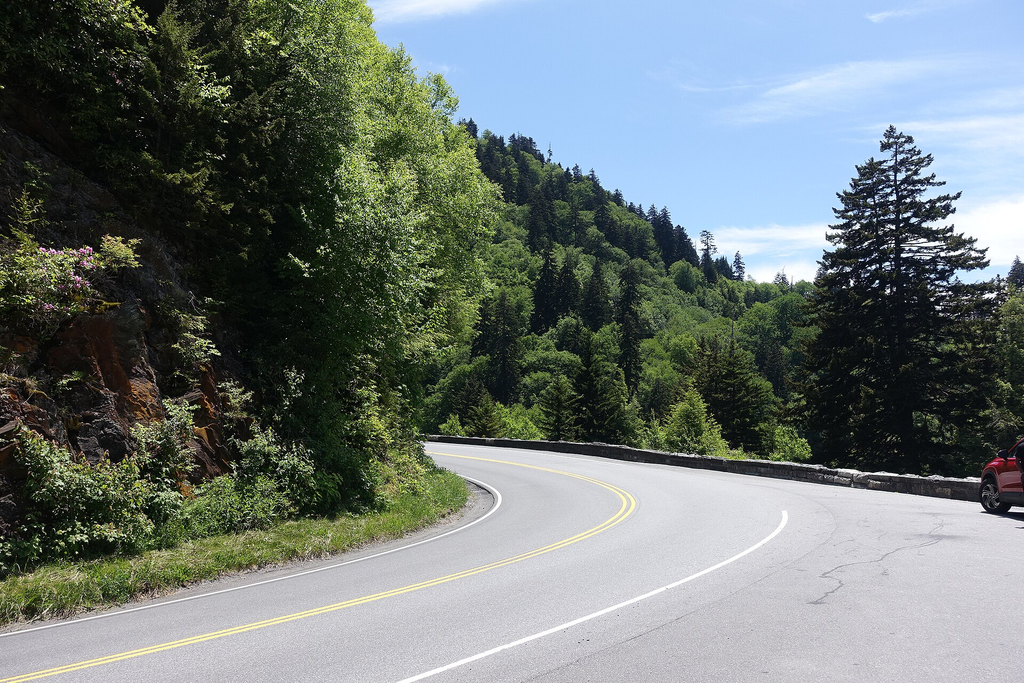
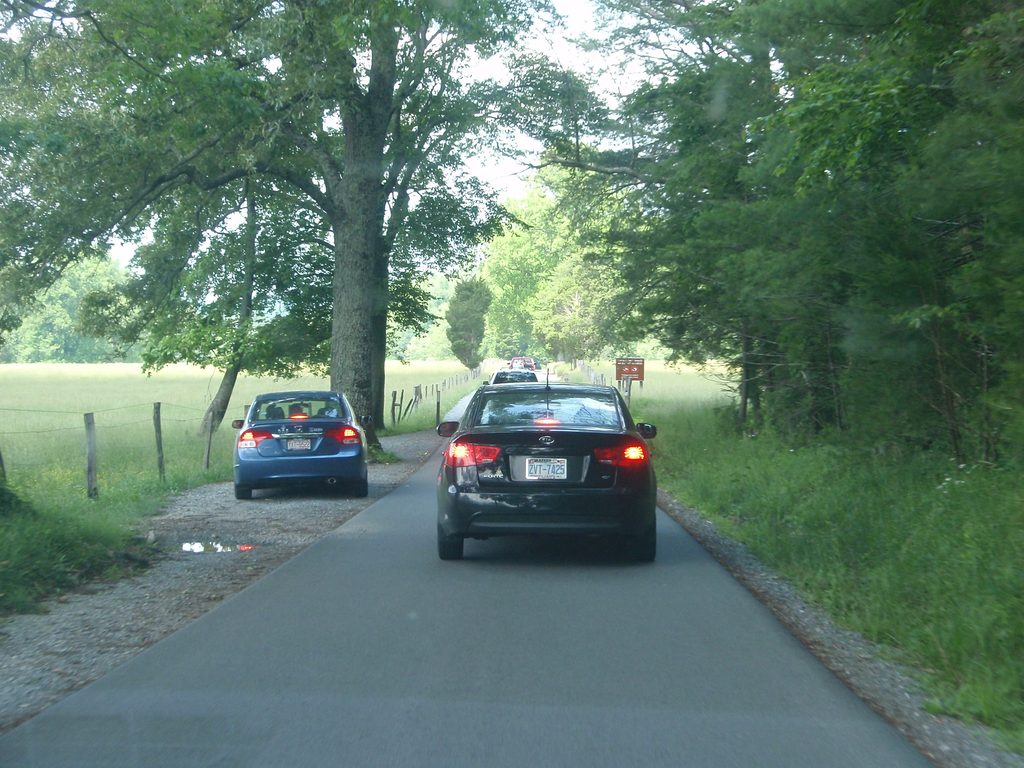
On Tennessee’s mountain roads, the unofficial rule is simple: if you’re moving slowly and traffic is stacking up behind you, use a safe pullout and let people pass. Tennessee’s Driver License Manual gets surprisingly specific, telling slow drivers to turn or pull off when five or more vehicles have lined up behind them and it is safe to do so.
This matters most once the road starts curling through East Tennessee.
The pavement bends around ridges. Trees crowd the shoulders. A creek flashes silver through the woods. Then a mountain view appears around the next curve and every instinct tells a first-time visitor to slow down and stare.
Enjoy it.
Just check the rearview mirror too.
Great Smoky Mountains National Park asks slow-moving vehicles to use roadside pullouts, which occur roughly every mile on many park roads. Nobody is asking you to race through the mountains. The point is to avoid creating a rolling traffic jam because you want to admire every overlook from the driver’s seat.
Here’s what catches people off guard.
In Tennessee, letting faster traffic pass is not admitting defeat. It is considered good road manners, and state driving guidance specifically addresses a line of five or more vehicles.
The insider move is easy. If cars start accumulating behind you, wait for a designated pullout or another genuinely safe place. Pull over, let the line clear, then continue at the speed that feels safe.
Do not speed because somebody is impatient. Do not stop suddenly on a curve. And do not treat the car behind you like it is your responsibility to enforce the speed limit.
In the Smokies, pullouts exist for exactly this reason. Use them.
You will enjoy the scenery more without six vehicles filling your mirrors, and everybody behind you gets where they are going.
But there is one kind of slow-moving Tennessee traffic where trying to get around the line can be far worse than simply waiting.
The Line of Cars You Never Try to Cut Through
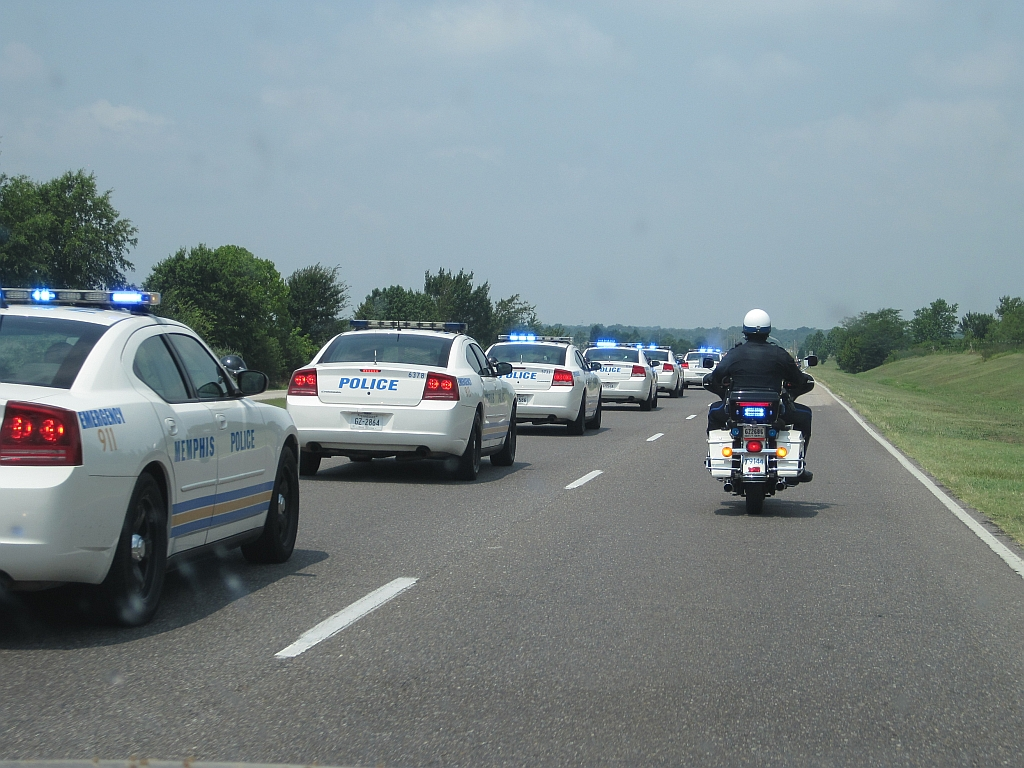
Funeral processions carry a level of respect in Tennessee that can surprise visitors. The Tennessee Driver License Manual describes pulling to the side when meeting a funeral procession as a common and accepted practice, while state rules also restrict interfering with properly identified processions.
This is especially noticeable outside the biggest urban areas.
You may be driving through a small Tennessee town when headlights begin appearing in the opposite lane. Car after car follows the hearse.
Then vehicles ahead of you start easing onto the shoulder.
Nobody needs a sign explaining what is happening.
There are traffic delays Tennesseans will complain about all afternoon. This generally is not one of them.
Here’s what catches people off guard.
The respectful custom of pulling aside is one thing, but Tennessee law also prohibits driving between vehicles in a properly identified funeral procession except when directed by an officer, and drivers following one on a two-lane road may not pass it.
If you meet a procession, pay attention to what traffic around you is doing and give it room.
If you find yourself behind one, resist the urge to start leapfrogging cars because you are late for lunch.
The practical distinction matters. Pulling aside for an approaching procession is described in the state manual as an accepted Tennessee practice. Interfering with a properly identified procession can move beyond etiquette and into traffic-law territory.
This is one of those moments when slowing down tells you something about Tennessee that a roadside attraction never could.
And speaking of stopping traffic, there is another Tennessee sight that causes drivers to forget nearly everything they know about roads.
The Bear Sighting That Should Not Become a Parking Lot
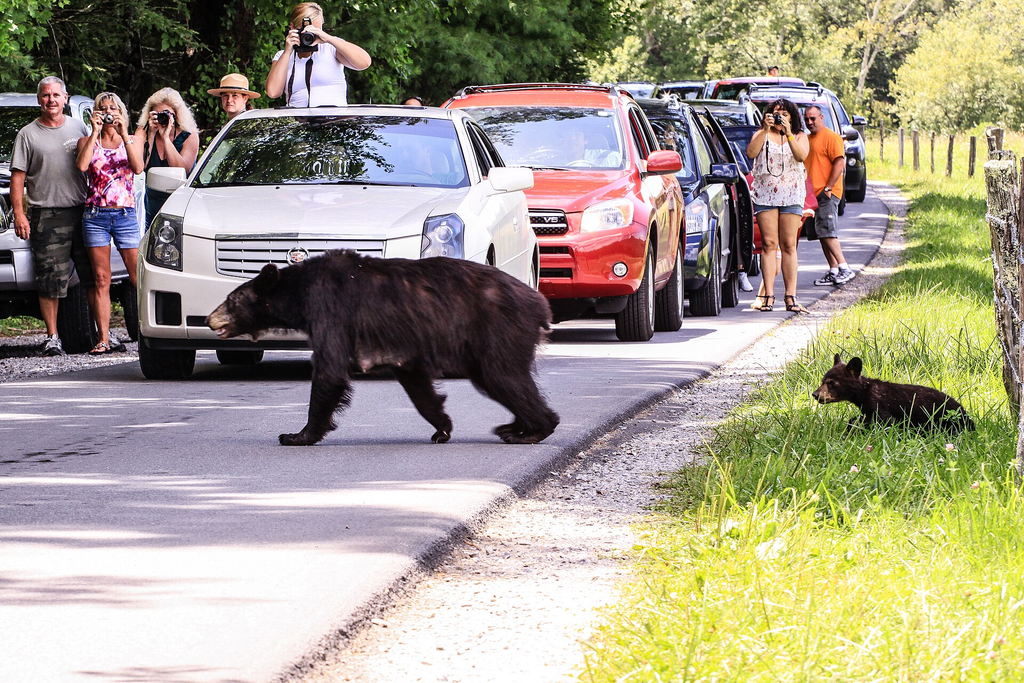
Great Smoky Mountains National Park has a name for the phenomenon: the bear jam. When somebody spots a black bear near a road, drivers stop, phones come out, passengers lean toward windows, and suddenly ordinary traffic turns into a wildlife viewing party.
Park officials specifically warn visitors not to stop in the roadway for wildlife. Drivers should remain in their vehicles and continue moving rather than blocking traffic.
Seeing a black bear in the Smokies can be unforgettable.
A dark shape moves between the trees. Somebody spots it. Brake lights flare. Windows drop. Within seconds, cameras point in the same direction.
That excitement is understandable.
Creating a traffic jam around the animal is not.
Here’s what catches people off guard.
Visitors must remain at least 50 yards, or 150 feet, from black bears and at least 25 yards, or 75 feet, from elk in Great Smoky Mountains National Park.
There is an even simpler local rule.
Zoom with the camera, not with your feet.
If you are driving, use designated pull-offs where appropriate instead of stopping in the road. If no safe and legal viewing opportunity exists, keep moving.
Fall deserves extra attention. The park reminded visitors in September 2026 that bears may be especially visible during hyperphagia, when they feed heavily in preparation for winter. Some can consume up to 20,000 calories per day during this period.
Never approach because a bear appears calm. Never block its path for a photograph. Never assume the crowd standing closer must know what it is doing.
The Smokies are not a drive-through zoo.
And even after you learn where not to stop, there is another surprise waiting when you finally find somewhere you want to park.
The $5 Purchase That Does Not Buy You a Parking Space
Great Smoky Mountains National Park requires a parking tag for vehicles parked longer than 15 minutes. Current prices are $5 daily, $15 weekly, or $40 annually, while driving through the park itself does not require an entrance fee.
Sounds simple.
Then comes the part visitors miss.
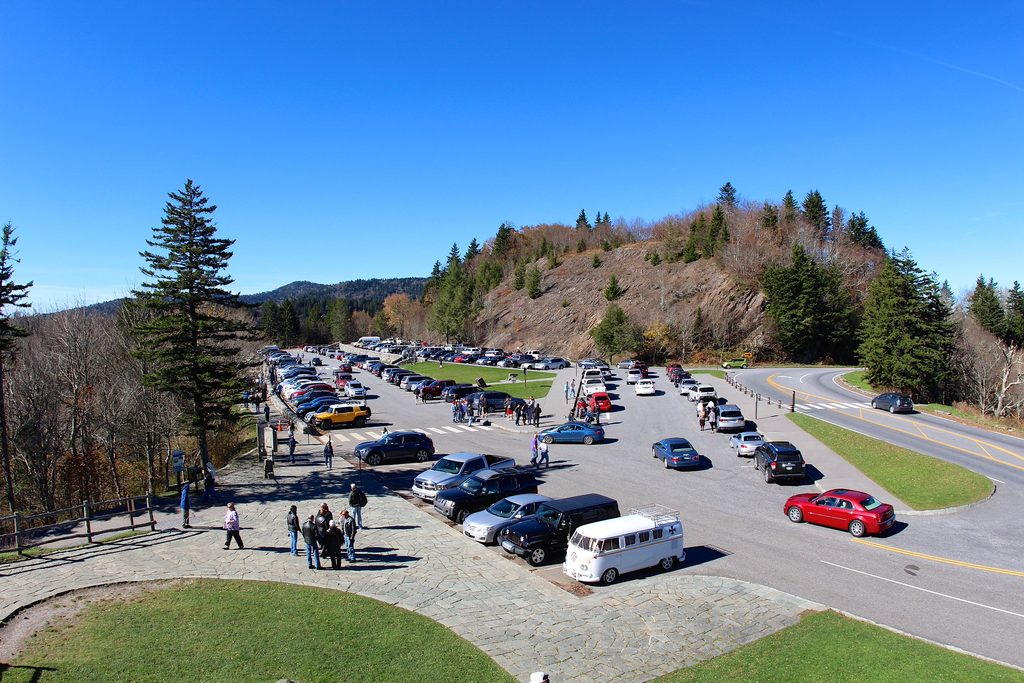
You buy the tag, drive toward a popular trailhead and see cars packed into every legal space. The forest is right there. The trail is right there. Your parking tag is sitting on the dashboard.
There still may be nowhere to leave the car.
Here’s what catches people off guard.
Buying a Smokies parking tag gives you permission to park where legal parking is available. It does not reserve or guarantee a space.
That distinction can completely change your day.
Parking remains first-come, first-served. Trying to manufacture a space along an inappropriate roadside shoulder is not the clever workaround. The park warns that illegal roadside parking can damage vegetation, worsen congestion, and create safety problems.
The insider strategy is to build a Plan B before leaving your lodging.
Choose your first destination, then identify another trail, overlook, or park area you would be happy to visit if the first parking area is full.
A daily tag costs $5, a weekly tag costs $15, and an annual tag costs $40. The tag is required when parking longer than 15 minutes and must correspond to the vehicle using it.
And remember the sentence that saves arguments at crowded trailheads: the tag is not a reservation.
Of course, there is a remarkably effective way to improve your parking odds without spending another dollar.
It involves setting an alarm.
The Smokies Arrival Time That Separates Visitors From Veterans
Most Great Smoky Mountains National Park visitors arrive between roughly 10 and 11 a.m. That makes “We’ll get there around 10” one of the most expensive sentences you can utter if the currency is vacation time.
By then, the morning has changed.
Cars are flowing through the entrances. Popular parking areas are filling. Trailheads that felt peaceful earlier now have boots hitting gravel, doors slamming, families gathering backpacks, and drivers making another slow lap looking for an opening.
Nothing has technically gone wrong.
You simply arrived with everybody else.
Here’s what catches people off guard.
For popular Smokies destinations, the National Park Service recommends considering an arrival around 8 a.m. or earlier during busy periods, or choosing a later visit when enough daylight remains.
That is one of the most useful Smokies habits you can steal from experienced visitors.
Plan around congestion, not around hotel breakfast.
The park even publishes congestion forecasts using historical traffic information. That alone should tell you how much timing matters here.
Cades Cove is an especially good example of why mileage can deceive visitors. The Loop Road is 11 miles, but congestion and wildlife sightings can make a trip through the valley take considerably longer than the number suggests.
October foliage season adds another layer. Famous drives, overlooks, and trailheads can attract enormous interest precisely when you most want to see them.
So pack what you need the night before. Check current road and trail conditions. Get moving early when your chosen destination warrants it.
Or intentionally plan a later outing with enough daylight.
There is another reason to prepare before leaving Gatlinburg or Townsend.
Once those mountains surround you, the little signal bars at the top of your phone may disappear.
The Place Where Your Phone Stops Being Your Backup Plan
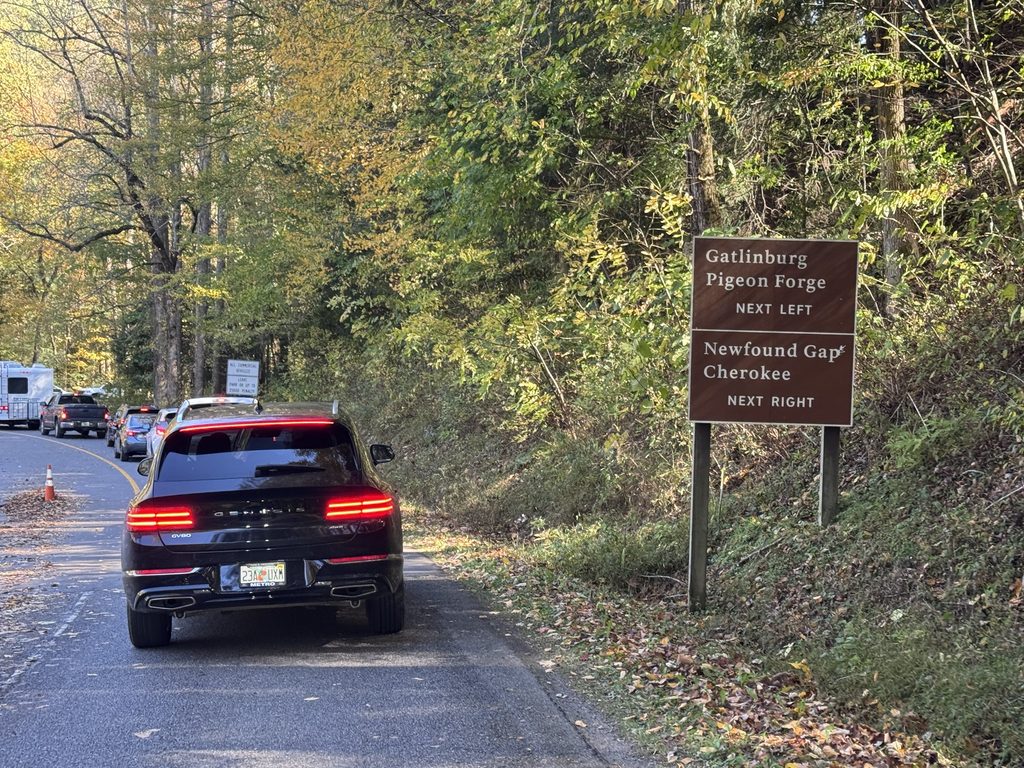
Cell service is extremely limited in parts of Great Smoky Mountains National Park, and there are no gas stations inside the park. Full services are available in gateway communities including Gatlinburg, Townsend, and Cherokee.
That changes how you should prepare.
In town, missing a turn is annoying.
Deep in the mountains, relying completely on a phone that cannot load your route is a different problem.
The pavement disappears behind a ridge. The forest closes around the road. Your signal drops from a few bars to none, and the navigation screen suddenly becomes far less useful than it looked beside the hotel.
Here’s what catches people off guard.
The Smokies are close to major tourist towns, but that does not mean you can depend on continuous cellular service or find fuel inside the national park.
Download maps before leaving reliable service.
Screenshot important directions. Fill the tank before a long scenic drive. If you are hiking, tell someone your plans and check official trail information before setting out.
Battery life matters too. The National Park Service recommends airplane mode in poor-service areas because a phone searching continuously for a signal can drain its battery. Park hiking guidance also says a phone flashlight is not a substitute for a proper headlamp.
That last point sounds overly cautious right up until daylight fades faster than expected under a thick mountain canopy.
Bring what you actually need instead of assuming the phone will solve every problem.
Then, when you return to Nashville civilization, there is another mistake visitors make because they assume the labels in front of them mean what they mean everywhere else.
This one comes covered in cayenne.
The Chicken Order That Turns Dinner Into a Dare
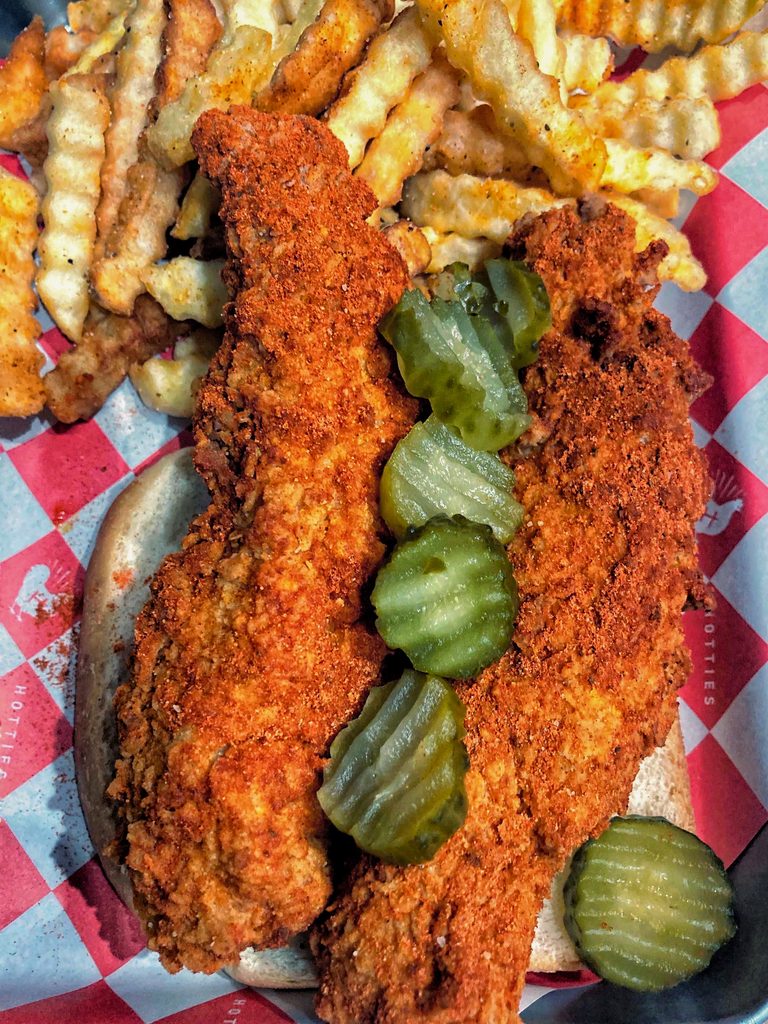
Hattie B’s offers heat levels ranging from Southern with no heat through Mild, Medium, Hot, Damn Hot, and its ghost-pepper-based Shut the Cluck Up. The restaurant itself recommends first-timers begin at a level where they are comfortable rather than treating the menu like a test of courage.
That is useful advice.
Nashville hot chicken is supposed to taste good, not simply prove that your tear ducts function.
The chicken arrives crisp and deeply seasoned. Heat clings to the crust. Pickles bring a sharp, cool bite. At manageable spice levels, you can actually notice the chicken underneath all that fire.
Go too far and dinner becomes something else entirely.
Here’s what catches people off guard.
At Hattie B’s, the biggest jump in heat is between Hot and Damn Hot, while the hottest level uses a ghost-pepper base.
The insider move is beautifully simple.
Order the meal at a level you expect to enjoy. If curiosity is eating at you, follow Hattie B’s own suggestion and add one hotter tender beside milder pieces.
You get the experience without gambling the entire meal.
Another thing visitors learn quickly is that heat names are not universal measurements. “Medium” at one hot chicken restaurant should not automatically be treated as identical to Medium somewhere else.
That is part of the fun.
Taste first. Brag later.
Hot chicken has a serious Nashville history and deserves better than being reduced to a social-media endurance stunt.
And Nashville has another institution visitors sometimes enjoy without understanding how the people creating it make their living.
Listen for the tip bucket.
The “Free” Nashville Experience That Still Deserves Your Money
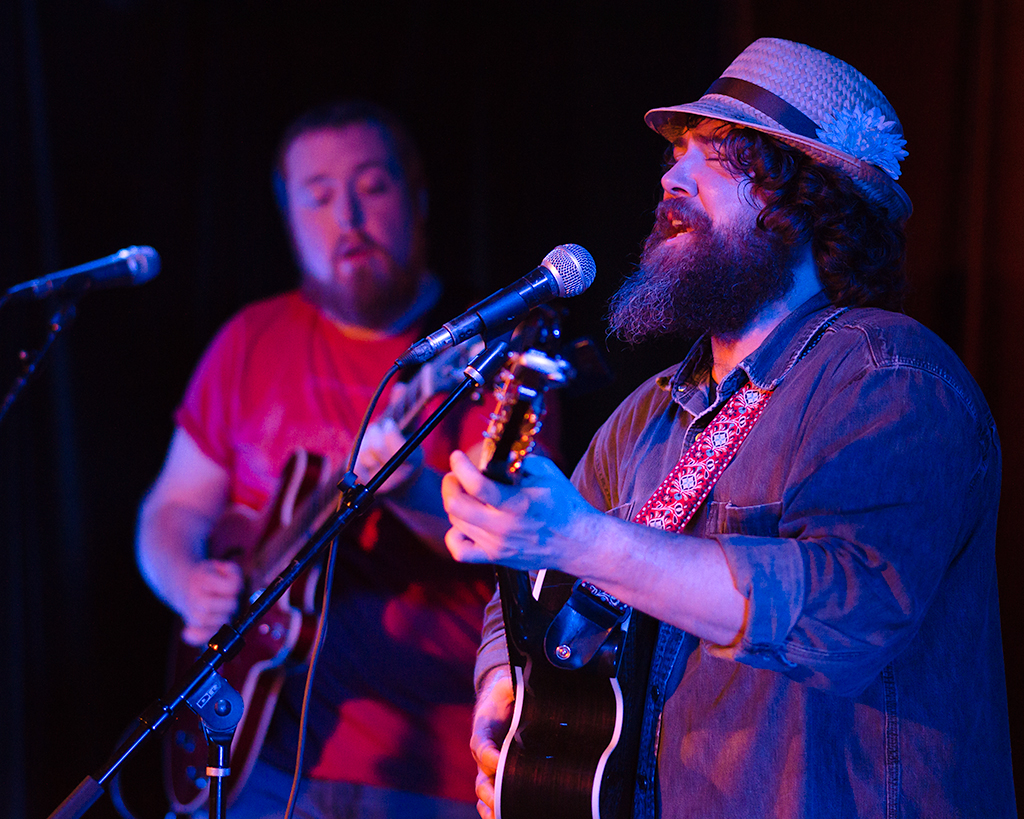
Many Nashville venues offer live music without a traditional cover charge, including establishments along Lower Broadway. Nashville’s tourism organization specifically encourages visitors enjoying Honky Tonk Highway to tip the performers.
Walk through downtown and you understand why.
A guitar riff spills through an open doorway. A singer works through a country standard while tourists drift toward the stage. Drums rattle behind the neon. A few doors later, another band is already playing.
You can hear an astonishing amount of music without buying a concert ticket.
That does not mean the musicians are donating their labor to your vacation.
Here’s what catches people off guard.
“No cover” describes the price of walking through the door. It does not mean the musicians onstage are working for free.
There is no need to panic and throw money into every jar you pass.
The better etiquette is straightforward. If you stay and enjoy the band, support the band. If you ask musicians to play a particular song and they accommodate you, tipping becomes especially appropriate.
These are working musicians.
Some are touring players. Some are session musicians. Some are building careers. Some are simply doing what thousands of Nashville professionals do every week: making a living through music.
The insider trick is to bring tipping money into your Broadway budget before the night starts rather than treating it as an unexpected expense.
You will probably remember the song somebody played three feet in front of you longer than you remember the drink receipt anyway.
And if somebody famous walks into that same room, Nashville has another rule.
Your phone can stay exactly where it is.
The Celebrity Sighting Locals Pretend Not to Notice
Nashville’s celebrity etiquette is remarkably simple: if somebody famous is performing, appearing publicly, or participating in a meet-and-greet, that is one thing. If that person is eating breakfast, shopping, or spending time with family, locals generally give them room.
That can feel strange in a city built around famous names.
You may recognize the face before your brain catches up.
There is the person whose songs have been on the radio for twenty years, standing in line like everybody else.
The tourist reflex is to reach for a phone.
The Nashville reflex is often the opposite.
Here’s what catches people off guard.
One of Nashville’s strongest unwritten celebrity rules is that public performance is an invitation to interact, while ordinary private life usually is not.
The insider move requires no complicated strategy.
Read the room.
A scheduled fan event is designed for interaction. A musician taking photographs after a show is choosing to interact. Somebody eating dinner with their children is simply eating dinner.
Do not turn an ordinary moment into a spectacle because you recognize somebody.
Local discussions about Nashville celebrity encounters repeatedly come back to this same idea: leaving people alone helps preserve the relatively normal life that famous residents can sometimes maintain here.
That is far more Nashville than screaming a name across a restaurant.
But there is one place in Tennessee where blending quietly into normal life becomes almost impossible on certain Saturdays.
You will know it by the orange.
The Saturday When Knoxville Stops Following Your Itinerary
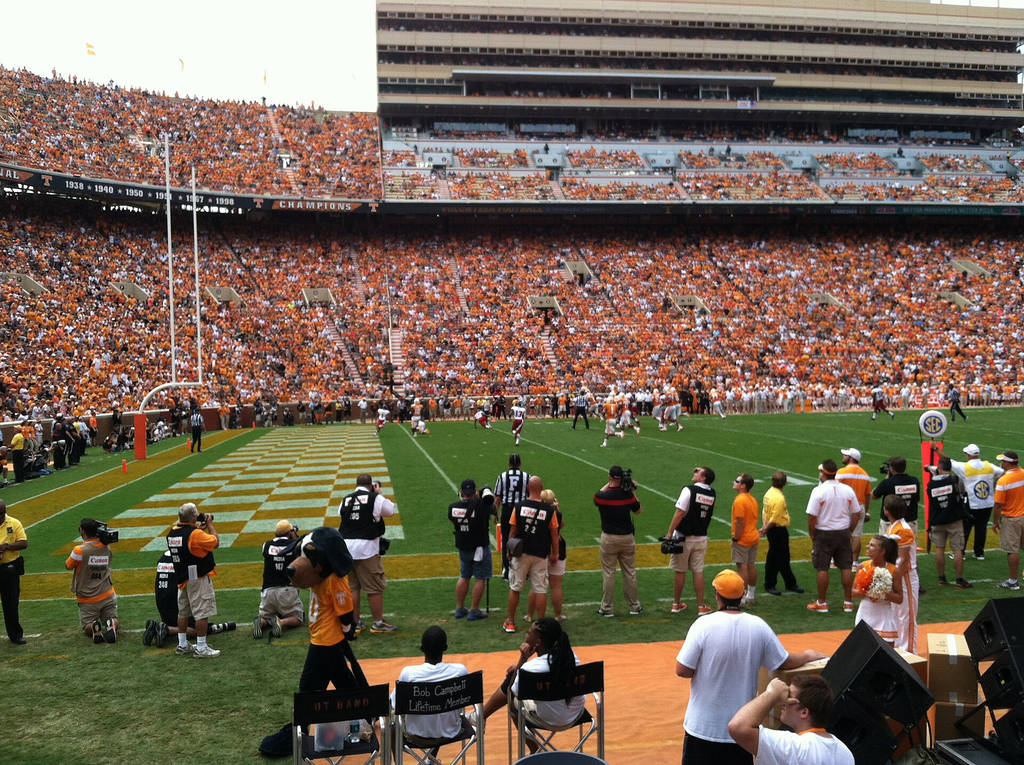
When Tennessee football is at home, Neyland Stadium does not simply host a game. The City of Knoxville operates special game-day traffic procedures, and visitors without designated parking are advised to avoid simply driving toward the campus expecting to find a space.
You can feel the change before reaching the stadium.
Orange shirts multiply. Tailgates spread. Sidewalks fill. Traffic begins behaving differently because, for several hours, tens of thousands of people are moving toward the same patch of Knoxville.
Then the game ends and the movement reverses.
That is when an improvised transportation plan can unravel quickly.
Here’s what catches people off guard.
If the Vols are playing at home, the kickoff time matters even when you have absolutely no intention of attending the game.
Check the schedule before planning a Knoxville weekend.
If you are attending, sort out parking or transportation beforehand. The city notes that traffic patterns can be altered after large events to move crowds away from the stadium.
If you are not attending, think carefully before scheduling something that requires casually crossing the campus area around game time.
The insider strategy is to make a postgame plan before kickoff. Know where you are going, how you intend to get there, and understand that normal routes may not behave normally.
This is not just a football inconvenience.
Game day is part of Knoxville’s rhythm. Fighting it usually makes your Saturday harder. Planning around it lets you enjoy the energy without spending the afternoon staring at brake lights.
Then there is another Tennessee assumption that causes trouble far beyond Knoxville.
A beautiful place beside the road is not automatically yours to explore.
The Pretty Tennessee View That May Be Private Property
Tennessee has enormous amounts of public outdoor recreation, but it also has private farms, woods, creek banks, access roads, and waterfront property. State wildlife guidance explicitly tells visitors not to enter private property without the landowner’s permission and to remain on established roads, paths, and trails where appropriate.
Social media has made this rule more important.
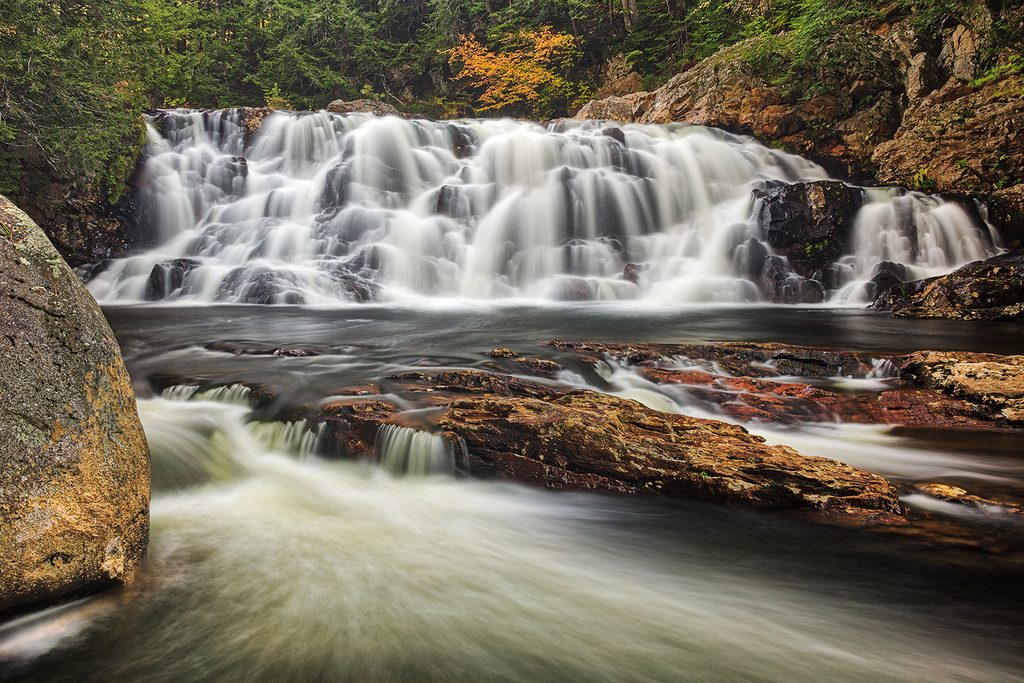
You see a photograph of a waterfall.
You enter the name into navigation.
You arrive and notice what looks like a trail.
There is no giant fence. Somebody else has clearly walked there.
None of that proves you have permission to enter.
Here’s what catches people off guard.
Being able to physically reach a Tennessee creek bank, field, waterfall, or viewpoint does not establish public access.
The insider move is to research the access point, not merely the attraction.
Look for an official state park, natural area, municipal, federal, or other legitimate public-access source. Confirm where visitors are supposed to park and which route they are supposed to use.
Do not assume a social-media geotag has performed that research for you.
Even public natural areas can have very limited infrastructure. Falling Water Falls State Natural Area, for example, lists a parking area with a three-vehicle limit and operates from sunrise to sunset.
That is the kind of information a pretty photograph will never show.
Instagram can reveal the view.
It cannot show you the property line.
Once you have found a legitimate public trail, though, another little number can fool you.
Mileage.
The Two-Mile Tennessee Hike That Is Not a Two-Mile Walk
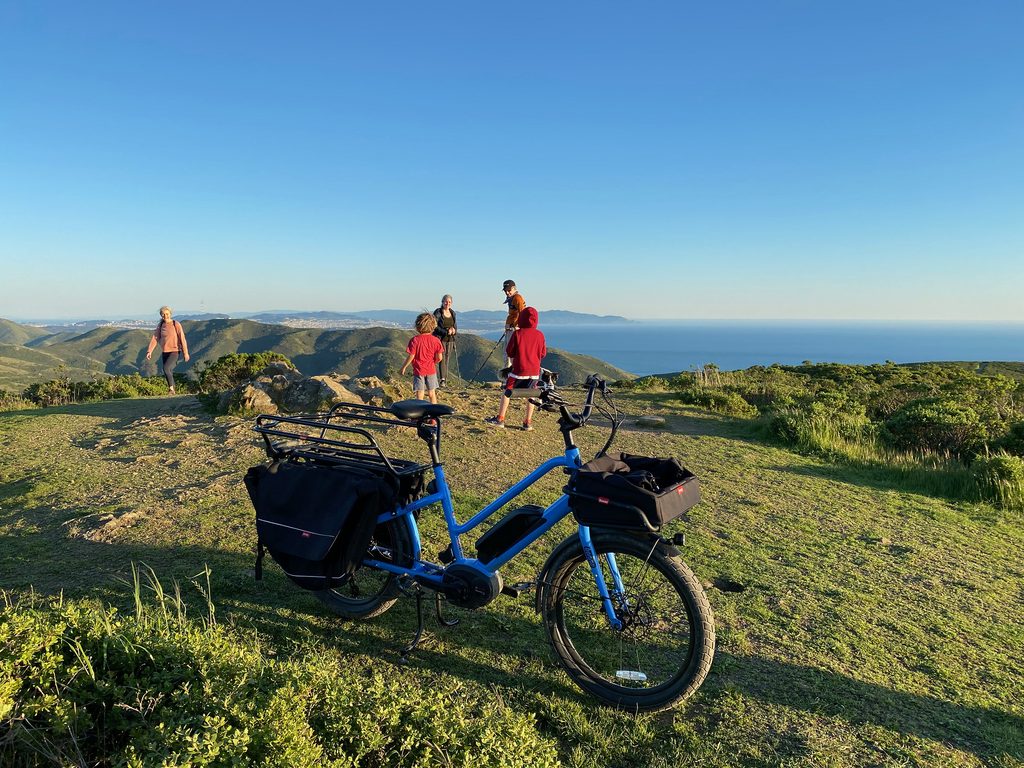
Great Smoky Mountains National Park warns visitors that a short trail does not necessarily mean an easy or quick hike. Trail difficulty depends on far more than the mileage printed beside the name.
That lesson becomes obvious once the trail tilts upward.
Roots twist across damp ground. Rocks become slick. A creek crossing slows the group. The temperature feels different beneath the trees. Then you remember that every foot you descended toward that waterfall may have to be climbed on the way back.
“Only a couple miles” suddenly sounds less comforting.
Here’s what catches people off guard.
In Tennessee’s mountains, elevation, terrain, weather, creek conditions, daylight, and the return climb can matter as much as mileage.
The insider move is to read the complete trail description before leaving.
Check difficulty and current conditions. Know your turnaround time. Carry appropriate supplies. Let the slowest person in your group help determine the pace rather than leaving somebody struggling behind.
National Park Service guidance recommends keeping groups together and turning around when conditions or difficulty exceed what the group expected.
That last part matters.
Turning around is not failing.
A waterfall will still be there another day. Sunset will not wait because you were determined to finish the last mile.
Mountain weather can shift quickly, and poor cellular service means the usual urban safety net may not be available.
Carry an actual light. Bring water. Check closures and hazards. Leave enough daylight for the return.
The mountains reward preparation far more reliably than confidence.
And Tennessee’s biggest tourist district has its own version of this mistake: assuming the obvious route is the whole experience.
The Nashville Street Visitors Mistake for the Entire City
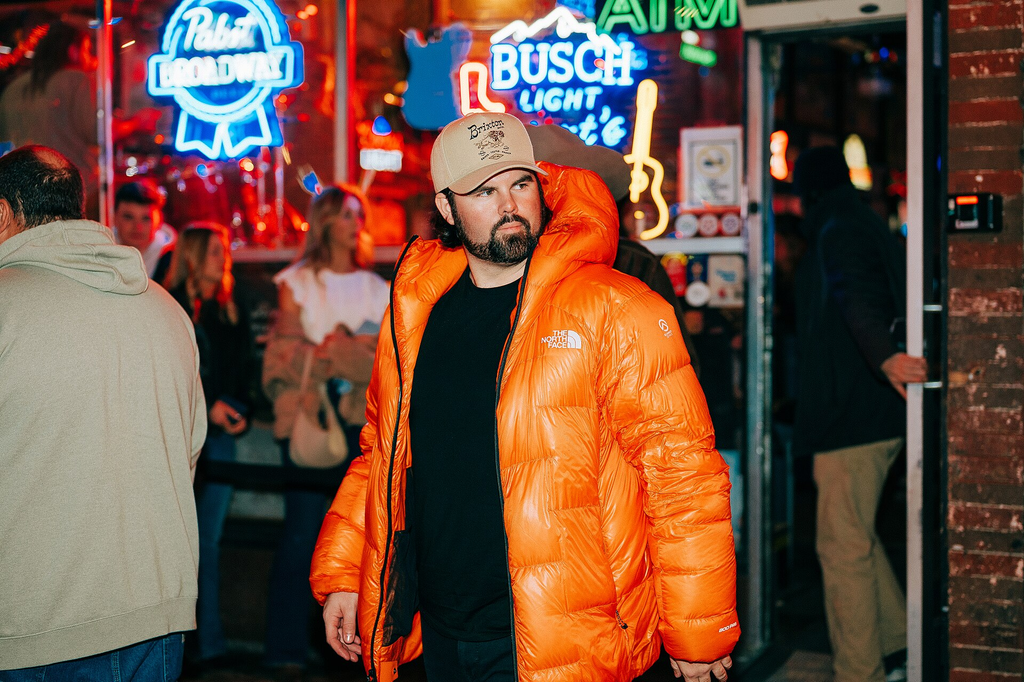
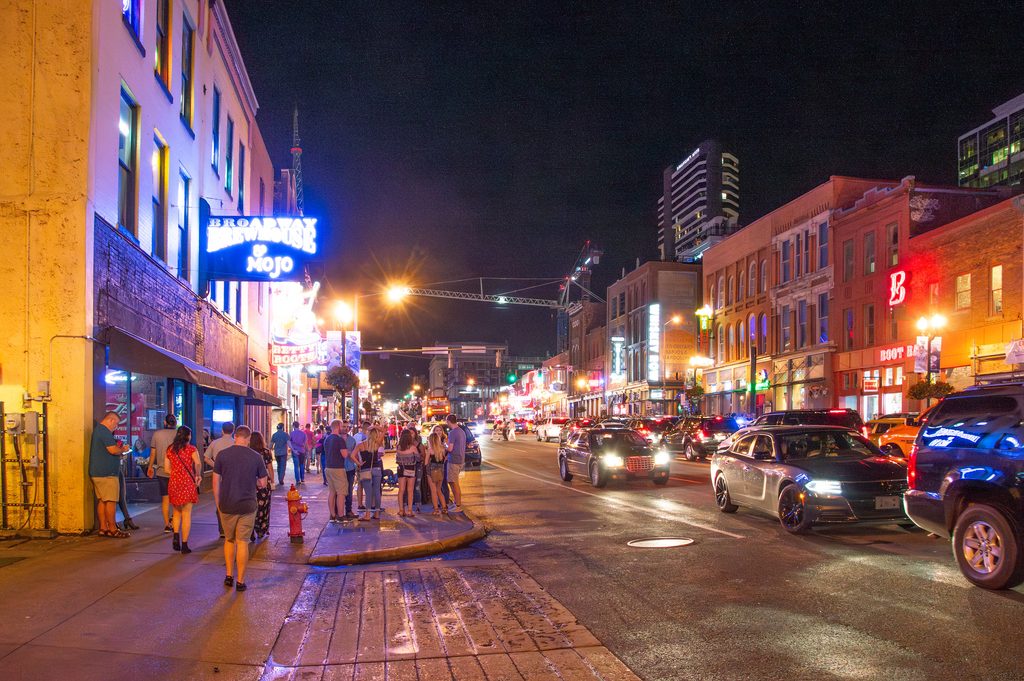
Lower Broadway is real Nashville. Its honky-tonks, neon, rooftop bars, live bands, crowds, and late nights are part of the city’s modern identity.
But Lower Broadway is not all of Nashville.
Local discussions repeatedly reveal something visitors eventually discover for themselves: many Nashville residents do not regularly spend their nights on Broadway unless they are entertaining out-of-town guests.
That does not make Broadway fake.
Stand there after dark and music pours from doorway after doorway. Neon reflects from windows. Pedal taverns roll past. Boots hit the pavement. Somewhere upstairs, another band is starting another set.
It is spectacle, and spectacle can be fun.
Here’s what catches people off guard.
You can spend an entire Nashville vacation on Lower Broadway and still experience only one concentrated slice of the city.
The insider move is not to skip Broadway.
It is to leave Broadway too.
Hear music somewhere else. Eat somewhere that is not attached to a celebrity name. Spend time in a neighborhood. Visit a museum, park, historic site, meat-and-three, neighborhood restaurant, or songwriter-oriented venue.
Then carry that same curiosity beyond Nashville.
Memphis does not feel like Nashville. Knoxville does not feel like Memphis. Chattanooga has its own rhythm. The Cumberland Plateau, Tri-Cities, Smokies, and rural Middle Tennessee do not exist as scenery between major attractions.
Tennessee gets more interesting the moment you stop expecting the entire state to perform one Southern stereotype.
And there is one last fact that explains why so many of these “unwritten” rules feel surprisingly serious.
The Unexpected Fact About Tennessee’s Unwritten Rules
Some of Tennessee’s most useful unwritten rules are not entirely unwritten.
The state Driver License Manual really does tell slow drivers what to do when five or more vehicles line up behind them. It really does describe pulling aside for an approaching funeral procession as a common and accepted practice. In the Smokies, wildlife distances, parking requirements, and safety guidance turn several bits of supposed “local wisdom” into official rules or recommendations.
That is the trick to traveling Tennessee well.
You do not need to imitate a local accent, pretend you were raised here, or memorize a hundred bits of Southern etiquette. You simply need to notice that mountain roads, wildlife, music, football Saturdays, private land, and even a line of cars following a hearse carry meanings that are easy to miss when you are rushing toward the next attraction.
Tennessee gets easier to understand when you stop asking only where to go and start noticing how people move through the place.
The best travelers do not just see Tennessee. They learn how Tennessee works.