

One careless step on a Tennessee trail can turn a free afternoon outdoors into an expensive trip for medical care. The strange part is that some of the things worth watching most closely do not look dangerous at all.
Tennessee’s woods and waters are full of ordinary-looking leaves, flowers, insects, rocks, streams, and animals that deserve more respect than their appearance suggests. Most are easy to avoid once you know what you’re seeing.
The Snake That Can Disappear Into a Pile of Leaves
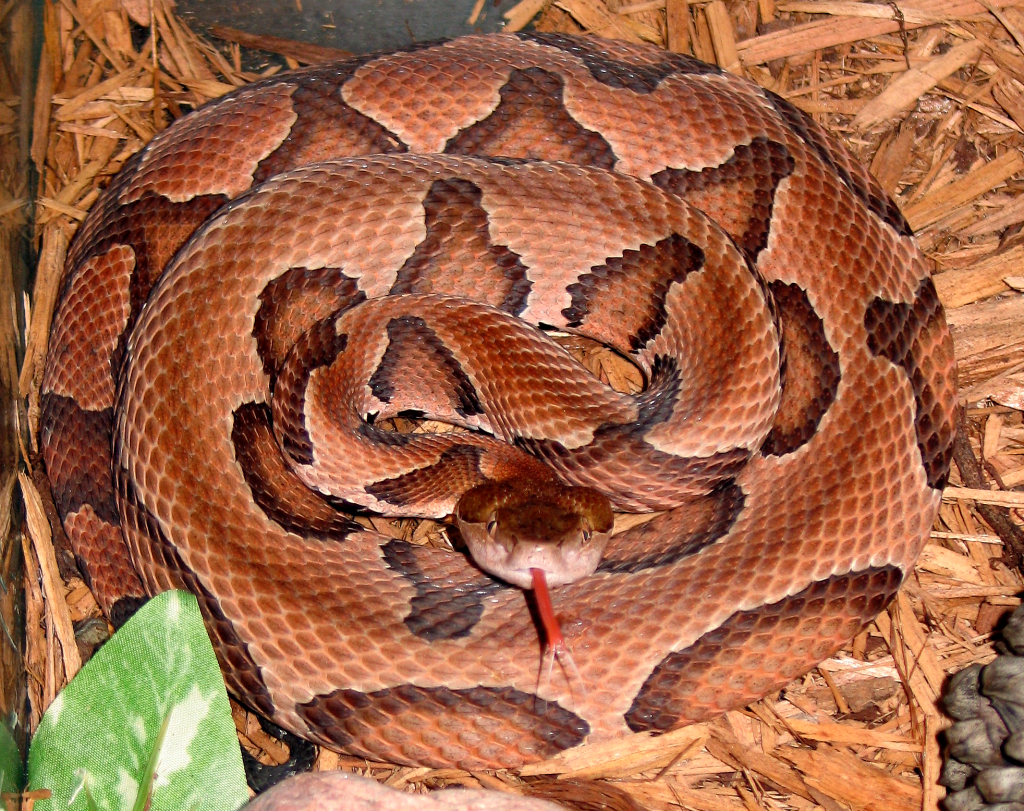
Copperheads occur across Tennessee, especially around wooded hillsides, rocks, logs, and leaf litter. Their tan and brown hourglass markings happen to match one of the most common sights in a Tennessee forest: a ground covered with dead leaves.
Walk a hardwood trail in October and you understand the problem immediately.
Everything under your boots is brown, copper, tan, and rust. Oak leaves overlap one another. Twigs throw little shadows across the ground. Sunlight flashes between branches and breaks the forest floor into patches.
Then one of those “leaves” has scales.
Copperheads generally depend on camouflage rather than announcing themselves. That means the danger is less about a snake coming after a hiker and more about a hiker accidentally putting a boot, hand, or knee where a snake is already resting.
Here’s what catches people off guard.
Copperheads can blend so effectively with Tennessee’s autumn leaf litter that you may be surprisingly close before recognizing the outline of a snake.
Juveniles provide another identification clue. Young copperheads have a bright yellow tail tip that they wiggle to lure prey.
The insider move is simple: don’t reach blindly around rocks, logs, woodpiles, or cracks. Watch where you put your hands and feet, especially when leaves make the ground difficult to read.
And don’t turn this into a reason to panic about every Tennessee snake. Copperheads are venomous, but fatalities from their bites are extremely rare. Tennessee also has plenty of harmless snakes that people mistakenly treat as dangerous.
Give a snake room and leave it alone.
Because the next Tennessee snake is easier to overlook for an entirely different reason. You might hear it before you see it and assume you’re listening to a bug.
The Rattlesnake That Can Sound Like an Insect
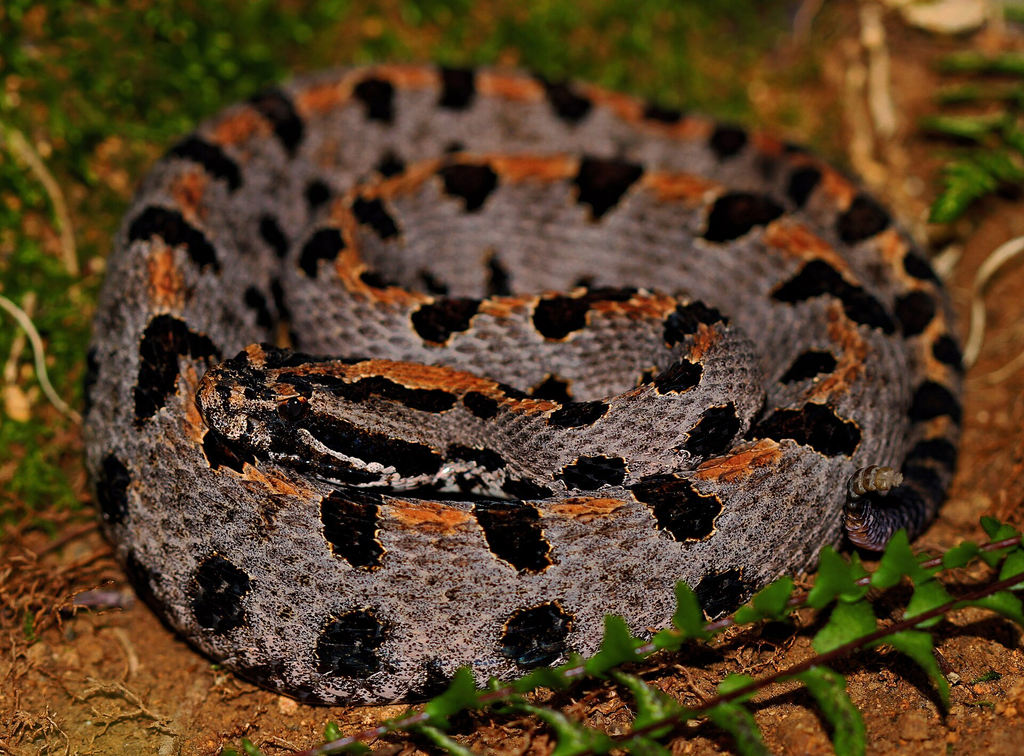
The western pygmy rattlesnake is one of Tennessee’s smallest venomous snakes, generally measuring only 15 to 20 inches. Its Tennessee range is concentrated mainly along the western Highland Rim, particularly around wetlands, moist fields, and areas near water.
That size changes the whole experience.
People know what they expect a rattlesnake to look and sound like. Big body. Obvious coils. A rattle loud enough to stop you in your tracks.
The pygmy rattlesnake does not necessarily give you that Hollywood warning.
Its little rattle can produce a sound more like a faint insect buzzing nearby. Against cicadas, leaves, birds, running water, and the crunch of your own boots, that is easy to dismiss.
Here’s the part worth remembering.
The pygmy rattlesnake’s rattle may be audible from only about three feet away.
This is not a snake Tennesseans should expect to encounter on every hike. The western pygmy rattlesnake is rare to very rare in Tennessee and is listed as threatened in the state.
That limited range matters. A good outdoors rule is knowing what actually lives where you are rather than treating every little snake as a pygmy rattler.
If you encounter one, distance is your friend. Don’t poke it with a stick, don’t try to move it for a better picture, and don’t attempt to handle it.
The trap here is assuming danger always comes with a dramatic warning.
Sometimes Tennessee’s smallest outdoor trouble is considerably smaller than a snake. In fact, the next one can be little more than a brown speck with a white dot.
The Tiny White Dot That Can Change What’s on Your Dinner Plate
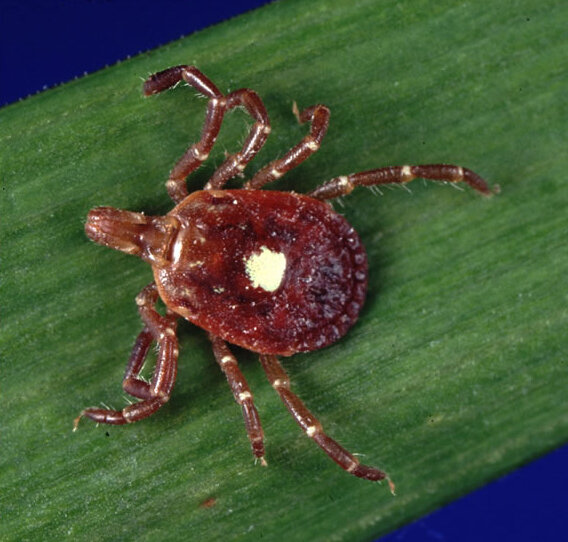
The lone star tick is common in Tennessee’s wooded, brushy, and grassy environments and is an aggressive human-biting tick. Adult females carry the identifying feature that gives this species its name: a small white spot on the back.
It doesn’t look like much.
That’s exactly the problem.
A tick disappears against a sock, a dog’s fur, or the shadow behind a knee. You can spend an afternoon moving through waist-high grass and brush without feeling the moment one gets aboard.
The consequences can be considerably larger than the insect.
Tennessee health officials associate lone star ticks with illnesses including ehrlichiosis, tularemia, Heartland virus, STARI, and alpha-gal syndrome. In Tennessee, ehrlichiosis was the state’s most reported tick-borne disease in 2023, and 56 percent of probable and confirmed cases that year involved hospitalization.
Here’s what surprises people.
A lone star tick bite can be associated with alpha-gal syndrome, a potentially serious allergy involving mammalian meat and other products containing alpha-gal.
That makes a post-hike tick check more than an outdoorsy ritual.
Check yourself after time in brush, woods, and tall grass. Check children and pets too, and remember the easy-to-miss areas around waistbands, hairlines, and other covered spots.
The trap is waiting until you feel something crawling. Ticks are small enough that detection often comes from deliberately looking for them.
A white dot is at least something you can see.
The next hazard may announce itself with nothing more than an innocent little hole in the dirt.
The Little Hole Beside the Trail That Has a Whole Colony Underneath
Yellowjackets commonly build nests underground in old rodent burrows and can also nest beneath rocks and landscape timbers. Great Smoky Mountains National Park specifically warns visitors that yellowjackets are common along trails.
Picture an ordinary Tennessee trail in late summer.
Dry leaves shuffle under your shoes. Roots cross the path. The edge of the trail is dotted with little holes, sticks, rocks, and bare patches of dirt.
One of those holes can have traffic.
You might notice a yellowjacket entering. Then another leaves. That is your clue to keep moving and give the area space.
Away from a nest, foraging yellowjackets generally aren’t trying to sting people without provocation. A nest encounter is different because the insects are defending their colony.
Here’s what catches hikers.
An underground yellowjacket nest can occupy something as ordinary-looking as an old rodent burrow beside a trail.
Watch for repeated insect traffic entering and leaving the same spot rather than focusing only on the hole itself.
There is another surprisingly practical precaution for picnics and campsites. Check open drink cans before taking another sip. Yellowjackets can crawl inside, and a sting in the mouth can cause dangerous swelling.
The trap is swatting and disturbing a nest after realizing you’ve gotten too close. Creating distance is much smarter.
Still, at least nobody is tempted to cuddle a yellowjacket.
The next Tennessee sight can make people reach for a phone and move closer precisely because it looks so harmless.
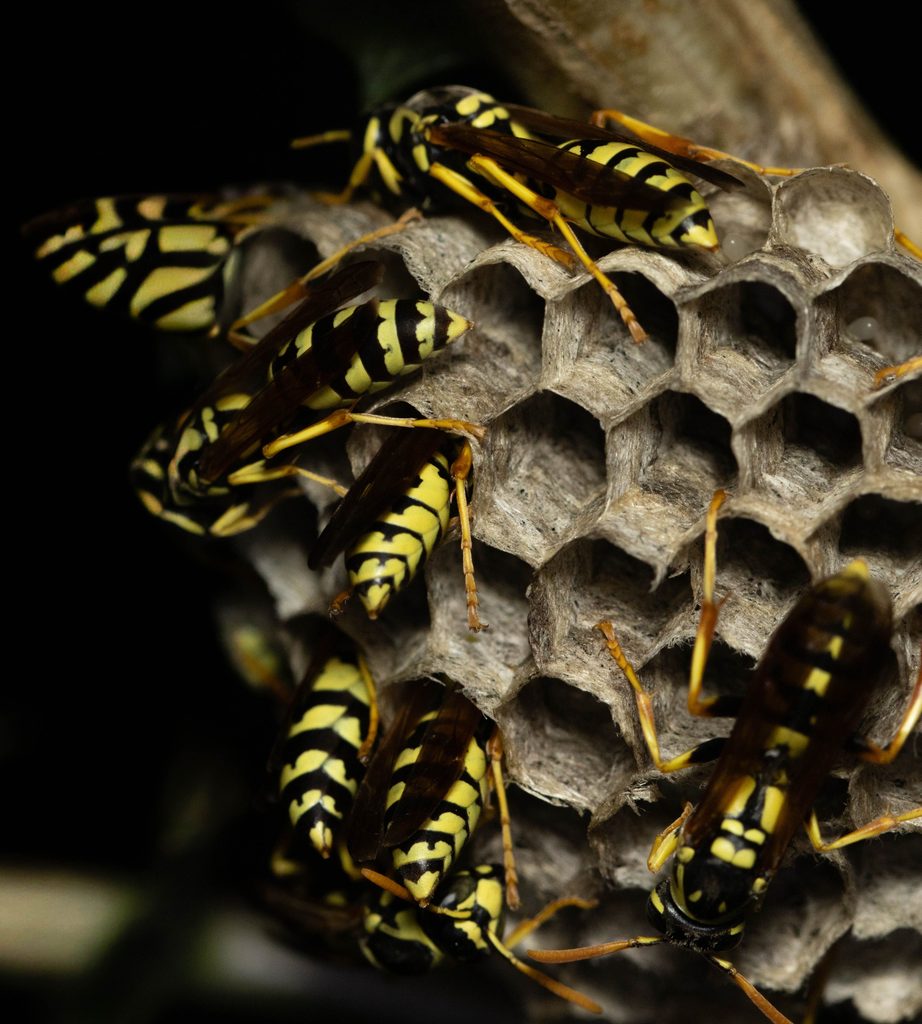
The Adorable Animal You Should Never Walk Toward
A black bear cub alone in the Tennessee mountains can look helpless. TWRA’s advice is the opposite of what that scene may tempt you to do: don’t approach or feed the cub, because its mother may simply be nearby and temporarily out of sight.
That’s hard for people.
A cub looks small. Curious. Photogenic.
The mountain setting makes the temptation worse. Ferns, dark tree trunks, filtered Appalachian light, and one little black bear standing in the middle of it can look like a photograph waiting to happen.
Keep the distance.
Black bears have established populations along the Tennessee-North Carolina Appalachians and in the Cumberland Plateau region, although individual bears can travel beyond those core areas.
Here’s the rule that matters.
Seeing a lone bear cub is a reason to create distance, not an invitation to approach for a photograph.
Black bears generally do not consider humans prey. Problems are more likely when bears become accustomed to finding food around people, including garbage, pet food, and bird feeders.
The insider tip is to resist trying to improve the encounter. Don’t get closer for a cleaner picture. Don’t feed the bear. Don’t linger hoping another bear appears.
The trap is turning a perfectly manageable wildlife sighting into an interaction.
Wild animals don’t need our help simply because they’re standing alone.
And sometimes the thing you should avoid doesn’t move at all. It may be wrapped around the tree you’re leaning against.
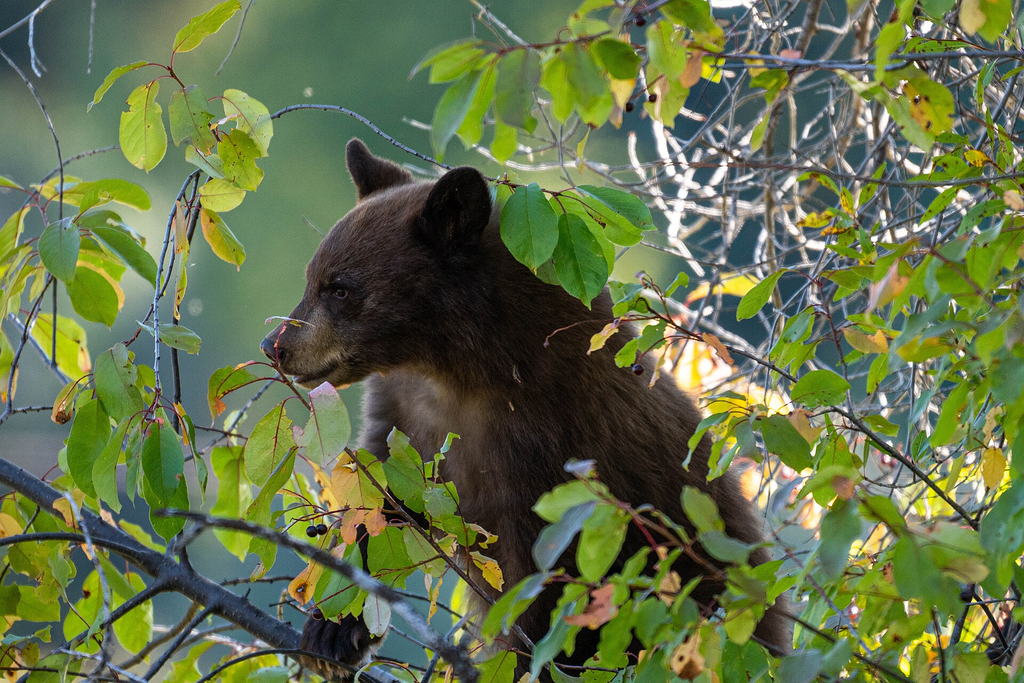
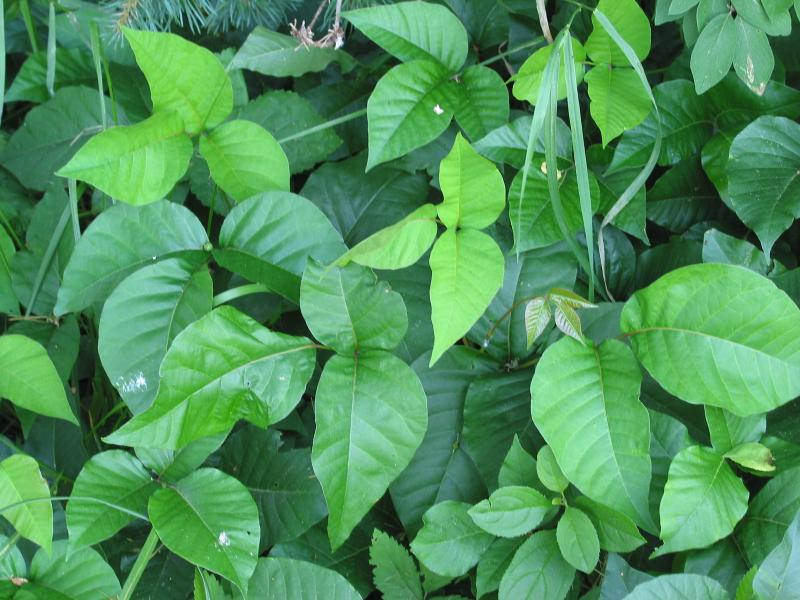
The Ordinary Vine That Can Follow You Home
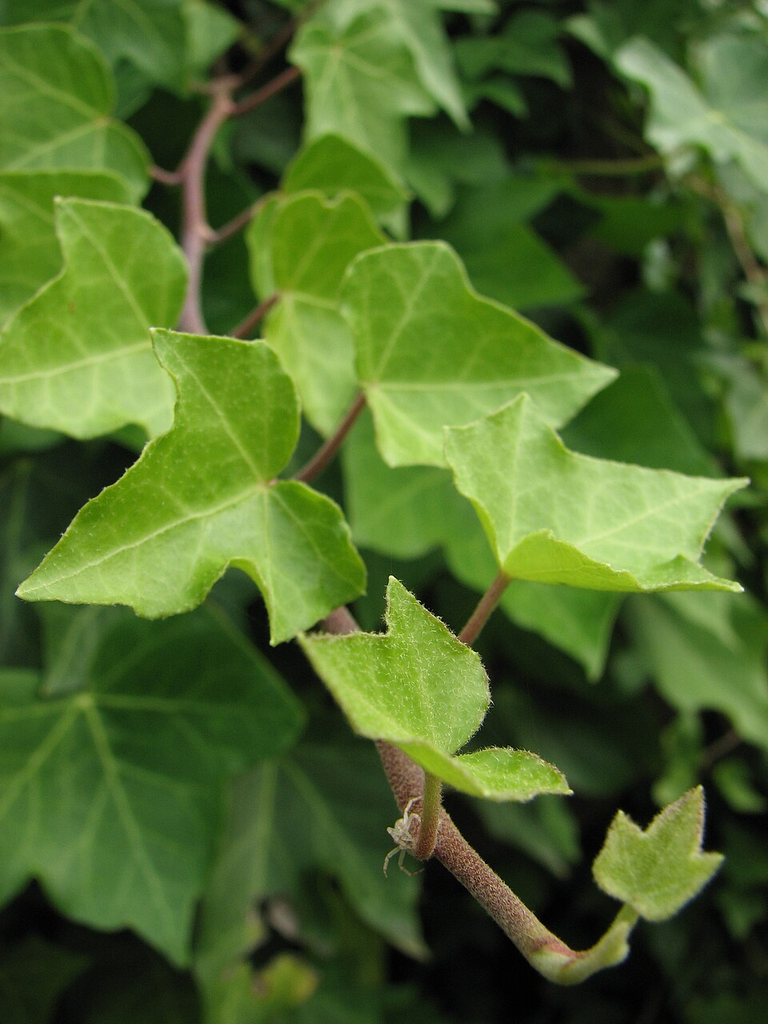
Poison ivy is common in Tennessee forests and can grow along the ground or climb trees. Mature climbing vines can become thick enough to resemble part of the tree itself, often developing a hairy, rope-like appearance.
Everybody knows “leaves of three.”
The woods are not always that cooperative.
Poison ivy changes appearance. Leaf shapes vary, and winter removes the easiest clue entirely. A bare vine climbing a tree can look like nothing more than rough vegetation that has been there for years.
The problem is urushiol, the oily substance responsible for the reaction. Exposure can happen directly from the plant or indirectly from contaminated clothing, equipment, and animals.
Here’s the part people get backward.
The fluid inside poison-ivy blisters does not spread the rash.
What can spread exposure is urushiol that remains on something you touched.
That means the insider tip happens after the hike too. Don’t forget about boots, clothing, tools, and other gear that contacted vegetation.
And never burn poison ivy as a way of getting rid of it. Particles containing urushiol can irritate the respiratory system.
The trap is believing winter makes the plant irrelevant because the familiar three-leaf pattern is gone.
Tennessee has another plant that is even easier to mistake for something innocent.
This one looks pretty enough for a vase.
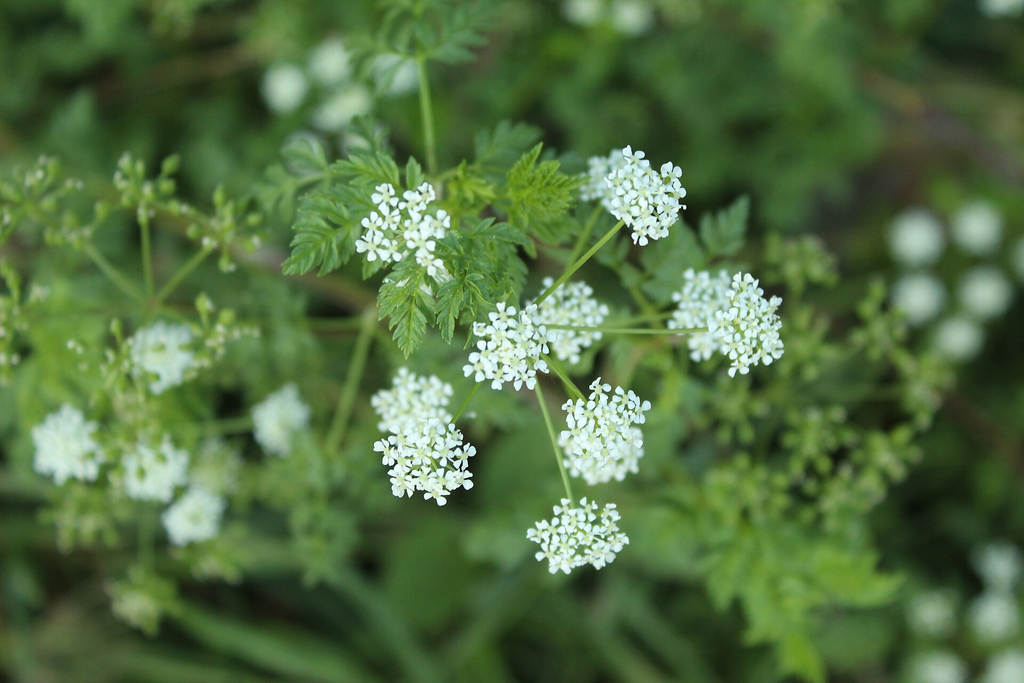
The Pretty White Flower You Don’t Want in Your Bouquet
Poison hemlock is a highly poisonous biennial weed found throughout Tennessee along roadsides, drainage ditches, stream banks, and pastures. It produces delicate clusters of little white flowers and feathery foliage that can resemble members of the carrot and parsley family.
There’s a reason for the resemblance.
Poison hemlock actually belongs to the carrot family.
From a few feet away, it doesn’t look menacing. The white flower clusters float above green stems with the soft, airy appearance people associate with roadside wildflowers.
That visual innocence is precisely why this plant deserves attention.
Look more closely and the stems provide an important clue. Poison hemlock typically develops purple or reddish spotting or blotches.
Here’s the important part.
Poison hemlock is extremely toxic when ingested even though it belongs to the same plant family as familiar edible vegetables and herbs.
The insider rule is bigger than memorizing one stem characteristic: never use a single photograph or one visual clue as permission to eat a wild plant.
Wild-food identification is a place where being almost certain is not enough.
The trap is assuming that something delicate, familiar-looking, or related to edible plants must also be edible.
And Tennessee’s most deceptive hazards are not limited to living things.
Sometimes the prettiest part of the landscape is the part demanding the most respect.
The Peaceful Mountain Stream That Can Change Miles From the Storm
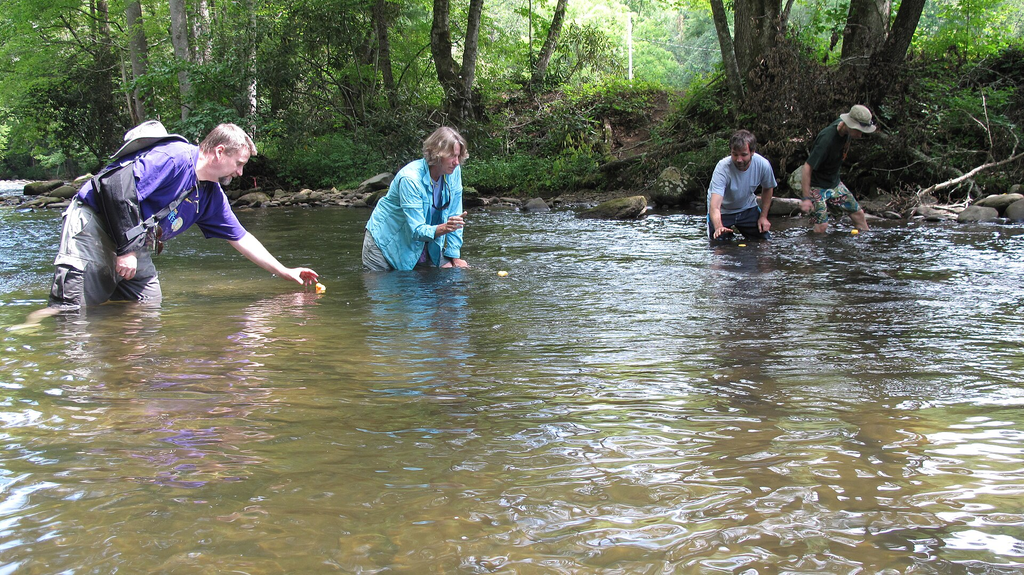
Great Smoky Mountains National Park does not recommend water recreation in park streams, and drowning is one of the park’s leading causes of death. The warning can seem surprising when you’re looking at clear mountain water sliding between smooth rocks on a sunny afternoon.
The Smokies can make water look gentle.
Sunlight hits the surface. Pebbles are visible through the current. Rhododendron hangs over the banks. Cold water murmurs around boulders with that steady mountain-stream sound that practically begs you to sit down and stay awhile.
But you’re only seeing the surface.
Water velocity increases when streams rise, and unexpected currents can exist beneath apparently safe-looking water.
Here’s the detail worth remembering.
A thunderstorm miles upstream can raise a Smokies stream even when it isn’t raining where you’re standing.
That is why conditions beyond the patch of sky directly above you matter in mountain country.
There’s another counterintuitive safety point. If you’re accidentally swept into fast-moving water, National Park Service guidance warns against trying to stand because a foot or leg can become trapped between submerged rocks while the current continues pushing the body downstream.
The trap is judging moving water only by depth and appearance.
Clear doesn’t mean weak. Shallow doesn’t mean slow. Sunshine doesn’t tell you what happened upstream.
And where that water tumbles over a waterfall, another ordinary-looking Tennessee hazard is waiting for anyone trying to get the perfect picture.
The Photo Spot That Can Lose Its Grip in an Instant
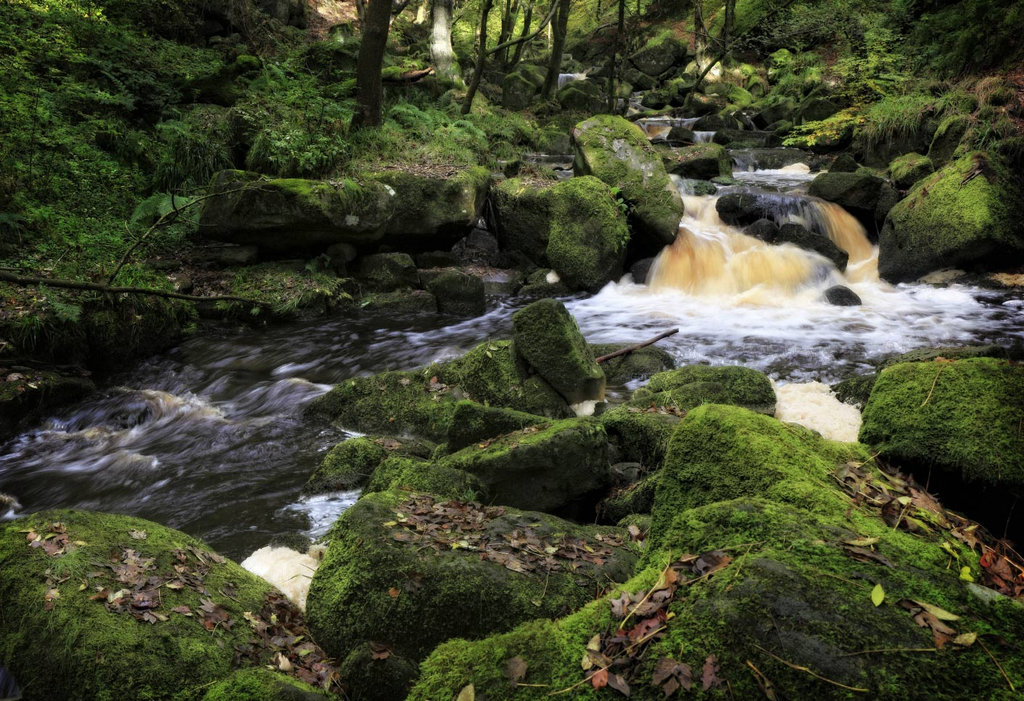
Mossy rocks beside Tennessee waterfalls can look like natural viewing platforms. Great Smoky Mountains National Park warns that rocks around waterfalls can become extremely slippery from mist and algae, and serious injuries and fatalities have occurred after falls around waterfalls and riverbanks.
You can see why people step out.
The waterfall is roaring. Spray hangs in the air. The best angle seems to be five feet farther over. A broad slab of rock looks flat enough to stand on.
Then your shoe meets algae.
There may be no dramatic warning. No loose gravel. No obvious drop beneath your foot. Just a slick surface with far less traction than it appears to have.
Here’s what catches people off guard.
A rock that looks solid and dry enough from a distance can become dangerously slick where waterfall mist and algae coat its surface.
Use established trails, viewing areas, and designated overlooks instead of treating waterfall rocks like steps.
Park officials have restricted climbing in some waterfall areas after repeated falls and serious injuries. That tells you this isn’t simply a matter of timid versus adventurous hikers.
The trap is letting the camera make the decision. A better angle isn’t worth crossing onto wet, algae-covered rock.
And even when the water isn’t crashing over a waterfall, its clear Appalachian beauty can disguise another problem.
You can feel this one before you see it.
The Crystal-Clear Water That’s Colder Than It Looks
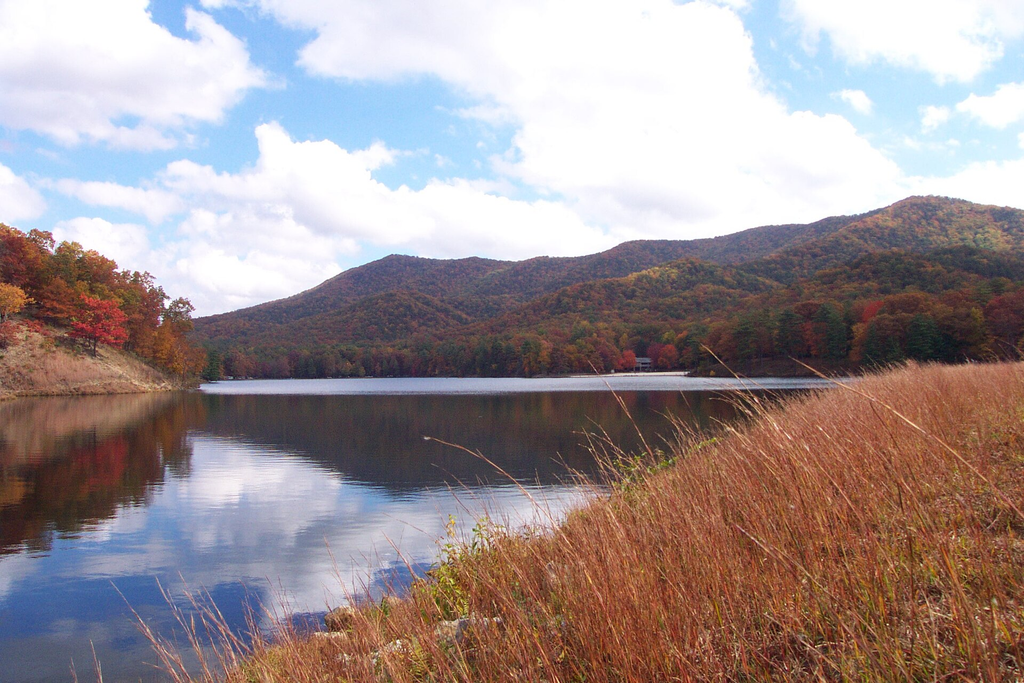
Clear Appalachian mountain water can appear perfect on a hot Tennessee afternoon. National Park Service guidance warns that cold water can contribute to hypothermia, reducing strength and coordination and eventually impairing judgment.
Mountain water has a particular look.
You can see stones on the bottom. Sunlight flickers across them. Everything appears clean, shallow, and refreshing.
Your eyes tell you summer.
Your body may get a very different message.
Cold exposure matters because swimming isn’t just about comfort. Strength and coordination are exactly what you need when dealing with rocks and current.
Here’s the deceptively simple truth.
Water can be crystal clear and still be cold, swift, deep, or otherwise unsafe for swimming.
The insider tip is to stop using clarity as a shortcut for safety. Clear water tells you something about what you can see through it, not what the current or temperature will do.
Combine cold water with moving current and the situation becomes more serious. A person doesn’t need to be tumbling through dramatic rapids for cold exposure to reduce the ability to swim or climb back onto shore.
The trap is assuming an inviting-looking swimming spot is safe because other people are already near the water.
Cold, clear, pretty, and safe are four different things.
The next Tennessee water hazard goes the other direction. Instead of crystal clear, the water may suddenly turn green.
The Green Water That Isn’t Always Ordinary Pond Scum
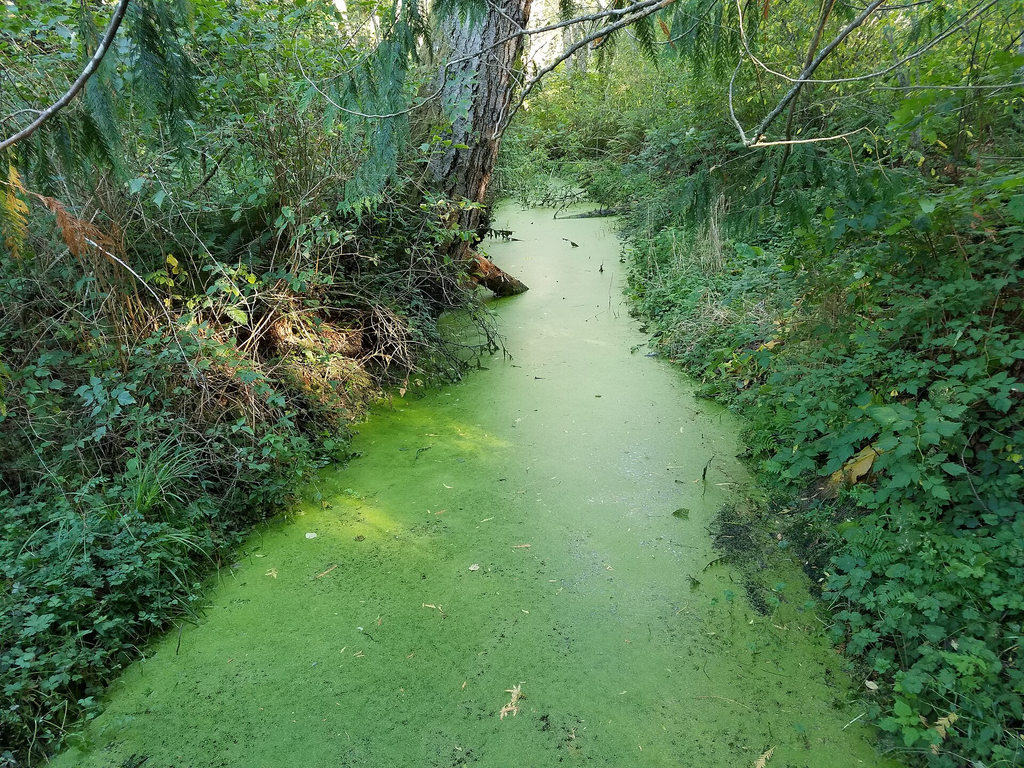
Cyanobacteria can multiply rapidly in warm, slow-moving, nutrient-rich Tennessee water, and some blooms can produce toxins harmful to humans and animals. Not every green patch is dangerous, but appearance alone cannot reliably tell you which bloom is harmless.
That’s what makes this one tricky.
A lake in late summer isn’t expected to look like a swimming pool. There are leaves, pollen, mud, aquatic plants, foam, and all kinds of natural debris along the shoreline.
A suspicious bloom can blend right into that mess.
Tennessee health officials say affected water may appear green, blue-green, or reddish-brown. It can develop foam, surface mats or scum, and sometimes an unpleasant odor.
Here’s the part dog owners especially need to know.
People and pets should stay out of water that is discolored or has suspicious foam, scum, or mats because some cyanobacterial blooms can produce harmful toxins.
Pets deserve extra attention because they may drink directly from the shoreline rather than merely walking through it.
The practical move is simple. If the water looks suspicious, don’t wade in to investigate it more closely. Keep pets away too.
The trap is assuming “natural” means harmless. Plenty of harmless algae exists, but you cannot reliably identify a toxic bloom simply by staring at it from shore.
Sometimes the water hazard isn’t floating on the surface at all.
The next one may be lying beneath your bare feet, looking like a pile of tiny souvenir shells.
The Tiny Striped Shells That Can Turn a Shoreline Sharp
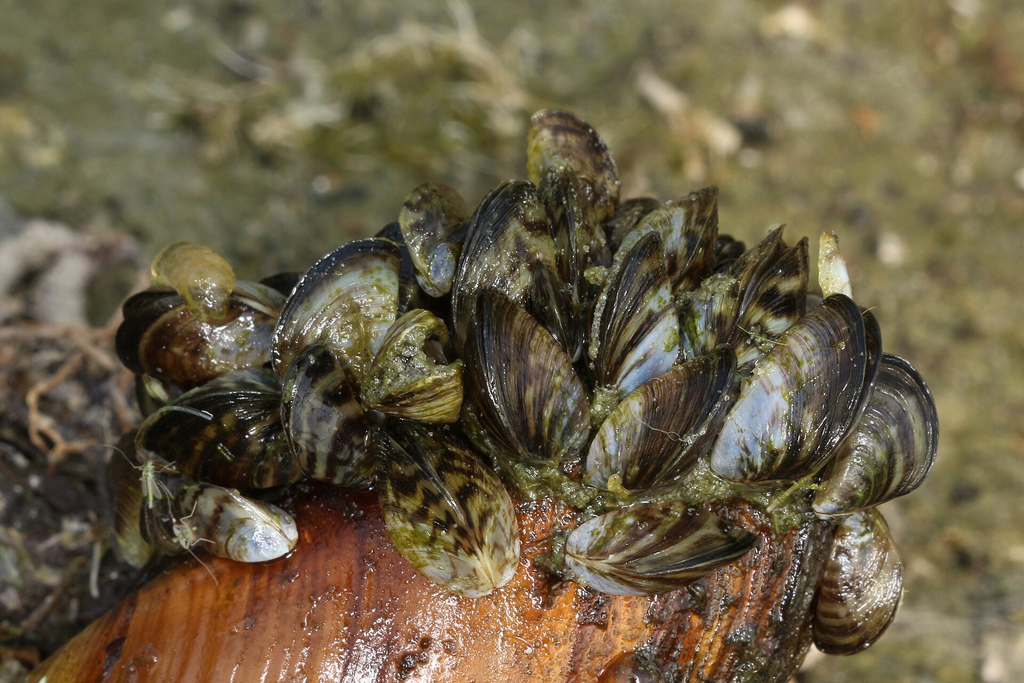
Zebra mussels are invasive freshwater mussels found in major Tennessee waterways, including the Tennessee and Cumberland river systems. Individual shells are small, generally less than about an inch and a half, but the mussels can attach to hard surfaces in dense clusters.
At first glance, they’re kind of pretty.
The shells have striped patterns. They’re small enough to pick up. Along a shoreline, they can look like nothing more than another layer of shells mixed with gravel and bits of rock.
Bare feet tell a different story.
When zebra mussels die, their shells can accumulate along shorelines and remain surprisingly sharp.
Here’s what most casual swimmers don’t know.
TWRA specifically warns that zebra mussel shells can cut swimmers’ feet.
Water shoes are an easy precaution in areas where sharp shells are present. Look at the shoreline before kicking off your shoes just because the beach isn’t made of obvious jagged rock.
Zebra mussels cause much larger ecological problems too. They filter plankton from the water and foul boats, pipes, and other infrastructure.
The trap for visitors is thinking tiny shells equal tiny consequences.
Tennessee’s rivers have one more camouflage specialist worth knowing, and unlike a shell, this one can suddenly move.
The Mossy Rock on the Bottom That Has a Powerful Jaw
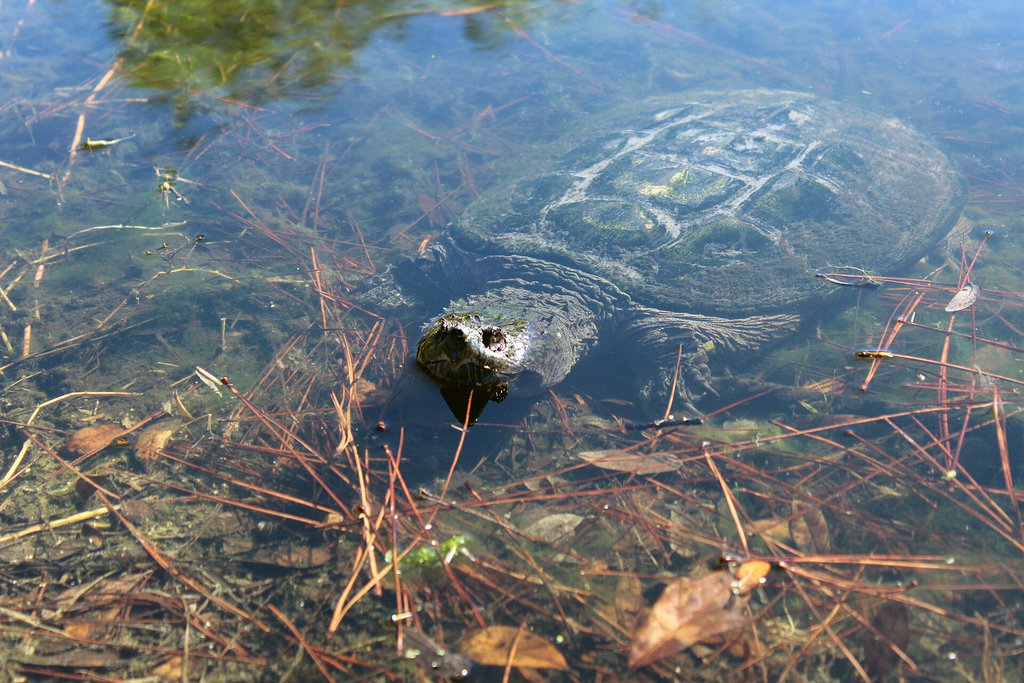
Common snapping turtles occur statewide in Tennessee in ponds, lakes, wetlands, rivers, and streams, especially around muddy water and vegetation. Mud and algae can coat their shells so thoroughly that a motionless turtle becomes surprisingly easy to overlook.
Imagine looking into shallow water beside a muddy bank.
There’s a dark lump below the surface. Maybe it’s a rock. Maybe it’s an old stump. Green algae softens the outline until it seems like part of the bottom.
Then the “rock” moves.
Snapping turtles are not monsters waiting to attack swimmers. The problem comes when people try to handle or provoke them, particularly on land, where they rely heavily on their defensive bite.
Here’s what deserves respect.
A common snapping turtle’s snap is quick and powerful enough to cause injury, even though its algae-covered shell can resemble an ordinary part of the pond bottom.
The insider tip is to admire one without turning the encounter into a rescue mission unless intervention is truly necessary and you know what you’re doing.
Females are commonly seen moving over land while searching for nesting sites. A turtle crossing a road can tempt well-meaning people to grab the shell without understanding the animal’s reach or defensive behavior.
Tennessee also has alligator snapping turtles, primarily in the western third of the state. They are protected in Tennessee.
The trap is assuming slow means safe to handle.
But there is one more Tennessee hazard that’s even easier to miss. You can walk right past it, brush against it, and carry the problem home on your clothes.
The Hairy Vine That’s Still Trouble After the Leaves Are Gone
A mature poison ivy vine can climb a Tennessee tree and develop a thick, hairy, rope-like appearance. Because poison ivy remains a contact concern beyond the familiar leafy stage, winter doesn’t automatically remove the risk.
This is the version many people don’t recognize.
In summer, everybody searches for three leaves. In winter, the forest changes. Bare trunks and vines become a gray-brown tangle, and the visual rule people memorized as children isn’t nearly as useful.
That’s when a thick climbing vine can simply look like part of the bark.
The danger doesn’t need to stay in the woods either. Urushiol can be transferred indirectly through contaminated clothing, tools, and animals.
Here’s what makes this one such an easy mistake.
Poison ivy can still cause exposure when its familiar leaves are absent, and urushiol can hitch a ride home on contaminated gear.
The insider trick is to think beyond the moment of contact. If you’ve been clearing brush or working around suspicious vines, remember that gloves and tools can become part of the exposure chain.
Don’t burn suspicious vines or brush containing poison ivy. Smoke and airborne particles containing urushiol can irritate the respiratory system.
The trap is thinking you avoided the rash simply because your skin didn’t immediately react while you were outside.
And that brings us to the larger truth behind nearly everything on this list.
The Unexpected Fact About Tennessee’s Outdoor Hazards
Tennessee has four types of venomous snakes, but most snakes people encounter are harmless. TWRA specifically notes that watersnakes are frequently killed because people mistake them for cottonmouths or copperheads.
That’s the twist.
The lesson from Tennessee’s woods and waters isn’t that everything outside is trying to hurt you. It’s almost the opposite. Most outdoor trouble comes from misreading something ordinary: stepping where you didn’t look, touching what you couldn’t identify, getting too close for a photograph, or assuming calm water means safe water.
A tiny tick deserves attention. So does a pretty white flower. So does a slick rock beside a waterfall. But none of that requires being afraid of Tennessee’s outdoors.
It requires knowing what you’re looking at.
The woods get a whole lot friendlier when you learn to read the fine print.