
A Nashville vacation can get expensive fast when you spend every day on Lower Broadway, pay for every attraction, and miss the neighborhoods that make the city special. After looking at Nashville’s tourism guidance, local reporting, and the everyday friction between visitors and residents, one thing becomes clear: enjoying Music City and respecting the people who live here can go hand in hand.
Some of these unwritten rules are about money, others are about manners, and a few might completely change how you plan your next trip.
1. Stop Acting Like Broadway Is All of Nashville
Lower Broadway is the part of Nashville that shows up on postcards, bachelor-party itineraries, and social media feeds, but it is only one piece of a much larger city. Spend your entire visit between the neon signs downtown, and you will miss neighborhoods such as East Nashville, 12 South, and Germantown, each with its own businesses, restaurants, and personality.
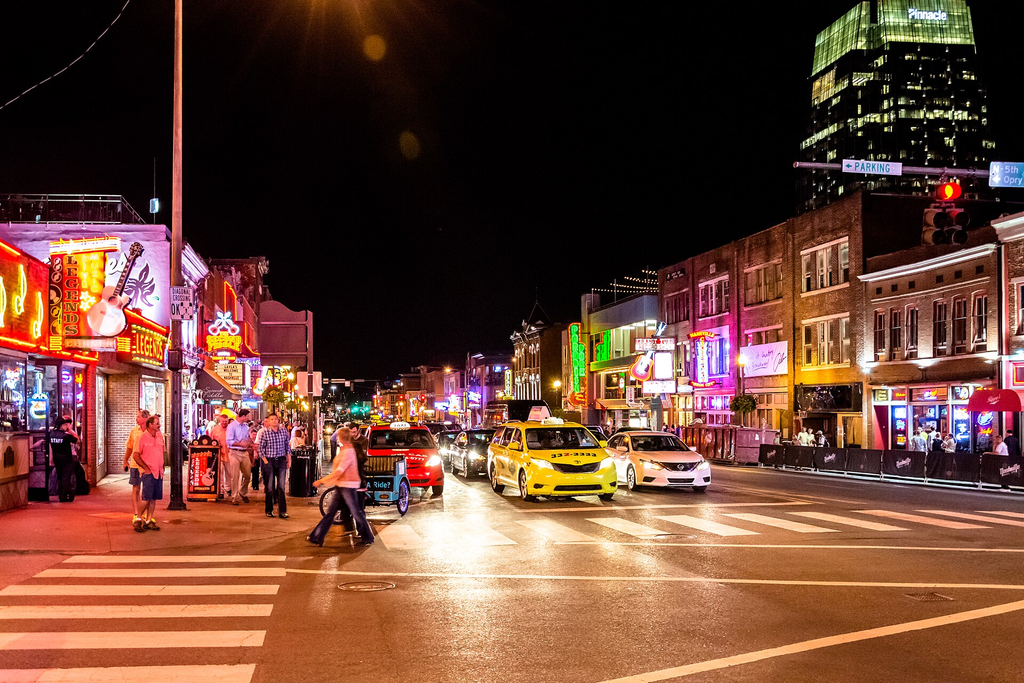
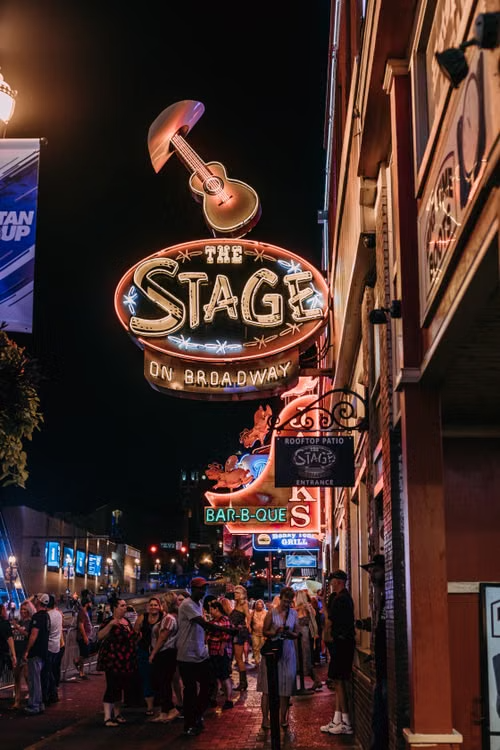
The first thing you notice downtown is the sound. Live bands spill out of open doors, rooftop music floats above the street, and the crowds move from one honky-tonk to another beneath enormous signs. It’s exciting, a little chaotic, and absolutely worth experiencing.
But Nashville has another side.
In East Nashville, you can spend an afternoon exploring independent shops, finding a neighborhood restaurant, or listening to musicians in a smaller venue. In 12 South, the experience centers more on shopping, cafés, restaurants, and walking around. Germantown offers a different combination of historic surroundings and dining.
These are not interchangeable attractions. They are neighborhoods where people live, work, meet friends, and run errands.
Here’s what catches visitors off guard.
Broadway is an entertainment district, not a complete picture of Nashville’s culture.
The insider tip is to give downtown one evening, then plan another day around a neighborhood that matches your interests. Music lovers can look for smaller performances. Food lovers can explore restaurants outside the main tourist corridor. Anyone needing a break from crowds can plan time in a park or garden.
Before heading out, check current opening hours, transportation options, and any reservation requirements for your chosen stops. Some neighborhoods are more spread out than their names suggest, and walking between unrelated destinations may take longer than expected.
The mistake is assuming that leaving Broadway means leaving the fun behind. It simply means changing the pace.
And speaking of changing the pace, there is one part of Nashville’s party culture that affects people who never planned to join the party at all.
2. Stop Treating Residential Streets Like Your Private Party
A vacation rental might feel like your own little Nashville headquarters, especially when your whole group is finally together. But the people living next door still have work in the morning, children who need sleep, and ordinary lives that do not revolve around your itinerary.
Noise from short-term rentals and disruptions associated with party vehicles have been documented in Nashville’s public discussion about tourism. In June 2025, Axios Nashville reported on a tourism campaign promoting respectful visitor behavior, including concerns about noise and traffic. That does not mean every visitor causes trouble. It does mean the issue is real enough to have attracted public attention.
Picture a residential street after dark. Porch lights are on, cars are parked along the curb, and someone is trying to get a baby to sleep. Then a group arrives, shouting across the driveway while music plays from a speaker.
The problem isn’t that people are celebrating.
It’s that celebration has spilled into somebody else’s home life.
Here’s the rule that makes the difference: enjoy yourself without making the whole block participate.
A vacation rental is temporary accommodation, not permission to ignore the neighborhood around it.
Before booking, read the property’s noise policies, parking instructions, and occupancy rules. Once you arrive, keep outdoor conversations at a reasonable volume, bring the party indoors when appropriate, and avoid blocking driveways or access points.
Pay attention to posted quiet hours rather than assuming the neighborhood operates on downtown nightlife schedules. If your group plans to celebrate late, choose accommodation suited to that kind of trip instead of expecting a residential street to accommodate it.
There is another practical detail worth remembering. The group that books a large rental may be responsible for conduct that happens outside it, depending on the property rules and applicable regulations. Read the terms before assuming everyone can do whatever they please.
Nashville can welcome visitors and protect residential life at the same time. Those two things are not opposites.
Now, let’s talk about the people who make Music City live up to its name, even when nobody is buying a concert ticket.
3. Stop Treating Live Musicians Like Background Noise
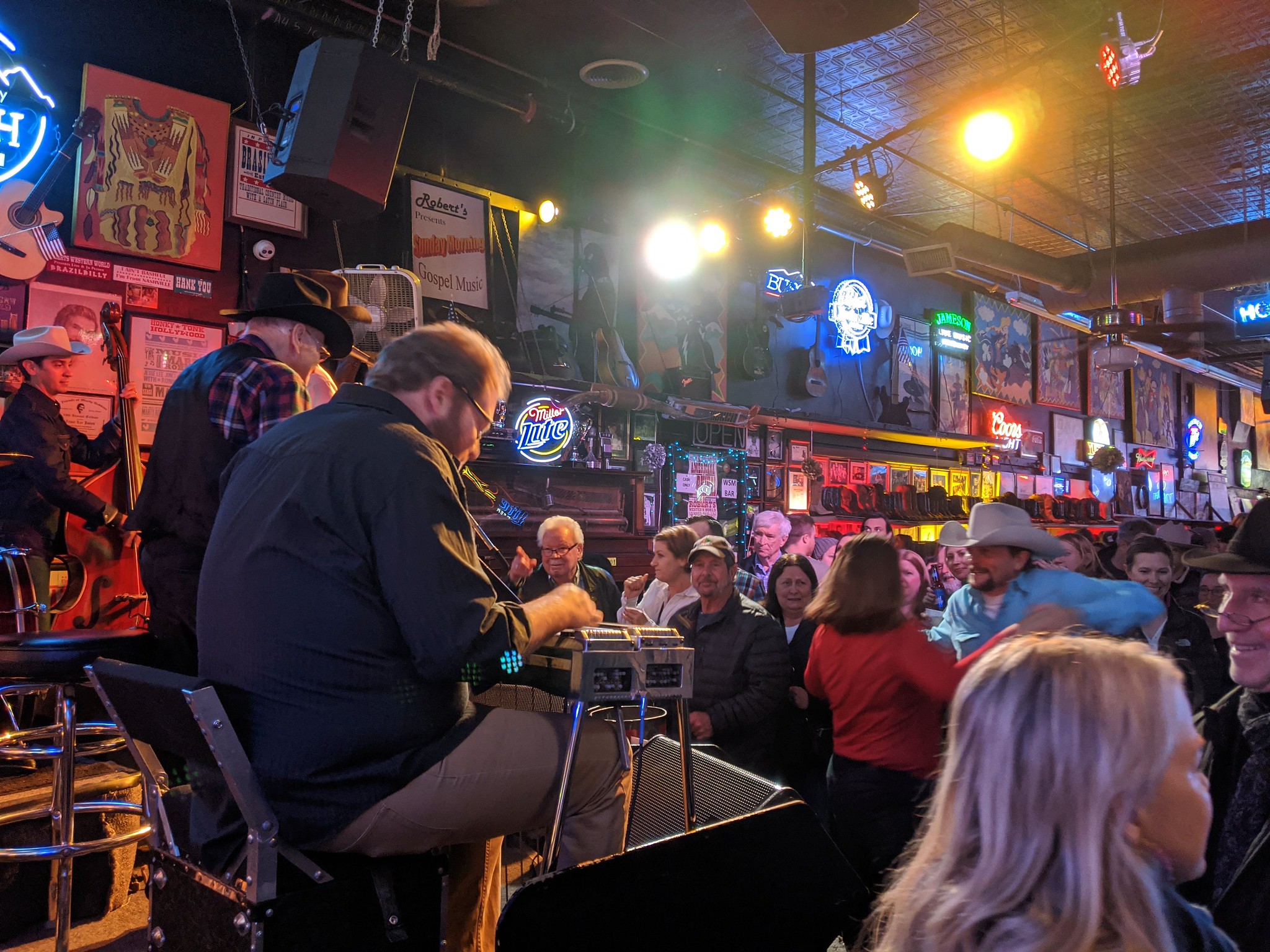
You can walk into a Nashville honky-tonk and hear a musician turn a familiar song into something that makes an entire room sing along. It might be a country classic, a rock favorite, or a song you forgot you loved until the first few notes brought it back.
That music is part of what makes Nashville memorable.
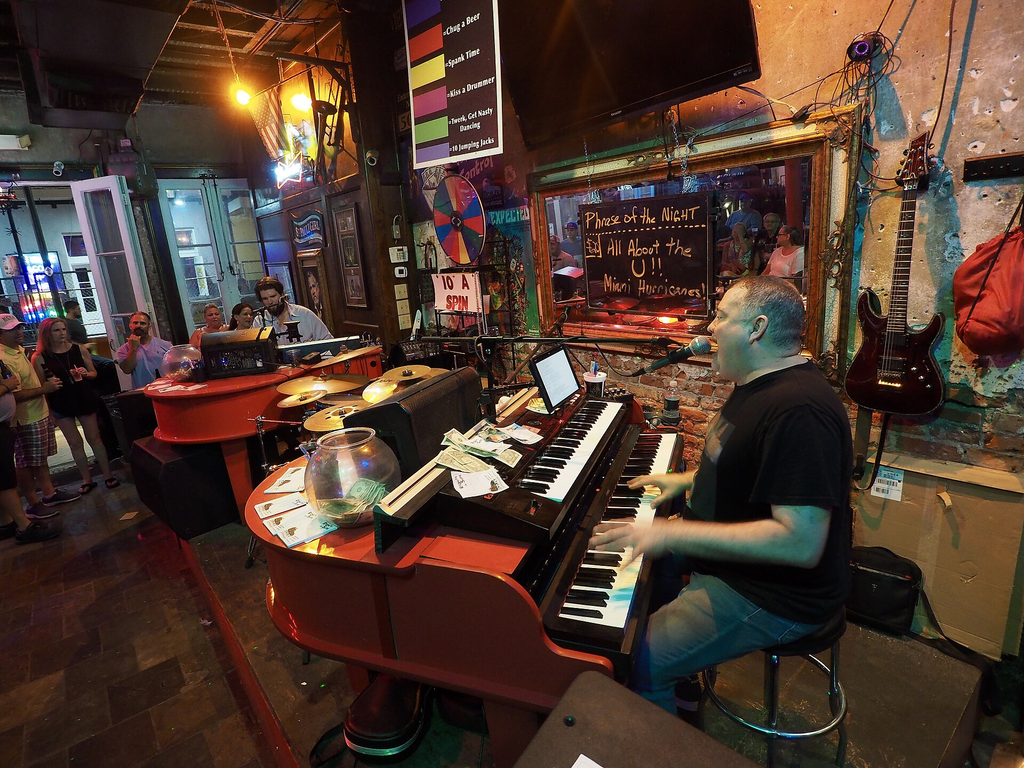
The city’s music scene stretches well beyond its major ticketed concerts. Visitors encounter musicians in bars, smaller performance spaces, songwriter showcases, and other venues where the atmosphere can feel more intimate than a conventional concert hall.
But live music sometimes gets treated as decoration for a vacation.
A group orders drinks, talks loudly through the set, points a phone at the stage for a quick video, and leaves without acknowledging the performers. In some settings, musicians are playing in venues where tips form an important part of their earnings. The precise pay arrangements vary, so it would be misleading to assume every band works under the same system.
The courtesy, however, is straightforward.
If the music is part of what brought you into the room, give the musicians some of your attention.
When the band is playing, listen when you can. If the room has a tip jar or the performers invite tips, consider contributing. If you want to request a song, first check whether requests are welcome and whether the musicians have established a fee or tipping custom.
Do not assume that a performer can interrupt a set to play your favorite song. They may have a planned set list, a limited performance window, or other requests already waiting.
Here’s a tip for making the experience feel less transactional: choose at least one stop where you stay for a set rather than hopping out the moment you’ve captured a video. You will hear how the band works together, notice the musicianship, and have a better chance of discovering a song you did not expect to enjoy.
Check venue policies before visiting, especially if you are planning to see a ticketed performance rather than a casual bar set. Admission, reservations, and tipping arrangements differ.
And if you think showing up in matching cowboy hats is the biggest way to misunderstand Nashville, wait until you see what happens when visitors expect every stranger to join their celebration.
4. Stop Assuming Every Local Wants to Join Your Bachelorette Party
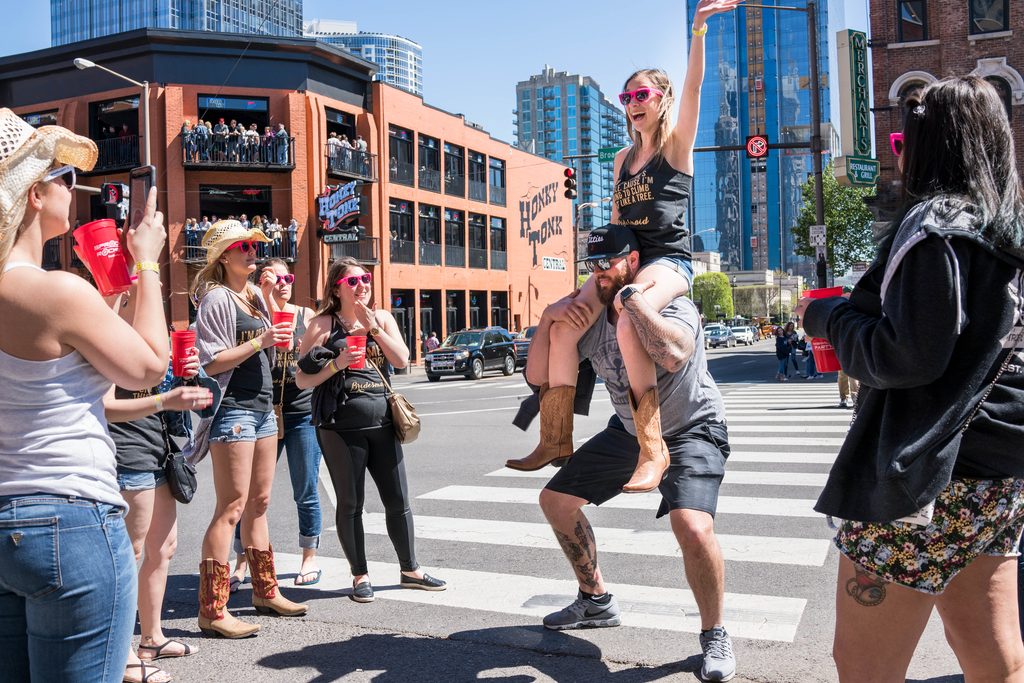
Nashville has become a popular destination for bachelorette parties, birthday weekends, and large groups celebrating milestones. Matching outfits, cowboy hats, group photos, and a little extra sparkle are part of the fun for many visitors.
Nobody needs to apologize for enjoying a celebration.
The trouble starts when a group assumes everyone around them is part of the event.
Imagine a woman trying to get through a restaurant entrance while a dozen people arrange themselves for a group photograph. Or a bartender working through a crowded shift while customers insist that everyone behind the counter participate in a chant. A celebration can be joyful for the people involved and exhausting for everyone else.
Those experiences are not proof that every bachelorette group behaves badly. They illustrate why boundaries matter, particularly in places where tourism and everyday life overlap.
Being on vacation does not turn strangers into unpaid participants in your celebration.
The insider tip is to build your group’s fun around activities that actually welcome group participation. Book an appropriate tour, reserve a table, find a venue designed for celebrations, or arrange a private activity where everyone understands the occasion.
If you want a photograph in a busy public place, make it quick and leave room for other people to pass. If a stranger declines to join your photo, answer your question, or dance along, let it go.
Service workers deserve the same consideration. A bartender is there to serve drinks, a driver is there to transport passengers safely, and a restaurant employee has a job to complete. Friendly conversation is lovely when it happens naturally. Demanding personal attention is another matter.
Before your trip, check the rules at your accommodation and any venues you plan to visit. Large groups may face booking restrictions or other conditions, and assuming everyone can simply walk in together can create unnecessary headaches.
One more thing: you do not have to tone down your personality to be a considerate visitor. You can laugh loudly at your table, dress however you like within venue rules, and celebrate until your feet hurt.
Just remember that other people came to Nashville for their own reasons.
And once you have everyone behaving like decent human beings, there is another surprise waiting on your travel budget. Free live music does not necessarily mean a free night out.
5. Stop Assuming Free Music Means a Cheap Night Out
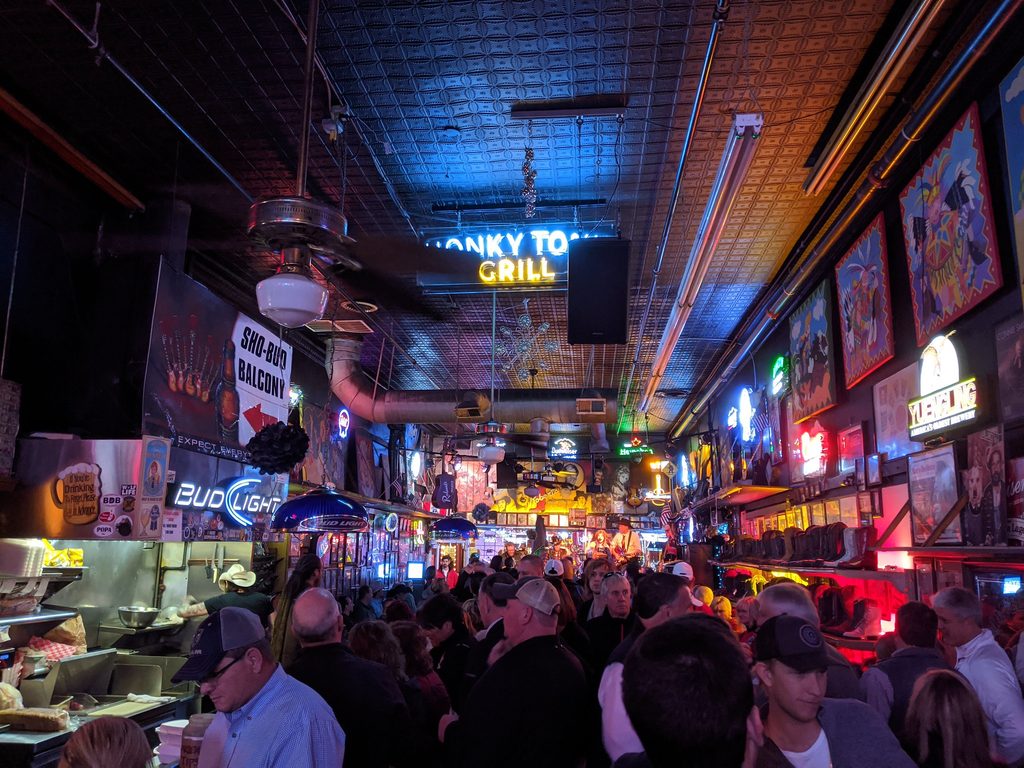
One of the appealing things about Nashville’s Lower Broadway is that some honky-tonks offer live music without a general admission charge. You can walk through the door, hear a band playing, and experience part of the city’s music culture without purchasing a concert ticket.
That sounds like a bargain.
Then the evening gets going.
You order a drink, somebody wants another round, the group decides to eat, and suddenly everyone is comparing receipts. Add transportation, tips, and any paid experiences, and the final cost can look very different from the amount you budgeted for admission.
Not every venue follows the same pricing model. Some performances require tickets, some events have special arrangements, and individual bars and restaurants set their own prices.
The point is not that Nashville is unusually expensive in every category. It is that a zero-dollar cover charge tells you very little about the total cost of an evening.
Free entry and a free night out are two entirely different things.
Here’s the insider move: decide on your spending limit before you leave your hotel or rental. Check menus where available, review ticket terms, and make sure everyone in the group understands how shared expenses will be handled.
If you are traveling with friends, agree on whether you are splitting every round or paying individually. That small conversation can prevent the familiar end-of-night confusion over who ordered what.
Also, do not assume that every bar has the same cover policy just because the previous one let you walk in. A special event, a different venue, or a particular performance can change the arrangement.
Transportation deserves a place in the budget, too. Downtown traffic, crowded pickup areas, and a group trying to coordinate several stops can make getting around more complicated than expected.
Choose a few places you genuinely want to experience instead of wandering into every bar simply because the music sounds good from the sidewalk. You may discover that spending a longer stretch at one band costs less and feels more satisfying than rushing through several venues.
The practical rule is simple: know what is included before you commit.
And while you’re planning your spending, make room for Nashville’s food scene beyond the one dish everybody seems determined to photograph.
6. Stop Thinking Nashville’s Food Scene Begins and Ends With Hot Chicken
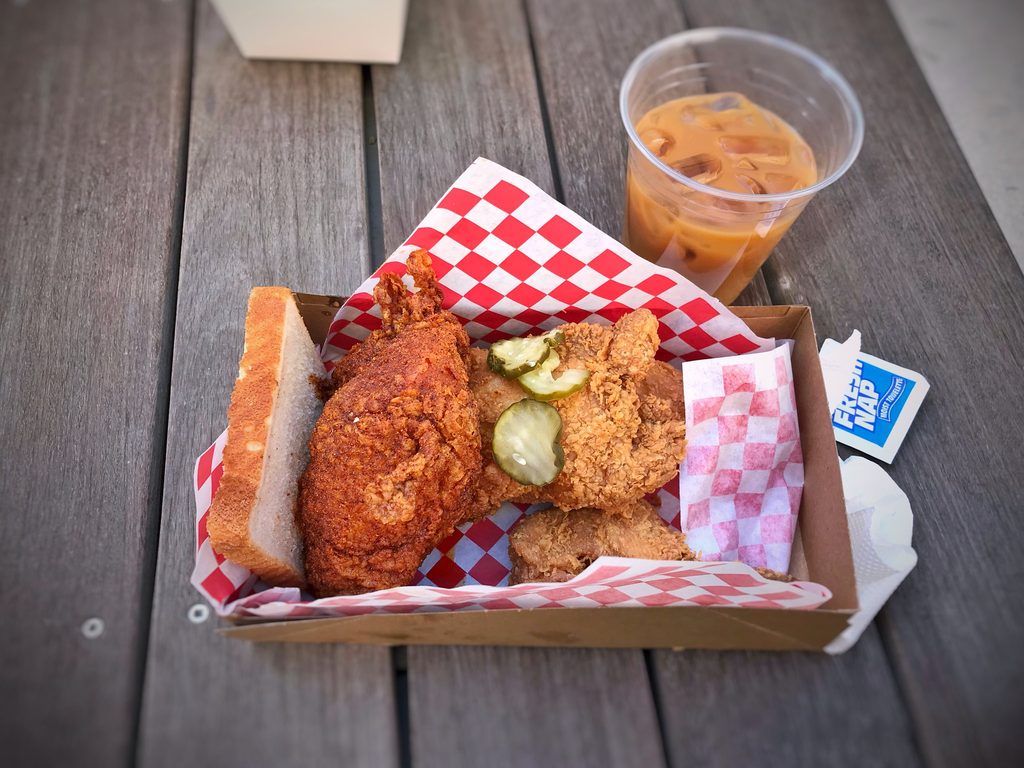
Nashville hot chicken deserves its reputation. The combination of crisp fried chicken, seasoning, heat, and cooling accompaniments has become one of the city’s best-known food traditions.
Prince’s Hot Chicken traces its origin story to Thornton Prince and a recipe developed in the 1930s. The restaurant’s own history describes how Prince developed a taste for the spicy chicken after a dish intended as revenge failed to have the intended effect. As with many food traditions, the colorful origin story has become part of the dish’s identity.
That is a fine reason to try it.
It is not a reason to make every meal about how much heat you can tolerate.
A plate arrives with a deep reddish coating, the aroma of spices rising from the crust. The first bite is crunchy, savory, and warm. Then the heat builds, sometimes faster than an inexperienced diner expects.
Some people love the burn. Others discover that their preferred level of spice is considerably lower than the one they ordered to impress their friends.
Ordering the hottest chicken on the menu is not a requirement for experiencing Nashville’s food culture.
If you have never tried Nashville hot chicken, ask the restaurant about its heat levels and choose a level suited to your own tolerance. Even the meaning of a label such as hot can vary from one restaurant to another.
Don’t choose a level simply because somebody at the table challenges you. Food should be enjoyable, not a test of pride.
Also, leave room for other regional and local dishes. Look for Southern meat-and-three meals, barbecue, independent bakeries, international restaurants, and contemporary Southern cooking. These offer different ways to understand the city’s dining culture.
The insider tip is to plan your meals around the neighborhood you are exploring rather than driving across town for every famous dish. Check menus, opening hours, and reservation requirements before setting out, particularly if you are traveling with a group.
At Prince’s, the official site lists locations in South Nashville, Assembly Food Hall, Nashville International Airport, and Tanger Outlets. Check the current location details before choosing where to eat, since the most convenient option depends on the rest of your itinerary.
And here is something worth remembering: the famous dish is only part of the story. The next mistake is expecting every Nashville neighborhood to feel like the same place.
7. Stop Expecting Every Neighborhood to Feel Like Broadway
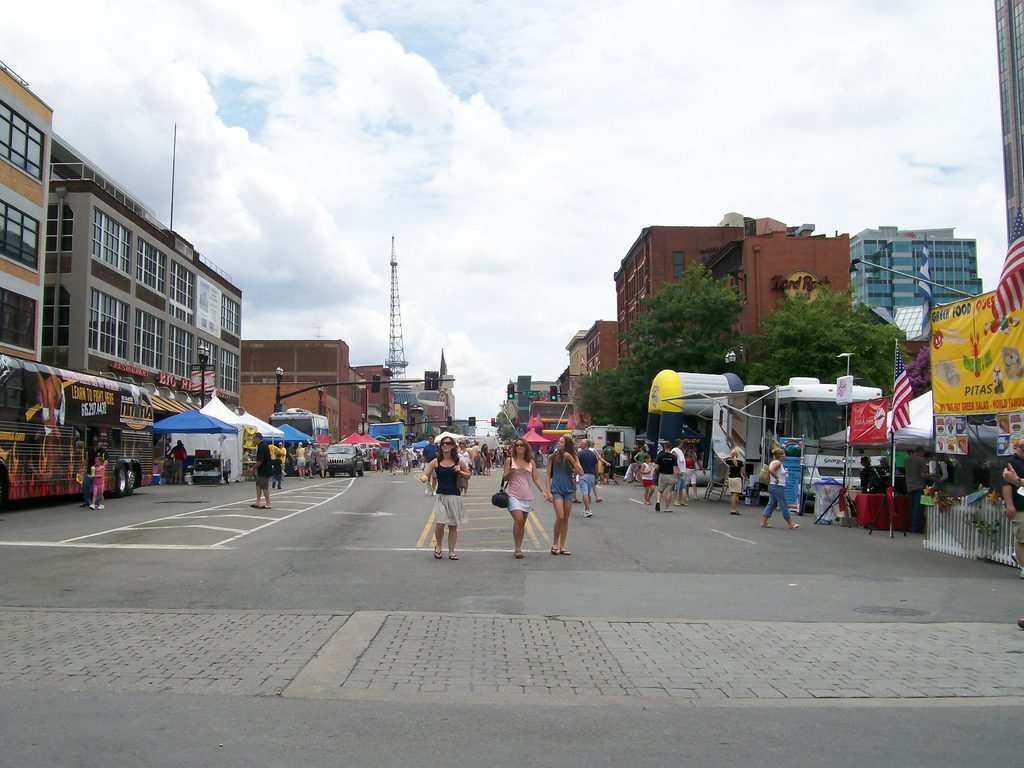
Nashville is not one giant entertainment district with different street names. Its neighborhoods have different histories, businesses, rhythms, and reasons for visiting, and the best way to explore them is to stop expecting the same experience everywhere.
East Nashville, 12 South, Germantown, Midtown, and Wedgewood-Houston each offer a different mix of places to eat, shop, spend time outdoors, or explore local culture. Nashville’s own neighborhood planning resources emphasize the importance of neighborhood identity and the communities that give these areas their character.
That distinction matters when planning a trip.
Downtown, you may hear live music through open doors and see crowds moving between bars. In another neighborhood, the atmosphere might be a quiet coffee shop, people walking their dogs, a small shop owner arranging merchandise, or friends catching up over lunch.
There may be no neon signs or music pouring into the street.
That does not mean there is nothing to do.
A quieter neighborhood is not a failed version of Broadway. It is a different kind of Nashville experience.
The insider tip is to choose your neighborhood based on what you want from the day. If you enjoy browsing shops and stopping for coffee, build a walking outing around suitable local businesses. If music is your priority, look for a performance space that matches your preferred genre. If you want a break from city streets, investigate parks, gardens, or walking trails.
Do not assume every attraction in a neighborhood is within a few minutes’ walk of every other attraction. Check a map, group nearby stops together, and consider transportation before making promises to the rest of your group.
Hours and availability can vary by business, so check individual listings before you head out. A small shop may operate on a different schedule from a restaurant nearby, and not every neighborhood has the same late-night options.
Most importantly, remember that these are real communities, not themed sets built for visitors. Treat sidewalks, parks, shops, and residential streets accordingly.
The payoff is that you begin to see more than a collection of tourist attractions. You begin to understand how the city fits together.
That understanding becomes especially useful when you encounter Nashville’s most frustrating travel companion: traffic.
8. Stop Assuming the Road Is Part of the Party
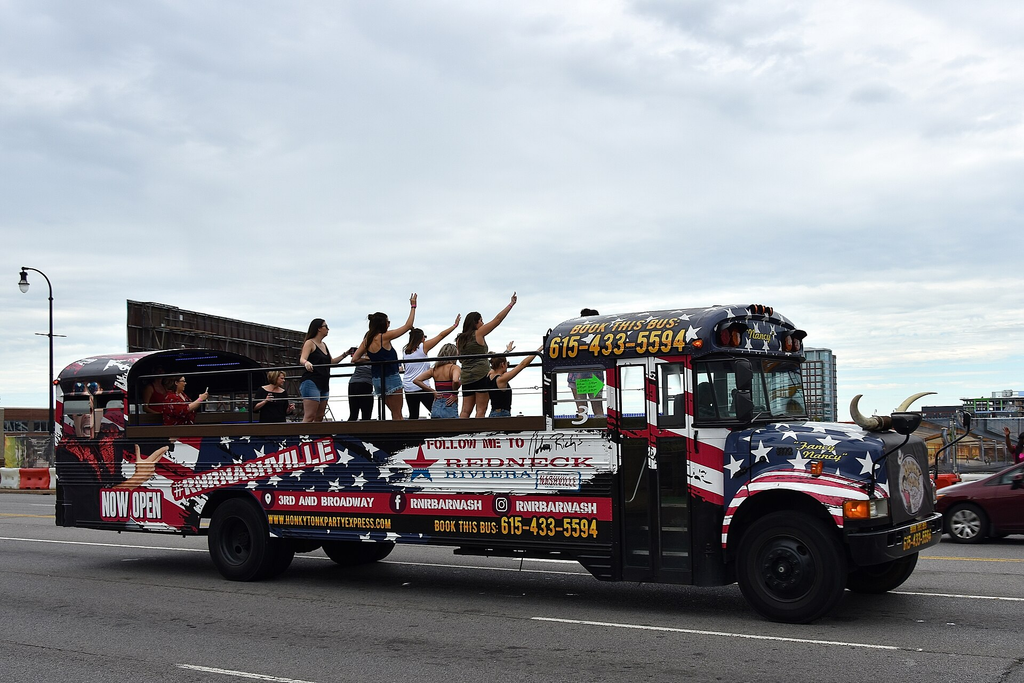
Party vehicles are a recognizable part of Nashville’s visitor scene. Depending on the operator and vehicle, a group might pedal together, ride in an open-sided vehicle, or travel through downtown while music plays.
For passengers, it can look like a moving party.
For someone trying to reach work, collect a child, make an appointment, or get across town, the experience can look rather different.
Nashville officials have documented concerns about noise, traffic disruption, and safety associated with party vehicles. Former Mayor John Cooper also addressed these issues in correspondence with the city’s Transportation Licensing Commission. Those records demonstrate that the subject has been part of local policy discussions, although they do not establish that every resident opposes party vehicles.
The broader lesson applies to all visitors behind the wheel, not just people riding on a party vehicle.
A road is shared space. A photo opportunity, a confusing GPS instruction, or a group that wants to stop at one more bar does not make it safe to block traffic.
Your vacation itinerary does not take priority over everyone else’s right to use the road safely.
The insider tip is to settle your transportation plans before leaving a venue. Agree on a pickup point, identify your destination, and give your driver clear directions rather than asking for sudden stops in active traffic.
If you are booking a party vehicle, review the operator’s route, passenger rules, and safety requirements. Confirm where the experience begins and ends so you are not improvising in a crowded street afterward.
Drivers should avoid stopping in traffic to study a map, and passengers should not pressure drivers to make unsafe maneuvers. Pedestrians should also keep crossings clear and follow traffic signals.
Nashville’s roads can become difficult to navigate when major attractions, events, and visitor traffic overlap. Allow time for delays, check current traffic conditions, and avoid building an itinerary that depends on every trip taking exactly the amount of time a map estimates.
And if driving downtown sounds like more trouble than it is worth, consider whether a centrally located parking facility or rideshare makes sense for that part of your day. Compare the cost and convenience before committing.
Of course, even after you arrive safely, you can still frustrate everybody around you without moving a vehicle an inch. All it takes is a phone, a perfect photo opportunity, and a complete disregard for the people trying to walk past.
9. Stop Blocking Everyone for the Perfect Photo
Nashville offers plenty of recognizable backdrops, from the John Seigenthaler Pedestrian Bridge to the city’s many murals and downtown streets. It is natural to want a photograph that captures the trip.
The trouble begins when the photograph becomes more important than the shared space around it.
A group stops across a narrow walkway, one person adjusts a hat, another checks the camera angle, and somebody asks for another take. Behind them, pedestrians have to slow down, squeeze past, or wait.
On a pedestrian bridge, that can be especially inconsiderate. The bridge is not simply a background for photographs. It is also a route people use to get between places.
The same principle applies at murals, restaurant entrances, busy sidewalks, and other popular public spots.
A great photograph should not require everyone else to stop moving.
Here is the insider tip: decide on your shot before you reach the busiest part of the walkway. Have your phone ready, choose a safe spot out of the flow of pedestrian traffic, and keep the group compact.
If there is a line for a popular mural or photo location, wait your turn and be prepared to move when your turn is over. Do not assume that because a spot is outdoors, you can occupy it for as long as you like.
Ask permission before including strangers prominently in a photograph, especially if you are taking close-up images. A public setting does not mean everybody wants to become part of somebody else’s vacation album.
Pay attention to signs, too. Some areas may have rules or restrictions, and you should never climb barriers, enter restricted spaces, or step into a road to get a better angle.
There is also a useful alternative to the same familiar photograph everybody else is taking. Look for details that tell a story about the place: an architectural feature, a street sign, a musician’s hands on an instrument when photography is permitted, or the view from a location where you can stop comfortably.
Those images can become more meaningful than another hurried pose.
The goal is to bring home memories, not create obstacles.
And speaking of memories, there is a reason Nashville’s music landmarks deserve more attention than a quick selfie before moving on to the next bar.
10. Stop Treating Nashville’s Music History Like a Photo Backdrop
Nashville’s musical identity did not begin when the modern entertainment district filled with rooftop bars. Its history reaches through religious gatherings, radio broadcasts, recording sessions, touring musicians, and generations of performers who helped shape American music.
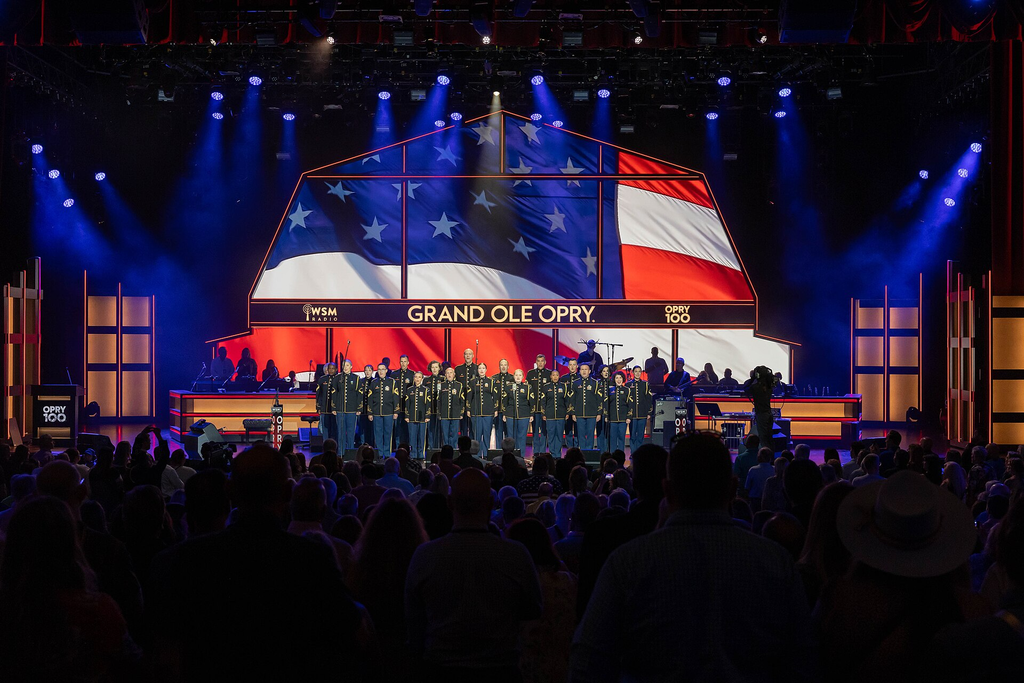
The Ryman Auditorium is one of the clearest examples. Originally opened as the Union Gospel Tabernacle in 1892, it became the Grand Ole Opry’s home from 1943 until 1974. Its story stretches far beyond the country stars most visitors associate with the building.
Walk inside, and the setting tells part of that story before a performer plays a note. The historic architecture, wooden pews, and stage make it feel different from a modern arena.
The Ryman has also hosted artists across genres, including rock, hip-hop, and R&B. Its history reflects a broader musical legacy than its nickname, the Mother Church of Country Music, might suggest.
The Ryman was originally a religious gathering place before it became one of Nashville’s best-known music venues.
The insider tip is to learn a little about a historic venue before you arrive. Read its history, consider a guided tour if available, and give yourself time to appreciate the space rather than rushing through for a photograph.
The National Museum of African American Music offers another essential perspective. Its exhibitions explore musical traditions created and influenced by African Americans, including gospel, blues, jazz, R&B, and hip-hop. The museum opened in 2021 and provides a way to explore musical histories that can be overlooked when Nashville is presented only as a country music destination.
These experiences also help visitors understand why the city’s music culture cannot be reduced to one genre, one street, or one generation.
For practical planning, check current admission arrangements, tour availability, and opening hours directly with each attraction. The Ryman’s tour schedule can differ on days with performances or special events. The museum’s published hours are also subject to change, and its last-entry time may affect how much you can see.
Do not assume you can walk into every historic venue and explore freely. Some areas are accessible only through particular tours or events, and photography policies may vary.
One more thing: if a performance is underway, follow the venue’s instructions about photography, movement, and noise. There is a difference between appreciating history and interrupting someone else’s experience of it.
Once you have explored Nashville’s past, the next lesson is about the present-day people who keep the city running. They are not all aspiring singers waiting for their big break.
11. Stop Expecting Every Local to Play a Character in Your Country Movie
Some visitors arrive in Nashville expecting every interaction to feel like a scene from a country music film. They imagine every bartender has a guitar in the back room, every driver has a strong Southern drawl, and every stranger can recommend a future country star.
Real life is less scripted.
Nashville is a city with residents from many backgrounds and people working in a wide range of industries. Music is an important part of its identity, but so are healthcare, education, technology, hospitality, government, and countless other occupations.
The person serving your breakfast may love country music. They may prefer jazz, listen to hip-hop, or spend their free time doing something that has nothing to do with music.
None of those possibilities makes them less connected to Nashville.
The same applies to accents and appearance. Not everybody who lives in Tennessee speaks the same way, dresses in Western clothing, or grew up in the region.
A city’s identity is not a costume that every resident is required to wear.
The insider tip is to approach people with curiosity instead of assumptions. If you want a local recommendation, ask what they enjoy about the area or whether they have a favorite nearby place. Give them room to answer naturally.
You might discover a restaurant, bookstore, park, or performance venue you would never have found by following a standard tourist itinerary.
But be considerate about when you ask. A server handling several tables or a driver navigating traffic may not have time for a long conversation. A friendly question is fine, but an employee’s job is not to provide an impromptu cultural tour whenever someone asks.
It is also worth avoiding the assumption that every local knows every famous musician. Living in Nashville does not automatically make somebody part of the entertainment industry.
If music history interests you, there are museums, historic venues, and organized experiences specifically designed to explore it. Those are better places to learn about the city’s musical traditions than expecting a stranger to perform the role of a walking encyclopedia.
This matters because genuine local culture is more interesting than a stereotype. A city becomes memorable when you encounter the lives people actually lead, not just the version of the place you imagined before arriving.
And that brings us to one final mistake that can quietly undermine an entire trip: trying to squeeze every famous attraction into a single visit.
12. Stop Trying to Turn Nashville Into a Checklist
There is a particular kind of vacation exhaustion that sets in when the trip becomes a race. You have a list of famous bars, restaurants, murals, museums, shops, and music venues, and somehow you are spending more time checking the next destination than enjoying the one in front of you.
Nashville makes this temptation easy. There is plenty to see, and the names you recognize from television, music, and social media can make every stop feel essential.
But a packed itinerary can leave you with a strange souvenir: dozens of photographs and very few moments you remember clearly.
Think about the difference between rushing through three bars because somebody online said you should and staying long enough at one place to discover a musician you genuinely enjoy. Consider the difference between driving across town for another photograph and spending an unhurried afternoon exploring shops, stopping for lunch, and watching the neighborhood move around you.
Neither approach is automatically right for every traveler. The question is what you actually want from the trip.
You do not have to experience every famous Nashville attraction to experience Nashville.
The insider tip is to choose a few priorities each day and leave some room around them. If live music matters most, plan your evening around a performance. If food is the reason you came, research a handful of restaurants and give yourself time to enjoy them. If you are interested in history, choose venues and museums that tell a story rather than simply adding another pin to your map.
Keep practical details in mind, too. Attractions have different operating schedules, some performances require advance tickets, and restaurants may need reservations. Check those details before setting off, then avoid filling every remaining hour just because it appears empty on your calendar.
Leave time for an unexpected detour, a conversation that goes somewhere interesting, or a meal that takes longer than planned.
If you are traveling with family or friends, ask what each person most wants to do. A trip becomes frustrating when everybody is dragged through activities that matter only to someone else’s social media feed.
And remember that some of Nashville’s best experiences are not headline attractions at all. They can be a particularly good meal, a memorable set of music, a quiet walk, or the feeling of discovering a neighborhood that suits you.
The city has enough history, food, music, and character to reward more than one visit. You do not have to squeeze it all into a weekend.
There is one last piece of Nashville history worth knowing, because it helps explain why this city means so much more than a party destination.
The Unexpected Fact About Nashville: The Ryman Wasn’t Built for Country Music
The Ryman Auditorium is now closely associated with country music, but it was originally constructed as the Union Gospel Tabernacle. It opened in 1892 after riverboat captain Thomas Ryman was inspired by evangelist Sam Jones to help establish a large indoor gathering place.
Its early purpose was religious and civic, not simply musical. Over time, the building hosted a wide range of events and performances, eventually becoming the home of the Grand Ole Opry in 1943.
The Opry remained there until 1974, when the show moved to its new home. The Ryman subsequently went through a period of uncertainty before renovations helped restore it as a major performance venue. It was designated a National Historic Landmark in 2001.
That history is a reminder that places change, and their identities grow through the people who use them.
The same principle applies to Nashville today. Broadway’s entertainment scene is one part of the story, but the city’s neighborhoods, independent businesses, musicians, museums, and residential communities all contribute to what makes it distinctive.
Visitors do not need to abandon the fun to respect that history. They simply need to recognize that there is more to appreciate than what fits into a weekend itinerary.
Come for the music, enjoy the food, take the photographs, and celebrate with your friends. Just leave enough room for the city itself, and the people who call it home, to be part of the experience.
The best Nashville memories are not just about where you went. They are about what you took the time to understand.