
In 1990s Nashville, you could spend an entire Saturday riding roller coasters, browsing a giant bookstore, or hanging out at the mall without paying today’s downtown parking prices. And some of those places were so special that people still talk about them nearly 30 years later.
From a beloved 120-acre theme park to a tiny restaurant with an unforgettable cheeseburger, these 12 Nashville landmarks helped define an era. Some disappeared before the decade ended. Others lasted much longer. But one of these losses still feels almost impossible to believe.

1. The 120-Acre Theme Park Nashville Replaced With a Shopping Mall
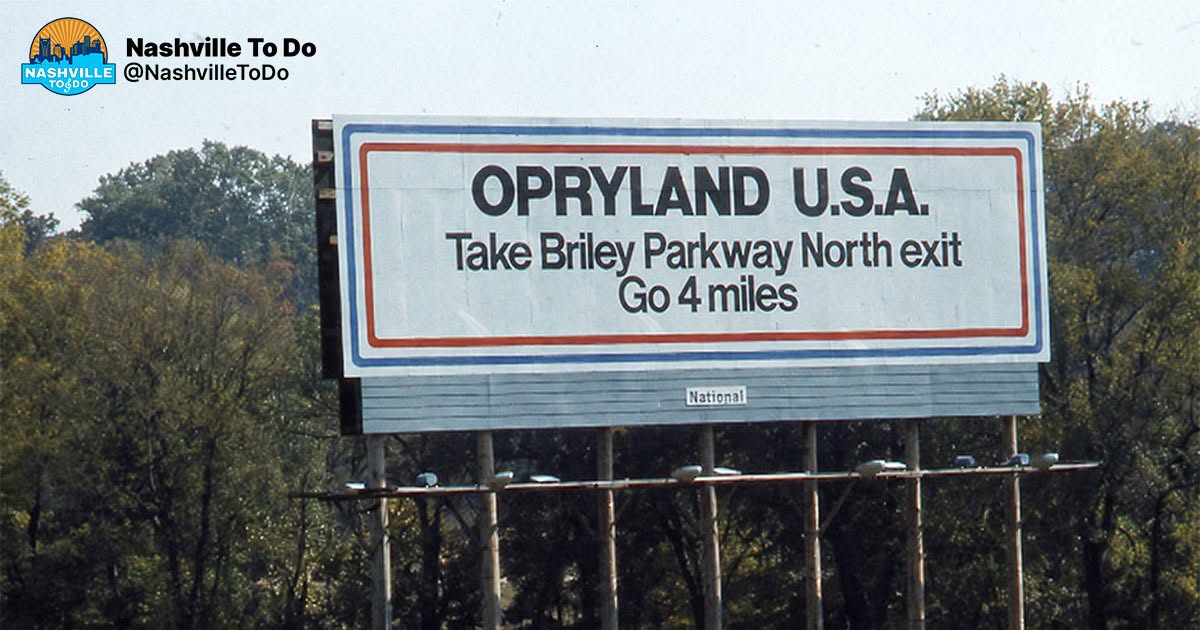
Opryland USA opened on May 27, 1972, beside the Cumberland River in Nashville. By the 1990s, the approximately 120-acre theme park had become one of the city’s biggest attractions, drawing families from across Tennessee and beyond.
And goodness, what a place it was.
Before Nashville became famous for rooftop bars and celebrity-owned honky-tonks, Opryland was where families went to spend an entire summer day.
The Wabash Cannonball sent riders looping upside down. The Grizzly River Rampage left people soaked. Chaos took visitors into a dark indoor world of lights, unexpected turns, and screams.
Then came the Hangman in 1995.
This enormous inverted roller coaster cost approximately $8.5 million and quickly became one of the park’s most recognizable attractions.
But Opryland wasn’t just about thrill rides.
Music was everywhere. Singers, dancers, musicians, and entertainers performed throughout the property. The park gave young performers a chance to develop their talents in the same city where country music careers were made.
For local families, Opryland wasn’t necessarily a once-in-a-lifetime vacation. It was somewhere you could return throughout the summer.
That’s what made losing it so painful.
Opryland closed permanently on December 31, 1997, even though later reporting confirmed that the park was still profitable.
The property became Opry Mills, which opened in 2000.
The decision remains one of Nashville’s most controversial tourism moves.
According to a Nashville Scene investigation, tourism officials later estimated that losing Opryland initially cost the city roughly 40 percent of its summer tourism business.
Here’s an interesting detail that many people have forgotten: The Grizzly River Rampage was used for qualifying events connected to the 1996 Atlanta Olympics.
A theme park water ride had a connection to Olympic competition.
Now that’s Nashville history.
Today, visitors can still explore the Opry area, including the Grand Ole Opry House and Opry Mills. But don’t mistake the shopping center for a continuation of the amusement park. The original rides and grounds are gone.
And if you think losing Opryland was heartbreaking, wait until you remember the place where Nashville spent its summer nights listening to live music.
2. The Outdoor Concert Venue Where the Parking Lot Was Part of the Experience
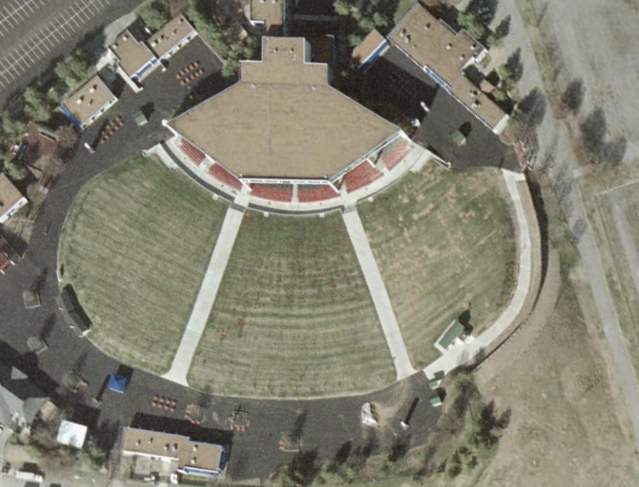
Starwood Amphitheatre opened in Antioch in 1986 and could accommodate approximately 17,000 concertgoers. Located along Murfreesboro Pike, it became one of Middle Tennessee’s defining outdoor music destinations throughout the 1990s.
If you attended a concert there, you probably remember two things.
The music was incredible.
Getting out afterward could test the patience of a saint.
Starwood was built for those big summer concert experiences. You could spread out on the lawn, settle into the grass, and watch the daylight slowly disappear while your favorite band performed.
The Tennessee humidity didn’t care how excited you were.
Neither did the traffic.
But once the music started, those inconveniences became part of the experience.
During the 1990s, Starwood welcomed major acts across rock, country, alternative, and pop music.
Aerosmith performed with Joan Jett in 1990. No Doubt and Weezer appeared together in 1997. The venue also hosted artists including Metallica, R.E.M., and Tom Petty during its history.
And there was something special about hearing music beneath an open Tennessee sky.
The stage lights looked brighter against the darkness. The crowd sounded enormous. Even the people sitting far back on the lawn felt connected to what was happening.
Here’s what newer Nashville residents might not realize.
Starwood wasn’t just a concert venue. It also hosted major community events, including high school graduations.
NASHtoday collected memories from former visitors, including Kimberly H., who recalled graduating from La Vergne High School there in 1995.
Imagine having your graduation ceremony at the same place where nationally famous musicians performed.
That’s a memory worth keeping.
Starwood operated through the 2006 concert season before being demolished in 2007.
The big practical lesson from its history is that an impressive concert lineup doesn’t guarantee a beloved venue will survive.
Its location and transportation challenges were real. Some people who loved the concerts absolutely did not love the parking situation.
Still, Nashville lost a special kind of outdoor music experience when those gates closed.
And while Starwood was where people went to hear the biggest performers, another little Nashville business was helping future musicians find their own sound.
3. The Tiny Record Store That Gave Nashville’s Outsiders Somewhere to Belong
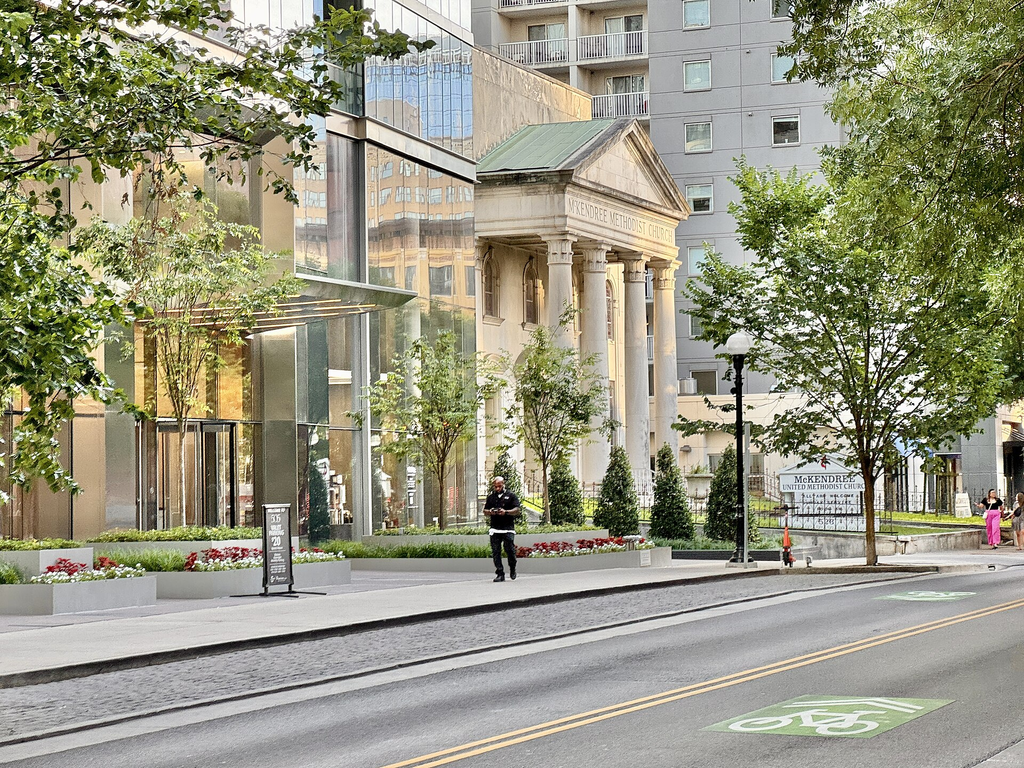
Lucy’s Record Shop opened in the summer of 1992 at 1707 Church Street. Founded by Mary Mancini, the independent store evolved into an all-ages music venue that helped shape Nashville’s underground punk and alternative scene.
This wasn’t the polished Nashville promoted in tourism brochures.
There were no celebrity rooftop bars or elaborate stage productions.
Lucy’s was about loud guitars, independent records, local bands, and young people who wanted something different from mainstream country music.
Picture the scene.
Posters advertise upcoming shows. Kids wearing band shirts gather around the entrance. Inside, musicians prepare to perform in a space small enough that the audience feels like part of the performance.
The music might be rough around the edges.
That was part of the appeal.
Acts associated with Lucy’s included Lambchop, Bikini Kill, Jawbreaker, Yo La Tengo, and They Might Be Giants.
Nashville Scene reporting documented how the little record shop became an important gathering place for young musicians and audiences who didn’t always feel welcome elsewhere.
And the whole thing happened remarkably quickly.
Lucy’s first official concert took place on December 3, 1992, with an audience of roughly 30 people.
Thirty people.
That’s barely enough to fill a large living room, yet the venue went on to influence an entire generation of Nashville’s independent music community.
The store was named after Mancini’s dog, Lucy, who became part of its identity.
The important detail for anyone exploring Nashville music history is that Lucy’s helped prove Music City was never just about country music.
There was a completely different creative world developing along Church Street.
Lucy’s closed on January 31, 1998, after more than five years of concerts, friendships, and record sales.
You can’t visit the original store today, but its history hasn’t disappeared. Mancini launched the Lucy’s Record Shop Podcast in 2022, preserving memories from people who helped build the scene.
For music lovers, those recordings offer something a souvenir shop can’t.
They reveal how a place can become important without ever becoming big.
And speaking of places where you could spend hours discovering something new, Green Hills once had a bookstore that people treated almost like a second home.
4. The Green Hills Bookstore Where Nobody Was in a Hurry
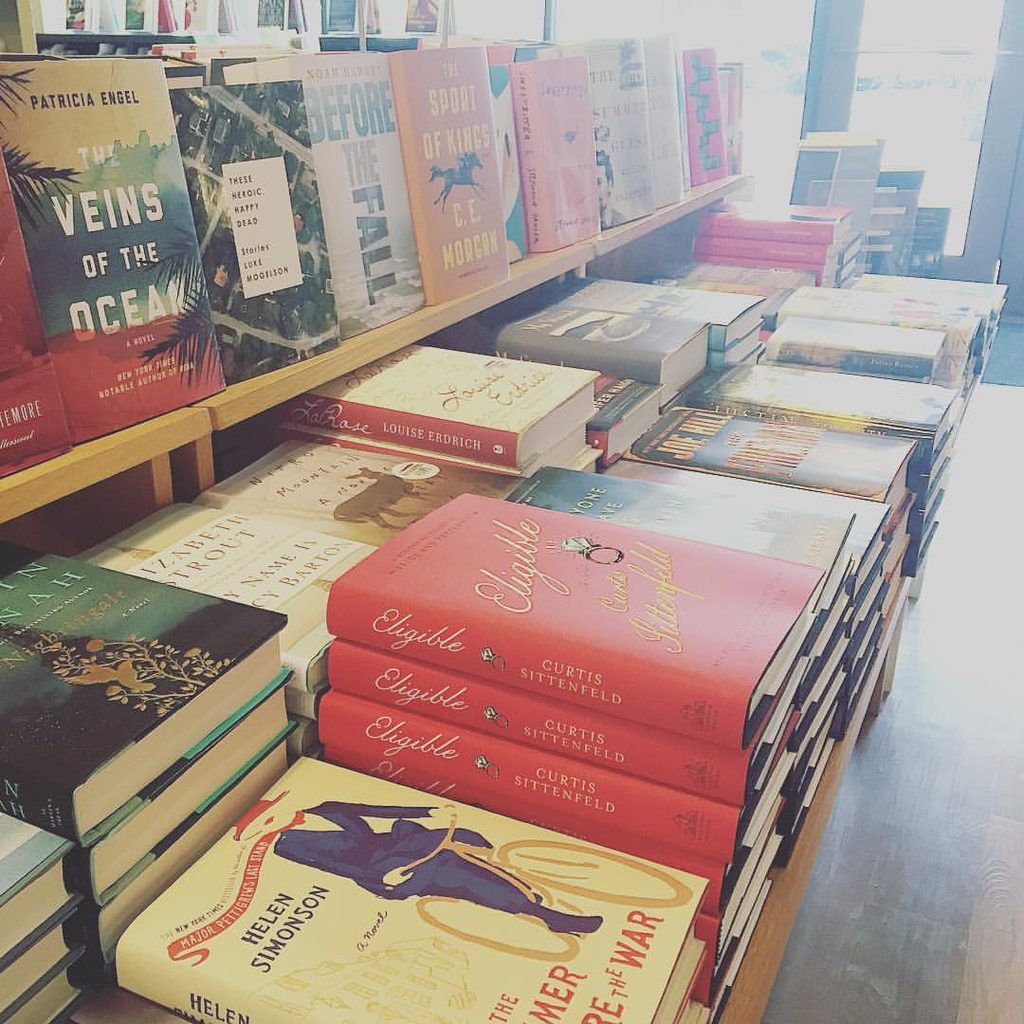
Davis-Kidd Booksellers was founded in October 1980 by Karen Davis and Thelma Kidd. Its beloved Grace’s Plaza location opened in Green Hills in 1988, eventually offering roughly 24,000 square feet of books, gathering spaces, and a restaurant.
If you remember this place, you probably remember the staircase.
It was broad, impressive, and surrounded by natural light.
Walking into Davis-Kidd felt different from entering an ordinary retail store.
Books covered the shelves. Customers wandered between sections, discovering titles they hadn’t planned to buy. Upstairs, the café gave people a reason to stay even longer.
You could browse, read, have lunch, and go right back to browsing.
Nobody needed to rush.
That was the beauty of it.
The restaurant, remembered as the Second Story Café and later associated with the Brontë name, became part of the bookstore experience.
For plenty of Nashville readers, lunch and books were practically inseparable.
And Davis-Kidd wasn’t simply a large place selling novels.
It hosted authors, children’s programming, and community events. The owners helped create a gathering place for people who loved stories and conversation.
Here’s the detail that makes its history especially interesting.
Davis-Kidd grew from a relatively small local bookstore into one of Nashville’s most important literary gathering places before its founders sold the business in 1997.
The company later moved its Nashville flagship to the Mall at Green Hills, but longtime readers often remember the Grace’s Plaza location most fondly.
The Nashville store closed in 2010.
Novelist Ann Patchett, speaking to the Nashville Scene, distinguished the original Grace’s Plaza store from its later version when discussing her affection for Davis-Kidd.
That distinction matters.
Sometimes a business survives a move, but the place people loved doesn’t quite survive with it.
Today, Nashville still has independent bookstores, including the literary culture that institutions like Davis-Kidd helped nurture.
But anyone hoping to revisit that particular staircase, café, and afternoon ritual is out of luck.
One practical piece of advice for nostalgia lovers: Don’t confuse the former Grace’s Plaza bookstore with its later mall location. They represent different chapters of the same business.
And while Green Hills readers were getting lost among books, Antioch families were spending entire Saturdays inside one of Tennessee’s biggest shopping destinations.
5. The Giant Antioch Mall Where Friday Night Was an Event
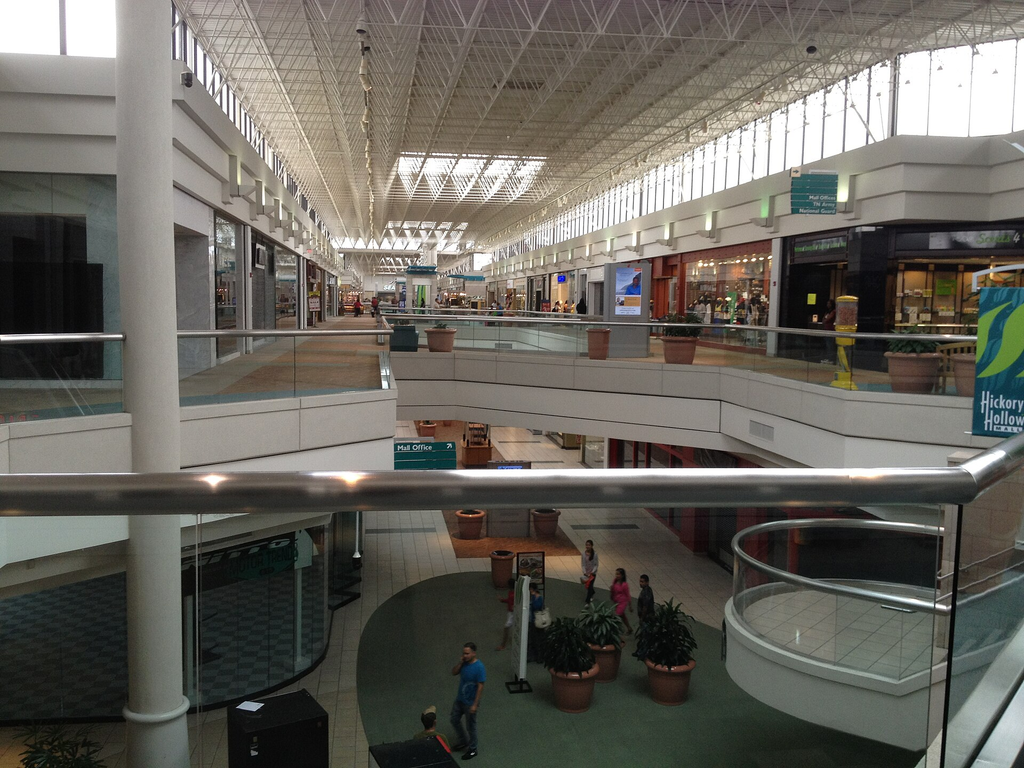
Hickory Hollow Mall opened in Antioch in 1978, but the 1990s brought some of its most memorable changes. A major expansion arrived in 1991, its food court grew in 1993, and the Hickory 8 movie theater opened outside the mall in 1997.
If you grew up in South Nashville or Antioch, you already know.
Hickory Hollow wasn’t just somewhere to buy clothes.
It was where people went.
The enormous interior featured multiple shopping levels, a glass-roofed central area, and architectural features that made it feel bigger than everyday life.
There was a glass elevator.
There were water features.
And there were enough stores to turn a quick shopping trip into a major family outing.
Back then, teenagers didn’t need an elaborate itinerary for Friday night.
Walking through the mall was the itinerary.
You could browse for music, look at clothes, meet friends near the food court, and spend far more time wandering than shopping.
Parents had their own reasons for visiting.
Department stores made Hickory Hollow a destination for school clothes, Christmas gifts, and household shopping.
The mall also reflected a changing Nashville.
As more shopping centers appeared throughout Middle Tennessee, Hickory Hollow expanded to stay competitive.
And it worked for years.
The mall’s 1991 expansion helped it compete with a wave of newer Nashville-area shopping centers, including Bellevue Center and CoolSprings Galleria.
But eventually, the retail landscape changed.
Department stores changed ownership. Shopping habits shifted. The mall gradually lost the energy that had made it a regional destination.
It was later renamed Global Mall at the Crossings.
The old enclosed shopping experience eventually disappeared, although parts of the property found new purposes.
Metro Nashville has pursued plans to transform the former mall area into a community-oriented destination, and portions of the complex have been used for educational and public facilities.
That’s an important distinction.
The property didn’t simply vanish.
What disappeared was the experience of gathering beneath that glass roof.
For visitors exploring Antioch today, the former mall area is a piece of local retail history, not a place to recreate a 1990s shopping afternoon.
And on the opposite side of Nashville, another mall represented an entirely different neighborhood’s coming-of-age story.
6. The West Nashville Mall That Opened With So Much Promise
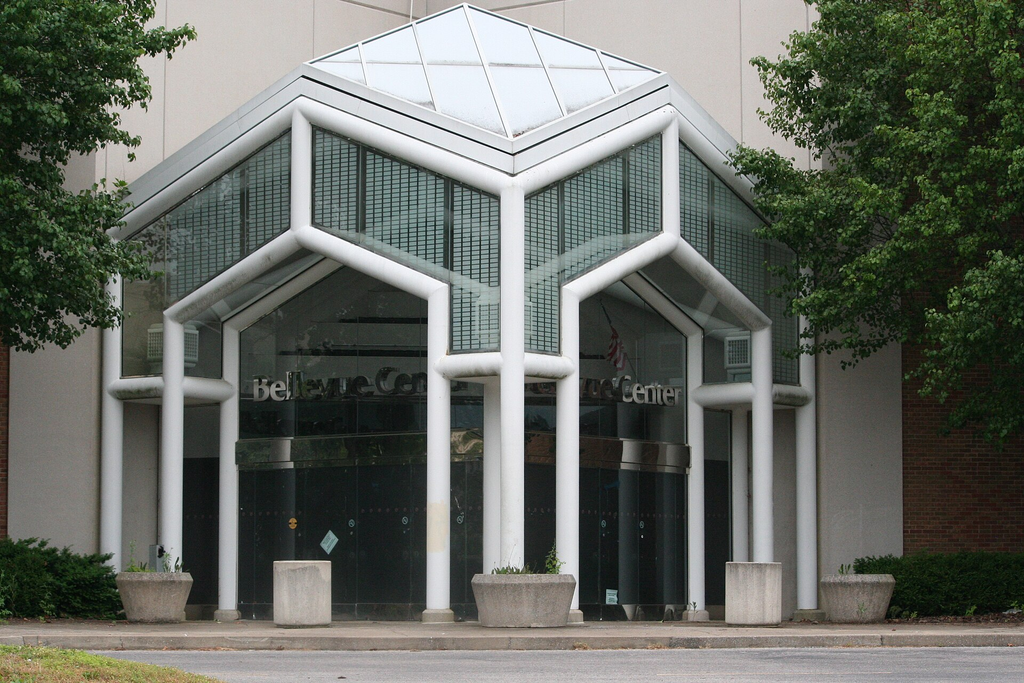
Bellevue Center opened on August 9, 1990, bringing a major enclosed shopping mall to Nashville’s western neighborhoods. Castner Knott and Dillard’s were among its original department-store anchors.
It arrived at just the right moment for families who wanted a shopping destination closer to home.
Before Bellevue Center, a major mall trip could mean driving farther across Nashville.
Now there was a large indoor shopping destination right in the neighborhood.
And for children and teenagers growing up during the 1990s, that meant something.
You could head to the mall to find an outfit, look for a birthday gift, or simply enjoy being somewhere with other people.
The storefronts were bright.
The department stores were full of possibilities.
And the familiar walk through the corridors became part of everyday life.
Bellevue Center had stores that many 1990s shoppers will recognize, including KB Toys, Gap, and Limited Too during its history.
Those names alone can bring back memories.
Remember when visiting a toy store meant standing in front of shelves and trying to decide what you wanted most?
Or when back-to-school shopping included trying on clothes instead of scrolling through photographs?
Here’s the interesting part.
Bellevue Center opened during the same decade that many people now consider the golden age of American mall culture, yet the enclosed mall survived less than 18 years.
The property struggled as shopping patterns and regional competition changed.
Bellevue Center closed in May 2008.
Its former site was eventually redeveloped into One Bellevue Place, creating a new retail and entertainment district.
For visitors today, that’s the destination to recognize.
The old enclosed mall isn’t waiting behind the newer storefronts.
It was demolished.
And while the redevelopment brought new businesses and activity to the area, it also marked the end of a particular Bellevue experience.
The loss is especially meaningful because malls served a purpose that online shopping has never completely replaced.
They were places to wander.
You didn’t need to know exactly what you were looking for before arriving.
Sometimes the best part of the trip had nothing to do with buying anything.
But enough shopping for a minute.
Because Nashville once had a baseball stadium where the scoreboard was almost as famous as the players.
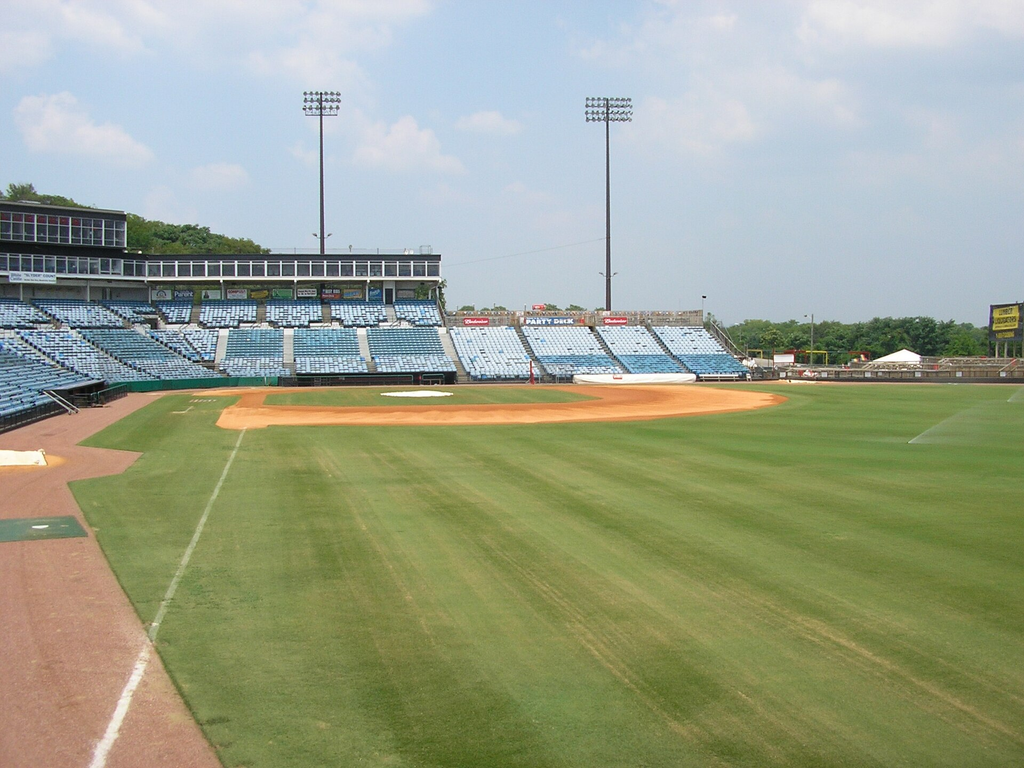
7. The Baseball Stadium With a Giant Guitar Watching Over Every Game
Herschel Greer Stadium opened in 1978 near Fort Negley, just south of downtown Nashville. Throughout the 1990s, it was home to the Nashville Sounds, and in 1993 the ballpark gained its famous guitar-shaped scoreboard.
Now that was a Nashville touch.
Forget a plain rectangle displaying runs and strikes.
Greer had an enormous guitar towering beyond the outfield.
It was the kind of thing that immediately told visitors they were watching baseball in Music City.
But the scoreboard wasn’t the only reason people loved Greer.
There was something wonderfully ordinary about spending a warm evening at the ballpark.
You could hear the crack of the bat, the crowd reacting to a close play, and the announcements echoing across the stadium.
The smell of ballpark food drifted through the seating areas.
Families settled in to watch the Sounds.
Children learned the game one inning at a time.
And the whole evening could become a lasting memory even when nobody remembered the final score.
Greer wasn’t a luxury entertainment complex.
It was a hometown baseball park.
And Nashville supported it in a big way.
The Nashville Sounds drew a then-stadium-record 605,122 fans during the 1990 season.
That’s a remarkable figure for a minor-league team.
It also shows just how important baseball had become to Nashville families before today’s downtown stadium existed.
The Sounds played their final season at Greer in 2014 before moving to First Horizon Park in 2015.
Greer Stadium was demolished in 2019.
But the guitar scoreboard has its own unusual story.
Instead of disappearing completely, the iconic structure was preserved and incorporated into the Nashville Warehouse Company development near the old stadium area.
So here’s the insider detail.
If you want a connection to the old Greer experience, the surviving scoreboard is a far better piece of nostalgia to seek out than the former ballpark grounds.
The Sounds are still playing baseball in Nashville.
What disappeared was the stadium where so many local families first fell in love with the game.
And after an evening at Greer, there was another kind of Nashville tradition that involved absolutely no fancy dress code.
Just a cheeseburger nobody could quite forget.
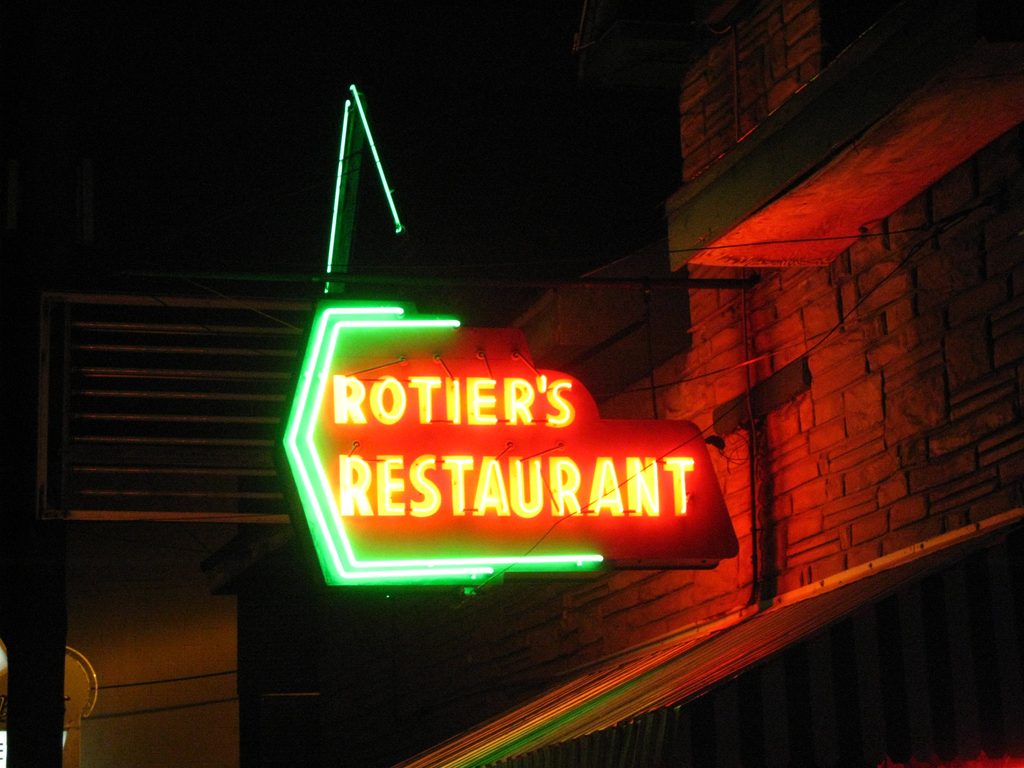
8. The Little Restaurant That Made a Cheeseburger Worth Remembering
Rotier’s Restaurant opened in 1945 at 2413 Elliston Place, near Vanderbilt University and Centennial Park. By the 1990s, the family-owned restaurant had already become a Nashville institution, especially for its famous cheeseburger served on French bread.
Not a regular hamburger bun.
French bread.
That was the whole point.
Rotier’s didn’t need an elaborate menu description or fancy presentation.
The appeal was simple food made with a strong sense of tradition.
Imagine a thick, seasoned burger tucked between pieces of toasted bread.
The exterior offers a little crunch.
Inside, there’s the comforting combination of beef, cheese, and everything people associate with a classic diner meal.
The restaurant itself had an old-school atmosphere that matched the food.
This wasn’t the sort of place designed around fashionable restaurant trends.
It was the kind of place where the booths, the familiar menu, and the family behind the counter were part of its identity.
And the customer base reflected Nashville.
Students, neighborhood regulars, visitors, and people connected to the city’s music industry could all appreciate a good burger.
Here’s what makes Rotier’s especially memorable.
The restaurant served Nashville for more than 75 years before closing in 2021.
That’s longer than many of today’s major restaurant concepts have even existed.
The family business survived decades of changing neighborhoods and dining trends.
But the pandemic and problems involving the restaurant’s lease eventually brought its long run to an end.
Eater Nashville reported that the building’s new owners would not renew the family’s lease.
When the closure became public, longtime owner Margaret Ann Rotier Crouse spoke with local reporters about the emotional difficulty of losing the business her parents had loved.
And that’s the part worth remembering.
Rotier’s wasn’t famous because it was complicated.
It was famous because generations of people knew what they were going to get.
Today, the original restaurant is closed, so don’t follow an old dining recommendation expecting to find that same cheeseburger waiting.
Its history is still worth exploring, though.
In 2023, Nashville restaurant The Pharmacy participated in a tribute to classic closed restaurants that included a version inspired by Rotier’s burger.
That’s how you know a restaurant made an impression.
Even after the doors close, people keep trying to bring back the taste.
But the next place represents something Nashville lost that goes much deeper than dinner.
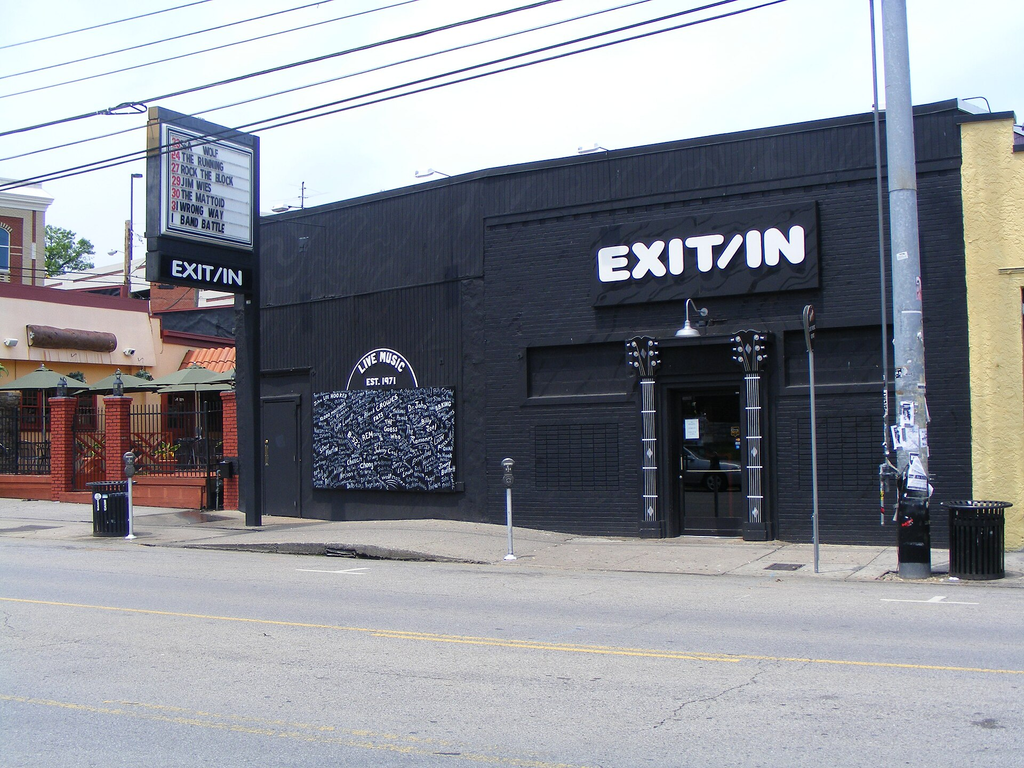
9. The Small Church Street Shop That Proved Nashville Was More Than Country Music
328 Performance Hall was one of Nashville’s important live-music venues during the 1990s. Part of the city’s alternative and rock scene, it operated during an era when downtown music culture stretched far beyond the honky-tonks of Lower Broadway.
The name was simple.
The impact was not.
During the 1990s, Nashville’s national reputation was still closely tied to country music.
But musicians and audiences interested in rock, alternative, and independent sounds had their own network of venues.
328 Performance Hall was part of that world.
So were places like Exit/In, 12th & Porter, and the Cannery.
Together, they gave touring acts and local performers places to build audiences outside Nashville’s most famous musical tradition.
Picture a concert where the focus isn’t on celebrity branding or an elaborate production.
The stage is lit.
The band is playing.
The audience is packed together, paying attention to the music rather than the decorations.
There’s an excitement that comes from seeing performers in a room where the sound and the audience are the main attraction.
That was the kind of live-music culture these venues helped sustain.
Here’s the part worth understanding.
328 Performance Hall was demolished in 2002 as part of downtown redevelopment connected to the Gateway Bridge project.
It wasn’t simply a matter of a music venue changing names.
The physical space disappeared as Nashville continued transforming its downtown landscape.
The Tennessee Encyclopedia identifies 328 as part of the city’s important alternative-music infrastructure during the 1980s and 1990s.
For anyone researching this era, that’s an important distinction.
Nashville’s musical identity has always been broader than the country music industry.
The city had independent bands, underground communities, and smaller concert spaces that helped musicians establish themselves.
And those venues gave audiences something equally important.
A place to discover performers before everyone else knew their names.
Today, Nashville still has an active independent music scene, but you can’t attend a show at the original 328.
The practical takeaway for music-history lovers is to look beyond Broadway when exploring the city’s past.
Some of Nashville’s most influential creative spaces were nowhere near its most famous tourist attractions.
And thankfully, our next stop is a little lighter.
Because another 1990s Nashville landmark was where people went to celebrate the happy moments in life.
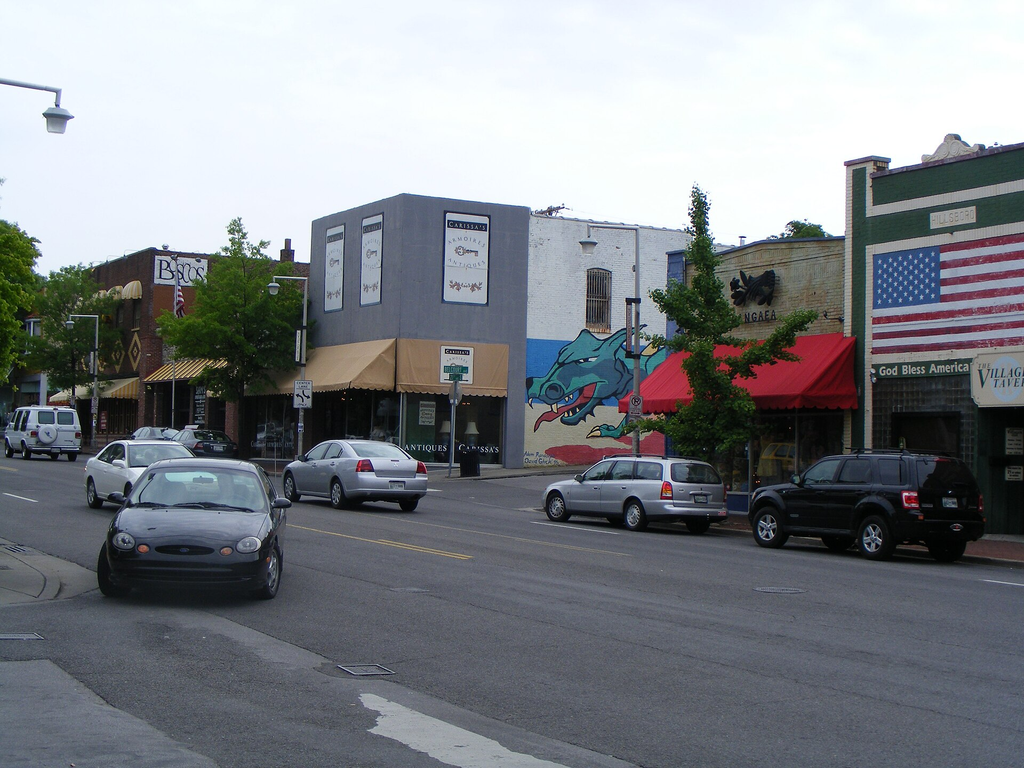
10. The Hillsboro Village Restaurant Where Special Occasions Felt Extra Special
Sunset Grill opened around 1990 at 2001 Belcourt Avenue in Hillsboro Village. Founded by Nashville restaurateur Randy Rayburn, it became one of the neighborhood’s influential dining destinations during the city’s changing restaurant scene.
And this wasn’t just somewhere to grab a quick bite.
Sunset Grill helped turn dinner into an occasion.
Hillsboro Village was developing its identity as a destination for independent shops, entertainment, and dining.
Sunset Grill became part of that neighborhood story.
Think about the feeling of getting ready for a special dinner.
You choose an outfit.
You look forward to the meal.
And the restaurant itself becomes connected to whatever you’re celebrating.
Maybe it’s a birthday.
Maybe it’s a graduation.
Maybe it’s an anniversary that deserves somewhere a little nicer than the usual weeknight restaurant.
That was the kind of role Sunset Grill played in Nashville’s dining culture.
And there’s a documented example of just how personal those memories became.
City Cast Nashville collected recollections from readers about businesses they missed, including a visitor who remembered celebrating her parents’ anniversary and her own high school graduation at Sunset Grill.
Those are the memories that make a restaurant matter.
The food is important, of course.
But years later, people often remember the person sitting across the table just as clearly as the meal.
Here’s what surprises some newer Nashville residents.
Sunset Grill served its final dinner on New Year’s Eve 2014, ending approximately 24 years in Hillsboro Village.
Its closure wasn’t simply because the neighborhood had stopped attracting diners.
Nashville Scene reporting explained that Rayburn made the difficult business decision to focus on his other restaurants.
That’s an important reminder that even respected and popular local restaurants face financial pressures.
Today, Hillsboro Village remains an area for dining, shopping, and exploring.
But Sunset Grill itself is gone.
If you’re visiting the neighborhood, don’t expect to find the original restaurant at its former Belcourt Avenue address.
Instead, recognize that you’re walking through an area where Nashville’s independent restaurant culture helped shape the neighborhood’s identity.
And now comes one of the most emotionally difficult losses on this list.
Because the next Nashville landmark didn’t simply close during a changing retail era.
Its final chapter was connected to one of downtown’s darkest days.
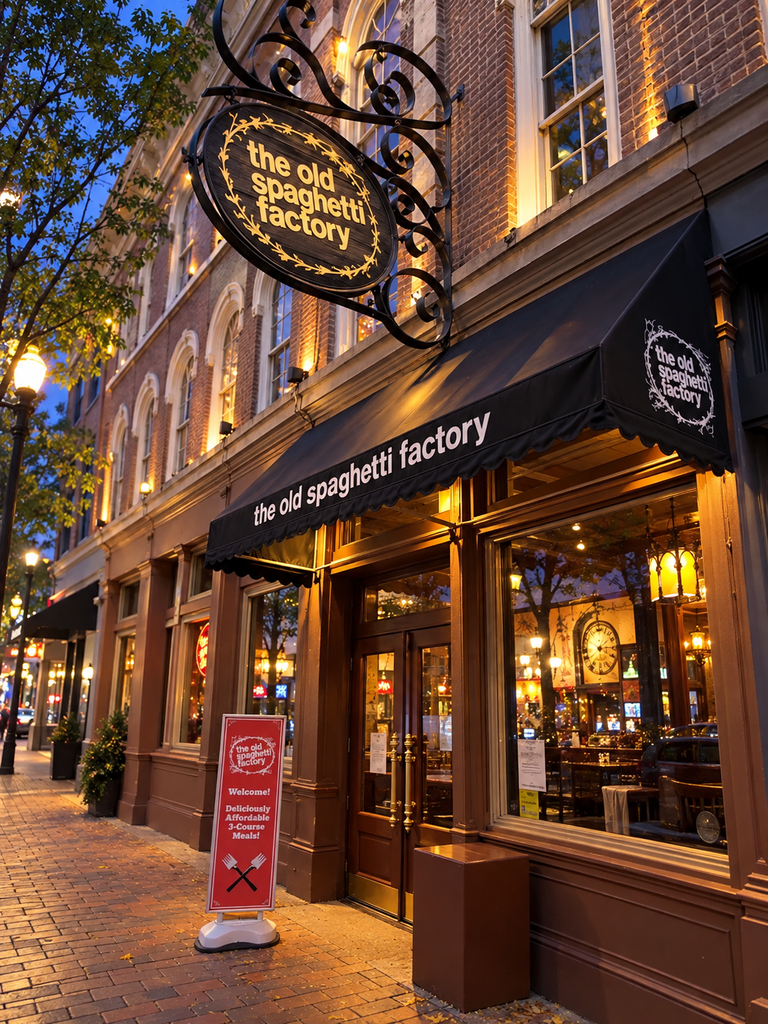
11. The Downtown Restaurant Where You Could Eat Dinner Inside a Streetcar
The Old Spaghetti Factory operated at 160 Second Avenue North in downtown Nashville for roughly 40 years. During the 1990s, it was one of the city’s memorable family dining destinations, known for its historic surroundings, Italian meals, and unusual interior.
And yes, there really was a streetcar inside.
For children, that alone could make dinner feel like an adventure.
Instead of walking into an ordinary restaurant, visitors entered a space filled with old-fashioned decorations, stained glass, antique-style furnishings, and a full-sized trolley car used as a dining area.
The surroundings made everything feel a little more exciting.
Spaghetti arrived at the table.
Bread was passed around.
And dessert offered one more reason to enjoy the outing.
The restaurant’s familiar multi-course meals and spumoni ice cream became part of the experience for generations of Nashville families.
It wasn’t necessarily about finding the most sophisticated Italian food in Tennessee.
That wasn’t the point.
It was about being somewhere that felt special.
During the 1990s, downtown Nashville was very different from the tourist destination it has become today.
Second Avenue had its own restaurants, nightlife, and historic buildings, long before modern downtown development transformed the area.
The Old Spaghetti Factory was part of that earlier downtown identity.
And for many local families, it was a familiar reason to make the trip into the city.
Then came Christmas morning in 2020.
A bombing on Second Avenue devastated part of downtown Nashville, damaging buildings and changing the lives of people connected to the area.
The Old Spaghetti Factory was among the businesses affected.
In February 2021, the restaurant announced it would not reopen after its landlord terminated its lease following the bombing.
Eater Nashville documented the reaction to losing the longtime restaurant and the memories connected to it.
The closure carried a different weight from an ordinary restaurant shutdown.
It happened in the aftermath of a traumatic event that Nashville continues to remember.
For visitors today, historic Second Avenue remains an important part of downtown’s story.
But the original Old Spaghetti Factory and its beloved trolley-car dining experience are no longer operating there.
Sometimes the saddest thing about an old restaurant isn’t that the food is gone.
It’s realizing you’ll never sit around those exact tables with those same people again.
And there’s one final Nashville institution worth remembering, especially if your favorite 1990s shopping trip involved music instead of clothes.
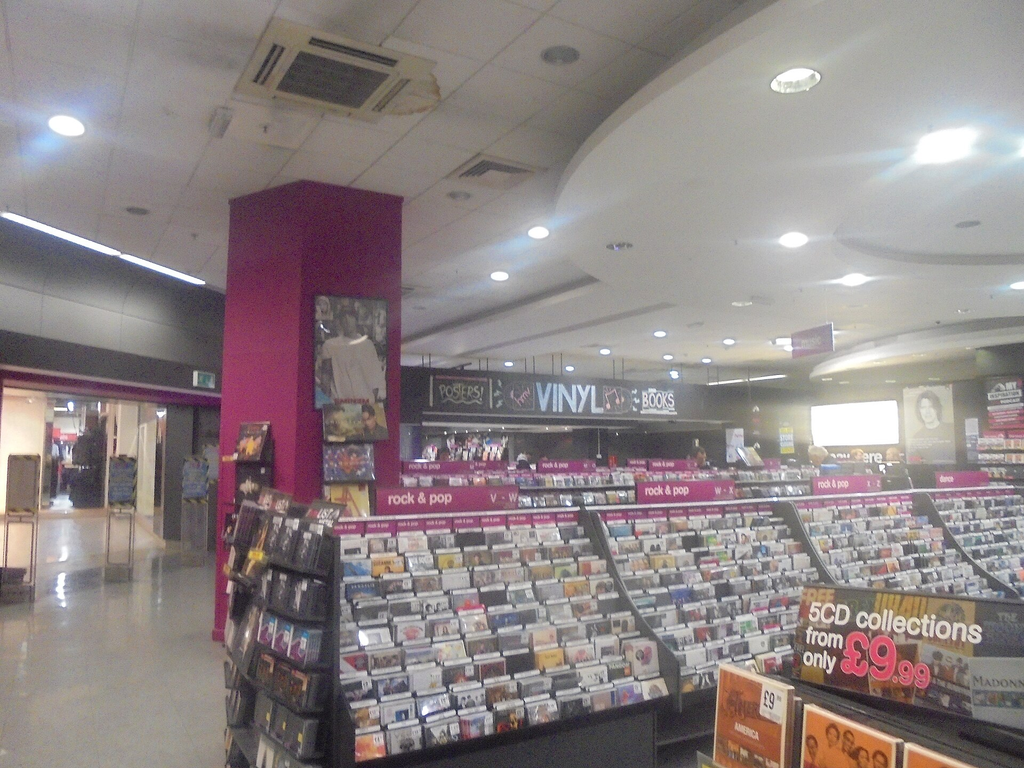
12. The West End Music Store Where Finding One CD Could Take an Entire Afternoon
Tower Records operated a prominent store on West End Avenue during the 1990s and became an important destination for Nashville music lovers. The store remained a major part of local music retail until the national chain’s collapse in 2006.
Before streaming, discovering music required a little more effort.
And sometimes, that was half the fun.
You walked into a record store with something specific in mind.
Maybe you wanted the latest album from a favorite singer.
Maybe you’d heard a song on the radio and wanted to know what else that artist had recorded.
Or maybe you had absolutely no idea what you wanted.
That was perfectly fine, too.
You could wander between shelves, look at album covers, read the back of CD cases, and discover performers you hadn’t heard of before.
The experience was physical.
You held the music in your hands.
You studied the artwork.
You made a decision about which album deserved a place in your collection.
And in Nashville, where so many residents had connections to the music business, a store like Tower Records fit naturally into the city’s identity.
It wasn’t only a retail destination.
It was a place where music fans could exchange recommendations and find unfamiliar sounds.
Here’s what makes the timing interesting.
Tower Records closed its Nashville stores in December 2006, just as digital music was fundamentally changing how people discovered and purchased songs.
WPLN reported on the final days of the Nashville stores, including the flagship West End location.
The reporting captured something bigger than the closure of a retail chain.
People were losing a familiar way of experiencing music.
Today, finding a song takes seconds.
A recommendation can lead immediately to an entire album.
That’s wonderfully convenient.
But something disappeared when browsing became something people mostly did on screens.
If you’re exploring Nashville’s music history, remember that the West End Tower was part of a broader network of stores, record shops, and independent venues that helped connect artists with listeners.
And no, this isn’t an argument that everything was better before streaming.
It’s simply a reminder that convenience and experience aren’t always the same thing.
Sometimes the search was every bit as enjoyable as the discovery.
The Unexpected Fact About Nashville’s Lost 1990s Landmarks
Here’s a Nashville history detail that still deserves more attention: Opryland’s Hangman roller coaster, introduced in 1995, didn’t disappear when the park closed. It was relocated to California, where it became known as Kong at Six Flags Discovery Kingdom. Meanwhile, much of the original Opryland experience disappeared from Nashville forever.
And Opryland wasn’t the only place whose physical legacy outlived its original home. Greer Stadium’s giant guitar scoreboard survived the demolition of the ballpark. Lucy’s Record Shop lives on through recorded stories. Even Rotier’s famous burger has inspired later restaurant tributes.
That’s what makes these 12 places so interesting. Nashville didn’t lose all of them in the 1990s. Some survived for another decade or two, giving different generations their own memories before the doors finally closed.
Nashville has gained plenty over the years, and there’s still much to love about Music City. But new buildings can’t recreate every family outing, summer concert, first date, or Saturday afternoon that happened in the old ones.
Sometimes what we miss most isn’t the place itself. It’s the Nashville we remember being there.