
You can spend a small fortune chasing a picture-perfect Christmas getaway, but Tennessee already has towns where the old theater, courthouse square, brick sidewalks and glowing shop windows come built in.
After digging through tourism records, town histories, festival schedules and current 2026 event information, these 12 places stood out. And here’s the thing: some look even more convincing when the Christmas decorations come down.
The Tennessee Town That Was Telling Stories Before Tennessee Was a State
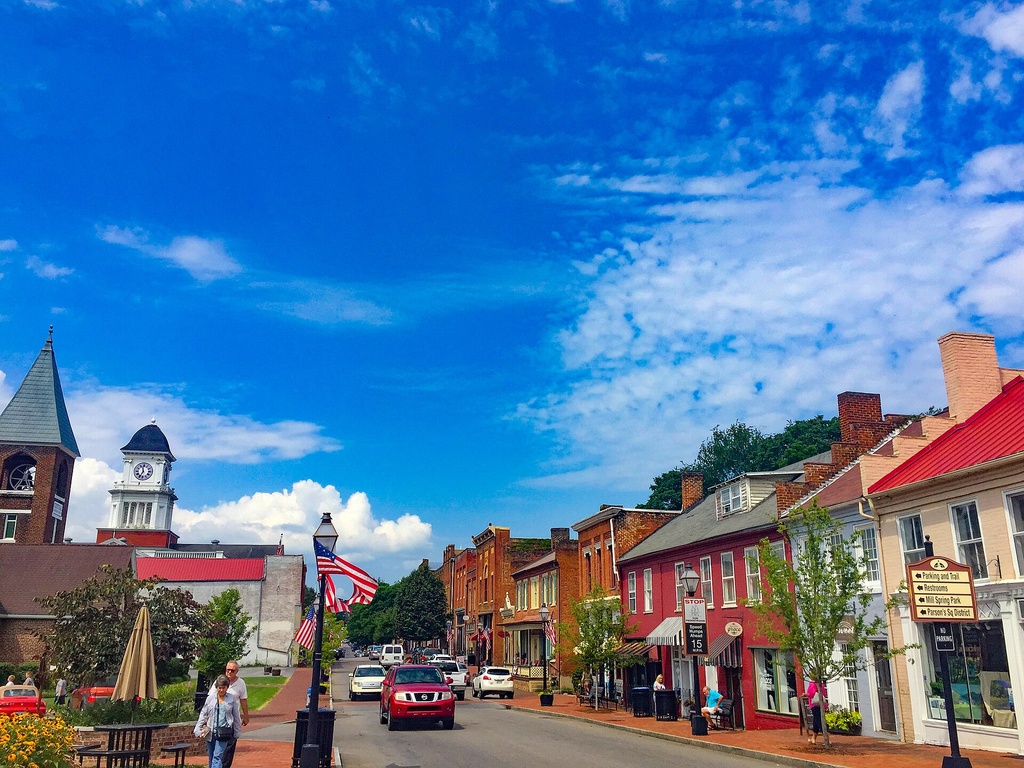
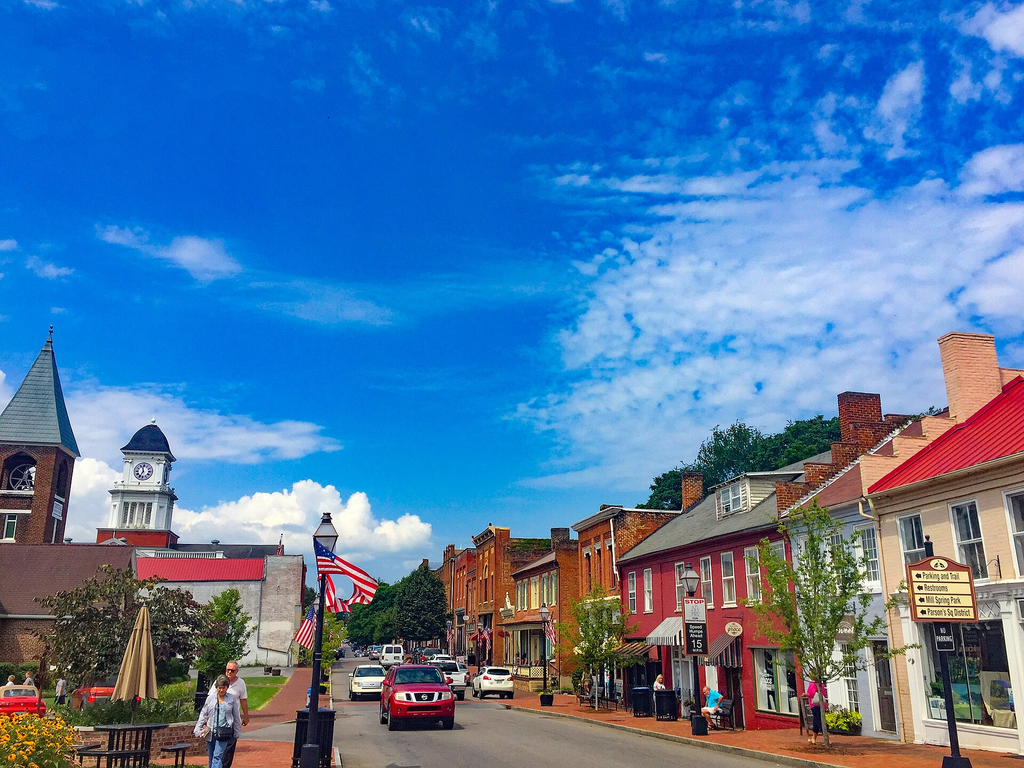
Jonesborough was founded in 1779, a full 17 years before Tennessee became a state. Today, Tennessee’s oldest town still revolves around a walkable historic district filled with old buildings, independent shops and the Chester Inn, which dates to 1797.
Walk Main Street slowly and the modern world seems to loosen its grip.
Brick and old-fashioned streetscapes frame storefront windows. The Chester Inn sits there like somebody forgot to tell it two centuries have passed. Around the holidays, wreaths, lights and a downtown Christmas tree push the whole scene straight into Christmas-movie territory.
Then there is Jonesborough’s other identity.
This is Tennessee’s Storytelling Capital, home to the International Storytelling Center and the National Storytelling Festival, which traces its beginnings to a small 1973 gathering of fewer than 60 people.
Here’s what catches people off guard.
Jonesborough was already 17 years old when Tennessee became a state in 1796.
Christmas is when the movie-set comparison gets especially hard to ignore. Seasonal programming has included carriage rides, Christmas markets, Santa activities, holiday shopping and a nighttime lighted parade through the historic district.
For 2026, Christmas in Olde Jonesborough events are again spread across the season, so check the town’s current schedule before choosing a weekend. Some activities happen only on particular Saturdays.
The trap is assuming you need to rush through town on the way to somewhere else in East Tennessee.
Don’t.
Jonesborough works because you can park, walk and let the place unfold at a slower speed. Give yourself time to notice the old buildings rather than treating Main Street like a photo stop.
And if Jonesborough feels like somebody built a Christmas movie around Tennessee history, the next town shrinks the same idea down to a railroad village you can practically cross on foot.
The Tiny Railroad Town Where Victorian Tennessee Never Quite Left
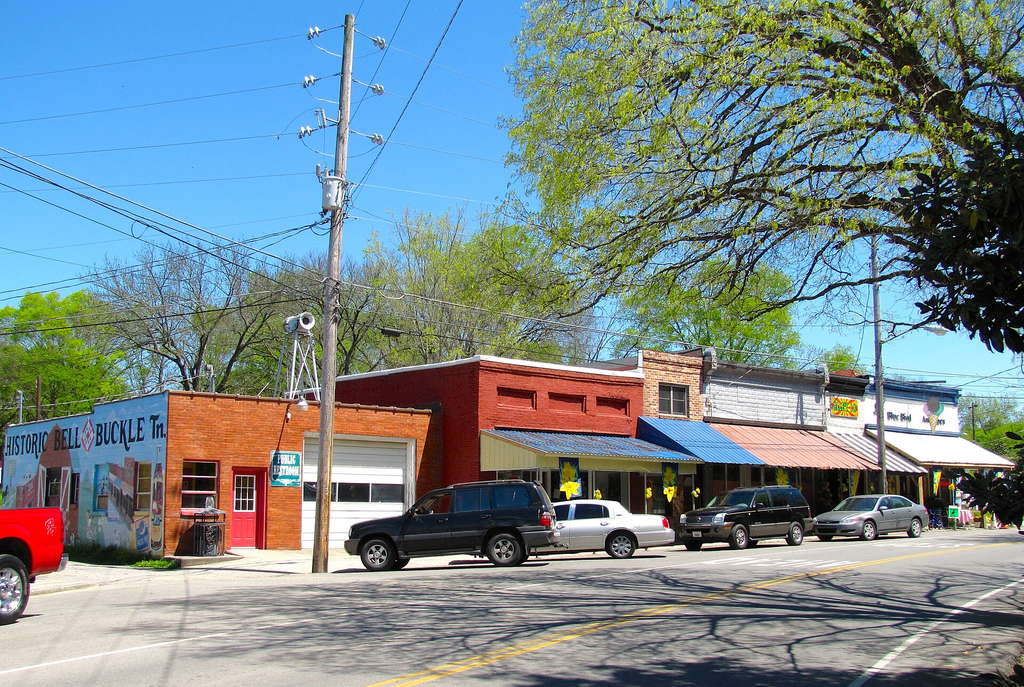
Bell Buckle grew around the railroad in the 1850s, with its biggest period of prosperity arriving between roughly 1870 and 1900. Its historic district, stretching from downtown toward The Webb School, was added to the National Register of Historic Places in 1976.
This is small-town Tennessee without much effort required.
Colorful storefronts sit close together. Porches, antique shops, old churches and Victorian buildings share the scene with the railroad that helped create the community in the first place.
Then the countryside takes over almost immediately beyond town.
That matters.
Bell Buckle does not give you three pretty blocks surrounded by miles of suburban development. Rolling farmland and Tennessee walking-horse country help preserve the feeling that you have slipped into an older version of Middle Tennessee.
Here’s what catches people off guard.
Bell Buckle’s historic character is tied directly to its railroad-era boom, and much of that Victorian atmosphere is still visible today.
December turns up the effect.
The 2026 Old Fashioned Christmas is scheduled for December 5, 12 and 19 from 11 a.m. to 4 p.m. Seasonal activities include free sleigh rides with Santa, carolers and a s’mores pit. The town also has its Quilted Christmas celebration.
That is about as close as Tennessee gets to somebody yelling “action” on a Christmas set.
The insider move is to visit outside the biggest festival weekends if your priority is photography and leisurely shopping. Bell Buckle’s small scale is part of its charm, but it also means a popular event can change the feel of downtown quickly.
And don’t write Bell Buckle off after December. Daffodil season brings another completely different look to the surrounding countryside.
If Hallmark ever needs a Tennessee spring movie, the set is already waiting.
But the next town does Christmas on a much bigger stage.
The Main Street That Practically Comes With Its Own Christmas Script
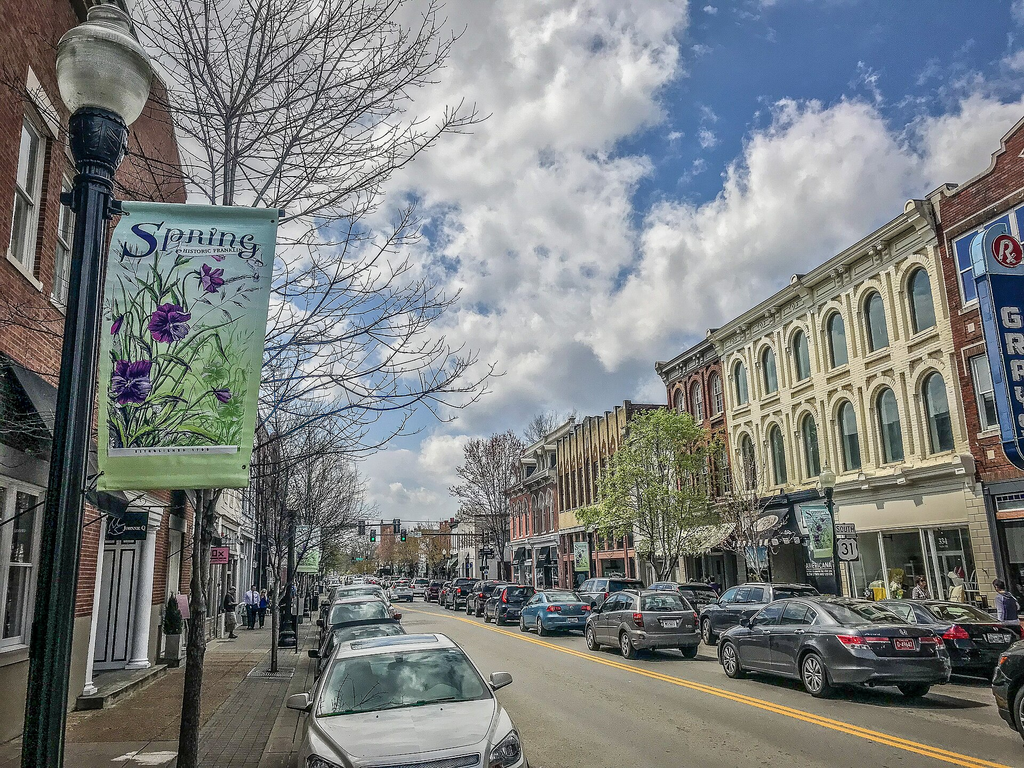
Franklin is larger and more polished than most towns on this list, but its historic Main Street earns its place. The downtown core combines preserved brick buildings, independent businesses and the restored 1937 Franklin Theatre with its unmistakable old-school marquee.
You know the view before you even know why it works.
Brick storefronts pull your eyes down Main Street. Shop windows glow after sunset. The theater marquee adds a warm splash of old Hollywood over the sidewalk.
During the holidays, garland, lights, decorated windows and the downtown Christmas tree do the rest.
Even Franklin’s own tourism organization has compared Main Street at Christmas to a Hallmark movie set.
Here’s what catches people off guard.
Franklin does not merely resemble the Christmas-town fantasy. Its annual Dickens of a Christmas celebration fills the historic district with Victorian characters, carolers and period-inspired holiday scenes.
That’s the weekend when the comparison becomes almost comically accurate.
Costumed Dickens characters move through streets lined with buildings that already look the part. Add artisans, performers and Father and Mother Christmas, and suddenly the only thing missing is the big-city executive who has returned home to save the family bakery.
Here’s the trick.
Franklin is not undiscovered, and you shouldn’t plan as though it is.
If you want quiet storefront photographs and time to wander, choose a regular weekday rather than arriving in the middle of one of downtown’s biggest events. Festival days are about atmosphere and crowds. Ordinary days are better for seeing the architecture.
Parking and traffic also require more patience here than in tiny places like Bell Buckle. Give yourself time instead of circling Main Street expecting a space directly in front of your destination.
Franklin is Tennessee’s polished Christmas movie.
The next place feels more like the town the movie’s grandmother never left.
The River Village That Decided Modern Life Could Wait
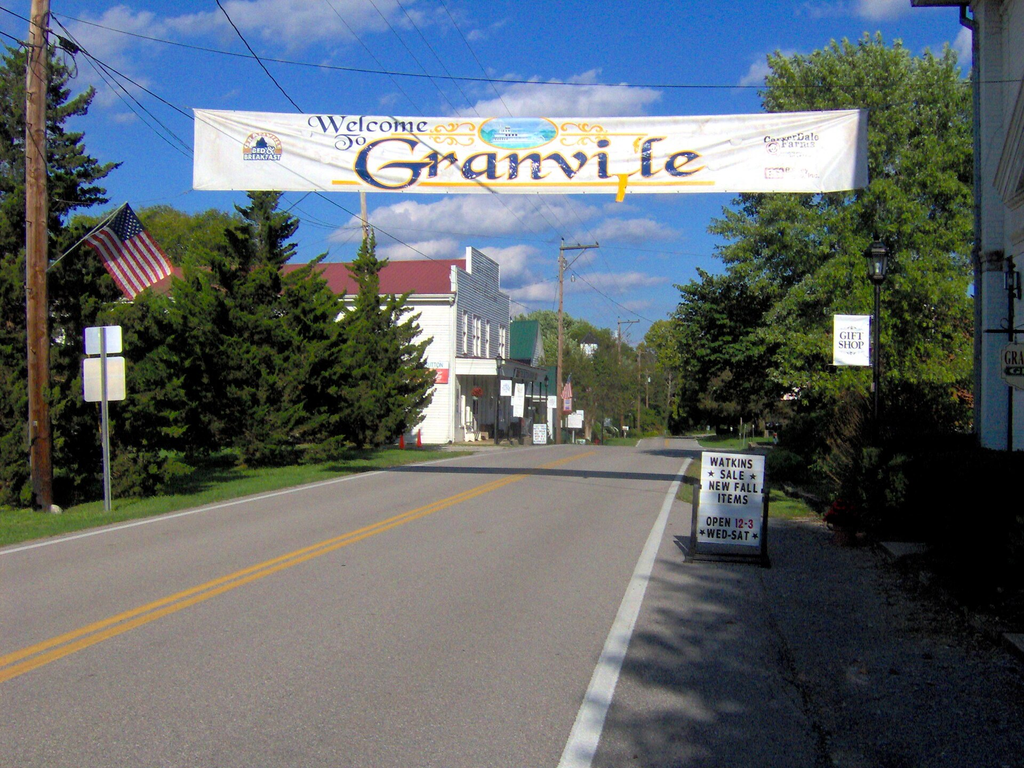
Granville sits along Cordell Hull Lake about an hour east of Nashville and openly leans into nostalgia. Historic Granville calls the community “Tennessee’s Mayberry Town,” and its collection of preserved buildings includes the T.B. Sutton General Store, Sutton Homestead, Pioneer Village and museum exhibits.
This place feels different almost immediately.
Instead of one historic building surrounded by modern development, Granville gives you a collection of old structures, porches, cabins and exhibits built around the rhythms of a small Tennessee community.
The Sutton Homestead dates to the 1880s. Pioneer Village includes an 1820s cabin, a blacksmith shop and a grist mill.
You can almost hear the screen door slap shut.
Christmas adds trees, decorations, performances and old-fashioned community events rather than simply covering everything in commercial lights.
Here’s what catches people off guard.
Granville’s 2026 Christmas season begins November 13, with Country Christmas scheduled for December 12.
The holiday calendar includes decorated historic spaces, seasonal shopping and special performances. The popular Mayberry Christmas Dinner Theatre is scheduled on select December dates, and reservations are required.
That last part matters.
Granville is not a place to treat like a roadside attraction that will automatically be operating whenever you pull into town. Much of Historic Granville is volunteer-powered, and operating days are limited.
Check the current calendar before driving out.
That is the trap here. A spontaneous Monday road trip may give you a peaceful look at the area, but it may not give you access to the attractions you came to see.
For the full nostalgia effect, time your visit around an operating day and allow enough time to wander instead of rushing through the museums.
Granville recreates pieces of Tennessee’s past.
The next place actually began as a Victorian experiment in the Tennessee woods.
The Village That Plans to Celebrate Christmas Like It’s Still 1880
Historic Rugby was founded in 1880 on Tennessee’s Cumberland Plateau. Unlike a modern downtown decorated to look old, Rugby is a preserved Victorian-era settlement with historic homes, wooded lanes and the 1887 Christ Church Episcopal.
The first thing you notice is space.
Trees press close to quiet roads. Historic buildings sit against the Cumberland Plateau landscape. There is none of the visual clutter you expect around a heavily developed tourist district.
When December arrives, that restraint pays off.
Lights glow against old architecture. Carolers and period details make sense here because they are not fighting modern storefronts and giant parking lots for your attention.
Here’s what catches people off guard.
Historic Rugby’s 2026 Christmas celebration specifically invites visitors to experience the holidays as though it were still 1880.
Christmas at Rugby is scheduled for December 5 and December 12 in 2026. Festivities include caroling, holiday shopping, hot drinks and cookies in decorated historic buildings, Father Christmas, performances by the Rugby Cornet Band and a Christmas tree lighting at 5:30 p.m. Eastern.
Christ Church Episcopal also plans Lessons & Carols at 4:30 p.m. Eastern on both Saturdays.
This is one place where timing matters more than almost anything else.
Regular 2026 village tours are listed at $10 for adults, $8 for seniors 60 and older, $5 for K-12 students and free for preschoolers. Christmas event tour information is being posted separately, so check the current event details before making the drive.
Also watch the clock.
Rugby operates on Eastern Time, something Middle Tennessee visitors can easily overlook when planning a day trip.
The trap is expecting a commercial Christmas village. Rugby is quieter and historically focused. That’s exactly why it works.
After all that Victorian seriousness, though, Tennessee has another tiny village where the movie plot would probably involve an art gallery, a songwriter and somebody sitting beside a fire pit.
The One-Block Village Where Everybody Ends Up on a Porch
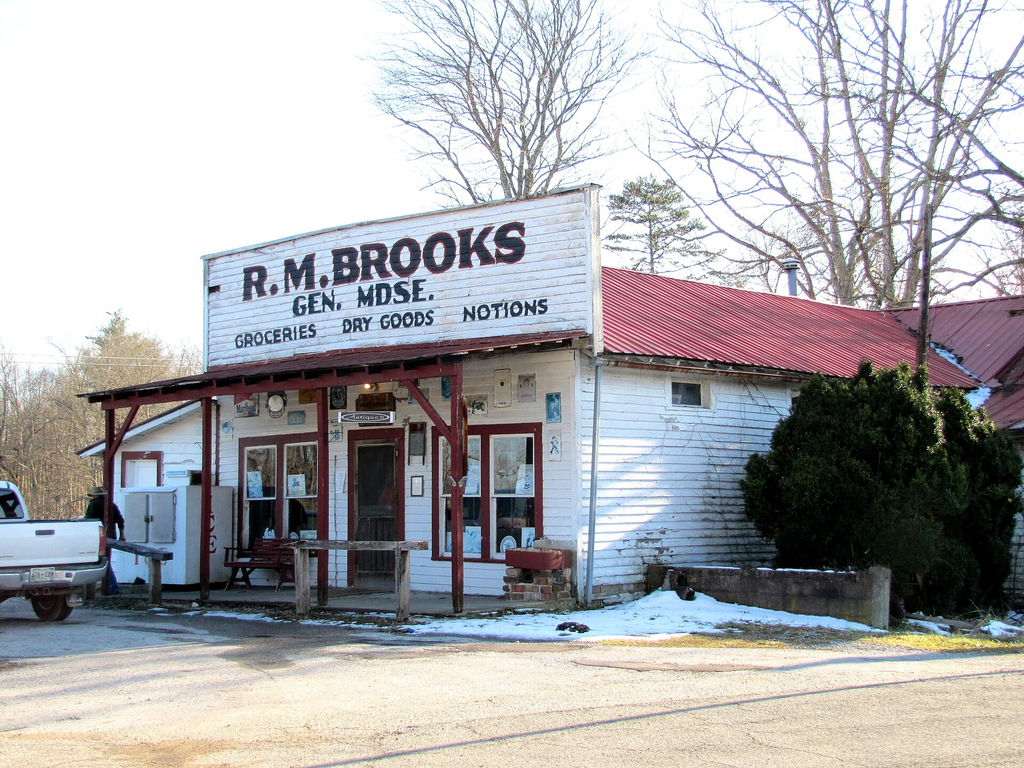
Leiper’s Fork sits roughly nine miles west of Franklin, but it might as well belong to another Tennessee. The village core is remarkably compact, surrounded by rolling Williamson County countryside and filled with galleries, locally owned businesses, porches and gathering spaces.
You don’t really arrive at a downtown.
You arrive at a gathering place.
Country roads narrow toward weathered buildings. Porch swings and outdoor seating invite people to stay put. Art hangs inside galleries while music provides the other half of the village’s personality.
It is rustic without feeling staged.
And that is the trick.
Here’s what catches people off guard.
The heart of Leiper’s Fork is barely larger than a city block, yet it packs in the front porches, art, music and countryside that movies spend entire budgets trying to manufacture.
Fox & Locke is one of the village’s best-known gathering places for live music, with a history tied closely to songwriters and performers.
But Leiper’s Fork works best when you resist turning it into a checklist.
Walk. Browse. Sit down.
The insider move is to pair the village with the surrounding countryside rather than racing back toward Franklin. The roads, farms and rolling hills are part of the experience.
Parking can become tight when the village is busy precisely because the center is so small. Arriving earlier gives you more breathing room.
And don’t show up expecting a giant entertainment district.
That’s the trap.
The whole appeal is that Leiper’s Fork still feels like a village rather than an attraction designed to process thousands of visitors.
If this is the Hallmark town where the songwriter falls for the gallery owner, the next one is where the whole plot unfolds beneath an 1885 courthouse.
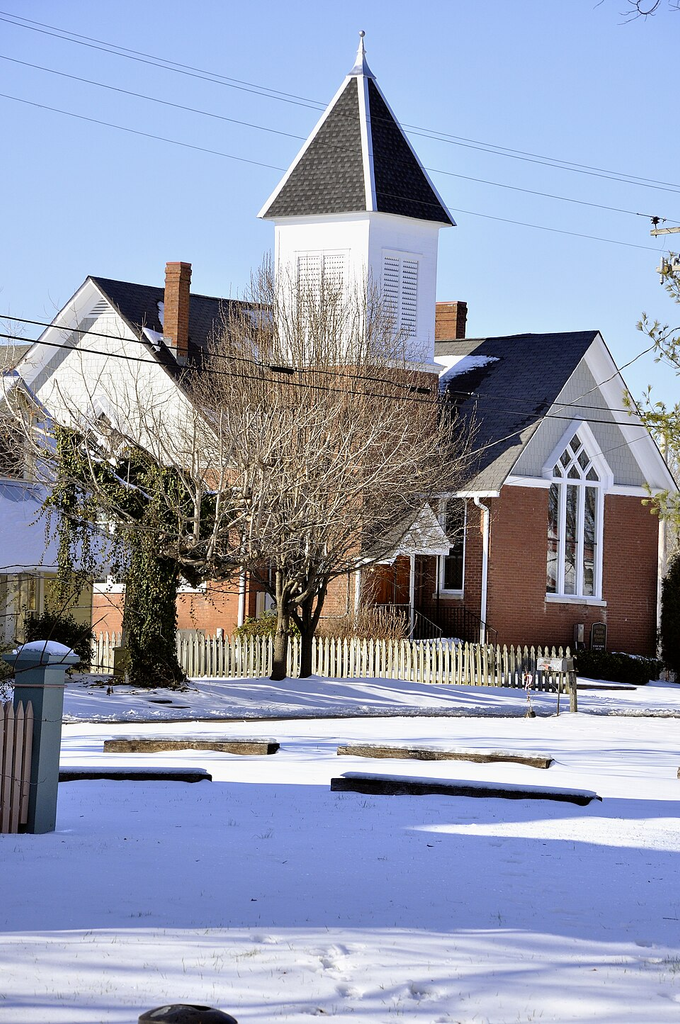
The Famous Whiskey Town With an Old Tennessee Square
Lynchburg is known around the world because of Jack Daniel’s, but the town center has its own story. Its historic square wraps around the Moore County Courthouse, built in 1885, with shops, eateries and the Old Jail Museum nearby.
The contrast is wonderful.
Visitors arrive from all over the world because of one internationally famous name, then step into a county-seat square that still looks unmistakably rural Tennessee.
Brick storefronts face the courthouse.
Shops sit close enough together for wandering instead of driving from stop to stop. Beyond town, the landscape quickly returns to rolling Tennessee hills.
It feels considerably smaller than its reputation.
Here’s what catches people off guard.
One of the world’s most internationally recognized Tennessee destinations sits beside a courthouse square dating to the 19th century.
The square itself is generally flat and walkable, which makes it easy to explore on foot once you have parked.
The insider tip is simple: don’t make the distillery your entire Lynchburg visit.
Give the square time.
Look around the old commercial buildings, browse the shops and let the scale of the place sink in. The relationship between the famous attraction and the little county seat around it is part of what makes Lynchburg interesting.
The trap is assuming every activity follows the same schedule or access rules. If a particular tour or attraction matters to you, confirm it before making the drive rather than relying on general downtown hours.
Fall is especially flattering here, when the hills surrounding town start doing half the decorating themselves.
But Tennessee’s next movie-ready town goes back even farther.
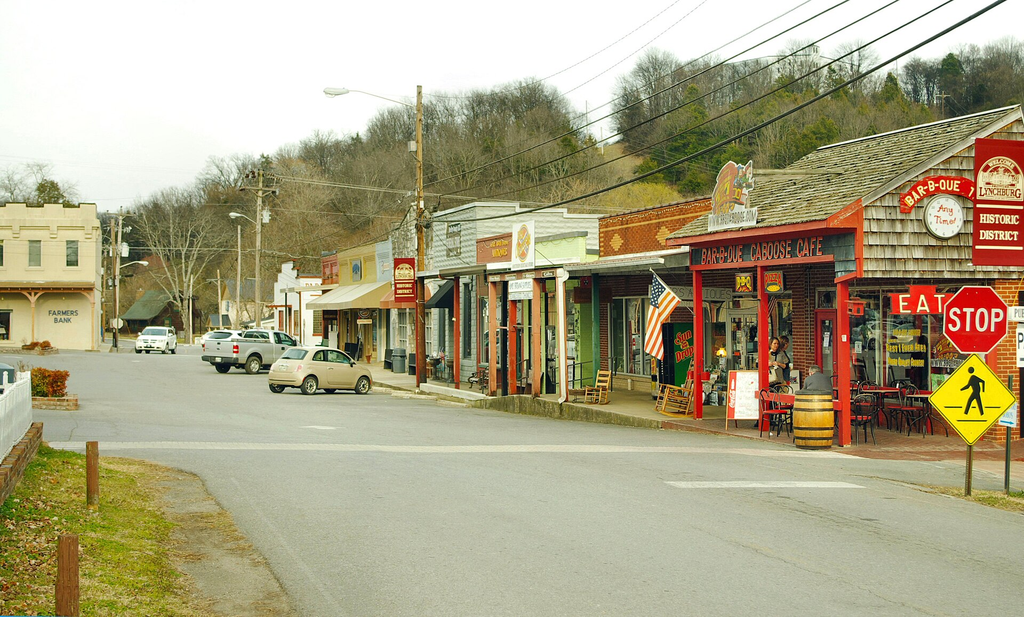
The Main Street That Barely Needed a Movie Set Designer
Rogersville was founded in 1775, making it one of Tennessee’s oldest communities. Its historic center includes Federal-style architecture, brick sidewalks, period-style lighting and a Main Street that has retained an extraordinary amount of its early character.
This is where the history becomes heavier.
The buildings aren’t decorative reproductions.
The streetscape reflects a community whose story reaches back to the earliest chapters of Tennessee history. Brick, limestone, old storefronts and traditional architecture give downtown a sense of permanence that newer “old-fashioned” developments simply cannot copy.
Coffee shops and boutiques now occupy parts of that historic landscape, which is exactly why Rogersville works so well for this list.
Old Tennessee is still being used rather than sitting behind a rope.
Here’s what catches people off guard.
Rogersville’s historic Main Street core has remained substantially intact since the late 1700s.
That changes the way you look at the buildings.
The Hallmark comparison is fun, but Rogersville deserves more than a quick photograph of a pretty street. Slow down enough to notice the architecture and the layers of history underneath it.
Historic lodging adds another dimension, allowing visitors to spend more than an afternoon inside the atmosphere.
The insider move is to walk instead of repeatedly moving the car. A place this old rewards details: brickwork, windows, sidewalks and the way buildings meet the street.
The trap is treating Rogersville as merely a Christmas destination. Fall is just as compelling, especially when East Tennessee color frames the historic architecture.
After a town this steeped in history, it’s time for something lighter.
And West Tennessee knows exactly how to turn on the Christmas lights.
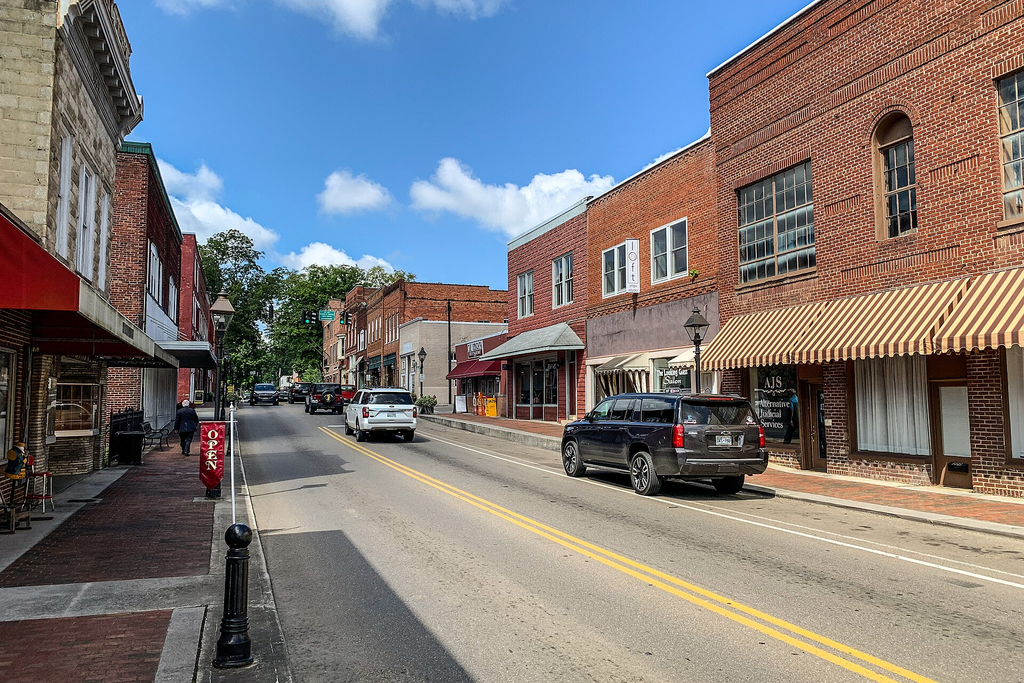
The West Tennessee Square That Goes Full Victorian for Christmas
Covington sits roughly 43 miles northeast of Memphis and brings West Tennessee into a list that could easily become overloaded with Middle Tennessee courthouse towns and East Tennessee mountain communities.
Its historic square is the star.
The architecture gives Covington the bones of an old-fashioned Tennessee county seat. Then the holiday season adds Victorian characters, carriage rides, carolers, costumes and decorated storefronts.
No mountain backdrop required.
That’s part of the fun.
The flat West Tennessee landscape produces a completely different version of the same Christmas-movie fantasy.
Here’s what catches people off guard.
Covington’s holiday traditions have included a deliberately Victorian Christmas celebration around its historic square.
Past seasonal festivities have featured horse-drawn carriages, period characters, carolers, a Festival of Trees and performances at the historic Ruffin Theater.
Covington also gives you something this list needs badly: proof that Tennessee’s storybook small towns don’t stop once you get west of Nashville.
The insider tip is to plan around the event you actually want to experience.
A normal day lets you see the square without festival crowds. A holiday event gives you the costumes, music and full Christmas atmosphere.
Those are two different trips.
The trap is expecting the same experience year-round. The historic setting remains, but the Victorian Christmas effect depends on seasonal programming.
Covington also hosts downtown events beyond Christmas, so don’t assume December is the only reason to come.
Still, if your Christmas-movie requirements include carriage rides, Tennessee has another river town that takes the idea even further.
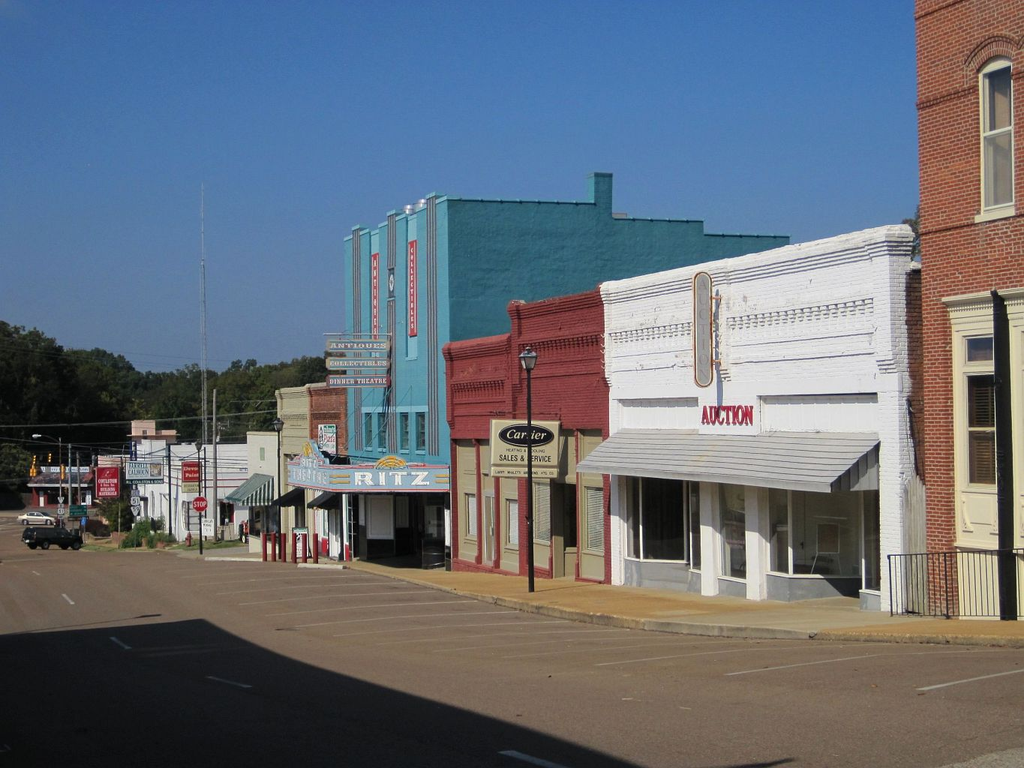
Where Christmas Lights Stretch Over the Courthouse Plaza
Savannah sits near the Tennessee River in West Tennessee, with a downtown that includes the restored Savannah Theater, originally opened in 1931. During Christmas on Main, the historic core transforms with lights, seasonal attractions and old-fashioned transportation through town.
Come after dark and the scene changes.
White lights outline downtown businesses. A canopy of lights stretches over the courthouse plaza. A large Christmas tree becomes the visual anchor.
Then you hear horses.
Carriage rides through downtown have been part of the celebration, along with Christmas train rides, holiday movies at the historic theater, performers and trolley rides through decorated areas.
Here’s what catches people off guard.
Savannah has offered actual horse-drawn carriage rides through its decorated downtown toward the Tennessee River and historic Cherry Mansion.
That’s not somebody describing a movie.
That’s the itinerary.
The insider move is to arrive before sunset.
You get a chance to see the downtown architecture in daylight, find your bearings and then watch the whole place change as the lights become more noticeable.
If Christmas on Main is the reason for your trip, confirm the current event schedule before leaving home. Individual activities can operate on specific dates and times rather than throughout the entire holiday season.
That’s the trap.
Don’t assume seeing decorations means every seasonal attraction is operating that evening.
Savannah proves you don’t need fake snow to build a Tennessee Christmas scene. Sometimes a courthouse, a theater marquee, horses and several thousand lights will do just fine.
The next town swaps the carriage for a courthouse clock tower and one of Tennessee’s best-looking downtown street views.
The Courthouse View That Looks Framed for a Camera
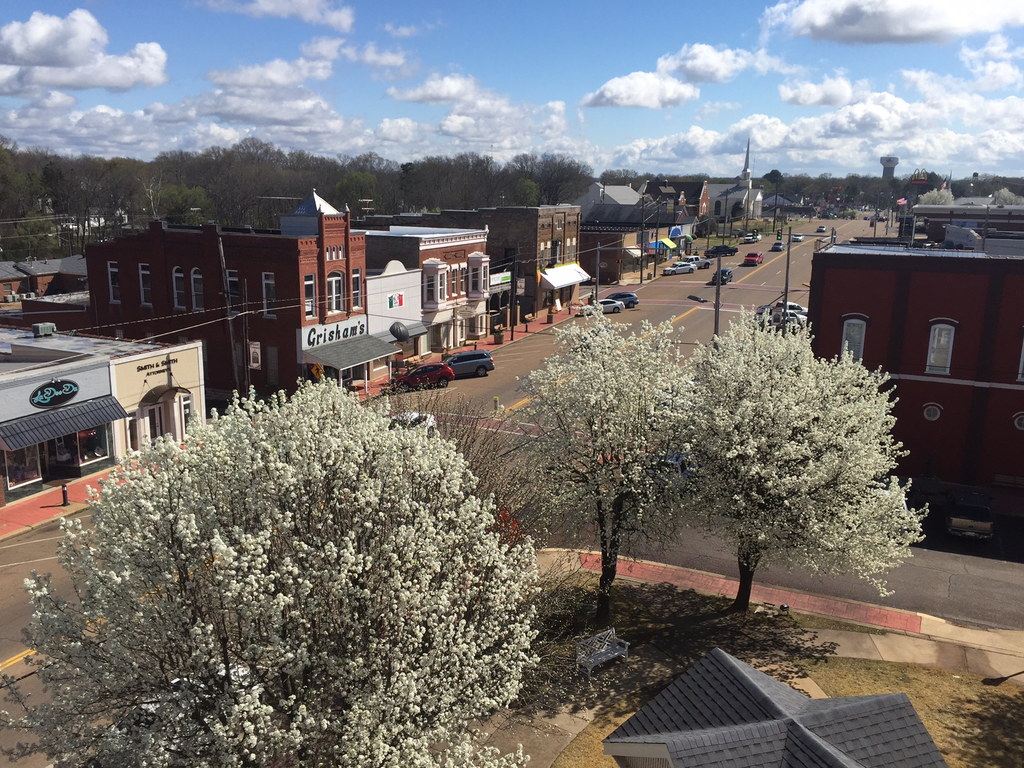
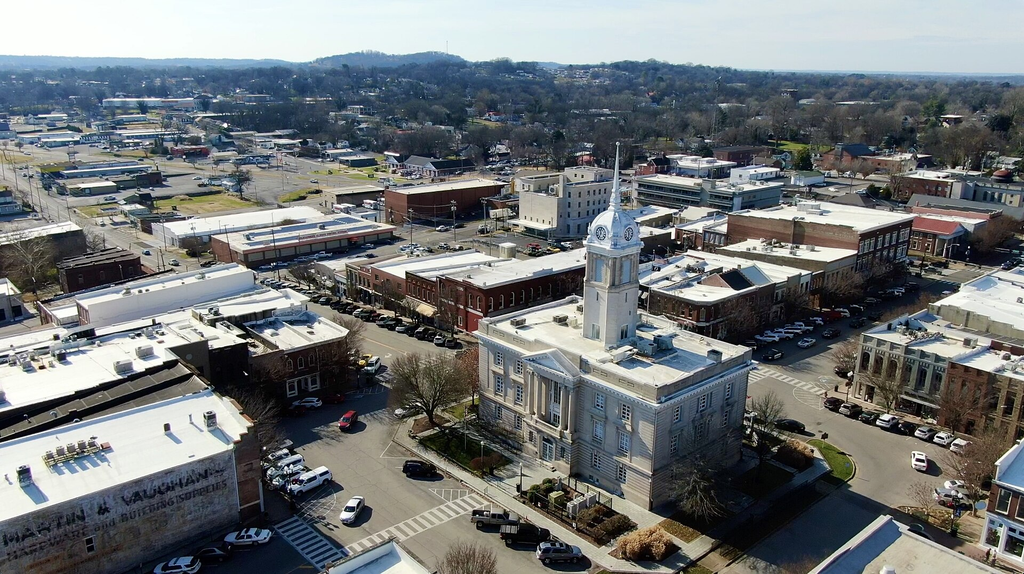
Columbia’s historic downtown centers on the Maury County Courthouse and a commercial district containing Federal, Victorian and mid-19th-century revival architecture. The downtown district is listed on the National Register of Historic Places.
Stand on a street leading toward the courthouse and you’ll understand the appeal immediately.
The clock tower pulls your eye toward the center. Brick storefronts, restaurants and boutiques frame the approach.
Coffee and modern businesses keep downtown from feeling like a museum.
That’s what makes Columbia different from a preserved village like Rugby or Granville.
This is historic Tennessee still doing everyday work.
Here’s what catches people off guard.
Columbia’s movie-set look comes from a real historic commercial district containing several distinct periods of American architecture.
The town also has a strong calendar of community gatherings, including First Friday events, while its identity as the “Mule Capital of the World” gives Columbia a personality that has nothing to do with trying to look cute for visitors.
The insider trick is to explore outward from the courthouse instead of photographing it and leaving.
Downtown’s appeal comes from the streets surrounding the square, where historic architecture mixes with restaurants, shops and newer uses.
If you’re coming for a major event, expect the experience to change considerably. A quiet downtown stroll and a packed festival weekend are not interchangeable.
That’s the trap with Columbia.
It looks like a small-town movie backdrop, but it is an active and growing community. Don’t expect the stillness of Granville or Rugby.
For the second-to-last stop, though, we’re going somewhere that really does feel like somebody preserved an older Tennessee on purpose.
The Christmas Town Where the General Store Still Steals the Scene
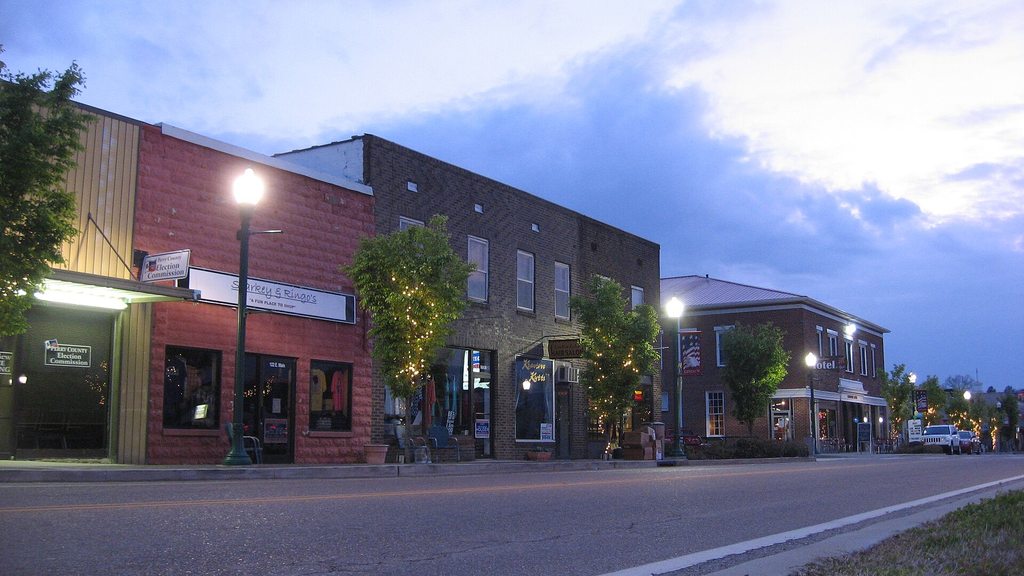
Granville may have the Mayberry nickname, but Linden offers a different kind of small-town nostalgia. Its appeal comes less from one nationally famous landmark and more from the way a genuinely small Tennessee community gathers around local traditions.
December is when that becomes clearest.
The Little Linden Christmas Festival has brought together local shopping, Christmas music, seasonal treats, a tree lighting and a community parade.
Nothing about that formula sounds extravagant.
That’s exactly why it works.
You get the kind of Christmas celebration where the town itself is the attraction rather than a giant ticketed complex built outside it.
Here’s what catches people off guard.
Linden’s Hallmark quality comes from the community gathering itself, not from a heavily commercialized Christmas attraction.
The Commodore Hotel adds another layer of old-fashioned small-town atmosphere for visitors who want to make the trip more than a quick drive-through.
The insider move is to come when the community calendar gives you a reason to linger.
Linden is not Franklin. You aren’t arriving to spend hours moving between dozens of famous attractions.
Come for the small scale.
The trap is expecting nonstop entertainment. A place like Linden works precisely because it has not been turned into a giant visitor district.
That also makes checking schedules important. Seasonal events happen at specific times, and smaller-town businesses may not operate on the kind of extended schedules visitors expect in Nashville or Gatlinburg.
Sometimes the town with fewer things demanding your attention is the one you remember.
But there is one more place where Tennessee’s Christmas-movie fantasy gets especially convincing.
The Victorian Settlement Where Even the Church Belongs in the Movie
Historic Rugby deserves another look when you think about what makes these towns convincing, but the final full stop belongs to a place that combines age, architecture and community better than almost anywhere in Tennessee: Jonesborough.
The reason is simple.
A movie production can install lights. It can build storefront facades. It can hire carriage drivers and extras in Christmas costumes.
What it cannot manufacture overnight is 247 years of history.
Jonesborough’s Chester Inn dates to 1797. Its storytelling tradition became nationally known long before the modern small-town Christmas aesthetic became a television formula.
And its old streets are not scenery waiting to be dismantled when filming ends.
Here’s what catches people off guard.
The things that make Jonesborough look cinematic are largely the same things that made it worth preserving in the first place.
That’s the insider lesson for this entire road trip.
Don’t chase only Christmas lights.
Look at the courthouse. Read the historic markers. Notice the old theater marquee. Walk one block beyond the obvious photo spot.
During Christmas events, plan around road closures and crowds. During quieter periods, give yourself the luxury of moving slowly.
The trap is seeing these towns only through the Hallmark comparison.
They’re prettier once you realize the movie-set look came second.
The Unexpected Fact About Tennessee’s Hallmark-Looking Towns
Here’s the part that changes the whole list.
Most of these places were never Hallmark movie sets at all.
“Looks like a Hallmark movie set” describes the atmosphere, not a filming history. Jonesborough has been standing since 1779. Bell Buckle’s Victorian character grew from its railroad years. Rugby was founded in 1880. Rogersville’s historic core reaches back into the 1700s. Franklin’s architecture existed long before anybody started making cable-TV Christmas romances.
That’s why the illusion works.
These towns didn’t copy the movies. In many ways, the movies copied places like these.
You can add fake snow to a studio street, but you can’t fake a couple hundred years of Tennessee.