

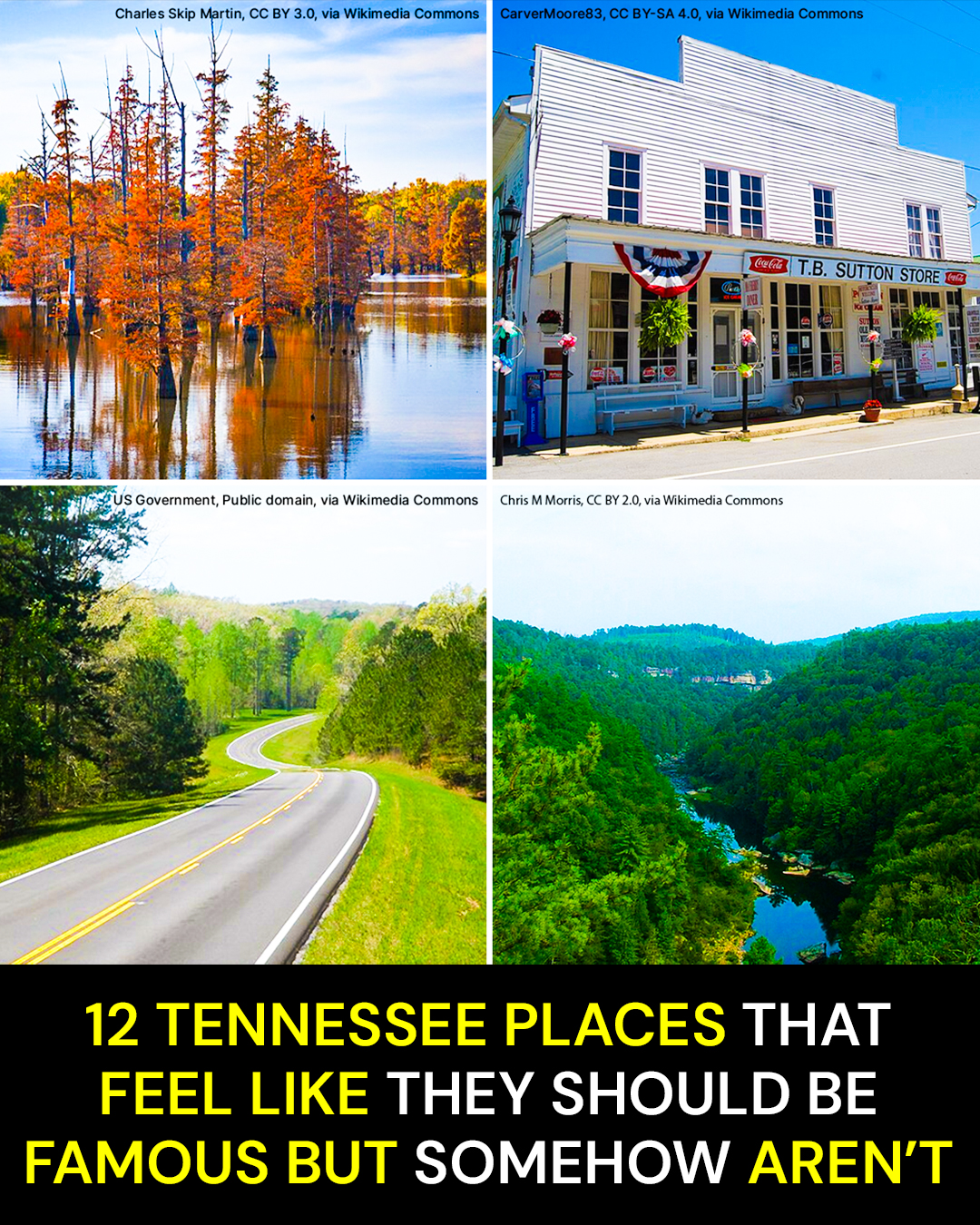
You can spend hundreds of dollars on a Tennessee getaway and still miss some of the places that make this state unforgettable. After researching 12 destinations across East, Middle, and West Tennessee, from underground lakes to Victorian villages and forgotten stretches of American history, one thing becomes clear: the biggest attractions don’t tell the whole story.
Some of these places are already beloved by locals, but they rarely make the average visitor’s itinerary. And one of them has a story so unusual that you might wonder how it isn’t talked about more often.
The Waterfall That Makes You Forget You’re Still in Tennessee
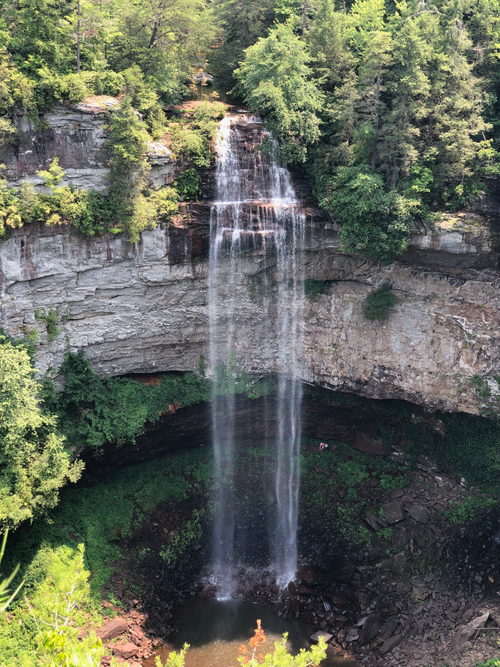
Fall Creek Falls State Park, near Spencer on the Cumberland Plateau, is home to a spectacular 256-foot waterfall, one of the tallest waterfalls in the eastern United States. The surrounding park offers additional cascades, forested trails, rocky overlooks, and enough scenery to turn a quick stop into a full day outdoors.
The first thing that strikes you about a place like this is the contrast. You can be driving through the familiar green countryside of Middle Tennessee, passing farms and quiet country roads, then suddenly find yourself looking down into a deep gorge with a waterfall plunging into the forest below.
The sound reaches you before you have taken in every detail. Water crashes against rock, birds call from the surrounding trees, and the air around the falls feels cooler than the open ground above.
Then there is the view itself.
Fall Creek Falls isn’t simply a pretty ribbon of water sliding over a ledge. The height gives the landscape a dramatic scale, with steep rock walls, thick vegetation, and a pool far below. After a period of rainfall, the volume of water can make the entire scene feel especially powerful.
Here’s what catches people off guard.
The main waterfall is only part of the attraction. The park contains other waterfalls, cascades, and trails, so visitors who stop for one photograph and immediately leave can miss much of what makes the area worth exploring.
Fall Creek Falls drops 256 feet, giving Tennessee a waterfall experience that can surprise even people who have traveled widely around the state.
The insider tip is simple: don’t build your visit around the assumption that one overlook tells the whole story. Look at the available trails before you arrive, decide how much walking suits your group, and leave enough time to explore beyond the most obvious viewpoint.
Wear shoes with reliable traction, especially if you intend to hike toward waterfalls or rocky areas. Wet stone can be slippery, and the shortest-looking route isn’t necessarily the easiest one.
Give yourself extra time if you want to stop for photographs, enjoy a picnic, or explore several sections of the park. Trail conditions and access can change with weather, so check current park information before setting out.
One common mistake is arriving late in the day and expecting to see every major feature before sunset. Another is assuming that a beautiful waterfall means every trail is suitable for every visitor. Choose your route according to your ability rather than your enthusiasm.
Fall Creek Falls works particularly well as a destination for people who want scenery without planning an elaborate outdoor expedition. You can focus on accessible viewpoints or make the day more adventurous with longer walks.
And if you think Tennessee’s natural surprises all involve water tumbling down a mountainside, the next stop has a very different idea of what a memorable landscape looks like.
The Underground Lake Where Your Boat Ride Begins Beneath the Earth
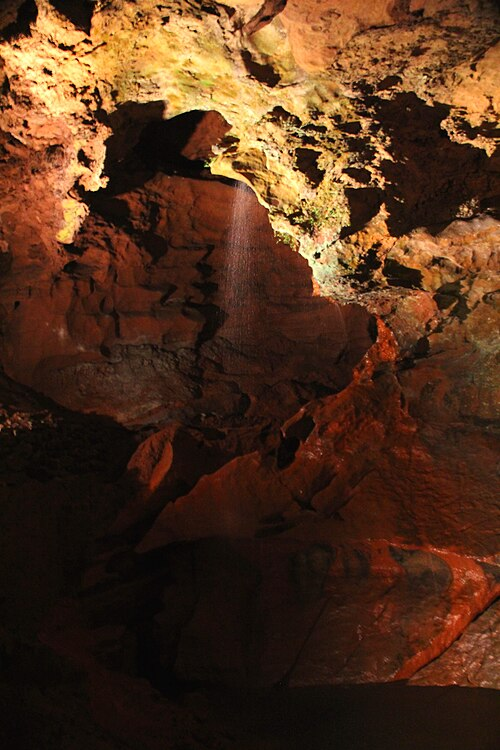
The Lost Sea, inside Craighead Caverns near Sweetwater in East Tennessee, offers an experience that sounds almost made up until you learn that visitors can actually take a guided boat ride on an underground lake. The advertised tour covers a three-quarter-mile round trip and lasts approximately one hour and 15 minutes.
The journey begins in a cave system, not beside a conventional lake with a dock and a line of rental boats.
As you move farther underground, the world outside becomes less relevant. Daylight gives way to artificial lighting, the temperature feels different, and the surrounding rock becomes the main feature of the experience.
The cave isn’t just a passageway to the water. The guided visit includes geological formations and stories about the caverns’ history, including their connections to Indigenous people and later historical periods.
Then comes the part that makes people do a double take.
You reach the underground lake and board a boat. Instead of looking out over a sunlit reservoir with hills in the distance, you’re floating on water surrounded by the enclosed darkness of a cavern.
The atmosphere is unlike a regular lake excursion. The cave walls frame the water, and the sense of being beneath the surface changes the experience from a simple sightseeing trip into something much more unusual.
Here’s the surprising part: you don’t have to be an experienced caver to experience this underground landscape.
The Lost Sea’s guided experience combines a cave tour with a boat ride on a lake promoted as America’s largest underground lake.
The insider tip is to reserve your preferred tour time in advance. The attraction recommends advance ticket purchases to help visitors avoid waits and secure a suitable time.
Current published ticket prices are $29.95 for adults, $28.95 for seniors, and $18.95 for children ages four through 12, with children three and under admitted free. Prices and availability can change, so check the current ticket information before traveling.
The tour requires walking, and the round-trip route is three-quarters of a mile. Don’t assume that because a boat is involved, the entire attraction is a seated experience. Review accessibility information and any restrictions before booking if anyone in your group has mobility concerns.
The underground setting also means that comfortable clothing and practical footwear matter more than dressing for a conventional outdoor attraction. Allow the full tour duration rather than squeezing it into a schedule with several tightly timed stops.
One more detail deserves attention: current conditions can affect the lake’s water level. The attraction has reported lower-than-normal levels during drought conditions, so the underground experience may not look exactly the same every time you visit.
Sweetwater and the surrounding area offer an opportunity to turn the excursion into a broader East Tennessee outing. You can make a day of it rather than driving in, rushing through the tour, and immediately heading home.
But the underground lake isn’t the only place in Tennessee where the landscape looks as though it belongs in an entirely different part of the country.
The Lake With Cypress Trees Rising Straight Out of the Water
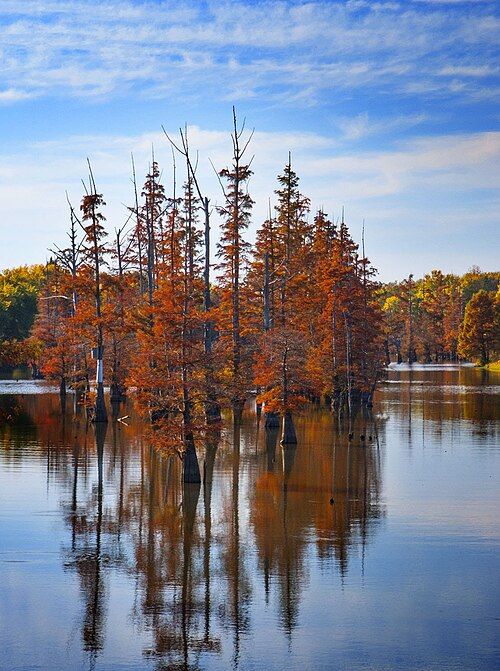
Reelfoot Lake, near Tiptonville in northwest Tennessee, has a landscape unlike the familiar mountain scenery associated with many Tennessee vacations. Its shallow waters, standing cypress trees, wildlife, and opportunities for fishing, paddling, and seasonal birdwatching create a distinctive destination in the state’s far northwest corner.
The first thing you notice is how different the scenery feels.
Instead of a conventional shoreline with a neat edge between land and water, Reelfoot presents a more complicated picture. Cypress trunks rise from the lake itself, their roots and lower sections surrounded by water, while branches spread above the surface.
On a quiet day, the scene can feel almost suspended in time.
The reflections change with the light. Birds move between the trees, the water shifts beneath the breeze, and the landscape opens into a patchwork of channels and watery spaces rather than a single uninterrupted expanse.
For photographers, the cypress trees provide the visual signature. For wildlife enthusiasts, the attraction is the chance to observe a landscape shaped by water and inhabited by a range of birds and other wildlife.
The experience also changes with the season. Bird activity, weather, and water conditions influence what visitors see, so a winter wildlife outing can feel very different from a warm-weather paddling trip.
Here’s what makes Reelfoot memorable: it doesn’t resemble the Tennessee many travelers think they know.
Reelfoot Lake’s cypress-filled waters create a landscape that stands apart from the state’s better-known waterfalls and mountain forests.
The insider tip is to plan around the experience you want, not simply the destination’s name. If birdwatching is the priority, research seasonal wildlife activity. If you’re interested in getting onto the water, check current boating conditions and local tour availability before arriving.
Bring binoculars if wildlife observation is on your list, and keep your camera ready for changing light. Early and late daylight can transform the appearance of the trees and water, although actual wildlife activity and viewing conditions vary.
Don’t assume every section of the lake offers the same opportunities. Access points, water conditions, and available services differ, so choose a specific area before you set out.
Practical planning matters here because northwest Tennessee is a substantial trip from many of the state’s other attractions. Reelfoot makes more sense as part of a regional itinerary than as an afterthought between destinations several hours apart.
Check local conditions before launching a boat or arranging a paddling excursion. Weather, water levels, and seasonal conditions can affect what is safe and available.
The mistake is treating Reelfoot as a place to drive past, snap one photograph, and leave. The lake rewards people who slow down enough to observe the details, from the shapes of the trees to the movement of wildlife across the water.
And if unusual scenery isn’t enough to convince you to take a detour, the next place offers something else entirely: a small Tennessee community built around an ambitious idea imported from Britain.
The Victorian Village That Tried to Build a Different Kind of American Life
Historic Rugby, on Tennessee’s Cumberland Plateau in the Morgan and Scott County area, began in 1880 as a planned community conceived by British author Thomas Hughes. At its height in the mid-1880s, the colony had more than 300 residents and dozens of Victorian-style buildings.
You don’t have to know much about nineteenth-century social history to appreciate the atmosphere.
The village’s buildings and historic streets offer a striking contrast to the commercial strips, chain restaurants, and highway exits that dominate so many modern road trips. Here, the appeal is in the details: older architecture, quiet surroundings, and the sense that the place was created according to a particular vision.
That vision was unusually ambitious.
Hughes wanted to establish an agricultural community that offered younger sons of Britain’s landed families opportunities beyond the social restrictions they faced at home. The settlement was intended to be cooperative and relatively free of the rigid class distinctions that shaped British life.
It was an idealistic plan, and reality proved more complicated.
Disease, fires, financial difficulties, and other challenges affected the colony. The community never developed into the thriving agricultural settlement Hughes envisioned, but enough of the village survived for its history to remain visible today.
That’s what makes Rugby more interesting than a collection of attractive old buildings.
You aren’t simply looking at architecture. You’re seeing the remains of an experiment in how people thought society ought to work.
Historic Rugby was founded in 1880 as an intentional community inspired by a British author’s vision of a more cooperative society.
The insider tip is to check the village’s seasonal tour schedule before making the drive. Historic Rugby offers interpretive tours during its main visitor season, generally running from mid-March through mid-December, with schedules varying by day.
The visitor center’s published hours also vary across the week, so verify the current schedule rather than assuming the doors will be open whenever you arrive.
Allow time to explore beyond the first building you see. The historic village is best understood as a collection of related places, not a single roadside attraction. A guided tour can help connect the architecture with the original community’s ambitions and difficulties.
The village also offers lodging in historic-style accommodations, making it possible to build a longer visit around the surrounding plateau. Check availability and the details of each accommodation before planning an overnight stay.
Comfortable walking shoes are sensible, and anyone interested in architecture or history should bring a camera. Be respectful of private property and follow local visitor guidance when exploring the village.
The trap is arriving without checking tour availability, especially outside the main season. A little preparation can make the difference between a meaningful history visit and a brief walk around without much context.
Rugby is especially appealing to travelers who enjoy learning the story behind a place rather than simply collecting photographs of it.
But not every small Tennessee destination requires a nineteenth-century social experiment. One town in the Upper Cumberland offers a slower kind of discovery, with old-fashioned shops, quilting traditions, and a general store that has become part of its identity.
The Small Town Where a General Store Still Tells the Story
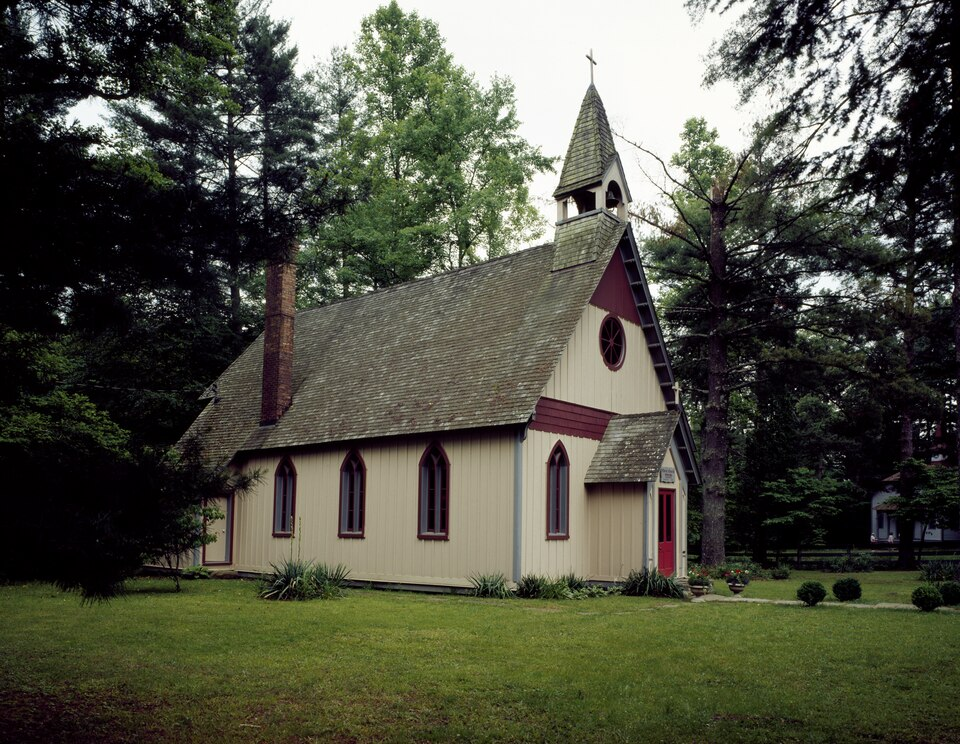
Granville, in Jackson County, is the kind of Tennessee destination that rewards visitors who enjoy small-town history, handmade crafts, and an unhurried afternoon. Its attractions include the historic T.B. Sutton General Store, Independence Hall, and the Tennessee Quilt and Textile Museum, along with local businesses that celebrate traditional crafts.
Granville’s appeal isn’t about finding a huge attraction that takes over your entire day.
It’s about the accumulation of small pleasures.
A historic downtown gives you somewhere to stroll without needing a complicated itinerary. Museum displays provide a reason to stop and look more closely, while shops and craft-focused businesses connect the community’s past with traditions that are still practiced.
The T.B. Sutton General Store is central to that experience. The building’s history and restoration have helped make it a significant part of Granville’s heritage tourism, and the store is associated with old-fashioned merchandise, handmade goods, and traditional food.
The wider town adds another layer.
Quilting is more than a decorative detail here. The Tennessee Quilt and Textile Museum and Aunt Bee’s Farmhouse Quilt Shop and Bakery give visitors opportunities to learn about textile traditions and explore materials, patterns, and crafts.
For someone who appreciates sewing, quilting, or handmade objects, this is the sort of afternoon that can easily become longer than planned.
You might arrive intending to look around for a few minutes and end up spending time studying quilt designs, browsing locally relevant goods, or learning about the town’s history.
Here’s the appeal: Granville doesn’t need to imitate a major tourist destination to be worth visiting.
Granville brings together a historic general store, local history, and a continuing tradition of quilting and textile crafts in one small-town outing.
The insider tip is to coordinate the attractions rather than assuming every business follows the same schedule. Check the opening days for the museum, general store, bakery, and individual shops before leaving home.
If you enjoy traditional crafts, give the textile museum and Aunt Bee’s Farmhouse Quilt Shop and Bakery particular attention. Recent Tennessee tourism coverage has highlighted the shop’s fabrics, patterns, baked goods, and quilting-related activities.
Bring cash as a backup for small purchases, although payment options vary by business. If you’re hoping to buy handmade items, leave some room in your budget rather than treating every stop as a quick browse.
Granville is best enjoyed at a leisurely pace. It can suit a day trip built around local history and shopping, particularly for travelers who would rather discover a handful of distinctive places than rush between a dozen attractions.
The mistake is arriving late and expecting every business to be open. Small-town destinations often depend on individual operating schedules and community events, so timing matters.
Also, don’t assume a general store is merely a place to buy souvenirs. Its historic role helps explain the town’s identity, and the wider collection of attractions gives the visit more substance.
Granville’s charms are quiet, but that is precisely the point.
For the next destination, we’ll leave the shops and historic streets behind and follow a road where the journey itself becomes the attraction.

The Scenic Road Where History Is Hiding Beside the Pavement
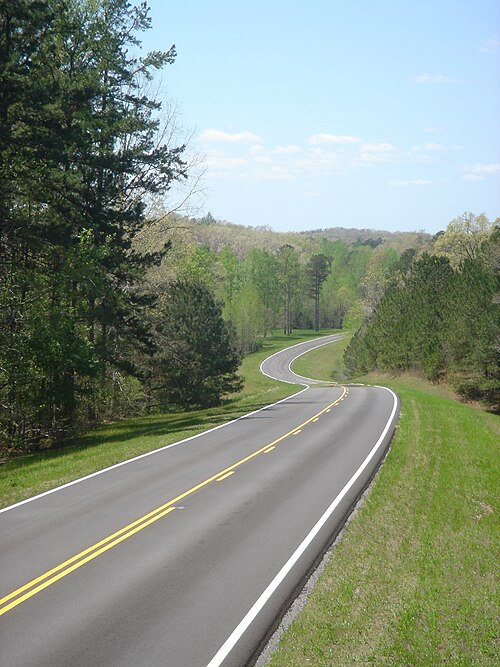
The Tennessee portion of the Natchez Trace Parkway offers a slower way to experience the state, with scenic overlooks, historic sites, walking trails, and waterfall stops. The entire parkway extends 444 miles through Tennessee, Alabama, and Mississippi, but visitors can enjoy meaningful sections without attempting the whole route.
The beauty of the parkway is that it encourages a different rhythm.
Instead of planning every minute around traffic, parking garages, and reservations, you can build an outing around selected stops. The road itself is part of the experience, with wooded stretches, open views, and places where the modern landscape gives way to remnants of an older travel corridor.
That history matters.
The Old Natchez Trace served Indigenous travelers and later became a route used by boatmen, settlers, and other travelers moving between the Mississippi River region and communities farther north. Along the modern parkway, visitors can still encounter portions of the historic route and sites that interpret its complicated past.
Two Tennessee stops are particularly useful for a manageable outing.
Jackson Falls, at milepost 404.7, has a steep trail descending approximately 900 feet along a paved concrete path to the waterfall. The Meriwether Lewis site, at milepost 385.9, includes a monument, historical exhibits, and access to a section of the Old Trace.
These stops offer different experiences. One centers on a waterfall and a walk down toward the water. The other invites visitors to think about the people who traveled this corridor long before it became a scenic drive.
Here’s what makes the route special: history and nature are part of the same journey.
The Natchez Trace Parkway preserves access to historic travel routes, scenic stops, and significant sites along a 444-mile corridor.
The insider tip is to choose a short section and identify your stops before leaving. You don’t need to drive the entire parkway to enjoy it, and a few well-chosen locations can make a more relaxed day than trying to cover as much distance as possible.
Download or save a map before your trip. Mobile service can be unreliable in some areas, and knowing the relevant mileposts helps you find stops without unnecessary backtracking.
Jackson Falls is worth approaching with realistic expectations about the climb. Although the trail is paved, it descends steeply, and the return journey means climbing back up. Wear suitable shoes, take your time, and avoid climbing on the waterfall’s slippery rocks.
At the Meriwether Lewis site, explore the interpretive exhibits rather than treating the monument as a quick photo opportunity. The site’s history connects the parkway with early American exploration, travel, and the development of the historic corridor.
Check current road conditions, trail access, and any closures before departure. Facilities and visitor services vary between stops, and not every site has the same amenities.
The mistake is trying to fit too many stops into one day. Leave room for the unexpected, and remember that a scenic drive should not become a race against the clock.
If you’re drawn to the idea of a wilder Tennessee landscape, the next place takes that sense of escape a step further, into a rugged river gorge with its own set of challenges.
The Rugged River Gorge That Feels Far Removed From Everyday Life
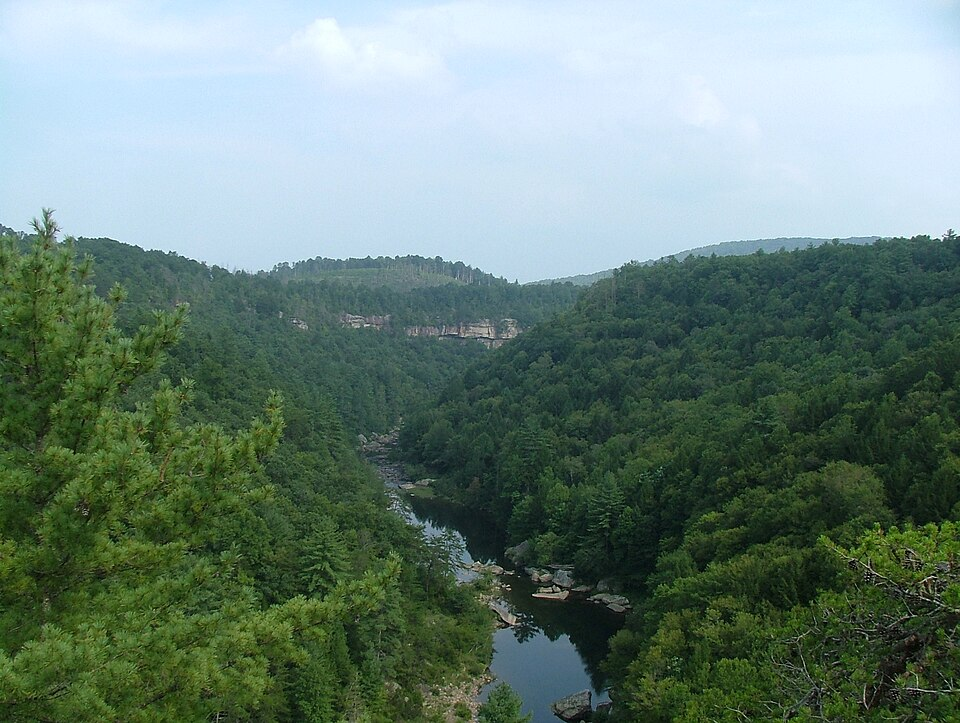
Obed Wild and Scenic River, near Wartburg in East Tennessee, protects a rugged landscape of free-flowing rivers, sandstone cliffs, forested areas, and outdoor recreation opportunities. Visitors come for hiking, scenic overlooks, rock climbing, paddling, and stargazing.
The Obed isn’t the sort of destination where every attraction has a gift shop and a paved path leading directly to the best view.
Its appeal comes from the landscape itself.
At the Lilly Bluff area, the overlook provides sweeping views across the surrounding terrain. Sandstone formations and wooded slopes create a rugged backdrop that feels distinctly different from the manicured grounds of a conventional attraction.
The river adds another dimension. Streams wind through the gorge, and the area’s terrain has made it a destination for experienced paddlers and climbers.
Even if you’re not interested in those more demanding activities, the scenery provides a reason to visit. Walking to an overlook and taking in the scale of the landscape can be enough for a rewarding outing.
But this is a place where practical judgment matters.
The river system is free-flowing, and water levels can change quickly after rainfall. Rocks can be slippery, flash floods are possible, and some areas are remote enough that rescue access may be difficult.
Here’s the important distinction: the Obed is a place to appreciate nature, not underestimate it.
The Obed’s rivers and sandstone gorge offer dramatic scenery, but changing water levels and remote terrain make preparation essential.
The insider tip is to start with the official visitor information and the Lilly Bluff area if you want a scenic introduction without committing to a river trip. Check current access conditions and trail details before deciding how far to explore.
Bring water, weather-appropriate clothing, and shoes suited to the terrain. Conditions can change, and a comfortable day at an overlook can become unpleasant if you arrive unprepared.
If you’re interested in paddling, understand that the area’s whitewater is not appropriate for inexperienced visitors. The National Park Service warns that the streams contain potentially lethal hazards and require substantial whitewater experience and appropriate equipment.
Swimming also requires caution. There are no lifeguards, and moving water can be dangerous even when it looks calm from the bank.
Cell service is unreliable in parts of the area, so let someone know your plans if you are undertaking a longer outdoor excursion. Check weather forecasts, current river levels, and park alerts before setting out.
The mistake is treating a remote natural area like a city park. Not every trail or river section is suitable for every visitor, and the most adventurous-looking option isn’t necessarily the right choice for your group.
The Obed is particularly rewarding for people who appreciate dramatic landscapes and want to see a less commercial side of Tennessee.
And when the sun goes down, another Cumberland Plateau destination offers a reason to stop looking at the ground and turn your attention toward the sky.
The State Park Where the Night Sky Becomes the Main Attraction
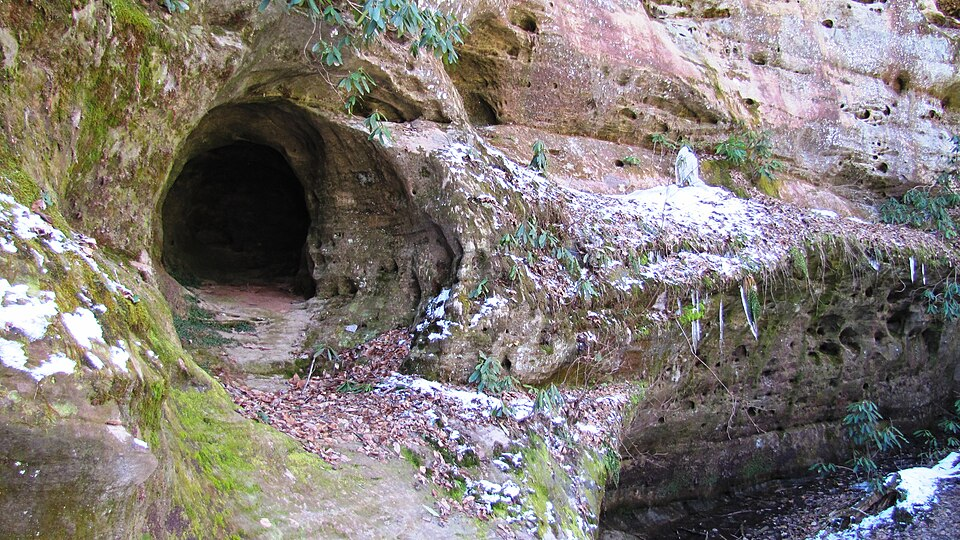
Pickett CCC Memorial State Park, near Jamestown, combines wooded trails, unusual rock formations, and a setting associated with dark-sky viewing. For travelers accustomed to the glare of city lights, it offers a different reason to plan an overnight outdoor getaway.
During the day, the appeal is familiar enough. Forested trails lead through a landscape shaped by rock, trees, and the natural features of the plateau.
The experience changes after dark.
Instead of filling the evening with shopping, restaurants, or live entertainment, you can make time for the night sky. On a clear night, the stars become part of the outing rather than something barely visible above a brightly lit parking lot.
That shift is easy to underestimate.
Many vacations are planned around what happens between breakfast and sunset. Pickett encourages you to think about what happens after the daytime activities end.
A daytime walk followed by a quiet evening outside can make a weekend feel more substantial without requiring an elaborate schedule. You don’t need to spend every hour driving to another attraction.
The natural setting also creates opportunities to notice smaller things. The sounds of the woods change after dark, temperatures can drop, and the sky looks different as the evening progresses.
Here’s the trick: a stargazing trip is only as good as its conditions.
Pickett offers a combination of forest scenery, outdoor recreation, and opportunities to experience the night sky away from major urban lighting.
The insider tip is to plan around the forecast, not just the calendar. Cloud cover can obscure the stars, while rain or other poor weather can change the entire experience.
Check the park’s current information for dark-sky programs, available facilities, lodging, and any applicable rules. Don’t assume a ranger-led program is scheduled on the evening you arrive.
If you intend to stay overnight, confirm your accommodation well in advance and find out what you need to bring. A stargazing evening may require warm layers even when the daytime temperature feels comfortable.
A blanket or reclining outdoor chair can make looking upward more comfortable, provided you use it in an appropriate designated area. A flashlight is also useful, but avoid unnecessary bright lighting that interferes with your own night vision and the experience of other visitors.
Don’t promise children or fellow travelers a spectacular display of stars regardless of the weather. Cloud cover, atmospheric conditions, and the moon’s brightness can affect what you see.
The practical trap is arriving without a backup plan. If the sky is cloudy, the park’s trails and natural surroundings can still provide a worthwhile visit, but your expectations should be flexible.
Pickett suits people who want their getaway to feel slower and quieter, particularly those willing to spend an evening without a packed entertainment schedule.
Yet Tennessee’s unusual destinations aren’t all about beautiful scenery. One of the state’s most famous local legends is tied to a cave and a family whose story has endured for more than two centuries.
The Tennessee Legend That Has Kept People Guessing for Generations
The Bell Witch Cave in Adams, in Robertson County, is associated with the Bell Witch legend, a story connected to the Bell family and the surrounding community in the early nineteenth century. The attraction offers guided cave tours and visits to a reconstructed John Bell cabin, bringing local folklore into a physical setting.
Even before you enter the cave, the story provides a reason to pay attention.
The Bell Witch legend has circulated for generations, with accounts describing strange disturbances involving the Bell family. The story became part of Tennessee folklore and eventually reached a wider audience beyond the region.
One of the reasons it continues to attract interest is the uncertainty surrounding its details. Different versions of the story contain different claims, and supernatural explanations remain matters of folklore rather than established historical fact.
That distinction doesn’t make the visit less interesting.
Folklore can reveal a great deal about a community’s identity, the stories people preserve, and the way a local tale changes as it passes from one generation to another.
Inside the cave, the physical surroundings add another layer. Visitors encounter natural rock formations while guides recount the story associated with the property.
The attraction also includes a tour of the reconstructed cabin, where period-style furnishings and historical materials help visitors picture the domestic setting connected to the legend.
Here’s what makes the experience unusual: the story is as much a part of the destination as the cave itself.
The Bell Witch Cave experience combines a real Tennessee cave with a folklore tradition associated with the Bell family in the early 1800s.
The insider tip is to check the current schedule before setting off, especially in autumn. Operating days and hours change by season, and the attraction has special October programming.
Published tour information describes the cave tour as approximately 40 minutes, with a separate cabin tour included in admission. Tickets are purchased on-site, and the attraction’s current schedule and prices should be checked before travel.
Wear sturdy, closed-toe footwear. The cave stays around 58 degrees Fahrenheit year-round, so a light jacket may be welcome even during warm weather.
Rain is a particularly important consideration. Heavy rainfall can lead to flooding, and the cave may remain closed after the rain has stopped. Check the attraction’s updates or call ahead if the weather has been wet.
If you’re visiting with children, consider their comfort with dark, enclosed spaces and spooky storytelling. The cave’s atmosphere may be fascinating to one person and unsettling to another.
The trap is assuming that a sunny afternoon guarantees access. Conditions underground can remain unsuitable after rain, so a long drive without checking can result in disappointment.
It is also worth approaching the legend with an open but critical mind. The historical existence of the Bell family and the cultural importance of the story are different questions from whether supernatural events occurred.
That distinction makes the visit more interesting, not less. You can enjoy the atmosphere, examine the story, and appreciate how folklore becomes part of a place’s identity without accepting every claim as fact.
For a completely different kind of history, our next destination moves away from supernatural tales and into a landscape where the consequences of real events remain visible.
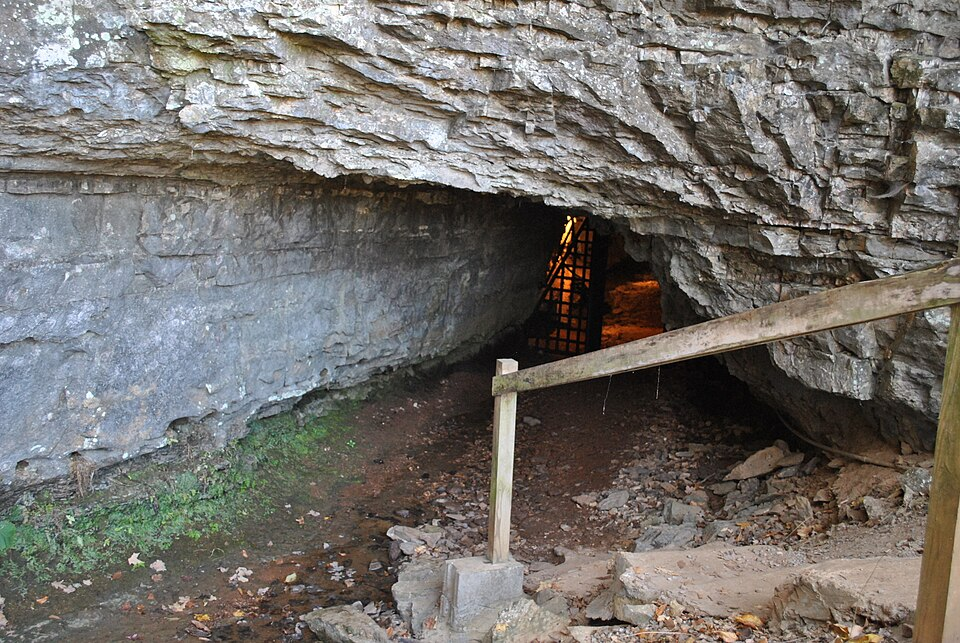
The Battlefield Where a Quiet Landscape Holds a Difficult History
Shiloh National Military Park, in southwestern Tennessee near the Tennessee River, preserves the landscape associated with the Battle of Shiloh in April 1862. The park also protects evidence of a much earlier Indigenous community, making it a place where multiple layers of American history meet.
The first impression can be misleading.
The landscape contains open ground, trees, roads, monuments, and markers. It can appear peaceful, particularly on a quiet day when visitors move slowly between historic locations.
But this is not simply a scenic place to stretch your legs.
The Battle of Shiloh was a major Civil War engagement, and the preserved landscape gives visitors an opportunity to consider how terrain, military decisions, and the experiences of individual soldiers shaped the conflict.
Walking or driving through the park with its interpretive information changes the experience. The markers help connect particular locations with events that otherwise might seem abstract when read in a textbook.
There is also a history here that predates the Civil War.
The National Park Service identifies seven Indigenous mounds and the remains of a pre-Columbian village within the park. Archaeological evidence indicates that an Indigenous community occupied part of Shiloh Hill for more than 800 years.
That is an important reminder that American history did not begin when European settlers arrived, nor did the significance of this landscape begin with the Civil War.
Here’s why the site deserves time and attention: it tells more than one story.
Shiloh preserves both a Civil War battlefield and archaeological evidence of an Indigenous community that lived in the area for centuries before European contact.
The insider tip is to use the visitor information and self-guided route rather than wandering without context. The landscape becomes much more meaningful when you understand what happened at the places you are seeing.
The park grounds are generally open daily from sunrise to sunset, while the Shiloh Battlefield visitor center’s published hours are 9 a.m. to 5 p.m. daily, subject to holiday closures and schedule changes.
Check current visitor information before traveling, particularly if you want to see exhibits or attend a ranger-led program. The visitor center is the place to begin if you need orientation or want to understand the park’s historical interpretation.
Allow enough time to move through the site without rushing. You may want to stop at multiple locations, read the interpretive displays, and reflect on the events being described.
Comfortable shoes, water, and weather-appropriate clothing will make the visit easier. Some exploration takes place outdoors, and conditions vary by season.
The mistake is treating a battlefield as a collection of monuments for photographs. These sites preserve places associated with suffering, death, and profound changes in American society. Visitors should approach them with respect and take the time to understand the history.
Shiloh can be particularly meaningful for travelers interested in the Civil War, archaeology, and the broader history of the Tennessee Valley.
After such a weighty stop, the next destination offers a different kind of discovery. It is a newer addition to Tennessee’s outdoor landscape, one that deserves attention from people who enjoy getting to know a place before it becomes a familiar name on every itinerary.
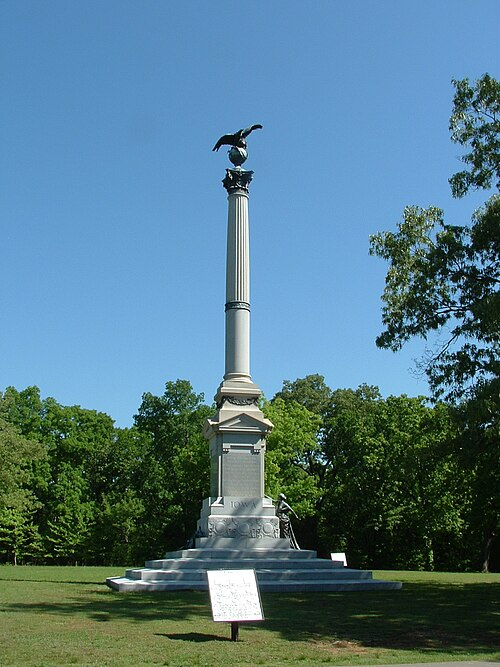
The Newer Tennessee Park Worth Putting on Your Radar
Devil’s Backbone State Park, in Lewis County along the Natchez Trace Parkway, is a newer addition to Tennessee’s outdoor destinations, announced by Tennessee Tourism in 2026. Its appeal centers on rugged hiking trails and the forested landscape of the Western Highland Rim.
Part of the excitement around a new park is the chance to discover how it fits into the wider landscape.
The Natchez Trace Parkway already offers travelers a reason to slow down, with historic stops, scenic drives, and places to explore on foot. A newer state park in this setting adds another reason to look beyond the familiar pullouts and established attractions.
The surrounding landscape provides the foundation for the experience. Wooded terrain, natural features, and hiking opportunities appeal to people who would rather spend time outdoors than build a trip around ticketed entertainment.
But a newly opened park also comes with a practical consideration that deserves attention.
New attractions can develop their facilities and visitor services over time. A park’s existence doesn’t automatically mean every trailhead, amenity, or planned feature is available exactly as a traveler expects.
That makes advance planning especially important.
Here’s the advantage of paying attention early: you can learn about a destination while its place in the state’s outdoor travel landscape is still developing.
Devil’s Backbone State Park was announced as a new Tennessee park in 2026, bringing additional hiking opportunities to the Natchez Trace Parkway area.
The insider tip is to verify the park’s current access points and facilities before leaving home. Because it is a new destination, information about available services, trail conditions, and visitor amenities deserves particular scrutiny.
Check official state park updates for current operating arrangements, rules, and any restrictions. Don’t assume that details from an announcement necessarily describe every feature available to visitors today.
For a hiking visit, wear appropriate footwear and bring enough water for the route you choose. Research the trail’s length, difficulty, and terrain before deciding whether it suits your group.
If you’re combining the park with a drive along the Natchez Trace, plan your stops geographically. The scenic road has several historic and natural attractions, so it makes sense to select a few rather than rushing between every location.
Weather should also shape your plans. Rain can affect trail conditions, and outdoor activities may need to change according to the forecast.
The trap is relying on an old social media post or a general travel article for current access information. A newly opened park can have changing arrangements, and outdated details may not reflect what you will encounter.
Devil’s Backbone is worth keeping on your radar if you enjoy exploring Tennessee’s state parks and discovering outdoor areas beyond the most familiar destinations.
And for the final major stop, we’ll trade the forest for a Memphis landscape where the stories are deeply personal, the trees are part of the architecture, and the past is preserved in a surprisingly beautiful setting.
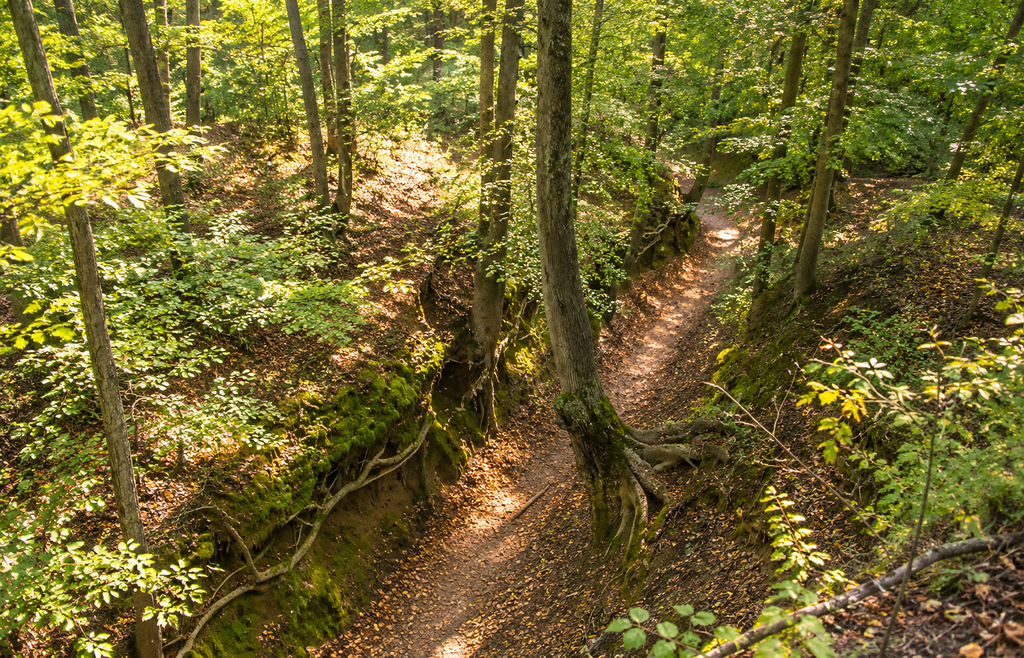
The Memphis History Walk That Is Far More Than a Cemetery Visit
Elmwood Cemetery in Memphis was established in 1852 and eventually expanded from its original 40 acres to approximately 80 acres. Today, its historic grounds preserve monuments, mature trees, and the stories of generations of people who helped shape Memphis and the surrounding region.
The first thing to understand is that Elmwood is not simply a place to look at old gravestones.
It is a historic landscape, designed in the tradition of garden cemeteries that became popular in the nineteenth century. Instead of rows of identical markers, the grounds feature mature trees, landscaped spaces, varied monuments, and sweeping views.
Walking through the cemetery gives you a different way to encounter Memphis history.
The names and inscriptions represent people from many walks of life. Elmwood’s burial records include mayors, governors, musicians, civil rights leaders, suffragists, military figures, and people whose stories might otherwise receive little attention.
That range is part of the cemetery’s historical value.
A visit can become an introduction to the city’s social history, revealing how different communities and generations lived, worked, struggled, and left their mark.
The landscape itself also tells a story. Ancient trees provide shade over paths and monuments, while the changing shapes and materials of the memorials reveal different approaches to remembering the dead.
Here’s what makes Elmwood especially compelling: the place connects individual lives with the broader history of a city.
Established in 1852, Elmwood Cemetery preserves approximately 80 acres of historic grounds and is the final resting place of more than 75,000 people.
The insider tip is to consider a guided tour if you want more than a quiet walk. The cemetery offers several types of tours, including docent-led walking tours and specialized historical themes.
Its published information lists general grounds hours as 8 a.m. to 4:30 p.m. daily, with no general admission charge. Verify current visitor guidelines before arriving.
For a scheduled guided tour, make arrangements ahead of time. Private tours have specific booking requirements, and availability depends on the type of tour and group size.
Wear comfortable shoes, bring water in warm weather, and allow time to move slowly. The grounds cover a substantial area, and rushing through them misses much of what makes the experience worthwhile.
Photography should be approached thoughtfully. Remember that Elmwood is both a historic site and a place of remembrance, not simply a backdrop for dramatic pictures.
The practical trap is arriving too close to closing time and expecting to explore the entire property. The grounds are extensive, and a guided experience may require advance coordination.
Visitors should also follow any instructions regarding vehicles, walking routes, and access to particular areas. Respect for families, memorials, and other visitors is essential.
Elmwood is a rewarding stop for travelers who enjoy architecture, local history, and places that reveal a city’s character through individual stories rather than grand displays.
It also provides a useful reminder that some of Tennessee’s most revealing destinations aren’t necessarily the loudest or most heavily promoted.

The Unexpected Fact About Tennessee’s Overlooked Places
One of the most surprising things about exploring Tennessee is how many different kinds of history can exist within a single state. You can visit a Victorian community founded around a British author’s social ideals, travel along a road that follows a historic corridor, explore a cave associated with a centuries-old legend, and walk through a cemetery that preserves generations of Memphis history.
Even the natural landscapes tell very different stories.
Fall Creek Falls offers the drama of a 256-foot waterfall. The Lost Sea takes visitors underground to a lake reached through a cave. Reelfoot Lake presents a landscape of cypress trees rising from the water, while the Obed’s rugged river gorge shows another side of Tennessee’s terrain.
And here is a historical detail worth remembering: the Natchez Trace was not originally created as a modern scenic road. Its roots lie in a much older travel corridor used by Indigenous people and later travelers, including boatmen who walked or rode home after bringing goods down the Mississippi River.
That history connects the parkway’s scenery to centuries of human movement, trade, and settlement. It also reminds visitors that many landscapes that look untouched today have long been part of human stories.
The trick to seeing more of Tennessee isn’t necessarily driving farther or spending more money. It’s giving yourself permission to look beyond the attractions you already recognize.
Some places deserve a full day. Others fit naturally into a longer road trip. And a few may turn out to be the places you talk about long after the familiar stops have faded from memory.
Tennessee has plenty of famous names, but its character stretches well beyond them. Sometimes the most memorable discovery is the place you almost didn’t bother to visit.