
You can spend $15 on food and drinks at a Nashville songwriter show and still make the whole room mad at you without saying more than a few words. That’s how different the unwritten rules of Music City can be from what visitors expect.
Nashville has its own way of doing things, and some of those customs are disappearing as the city grows. These 12 rules explain what longtime residents understand, what newcomers often miss, and why one small mistake can change how people see you.
1. The Friendly Question That Can Turn Into a 10-Minute Conversation
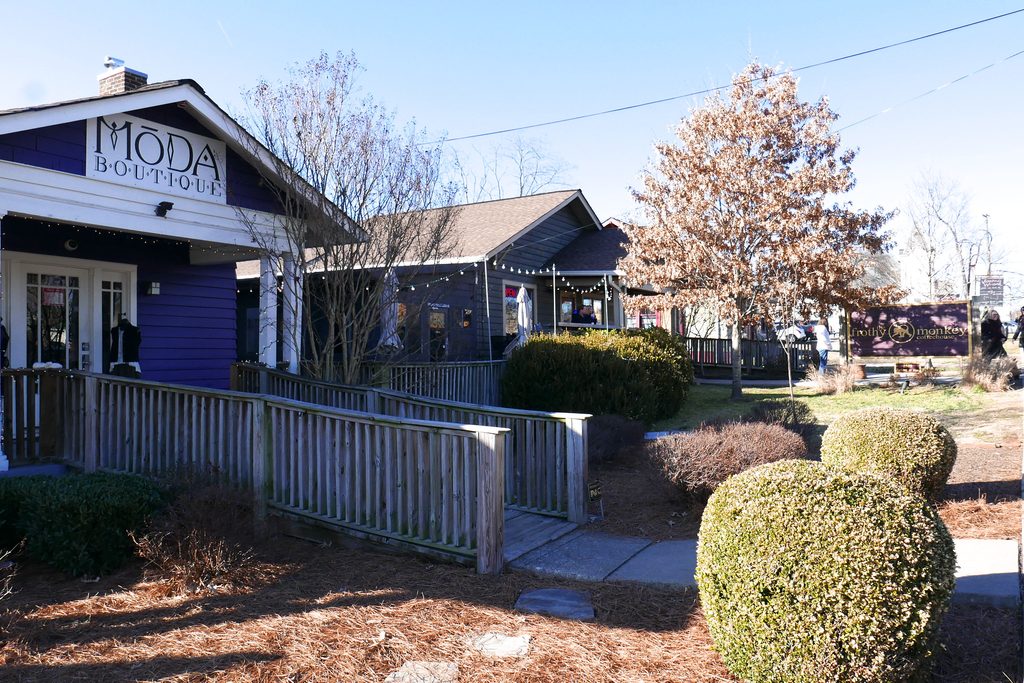
Walk into a neighborhood coffee shop in East Nashville or stop for lunch in Donelson, and you might notice something different from the fast-moving atmosphere of Lower Broadway. Nashville’s social culture still carries a strong tradition of Southern small talk, even as the city becomes more crowded and cosmopolitan.
And sometimes, that small talk isn’t particularly small.
Picture yourself waiting for coffee when somebody notices your Tennessee sweatshirt. Before long, the conversation has wandered from football to the weather, then to a restaurant somebody remembers from years ago.
Nobody necessarily knows anybody else.
That’s part of what makes the interaction interesting. In many Nashville neighborhoods, casual conversation between strangers still feels perfectly ordinary.
You might hear somebody comment on an approaching thunderstorm while standing in a grocery line. Someone else may ask where you’re visiting from, then offer an opinion about which part of town you should explore.
For visitors accustomed to keeping their heads down, it can feel surprisingly personal.
But here’s what catches people off guard.
In Nashville, someone asking how your day is going may genuinely be interested in hearing more than one word.
The insider trick is simple: Give the conversation a little room. A friendly response and a question in return can make an ordinary interaction considerably more pleasant.
That doesn’t mean you need to share your life story.
Nor does it mean every Nashvillian enjoys chatting with strangers. Plenty of residents are rushing to work, trying to finish errands, or simply hoping to be left alone.
Read the situation.
If someone seems interested in talking, there’s no harm in slowing down for a moment. If they’re busy, a smile and a polite thank-you are perfectly appropriate.
And don’t mistake friendliness for familiarity. A pleasant conversation at a restaurant doesn’t automatically make someone your new best friend.
One particularly useful conversation starter is Middle Tennessee weather. Between summer humidity, spring storms, and occasional winter ice, there’s usually something worth discussing.
You don’t need an expensive tour or an elaborate itinerary to experience this side of Nashville. Sometimes all it takes is paying attention to the people around you.
Of course, there’s another side to Southern conversation.
Because some of the friendliest-sounding things you’ll hear in Nashville don’t mean quite what you think.
2. The Sweet Southern Phrase That Might Actually Be a Warning
Spend time around Nashville’s established neighborhoods, from Sylvan Park to Green Hills, and you’ll eventually hear expressions that don’t translate neatly into plain English. Two familiar examples are “bless your heart” and “y’all come see us.”
Both sound friendly.
Neither has just one meaning.
Imagine admiring somebody’s garden when they cheerfully suggest that you ought to visit again sometime. You leave feeling welcome, perhaps even expecting another invitation.
Then nothing happens.
Was the person being dishonest? Not necessarily.
Southern conversation often makes room for warmth without creating a formal obligation. A pleasant suggestion can simply be a pleasant suggestion.
And then there’s the famous phrase that has confused generations of newcomers.
Bless your heart.
The words can be delivered with genuine concern when somebody is struggling. They can express affection when someone makes an innocent mistake.
But change the tone, add a pointed look, and those same words can communicate unmistakable disapproval.
Here’s where newcomers get themselves into trouble.
“Bless your heart” can mean genuine sympathy or polite criticism, and the difference usually comes from the situation rather than the words themselves.
The insider tip is to pay attention to tone, context, and the relationship between the speakers.
Don’t automatically assume you’ve been insulted.
But don’t automatically assume you’ve received a compliment, either.
The same principle applies to casual invitations. If someone suggests getting together, and you’d genuinely enjoy it, offer a specific day instead of assuming plans already exist.
You’ll find this sort of conversational style throughout Middle Tennessee, although younger residents and people who moved here from elsewhere may approach things differently.
There’s no admission fee for understanding these customs, and no particular neighborhood where you’ll learn them all at once.
They show up in grocery stores, churches, offices, restaurants, and conversations between neighbors.
The mistake is treating every polite expression as a coded insult or every friendly remark as a promise.
Southern manners are more complicated than that.
And speaking of manners, there’s one Nashville workplace where what you say, and when you say it, matters more than almost anywhere else.

3. The Nashville Workplace Where Tourists Forget Somebody Is on the Clock
Robert’s Western World and the other honky-tonks along Lower Broadway help explain why Nashville attracts music lovers from around the world. According to Nashville’s tourism organization, live music on Honky Tonk Highway generally begins around 10 a.m. and continues until 3 a.m.
That’s an extraordinary amount of entertainment.
But there’s something visitors sometimes forget.
Those musicians are working.
Walk into a Broadway honky-tonk and you’ll hear guitars cutting through conversation, drums keeping time, and a singer trying to connect with a room full of people.
The music may be lively enough to make you forget everything outside.
Somebody near the stage starts dancing. Another person sings along. People drift between rooms, checking out different bands.
That atmosphere is part of Broadway’s appeal.
But consider the performers.
They’re concentrating on complicated arrangements, coordinating with bandmates, adjusting equipment, and trying to give the audience a show worth remembering.
They’re not simply background decoration for someone’s vacation.
Here’s the distinction that changes everything.
A musician playing a Broadway honky-tonk deserves professional respect, even when the venue feels like one enormous party.
The insider move is to watch the performer before making requests, approaching the stage, or trying to start a conversation.
A busy musician may welcome song requests during one part of the show but need to concentrate during another.
And a break between sets doesn’t necessarily mean the performers are available for a long conversation.
They may be handling equipment, checking the next set list, or simply catching their breath.
Recording policies also vary. Don’t assume every performance can be filmed simply because people nearby have their phones out.
Most importantly, match your behavior to the room.
A loud singalong may be perfectly welcome during an energetic cover song. The same behavior can ruin a quiet acoustic performance.
There’s no universal rule requiring silence at Nashville bars.
There is, however, a difference between enjoying somebody’s work and interfering with it.
And if you enjoy that work, Nashville has another custom that can save you from an especially embarrassing mistake.
It’s connected to the little bucket sitting near the stage.
4. The Free Broadway Show That Isn’t Quite Free
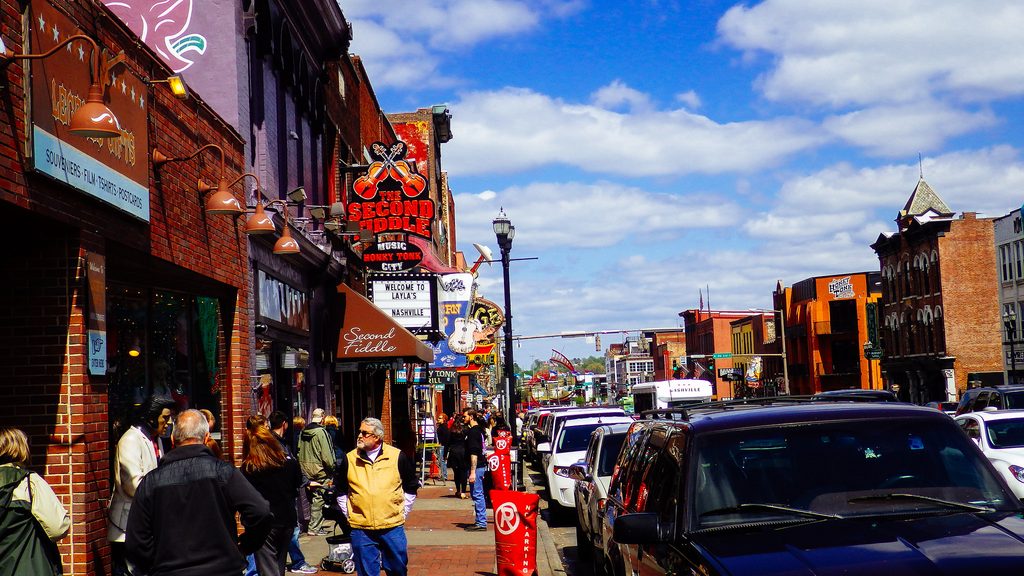
Most live-music bars along Nashville’s Lower Broadway don’t charge a cover, according to Visit Music City. You can walk into a honky-tonk, hear professional musicians, and enjoy the performance without buying a separate concert ticket.
That sounds like one of the best bargains in Nashville.
And it is.
Until you misunderstand what free means.
Inside, a band works through familiar country songs while visitors move toward the stage. The guitarist launches into a solo, the singer hits a high note, and the crowd responds with applause.
Somebody drops money into a tip bucket.
Somebody else walks past without noticing.
That bucket matters.
Live musicians may receive payment from venues, audience tips, or a combination of both. The arrangement differs from one establishment to another.
Tips can be an important part of what performers earn.
And the fact that a restaurant charges plenty for drinks doesn’t automatically mean the band receives a share of that money.
Here’s the detail worth remembering.
No cover charge means you don’t have to buy a ticket, not that the performers are working without compensation.
The insider tip is to bring some cash specifically for musicians when you’re planning a Broadway afternoon or evening.
You can also look for digital tipping information if the band provides it.
There’s no single mandatory tip amount for every performance. Give what makes sense for your budget, how long you’ve enjoyed the music, and whether you’ve asked for something special.
Song requests deserve particular consideration.
If you’re asking musicians to change their performance for your favorite tune, offering a tip is a thoughtful way to show appreciation.
And remember that tipping your server and tipping the band are separate things.
That distinction can surprise visitors who assume their restaurant bill covers everything.
The other trap is spending hours listening to different groups without ever acknowledging their work.
A small contribution may mean more to the performers than enthusiastic applause alone.
You don’t have to spend a fortune to enjoy Nashville music.
But appreciating the people creating it is one of the simplest ways to act like you’ve been here before.
Now comes the unusual part.
There’s a famous Nashville music venue where doing the opposite of cheering and shouting is exactly what makes you a good audience member.

5. The Tiny Music Room Where Talking Can Get You Asked to Leave
The Bluebird Cafe in Green Hills is one of Nashville’s best-known listening rooms. Its songwriter shows typically feature three or four performers, and the venue has an official quiet-audience policy that makes it very different from the bars downtown.
This isn’t a place where the music competes with a party.
The music is the reason everybody is there.
Inside, the atmosphere is intimate enough that the smallest distraction can feel enormous.
A songwriter settles into a chair. A guitar comes into tune. Someone begins explaining the story behind a song.
Then the performance starts.
The interesting part isn’t necessarily a familiar melody.
It may be the moment when you realize the person playing wrote a song you’ve heard somebody else sing.
At the Bluebird’s signature In the Round shows, writers perform from the center of the room. Its In the Row format places performers onstage.
Both arrangements invite listeners to pay attention to the writing itself.
Here’s what some first-time visitors don’t realize.
The Bluebird Cafe can ask audience members to leave for failing to respect its quiet-performance policy.
The insider tip is to save conversations for before the show, between sets, or afterward.
Applause and laughter are welcome. Even singing along may be appropriate when the performers encourage it.
What isn’t welcome is carrying on a conversation while somebody is sharing a song.
The practical details matter here, too.
The Bluebird currently lists a $15 per-person food-and-beverage minimum for most performances, although its Monday 6 p.m. open mic is exempt.
Reservations must be made through its official online system. Limited walk-up seating is offered for many performances, but availability varies.
The cafe also prohibits audio and video recording, although still photography is generally allowed.
Parking requires planning. There’s a small lot in front and a larger gravel lot behind the building, accessible from an alley off Hillsboro Pike.
Don’t park in neighboring business lots without permission. Towing is enforced in some of those areas.
And arrive on time. Latecomers risk losing their seats.
A listening room isn’t supposed to feel like a party bus.
It’s supposed to give songwriters something they don’t always receive elsewhere: the undivided attention of an audience.
And there’s another group of Nashville residents who appreciate something just as valuable.
6. The Famous Person You’re Supposed to Pretend You Didn’t Recognize
Nashville has long been home to country stars, songwriters, producers, actors, and other recognizable entertainers. In neighborhoods such as Green Hills, ordinary businesses operate alongside the professional world that makes Music City famous.
That creates an unusual social situation.
Someone widely recognized onstage can still be a regular customer somewhere else.
Imagine sitting in a restaurant when a familiar face walks past your table.
It takes a moment to place them.
Then you realize you’ve seen that person on television, heard their music, or watched them accept an award.
Your first instinct might be to reach for your phone.
But look around.
Other people may have noticed, too. Nobody is necessarily making a fuss.
That’s one of Nashville’s most discussed informal customs.
Local conversations about celebrity encounters repeatedly describe people recognizing entertainers during ordinary activities and choosing not to interrupt them.
Not everyone handles those encounters the same way, of course.
But the expectation of personal space is worth understanding.
Here’s the rule that visitors sometimes struggle with.
Recognizing a celebrity in Nashville doesn’t mean that person has agreed to become part of your vacation.
The insider tip is to distinguish a scheduled public appearance from someone’s private time.
At an organized fan event, follow the event’s rules about photographs, autographs, and conversations.
At a restaurant, grocery store, or family gathering, let the person enjoy the same ordinary experience as everybody else.
A polite greeting may be perfectly natural if there’s an actual interaction.
What crosses the line is interrupting a private meal, approaching family members, or filming somebody without considering their privacy.
There’s also a practical point.
Nashville’s music community includes many highly accomplished people whose faces aren’t widely recognized.
A successful songwriter or session musician can be professionally important without being an obvious celebrity.
That makes treating everyone with consideration more useful than trying to identify who’s famous.
And don’t plan your itinerary around rumored celebrity sightings.
Those rumors can be outdated, misleading, or intrusive.
There’s much more to Nashville’s entertainment culture than finding someone recognizable in public.
The city’s reputation for hospitality has always depended partly on allowing people to feel comfortable here.
That courtesy becomes even more important once you leave the entertainment districts.
Because a neighborhood street isn’t an extension of Broadway, no matter how much fun you’re having.

7. The Nashville Neighborhood Mistake That Can Make Enemies Before You Unpack
East Nashville, Germantown, Donelson, and Sylvan Park have distinct neighborhood identities, but they share something important. They’re residential communities as well as places that visitors and newcomers enjoy exploring.
And the people living there have ordinary daily routines.
That sounds obvious.
Until a celebration spills into the street.
Picture a quiet block on a Saturday evening. Porch lights are glowing, someone is watering flowers, and neighbors are heading home with groceries.
Then guests arrive for a large gathering.
Cars begin filling the street. Somebody parks across a driveway. Music grows louder, and people congregate on the sidewalk.
To the partygoers, it’s a wonderful evening.
To somebody trying to get home, it may be a headache.
This is where neighborhood courtesy becomes more than an abstract Southern tradition.
Nashville’s parking rules prohibit blocking access to driveways and garages. Parking on sidewalks is also prohibited.
But there are plenty of inconsiderate things that aren’t necessarily violations of an ordinance.
Here’s what newcomers need to understand.
Having a right to park on a public street doesn’t give you a right to block somebody’s driveway or treat their property as your own.
The insider tip is to think about how your plans affect the people who already live nearby.
Hosting friends? Ask them to leave driveways, sidewalks, and access points clear.
Planning a particularly large gathering? A little advance communication with nearby neighbors can prevent unpleasant surprises.
And don’t assume the street space in front of any house automatically belongs to that homeowner.
Legal parking and neighborhood expectations aren’t always identical.
Parking rules can also change by location.
Downtown meters, designated loading zones, and residential restrictions operate differently, so check the signs instead of assuming the entire city follows one system.
The most useful habit is simple: Leave room for other people to live their lives.
Don’t block sidewalks with luggage, equipment, or groups stopping for photographs.
Keep noise at a reasonable level when you’re near homes.
And remember that a friendly neighborhood doesn’t mean residents have agreed to host a nonstop celebration.
Nashville has changed dramatically, but there’s still value in being the person neighbors are glad to see.
That starts with recognizing something visitors often overlook.
The Nashville people live in doesn’t necessarily resemble the Nashville shown in vacation advertisements.

8. The Famous Nashville Street Locals Don’t Organize Their Lives Around
Lower Broadway is the center of Nashville’s honky-tonk tourism scene, with live music stretching from late morning into the early hours. But East Nashville, Wedgewood-Houston, and Germantown offer entirely different experiences.
And that difference says a lot about local life.
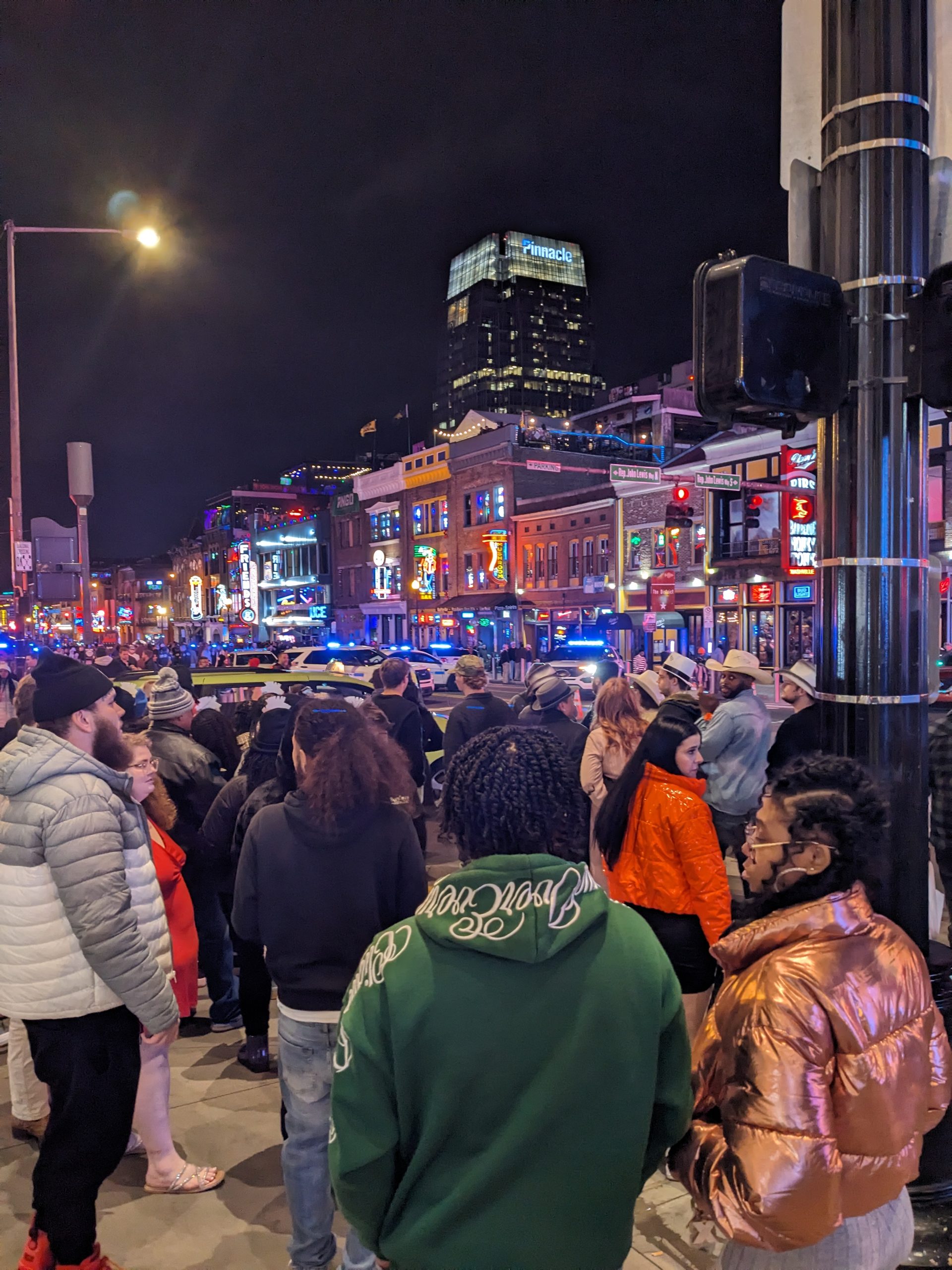
Step onto Broadway after dark and the neon practically demands your attention.
Music comes through open doorways. Crowds gather beneath rooftop signs. Another band is always playing somewhere nearby.
For visitors, that energy can be unforgettable.
Now imagine spending an ordinary Saturday in East Nashville instead.
You might browse vintage clothing, stop at a neighborhood restaurant, or catch music in a smaller room where the performer doesn’t need to compete with a street full of honky-tonks.
Over in Wedgewood-Houston, often called WeHo, the atmosphere shifts toward art galleries, creative studios, and independent businesses.
Germantown offers another change of pace with its historic streets, restaurants, and neighborhood attractions.
Those aren’t lesser versions of Broadway.
They’re different parts of Nashville.
Here’s the assumption that makes locals smile.
Living in Nashville doesn’t mean spending your weekends at the same Broadway bars visitors travel across the country to experience.
The insider move is to spend time outside downtown.
Ask about neighborhood restaurants, local arts events, parks, and independent music venues rather than assuming the most photographed places are automatically the most meaningful.
And understand that Nashville’s neighborhoods aren’t interchangeable.
A night focused on country honky-tonks has a completely different character from an afternoon exploring galleries in Wedgewood-Houston.
Parking, business hours, cover charges, and reservations vary by establishment.
Check those details before traveling across town.
Another common mistake is assuming that the newest or flashiest location provides the most authentic experience.
Sometimes it does.
Sometimes the place worth visiting is an ordinary neighborhood restaurant that people have supported for years.
And locals aren’t required to dislike Broadway to appreciate everything else.
Some genuinely enjoy it. Others prefer visiting when friends or relatives come to town.
The important thing is realizing that the city’s tourism identity and its everyday personality aren’t the same thing.
That distinction becomes especially delicious when lunchtime arrives.
Because Nashville has a traditional meal that can make even an experienced restaurant-goer hesitate at the counter.
9. The Lunch Line Where Everybody Seems to Know the Rules Except You
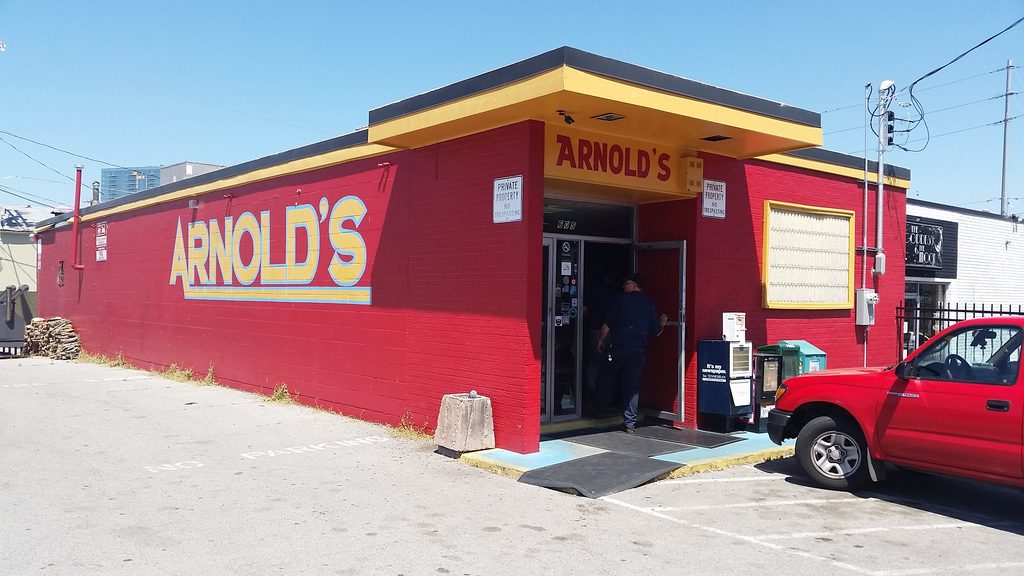
Arnold’s Country Kitchen at 605 Eighth Avenue South is a classic example of Nashville’s meat-and-three tradition. The restaurant currently lists Monday through Saturday hours of 10:30 a.m. to 2:45 p.m., making it primarily a daytime destination.
And the ordering style is part of the experience.
The food is the first thing that gets your attention.
Steam rises from serving trays. There’s the rich smell of cooked vegetables, savory meat, and the kind of comfort food that makes a rushed lunch feel like something worth slowing down for.
The selection may include fried chicken, roast meats, beans, greens, and other Southern favorites.
You’re standing in line, studying the choices.
Then you realize the person behind you already seems to know exactly what they’re ordering.
That’s the traditional meat-and-three experience.
One main dish. Three sides.
The exact options depend on the restaurant, and some places offer different combinations.
But there’s an informal rhythm to these lunch counters.
Here’s the little lesson that saves everybody trouble.
At a busy Nashville meat-and-three, knowing how the line works before you reach the counter makes the meal easier for everyone.
The insider tip is to read the menu or daily offerings while you’re waiting.
If the dishes are unfamiliar, take a moment to understand the choices before it’s your turn.
There’s nothing wrong with asking the staff a question.
Just remember that a lunch counter may have a line of people who need to get back to work.
There’s another detail worth knowing.
Vegetables at Southern restaurants aren’t necessarily vegetarian.
Greens, beans, and other sides may be seasoned with meat or animal stock, so ask if you have dietary restrictions.
Bread, drinks, and desserts may also be handled differently from one restaurant to another.
And while communal seating is associated with some traditional Southern dining experiences, don’t assume every Nashville restaurant expects strangers to share tables.
Follow the establishment’s arrangement.
The bigger story is about what these places represent.
Nashville’s meat-and-three tradition reaches back through generations of local dining history. Eater Nashville traces an early chapter of that culture to Hap Townes, which began as a hot dog cart in the 1920s.
That restaurant is gone, but the tradition remains.
And that makes a simple lunch feel connected to something larger than what’s on the plate.
A meal that looks ordinary to a tourist can remind a longtime resident of family lunches, workday routines, and the Nashville they remember.
But once you’re back in the car, you’ll encounter another unwritten custom that’s considerably more controversial.
10. The Four-Way Stop Where Being Too Nice Can Cause a Problem
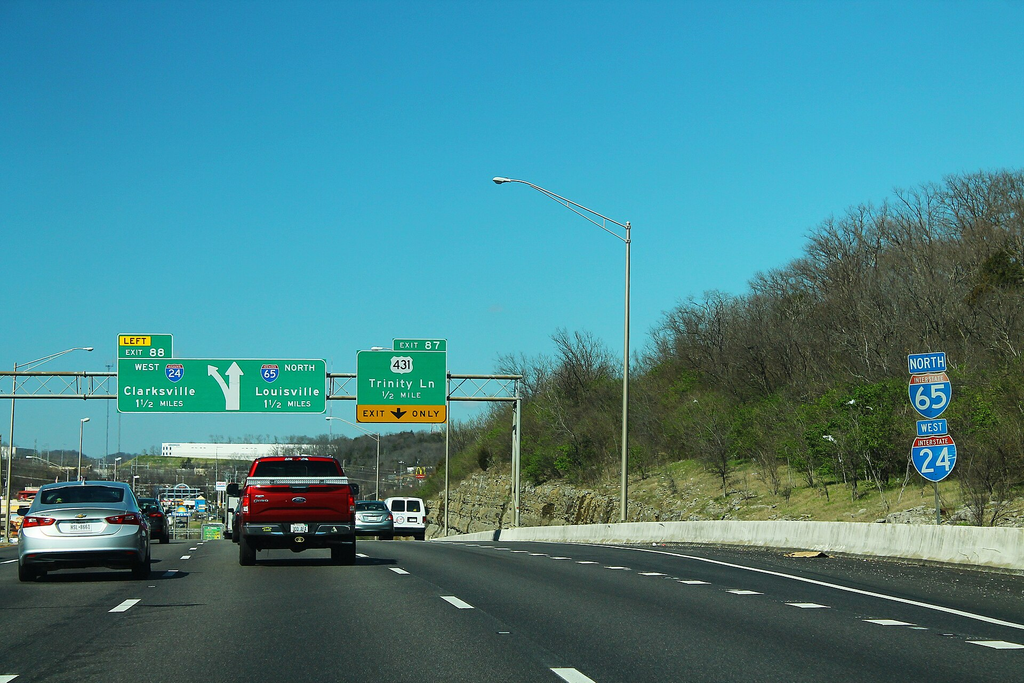
Nashville drivers share major roads such as I-24, I-40, and I-65, along with busy surface streets like Charlotte Pike. Local discussions about traffic frequently bring up merging, unpredictable decisions, and confusion at intersections.
There is no shortage of opinions.
Especially when two drivers both decide to be polite.
Picture a four-way stop.
Two vehicles arrive, and one driver waves the other forward.
The second driver waves back.
Nobody moves.
Meanwhile, the people behind them are wondering what’s happening.
It can look like a charming display of Southern courtesy.
Until somebody misreads the situation.
There’s an important distinction between kindness and unpredictability when driving.
A polite gesture isn’t helpful if it creates uncertainty about who actually has the right of way.
And with Nashville’s mixture of visitors, commuters, delivery vehicles, and residents, consistency matters.
Here’s the rule that deserves more attention.
The safest kind of Nashville driving courtesy is following the traffic rules and making your next move predictable.
The insider tip is to avoid treating intersections like informal negotiations.
At stop signs, follow right-of-way rules.
When merging, use your signal, check surrounding traffic, and adjust your speed safely.
If another driver seems confused, don’t add to the uncertainty with sudden or unexpected movements.
And resist the temptation to make aggressive honking your first response to every delay.
That doesn’t mean Nashville drivers all wait patiently at green lights.
They certainly don’t.
Local conversations reveal frustration about impatient drivers just as often as they reveal complaints about overly cautious ones.
A little defensive driving goes a long way.
Pay attention when a signal changes. Check for vehicles and pedestrians before proceeding, and don’t assume everyone else will obey the light.
Downtown brings its own challenges because drivers must share the streets with people walking between restaurants, bars, hotels, and attractions.
Give pedestrian crossings the attention they deserve.
And remember that a navigation app can’t account for every confusing human decision.
The goal isn’t to prove you’re the friendliest driver on the road.
It’s to get everyone where they’re going safely.
That same balance between courtesy and practical rules shows up in one of Nashville’s most relaxing places.
And there, the official expectations are surprisingly specific.

11. The Beautiful Nashville Trail With Rules People Actually Need to Know
Shelby Bottoms Greenway and Natural Area in East Nashville is part of Nashville’s public greenway system. Metro Parks treats its paved greenways as two-way, shared-use trails and sets a maximum speed of 15 mph for cyclists and skaters.
That number surprises some people.
Especially those who think a paved trail is an open invitation to go as fast as possible.
Imagine walking along a greenway while the sounds of traffic fade behind you.
Leaves stir overhead. Bicycle tires make a soft rolling sound on the pavement. A dog stops to investigate an interesting patch of grass.
It’s exactly the kind of peaceful outing that makes Nashville’s parks so valuable.
Then a cyclist approaches from behind.
Or a group walking side by side fills the entire path.
Or an excited dog stretches its leash across the pavement.
Suddenly, a pleasant afternoon becomes awkward.
Metro Parks has written rules designed to prevent these situations, and they apply to everyone sharing the trail.
Here’s one that people often overlook.
Nashville greenway rules require cyclists and skaters to yield to pedestrians, and pets must be kept on leashes no longer than six feet.
The insider tip is to stay to the right and leave the left side available for passing.
Cyclists should give an audible warning when approaching from behind.
Walkers should avoid spreading across the full width of the path, particularly where visibility is limited.
And if you stop to take a photograph, move out of the way rather than blocking other users.
Metro Parks generally lists greenways as open from dawn to dusk.
Rules also require users to stay on designated trails and dispose of trash properly.
The trap is assuming that because you’re outdoors, normal shared-space expectations no longer apply.
A friendly dog may still frighten someone.
A bicycle moving too quickly can surprise a walker.
And a portable speaker that sounds pleasant to one group may interfere with the quiet someone else came to enjoy.
None of this requires special equipment or spending money.
It simply requires remembering that public space belongs to other people, too.
That may sound like a small thing.
But the most meaningful Nashville social rule reaches much further than trails, traffic, and restaurants.
It’s about what happens when a city changes, and the people who remember its past begin feeling like strangers in their own hometown.

12. The Fastest Way to Offend Someone Who Remembers Old Nashville
Ryman Auditorium has been part of Nashville’s country music history since long before the city’s modern tourism boom. The Grand Ole Opry performed there from 1943 until 1974, helping establish the building’s place in American music history.
That history matters to people who remember an earlier Nashville.
But so do less famous places.
An old restaurant. A neighborhood shop. A familiar street corner that no longer looks the same.
You might drive past a building and see nothing particularly special.
Someone else may remember going there with their parents or stopping by after work for years.
That’s the complicated thing about a rapidly changing city.
New arrivals see opportunity, fresh restaurants, new homes, and exciting entertainment.
Longtime residents may see those things, too.
But they may also remember businesses that disappeared, buildings that were replaced, and neighborhoods that gradually changed character.
In a 2026 discussion on r/nashville about leaving the city, residents shared concerns about expenses, neighborhood change, and the loss of familiar places and community connections.
Those feelings aren’t universal.
But they’re real concerns expressed by people who care about Nashville.
Here’s where newcomers can make an especially poor impression.
Telling longtime residents that Nashville needed to become more like another city can sound like you’re dismissing the place they already loved.
The insider tip is to ask questions before offering sweeping judgments.
If somebody mentions a restaurant that closed, ask what made it special.
If an older neighbor talks about a neighborhood’s past, listen.
You may learn something that no tourism website can explain.
And don’t assume that old means outdated or that new means better.
Some new businesses become valuable parts of their communities. Some older institutions had problems worth addressing.
Nostalgia doesn’t mean everything in the past was perfect.
Different people experienced Nashville differently, and not every chapter of the city’s history deserves romantic treatment.
Still, there’s something worth respecting about the connection between people and familiar places.
The Ryman is an obvious example.
Its history includes the Grand Ole Opry’s formative decades, with performers such as Hank Williams, Patsy Cline, and many others associated with the legendary show.
Today, the Ryman remains a place for live performances, tours, and special events.
It’s possible to appreciate what the venue offers now while understanding why its past means so much.
And that’s the balance newcomers sometimes miss.
You don’t have to be born in Tennessee to care about Nashville.
You don’t have to agree with every longtime resident or dislike every new development.
But arriving with curiosity instead of criticism makes a difference.
There’s room for new people and new traditions.
There’s also room to remember what came before.
And one unexpected fact about Nashville’s most famous music institution shows just how closely the city’s old and new identities are connected.

The Unexpected Fact About Nashville’s Most Famous Music Tradition
The Grand Ole Opry didn’t begin at the Ryman Auditorium, even though the two are so closely associated today. The program began on November 28, 1925, as the WSM Barn Dance, featuring fiddle player Uncle Jimmy Thompson. The Ryman was actually the show’s fifth home.
Even more surprising is what happened when the Opry moved to its current home in 1974. A six-foot circle of wood was taken from the Ryman’s original stage and installed in the center of the new Opry House stage. That circle helped carry a physical piece of the show’s history into its next chapter.
Think about that for a moment. Nashville didn’t have to abandon its past to build something new. It brought part of that past along.
That’s the lesson behind these unwritten social rules. You can enjoy the neon, hear incredible music, and have a wonderful Nashville trip without understanding every local custom.
But the people who make the strongest connection with Music City are often the ones who pay attention to the community behind the attractions.
The real Nashville isn’t just a place you visit. It’s a place people call home.