A Nashville weekend can jump hundreds of dollars over budget without one giant splurge. Parking, hotel fees, airport transportation, drinks, tickets, meals, and little impulse purchases have a way of stacking up quietly.
The trick is knowing where the money leaks happen before you arrive. Some of the easiest fixes take less than five minutes, and one of them can save a couple more than $100 before they even reach Broadway.
The Parking Decision That Can Cost More Than Dinner
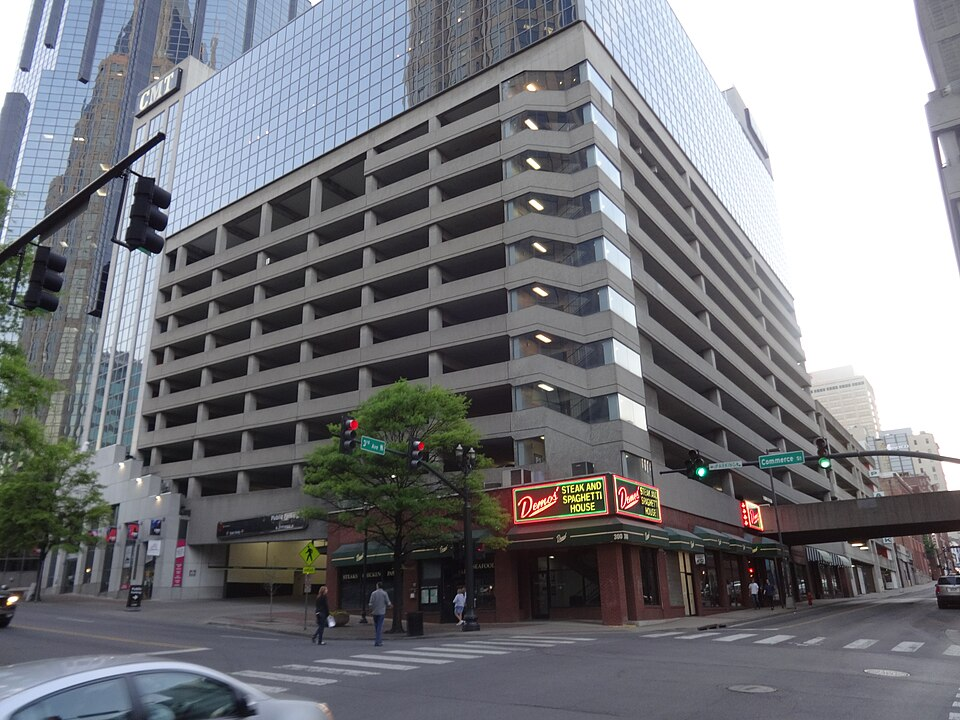
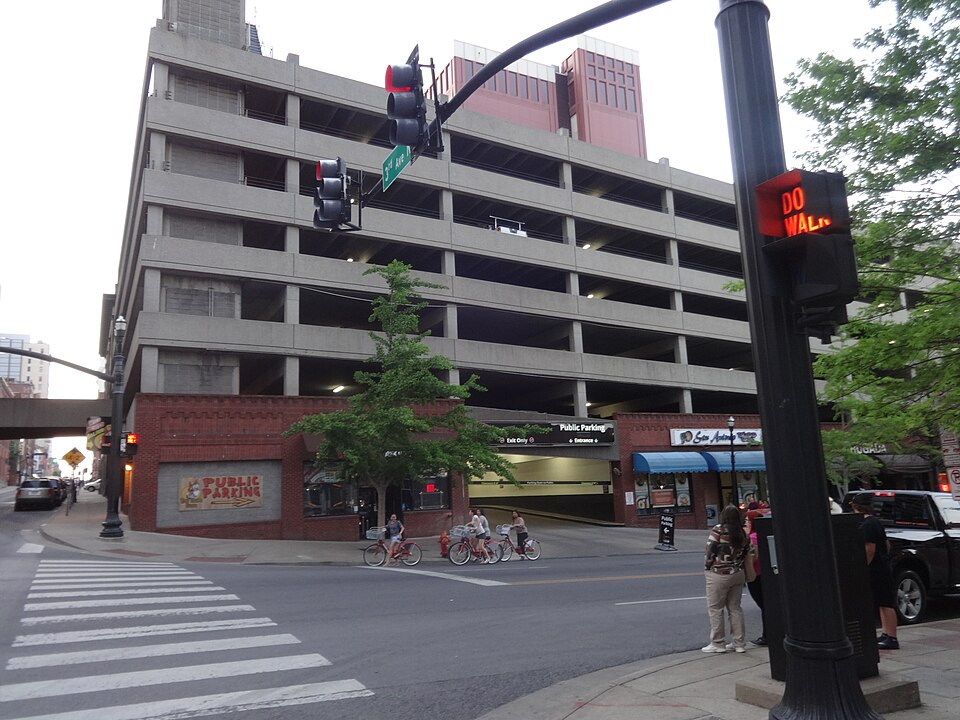
Downtown hotel parking is one of the first places a Nashville budget can go sideways. The JW Marriott Nashville, for example, currently lists overnight valet parking at $69, while Nashville's publicly operated downtown garages can offer substantially cheaper options depending on the time and event schedule.
Pull into a downtown hotel after a long drive and valet feels wonderful.
Someone takes the keys. Your bags disappear toward the lobby. Broadway is glowing a few blocks away, and the last thing anybody wants to do is circle downtown hunting for a garage.
That convenience is exactly why travelers need to know the price first.
Here's what catches people off guard.
Three nights of $69 valet parking comes to $207 before you have spent a dollar actually exploring Nashville.
Metro's Public Square Garage at the courthouse is one alternative worth checking. Metro says its downtown garages generally range from $3 to $20 for an all-day maximum, with event parking typically $10 to $15 and non-event night and weekend parking after 5 p.m. ranging from $5 to $10. Rates can vary with circumstances, so read the posted signs before leaving the car.
The Music City Center garage is another option to compare. Recent Music City Center financial documents listed its overnight rate at $35.
The trap is assuming the hotel garage is automatically your best choice simply because you're sleeping there.
If you are driving, compare parking at the same time you compare room rates. A slightly more expensive room with cheaper parking can beat the “deal” hotel once the final bill arrives.
But parking is only half the transportation problem. The next mistake starts before some visitors even leave BNA.
The $2 Airport Ride Most Visitors Never Consider
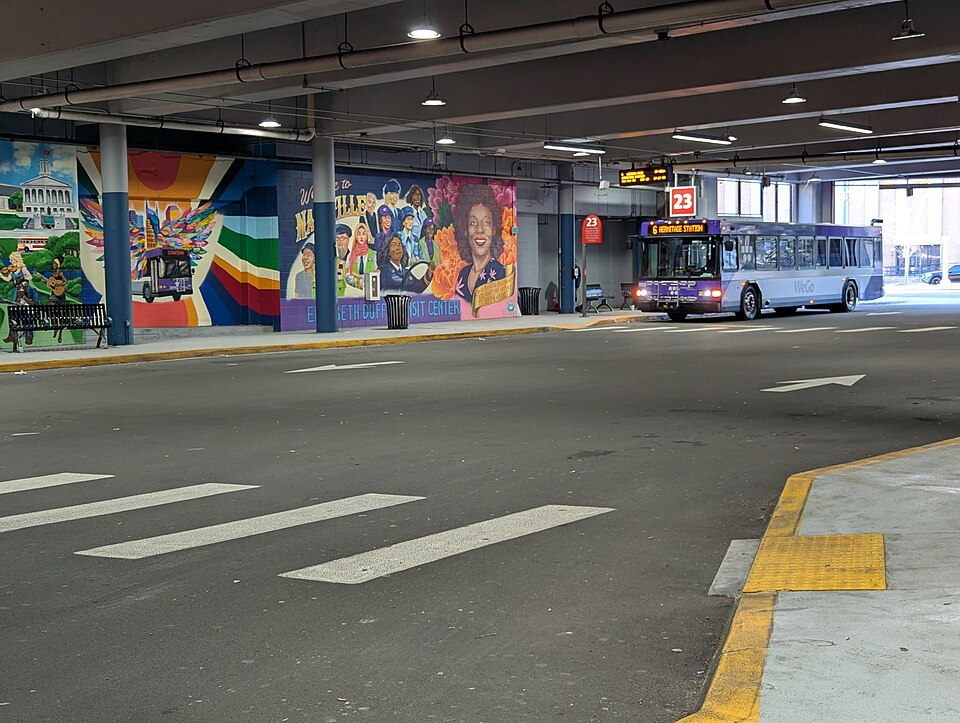
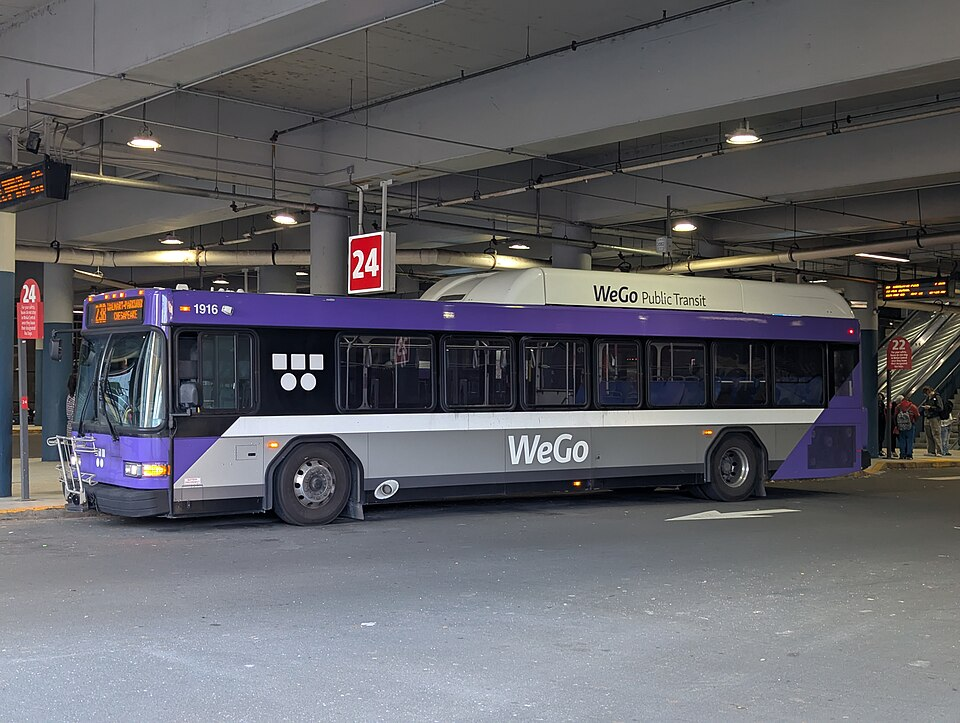
WeGo Public Transit's Route 18 connects Nashville International Airport with the Elizabeth Duff Transit Center at WeGo Central downtown. Adult fare is currently $2 each way, and express trips take about 20 minutes.
That is worth knowing before opening a rideshare app.
After baggage claim, Nashville's airport can feel like controlled chaos. Suitcases roll across concrete, phones come out, travelers follow signs toward ground transportation, and everybody seems determined to get downtown at the same time.
Most people automatically think Uber, Lyft, taxi, or rental car.
Here's what catches people off guard.
Two adults can ride Route 18 from BNA to downtown for $4 total.
At BNA, the Route 18 stop is in the Ground Transportation Center on Level 1 of Terminal 2 Garage. Luggage is allowed, and fares can be paid with QuickTicket, contactless cards, mobile wallets, or exact cash. American Express is currently excluded from the contactless-card option.
Service improved in July 2026. WeGo says Route 18 now operates every 30 minutes from 6 a.m. to 6 p.m. seven days a week, then every 40 minutes in the evening.
The trap is assuming the bus works like a hotel shuttle that appears whenever you need it. Check the actual schedule against your flight.
For travelers staying near downtown and packing reasonably light, though, this is one of those Nashville facts worth saving.
And once you're downtown, another expensive transportation mistake becomes surprisingly easy to make.
The Rental Car That Spends Most of Vacation Sitting Still
BNA currently has 10 rental-car companies, with counters on Level 1 and the rental-car facility a short walk from the terminal. Meanwhile, downtown Nashville has paid parking zones where central-district rates can reach $6 an hour once a stay extends beyond four hours.
A rental car feels like freedom when you book it.
Then you reach Nashville.
If the weekend revolves around Lower Broadway, the Country Music Hall of Fame area, Bridgestone Arena and nearby downtown attractions, that car may spend an awful lot of time parked while still costing money.
You pay for the rental. You pay for fuel. Then you may pay the hotel to store it.
Here's what catches people off guard.
A car you barely drive can still create a new expense every single day of the trip.
Look at the itinerary before the transportation.
If you're spending two days downtown and taking one day trip to Franklin, Leiper's Fork, the countryside, or another destination outside the core, compare the cost of renting only for the day you genuinely need a vehicle.
Nashville is not a city where a car is useless. Quite the opposite. Exploring Middle Tennessee becomes much easier with one.
The mistake is renting automatically.
BNA itself is in the middle of a major expansion. Airport officials say a new six-story rental-car and parking facility is being built with room for 4,700 rental vehicles and 3,000 passenger parking spaces.
For now, check current airport directions before arrival because construction can change how drivers move around the terminal area.
And speaking of things that look cheaper online than they do in real life, wait until you see what can be attached to a Nashville hotel rate.
The Hotel Rate That Isn't Really the Hotel Rate
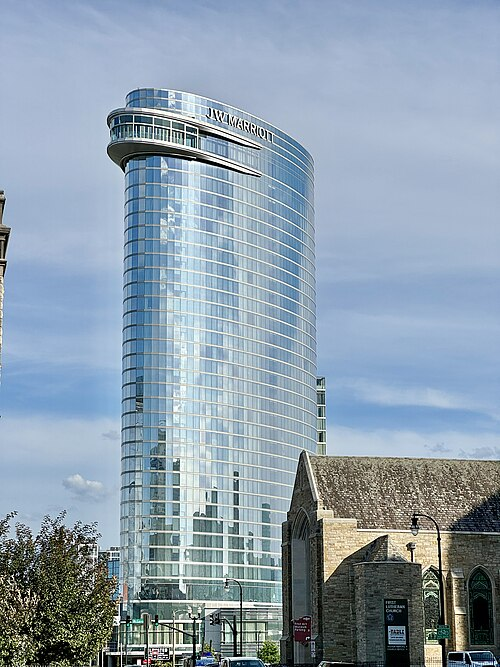
JW Marriott Nashville currently charges a $35 daily destination fee. Omni Nashville Hotel also lists a $35 daily resort charge, meaning three nights add $105 before considering the room rate itself or other applicable charges.
This is how a Nashville hotel search can fool you.
One room flashes onto the screen at a tempting nightly rate. Another looks $20 or $30 more expensive. Naturally, you click the cheaper one.
Then comes the checkout page.
Taxes appear. Parking appears. A destination or amenity fee may appear. Suddenly that original number is no longer the number that matters.
Here's what catches people off guard.
The only useful hotel price is the final stay total after mandatory fees and the extras you actually expect to use.
At JW Marriott, that $35 destination fee currently includes a $20 daily food-and-beverage credit, two scoops of house-made gelato, admission for two to the Johnny Cash Museum, enhanced Wi-Fi, and additional benefits for qualifying Bonvoy members.
That means the smart move is not simply complaining about the fee. Check what it includes and use whatever has genuine value to you.
At Omni, the current $35 charge includes benefits such as Wi-Fi, two bottled waters daily and a $5 discount on general admission to the Country Music Hall of Fame and Museum.
The trap is comparing the big number shown in search results instead of completing a mock booking and comparing the final totals.
Do that for every hotel on your shortlist.
Because once the room is booked, Nashville has another way of draining a wallet one small transaction at a time.
The Broadway Night That Turns Into a $200 Blur
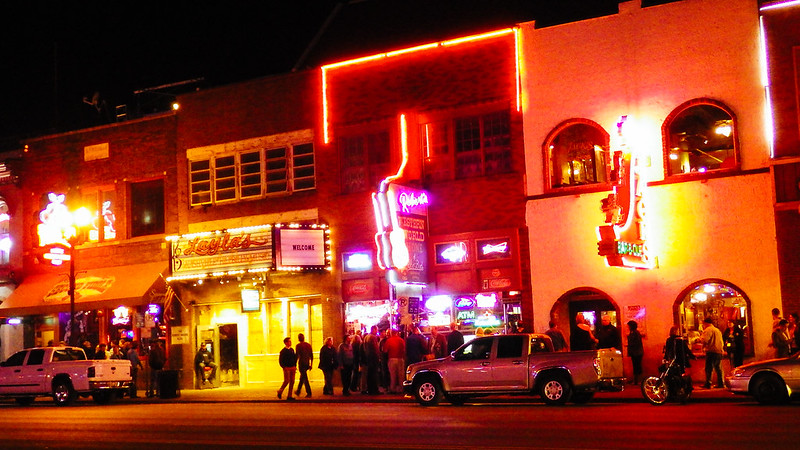
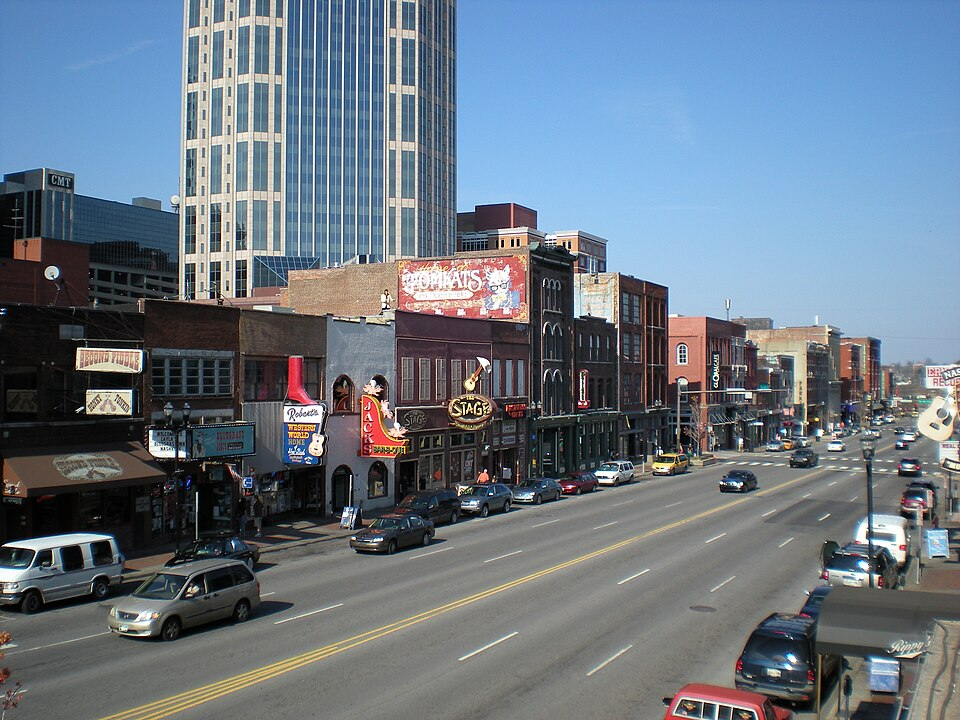
Lower Broadway is Nashville's famous neon canyon, packed with honky-tonks, rooftop bars, live bands and crowds flowing between venues.
It is also remarkably good at separating visitors from money.
One drink doesn't feel like a budget problem. Neither does an appetizer, a tip for the band, another drink upstairs, a late-night snack, or the ride back to the hotel.
Put them together and the math changes.
You hear drums rattling through an open doorway. A fiddle cuts through the crowd noise. Boots stick slightly to a well-used floor. Somebody spots another rooftop and decides the night is still young.
Here's what catches people off guard.
Broadway gets expensive through repetition, not necessarily through one outrageous purchase.
The insider move is deciding what kind of Broadway night you actually want before you start.
Maybe that means dinner elsewhere, then live music downtown. Maybe it means spending the afternoon exploring and saving Broadway for after dark. Maybe you pick two bars instead of treating every glowing doorway like a challenge.
And remember that paying for entertainment is not always necessary.
Robert's Western World at 416B Broadway is one example of Nashville's traditional honky-tonk culture, and its events have included free live-music programming.
The trap is confusing “I'm in Nashville” with “I need to spend the entire weekend on Broadway.”
You don't.
Save some appetite, energy, and cash for the neighborhoods beyond the neon.
That matters even more when food enters the picture.
The Meal Plan That Makes Every Breakfast Feel Like an Event
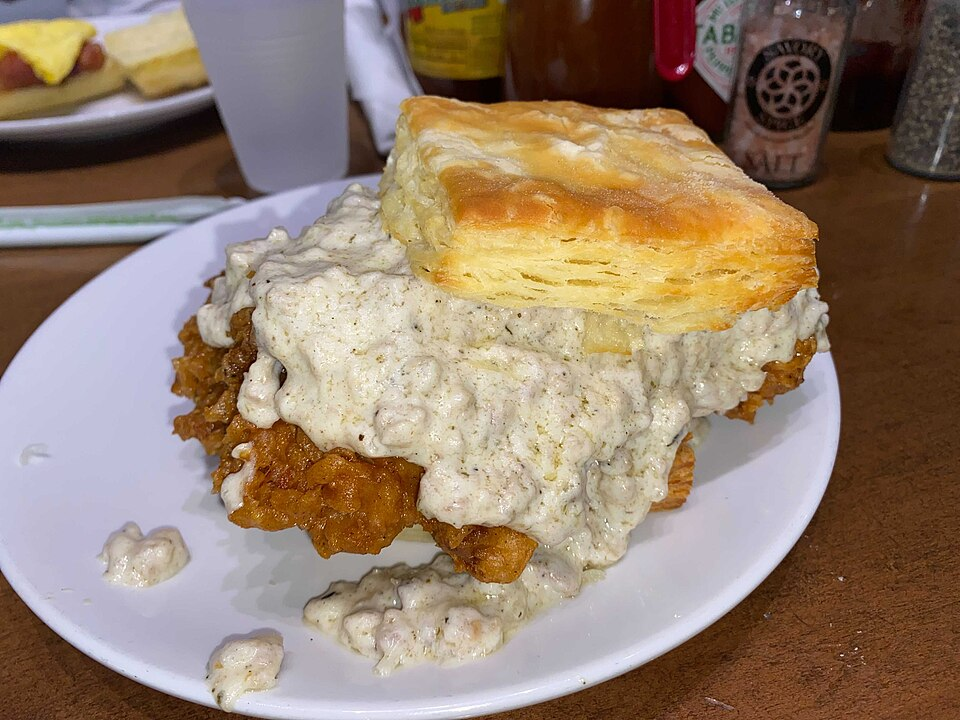
Nashville's visitor districts put an enormous amount of food within easy reach, but convenience can encourage travelers to turn every breakfast, coffee, lunch, cocktail and dinner into a vacation splurge.
That's how food budgets disappear.
You wake up and buy the big brunch. Two hours later comes specialty coffee. Lunch becomes hot chicken with sides and drinks. Dinner becomes reservations, cocktails and dessert.
Nobody made one terrible decision.
They simply never ate an ordinary meal.
Here's what catches people off guard.
A three-day trip contains enough meals and snacks for small upgrades to multiply very quickly.
Pick the meals that matter before arriving.
If hot chicken is important, make that meal count. If there's a restaurant you've been thinking about for six months, absolutely go. Nashville is a food city, and eating well is part of the pleasure.
But Tuesday-morning-level hunger does not require Saturday-night-level spending.
Neighborhood bakeries, casual lunch counters, diners, coffee shops and meat-and-three restaurants can give you a completely different Nashville experience from the big visitor corridors.
The practical trick is grouping meals with whatever neighborhood you're already exploring. Don't pay for a rideshare across town just because a social-media video told you one breakfast sandwich is “essential.”
The trap is collecting famous restaurants instead of enjoying Nashville.
Leave room for something unplanned.
Because the same fear of missing out that inflates restaurant bills gets even more expensive when tickets are involved.
The Ticket Price That Changes at the Last Click
Nashville sells tickets to almost everything imaginable: concerts, museums, sporting events, tours, historic sites and special experiences.
The number that first catches your eye is not always the amount you'll eventually pay.
That's particularly painful when buying for a group.
A fee that seems tolerable on one ticket becomes considerably less charming when multiplied by two, four or six.
Here's what catches people off guard.
A $25 difference in the final cost of four tickets is another $100 out of the weekend budget.
Never compare tickets by the first advertised number.
Go far enough through checkout to see the real total, then compare sections, dates and official sellers before committing. If the event has an official venue box office, check its purchasing options too.
And don't assume every Nashville experience needs a ticket in the first place.
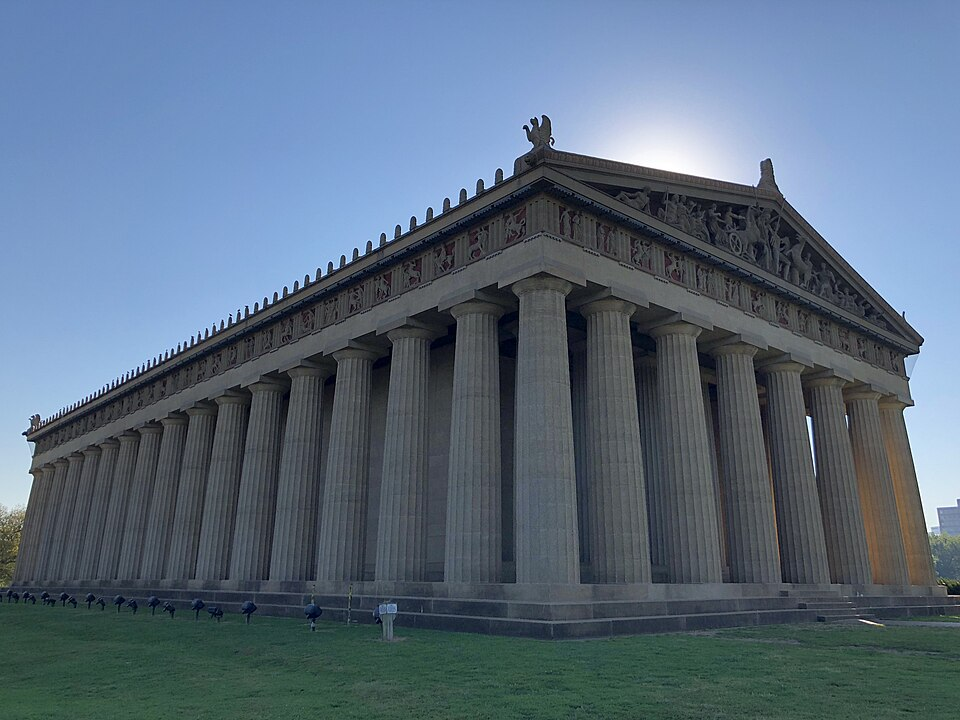
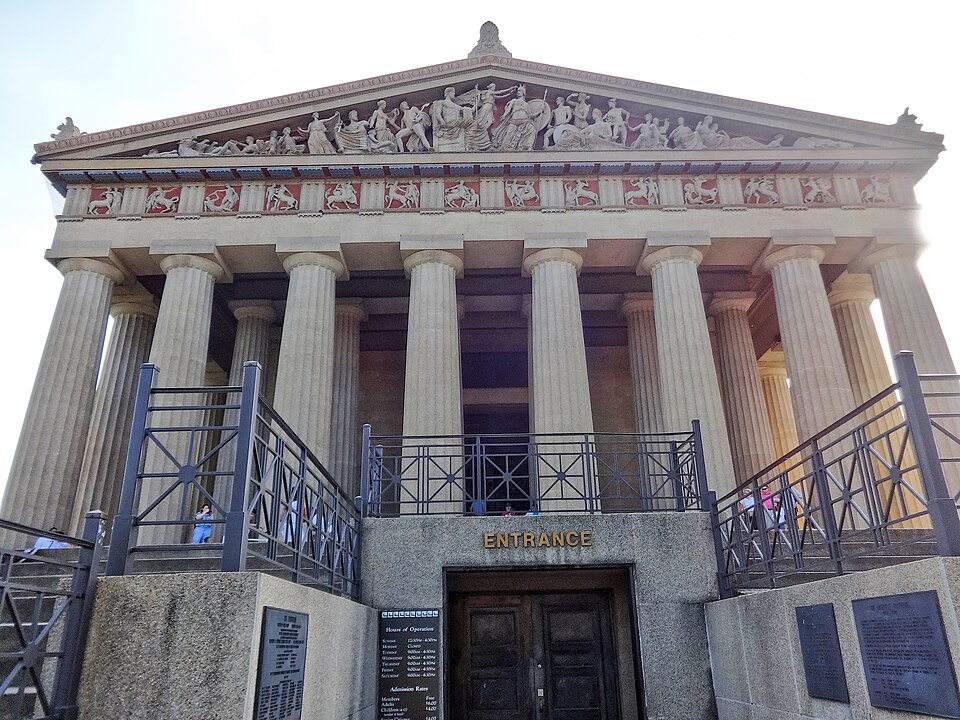
Centennial Park, for example, covers 132 acres and includes a one-mile walking trail, Lake Watauga, gardens and Nashville's full-scale Parthenon replica. The park is open from dawn until 11 p.m. daily.
Walking the park and seeing the Parthenon's exterior gives you one of Nashville's most recognizable sights without purchasing museum admission.
The trap is building a schedule where every two hours require another QR code.
Which brings us to a Nashville mistake that is less exciting than live music, but can wreck the mood faster than almost anything.
The Parking Sign You Really Need to Read Twice
Nashville's Central Parking District currently charges $2 an hour for the first two hours at Metro multi-space pay stations, then $5 an hour for hours three and four and $6 an hour for longer stays, up to the posted maximum.
That is not a number you want to discover after leaving the car all afternoon.
Downtown parking can feel like a game played at street level.
One block looks promising. The next has restrictions. A garage entrance appears just after you've passed it. Event traffic starts building and suddenly everybody is trying to make the same turn.
This is where rushing gets expensive.
Here's what catches people off guard.
Metro specifically tells drivers to read posted parking signs because enforcement hours and limits depend on the location.
If you're staying for hours, compare a garage with metered parking instead of assuming the curb is cheaper.
Metro says its downtown garages can range from $3 to $20 for an all-day maximum. Event parking generally runs $10 to $15, while non-event nights and weekends after 5 p.m. can range from $5 to $10.
Those ranges make planning worthwhile.
The trap is also assuming every downtown lot belongs to Metro. It doesn't. Nashville's transportation department explicitly notes that it does not manage privately owned off-street lots and garages.
Know whose space you're parking in. Read the payment instructions. Take a photo of the sign if you think you'll forget the rules.
Then put the phone away and enjoy Nashville.
Better yet, spend part of the day somewhere the meter isn't dictating your schedule.
The Free Nashville Afternoon Hiding in Plain Sight
Centennial Park sits at West End Avenue and 25th Avenue North and spreads across 132 acres. Metro lists the park's hours as dawn to 11 p.m. daily.
There is a lake. There are gardens. There is a one-mile walking trail.
And then there is the Parthenon.
Seeing those columns rising above the trees still produces one of Nashville's strangest visual moments. For a few seconds, West End Avenue feels very far away.
The park traces its story to Tennessee's 1897 Centennial Exposition, and the original exposition Parthenon eventually gave way to the concrete reconstruction completed between 1921 and 1931.
Here's what catches people off guard.
You can enjoy Centennial Park and see the outside of Nashville's full-scale Parthenon without buying museum admission.
If you want to go inside, that's different. Adult museum admission is currently $15, seniors 62 and older and youth ages 4 through 17 are $10, and children under four enter free.
Museum hours are currently Monday through Saturday from 9 a.m. to 4:30 p.m. and Sunday from 12:30 to 4:30 p.m., with special closures and altered hours on certain dates.
The insider move is deciding which experience you actually want.
If you only want photographs, architecture and a walk, stay outside. If you want to see Athena and the art collection, buy admission and give the interior proper time.
The trap is assuming “free attraction” and “free museum” mean the same thing.
And after a peaceful afternoon in the park, there's another Nashville money trap waiting inside almost every gift shop.
The Souvenir That Seemed Cheap Until You Bought Six
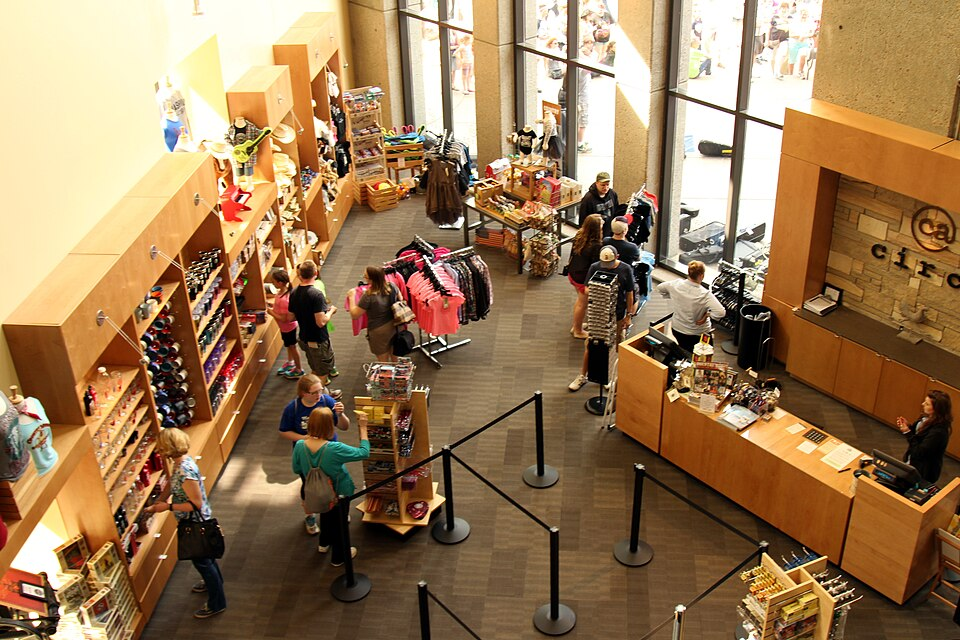
A Nashville weekend offers endless opportunities to buy something with guitars, boots, neon, song lyrics or the city name printed across it.
One little souvenir is harmless.
Then comes another.
A shirt. A hat. A poster. A novelty sign. Something from the museum store. Something from Broadway. Something from the airport because somebody back home needs a gift.
By Sunday, half the suitcase is Nashville.
Here's what catches people off guard.
Several small souvenir purchases can turn into another $100 surprisingly fast.
Set the souvenir budget before you start browsing.
That doesn't mean avoiding local shops. Quite the opposite. If you're going to spend money, look for something connected to the place or experience rather than buying the first generic item within arm's reach.
The Parthenon Museum Store, for example, carries products tied directly to the museum and park, including goods made with honey from Centennial Park's bees alongside books, clothing, housewares and other items.
That kind of souvenir has a story attached.
The trap is shopping because vacation mode makes every purchase feel exempt from normal judgment.
Give yourself permission to buy one good thing.
A photograph from Centennial Park, a ticket stub from a show, or the memory of hearing a killer fiddle player three feet away may wind up meaning more anyway.
And there is one more kind of impulse purchase that can cost far more than a T-shirt.
The Nashville Experience You Book Because Everybody Else Did
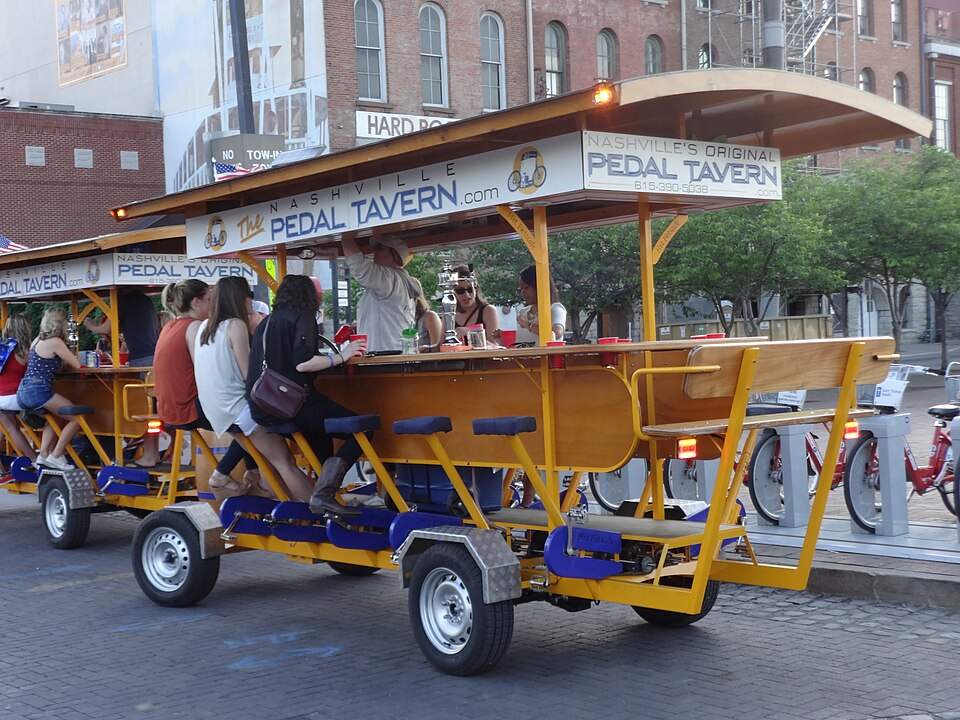
Party vehicles. Rooftop experiences. Tours. Premium attractions. Special packages.
Nashville makes it wonderfully easy to fill every waking hour.
That does not mean you should.
A group walks past having the time of its life and suddenly your quiet afternoon feels inadequate. Someone online says an attraction “changed their life.” A friend insists you haven't really done Nashville unless you book a certain tour.
Out comes the credit card.
Here's what catches people off guard.
A Nashville weekend does not become more memorable simply because more of it required reservations.
Before arriving, choose two or three paid experiences you would genuinely be disappointed to miss.
Protect those.
Everything else has to earn its place.
Nashville rewards wandering. You can hear music drifting through open doors, walk across downtown, explore parks, browse shops, watch the Cumberland River roll past and spend time in neighborhoods without treating every hour like an attraction slot.
The practical benefit is bigger than saving money.
An itinerary packed with reservations creates transportation costs, scheduling stress and the temptation to pay for convenience every time you're running late.
The trap is FOMO.
A little empty space in the schedule is not wasted vacation time. In Nashville, it is often where the good stuff happens.
And that empty space gets even more valuable when you stop zigzagging across the city.
The Four-Mile Ride That Keeps Happening All Day
Nashville attractions are spread across downtown and multiple surrounding neighborhoods, so transportation expenses can accumulate when travelers bounce from one side of town to another.
The solution is surprisingly old-fashioned.
Look at a map.
Spend a block of time in one part of town before moving to the next. If you're downtown, do several downtown stops together. If you're spending time around Centennial Park and West End, handle those plans together instead of returning three times.
It sounds obvious until you watch an itinerary send somebody across Nashville for breakfast, back downtown for a museum, away again for lunch, downtown again for a show, then across town for drinks.
Here's what catches people off guard.
The expensive part isn't always one rideshare. It's paying for another one every couple of hours.
Grouping activities also protects something more valuable than money: your vacation time.
Nashville traffic can turn a clever-looking itinerary into a windshield tour. Spending less time moving means more time listening, eating, walking and actually seeing the city.
Use WeGo when the route makes sense. Adult local fares are currently $2, and Route 18 alone can handle the airport-to-downtown connection cheaply.
Walk where it is practical and comfortable. Rideshare strategically rather than automatically.
The trap is treating Nashville attractions like points on a checklist instead of places located in actual neighborhoods.
Slow the day down.
Because the most expensive Nashville mistake of all isn't parking, tickets or transportation. It's what happens when all those little choices land on the same credit-card statement.
The Unexpected Fact About a $500 Nashville Weekend
The “$500 mistake” usually isn't one mistake at all.
It is accumulation. Hotel parking gets added to a destination fee. Airport transportation gets added to rideshares. Drinks get added to ticket charges. Meals get added to souvenirs. The original research behind this guide identified exactly that pattern: seemingly manageable expenses stacking until a reasonably priced trip becomes hundreds of dollars more expensive.
The numbers can become real surprisingly quickly. Three nights of $69 JW Marriott valet parking would total $207, while three $35 destination fees at the same hotel add another $105. That's $312 before counting the room itself, food, nightlife, attraction tickets or transportation to Nashville.
Now compare that with a few informed choices. WeGo's airport bus is $2 each way. Metro downtown garages can offer non-event evening and weekend rates starting around $5 after 5 p.m. Centennial Park gives you 132 acres to explore without requiring museum admission.
That's the Nashville trick worth remembering.
Spend money on the music you came to hear, the meal you'll still talk about next year, and the experiences that actually matter to you. Skip the charges that happened only because nobody warned you.
The best Nashville weekend isn't the one where you spend the least. It's the one where you know exactly what was worth paying for.