
Correction: An earlier version of this article described Nashville’s public-drinking restrictions too broadly. Metro’s pedestrian open-container ordinance specifically restricts unsealed glass, aluminum, and metal containers; it does not prohibit paper or plastic cups. The new special-event law concerns licensed alcohol service within approved event premises. The article below explains that distinction.
Picture your first night in Nashville. A band is playing inside a honky-tonk, the neon is glowing, and you’re wondering whether your drink can come along when you head outside.
A reader contacted me after the original version of this article and pointed out something important: Nashville’s rules about carrying alcohol in public are different from the rules governing where a bar may serve it. My wording did not make that clear enough.
Here is the distinction visitors need to understand, followed by the other laws and proposals that could affect a Nashville trip.
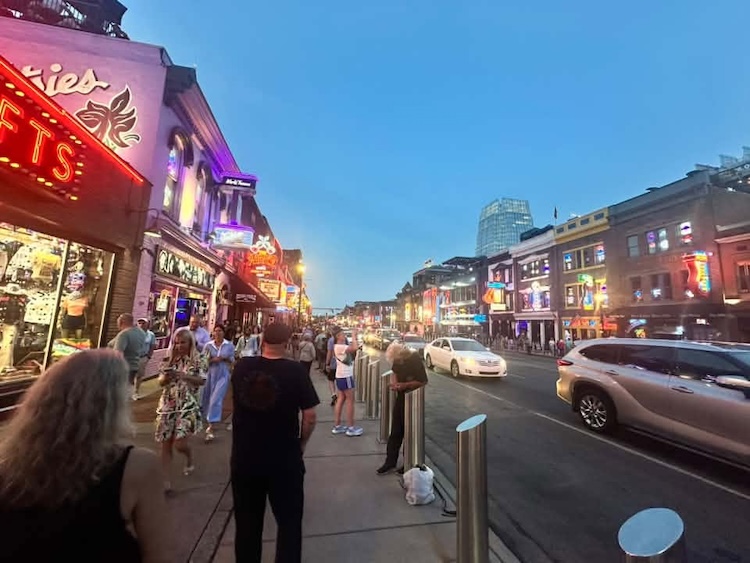
Can You Walk Around Broadway With Alcohol in a Plastic Cup?
Nashville’s pedestrian open-container ordinance, Metro Code Section 7.24.040, restricts possessing alcohol for consumption in unsealed glass, aluminum, or metal containers on streets, sidewalks, and other public areas, with specified exceptions.
Paper and plastic cups are not included in that prohibition. People sometimes call this the “Solo Cup Law,” although that is an informal nickname.
Carrying alcohol in a paper or plastic cup therefore does not, by itself, violate that particular container restriction. The new special-event law does not turn ordinary days on Broadway into days when cups are suddenly prohibited.
But the cup rule is not permission to drink everywhere. Venue policies, event-entry restrictions, age requirements, and other applicable laws still matter.
For the reader who asked about pouring a personally owned drink into a plastic cup before leaving a hotel: that avoids the glass-and-metal restriction in this particular ordinance. It does not provide blanket permission to bring the drink into any bar, attraction, vehicle, or ticketed event.
Technically, according to the law, You can walk along Broadway with alcohol in a paper or plastic cup under Nashville’s pedestrian open-container ordinance; open glass bottles and metal cans are prohibited. That does not mean you can take your drink out of a bar: finish it inside the bar’s approved drinking area unless the venue confirms that its permits allow you to take it into a designated event area. A plastic cup alone does not give the bar that permission. (Metro Nashville’s Pedestrian Rule (Metro Code § 7.24.040))
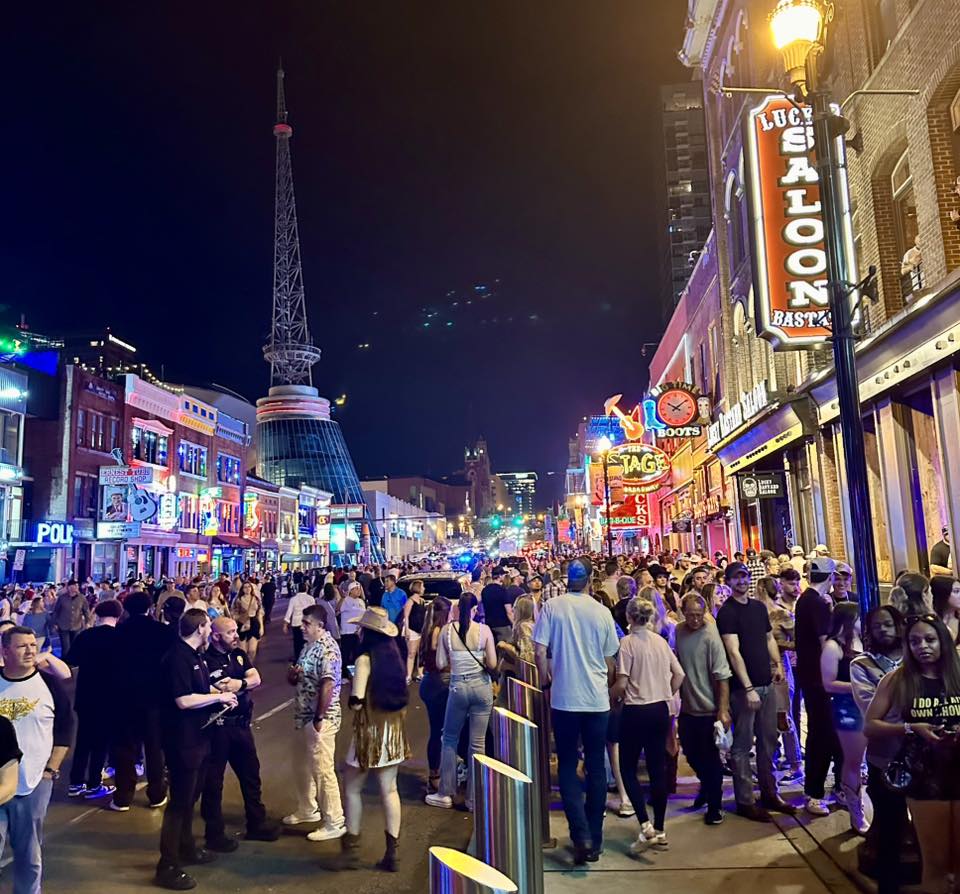
The reality is quite different. Even though Nashville’s open-container code technically restricts only opened glass and metal containers, bringing outside alcohol from your hotel or off the strip is treated in practice as a gray-area loophole. Even if an officer acknowledges that a plastic cup isn’t technically violating the text of the container ordinance, you won’t get far—police can still stop you to investigate or direct you to toss it, and every honky-tonk bouncer on Broadway will force you to trash outside drinks before letting you through the door.
Nashville is simply not a “sip and stroll” city; while you might occasionally slip by unnoticed in lower-profile spots like Printer’s Alley, Broadway is heavily monitored by law enforcement and private security, making it a firm no. That gap between current practice and true open-container entertainment districts is precisely why new legislation is being proposed to officially expand permitted drinking areas for specific events.
Why Can a Bar Still Tell You Not to Take Your Drink Outside?
Because the bar operates under separate licensing rules.
A standard Tennessee liquor-by-the-drink license authorizes sales for consumption on the establishment’s approved premises. Those premises may include an authorized patio or other outdoor area, but they do not automatically include the public sidewalk.
Putting a cocktail in a plastic cup does not expand the bar’s licensed area.
That explains why the pedestrian container rule and a bartender’s instruction to finish your drink before leaving can both apply. One concerns what you possess in public. The other concerns the establishment’s authority to sell and serve alcohol.
The practical question at the bar is: “Is this drink allowed outside, and exactly where can I take it?”
What Does the New Special-Event Law Change?
Public Chapter 1138, effective May 22, 2026, creates a framework for participating licensed establishments to serve drinks for consumption within a larger, approved event footprint in Davidson County.
This involves more than the city putting a “special event zone” label on a map. The framework includes a local ordinance, the appropriate festival-operator or special-occasion license, Tennessee Alcoholic Beverage Commission approval, and participating establishments within or adjacent to the approved event premises.
Drinks carried from a participating establishment into the larger event premises must use the designated event cups. Those cups come through the event permit holder and must identify the establishment that sold the drink.
For visitors, that could mean buying a drink from a participating venue and carrying it into an approved event area during the authorized period.
It does not mean every Broadway bar can offer open drinks to take away every night. An ordinary plastic cup and an approved event cup serve different purposes under different rules.
Will This Apply on New Year’s Eve?
Do not assume that yet.
Metro proposal BL2026-1582 would establish a special event zone around Bicentennial Capitol Mall from 9 p.m. December 30, 2026, through 6 a.m. January 1, 2027.
As of this update, it remains a proposal. Its boundaries cover the park area and surrounding streets, rather than the whole Lower Broadway honky-tonk strip.
The proposal regulates vendors, temporary structures, outdoor alcohol service, and shared mobility devices. Temporary outdoor alcohol service would require authorization from the Nashville Convention and Visitors Corporation and permits from Metro.
That is not, on its own, confirmation that participating bars will offer the new event-cup arrangement. I have not confirmed an approved program or participating venues for this celebration.
Check the official event information closer to December. Ask which drinks are permitted, where they may be carried, and whether outside beverages are allowed through event entrances.
What Else Is Proposed for the New Year’s Eve Zone?
Street vendors would need special-event authorization to sell within the designated area.
Shared urban mobility devices, including rental scooters, would be prohibited throughout the proposed zone period. That period starts the evening before New Year’s Eve and continues into New Year’s Day; it is not limited to concert hours.
If you plan to use a rental scooter, arrange another way to cover the final stretch. These provisions remain subject to the ordinance’s approval and final wording.
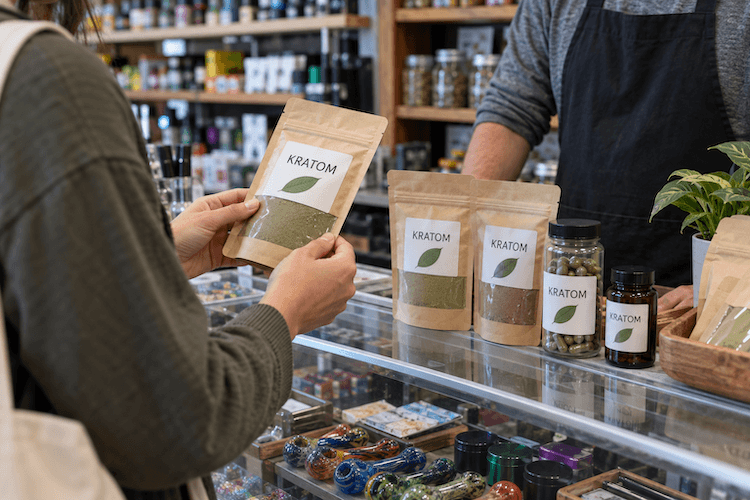
Can You Buy or Bring Kratom in Tennessee?
No. Tennessee’s statewide kratom prohibition took effect July 1, 2026, under Matthew Davenport’s Law.
Knowing possession is a Class A misdemeanor. Knowingly manufacturing, delivering, selling, or possessing kratom with intent to manufacture, deliver, or sell generally constitutes a Class C felony. Certain offenses involving sales or delivery to minors carry higher penalties.
This applies statewide, not just downtown Nashville. A product being legal where you live does not make it legal to possess in Tennessee.
Do not bring kratom on your trip or assume that a product is legal because a shop still displays it.
What About Hemp, CBD, and THC Products?
Tennessee’s hemp rules changed substantially in 2026 under legislation enacted in 2025.
TABC’s regulatory authority over hemp-derived cannabinoid products began January 1. Legacy Department of Agriculture licenses continued through the transition, with businesses needing TABC licenses to continue regulated sales after June 30.
For regulated products, the limit is 0.3% total THC on a dry-weight basis. Total THC includes THCA using the statutory conversion calculation; it is not simply the delta-9 THC number on a label.
Products must also meet the other applicable requirements. THCp and synthetic cannabinoids are prohibited under the TABC framework.
TABC-regulated retail sales must occur in person at licensed premises. Those retailers cannot ship or deliver these products directly to consumers.
However, not every hemp or CBD product falls into that category. TABC says products with nondetectable THC do not require its hemp license.
If you are shopping, ask whether the product complies with current Tennessee requirements. Packaging that says “hemp” is not enough to answer that question.
Will Downtown’s Tourism Zone Feel Different?
A new state law requires designated tourism development zones to be treated as economic protection zones.
The framework addresses access to businesses and public property, keeping routes clear, and public safety. It also gives the Tennessee Highway Patrol concurrent law-enforcement authority with local agencies within tourism development zones.
The relevant Nashville district is the Music City Center Tourism Development Zone. Think of a defined geographic district, rather than just the convention-center building or every place a tourist might visit.
Whether visitors notice different enforcement or street conditions will depend on implementation. The law itself is not evidence that sidewalks have become cleaner or that more officers will be on your route.
Does the New Tourism Board Add a Charge to Your Hotel Bill?
The Joint Capital Tourism Board’s role is to direct certain existing excess tourism-related tax revenues.
Authorized uses include major tourism events, public safety, public-space cleanliness, and capital improvements involving Music City Center and other qualifying facilities.
The board’s funding role should not be confused with a new visitor surcharge. It also does not tell you what a particular hotel will charge for your stay.
When comparing hotels, check the total price, including the property’s taxes and fees.
Can Golf Courses and Salons Serve Drinks More Easily?
A law effective May 19, 2026, made two narrower changes.
Qualifying restaurants, limited-service restaurants, and hotels can designate golf courses as entertainment areas for alcohol service. The previous wording referred to golf driving ranges.
The course must still meet licensing and service requirements, including table service or the required observation of the entertainment area. This does not authorize alcohol service across every golf course automatically.
Properly licensed barbershops and cosmetology shops can also serve eligible patrons who are not receiving a haircut or other service. The shop still needs the appropriate restricted retail license and must follow ordinary alcohol-service rules.
Are New Broadway Barriers Coming?
Retractable bollards remain under discussion. These barriers can block vehicles when raised and allow access when lowered.
Broadway barrier planning predates the fatal August 2026 crash, although that crash renewed attention to pedestrian safety. FOX 17 subsequently reported that TDOT’s discussions were continuing.
Do not treat the proposal as a confirmed installation schedule or a permanent closure of Broadway to cars. Check current street closures when planning your visit.
What Happened to the Right-Turn-on-Red Proposal?
Nashville’s proposal has been narrowed to 59 intersections, down from more than 700.
According to WSMV’s updated report, Metro Council deferred the second-reading vote until October 20, 2026. It is not a newly enacted citywide ban.
If approved and implemented, the restrictions would affect turns at designated intersections. That does not establish new rideshare drop-off rules.
For your trip, follow posted signs and your rideshare app’s pickup instructions. Street closures and crowds may still mean walking to a meeting point.
What Should You Remember Before Heading Downtown?
A paper or plastic cup is not prohibited by Nashville’s specific pedestrian container ordinance. It also does not give a bar permission to serve beyond its licensed premises.
For special events, check the approved area, participating establishments, cup requirements, and operating hours. Do not assume that every event zone has the new drinking arrangement.
Leave kratom out of your luggage. Check current requirements before buying regulated hemp products. And revisit official event and transportation information shortly before your trip, especially for New Year’s Eve.
Thank you to the reader who questioned the original explanation. That distinction between carrying a drink and a business being licensed to serve it deserved a clearer answer.
References:
- Nashville’s Pedestrian Container Restrictions: You can track the legislative details of Metro Code Section 7.24.040—which leaves paper and plastic cups out of the glass and metal ban—via the Metro Nashville Legislative File. For a plain-English legal breakdown of the ordinance, see the Kevin Kennedy Law Firm Overview.
- The Special Event Zone Drink Framework: To verify the new 2026 framework allowing local businesses to use authorized event cups within a designated footprint, review Public Chapter 1138 on the Tennessee General Assembly Bill Dashboard.
- The Statewide Kratom Ban: The full text of Matthew Davenport’s Law making kratom possession and sales illegal can be found on the Tennessee General Assembly Kratom Bill Tracker. Additionally, the local enforcement reminder is published on the Metro Nashville Beer Permit Board Warning.
- The Joint Capital Tourism Board: Proof of the state-level board managing excess tourism tax revenue without adding a new hotel surcharge can be audited via the Tennessee Comptroller of the Treasury JCTB Portal.
- New Golf Course & Salon Alcohol Rules: To view the regulatory changes for expanded hospitality footprints and salon beverage licenses under Public Chapter 999, you can read the industry compliance breakdown from the Beverage Law Group Analysis.