
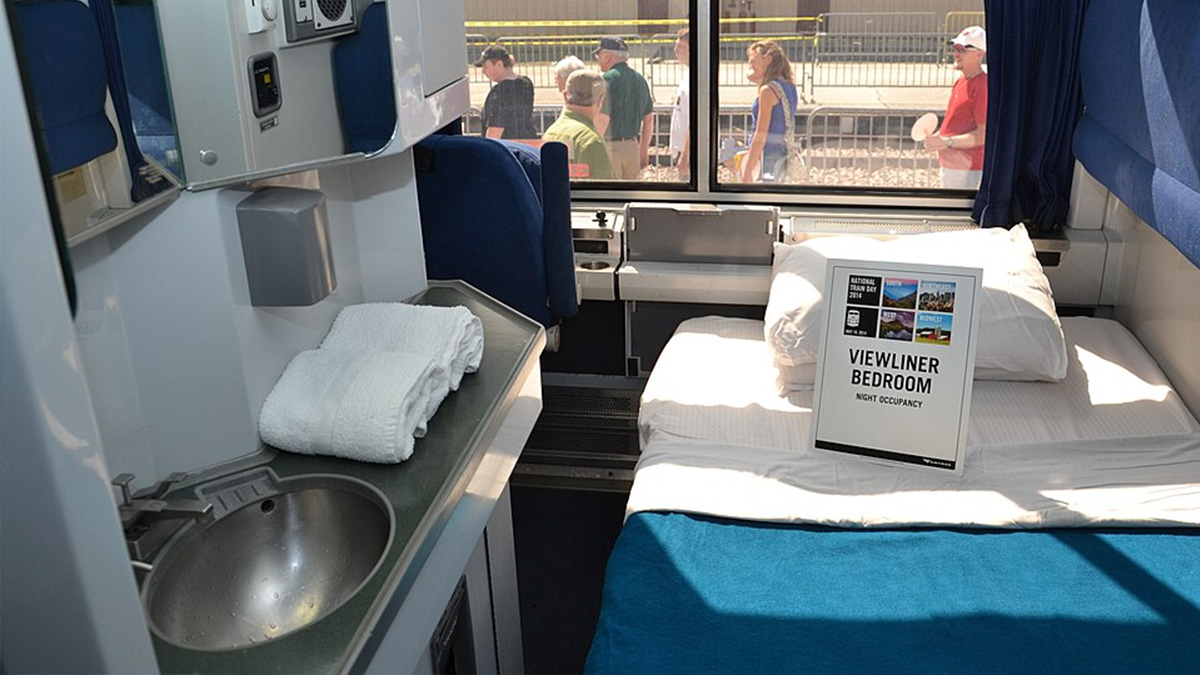
Paying more for an Amtrak Bedroom gets you a private bathroom, a shower, and more room to stretch out. It still doesn’t get you two separate lower beds.
And several benefits that might seem like reasons to upgrade—meals, bedding, and sleeping-car attendant service—already come with a Roomette.
The extra money mainly buys space, bathroom privacy, and a wider lower berth. Whether that’s worth paying depends on how you’ll use the room—and the actual difference between the two fares.
What Both Rooms Already Include
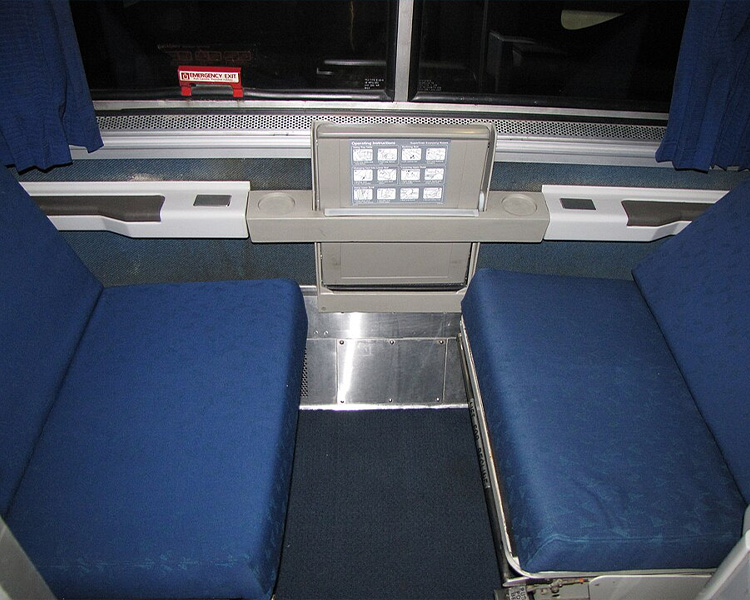
A Roomette is a private compartment for one or two travelers. Two seats face each other during the day. At night, they become a lower bed, with a separate upper berth above.
It’s compact: roughly 3 feet 6 inches wide and 6 feet 6 inches to 6 feet 8 inches long, depending on the equipment. Those measurements cover the entire compartment, including the seats and beds.
But a Roomette still includes linens, pillows, towels, meals, and an attendant who helps with bed conversion and luggage. Eligible station-lounge access comes with it, too, where available.
A Bedroom includes those benefits as well. As Amtrak’s private-room comparison shows, meals and bedding don’t explain the upgrade price—you already get them in the smaller room.
For a solo traveler who wants a private place to sit and a lower bed at night, a Roomette may already provide everything that matters most.
What the Bedroom Actually Adds
The Bedroom has a sofa and a separate chair. For two travelers spending long daytime stretches together, that means more seating, more space around you, and less time sitting directly opposite each other.
Amtrak describes a Bedroom as having about twice the space of a Roomette. That refers to the larger footprint; furniture and the bathroom occupy part of it.
The bathroom may be the more persuasive reason to pay extra.
A standard Bedroom includes an in-room sink and a private enclosed toilet-and-shower compartment. You can use the bathroom without leaving your room, which may matter considerably more than extra seating if you expect frequent nighttime trips.
The lower bed is wider, too. But there’s a catch in those bed measurements.
The Bigger Room Still Has an Upper Bunk
Both room types provide an upper and a lower berth. A Bedroom gives two travelers separate beds, but it doesn’t give each traveler a lower bed.
Its lower berth is wider than the Roomette’s—and can be shorter.
Amtrak’s published equipment manual from 2020 lists these lower-bed measurements.
| Equipment | Roomette lower berth | Bedroom lower berth |
|---|---|---|
| Superliner | 28 inches wide × 78 inches long | 40 inches wide × 75 inches long |
| Viewliner | 28 inches wide × 78 inches long | 40 inches wide × 72 inches long |
These are published equipment specifications, rather than guaranteed measurements for every assigned car. Still, they show why a taller traveler shouldn’t assume the larger room comes with the longer bed.
Upper berths differ as well. The manual lists the Superliner Roomette upper berth at 24 by 74 inches, the Viewliner Roomette upper berth at 28 by 74 inches, and Bedroom upper berths at 28 by 74 inches.
A 40-inch-wide lower berth also isn’t enough information to conclude that two adults can comfortably share it.
If neither traveler can use an upper bunk, discuss two separately booked rooms or another suitable arrangement with Amtrak. Two Roomettes would require their own availability search and total fare comparison.
Compare the Upgrade in Dollars
There’s no single useful answer to “How much more does a Bedroom cost?” The difference depends on your itinerary, departure, and number of passengers.
Compare total fares for the same train, date, direction, boarding segment, and travelers. Then subtract the Roomette total from the Bedroom total.
If a promotion prompted your search, read its room restrictions, too. Our guide to Amtrak’s companion-free sleeper sale is a useful place to start when comparing that offer.
To make the upgrade difference easier to judge, divide it by the number of nights and then by the number of travelers.
For example, a hypothetical $600 upgrade for two travelers over two nights works out to $150 per person per night. That’s an illustration, not an observed fare.
Now the decision has a price attached: would you pay that amount for the private bathroom, wider lower bed, and extra daytime space?
A short overnight trip may give you relatively little time to enjoy the larger room. Two nights with long afternoons aboard give those features more opportunity to earn their keep.
Check the Equipment and Bathroom Layout
Amtrak’s two main long-distance sleeping-car families have different layouts. Superliners have rooms on two levels. Viewliners have one.
On published Superliner floor plans, standard Bedrooms are upstairs. A more expensive room therefore doesn’t remove the stairs.
Superliner Roomettes appear on both levels, while shared showers are downstairs. A lower-level Roomette may reduce some stair use, but it doesn’t make the compartment wheelchair accessible or eliminate its upper bunk.
Amtrak’s Accessible Bedroom is a separate category, with bathroom and shower arrangements that vary by equipment. Travelers who need wheelchair space or particular bathroom access should discuss those requirements with Amtrak.
Roomette bathroom photos deserve attention, too.
Older Viewliner I Roomettes have an in-compartment toilet and a fold-out basin. Newer Viewliner II Roomettes omit that toilet and use shared restrooms. Amtrak’s general Roomette description advertises shared restroom and shower access.
An older photo may accurately show one car without showing what you’ll receive. And a toilet beside the seating and beds is a different arrangement from the enclosed toilet-and-shower compartment in a Bedroom.
If bathroom privacy is driving the purchase, that distinction matters more than the photograph.
Meals, Luggage, and Cancellation Costs
Meals come with both rooms, but the dining service depends on the route.
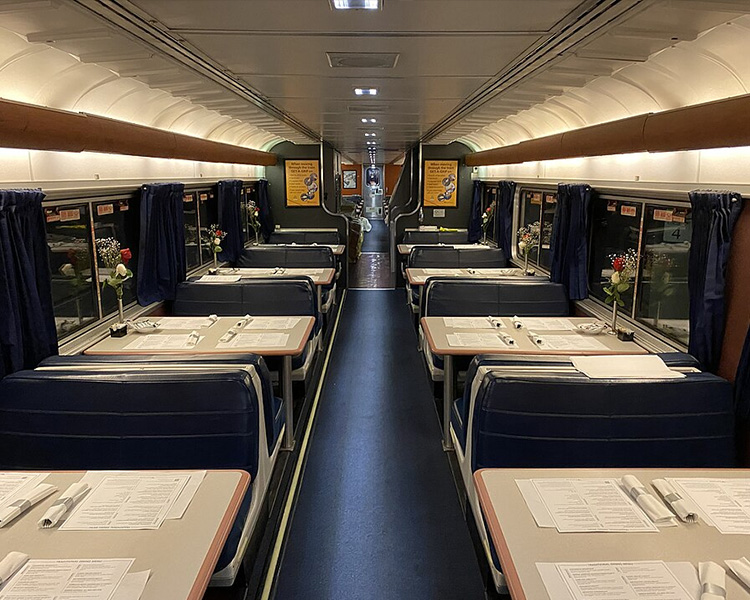
Traditional Dining features chef-prepared meals. Flexible Dining uses hot, ready-to-serve meals and doesn’t require dining reservations. Both offer room service under their applicable arrangements.
The Texas Eagle offers Flexible Dining between Chicago and San Antonio and Traditional Dining between San Antonio and Los Angeles. Amtrak’s Flexible Dining page includes route details and current menus. Boarding and arrival times also determine which scheduled meals fall within your trip.
For luggage, pack a small overnight bag with clothes, toiletries, medicines, and valuables within reach. Once the beds are made, opening a full-size suitcase becomes considerably less convenient. Checked baggage depends on the train and the stations you use.
Cancellation terms deserve a place in the price comparison, too. Under Amtrak’s refund and cancellation policy, standard private-room bookings paid in cash or by card have these terms. Cancellation forfeitures apply to the total fare:
- 121 days or more before departure: Full refund without a fee.
- 120 to 15 days before departure: A 25% forfeiture, with 75% refunded to the original payment method.
- Within 14 days, before departure: A 25% forfeiture, with 75% returned as a nonrefundable eVoucher.
Changes have no change fee, though a fare difference may apply. A qualifying 24-hour cancellation window also applies to reserved fares purchased directly, provided cancellation happens before departure. Points bookings, third-party purchases, and successful BidUp awards have separate applicable terms.
The larger fare makes a percentage-based penalty larger, too.
Who Should Choose Each Room?
Choose a Roomette if you mainly want privacy, included meals, and a bed, and you’re comfortable with the applicable shared bathroom arrangement. It’s a practical choice for a solo traveler or two people who are comfortable in a compact compartment and can use the bunk setup.
Choose a Bedroom if the private toilet-and-shower compartment would make a meaningful difference, or if you’ll spend enough daytime hours aboard to value the sofa, separate chair, and extra space. The wider lower berth may also appeal, provided its published length suits you.
Then return to the actual upgrade cost. Divide it across your travelers and nights, and decide whether those specific comforts justify the extra amount for your trip.