

A single afternoon at a Nashville garden can cost $20 to $26 per adult before parking and service fees. Yet some of the city’s most remarkable places cost absolutely nothing, and plenty of visitors drive right past them without realizing what they’re missing.
Beyond the honky-tonks and crowded tourist attractions, Nashville has an Egyptian temple-inspired church, a forgotten airport, a woodland sanctuary for eagles, and even a little piece of Japan. These nine places reveal a completely different side of Music City. And number seven has a story that might change how you see Nashville forever.
1. The Little Japanese Garden That Makes You Forget You’re in Tennessee
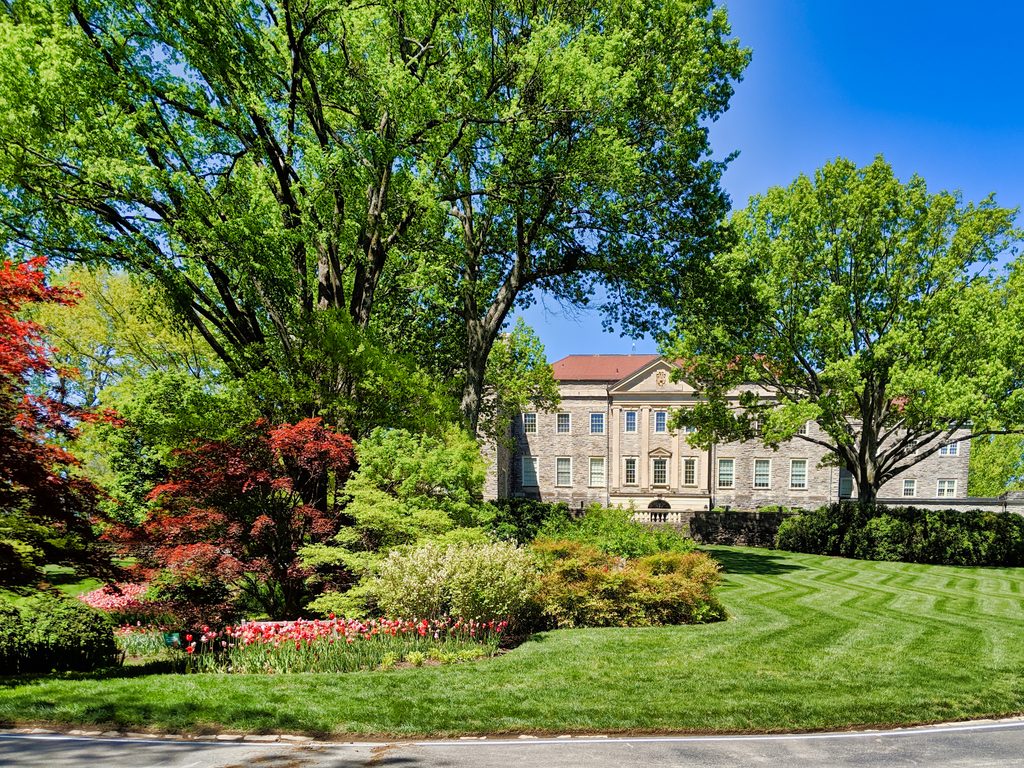
The Blevins Japanese Garden sits inside Cheekwood Estate & Gardens, a 55-acre historic property at 1200 Forrest Park Drive in West Nashville. The garden opened in 1990 and was designed by David Harris Engel, who studied traditional Japanese landscape design in Kyoto.
Most people associate Cheekwood with its grand mansion, colorful flower displays, and seasonal events. Those attractions are certainly worth seeing, but there’s something particularly special about this quieter corner of the grounds.
Enter the Japanese garden, and the entire mood changes.
The broad lawns and showy flowerbeds give way to carefully arranged stones, narrow pathways, and layers of greenery. Instead of looking across an open landscape, your eyes follow a series of smaller scenes that reveal themselves as you move.
Even the placement of the steppingstones matters.
The pathway encourages you to slow your pace and pay attention to where you’re walking. Trees and shrubs frame the scenery, creating the feeling of a secluded mountain retreat rather than a garden in the middle of Tennessee.
It’s the kind of place where you notice the shape of a branch, the texture of a stone, or sunlight filtering through the leaves.
And there’s a reason the garden feels so different from the surrounding estate.
The garden’s original name, Shōmu-en, means “pine-mist forest,” and its design uses the Tennessee landscape to recreate the peaceful atmosphere of a Japanese mountain retreat.
Engel’s design includes a traditional roji, a pathway meant to help visitors leave everyday distractions behind as they approach a tea garden.
Here’s the insider trick: Don’t rush through this garden trying to take photographs of everything.
Find a comfortable viewing spot, study the arrangement of the landscape, and give yourself a little time to appreciate the details. The experience is about slowing down, not covering as much ground as possible.
The garden has another interesting connection to Japan. Its restoration involved landscape architect Sadafumi Uchiyama of the Portland Japanese Garden, and the project received support from the Japanese government.
That’s quite a distinction for a garden in Nashville.
Cheekwood is generally open Tuesday through Sunday from 9 a.m. to 5 p.m., although special events and holidays can change the schedule.
Regular gardens-only admission ranges from $20 to $26 for adults, with lower starting rates for seniors and younger visitors. Children two and under enter free.
Here’s where visitors can spend more than necessary.
You don’t need the more expensive mansion admission to enjoy the Japanese garden. A gardens-only ticket will do.
Nonmembers also pay a parking fee, and paid tickets include a service fee. Cheekwood offers free off-site parking with trolley transportation on October weekends, which can save $10 or more.
One more thing: The historic property includes changing elevations and uneven pathways. Wear comfortable shoes, especially if you’re planning to explore the rest of the gardens.
But you don’t need a garden ticket to experience Nashville’s European side. There’s another architectural surprise sitting right in the middle of downtown.
2. The 1902 Shopping Passage That Looks Like It Belongs in Italy
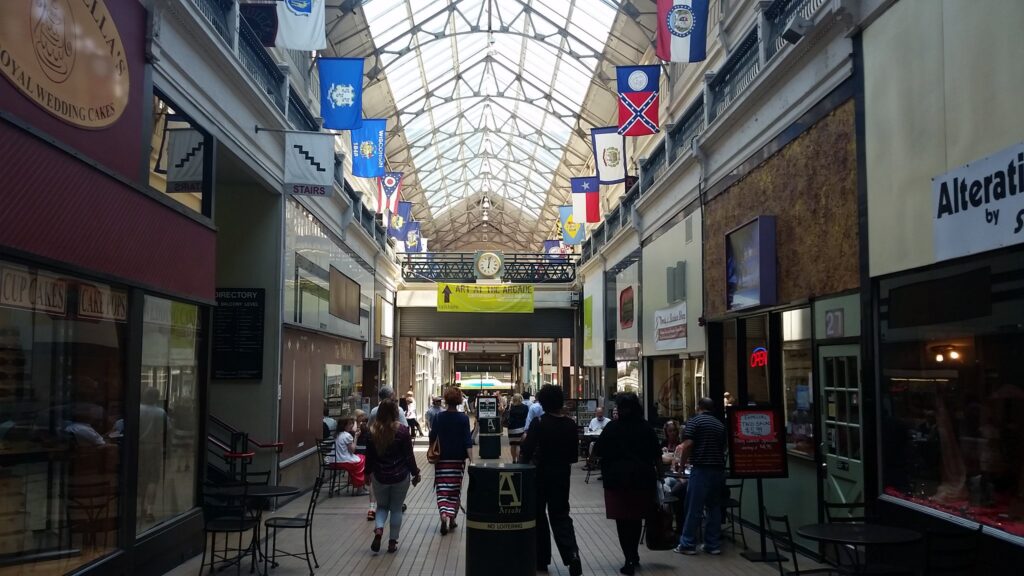
The Arcade stands between Fourth and Fifth Avenues North in downtown Nashville. Built in 1902 and inspired by Milan’s famous Galleria Vittorio Emanuele II, this historic shopping passage has been part of the city for more than 120 years.
From the street, it can be easy to underestimate.
Downtown Nashville is full of things competing for your attention. Tour buses, restaurants, office buildings, music venues, and people crossing busy intersections create a steady stream of distractions.
Then you step into The Arcade.
Suddenly, the architecture tells a different story.
The covered passage stretches between two downtown streets, with storefronts lining the interior and architectural details that belong to an older style of city shopping.
Look upward, and you’ll see how the building’s design draws your attention through the passage rather than toward the traffic outside.
It’s a wonderful reminder of a time when downtown shopping meant walking between small businesses instead of driving from one shopping center to another.
For longtime Tennesseans, the atmosphere may bring back memories of older downtown department stores, lunch counters, and family shopping trips.
But this particular building has a story that goes beyond nostalgia.
The Arcade opened in 1902 as one of Nashville’s earliest shopping centers, modeled after one of Europe’s most famous nineteenth-century shopping galleries.
Developer Daniel C. Buntin envisioned a covered retail destination that would bring a European-style shopping experience to Tennessee.
The project replaced Overton Alley, creating a passage that connected two important downtown streets.
Over the decades, the building became associated with independent businesses, galleries, and Nashville’s local arts scene.
More recently, The Arcade underwent a major restoration and reopened to the public in 2025.
That means this isn’t simply an old building surviving on memories. It’s a historic space with an active new chapter.
Here’s the trick most visitors miss: Don’t treat The Arcade as merely a shortcut.
Walk through slowly and look at the architectural details. Compare its design with the surrounding downtown buildings, especially the way it creates an indoor shopping street.
If you’re already exploring the area around Church Street, it’s an easy addition to your downtown plans.
You won’t need a general admission ticket to appreciate the public shopping passage. The Arcade’s address is 223 Fourth Avenue North.
Individual shops, restaurants, and galleries operate on their own schedules, so don’t assume everything will be open whenever you arrive.
Parking is the part that requires a little planning.
Rather than making a special downtown parking trip for one building, consider visiting The Arcade alongside other nearby attractions. You’ll get more value out of whatever parking arrangement you choose.
And remember, this is a working commercial property, not a museum where every space is open for exploring.
The most interesting part is that The Arcade still serves the same basic purpose it did more than a century ago: bringing people together around shopping, food, and everyday city life.
Now, here’s a Nashville transformation that’s even stranger.
What happens when an entire airport stops being an airport and becomes somewhere you can spend a peaceful afternoon?

3. The Nashville Airport Where the Airplanes Disappeared
Cornelia Fort Airpark sits at 2640 Airpark Drive in East Nashville, where more than 130 acres of former airport property became public parkland in 2011. Today, the old airfield connects with the Shelby Bottoms Greenway system.
Think about that for a moment.
A place once built around aircraft has become somewhere people walk, ride bicycles, and enjoy the outdoors.
The old aviation landscape makes this park different from Nashville’s typical wooded trails.
Instead of immediately disappearing beneath a canopy of trees, you encounter broad paved surfaces and open views.
The sky feels enormous.
On a clear day, the sunlight stretches across the pavement and surrounding grass. You can look toward the horizon without having buildings constantly interrupting the view.
It’s an unusual feeling in a city where new development has changed so many familiar neighborhoods.
The nearby Shelby Bottoms landscape adds another layer to the experience.
Meadows, wetlands, wooded areas, and the Cumberland River create important habitat for birds and other wildlife. Depending on the season, you may hear frogs calling from wet areas or notice birds moving through the grasses.
And the name Cornelia Fort carries a remarkable story.
Cornelia Fort was a Nashville-born aviator who survived the attack on Pearl Harbor and later became the first female pilot to die while serving her country during World War II.
Fort was flying in Hawaii when the Japanese attack began on December 7, 1941.
She later joined the Women’s Auxiliary Ferrying Squadron, helping support the American war effort by flying military aircraft.
She died in service in 1943.
Her story adds an unexpected emotional dimension to a place that otherwise feels like a relaxed outdoor escape.
This isn’t simply a former airport with an interesting layout. It’s also a reminder of a Tennessee woman whose aviation career became part of American history.
Here’s the insider tip: If you prefer walking on relatively open, paved surfaces instead of climbing steep forest trails, put this place on your list.
The former airfield is especially appealing for a casual outing when you want plenty of room to move and see the sky.
And if you enjoy longer outings, the connected Shelby Bottoms Greenway provides additional paved routes through East Nashville’s natural areas.
General park access is free.
Metro Parks identifies Cornelia Fort Airpark as one of the main trailheads serving Shelby Bottoms, which includes approximately 5.5 miles of accessible paved greenway.
The park trails are generally open from dawn to dusk.
Bring water during warm weather because exposed pavement and open areas can feel quite different from a shaded forest.
Cyclists should stay on approved paved routes and share the greenway with pedestrians. The posted greenway speed limit is 15 miles per hour.
And don’t make the mistake of assuming this is an abandoned property where you can roam anywhere you please.
It’s managed public parkland, with designated routes and rules protecting the surrounding habitat.
For a free afternoon that combines history, open space, and something completely unexpected, this is hard to beat.
But the next place trades all that open sky for steep hills, rocky streams, and a forest that feels much farther away than it really is.
4. The Wild Forest That Feels Like a Trip to the Tennessee Mountains
Henry Hollow at Beaman Park is tucked into the rugged countryside of northwest Davidson County. The Henry Hollow Loop is a two-mile hiking trail, and the broader park offers 14.6 miles of trails across its wooded landscape.
This isn’t the kind of Nashville park where you arrive expecting a flat sidewalk and carefully trimmed flowerbeds.
Beaman Park is a different animal.
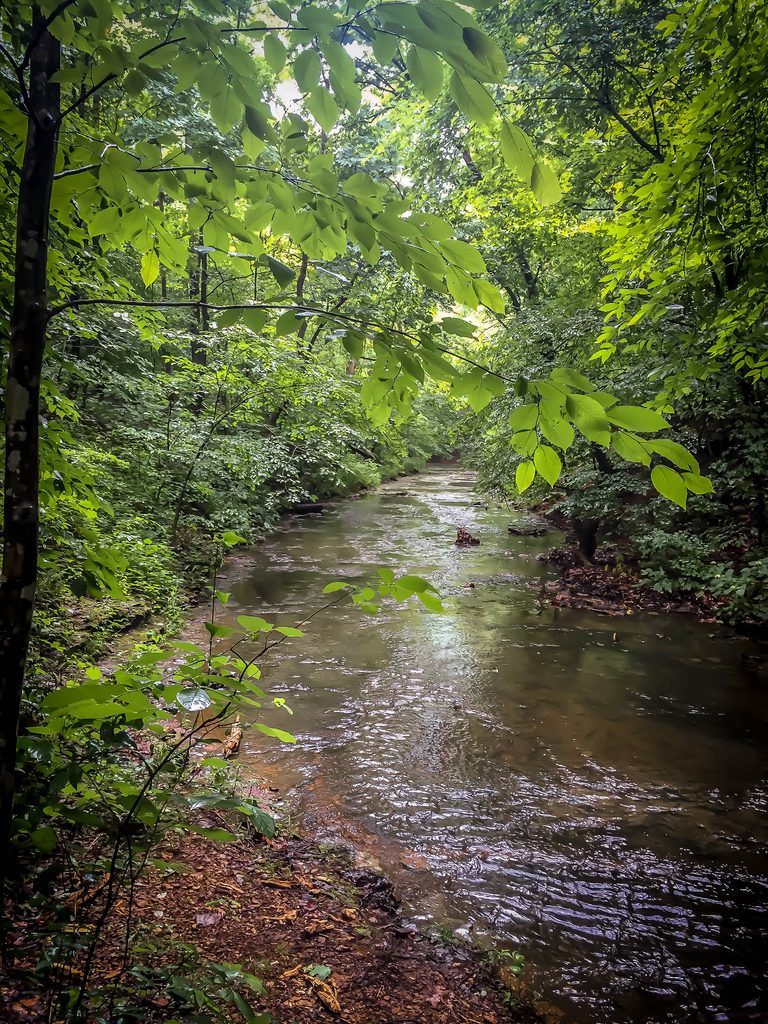
The landscape belongs to the Western Highland Rim, with wooded slopes, deep hollows, rocky terrain, and streams that wind through the forest.
As you follow Henry Creek, the scenery begins to feel more like a mountain getaway than a metropolitan park.
Trees rise above the trail. The ground changes from packed earth to rocky sections. Water moves through the creek below the hillsides.
In places, the forest closes in around you.
That’s part of the appeal.
You don’t need a scenic mountain highway or a cabin reservation to experience this kind of Tennessee landscape.
But don’t underestimate the trail just because it’s inside Nashville’s park system.
The two-mile Henry Hollow Loop follows a creek before climbing into the surrounding ridges, making it a genuine moderate hike rather than an easy neighborhood stroll.
The trail passes through a landscape that supports distinctive plant communities and natural habitats.
Beaman Park also contains environmentally important areas, including habitats associated with rare native plants.
The surrounding forest is worth appreciating for more than its pretty scenery. Protecting these places helps preserve parts of Middle Tennessee’s natural environment that have disappeared elsewhere.
Now, here’s the practical trick.
Use the Creekside Trailhead at 4111 Little Marrowbone Road in Joelton if Henry Hollow is your main destination.
Metro Parks identifies that trailhead as a starting point for the loop.
The nature center is at 5911 Old Hickory Boulevard, but starting there can change the length and difficulty of your outing.
And there’s one detail that matters quite a bit after heavy rain.
Visitors approaching Henry Hollow from the nature center’s Sedge Hill Trail must cross Henry Creek. Check conditions before setting out, and don’t attempt a dangerous water crossing.
Good hiking shoes are a much better choice than sandals.
Carry water, check the weather, and allow time for the uphill sections. A walking stick may also be helpful if you appreciate extra balance on uneven ground.
The park is open daily from dawn to dusk, and there’s no general admission charge for hiking.
For visitors who don’t want a strenuous walk, the nature center area offers another way to appreciate the woodland scenery, including an accessible boardwalk and native plant displays.
That’s worth remembering if you’re traveling with someone who isn’t comfortable on steep trails.
The biggest mistake here is assuming that all Nashville green spaces are equally easy to explore.
Beaman Park deserves the same common sense you’d use on a hike in the Tennessee hills.
Wear the right shoes, pay attention to the trail, and respect the weather.
Still, the effort is part of what makes this place feel so far removed from city life.
And speaking of other worlds, the next stop doesn’t resemble Tennessee at all.
In fact, its architects looked toward ancient Egypt for inspiration.
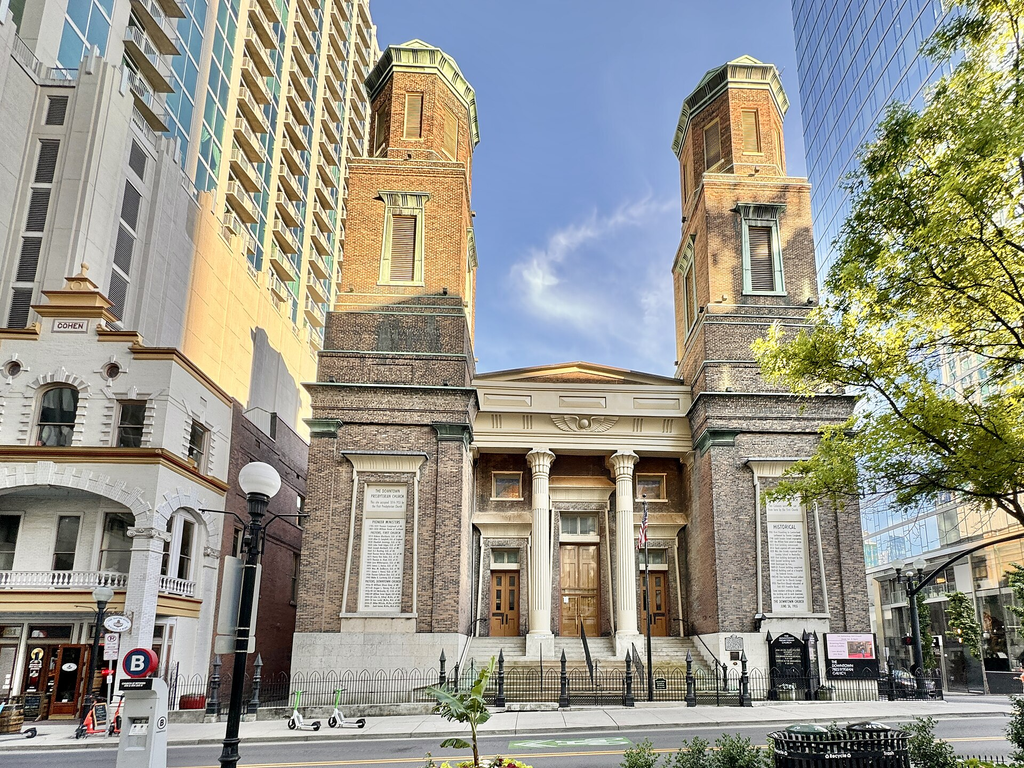
5. The Egyptian Temple Most Downtown Tourists Walk Right Past
Downtown Presbyterian Church stands at 154 Rep. John Lewis Way North, just blocks from Nashville’s busiest tourist streets. Designed by William Strickland, the same architect responsible for the Tennessee State Capitol, the building dates to the middle of the nineteenth century.
Its architecture is among the most unusual in the city.
From the outside, the Egyptian Revival design already gives visitors something to think about.
But the real surprise is the sanctuary.
Instead of the Gothic arches or familiar stained-glass arrangements found in many historic Tennessee churches, the interior takes inspiration from ancient Egyptian architecture and imagery.
Painted columns, decorative symbols, and carefully arranged perspective paintings transform the space.
Look across the sanctuary, and the artwork creates an impression of architectural depth.
Look upward, and more of the Egyptian-inspired details come into view.
The effect is nothing like the typical church interior most Nashville visitors expect.
And the building’s history is just as interesting as its design.
Nashville PBS identifies Downtown Presbyterian Church as one of the best-preserved examples of Egyptian Revival architecture in the United States.
The church’s portico and columns were completed in 1871, following Strickland’s original design.
Its interior perspective paintings were added in 1881, and stained-glass windows followed in 1887.
Those dates matter because the remarkable interior wasn’t created as a modern tourist attraction.
It’s part of a genuine nineteenth-century religious landmark.
During the Civil War, Union forces used the church as a hospital.
Later, the congregation faced another turning point that could have changed the building’s future completely.
In the 1950s, members debated leaving downtown for the suburbs. The old church property was considered for sale to a parking garage company.
Imagine Nashville losing this remarkable building to a parking garage.
Fortunately, a group of members committed to remaining downtown and preserving the historic church.
The congregation’s decision helped save one of the city’s most distinctive architectural spaces.
Here’s what visitors should know before making plans.
This is an active church, not a walk-in museum with guaranteed daily sightseeing hours.
Check its current worship schedule and any available tour or visitor arrangements before planning to see the sanctuary.
The exterior can be appreciated as part of a downtown architecture walk, but interior access should never be assumed.
If you do have an opportunity to see inside, don’t focus only on the front of the sanctuary.
Look at the painted architectural details, the columns, and the way perspective creates an illusion of space.
That’s where the design becomes especially fascinating.
Parking is another reason to combine this stop with a broader downtown outing.
The church and historic Arcade are close enough to make a convenient architectural pairing.
And there’s no need to pay for a commercial sightseeing attraction to appreciate the building’s exterior.
Just remember to respect its religious purpose, any services taking place, and the congregation using the space.
Nashville is known for preserving music history, but this church is proof that some of the city’s most valuable stories have nothing to do with country music.
Now for something completely different.
There’s a place above a familiar Nashville lake where injured eagles and owls have been given a permanent home.
And getting there is part of the adventure.
6. The Woodland Sanctuary Where You Can Come Face-to-Face With Eagles
The Barbara J. Mapp Aviary Education Center is located at Radnor Lake State Park in southern Nashville. Opened in 2015, the facility includes a 550-foot boardwalk and provides educational experiences centered on birds of prey that cannot safely return to the wild.
Radnor Lake is already one of Nashville’s best-loved natural areas.
Its quiet trails, wooded hillsides, and wildlife make it a favorite destination for people seeking relief from the city’s noise.
But the aviary offers an experience that many casual visitors miss entirely.
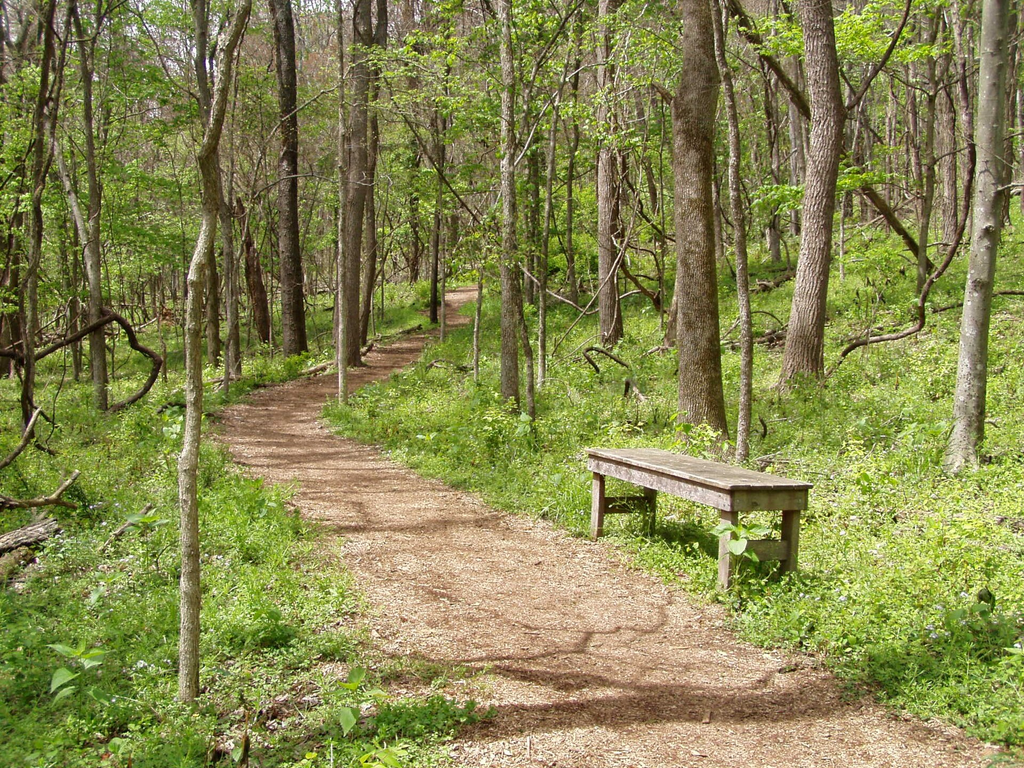
You reach the facility on foot, following a paved route that climbs toward the woodland setting.
As you approach, the landscape feels increasingly removed from the surrounding neighborhoods.
Then the boardwalk introduces you to a remarkable collection of birds.
The resident raptors include eagles, owls, hawks, and other birds of prey. Unlike the wild birds that may appear briefly around Radnor Lake, these are permanent residents receiving specialized care.
You have an opportunity to study their powerful beaks, impressive feathers, and the physical characteristics that make them such extraordinary hunters.
It’s a very different experience from spotting a distant bird through binoculars.
And there’s an important reason these animals are here.
The aviary provides permanent care for birds of prey whose injuries prevent them from surviving safely in the wild.
That changes how you think about the experience.
These aren’t animals collected simply for entertainment. Their care supports wildlife education and helps visitors understand the challenges injured birds face.
The facility also offers occasional educational demonstrations involving its raptor ambassadors.
But here’s the catch that visitors absolutely need to know.
The aviary is normally open only on Wednesdays and Saturdays, from 10 a.m. to 1 p.m.
That’s a relatively narrow visiting window.
Show up on the wrong day, and you may enjoy a beautiful Radnor Lake outing without getting to see the aviary.
Here’s the insider move: Plan your entire Radnor visit around the aviary’s open-house schedule if seeing the birds is your priority.
Admission to the aviary’s programs is free.
From the east parking area, the walk is approximately three-quarters of a mile. From the west parking area, the approach is longer.
The paved climb up Hall Drive is steep, even though the boardwalk itself is wheelchair accessible.
That distinction is important for visitors with mobility concerns.
And another rule catches people off guard.
Pets are not permitted on the aviary boardwalk.
Educational glove demonstrations are not guaranteed, and they aren’t conducted when temperatures exceed 90 degrees.
So if you’re hoping to watch a specific demonstration, don’t assume it will happen during every visit.
Wear comfortable walking shoes, bring water, and plan enough time for the uphill approach.
The real reward is understanding more about the birds that share our Tennessee landscape.
It’s a quiet reminder that some of Nashville’s most meaningful attractions aren’t designed around shopping, music, or entertainment.
And that brings us to a place with an even deeper story.
This next location takes you back to the Nashville that existed long before neon lights, recording studios, or the Grand Ole Opry.
7. The Quiet Place Where Nashville’s Original Families Still Have a Story to Tell
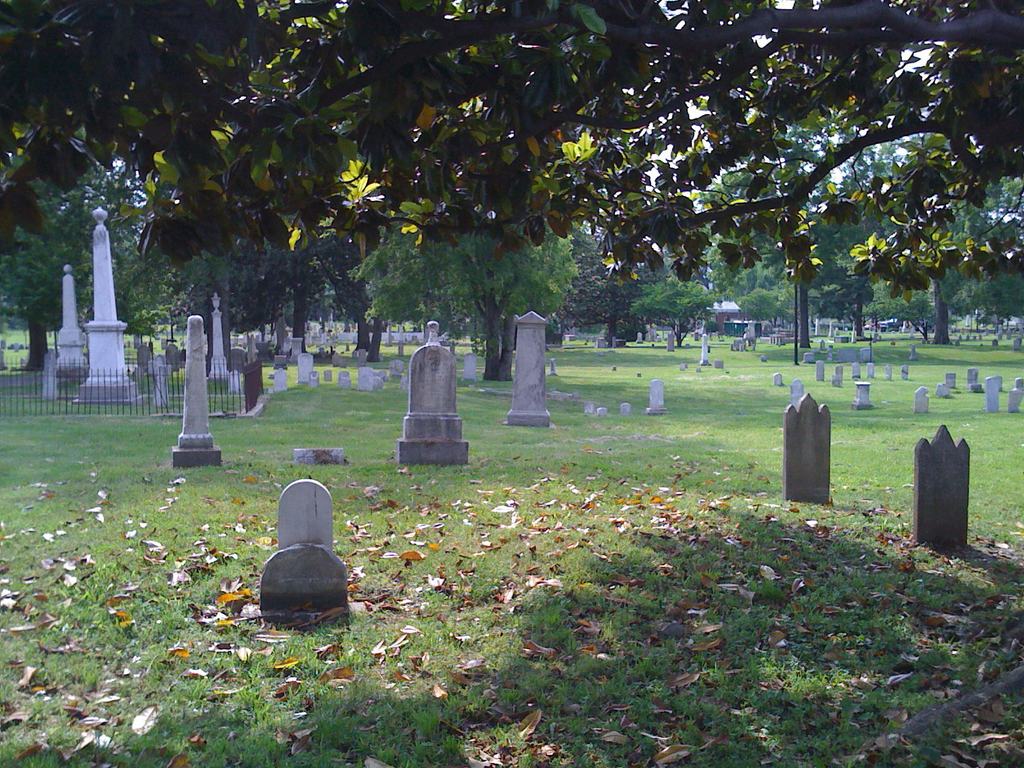
Nashville City Cemetery stands at 1001 Fourth Avenue South, near the heart of the city. Established in the 1820s, it is Nashville’s oldest continuously operated public cemetery and contains the graves of early residents, including city founders James and Charlotte Robertson.
There are places where history feels distant, safely separated from the present by museum walls and glass display cases.
This isn’t one of them.
Here, the history is personal.
Rows of old gravestones mark the resting places of people who knew a Nashville almost impossible to imagine today.
Some lived in the city’s earliest years. Others belonged to later generations that watched the community grow and change.
The monuments vary in size and style, reflecting different periods and circumstances.
As you walk respectfully through the cemetery, names and dates offer glimpses of families whose lives unfolded long before the modern skyline appeared.
There’s something moving about seeing history recorded this way.
A name carved into stone can make the past feel more immediate than a page in a history book.
And here’s the part worth thinking about.
Nashville City Cemetery preserves the graves of both prominent founders and ordinary residents, making it a record of everyday life as well as the city’s best-known early history.
James Robertson helped establish the settlement that became Nashville.
He and his wife Charlotte are buried here, connecting the cemetery directly to the city’s founding generation.
But the cemetery’s significance doesn’t end with famous names.
It also represents people whose stories aren’t celebrated with statues, museum exhibits, or historical markers around town.
Families, workers, business owners, and other residents were part of building the Nashville that later generations inherited.
That’s why this place deserves more than a quick glance.
It tells a broader story about the city, including people who might otherwise be forgotten.
Here’s the insider suggestion: Before visiting, familiarize yourself with the cemetery’s history and available maps.
Rather than wandering without context, spend time learning about the people associated with the monuments.
The Metropolitan Historical Commission and Nashville City Cemetery Association are involved in the site’s preservation.
Their work helps protect fragile historic markers and make the cemetery’s history more accessible.
General access is free, and the cemetery is open daily.
However, organized tours must be booked through the Metropolitan Historical Commission at 615-862-7970.
This is an active burial ground, so funerals and other cemetery activities take priority.
There’s another rule visitors should take seriously.
Gravestone rubbings are prohibited.
The old stones can be fragile, and even seemingly harmless pressure can damage their surfaces.
Don’t climb on monuments, lean against markers, or remove anything from the property.
And leave the picnic baskets and recreational activities for another park.
The cemetery is a place for respectful observation and remembrance.
Parking and vehicle access also deserve thought. Metro Nashville advises against bringing buses or large passenger vans because of limited turning space.
For visitors who appreciate early Tennessee history, this is one of the city’s most meaningful places.
It’s also a reminder that Nashville’s story didn’t begin when the first recording studio opened.
Generations of people were already living, working, raising families, and facing hardships here.
Their city looked different from ours, but the human stories are remarkably familiar.
After a stop this thoughtful, the next place offers a welcome change of pace.
Think open fields, country scenery, and the kind of peaceful Tennessee landscape that can make you forget you’re still inside Nashville.
8. The 808-Acre Country Escape That Barely Feels Like a City Park
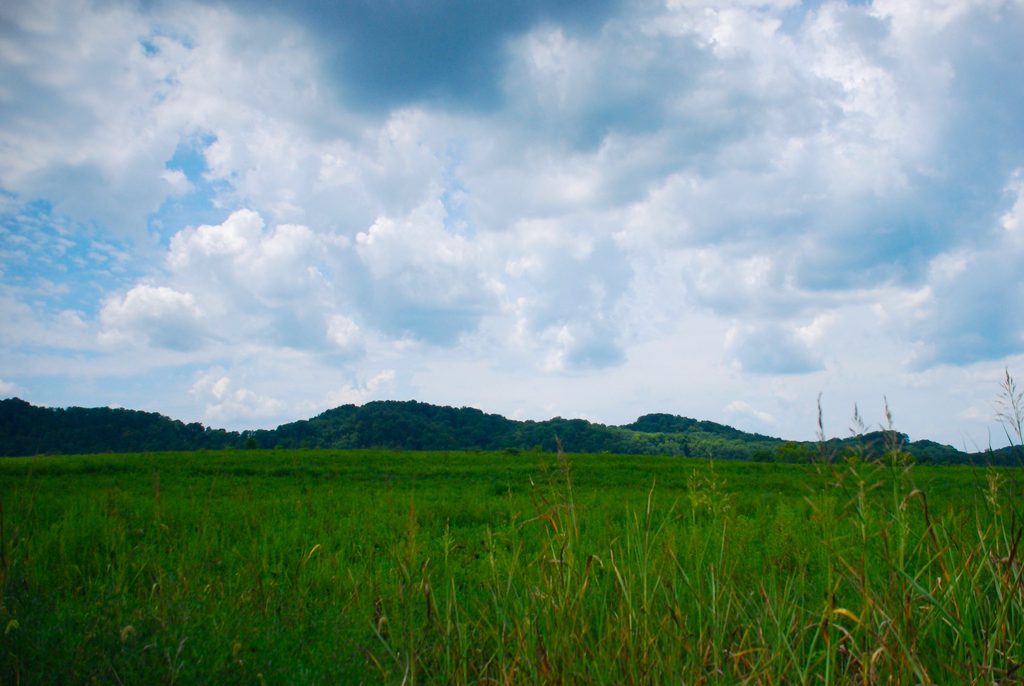
Bells Bend Park covers 808 acres in western Davidson County, with its outdoor center located at 4187 Old Hickory Boulevard. Opened to the public in 2007, the park preserves a landscape shaped by farming, wildlife, and the Cumberland River.
If you grew up around Tennessee farmland, this scenery might stir up some memories.
Instead of downtown sidewalks and tightly packed buildings, you find wide grassy spaces, old agricultural landscapes, and trails that follow the natural shape of the land.
There’s room to look across a field and appreciate the sky.
The scenery changes with the seasons.
Spring brings fresh green growth and bird activity. Summer fills the meadows with thick vegetation. In autumn, the grasses take on warmer colors as the landscape settles toward winter.
It’s a wonderful place to appreciate the quieter beauty of Middle Tennessee.
And unlike the steep slopes of Beaman Park, Bells Bend offers a completely different kind of outdoor experience.
The landscape is open, rural, and closely connected to the Cumberland River.
Birdwatchers have another reason to pay attention.
The park provides habitat for migratory birds and species associated with grasslands, including the Henslow’s sparrow, American woodcock, and dickcissel.
You don’t need to recognize every bird to enjoy the experience.
Simply listening to the sounds moving through the grasses can make an ordinary walk feel surprisingly peaceful.
And there’s more history here than the scenery initially suggests.
Bells Bend protects 808 acres of historic agricultural landscape while offering more than six miles of public hiking trails and old farm routes.
The park’s story includes generations of agricultural use and older human activity associated with the Cumberland River landscape.
It also includes the historic Buchanon House, which dates to 1842.
That makes Bells Bend more than an attractive stretch of open countryside.
It’s part of the region’s cultural and environmental history.
Here’s the insider trick: Visit for the landscape itself, not because you’re expecting a big attraction at the end of the trail.
This is a place where the ordinary details are the reward.
Watch the movement of the grasses. Notice where the wooded areas meet the fields. Keep an eye out for birds along the trail.
If you enjoy photography, the wide-open scenery offers a very different backdrop from downtown Nashville.
General park admission is free.
Bells Bend is open daily from dawn to dusk, making it an easy option for a morning walk or an afternoon escape.
The outdoor center normally opens Tuesday through Friday from noon to 4 p.m. and Saturday from 9 a.m. to 4 p.m., with other visits available by appointment.
But here’s an important distinction.
The park may be open when the outdoor center is closed.
If you want staff assistance or visitor information from the center, plan around its separate schedule.
Trail maps are available at parking areas and the outdoor center.
Wear shoes suitable for natural surfaces. Some trails are gravel or earth, and conditions can become muddy after rain.
The park also has designated trails for different activities.
Mountain biking is permitted only on approved biking trails, while hiking is restricted to designated hiking routes.
Dogs are welcome under Metro Parks’ leash rules, with leashes no longer than six feet.
And don’t confuse the open fields with permission to wander anywhere.
Remaining on designated trails protects the habitat and keeps visitors away from sensitive areas.
For people who remember a less-developed Middle Tennessee, Bells Bend offers a satisfying connection to the countryside.
For visitors seeing Nashville for the first time, it delivers something they probably weren’t expecting.
But there’s one final forest escape worth saving for last.
And unlike the other places, its most special feature is something you can’t photograph.
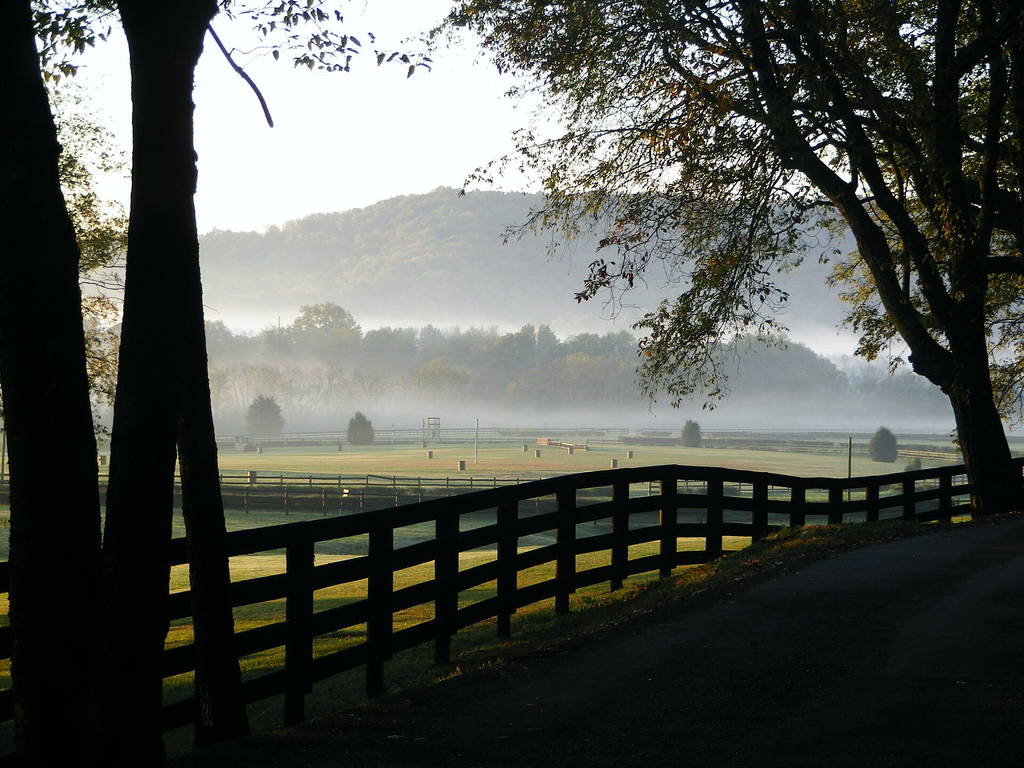
9. The Moss-Covered Trail With a Secret Spot Dedicated to Silence
The Mossy Ridge Trail runs through Percy Warner Park in western Nashville. The 4.5-mile loop begins from the Deep Well trailhead off Highway 100, follows red trail blazes, and includes a special side path leading to a designated quiet point.
Yes, Nashville actually has a place marked for quiet.
And in a city known for live music, that feels wonderfully appropriate.
Percy Warner Park is familiar to many locals for its grand stone entrance, historic steps, wooded scenery, and miles of outdoor recreation.
But the Mossy Ridge Trail offers a different side of the park.
Here, the landscape becomes more intimate.
The trail winds through wooded hills and hollows, crossing small springs and passing open meadows.
In some places, the ground becomes rocky and the slopes grow steep.
Near Scott Hollow, sections of the trailside are covered with moss, adding a soft green texture to the forest floor.
After rainfall, the darker earth and damp stones can make the woods feel especially atmospheric.
You begin noticing small things that get lost in everyday life.
The sound of your shoes against the trail.
Wind moving through leaves.
A bird calling somewhere beyond the trees.
And then there’s the quiet point.
The Mossy Ridge Trail includes an actual designated quiet point reached by a short spur trail, complete with a place to stop and appreciate the surrounding forest.
It’s a wonderfully simple idea.
Instead of creating another observation platform or entertainment attraction, the park recognizes the value of a place where people can appreciate stillness.
That’s something many of us don’t get enough of.
And you don’t need a complicated plan to enjoy it.
Here’s the insider tip: Before starting your hike, study the official Warner Parks trail map and locate the spur leading toward the quiet point.
The main Mossy Ridge Loop is marked with red blazes, while the quiet point requires leaving the primary loop on a short side trail.
Knowing where you’re going makes the experience much more enjoyable than trying to locate the spur without a map.
The trailhead is at the Deep Well picnic area off Highway 100.
From there, follow the lead trail to the beginning of Mossy Ridge.
There’s no general park admission fee.
But don’t let the peaceful description fool you.
The full Mossy Ridge Trail is rated moderate, with 4.5 miles of climbing and descending through wooded terrain.
That’s a substantial walk for someone expecting a short afternoon stroll.
Wear sturdy shoes and carry water. Allow enough time to finish before dusk.
The trail includes springs, rocky sections, and uneven surfaces that require attention.
If you aren’t comfortable with a longer moderate hike, another shorter Warner Parks trail may be a better choice.
There’s no need to prove anything by taking on more trail than you’re prepared for.
And this isn’t a destination where you should expect snack stands, gift shops, or an elaborate attraction once you reach the quiet point.
The forest is the attraction.
The silence is the point.
That may be the most unusual thing about the entire experience.
Nashville has spent generations building a worldwide reputation around sound.
Yet one of the most memorable things you can do here is follow a trail into the woods and listen to almost nothing at all.
The Unexpected Fact About Nashville’s Secret Corners
Here’s something that ties these places together in a way you might not expect.
In the 1950s, Downtown Presbyterian Church came close to being sold for a parking garage as part of a proposed move to the suburbs. Members of the congregation chose to remain downtown, and community support helped preserve the extraordinary Egyptian Revival building.
Think about what Nashville could have lost.
A church that looks like something from ancient Egypt might have disappeared beneath a structure built simply to hold cars. Instead, the building remains part of the city’s architectural story.
And that’s what makes these nine places so special.
They reveal a Nashville that goes deeper than the familiar tourist attractions. Some were preserved because people recognized their historical value. Others were transformed into public spaces, and several protect natural landscapes that are increasingly precious as Middle Tennessee grows.
You don’t have to spend a fortune or travel hundreds of miles to discover something extraordinary.
Sometimes the most remarkable places are the ones you’ve been driving past for years.
The Nashville worth remembering isn’t always the Nashville making the most noise.