
A downtown parking mistake in Nashville can cost more than the meal you stopped to eat. And that’s just one of the expensive lessons newcomers learn about Music City.
From Broadway etiquette to hot chicken, traffic, celebrity sightings, and Tennessee weather, these 12 unwritten rules reveal a side of Nashville that tourist guides rarely explain. Some will save you money. Others might save you serious embarrassment. And one could actually save your life.

1. The Famous Street That Locals Don’t Spend Every Weekend On
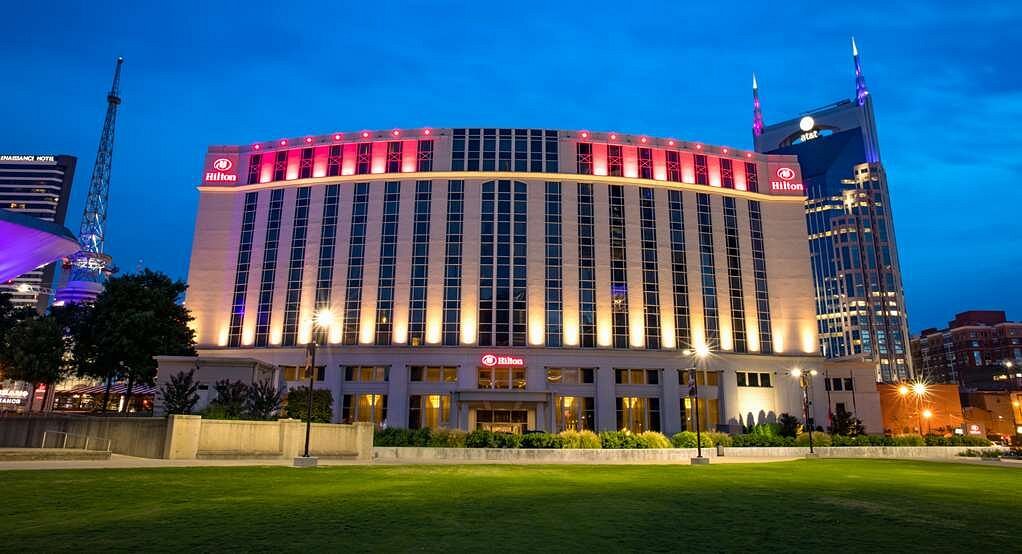
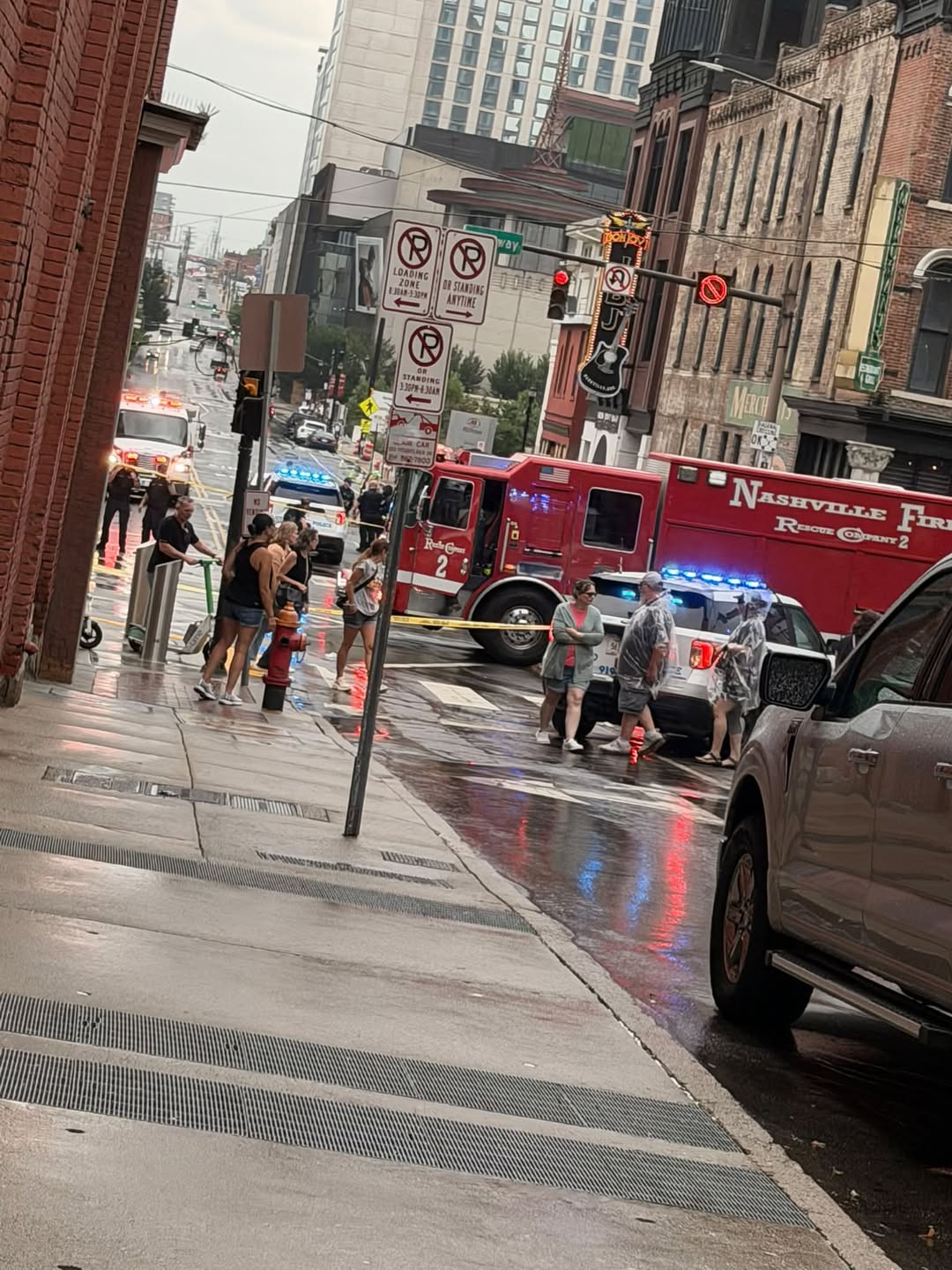
Lower Broadway is Nashville’s most famous entertainment strip, running through the heart of downtown near the Cumberland River. It’s packed with multi-story honky-tonks, rooftop bars, live music, and enough neon to make an ordinary Tuesday feel like New Year’s Eve.
But here’s something newcomers figure out pretty quickly.
The Nashville you see on Broadway is not necessarily the Nashville people experience in their everyday lives.
Walk down Lower Broad on a Saturday night and you’ll hear country songs pouring through open doorways, see cowboy boots stepping around crowded sidewalks, and watch groups of visitors making their way between bars.
It’s loud. It’s colorful. And depending on your mood, it can be a whole lot of fun.
There’s nothing wrong with enjoying Broadway. Nashville’s downtown entertainment district is famous for good reason, and hearing talented musicians perform in a honky-tonk is an experience worth having.
But spend some time talking with residents, including those who participate in Nashville community discussions online, and a different picture emerges.
Many locals treat Broadway as somewhere to take visiting relatives or celebrate a special occasion, not necessarily their regular Saturday night destination.
Here’s what catches newcomers off guard.
Some of Nashville’s most interesting neighborhood restaurants, bars, and music experiences are nowhere near Lower Broadway.
East Nashville offers independent restaurants, music venues, and neighborhood hangouts. Germantown combines historic surroundings with a strong dining scene. Sylvan Park has a more residential feel, while Wedgewood-Houston offers galleries and creative spaces.
And 12 South? That’s another experience entirely, with shopping, cafés, and streets where strolling is part of the attraction.
The insider trick is to visit Broadway when you actually want the Broadway experience, not because you assume that’s where everything happens.
If you’re going downtown on a weekend evening, expect crowds and check the schedule for concerts, sporting events, and other major gatherings before deciding when to arrive.
For a different experience, try exploring a neighborhood during the day and finding somewhere to eat or listen to music without making downtown the center of your plans.
One more thing: Don’t confuse Music Row with Lower Broadway. Music Row is associated with Nashville’s recording and publishing industry. Broadway is the entertainment district visitors usually picture.
They’re two very different parts of Music City.
And once you start exploring beyond the neon, you’ll discover another Nashville rule that can make even a simple dinner reservation surprisingly complicated.
2. The Ten-Mile Drive That Can Ruin Your Entire Afternoon
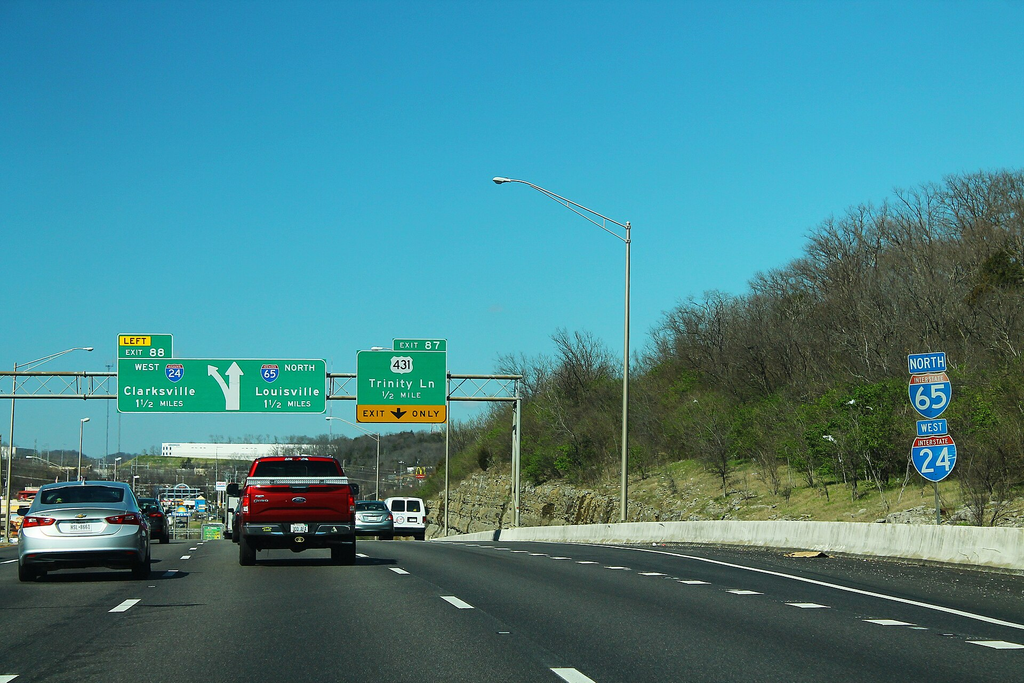
Nashville’s major highways include I-24, I-40, I-65, and I-440. They connect downtown with neighborhoods and surrounding communities, but the city’s road network can make a short-looking trip considerably more complicated than the mileage suggests.
That’s why one of the first lessons newcomers learn is to stop judging travel time by distance alone.
Picture this.
You find a restaurant that looks close to your hotel. The map shows a manageable drive. You make a reservation, get dressed, and head out expecting an easy trip.
Then you encounter backed-up interstate ramps, slow-moving intersections, and downtown traffic around a major event.
Suddenly, that nearby restaurant doesn’t feel so nearby.
The problem isn’t simply that Nashville has traffic. Most growing cities do.
It’s that different routes can behave very differently depending on the time of day, and Nashville’s interstate system brings several major travel corridors together around downtown.
I-24 carries traffic toward Antioch, La Vergne, Smyrna, and Murfreesboro. I-65 connects Nashville with communities to the north and south. I-40 crosses the metro area from east to west.
Here’s the mistake people make.
A neighborhood that looks conveniently close on a map might be much less convenient during the hours you actually need to travel.
If you’re moving to Nashville, test your potential commute during your normal work hours.
Not on a quiet Sunday morning.
Not during a leisurely afternoon of house hunting.
During the actual period when you’ll need to get to work, pick up children, or handle everyday errands.
That one decision can tell you more about a neighborhood’s practicality than a dozen glossy apartment photographs.
Visitors should build extra time into plans that involve crossing downtown or traveling during major events.
And don’t assume that driving is automatically your best option for every downtown outing. Compare walking distances, parking availability, and transportation choices before leaving.
There’s another important local habit worth adopting: Drive predictably.
Aggressive merging, speeding, and running traffic signals aren’t charming Nashville traditions. They’re hazards.
Pay attention at intersections, leave enough space between vehicles, and don’t let somebody else’s impatience determine how you drive.
Because there’s something even more frustrating than arriving late in Nashville.
Arriving on time, finding a parking space, and discovering later that you didn’t understand the rules.
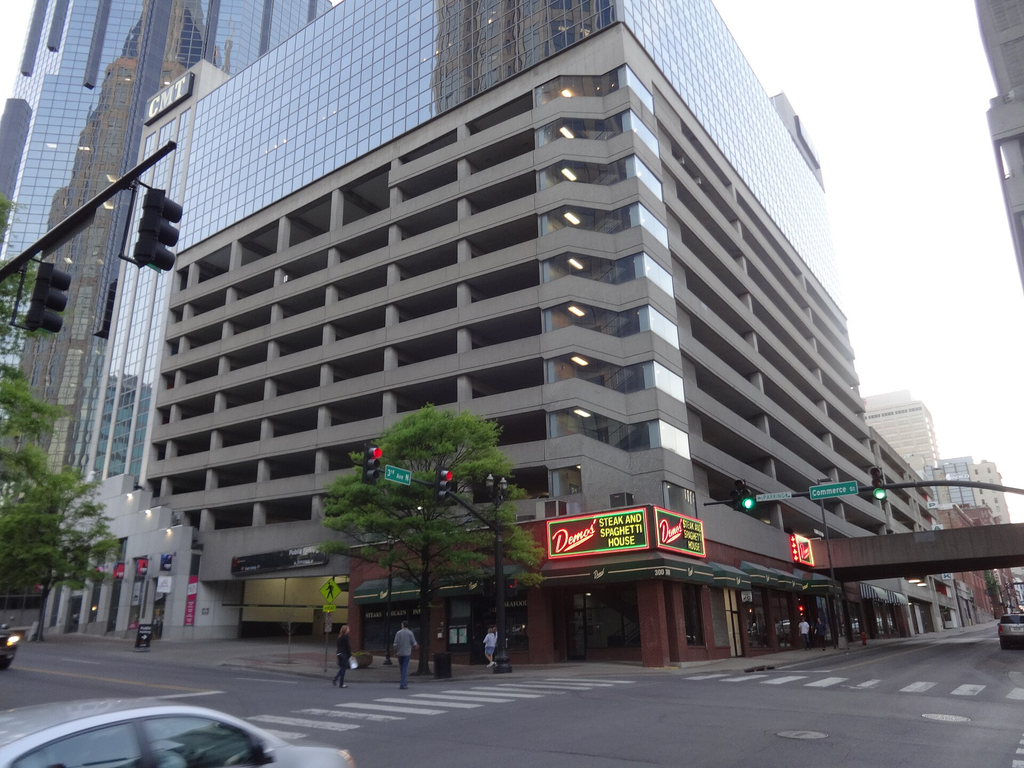
3. The Ordinary Parking Space That Can Become an Expensive Mistake
Downtown Nashville has municipal street parking, privately operated surface lots, and parking garages, and they don’t all follow the same payment rules. Metro’s published municipal rates distinguish between central and noncentral districts, with hourly prices that can increase during longer stays.
In other words, a parking space is not necessarily as simple as it looks.
You pull into a lot, see other vehicles parked there, and assume you’ve found somewhere convenient.
Maybe there’s no attendant. Maybe the payment instructions are on a sign you barely notice.
You head off to lunch, a concert, or a quick shopping stop.
Then comes the unpleasant surprise.
A private parking notice, an unexpected charge, or a payment dispute can turn an otherwise enjoyable Nashville outing into a headache.
And it’s especially frustrating when you only intended to stay a little while.
Here’s what many visitors don’t realize.
Nashville’s municipal parking prices do not automatically apply to privately operated downtown lots and garages.
Metro’s published street-parking schedule lists $2 per hour for the first two hours in both central and noncentral districts. Later hourly rates differ by district and length of stay.
Those figures are useful for understanding city-managed parking, but they are not a price guarantee for every downtown parking space.
Before leaving your vehicle, read the signs carefully.
Check whether payment is required immediately, which parking company operates the property, and whether the price changes based on your length of stay.
Also check whether the lot has event pricing.
One particularly useful option for people visiting downtown is the Nashville Public Library’s Main Library parking arrangement.
The library has advertised discounted parking for qualifying visitors at McKendree Garage on Sixth Avenue North and another garage on Rep. John Lewis Way North.
The published arrangement in the research materials was $4.99 for up to two hours, including the stated service fee, with a validation process. Because parking programs and prices can change, confirm the current instructions before relying on that rate.
And here’s the catch: Under that arrangement, exceeding the two-hour limit triggers standard garage pricing for the entire stay.
Don’t assume the library’s former adjacent garage or older free-parking arrangements are still available.
A little research before leaving home can prevent an expensive surprise.
Now, suppose you’ve finally parked, walked downtown, and found a fantastic band playing without a cover charge.
There’s another unwritten rule you need to know before settling in.

4. The Free Concert That Comes With an Unspoken Obligation
Robert’s Western World is a honky-tonk on Lower Broadway, in the middle of Nashville’s famous live music district. The city’s official tourism organization says many Broadway venues offer music without a cover charge, with performances along Honky Tonk Highway starting around 10 a.m. and continuing into the early morning.
That sounds like quite a bargain.
You step inside, hear a steel guitar sliding through an old country melody, and find a band playing with the kind of skill that makes you wonder why you’re not paying for a concert ticket.
The room might be crowded with visitors, or you might catch a quieter daytime set.
Either way, the music is the attraction.
And Nashville has plenty of musicians who deserve more attention than they receive.
Some are professional performers. Others write songs, work in recording studios, or play with touring acts.
A familiar face isn’t required for an outstanding performance.
Here’s the part that surprises people.
No cover charge does not mean you should treat the musicians’ work as something that has no value.
Visit Music City specifically encourages visitors to tip bands performing at Nashville’s free live music venues.
The custom is straightforward.
If you spend time enjoying a band’s performance, consider leaving something in the tip jar. If you request a particular song, tipping is especially considerate.
And remember that tipping your bartender doesn’t automatically mean you’ve tipped the musicians.
Those are separate people providing separate services.
Another insider trick is to explore live music earlier in the day.
Broadway isn’t exclusively a nighttime destination, and an afternoon performance can offer a different experience from a crowded weekend evening.
Before entering a venue, check its admission policy, age restrictions, and any event-specific requirements. Not every Nashville music performance is free, even though many Broadway honky-tonks offer no-cover entertainment.
And don’t assume that every music venue welcomes the same level of conversation.
At a lively honky-tonk, talking and socializing are part of the atmosphere.
At a songwriter-focused listening room, the expectation can be completely different. Places such as the Bluebird Cafe emphasize listening to the songs and the stories behind them.
The simplest rule is to pay attention to the room.
Nashville takes its music seriously, even when the atmosphere feels casual.
And speaking of people who make music for a living, there’s another Nashville custom that can be surprisingly difficult for newcomers to follow.

5. The Famous Face You’re Supposed to Pretend You Didn’t See
Green Hills is one of Nashville’s established shopping districts, and nearby neighborhoods such as Belle Meade have long been associated with the city’s residential side. In a place with a major entertainment industry, it’s entirely possible for a familiar performer to be going about an ordinary day.
But here’s the unwritten rule.
Don’t turn somebody else’s grocery trip into your personal celebrity encounter.
Imagine waiting for coffee when you recognize someone whose songs you’ve heard on the radio for years.
Your first instinct might be to reach for your phone.
Maybe you’d love a photograph. Maybe you want to tell them how much their music means to you.
Those feelings are understandable.
But Nashville’s entertainment community isn’t confined to stages, studios, and award shows.
Artists, songwriters, producers, and other public figures also have families, appointments, errands, and private lives.
And many of those everyday activities happen in the same neighborhoods where everyone else shops, eats, and works.
Here’s what separates an excited visitor from a considerate neighbor.
Recognizing a famous person doesn’t give you permission to interrupt their private time.
If someone is eating with family, talking with friends, or handling a personal errand, give them space.
Don’t take photographs without permission. Don’t follow them around a store. And don’t assume that a public figure wants to discuss their career every time they leave home.
There is a difference between attending a public appearance and unexpectedly seeing someone in a private moment.
At a concert, meet-and-greet, or scheduled signing, interaction may be part of the event.
At a restaurant table, it usually isn’t.
The insider approach is simple: Treat famous people like neighbors first.
If a natural opportunity for a brief greeting arises, respect the person’s response and move along.
And don’t make assumptions about where particular celebrities currently live or shop based on old internet lists. Famous residents move, businesses change, and a neighborhood’s reputation doesn’t guarantee celebrity sightings.
The goal isn’t to act unimpressed.
It’s to show some manners.
Because in Nashville, the person next to you might be a recording artist, a songwriter, a teacher, or somebody just trying to buy supper.
And the next rule explains why choosing where to live or spend time can matter far more than recognizing who’s standing in line.

6. The Neighborhood Name That Tells You Almost Nothing About Daily Life
Germantown sits near downtown Nashville, while Donelson is east of the city center and Bellevue lies to the west. These are all parts of the broader Nashville area, but their locations, surroundings, and everyday conveniences are quite different.
That distinction matters more than newcomers sometimes expect.
It’s easy to fall in love with a neighborhood after seeing photographs of its prettiest restaurants, colorful storefronts, and tree-lined streets.
But the neighborhood you enjoy visiting for brunch isn’t automatically the one that makes the most sense for your everyday routine.
Consider 12 South.
It’s known for shopping, cafés, and a pedestrian-friendly commercial corridor. You can spend time browsing storefronts and enjoying the neighborhood atmosphere.
Now compare that with Sylvan Park, where residential streets and neighborhood businesses create a different experience.
Or Wedgewood-Houston, which has developed a reputation for creative spaces, galleries, and changing commercial areas.
Each offers something different.
Here’s what newcomers often miss.
The best Nashville neighborhood for your lifestyle may not be the one getting the most attention on social media.
If you’re moving to Nashville, start with your everyday needs.
Where will you work? Where will you buy groceries? How much driving will your routine require?
Are sidewalks important? Do you want nearby green space? Will you need convenient access to the airport?
A beautiful apartment becomes considerably less appealing if ordinary errands require frustrating drives.
And a neighborhood that seems quiet during a weekend visit may feel different during weekday commuting hours.
The insider trick is to explore neighborhoods at more than one time of day.
Drive the routes you’d actually use. Look at the surrounding streets, not just the most attractive commercial block.
Spend time in the neighborhood without treating it like a sightseeing stop.
For visitors, the same principle applies to choosing a hotel or vacation rental.
A property advertised as being in Nashville may still require significant travel to reach the attractions on your itinerary.
Check its actual location and transportation options rather than relying on a neighborhood name alone.
One more local distinction worth learning: The Gulch, Midtown, Music Row, and Lower Broadway are not interchangeable names for downtown.
Understanding Nashville’s geography makes the whole city easier to enjoy.
And once you’ve figured out where to go, it’s time to face a food tradition that has humbled plenty of confident newcomers.

7. The Chicken That Can Make a Grown Adult Regret Showing Off
Prince’s Hot Chicken is one of the defining names in Nashville’s hot chicken history, with a location in the downtown area at Fifth + Broadway. The city’s hot chicken tradition grew from Nashville’s Black community and became one of the most recognizable foods associated with Music City.
But ordering Nashville hot chicken comes with a warning.
Don’t let your pride choose your heat level.
The first thing you notice might be the smell of fried chicken.
Then comes the deep red seasoning, the crisp coating, and the unmistakable appearance of a meal that isn’t trying to be ordinary Southern fried chicken.
Traditional Nashville hot chicken is often served on white bread with pickles.
That simple presentation is part of the experience.
The bread catches the seasoned oil. The pickles provide a sharp contrast to the rich chicken.
And the heat?
Well, that depends on what you order.
Nashville restaurants such as Prince’s, Bolton’s Spicy Chicken & Fish, and Hattie B’s have helped make hot chicken an important part of the local food scene.
But their heat scales aren’t necessarily identical.
Here’s where people get themselves into trouble.
A medium heat level at one Nashville hot chicken restaurant is not a reliable measure of medium heat at another.
If you’re unfamiliar with a restaurant’s spice levels, start lower than your ego tells you to.
You can always return and order something hotter.
You cannot unseason a piece of chicken after the first bite.
Another insider tip: Don’t treat the hottest item on the menu as a challenge you need to conquer.
Hot chicken is supposed to be enjoyed, not endured for the sake of proving something.
Ask the restaurant about its heat levels, especially if you’re sensitive to spicy food.
And don’t overlook the sides. They can provide a welcome contrast to the chicken’s seasoning.
Prices, menus, locations, and operating hours vary, so check the specific restaurant before making plans.
Some locations have different service arrangements, and popular restaurants can draw substantial crowds.
If you’re traveling with someone who doesn’t enjoy spicy food, look for milder options rather than assuming everybody has to participate in the hottest version of the experience.
Most importantly, remember that Nashville hot chicken has a history beyond its popularity on social media.
Its origins are part of the city’s Black culinary heritage, and that history deserves recognition.
Once you’ve survived your first proper hot chicken meal, you might think you’ve learned the hardest Nashville lesson.
Then winter arrives.
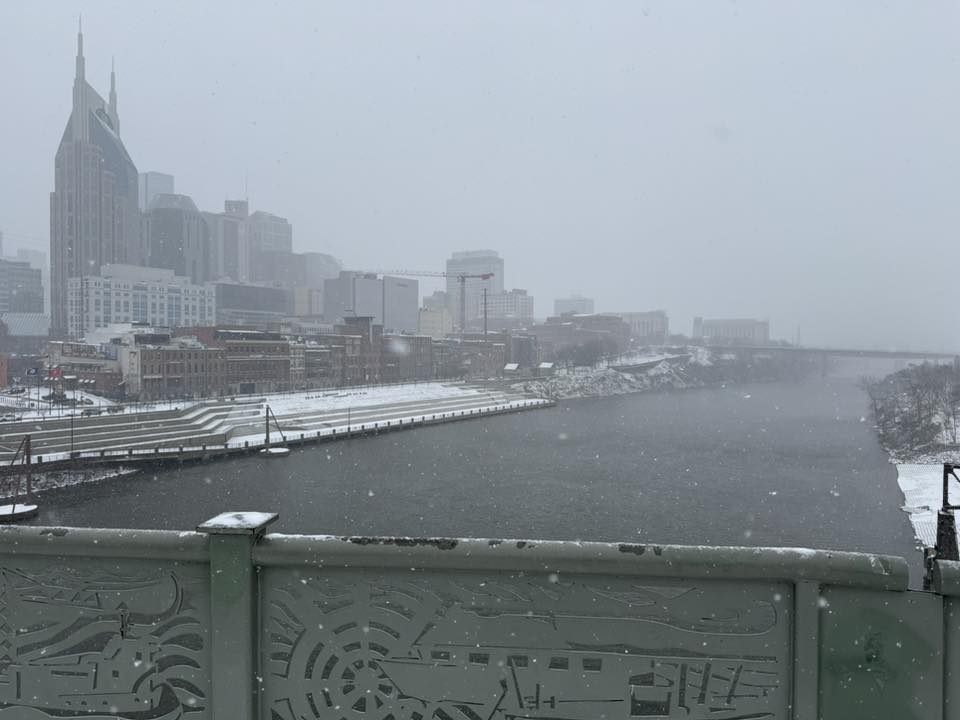
8. The Little Bit of Ice That Can Change Everybody’s Plans
Nashville lies in Middle Tennessee, where winter weather can include rain, freezing temperatures, snow, and ice. The Tennessee Department of Transportation prioritizes major highways and heavily traveled routes during winter weather operations, which means conditions can vary considerably from one road to another.
And that’s where newcomers from colder states sometimes get surprised.
A forecast that wouldn’t cause much concern in Minnesota or Michigan can create serious problems in Nashville.
It’s tempting to look at a modest snowfall prediction and wonder why everybody is talking about road conditions.
But the amount of snow isn’t always the biggest concern.
Ice can be much more dangerous.
Picture a neighborhood street with a hill, a shaded curve, and a thin coating of frozen precipitation.
The road may look manageable from the driveway.
Then a vehicle reaches a slick patch and suddenly loses traction.
Bridges and elevated ramps can also develop hazardous conditions, even when nearby roads appear better.
Here’s the part that matters.
In Middle Tennessee, dangerous winter driving conditions can develop even when snowfall totals don’t look especially impressive.
During the January 2026 winter storm, Tennessee officials warned about black ice, hazardous travel, and prolonged freezing conditions.
The lesson isn’t that Nashville residents are incapable of handling winter.
It’s that local weather, road conditions, equipment priorities, and terrain create a different set of challenges.
The insider rule is to pay attention to official road advisories rather than comparing Nashville’s weather with the place you moved from.
Keep basic emergency supplies at home.
Make sure you have necessary medications, flashlights, charged devices, and other essentials before a significant winter storm arrives.
If travel is discouraged, don’t go sightseeing just because you’re curious about the snow.
And remember that a cleared interstate doesn’t guarantee every neighborhood road is safe.
Road crews must prioritize certain routes, and shaded streets or hills may remain hazardous.
Visitors should monitor weather forecasts before planning day trips outside Nashville during freezing conditions.
A beautiful winter morning can still come with difficult driving.
But ice isn’t the only weather-related surprise in Middle Tennessee.
The next rule is far more serious, and it’s something every newcomer should learn before the first severe thunderstorm rolls through.
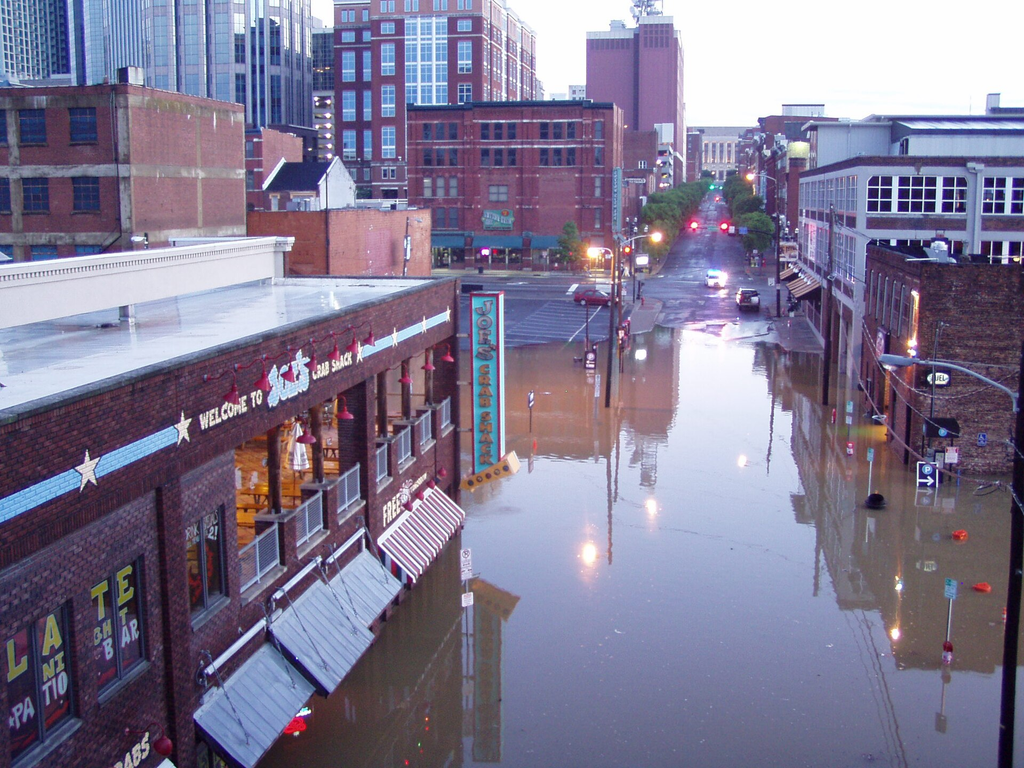
9. The Weather Alert That Could Save Your Life
Middle Tennessee faces severe thunderstorms, damaging winds, flash flooding, and tornadoes. The Tennessee Emergency Management Agency warns that tornadoes can occur during any season, including at night when people may be asleep.
This is one Nashville rule nobody should have to learn the hard way.
Know the difference between a weather watch and a warning.
You might be sitting at home on an ordinary evening when your phone announces a tornado watch.
The sky may still look relatively calm.
That doesn’t mean the alert is meaningless.
A watch means conditions are favorable for tornadoes to develop.
It’s time to pay attention, review your shelter plan, and make sure you can receive further alerts.
A tornado warning is different.
It means a tornado has been observed or indicated by radar, and immediate protective action is necessary.
Here’s the fact every Nashville newcomer needs to remember.
A tornado warning means it’s time to take shelter, not time to step outside and look at the sky.
Tennessee’s emergency management guidance recommends sheltering in a small interior room on the lowest level of a sturdy building, away from windows.
Cover your head and neck.
Keep shoes, a flashlight, and emergency supplies near your shelter area.
And make sure you have more than one way to receive weather warnings, including a method that can wake you while you’re sleeping.
That last detail matters.
Nighttime tornadoes are a particularly serious danger in Tennessee.
Don’t rely entirely on hearing an outdoor warning siren from inside your house.
Use phone emergency alerts, a weather radio when possible, and reliable local weather information.
Flooding deserves the same respect.
Heavy rain can overwhelm drainage systems and create dangerous road conditions, even away from rivers and creeks.
Never drive through floodwater.
You cannot reliably judge the condition of the roadway underneath it, and moving water can be far more powerful than it appears.
If you’re visiting Nashville, identify a safe place in your hotel or rental property before severe weather develops.
Don’t wait until a warning arrives to figure out where you should go.
This isn’t meant to frighten newcomers.
It’s meant to prepare them.
Because knowing Nashville isn’t only about finding the best restaurant or avoiding an expensive parking mistake.
Sometimes it’s about understanding the place well enough to protect yourself and the people you love.
And after that serious lesson, here’s something considerably more cheerful about Music City.
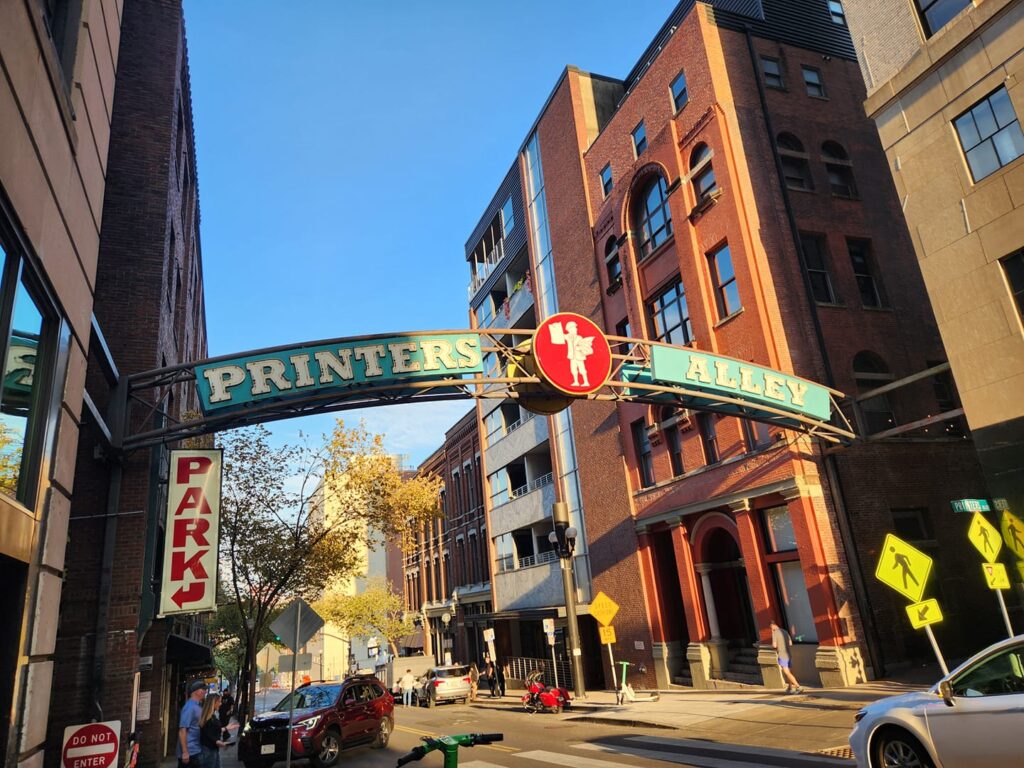
10. The Music City Secret That Has Nothing to Do With Cowboy Hats
Printer’s Alley is a historic downtown Nashville passage associated with nightlife and musical entertainment, including jazz, blues, and other genres. Music Row, meanwhile, is known for the recording studios and publishing businesses that helped build Nashville’s music industry.
Together, they reveal something visitors sometimes overlook.
Nashville is much more than country music.
Walk through Lower Broadway and country songs may dominate what you hear.
But move beyond the most familiar tourist stops and the musical possibilities expand.
There are songwriters telling stories through acoustic performances.
There are musicians working in recording studios, singers performing gospel, and artists creating rock, Americana, pop, blues, and jazz.
And there are people who make their living behind the scenes rather than in front of a crowd.
That matters in a city where music is both entertainment and an industry.
Here’s the surprise.
Some of Nashville’s most accomplished music professionals are people whose names you may never recognize.
A songwriter can help create a famous recording without becoming a household name.
A session musician can contribute to songs heard around the world without appearing on the album cover.
And a producer or engineer may play a major role in shaping music without ever stepping onto a public stage.
That’s why asking every musician whether they’re trying to become famous can miss the point.
Many already have established careers.
Others simply love playing.
If you want to experience this side of Nashville, consider attending a songwriter-focused performance.
The Bluebird Cafe is particularly associated with intimate songwriter performances and listening-room etiquette.
Unlike a noisy honky-tonk, a songwriter round often asks the audience to remain quiet and focus on the music.
The stories between songs can be as interesting as the songs themselves.
Check reservation requirements, ticket arrangements, and venue policies before attending. Popular listening rooms may require planning, and admission isn’t necessarily free.
For a different musical atmosphere, explore historic Printer’s Alley or look for performances outside the downtown tourist district.
The insider rule is to choose the type of music experience you actually want.
Don’t assume every Nashville venue offers the same thing.
And don’t mistake a quiet performance for an unimportant one.
Music City earned its reputation through generations of working musicians, not just the names on the biggest signs.
But there’s another Nashville tradition that matters just as much as the music.
And it doesn’t cost a penny.
11. The Old-Fashioned Courtesy That Still Matters in a Growing City
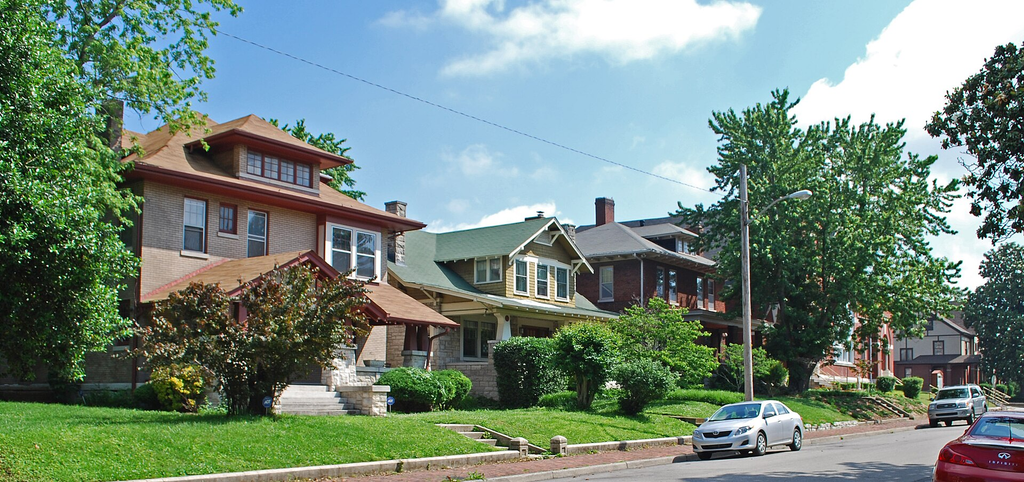
Nashville’s neighborhoods stretch well beyond the downtown entertainment district, from established communities such as Madison and Donelson to residential streets in Sylvan Park and Bellevue. Across those areas, everyday life looks considerably different from a crowded Saturday night on Broadway.
And that’s where another local custom comes into play.
Southern hospitality works best when everybody participates.
You don’t need to put on an exaggerated accent or call every stranger darlin’ to fit in.
In fact, trying too hard can make an ordinary conversation feel awkward.
What matters more is how you treat people.
Hold the door when someone is right behind you.
Be considerate when parking on residential streets.
Treat restaurant workers, store employees, musicians, and neighbors with respect.
And don’t assume that a friendly greeting automatically means somebody has unlimited time for a conversation.
It’s simple stuff.
But simple doesn’t mean unimportant.
Here’s the rule that gets overlooked.
Southern hospitality isn’t something visitors are entitled to receive. It’s something everyone can help create.
That doesn’t mean every Nashville resident is friendly all the time.
It’s a large city with different personalities, backgrounds, and expectations.
Nor does it mean you should tolerate rude behavior simply because someone calls it Southern charm.
Real courtesy includes respecting boundaries.
A person who smiles and says hello may just be acknowledging you, not inviting a lengthy conversation.
And someone who prefers privacy isn’t necessarily unfriendly.
There’s another local expression worth understanding: Bless your heart.
Depending on the speaker and the situation, those words can express genuine sympathy, affection, exasperation, or criticism.
Don’t assume the phrase always carries an insult.
Context matters.
The insider tip is to focus less on decoding every Southern saying and more on being thoughtful.
If you’re visiting a residential neighborhood, remember that the streets, sidewalks, and parking spaces are part of somebody’s everyday surroundings.
Keep noise reasonable. Respect private property. Don’t block driveways while stopping for photographs.
If you’re moving to Nashville, take time to learn your neighborhood beyond its restaurants and attractions.
Introduce yourself when appropriate, support local businesses, and understand that being a good neighbor takes more than knowing the area’s popular spots.
Nashville has changed considerably over the years.
But growth doesn’t make courtesy obsolete.
And the final rule might be the most rewarding one of all, especially for people who think they’ve already seen everything Nashville has to offer.

12. The Nashville Experiences That Don’t Require a Broadway Bar Tab
Shelby Bottoms Greenway and Natural Area lies in East Nashville along the Cumberland River, offering trails and natural spaces. Near downtown, Bicentennial Capitol Mall State Park sits beside the Tennessee State Museum, which offers free general admission.
These places reveal a side of Nashville that’s easy to overlook when every travel recommendation seems to begin with Broadway.
And here’s the wonderful part.
Some of the city’s most rewarding experiences don’t revolve around buying tickets, ordering drinks, or standing in line for a famous attraction.
At Shelby Bottoms, the sounds are different.
Instead of honky-tonk guitars and traffic, the setting offers open spaces, trees, trails, and opportunities to enjoy the outdoors.
You can walk, ride a bicycle, or simply spend time away from the city’s busiest entertainment areas.
The Cumberland River becomes part of the landscape rather than just a backdrop for downtown photographs.
And that change of pace can feel especially welcome after a crowded day of sightseeing.
Here’s what many newcomers don’t realize.
You can experience important parts of Nashville’s history, scenery, and everyday character without building your entire day around expensive attractions.
Consider the Tennessee State Museum.
Its free general admission makes it an especially appealing option for families, history lovers, and visitors watching their budgets.
The museum explores Tennessee’s past, offering a much broader picture of the state than the familiar country music attractions alone.
Nearby, Bicentennial Capitol Mall State Park provides a place to explore Tennessee history outdoors and enjoy views toward the State Capitol.
The Nashville Farmers’ Market is also in this area, making it convenient to combine several stops.
The insider trick is to plan a day around this part of town rather than treating each attraction as a separate trip.
Check the museum’s operating hours and any special exhibition arrangements before visiting.
General admission may be free, but transportation, food, and parking can still affect your budget.
For outdoor destinations, bring comfortable walking shoes and water, particularly during Tennessee’s warmer months.
Weather can change quickly, so keep an eye on the forecast.
Another excellent option is the John Seigenthaler Pedestrian Bridge, which crosses the Cumberland River and offers views of downtown Nashville.
It’s a chance to appreciate the skyline from a different perspective.
You can see the buildings, the river, and the city spread out around you without needing a rooftop bar reservation.
And for people who love a little nostalgia, these quieter experiences can be especially meaningful.
They remind you that Nashville isn’t simply a collection of famous attractions.
It’s a place with neighborhoods, parks, history, traditions, and everyday routines.
That’s the Nashville worth getting to know.
The Unexpected Fact About Nashville’s Most Famous Music Tradition
Nashville’s identity as Music City is closely associated with country music, but its musical story is much broader. The city’s heritage includes gospel, blues, jazz, R&B, and generations of songwriters, performers, and recording professionals whose work helped shape American music.
Even the famous hot chicken tradition tells a deeper story. Its roots in Nashville’s Black community remind us that some of the city’s most recognizable attractions began as local traditions long before they became tourist favorites.
That’s the real lesson behind these unwritten rules.
Nashville gets easier to understand when you stop treating it like a weekend attraction and start paying attention to the people, places, and customs that make it a community.
The neon might bring you here. But it’s everything beyond the neon that makes Nashville worth knowing.