
You can spend a small fortune on Nashville sightseeing and still miss some of the city’s most interesting places. Meanwhile, a free nature center, a forgotten airport, and a reconstructed frontier fort are sitting right under our noses.
Nashville has more surprises than Broadway’s neon lights would have you believe. These 11 places reveal stories that even longtime residents may have missed. And one of them once had its own zoo, bowling alley, and enormous greenhouse.
1. The Nashville Airport Where Nobody Catches a Plane Anymore
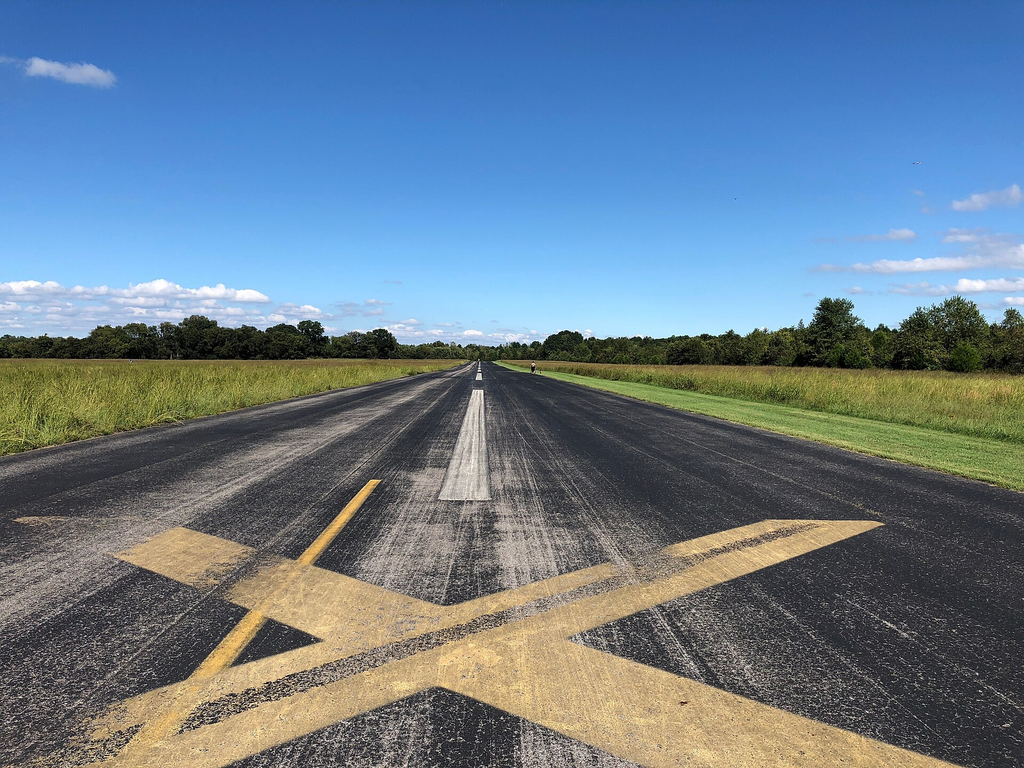
Cornelia Fort Airpark sits in East Nashville, beside Shelby Bottoms Greenway, on land that once served as a working airport. In 2011, Metro Parks added more than 130 acres of the former airfield to the Shelby Bottoms park system.
Today, the airplanes are gone, but the wide-open landscape remains.
Instead of airport security, baggage claims, and roaring engines, you’ll find people walking, riding bicycles, and enjoying one of the city’s most unusual public spaces.
The openness is what makes this place different.
Most Nashville parks have winding paths, wooded areas, and patches of shade. Cornelia Fort Airpark has broad stretches of pavement and grass that immediately remind you this property once served a very different purpose.
On a clear afternoon, the sky seems enormous. There is room to appreciate the landscape without the usual distractions of city streets and crowded sidewalks.
But the most remarkable part of this old airport isn’t the runway.
It’s the woman whose name it carries.
Cornelia Fort survived the Japanese attack on Pearl Harbor while flying in Hawaii and later became the first American woman pilot to die on active military duty during World War II.
Fort was a pioneering aviator whose family had owned farmland in this part of Nashville.
After surviving Pearl Harbor, she joined the Women’s Auxiliary Ferrying Squadron, helping move military aircraft during the war. She died in 1943.
That’s quite a story for a place many people now associate with an afternoon bicycle ride.
Here’s the insider tip: Don’t treat Cornelia Fort Airpark as an ordinary neighborhood playground. Take a little time to learn about its namesake before visiting. The setting becomes much more meaningful when you understand why it bears her name.
Access is through the Shelby Bottoms trail network, and the former airfield is now public recreation space rather than an operating airport.
Bring comfortable walking shoes, water, and sun protection. The open landscape offers a different experience from a heavily shaded woodland trail.
And don’t assume the former runways are open to motor vehicles. This is parkland now.
The biggest mistake is arriving, seeing an expanse of pavement, and thinking there’s nothing special here.
There is.
Nashville preserved a piece of aviation history and turned it into somewhere people can enjoy the outdoors.
And if an abandoned airport seems like an unusual Nashville attraction, wait until you see what somebody put inside an old bread factory.

2. The Old Bread Factory Filled With Cars That Look Almost Impossible
Lane Motor Museum occupies a former Sunbeam bread factory at 702 Murfreesboro Pike. The bakery began operating in the building in 1951, and the museum opened to the public in October 2003.
The building once covered approximately 132,000 square feet of industrial space.
Today, instead of producing bread, it houses one of the most unusual collections of automobiles you’ll find anywhere in the country.
Forget the usual rows of shiny American muscle cars.
This museum celebrates the vehicles that made somebody look at an ordinary automobile and say, “Surely we can build something stranger than that.”
There are tiny European microcars, unusual motorcycles, experimental designs, amphibious vehicles, and machines that seem to challenge everything you thought a car was supposed to look like.
Some vehicles are remarkably small. Others have designs that make you wonder how anyone ever managed to drive them.
And that’s the fun.
The museum doesn’t simply celebrate successful engineering. It also preserves ideas that were daring, impractical, unusual, or far ahead of their time.
Lane Motor Museum expanded its gallery space by another 25,000 square feet in 2026, making room to display approximately 60 additional vehicles.
Founder Jeff Lane established the collection in 2002, with a particular interest in European automobiles and technically unusual machines.
That interest helped create a museum that feels completely different from a typical classic-car collection.
The building itself adds another layer to the experience.
Original features from its bakery days include high ceilings, brickwork, and maple flooring. Those industrial surroundings make a surprisingly good home for strange automotive inventions.
Here’s a tip for visitors who think they aren’t interested in cars: Go anyway.
You don’t need to know anything about engines to appreciate a vehicle that looks like a bathtub on wheels or a tiny machine designed to squeeze through narrow European streets.
Look especially for the experimental vehicles and unusual engineering solutions. They’re often more entertaining than the expensive automobiles people expect to see.
This is an indoor museum with paid admission. Check current ticket prices and operating hours before visiting, especially if you’re planning around a particular demonstration.
The museum has advertised weekend vehicle demonstrations, but schedules can change.
The trap is assuming that every vehicle in the collection will be on display at the same time. Museums rotate exhibits, and the newly expanded space doesn’t mean every automobile in storage is available to see.
Give yourself time to read the exhibits.
Some of the best stories are attached to vehicles that initially look the least impressive.
But Nashville’s strange buildings aren’t limited to former factories. Another property once belonged to one of the wealthiest women in Tennessee.

3. The College Campus Hiding a Mansion That Once Had Its Own Zoo
Belmont Mansion stands on the Belmont University campus, surrounded by the everyday activity of modern college life. Built between 1850 and 1860, the Italian villa-style house originally contained 36 rooms.
When completed, it was the largest home built in Tennessee before the Civil War.
That’s impressive enough.
But the house is only part of the story.
Imagine arriving at this property in the nineteenth century, when it wasn’t surrounded by university buildings and city streets.
Instead, the estate spread across approximately 175 acres.
There were elaborate gardens, a conservatory, an art gallery, and an enormous greenhouse. The grounds were designed to impress visitors and demonstrate the extraordinary wealth of the family who lived there.
The mansion’s architecture still makes a statement today.
Its ornate rooms and elaborate design offer a glimpse into a Nashville that existed long before recording studios, professional sports, and downtown tourism.
But there’s one detail that tends to stop people in their tracks.
Belmont Mansion’s original estate included a private zoo, a bowling alley, and a greenhouse measuring approximately 200 feet long.
Yes, a zoo.
And a bowling alley.
All on the grounds of what is now a university campus.
The mansion is closely connected to Adelicia Acklen, one of the most prominent women in nineteenth-century Nashville society.
Her story involves enormous wealth, family tragedy, changing fortunes, and the upheaval of the Civil War.
But the mansion also tells a more difficult story.
The Acklen family’s wealth was connected to slavery, and the museum interprets the lives and labor of enslaved people who helped support the estate.
That history deserves as much attention as the elaborate furniture and architecture.
Here’s the insider tip: Don’t rush through the house simply looking for beautiful rooms.
Pay attention to how the estate functioned, who maintained it, and how much of the original property has disappeared beneath modern Nashville.
The museum offers tours that generally last approximately 45 to 60 minutes. Admission is paid, and current tour availability should be checked before visiting.
Because the mansion sits on an active university campus, allow time to find the appropriate visitor entrance and follow campus parking instructions.
The biggest mistake is expecting to see the original 175-acre estate.
Much of that landscape has changed dramatically.
Still, the surviving mansion offers a rare chance to step into a very different chapter of Nashville life.
And another old Nashville estate has a surprise of its own: two historic houses separated by more than half a century.
4. The Historic Estate With a Second House Most People Never Notice
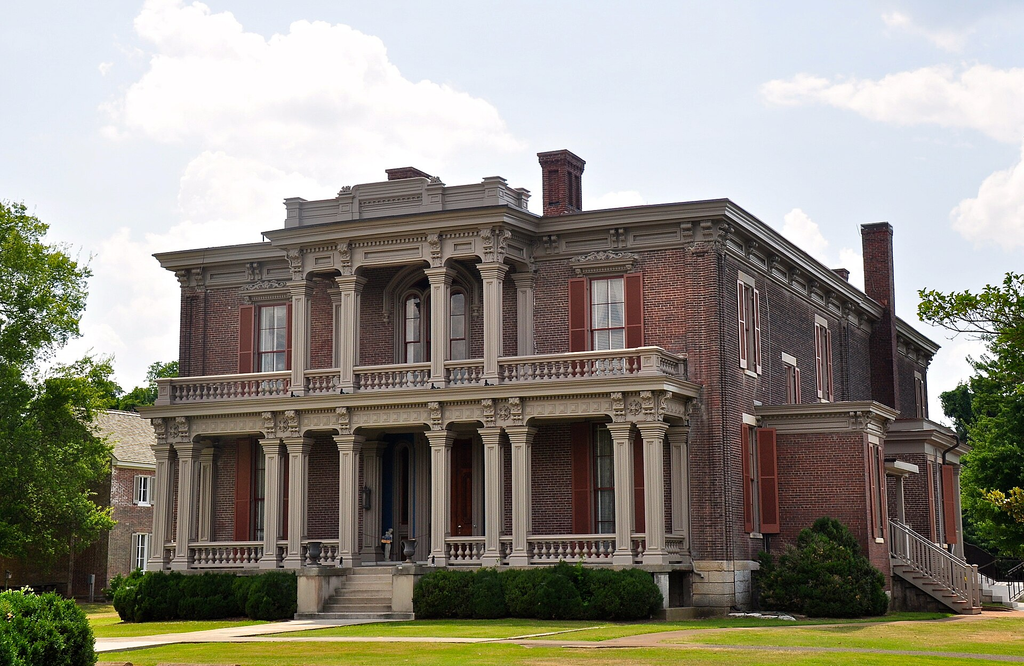
Two Rivers Mansion stands at 3130 McGavock Pike in the Donelson area. Built in 1859, the Italianate mansion once belonged to a plantation property covering approximately 1,100 acres.
The estate was associated with the McGavock family, who lived in the mansion for three generations.
Today, the surrounding area looks nothing like the countryside that once surrounded the property.
Modern roads, neighborhoods, and recreational spaces have changed the landscape.
Yet the mansion remains.
Its architecture offers the kind of grand nineteenth-century detail that seems increasingly unexpected in a city where older buildings are regularly replaced by new development.
The house was built by David McGavock for his wife, William Elizabeth Harding.
Its design reflects the fashionable Italianate style of the period, when prominent families used architecture to communicate wealth and social standing.
But here’s what makes this property especially interesting.
The mansion isn’t the oldest house on the grounds.
Behind Two Rivers Mansion stands the Buchanan house, built in 1802, more than 50 years before the larger mansion.
That means one property preserves two distinct periods of early Tennessee history.
The older house offers a connection to the frontier-era landscape that existed before the mansion’s construction.
The larger house reflects the wealth and ambitions of the plantation era.
Together, they tell a story that a single historic building couldn’t fully explain.
The land itself is important, too.
The original plantation was situated between the Cumberland and Stones rivers, waterways that helped shape settlement, agriculture, and transportation in Middle Tennessee.
And like other plantation properties, its history cannot be understood without recognizing the role of enslaved labor.
Here’s the insider tip: When visiting, don’t focus exclusively on the larger mansion.
Look for the older Buchanan house and consider how dramatically Nashville changed between 1802 and 1859.
Metro Nashville acquired the mansion property in 1965, helping preserve an important piece of local history.
The grounds and historic buildings don’t necessarily share the same access arrangements. Guided tours may be scheduled separately, so check with Friends of Two Rivers Mansion before planning an interior visit.
Don’t assume you can walk into either historic house simply because the surrounding property is accessible.
And give yourself time to appreciate the exterior architecture.
Sometimes the most interesting thing about an old Nashville building is realizing what stood there before it.
Speaking of older Nashville, there’s a place near the river where the city’s earliest settlement comes back into view.
5. The Frontier Fort Sitting Almost in Broadway’s Shadow
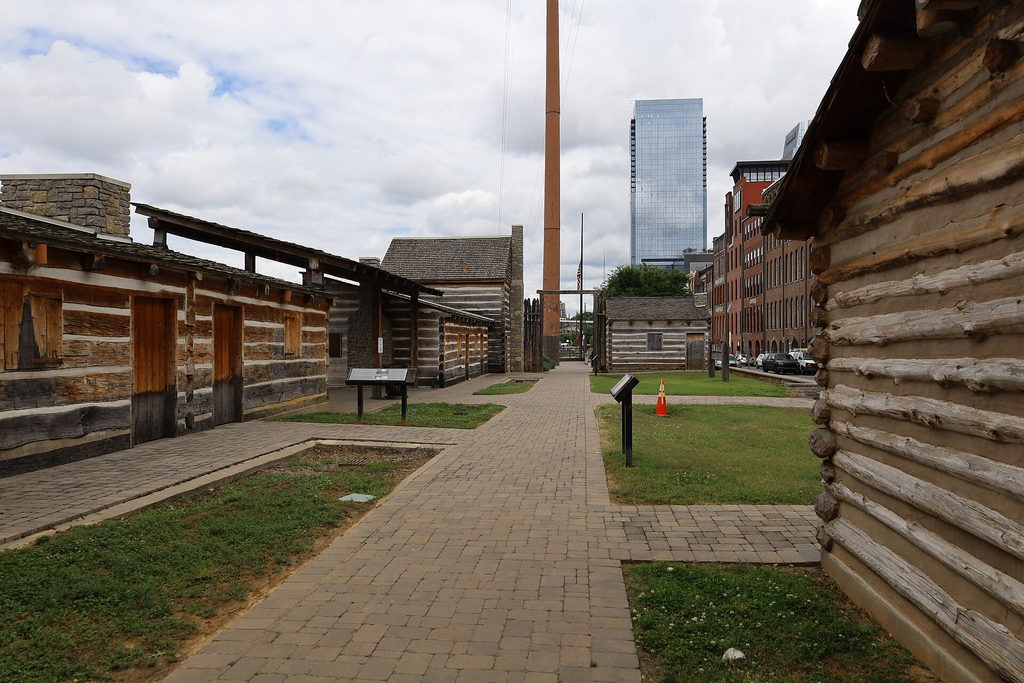
Fort Nashborough stands at 170 First Avenue North, close to the Cumberland River and downtown Nashville’s entertainment district. It commemorates the frontier settlement established by James Robertson and other settlers around 1779 and 1780.
Admission is free, and Metro Parks lists daily self-guided visiting hours from 9 a.m. to 4 p.m.
It’s an unusual sight.
A short distance from the modern downtown streets, you encounter wooden structures designed to recall Nashville’s earliest frontier settlement.
The contrast is striking.
Today’s Nashville is filled with tall buildings, hotels, restaurants, and entertainment venues. But the settlement represented here existed when the Cumberland River was central to travel, trade, and survival.
The original settlement developed along the riverbank, where access to water was essential.
Its residents faced an environment that was dramatically different from the city surrounding the reconstruction today.
Life involved physical labor, uncertain supplies, and conflict over land.
But this story needs an important qualification.
The Fort Nashborough visitors see today is a reconstruction, not an original surviving fort from 1780.
Nashville created an earlier replica during the 1930s, and the site has undergone subsequent rebuilding and reinterpretation.
That doesn’t make it less interesting.
It simply means visitors should understand what they’re looking at.
The fort commemorates the settlement that helped lead to modern Nashville, rather than preserving the original buildings themselves.
It also provides an opportunity to consider the Indigenous communities that lived in and used the Cumberland River region long before European-American settlement.
The growth of Nashville came through westward expansion and conflicts that had serious consequences for Native peoples.
Those stories are essential to understanding the city’s beginnings.
Here’s the insider tip: Pair this stop with a walk along the downtown riverfront.
Seeing the Cumberland River helps explain why settlers chose this location and why Nashville eventually grew into a major transportation and commercial center.
Because admission is free, this can be a worthwhile addition to a downtown sightseeing day without another ticket purchase.
Check current access before visiting, and remember that self-guided hours aren’t the same as having a staffed historical tour.
The trap is expecting a large living-history attraction filled with costumed interpreters.
Fort Nashborough is better approached as a compact historical stop.
It rewards visitors who take time to think about the enormous changes that occurred on this stretch of riverbank.
6. The Music Museum That Tells the Story Broadway Often Leaves Out
Jefferson Street Sound is located at 2004 Jefferson Street, in one of Nashville’s most historically important African American neighborhoods. The museum preserves the musical legacy of a corridor that helped shape the city’s jazz, blues, gospel, rhythm-and-blues, and soul traditions.
It’s a side of Music City that visitors can easily overlook.
When people think about Nashville music, they often picture country singers, the Grand Ole Opry, and honky-tonks on Lower Broadway.
Those traditions matter.
But they aren’t the whole story.
Jefferson Street was once a major center of Black business, entertainment, and cultural life.
Music filled the neighborhood’s clubs and performance spaces. Artists, audiences, and entrepreneurs helped create a musical environment with influence far beyond the surrounding streets.
The sounds associated with Jefferson Street weren’t limited to one genre.
Jazz, blues, gospel, and rhythm-and-blues all played important roles in the neighborhood’s identity.
And the musicians connected to this scene helped shape American popular music.
Here’s the detail that surprises many visitors.
Jimi Hendrix spent an important period of his early musical career in Nashville, where the Jefferson Street music scene helped shape his development.
Before becoming an internationally famous guitarist, Hendrix performed in Nashville and developed his craft within the city’s Black music community.
That history complicates the familiar idea that Nashville’s musical identity begins and ends with country music.
Jefferson Street’s story also includes loss.
Urban redevelopment and the construction of Interstate 40 profoundly changed the neighborhood, disrupting businesses, communities, and the cultural landscape.
Understanding that history makes the surviving institutions and preservation efforts especially meaningful.
Here’s the insider tip: Visit Jefferson Street Sound with an interest in the neighborhood itself, not just individual famous musicians.
The museum is a starting point for understanding how Black performers and business owners helped build Nashville’s reputation as a music city.
Visiting hours are limited, so confirm current opening times and tour availability directly before making the trip.
Don’t assume this is a large museum with the same schedule as Nashville’s major downtown attractions.
The trap is thinking a smaller museum means a smaller story.
Quite the opposite.
Some of Nashville’s most important cultural history survives because people have worked to keep these stories from disappearing.
And just when you think you’ve uncovered the city’s forgotten past, there’s another place where history is written into the stone beneath your feet

7. The Giant Civil War Fortress Most Nashville Visitors Never See
Fort Negley occupies St. Cloud Hill at 1100 Fort Negley Boulevard, not far from downtown Nashville. The remains represent the largest inland stone fortification constructed during the Civil War.
Metro Nashville purchased the property in 1928, and approximately 800 Works Progress Administration workers helped reconstruct the fort during the 1930s.
From a distance, it’s easy to underestimate the site.
The surrounding city has changed so much that the hill can seem like just another patch of elevated green space.
But climb toward the historic fortifications, when access permits, and the landscape begins to tell a very different story.
Stone walls, defensive positions, and the commanding location reveal why this hill mattered during the war.
Fort Negley was built after Union forces occupied Nashville in 1862.
The city had become strategically important because of its transportation connections and location.
The fort was part of the military effort to defend Nashville.
But the construction story is especially significant.
Fort Negley was built largely through the labor of African American workers, including people who had escaped slavery and sought refuge behind Union lines.
Their experiences are central to the site’s history.
For many, Union-occupied Nashville represented a possible path toward freedom, even as wartime conditions brought danger, hardship, and exploitation.
The fort is therefore more than a collection of military ruins.
It’s a place to consider slavery, emancipation, war, and the people whose labor helped reshape the city.
Its preservation history is unusual, too.
After the 1930s reconstruction, the site opened in 1938, later closed, and reopened following preservation work in December 2004.
Here’s the insider tip: Begin with the visitors center rather than treating the hill as an ordinary scenic overlook.
The historical interpretation provides context that makes the surrounding landscape much more meaningful.
There is also an important current access warning.
Fort Negley has been undergoing a major improvement project in 2026. Metro Parks reported that the half-mile park trail remained open during Phase 1 construction, while access to the historic fort structure at the hilltop was temporarily closed.
Check the latest construction status before visiting. Do not assume that the upper fortifications are accessible.
The visitors center has continued operating under its regular schedule, subject to construction-related interruptions.
The biggest mistake is arriving expecting unrestricted access to every historic feature.
Plan around the current conditions, and don’t cross construction barriers.
Fort Negley tells an important story about Nashville during the Civil War.
8. The Quiet Neighborhood Hill Where an Army’s Defenses Collapsed
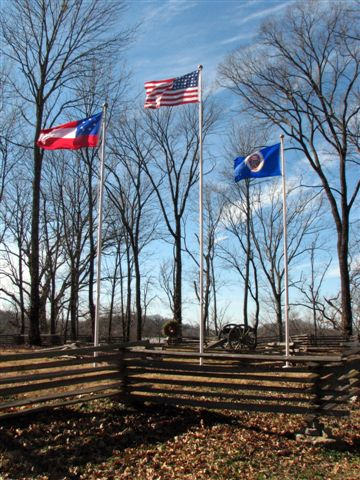
Shy’s Hill lies near Benton Smith Road in South Nashville, surrounded by residential neighborhoods. On December 16, 1864, it became a crucial position during the second day of the Battle of Nashville.
The battle helped bring about the collapse of Confederate General John Bell Hood’s Army of Tennessee as an effective fighting force.
Today, the surroundings could hardly look more different.
Instead of soldiers, artillery, and battlefield smoke, there are trees, houses, and quiet streets.
The wooded hillside doesn’t immediately announce its historical importance.
That’s part of what makes it so moving.
You can stand near a place where thousands of soldiers fought and look around at a neighborhood where everyday life continues.
The contrast is difficult to ignore.
During the Battle of Nashville, Confederate troops occupied defensive positions south of the city.
Union forces launched major attacks on December 15 and 16.
Shy’s Hill became a key point in the Confederate defensive line.
When Union troops overwhelmed the position on December 16, the Confederate defenses began to unravel.
The fighting at Shy’s Hill helped trigger the collapse of Confederate positions during one of the most decisive Union victories of the Civil War.
The hill takes its name from Confederate Colonel William Shy, who was killed during the fighting.
His death became part of the site’s historical identity.
But the significance of the battlefield extends far beyond any single soldier.
The battle helped end the Confederate Army of Tennessee’s ability to conduct major offensive operations.
For Nashville, the landscape became part of a much larger national story involving the destruction of slavery and the struggle over the country’s future.
What makes Shy’s Hill especially remarkable is that portions of the battlefield survived suburban development.
In June 2026, the Battle of Nashville Trust acquired another 1.2 acres for preservation, bringing its protected holdings at Shy’s Hill to nearly six acres.
That’s an important reminder that historic preservation isn’t always finished.
Sometimes land still has to be protected, piece by piece.
Here’s the insider tip: Treat Shy’s Hill as a historical landscape rather than a casual scenic hike.
Read about the battle before visiting, and pay attention to the terrain. The steepness of the hill helps explain why attacking the position was such a difficult military task.
Access is through a relatively modest trail area near Benton Smith Road. Check current trail conditions and follow posted access instructions.
Wear sturdy shoes and avoid entering neighboring private property.
The trap is expecting a large visitor center, extensive parking, or the facilities of a major state park.
Shy’s Hill is a preserved battlefield in a residential setting.
And that’s exactly why it deserves careful, respectful exploration.
After so much difficult history, Nashville has another kind of surprise waiting: a place where the main attraction glows orange and comes out of a furnace.
9. The Nashville Workshop Where Ordinary Glass Becomes Something Extraordinary
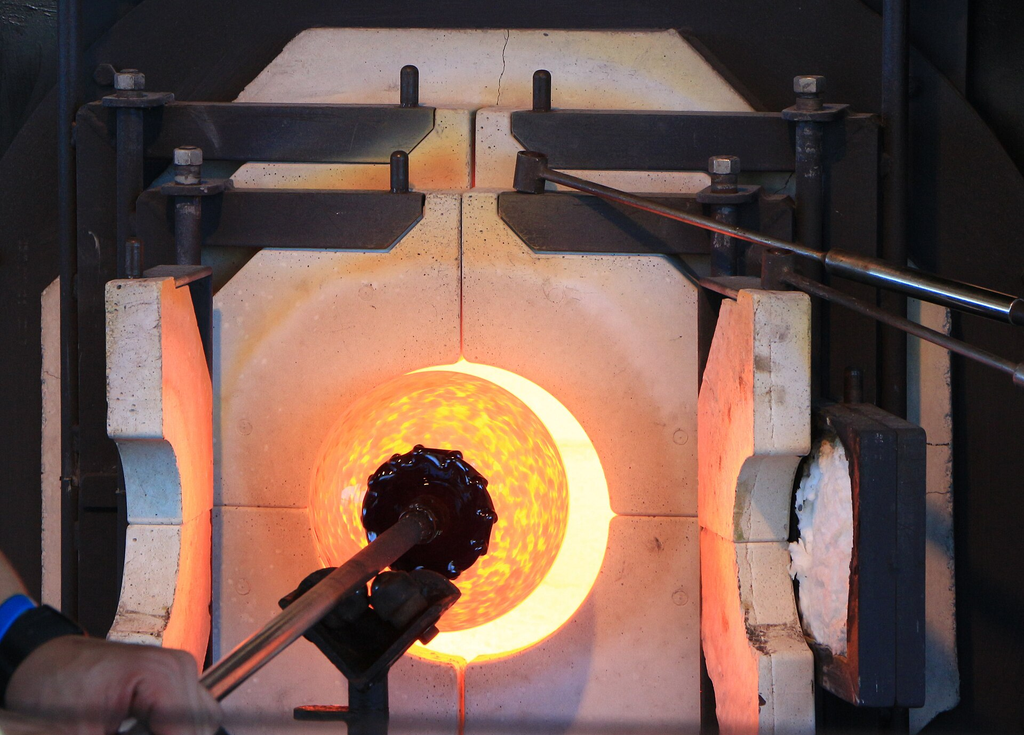
Nashville Glasshaüs operates at 483 Craighead Street, combining a working glassblowing studio with an art gallery and hospitality space. The studio has advertised Saturday demonstrations from noon to 1 p.m., along with hands-on glassmaking experiences.
It’s a refreshing change from the usual Nashville entertainment routine.
Instead of watching someone play a guitar, you can watch an artist transform hot glass into a finished object.
The process is fascinating.
Glass begins as a glowing, softened material that must be handled with care and precision.
The artist rotates it, shapes it, and uses specialized tools to control the form.
Every movement matters.
The heat of the workshop, the glow of the material, and the concentration required make glassblowing unusually absorbing to watch.
There’s something almost hypnotic about seeing a shape emerge from something that initially looks impossible to control.
And unlike mass-produced souvenirs, handmade glass carries the marks of a real creative process.
The studio’s Maxwell Gallery offers another way to appreciate the work, displaying glass art by multiple artists.
But here’s what many visitors don’t realize.
Nashville Glasshaüs offers opportunities to participate in glassmaking experiences rather than simply watching professional artists work.
That makes it a particularly interesting choice for a special outing.
Instead of buying another souvenir, visitors can explore the process behind creating one.
Of course, glassblowing isn’t something you casually attempt without guidance.
The studio’s hands-on experiences involve working with an experienced glass artist, and safety requirements are part of the experience.
Here’s the insider tip: Decide before visiting whether you want to watch a demonstration, explore the gallery, or book a class.
Those are different experiences, and they may operate on different schedules.
The studio has listed weekday and Saturday operating hours, but demonstration times and class availability should be confirmed directly.
Closed-toe shoes are required for classes.
The workshop can also become very hot, so dress appropriately and follow all safety instructions.
The trap is showing up expecting to join a class without making arrangements.
Hands-on experiences may require advance reservations, and availability can vary.
This is a wonderful reminder that Nashville’s creative community extends far beyond music.
And if you want a completely different kind of afternoon, there’s a place nearby where the city’s noise gives way to birds, wetlands, and open fields.

10. The Wild Landscape Less Than Four Miles From Downtown
Shelby Bottoms Nature Center sits at 1900 Davidson Street in East Nashville, within a natural area covering more than 950 acres. The surrounding greenway includes approximately 5.5 miles of accessible paved paths, along with additional primitive trails.
The nature center offers free admission.
That’s a pretty good deal in a city where sightseeing costs can add up quickly.
And the landscape is bigger than many people expect.
Shelby Bottoms contains wetlands, fields, wooded areas, and habitat for birds and other wildlife.
Walk along the trails and the sounds of the city begin to fade.
You may hear birds calling from the trees or frogs near the wetland areas.
In warmer months, the vegetation grows thick and green. Seasonal wildflowers add color, and the low-lying landscape takes on a character completely different from Nashville’s hillier neighborhoods.
The area has a long history.
Evidence of Indigenous occupation stretches back thousands of years, and later generations used portions of the land for agriculture.
Farming continued in parts of Shelby Bottoms until the 1990s.
Today, the protected landscape provides space for recreation, wildlife habitat, and environmental education.
Here’s the detail that catches people off guard.
Shelby Bottoms protects more than 950 acres of natural landscape less than four miles from downtown Nashville’s entertainment district.
That’s an extraordinary contrast.
One part of Nashville is filled with crowds and amplified music.
Another offers miles of trails through river-bottom habitat.
And both are part of the same city.
Here’s the insider tip: Start at the nature center before setting off on a longer walk.
It’s a useful place to learn about the area’s ecosystems and decide which trails suit your interests and abilities.
Families may enjoy the educational displays and shorter nature outings, while walkers and cyclists can make use of the larger greenway system.
Bring water, comfortable shoes, and insect protection when conditions call for it.
The nature center itself has operating hours that may differ from access to outdoor trails, so check the current schedule before planning an indoor visit.
Don’t confuse Shelby Bottoms with the adjacent 336-acre Shelby Park. They’re connected parts of a larger recreational landscape, but they offer different experiences.
The biggest mistake is underestimating the size of the area.
A quick stop at the nature center is one thing. Exploring the longer trails requires more time and preparation.
And if you enjoyed discovering a quieter side of Nashville, the final place on this list takes you even further back into the city’s past.
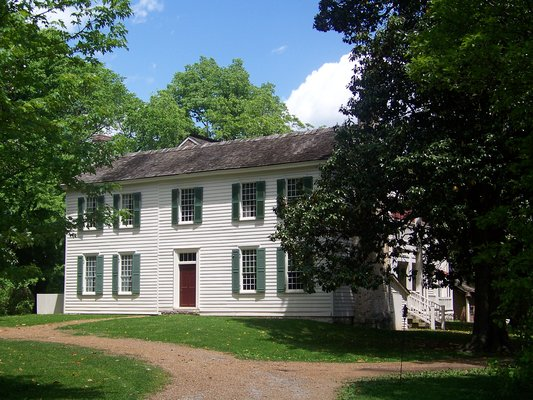
11. The House Built in 1799 That Still Tells Nashville’s Earliest Stories
Travellers Rest Historic House Museum stands at 636 Farrell Parkway in South Nashville. The original house dates to 1799, and the museum identifies it as the oldest historic house open to the public in Nashville.
It was the home of Judge John Overton, an important figure in Tennessee’s early development.
That makes the property remarkable before you even step inside.
Consider what Nashville looked like when the house was built.
The city was still developing from its frontier beginnings.
The familiar skyline didn’t exist. Neither did the neighborhoods, highways, and commercial districts that now define the surrounding landscape.
Yet this house survived.
The property offers a window into the early years of Tennessee statehood and the lives of people who shaped the region.
But Travellers Rest tells a much longer story than the history of one prominent family.
Its educational programs explore approximately 1,000 years of local history, including Indigenous settlement, frontier life, and the nineteenth century.
That broader approach makes the site especially valuable.
Instead of treating Nashville’s past as something that began with wealthy settlers, the museum examines the people and communities who occupied the land across many generations.
And some of its most important stories concern people whose names were often missing from older historical accounts.
Travellers Rest has documented the lives of more than 50 enslaved people who lived and worked on the property.
The museum’s exhibition, A Past Uncovered: The Story of the Enslaved People of Travellers Rest, draws on historical records including letters and ledgers.
The exhibition is housed in a weaving house dating to approximately 1820.
These records help historians reconstruct individual lives that were too often reduced to entries in property documents.
That work matters.
It changes how visitors understand the household, the land, and the wealth associated with the property.
Here’s the insider tip: Don’t approach Travellers Rest as simply another beautiful old house.
Make time for the exhibits dealing with Indigenous history and slavery. They provide essential context for understanding Nashville’s early development.
The museum offers historic-house experiences and educational programming, but tour schedules and admission arrangements should be confirmed before visiting.
Don’t assume the house operates like a public park with unrestricted access.
Historic interiors often require guided visits, and special events may affect availability.
The trap is focusing only on the age of the building.
Yes, a house from 1799 is remarkable.
But the people who lived and worked there, including those whose freedom was denied, are what make the history worth understanding.
And that brings us to one final Nashville surprise, one that connects the city’s past to a place thousands of people pass without realizing its significance.
The Unexpected Fact About Nashville’s Forgotten Places
One of the most surprising things about Nashville is how often an ordinary-looking place has lived several completely different lives.
Consider Cornelia Fort Airpark. What began as farmland became an airport, then eventually part of a public greenway. Lane Motor Museum transformed a former bread factory into a home for extraordinary vehicles. Belmont Mansion went from a sprawling private estate with its own zoo to a historic house surrounded by university life.
These places also show why preservation matters. Shy’s Hill is still gaining protected land, Fort Negley continues undergoing improvements, and historic museums are bringing overlooked stories into clearer view.
You don’t have to spend a fortune to discover another side of Nashville. Sometimes the best discoveries begin by turning onto a road you’ve passed a hundred times.
The Nashville you know is only part of the Nashville that’s there.