A single evening of Nashville entertainment can get expensive once tickets, parking, food, and drinks are added together. Yet some of the city’s most memorable experiences cost nothing to enjoy. From historic music venues to neighborhood restaurants and unexpected landmarks, these 15 experiences reveal what makes Nashville special.
The trick is knowing which moments are worth planning around and which ones are better discovered by accident. And one of the biggest surprises has absolutely nothing to do with country music.
The Free Broadway Concert That Becomes the Best Part of Your Vacation
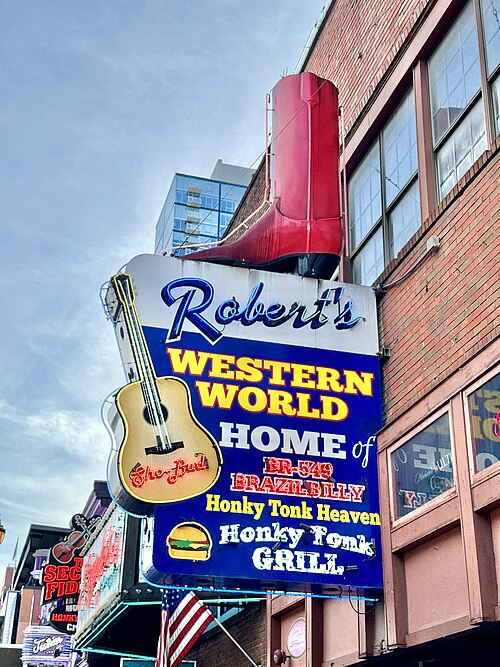
Robert’s Western World sits on Lower Broadway, surrounded by the neon signs and honky-tonks that have made downtown Nashville famous. Unlike many newer entertainment venues, Robert’s has built its reputation around traditional country music, live bands, and an atmosphere that still feels connected to Nashville’s musical roots.
Walk through the door and the sound hits you before anything else.
A steel guitar slides through a familiar melody. Boots tap against the floor. Musicians trade smiles as they work through songs that sound like they belong on an old country radio station.
The room feels different from the polished entertainment complexes elsewhere on Broadway.
There’s no need for an enormous stage or elaborate production. The musicians are the attraction.
And sometimes, the best part of the evening is discovering a performer whose name you didn’t recognize when you walked inside.
Here’s what catches people off guard.
Many of Broadway’s honky-tonks offer live music without a general admission charge, meaning you can hear excellent musicians without purchasing a concert ticket.
Robert’s Western World is particularly appealing to visitors who enjoy classic country, Western swing, and the sound of traditional Nashville.
The insider move is to visit during the afternoon rather than automatically waiting until nighttime.
Lower Broadway can become crowded and noisy after dark. An afternoon visit often makes it easier to focus on the music, find a comfortable spot, and appreciate the musicians.
Don’t confuse free admission with free entertainment.
Musicians depend on audience support, and tipping the band is part of the honky-tonk tradition. Food and drinks are additional expenses.
The other mistake is choosing a bar simply because a famous singer’s name is on the building.
Walk along Broadway and listen before entering. A band playing your favorite kind of music is worth more than an impressive sign outside.
And while Broadway delivers the noise and excitement Nashville is famous for, another stage offers something considerably more historic.
The Wooden Circle That Has Connected Country Legends for Generations
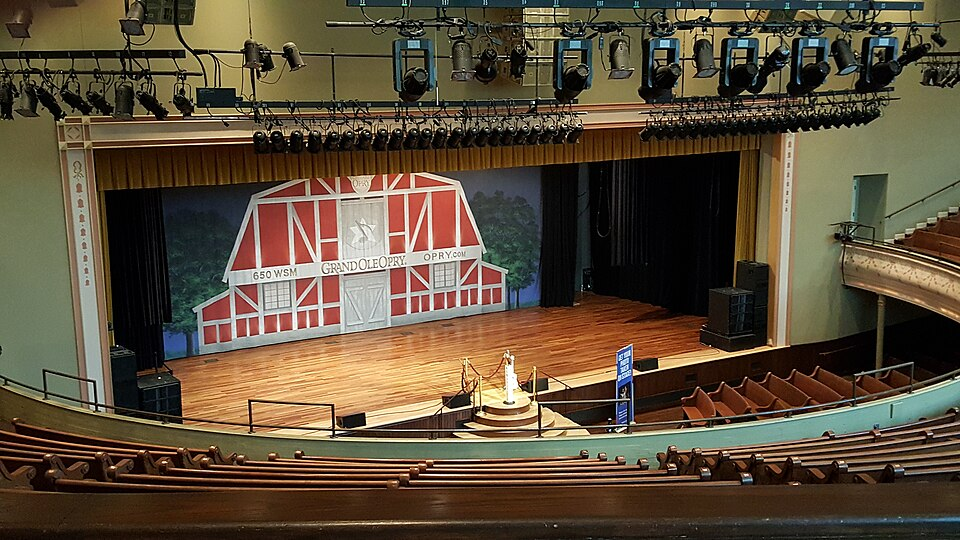
The Grand Ole Opry began as a radio program in 1925, long before Nashville became the tourism destination it is today. Its current home, the Grand Ole Opry House in Music Valley, opened in 1974 and continues the tradition of bringing multiple performers together on one stage.
An Opry performance doesn’t work like an ordinary concert.
Instead of waiting through opening acts for one headliner, the audience experiences a rotating lineup of performers.
An established country star might share the program with a rising artist. Traditional country can sit alongside bluegrass, gospel, and contemporary sounds.
The excitement comes partly from the variety.
Then there’s the stage itself.
At its center sits a circular piece of wood that carries an extraordinary connection to Nashville’s past.
Here’s the detail that makes the Opry different.
A six-foot circle of oak flooring from the historic Ryman Auditorium stage was incorporated into the Grand Ole Opry House when it opened in 1974.
That means performers stepping into the circle are standing on wood connected to the venue where earlier generations of country music legends performed.
It’s a physical connection between two eras.
The smartest ticket-buying strategy is to check the lineup for the specific performance you’re considering.
The Opry changes its roster, and no particular celebrity appearance should be assumed.
Another important distinction involves backstage tours.
An Opry show and a backstage tour are separate experiences. Tours may include dressing rooms, performance areas, and views of the famous circle, depending on the itinerary.
Don’t assume purchasing a performance ticket automatically includes backstage access.
Visitors planning both experiences should compare available packages and tour schedules before making reservations.
Allow time to enjoy the setting rather than arriving at the last possible moment.
Because the Opry isn’t simply about hearing songs.
It’s about watching a living Nashville tradition continue.
But the wooden circle has an older home, and hearing music inside that building creates an entirely different feeling.
The Concert Hall Where Even Familiar Songs Sound Different
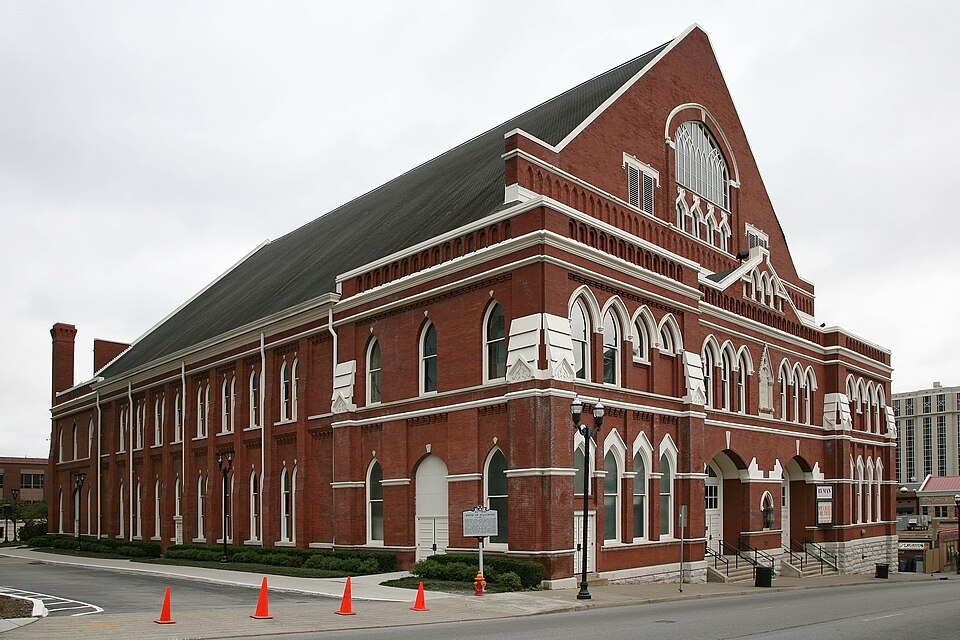
Ryman Auditorium opened in downtown Nashville in 1892 as the Union Gospel Tabernacle. From 1943 until 1974, it served as the home of the Grand Ole Opry, helping establish its reputation as the Mother Church of Country Music.
Today, the Ryman continues to host performances across numerous musical genres.
But the building itself is part of the attraction.
Walk inside and you’ll notice the wooden pews instead of ordinary theater seating.
Stained-glass windows recall the building’s religious beginnings. The historic architecture creates an atmosphere far removed from the enormous arenas that dominate modern entertainment.
Then the performance begins.
A singer steps toward the microphone. The audience settles. A familiar melody fills the room.
Suddenly, a song you’ve heard countless times on the radio feels personal.
There is something remarkable about listening to music in a place where generations of performers have stood before.
Here’s what visitors sometimes misunderstand.
The Ryman isn’t simply a museum of country music history. It’s still an active concert venue where that history continues to grow.
That distinction matters when planning a visit.
Daytime tours provide an opportunity to explore the building, learn about its history, and appreciate the architecture.
An evening performance delivers something different.
You experience the room as a performance space, surrounded by other people listening to an artist in the same historic setting.
For music lovers, seeing an actual show can be the more powerful choice.
Check the performance calendar before booking your trip. The Ryman hosts country, rock, gospel, bluegrass, and other genres, so the experience depends on who’s appearing.
Don’t assume every concert will be traditional country.
Also remember that the historic pew seating feels different from modern cushioned theater chairs.
If comfort or accessibility is a concern, review seating information before purchasing tickets.
The Ryman deserves attention even from visitors who don’t consider themselves country music fans.
And if hearing a familiar song inside an extraordinary building is special, imagine hearing it performed by the person who actually wrote it.
The Tiny Room Where You Discover Who Really Wrote Your Favorite Song
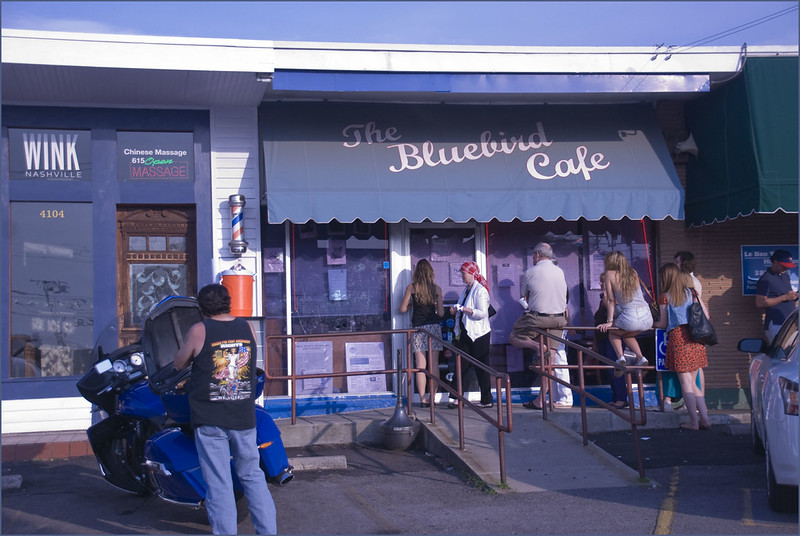
The Bluebird Cafe is located in Green Hills, away from downtown Nashville’s main entertainment district. The intimate venue is internationally recognized for songwriter performances, particularly its in-the-round shows.
This is not the kind of place where people come to shout over a band.
The atmosphere is built around listening.
Songwriters sit together, often facing one another, sharing music and explaining the stories behind their work.
A performer might begin talking about the idea that inspired a song.
Then a familiar melody starts.
You recognize the lyrics. You know the chorus. Perhaps you’ve heard the recording for years.
But the voice singing it belongs to the person who wrote it.
That realization changes the experience.
Instead of hearing a polished radio production, you’re listening to the song closer to its original creative source.
Here’s what makes the Bluebird special.
Some of Nashville’s most recognizable songs can be heard in the intimate setting where their writers explain how those songs came to life.
The biggest insider tip is to treat reservations as an important part of your Nashville itinerary.
The Bluebird has limited seating, and popular performances can be difficult to book.
Check the official show calendar and reservation information rather than assuming you’ll be able to walk in.
The type of performance also matters.
An in-the-round show focuses heavily on songwriting and conversation. Other scheduled performances may have different formats.
Read the event description before choosing.
And please don’t mistake this for another Broadway party bar.
The audience is expected to listen attentively. Loud conversations during songs can disrupt the experience for performers and everyone nearby.
If your group wants to socialize loudly, save that for another venue.
If you want to understand why Nashville is called Music City, this is one of the clearest demonstrations.
The best part isn’t necessarily recognizing the songwriter.
It’s hearing the story that makes a familiar song mean something new.
And after an evening spent listening, there’s a Nashville dining tradition that turns complete strangers into part of the experience.
The Southern Dinner Where Strangers Become Part of the Vacation
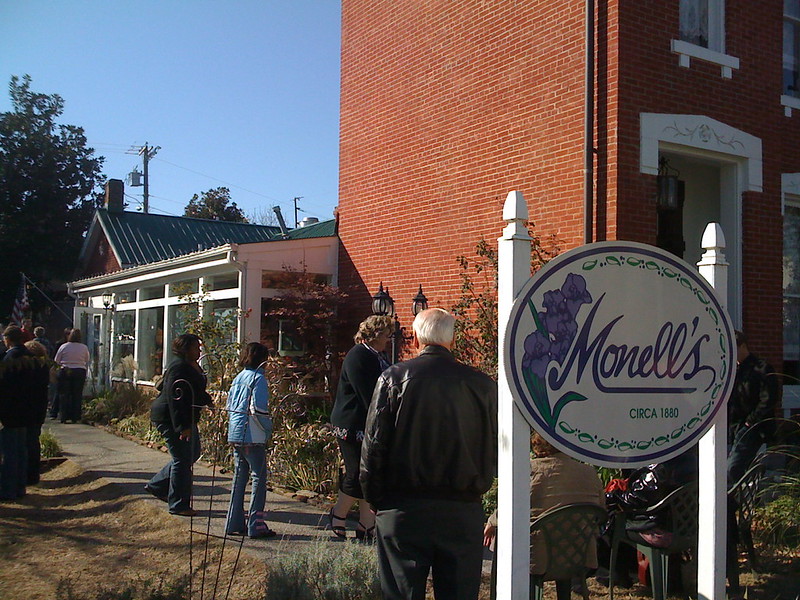
Monell’s in Nashville’s Germantown neighborhood is known for serving Southern food family-style at communal tables. Instead of ordering individual entrées, diners share a meal built around traditional comfort dishes.
The experience begins with something many modern restaurants try to avoid.
You may be seated beside people you’ve never met.
There isn’t a private little table separating your group from everyone else.
Instead, the meal becomes a shared occasion.
Platters and bowls make their way around the table. Fried chicken, vegetables, biscuits, and other Southern favorites may appear, depending on the meal being served.
Someone reaches for another helping.
Someone else passes a dish.
Conversation becomes part of the rhythm.
For visitors accustomed to ordering their own plates and staring at their phones, the experience can feel wonderfully old-fashioned.
Here’s what makes Monell’s different.
At Monell’s, sharing the table is as much a part of the experience as sharing the food.
The tradition recalls a style of Southern hospitality centered on passing dishes, making conversation, and enjoying a meal together.
The insider tip is simple.
Arrive ready to participate.
If you enjoy meeting people, this can be one of the most memorable meals of a Nashville trip.
If you strongly prefer a quiet, private dining experience, choose another restaurant.
Monell’s is designed around communal dining, not individual tables with separate menus.
Check the current meal schedule before visiting because service offerings can vary.
Don’t assume every meal includes exactly the same dishes.
And come hungry.
A family-style Southern meal is best enjoyed when there’s room to sample several things rather than concentrating on one plate.
Visitors often spend considerable time searching for Nashville’s most fashionable restaurants.
But sometimes the experience worth remembering is the one that feels most like Sunday dinner.
Of course, Nashville has another famous food tradition, and it can produce a very different kind of story.
The Nashville Lunch People Remember Because They Ordered It Too Hot
Prince’s Hot Chicken Shack is closely associated with the origins of Nashville hot chicken and the city’s Black culinary history. The tradition centers on fried chicken coated with fiery seasoning, typically served with white bread and pickles.
It’s one of Nashville’s most recognizable foods.
And it isn’t ordinary spicy fried chicken.
The first bite can begin with crisp skin, savory seasoning, and rich fried-chicken flavor.
Then the heat arrives.
For some people, it’s pleasantly warming.
For others, especially those who ordered more heat than they expected, lunch becomes an endurance test.
That’s where Nashville hot chicken earns its reputation.
But focusing only on extreme spice misses the point.
The best hot chicken combines seasoning, texture, and heat in a way that makes the food enjoyable.
Here’s the mistake that catches first-time visitors.
There is no standardized Nashville hot chicken heat scale, so a medium order at one restaurant may taste considerably hotter than medium somewhere else.
Prince’s is an important stop for understanding the tradition.
Other established names include Bolton’s, Hattie B’s, 400 Degrees, and Red’s 615 Kitchen.
Each has its own approach.
The insider move is to order a heat level you can actually enjoy.
If you’re dining with a group, choose different heat levels and compare them.
That turns lunch into a tasting experience instead of a competition.
Don’t overlook the sides.
Greens, beans, slaw, and macaroni and cheese can help balance the richness of the chicken.
And pay attention to the white bread and pickles.
They’re part of the traditional presentation, not random decorations.
Another Nashville specialty worth considering is hot fish, which appears on menus at some hot chicken establishments.
The biggest trap is ordering the hottest available option simply because you’re on vacation.
Nobody hands out prizes for ruining lunch.
Enjoy the flavor, appreciate the history, and leave room for another Nashville surprise.
Because just when you think the city is all guitars and Southern food, a Greek temple appears in the middle of a public park.
The 42-Foot Surprise Nobody Expects to Find in Music City
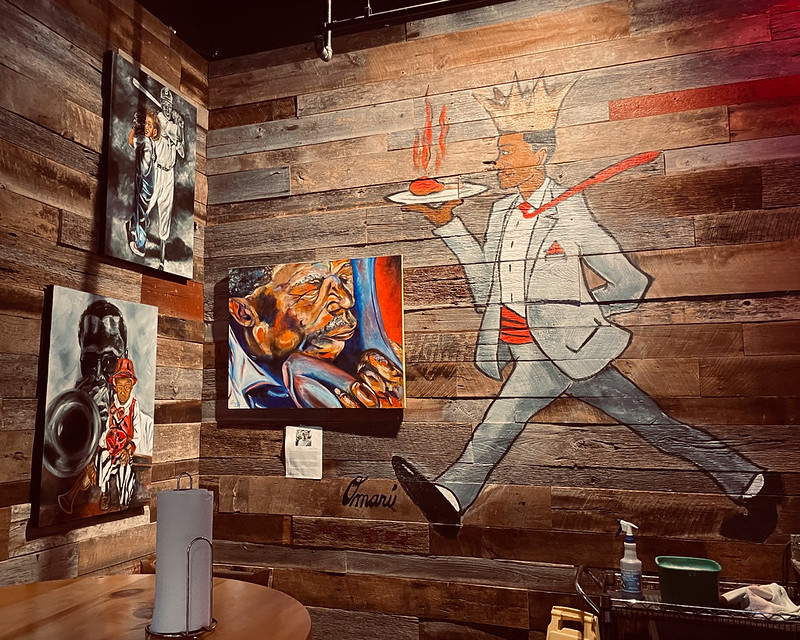
The Parthenon stands inside Nashville’s Centennial Park and traces its origins to Tennessee’s Centennial Exposition in 1897. The permanent structure is a full-scale replica of the ancient Parthenon in Athens, Greece.
That alone makes it one of Nashville’s most unusual landmarks.
Imagine walking through a Tennessee park and seeing enormous classical columns rising above the surrounding grounds.
For a moment, the setting seems completely disconnected from the country music capital.
The exterior is impressive.
But the real surprise waits inside.
Enter the building and you’ll encounter a monumental statue of Athena, the Greek goddess associated with wisdom.
The scale changes everything.
Standing beneath the enormous figure, the building suddenly feels even larger.
The architectural details and museum setting create an experience far removed from the city’s entertainment districts.
Here’s the fact that surprises many first-time visitors.
The Athena statue inside Nashville’s Parthenon stands approximately 42 feet tall.
That is not something most people expect to discover during a Tennessee vacation.
The building also operates as an art museum, making it more than an unusual photo opportunity.
Here’s the money-saving trick.
You can admire the Parthenon’s exterior and explore the surrounding public park without purchasing museum admission.
That makes it an excellent stop for visitors who want an impressive Nashville experience without adding another attraction ticket.
However, don’t assume the entire Parthenon experience is free.
Admission is required to explore the museum interior and see Athena up close.
If the statue is your main reason for visiting, plan accordingly.
The other mistake is stopping for a quick exterior photograph and leaving without realizing what’s inside.
Take time to appreciate the building’s unusual history.
The original exposition celebrated Tennessee’s centennial, and the Parthenon became one of its most enduring architectural legacies.
Nashville may be famous for music, but this landmark tells a different story about the city’s ambitions and identity.
And while the Parthenon surprises visitors with its scale, the next Nashville experience makes an impression precisely because it looks so ordinary from outside.
The Ordinary-Looking Studio Where Elvis and Dolly Made Music History
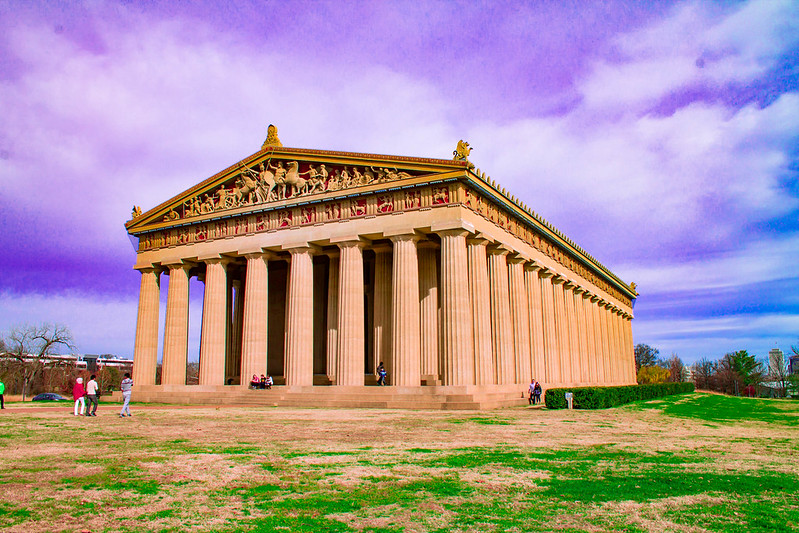
Historic RCA Studio B opened on Nashville’s Music Row in 1957. Elvis Presley, Dolly Parton, the Everly Brothers, and numerous other performers recorded there, helping establish the studio’s importance in American music history.
From outside, it doesn’t resemble a glamorous entertainment attraction.
That’s part of what makes the experience interesting.
You’re visiting a working environment associated with some of the most influential recordings in country and popular music.
The atmosphere is different from a concert hall.
There are no enormous audience sections or elaborate stage effects.
Instead, the focus is on the room where musicians gathered to record.
Imagine the concentration required when performers, instrumentalists, and recording professionals worked together to capture a song.
A familiar recording becomes easier to appreciate when you understand the setting in which it was created.
Here’s what makes Studio B extraordinary.
RCA Studio B helped shape the Nashville Sound, a recording style that influenced how country music reached a broader audience.
Its history connects Nashville to far more than live performances.
The city became a recording center because talented musicians, songwriters, producers, and technical professionals worked together behind the scenes.
The insider tip is to understand how Studio B tours are arranged.
Visits are offered through the Country Music Hall of Fame and Museum, and the studio experience is typically guided.
Don’t assume you can simply arrive at the building and purchase admission at the door.
Check available tour packages and reserve in advance.
Also remember that admission to the Country Music Hall of Fame and a visit to Studio B are not necessarily the same ticket.
Review what’s included before paying.
For fans of Elvis or Dolly, the historical connection is obvious.
But the studio is equally interesting for anyone curious about how Nashville became a recording powerhouse.
The experience turns songs into something tangible.
And just a different kind of musical magic awaits in a small room where instruments do most of the talking.
The Little Music Room Where the Musicians Don’t Need Fancy Production
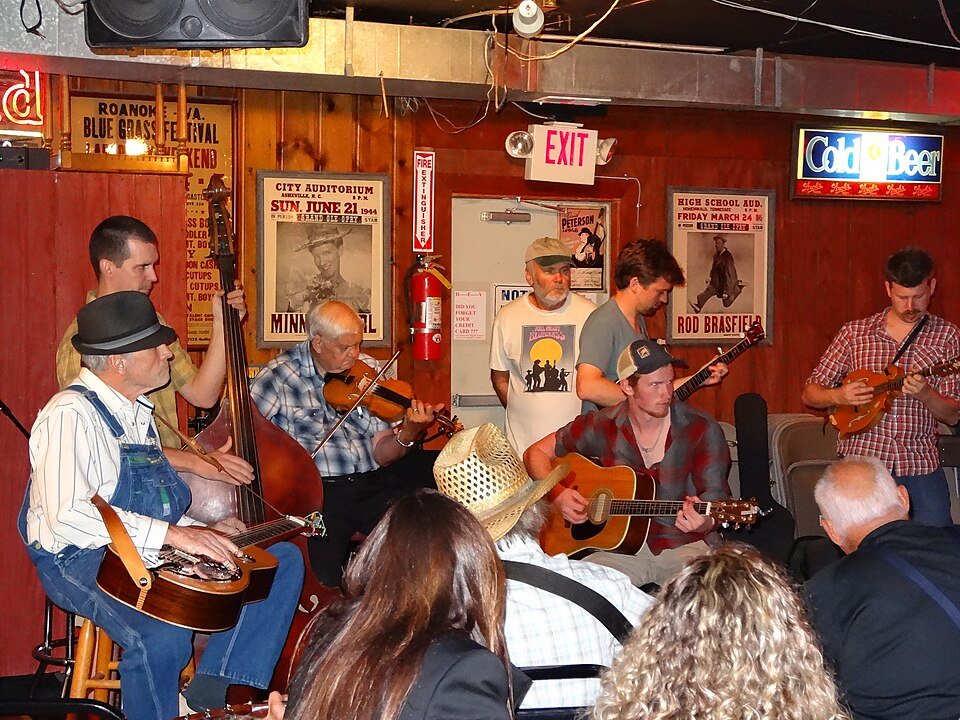
The Station Inn is a longstanding bluegrass and roots music venue in Nashville’s Gulch neighborhood. It is known for acoustic performances featuring instruments such as banjo, fiddle, mandolin, guitar, and upright bass.
The setting is refreshingly straightforward.
Instead of giant screens and theatrical effects, the focus stays on the performers.
A fiddle cuts through the room.
A banjo answers.
A mandolin adds a sharp, bright rhythm while the upright bass keeps everything moving.
The musicians listen closely to one another.
When one player finishes a solo, another takes over.
The excitement comes from watching musical skill unfold in real time.
For visitors who have only experienced country music through radio hits and arena concerts, bluegrass can feel like discovering another side of Nashville.
Here’s what makes this place memorable.
The Station Inn offers the chance to experience bluegrass and roots music in an intimate setting rather than through an enormous concert production.
That intimacy changes how you listen.
You can pay attention to individual instruments and appreciate the musicians’ timing.
The insider tip is to check the performance calendar carefully.
Don’t assume every show features exactly the same style of music.
Bluegrass is central to the venue’s identity, but programming can vary.
Cover charges, seating arrangements, and show times also depend on the event.
Confirm the details before arriving.
Another mistake is assuming a venue needs an elaborate appearance to deliver an exceptional performance.
The Station Inn’s reputation rests on the music itself.
It’s a good choice for visitors who want to escape the spectacle of Broadway without giving up the reason they came to Music City.
And after spending time in Nashville’s smaller music rooms, there’s another place where the city reveals a story many visitors have never heard.
The Museum That Changes How You Hear American Music
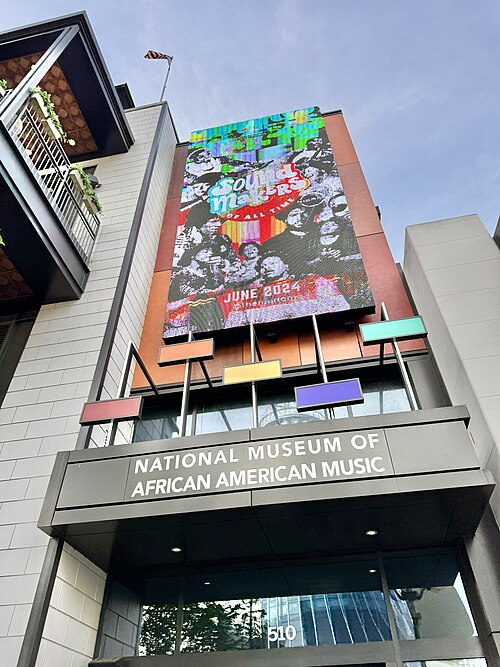
The National Museum of African American Music is located in downtown Nashville. Its exhibits explore the influence of African American musicians on gospel, blues, jazz, rhythm and blues, hip-hop, and other musical traditions.
It’s an essential reminder that Nashville’s musical identity is much broader than country music.
Inside, the experience moves across generations and genres.
The story isn’t simply about famous performers.
It’s about the development of musical styles, the connections between them, and the cultural influence of artists whose work helped shape American music.
Familiar songs take on new meaning when placed within that history.
A musical style you associate with one era may have roots in something much older.
An artist you recognize may belong to a much larger story of innovation and influence.
The museum’s interactive elements help connect those historical developments to the music people still enjoy today.
Here’s what makes this experience especially important.
The history of American popular music cannot be fully understood without recognizing the contributions of African American musicians.
For Nashville visitors, that understanding adds depth to everything else they hear around the city.
The insider move is to pair this museum with the Country Music Hall of Fame and Museum.
The two institutions explore different but interconnected aspects of musical history.
Together, they offer a more complete understanding of Nashville’s cultural importance.
Don’t rush through the exhibits simply to check another attraction off your itinerary.
Take time to listen, read, and explore the connections between musical genres.
Check current admission information and operating hours before visiting.
The museum is an indoor attraction, making it especially useful when weather interferes with outdoor sightseeing plans.
This is also a meaningful stop for visitors who enjoy history as much as entertainment.
Some Nashville experiences make you laugh.
Others make you dance.
This one may change the way you understand songs you’ve loved for years.
And after that deeper look into musical history, the next experience offers something wonderfully hands-on.
The Nashville Souvenir You Actually Get to Make Yourself
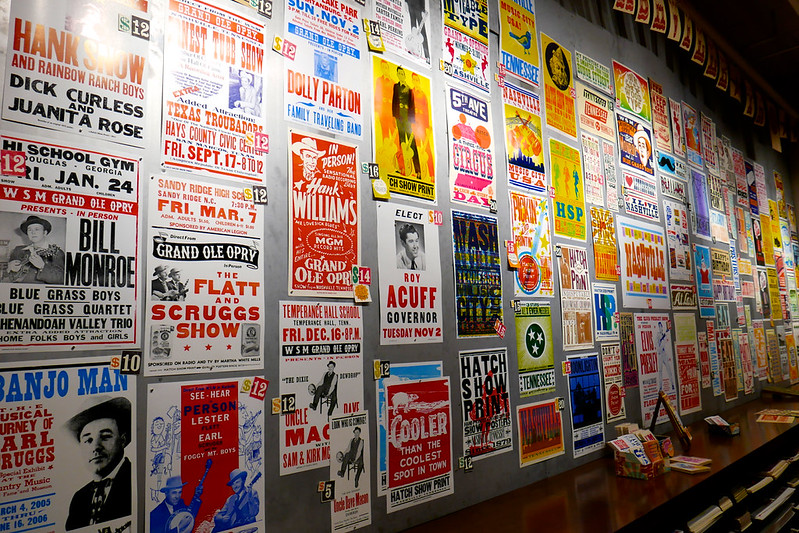
Hatch Show Print has operated since 1879 and is one of America’s oldest working letterpress shops. Today, it is located within the Country Music Hall of Fame and Museum complex in downtown Nashville.
Its history is closely connected to entertainment advertising.
For generations, printed posters helped promote performers, concerts, and events.
Hatch Show Print created artwork associated with artists including Elvis Presley, Bill Monroe, and Grand Ole Opry performers.
The appeal lies partly in the distinctive look of traditional letterpress printing.
Bold lettering, strong shapes, and carefully arranged designs give the posters a character that modern digital advertising often lacks.
Inside the shop, visitors can learn about historic printing methods and the craftsmanship behind those designs.
Wood type and traditional equipment help explain how printed advertisements were produced long before computers became standard.
Then comes the part that makes this more than a history lesson.
Here’s the surprise.
A Hatch Show Print tour includes an opportunity to print a keepsake poster using traditional printing techniques.
That means visitors can leave with something connected to the experience itself.
It’s a souvenir with a story.
The standard tour lasts approximately one hour, making it manageable even during a packed Nashville sightseeing day.
Separate workshops provide additional opportunities for creative activities.
The insider tip is to distinguish between the regular tour and those workshops.
Don’t assume every printing activity is included in one ticket.
Check the descriptions carefully and reserve any workshop requiring advance registration.
Also consider how you’ll transport your printed souvenir home.
A poster deserves better treatment than being folded into the bottom of a crowded suitcase.
For visitors tired of ordinary gift shops, this is a refreshing alternative.
You learn something about Nashville’s entertainment history, see traditional craftsmanship, and take home a physical reminder.
But not every memorable Nashville experience needs a ticket or souvenir.
Sometimes all you need is a walk across the river at the right time of day.
The Free Nashville View That Might Become Your Favorite Photograph
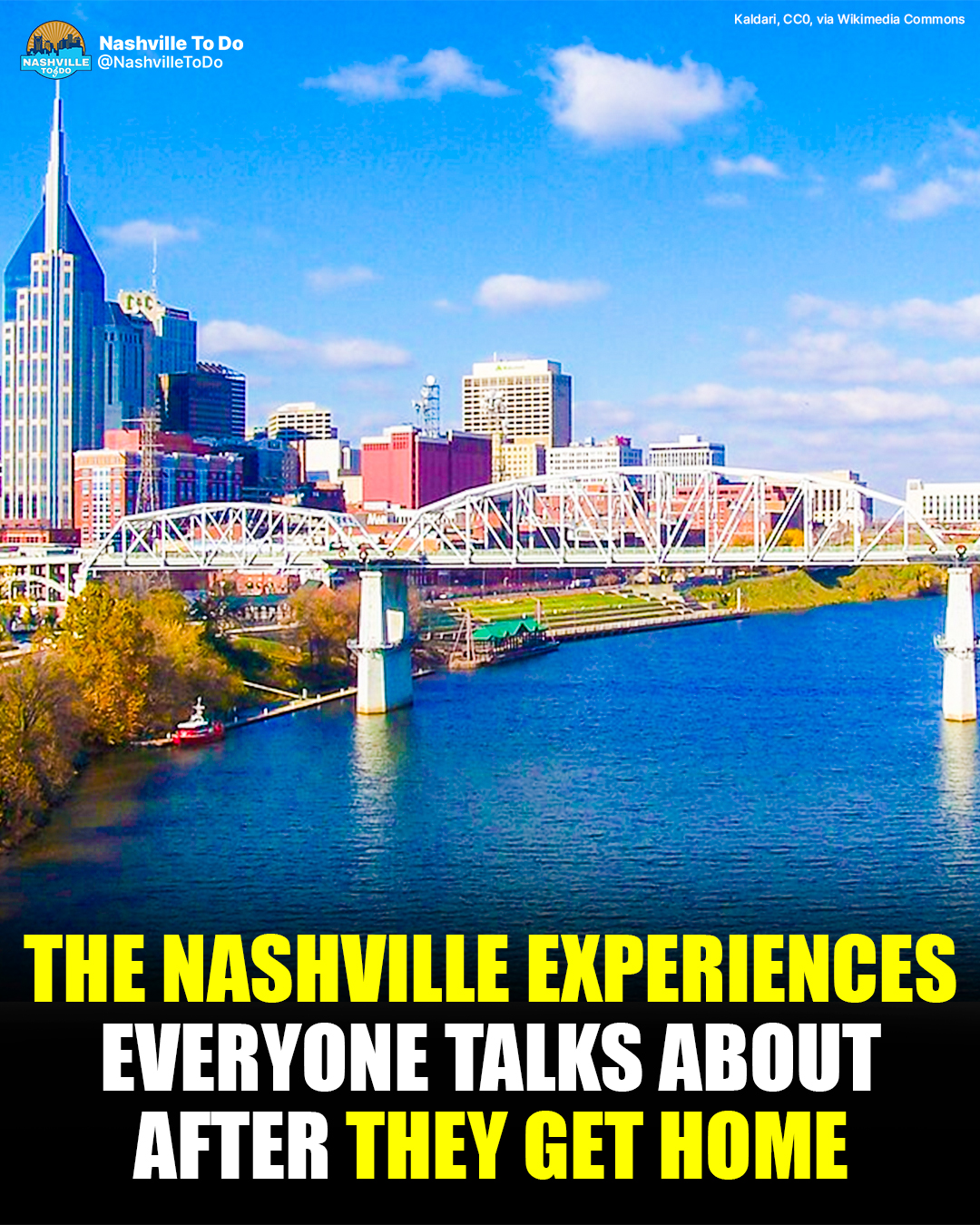
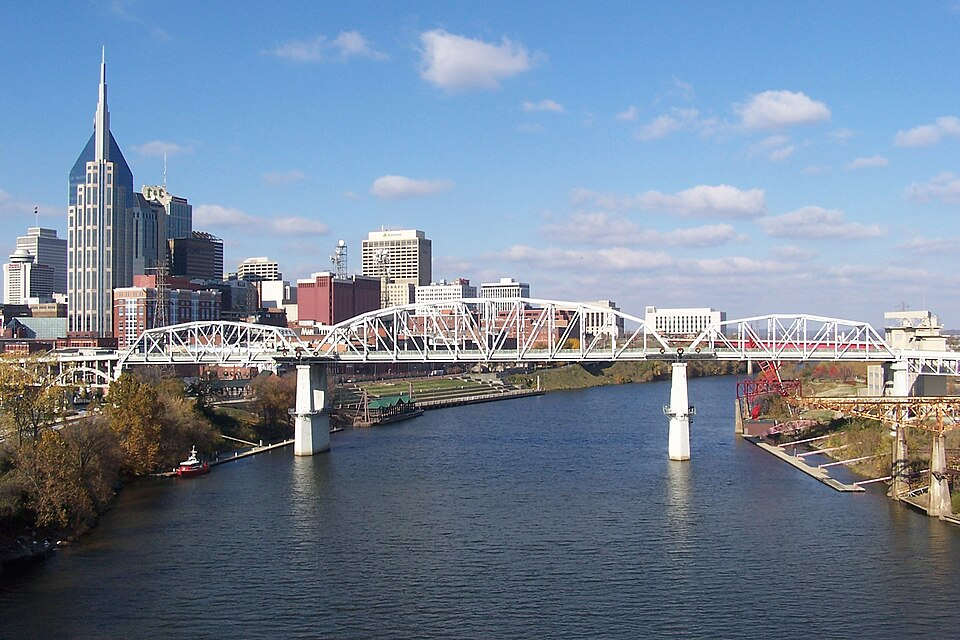
The John Seigenthaler Pedestrian Bridge crosses the Cumberland River, connecting downtown Nashville with the area around Nissan Stadium. It provides broad views of the city skyline, riverfront, and surrounding buildings.
And the best part is the price.
There’s no attraction admission charge simply to walk across the bridge.
As you move away from downtown, the city begins to reveal itself from a different perspective.
Buildings rise above the river.
Traffic moves along the surrounding streets.
The water reflects changing light as the afternoon gives way to evening.
From the bridge, Nashville’s skyline becomes easier to appreciate as a whole.
The scene changes noticeably around sunset.
The sky softens, building lights begin appearing, and reflections stretch across the Cumberland.
It’s the kind of view that makes people stop walking and reach for their phones.
Here’s what makes this such a smart stop.
You can enjoy one of Nashville’s most recognizable skyline views without purchasing a rooftop ticket or paying an attraction admission fee.
The insider move is to visit around sunset and remain long enough to see the transition into evening.
Photographers often call the period just after sunset blue hour.
During that time, the sky can retain a deep blue tone while the city’s lights become more prominent.
You don’t need professional photography equipment to appreciate it.
A smartphone is enough.
The practical advantage is that the bridge can be incorporated into a downtown sightseeing day.
You don’t need to plan an entirely separate excursion.
However, the bridge is exposed to the weather.
Wind, rain, and summer heat can make the walk less comfortable.
Wear sensible shoes and pay attention to conditions.
Also remember that parking elsewhere downtown may still cost money, even though the bridge itself is free to enjoy.
For visitors watching their travel budget, it’s a reminder that Nashville’s most memorable moments aren’t always the most expensive.
And while the skyline offers a beautiful picture of Nashville today, the next stop reveals the artists and objects that helped build its reputation.
The Museum That Makes You Listen to Your Favorite Country Songs Differently
The Country Music Hall of Fame and Museum is located in downtown Nashville. Its exhibits explore country music history through instruments, stage costumes, photographs, recordings, memorabilia, and stories about influential performers.
For country music fans, it’s an opportunity to connect familiar songs with the people who created them.
A stage outfit becomes more than something worn during a performance.
An instrument becomes a reminder of the musicianship behind a recording.
Photographs reveal moments from careers that may have begun long before an artist became famous.
The museum follows the development of country music from its earlier traditions through contemporary performers.
That broad perspective matters.
Nashville’s music industry wasn’t built overnight.
It developed through generations of artists, musicians, songwriters, recording professionals, and audiences.
The exhibits help bring those contributions together.
Here’s what makes the experience more rewarding than visitors sometimes expect.
The Country Music Hall of Fame and Museum tells the stories behind the songs, not simply the stories of famous singers.
The insider tip is to give yourself enough time.
Allow at least two hours for a relaxed visit rather than rushing from display to display.
Visitors who enjoy reading exhibit information and exploring recordings may want even longer.
Rotating exhibitions also mean that the experience can change between visits.
Check what’s currently on display before arriving, especially if there’s a particular artist or period you’re interested in.
Another important planning detail involves Historic RCA Studio B.
Certain museum packages include access to the studio tour, but the experiences are distinct.
Don’t assume every general admission ticket includes the additional tour.
Compare ticket options before booking.
The museum is especially useful for visitors who enjoy music but want something beyond another live performance.
It’s also a good option during rainy or unusually hot weather.
And while Nashville’s indoor attractions preserve remarkable stories, one of the most beautiful experiences in the surrounding area requires leaving the city behind.
The Scenic Drive That Makes Nashville Feel a World Away
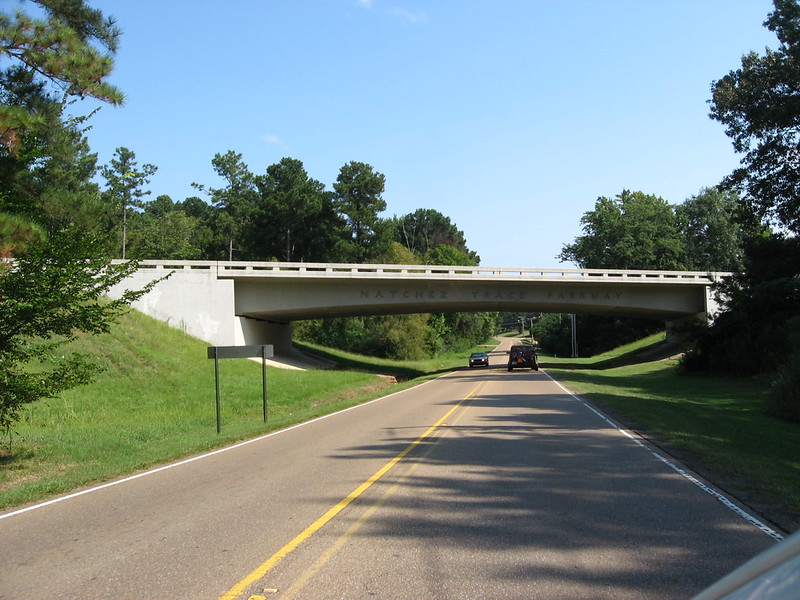
The Natchez Trace Parkway begins southwest of Nashville and stretches toward Mississippi. Its northern Tennessee section passes through rolling countryside, with the Double Arch Bridge near Franklin serving as one of the route’s most recognizable landmarks.
This is a completely different kind of Nashville-area experience.
Instead of neon signs and crowded sidewalks, the scenery opens into green hills, trees, and long stretches of roadway.
The sounds change, too.
There’s no band competing with traffic noise.
No row of honky-tonks spilling music onto the sidewalk.
Just the quieter rhythm of traveling through Middle Tennessee countryside.
The Double Arch Bridge is particularly striking.
Its sweeping design creates a dramatic crossing above the surrounding landscape.
The combination of engineering and scenery makes it one of the parkway’s memorable sights.
Here’s the part visitors sometimes overlook.
The Natchez Trace Parkway offers a scenic escape from Nashville without requiring a trip to the Smoky Mountains.
For travelers who have spent several days downtown, that contrast can be especially welcome.
The insider move is to combine a drive along the northern parkway with time in Franklin or Leiper’s Fork.
Both offer opportunities to experience a different side of Middle Tennessee.
But this is an excursion best suited to visitors with access to a car.
It isn’t a downtown attraction you can casually add between Broadway stops.
Plan your route before leaving.
The parkway is managed by the National Park Service, and temporary closures or safety restrictions can affect particular sections.
Check current road conditions before traveling, especially after severe weather.
Don’t assume every overlook or access point is available simply because the main roadway is open.
Another mistake is treating the drive like an ordinary highway journey.
The appeal comes from slowing down, appreciating the landscape, and stopping only where it’s safe and permitted.
If your Nashville vacation has been packed with entertainment, this is a chance to enjoy Tennessee’s quieter beauty.
And after the countryside, there’s one final downtown experience that reveals what Nashville nightlife looked like long before the newest Broadway bars arrived.
The Downtown Alley That Feels Like Another Nashville After Dark
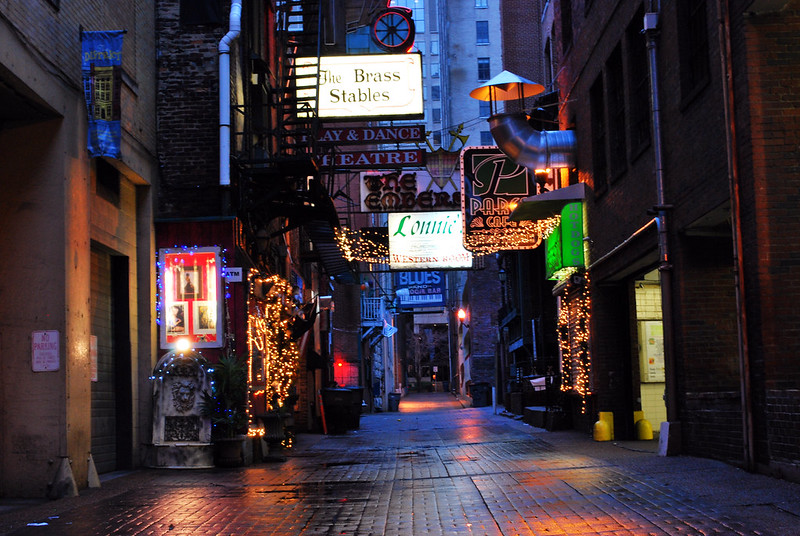
Printer’s Alley is a historic entertainment district in downtown Nashville, known for its long association with nightlife, music, and entertainment. Today, establishments such as Skull’s Rainbow Room and Bourbon Street Blues & Boogie Bar continue that tradition.
The setting is part of the attraction.
Instead of Broadway’s wide sidewalks and large entertainment buildings, Printer’s Alley feels narrower and more enclosed.
Signs glow above the passageway.
Music carries from nearby establishments.
The atmosphere suggests an older chapter of Nashville nightlife, one that developed before the modern tourism boom transformed Lower Broadway.
Walking through the alley can feel like discovering a different side of downtown.
It’s still entertainment-focused, but the surroundings are distinctive.
Skull’s Rainbow Room is associated with dining, live music, and burlesque entertainment.
Bourbon Street Blues & Boogie Bar offers another established nightlife option.
Each venue provides its own experience.
Here’s what makes Printer’s Alley worth considering.
Nashville’s nightlife history extends far beyond Broadway, and Printer’s Alley remains one of the clearest places to experience that legacy.
The insider tip is to choose your destination before arriving.
Different establishments feature different kinds of entertainment.
Some performances are intended for adult audiences, and admission policies can vary.
Don’t assume every venue offers free entry or the same type of show.
Reservations may be appropriate for certain dining or entertainment experiences.
Check schedules and admission information in advance.
Another common mistake is treating Printer’s Alley as nothing more than a quick photograph.
Its appeal comes from the combination of historic surroundings and active nightlife.
If you’re interested in live blues, an atmospheric dinner, or a different evening entertainment experience, it’s worth exploring the available options.
Visitors who spend their entire trip on Broadway may never realize how much Nashville’s entertainment history extends beyond those famous blocks.
Printer’s Alley offers a reminder that the city has been entertaining people for generations.
And that’s the thread connecting all these experiences.
The best Nashville stories often begin when visitors discover something they weren’t expecting.
The Unexpected Fact About Nashville’s Most Famous Stage
One of Nashville’s most remarkable musical traditions involves a piece of wood.
When the Grand Ole Opry moved from the Ryman Auditorium to its new home in 1974, a six-foot circle of oak flooring from the Ryman stage was incorporated into the new Opry House stage.
The decision created a physical connection between the Opry’s historic home and its future. Generations of performers could continue stepping into a circle that represented the program’s long musical heritage.
That small detail says something important about Nashville.
The city keeps changing, with new buildings, restaurants, and entertainment venues appearing alongside older landmarks. But its most meaningful experiences often preserve a connection to the people and traditions that came before.
You might remember the view from the pedestrian bridge, the heat of your first Nashville hot chicken, or the moment a songwriter performed a familiar hit in a quiet room.
Those are the stories that travel home with you.
The best part of Nashville isn’t always what you came to see. It’s what you never expected to remember.