A $15 museum ticket can buy you an afternoon in Nashville, but some of the city’s most memorable discoveries won’t cost you a dime.
Beyond Broadway’s rooftop bars and crowded sidewalks, there’s another Nashville worth knowing. From an abandoned runway to old-school music rooms, these 15 places reveal a side of Music City that standard tourist itineraries often miss.
And one of the strangest discoveries is hiding inside a museum that has almost nothing to do with country music.
The Abandoned Airport Where Nashville Goes to Escape the Crowds
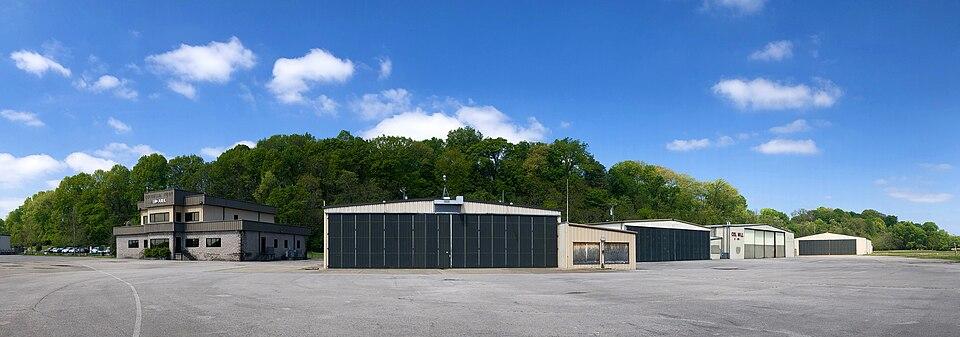
Cornelia Fort Airpark sits in East Nashville, where a former airfield has become part of the Shelby Bottoms greenway system. The property was acquired for public use in 2011, giving Nashville an unusual recreational space built around an old runway.
Think about that for a moment.
A place where airplanes once landed is now somewhere people go to walk, ride bicycles, and enjoy the outdoors.
Instead of airport announcements and aircraft engines, you encounter open pavement, surrounding greenery, and a landscape that feels surprisingly spacious for a growing city.
The old runway is the attraction.
Its broad surface creates a completely different experience from Nashville’s typical wooded walking trails. There’s room to appreciate the sky, notice the changing light, and enjoy a perspective that doesn’t involve another crowded downtown sidewalk.
The property’s aviation history makes the setting even more interesting.
Cornelia Fort was a pioneering Nashville aviator whose name remains connected to this remarkable piece of local history.
Here’s what catches people off guard.
Nashville has an old airport that has been transformed into a public recreation destination.
The insider move is to combine the airpark with a longer outing through Shelby Bottoms rather than treating the runway as a quick photo stop.
Bring comfortable walking shoes, water, and a bicycle if you prefer exploring on wheels.
There is no need to purchase an attraction ticket to enjoy the public greenway.
The mistake is arriving expecting an operating airport, aircraft displays, or a conventional aviation museum. This is an outdoor recreational space where the old airfield itself provides the unusual setting.
It’s also worth checking park access information before visiting, particularly when community events or maintenance affect portions of the property.
And if an abandoned runway seems like an unlikely Nashville escape, the next place feels even farther removed from the city.
The Countryside That Somehow Survived Inside Nashville
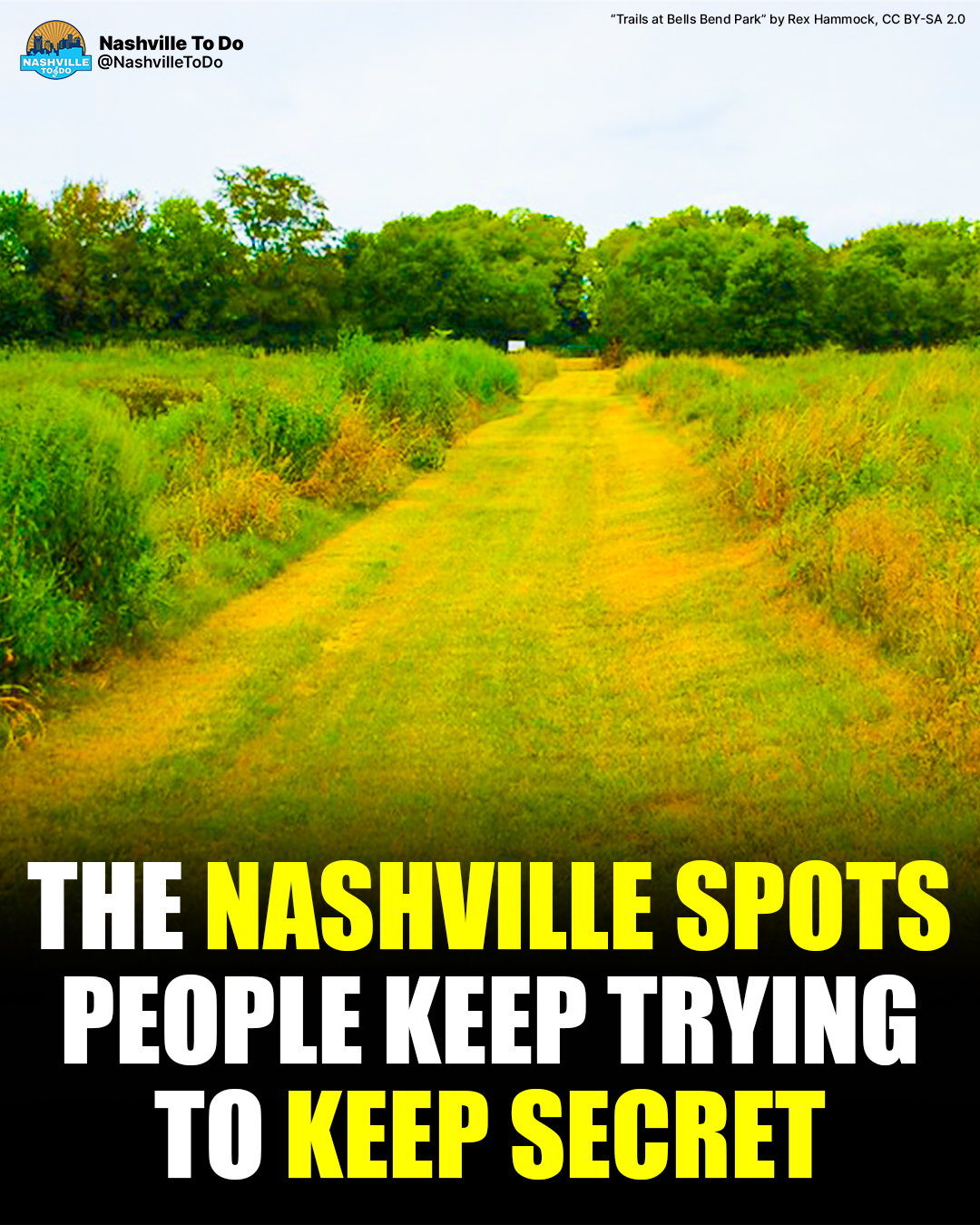
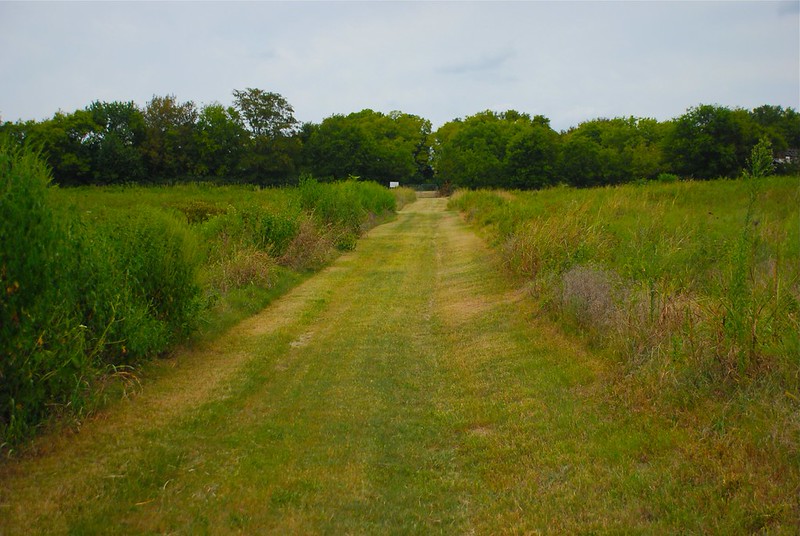
Bells Bend Park occupies approximately 808 acres along the Cumberland River in Davidson County. Opened in 2007, the park offers more than six miles of trails and preserves a landscape that feels closer to rural Tennessee than a major metropolitan area.
This is Nashville without the neon.
Open fields stretch toward distant tree lines. The landscape rolls gently across former agricultural land, and the Cumberland River helps shape the surrounding countryside.
Instead of walking beneath tall buildings, you follow trails through a mixture of grassland, woodland, and wildlife habitat.
On a pleasant day, the experience feels wonderfully uncomplicated.
You hear birds moving through the vegetation. Wind brushes across the fields. The horizon opens up in a way that can be difficult to find closer to downtown.
There’s something reassuring about discovering that a city famous for constant construction still has room for places like this.
Here’s what surprises first-time visitors.
Bells Bend protects 808 acres of countryside within Nashville’s own county boundaries.
The insider trick is to treat this as a genuine countryside outing, not a quick neighborhood stroll.
Choose a trail suited to your energy level, bring drinking water, and wear shoes that can handle natural surfaces.
Admission is free, and the park is open from dawn to dusk.
The trap is assuming that a large public park automatically offers the conveniences of an urban recreation area. Plan for changing weather, exposed stretches of trail, and limited opportunities to purchase refreshments once you’re exploring.
Stay on designated trails to protect the habitat.
For visitors who enjoy photography, the open landscape offers something different from the usual Nashville skyline. Seasonal changes in the fields and surrounding trees give the park a different personality throughout the year.
But the next discovery proves that Nashville’s quieter places aren’t always outdoors.
Sometimes they’re tucked inside a small room where the music matters more than the decorations.
The Little Music Room That Refuses to Become Another Broadway Honky-Tonk
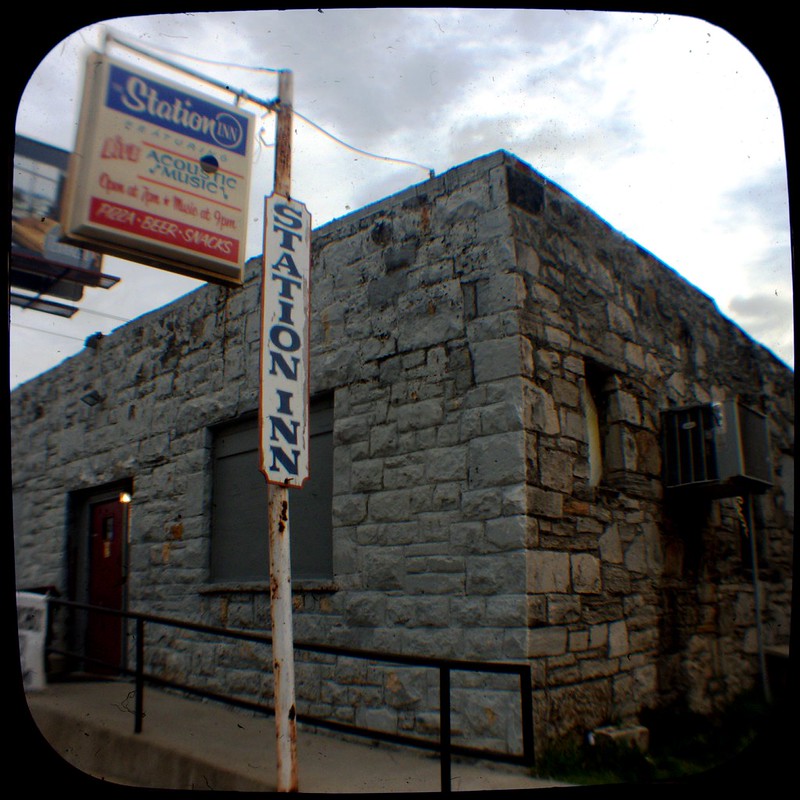
The Station Inn stands at 402 12th Avenue South in Nashville’s Gulch neighborhood. Its reputation is built around bluegrass and acoustic music, providing an intimate alternative to the enormous entertainment spaces associated with downtown Nashville.
Walk through the surrounding neighborhood and you’ll notice the contrast.
The Gulch has become known for modern buildings, restaurants, hotels, and fashionable gathering places.
Then there’s the Station Inn.
Its appeal isn’t an elaborate stage production or a towering rooftop.
It’s the music.
Inside, the focus shifts toward the musicians, their instruments, and the remarkable precision required to play acoustic music well.
A mandolin cuts through the room. A fiddle answers. A banjo brings its unmistakable rhythm, and the entire performance can feel more personal than a concert in a much larger venue.
This is the kind of experience that reminds people why Nashville earned the name Music City.
Here’s what many visitors don’t realize.
One of Nashville’s most meaningful music experiences happens in a modest bluegrass room rather than a giant concert venue.
The insider move is to check the performance calendar before planning your evening.
The Station Inn has a long association with Sunday bluegrass gatherings, but visitors should confirm the current schedule rather than assuming a particular performance is guaranteed.
Ticket arrangements and admission costs depend on the event.
The trap is treating this like a Broadway bar where you can wander in without caring who’s performing.
At a listening-focused venue, the musicians are the main event.
Arrive with enough time to settle in, pay attention to the performance, and keep conversations respectful when artists are playing.
You don’t have to be a lifelong bluegrass fan to appreciate what happens here.
Good musicianship has a way of winning people over.
And if you’re ready to trade fiddle music for an old-fashioned Southern lunch, there’s another neighborhood institution worth finding.
The Tiny Southern Kitchen That Still Feels Like Old Nashville
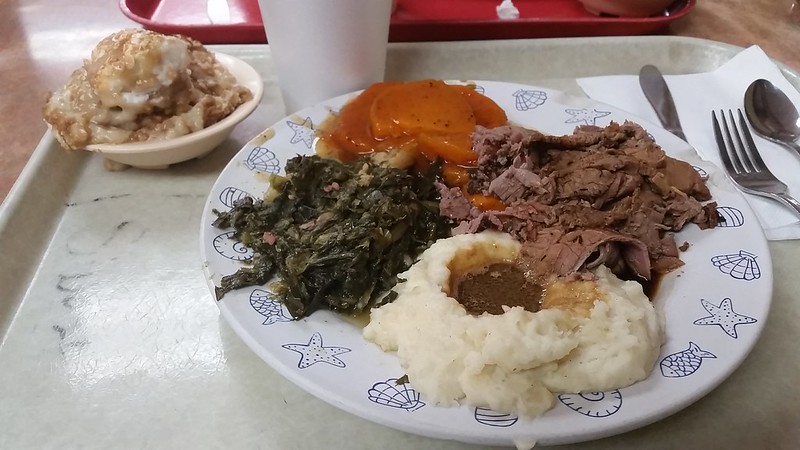
Big Al’s Deli operates at 1828 Fourth Avenue North in Nashville’s Salemtown area. Established in 2013, the neighborhood restaurant has become known for Southern comfort cooking, breakfast, and changing lunch specials.
Don’t let the word deli fool you.
This isn’t simply a place to grab a cold sandwich and hurry back to the car.
Big Al’s belongs to the tradition of Nashville neighborhood kitchens where the day’s cooking matters more than fancy presentation.
Think of the comforting smells associated with a Southern lunch.
Seasoned vegetables, savory gravies, freshly prepared meat, and the kind of food that makes a regular weekday meal feel worth sitting down for.
The menu has included dishes such as shrimp and grits and creative chicken specials.
What makes the restaurant interesting is its willingness to combine familiar Southern flavors with its own personality.
And that matters in a city where visitors can easily spend an entire trip eating at restaurants designed primarily around tourism.
Here’s the important difference.
Big Al’s is a neighborhood Southern kitchen, not another downtown restaurant built around the Nashville tourist experience.
The insider tip is to look at the day’s specials before deciding what to order.
A rotating menu means the most interesting option might not be something you planned to eat.
The practical consideration is timing.
This is a breakfast-and-lunch destination, so don’t assume it operates like a late-night restaurant. Check current service hours before heading across town.
Menu items and prices can change, especially when daily specials are involved.
The trap is arriving determined to order a particular dish without checking whether it’s being served that day.
Give the kitchen some flexibility.
And remember that neighborhood restaurants are often best appreciated without rushing through the meal.
But Nashville has another kind of discovery waiting, one where the food isn’t the attraction at all.
The view is.
The Hilltop View That Doesn’t Require Buying a Rooftop Cocktail
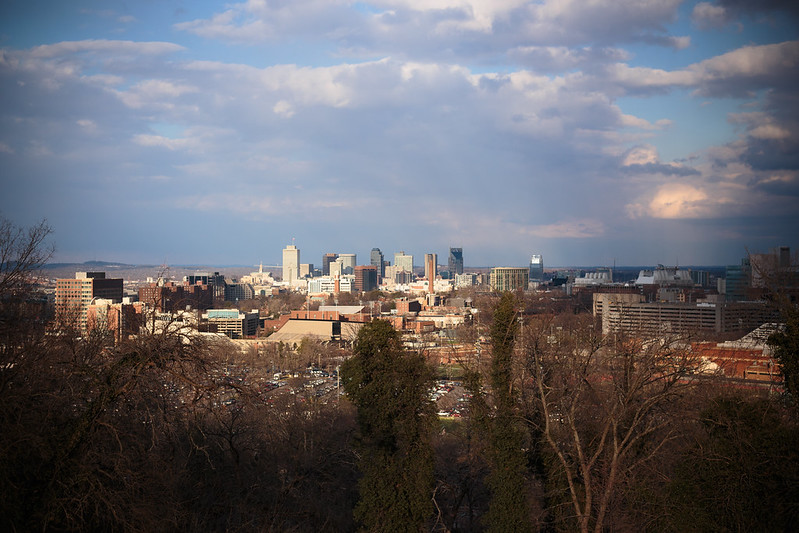
Love Circle is a residential hilltop area near Vanderbilt University and Nashville’s West End. Its elevated setting provides a view toward the city skyline without requiring a ticket to an observation deck or a purchase at a downtown rooftop bar.
The approach is part of the experience.
You leave the larger roads behind and enter a neighborhood where the streets climb toward higher ground.
Then the city begins to appear from a different angle.
Buildings rise in the distance. The skyline forms a recognizable outline against the sky, and the busy streets below feel removed from the quieter residential surroundings.
During the day, the view reveals the city’s shape.
Later, the changing light can make the buildings stand out against the horizon.
It’s a reminder that Nashville’s best views aren’t necessarily attached to expensive hotels.
Here’s the part visitors appreciate.
Love Circle offers a public skyline-viewing opportunity without requiring a rooftop admission purchase.
The insider move is to plan a short, respectful visit rather than treating the surrounding neighborhood like an entertainment district.
Parking deserves special attention.
The streets are residential, space can be limited, and visitors should obey all posted restrictions.
Don’t block driveways, create traffic problems, or assume that every roadside space is legal parking.
The hilltop setting also means that walking conditions can differ from the flat sidewalks around downtown.
Wear sensible shoes and pay attention to traffic.
There are no restaurant services or visitor facilities to rely on at the viewpoint, so plan accordingly.
Most importantly, remember that people live nearby.
The best way to keep a scenic neighborhood welcoming is to leave it as peaceful as you found it.
And for anyone who enjoys a beautiful view but would rather hear birds than traffic, Nashville has an even quieter escape.
The Lake Where the Rules Protect the Silence
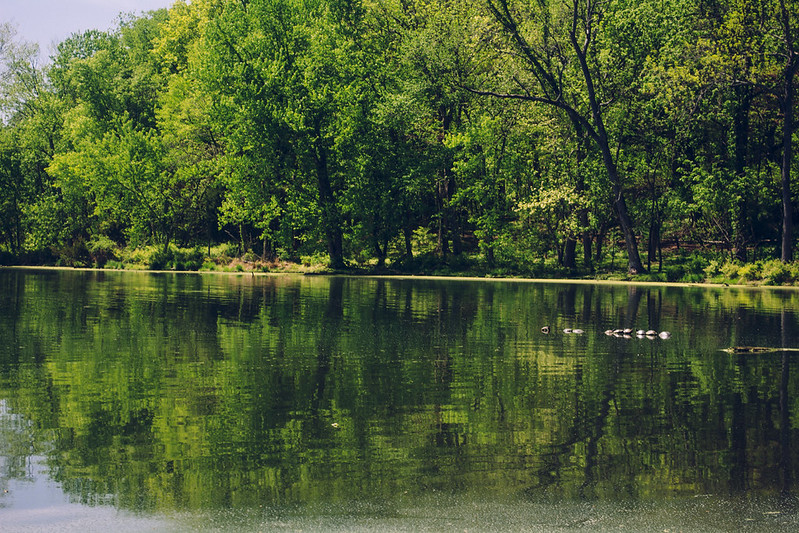
Radnor Lake State Park is located at 1160 Otter Creek Road in southern Nashville. The protected natural area covers more than 1,300 acres and is known for its lake, wooded trails, and opportunities to observe wildlife.
This is not your typical recreational lake.
You won’t find the atmosphere of a busy marina or a lakeside party destination.
Instead, the experience centers on walking quietly through a protected landscape.
Trees frame the water. Reflections shift across the lake’s surface, and the surrounding forest provides shelter for birds and other wildlife.
A deer may appear along the edge of the woods.
Birdwatchers have opportunities to look for owls and other species, while patient visitors sometimes spot animals that hurried walkers miss.
The pleasure comes from slowing down.
You don’t need a complicated itinerary.
You need comfortable shoes, enough time to enjoy the surroundings, and a willingness to let nature set the pace.
Here’s what makes Radnor different.
Radnor Lake is managed as a protected natural area, not a conventional lake for swimming, boating, and noisy recreation.
The insider tip is to arrive with a wildlife-watching mindset.
Move quietly, keep your distance from animals, and consider bringing binoculars.
Parking can be a significant limitation during popular visiting periods.
Don’t assume you’ll find a convenient space immediately, especially when the weather is pleasant.
The park also has restrictions designed to protect its natural environment. Running, pets, and recreational activities are limited in designated areas, so check current trail rules before visiting.
Admission to Tennessee state parks is generally free, including access to Radnor Lake.
The trap is expecting a regular city park where almost any recreational activity is permitted.
Radnor’s peaceful atmosphere exists because the rules prioritize conservation.
But Nashville’s surprises aren’t limited to nature.
The next place is filled with machines that look like they escaped from another century’s imagination.
The Museum Full of Cars That Look Almost Impossible
Lane Motor Museum is located at 702 Murfreesboro Pike in Nashville. Its collection includes more than 200 unusual vehicles, with a particular emphasis on distinctive automotive engineering and international designs.
This is not a typical showroom filled with familiar American muscle cars.
Some vehicles are remarkably small.
Others have shapes that make you wonder how anyone came up with the design.
There are unusual body styles, unconventional engineering ideas, and vehicles that challenge almost everything people expect a car to look like.
The museum celebrates experimentation.
And that makes it entertaining even for visitors who don’t consider themselves automobile enthusiasts.
Imagine walking past a tiny European vehicle and realizing that someone once considered it a perfectly practical solution to transportation.
Then you turn a corner and encounter another machine that looks completely different.
The fun comes from discovering how many approaches inventors have taken to the simple problem of moving people from one place to another.
Here’s what catches visitors off guard.
One of Nashville’s most unusual museums focuses on international automotive oddities rather than country music history.
The insider tip is to leave enough time to read about the vehicles instead of simply photographing their unusual shapes.
The engineering stories often explain why the designs are so strange.
The museum’s published 2026 adult admission price is $15, although visitors should confirm current rates before purchasing tickets.
Special demonstrations and activities may have separate schedules.
The trap is assuming that every vehicle will be running or that visitors can climb inside the exhibits.
Treat the collection as a museum, not an interactive car dealership.
Check operating days before visiting, since museum schedules aren’t necessarily the same as those of Nashville’s everyday tourist attractions.
And if those strange machines make you appreciate a slower pace, the next destination replaces engines with trees, streams, and wooded hills.

The Forest That Feels More Like the Mountains Than Nashville
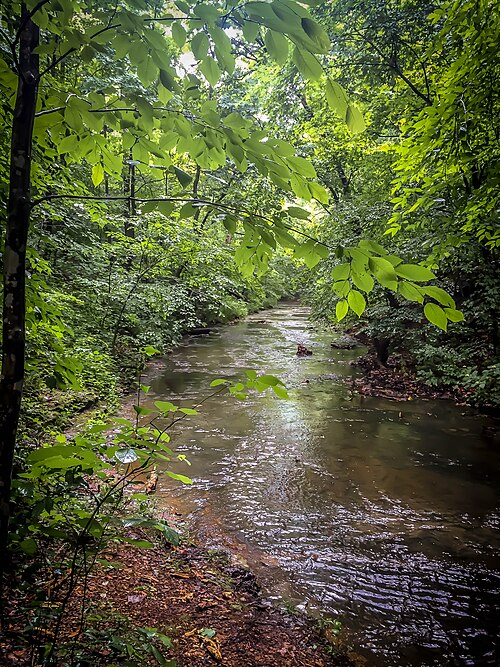
Beaman Park is located at 5911 Old Hickory Boulevard in northwest Nashville. The natural area includes more than 14 miles of hiking trails, including the 12.5-mile Laurel Woods Trail, and features rugged hills, wooded hollows, and streams.
This is a different side of Davidson County.
The terrain feels more remote than many visitors expect from a city park.
Trails wind through forested slopes, where the ground rises and falls beneath a thick canopy of trees.
In shaded areas, the air can feel cooler than it does along exposed streets.
Streams and natural drainage areas shape the landscape.
The experience is less about reaching a famous landmark and more about enjoying the forest itself.
For visitors who love the Smoky Mountains but don’t have time for a trip to East Tennessee, Beaman offers a taste of Tennessee’s wooded terrain much closer to Nashville.
Here’s the important surprise.
You don’t have to commit to a long, strenuous hike to experience Beaman Park’s natural surroundings.
The insider move is to investigate the accessible boardwalk near the nature center.
It’s a much gentler option than taking on one of the park’s longer trails.
That distinction matters.
A park with beautiful scenery isn’t automatically an easy walking destination.
Some routes involve uneven ground, changes in elevation, and considerable distance.
Bring water, wear proper walking shoes, and choose your trail before setting out.
The trap is seeing the word park and assuming every path is a casual stroll.
The Laurel Woods Trail, for example, is a substantial undertaking rather than a quick afternoon wander.
Check the park’s official trail information and any posted closures before visiting.
And if you want another outdoor experience without the challenge of steep forest trails, there’s a different Nashville landscape where wetlands take center stage.
The Boardwalk Where Nashville’s Wildlife Takes Over
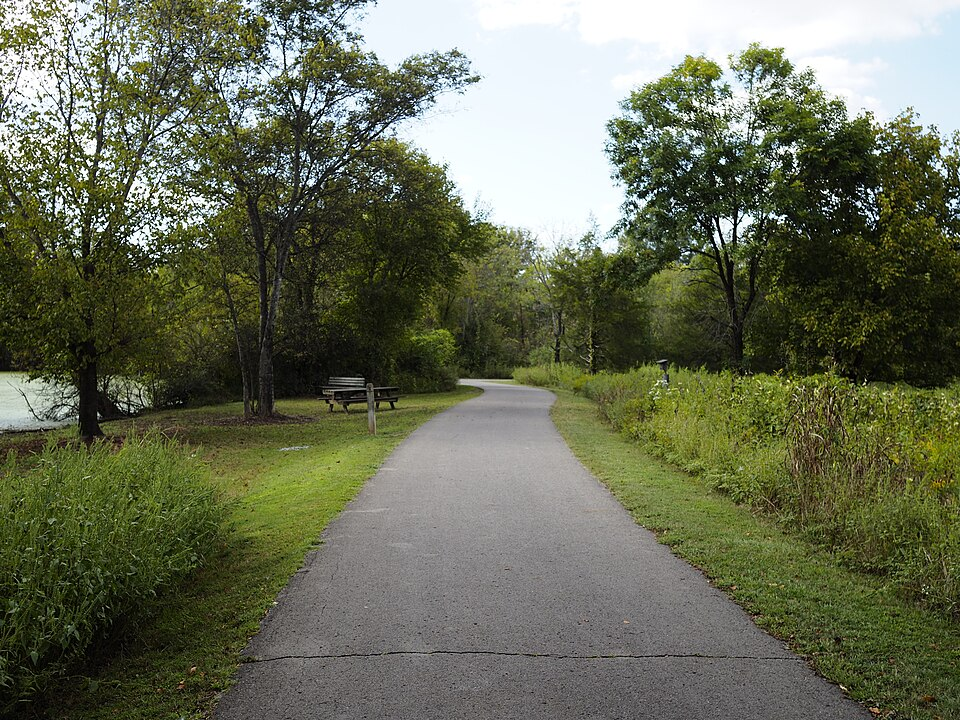
Shelby Bottoms Greenway and Natural Area occupies a protected riverfront landscape in East Nashville. The area includes wetlands, boardwalks, walking and cycling routes, and connections to the broader greenway system.
It’s the kind of place that can surprise someone who thinks Nashville is nothing but traffic and construction.
You move away from neighborhood streets and into a landscape shaped by the Cumberland River.
Wetland plants grow near the walking areas.
Birds move through the trees, and the natural sounds of the surrounding habitat replace much of the city’s everyday noise.
The boardwalk sections are especially appealing because they allow visitors to experience sensitive wetland environments without walking directly through them.
Look carefully and the landscape begins to reveal itself.
There are changes in vegetation, different bird habitats, and small details that are easy to overlook when you’re focused on reaching the end of a trail.
This is a place for noticing things.
Here’s what most visitors miss.
Shelby Bottoms combines protected wetland habitat with public greenway access in the middle of East Nashville.
The insider tip is to use the nature center as a starting point for understanding the area’s wildlife and trail options.
Metro Nashville also offers free nature-related programming, although activities and availability should be checked in advance.
The greenway is an excellent option for people who enjoy walking or cycling without making every outing a strenuous hike.
Bring water and prepare for changing weather.
Some sections are more exposed than others, and natural areas can become muddy after rain.
The trap is assuming the entire landscape will be dry, shaded, and identical from one section to the next.
Stick to established paths and boardwalks.
Don’t disturb wildlife or venture into sensitive wetland areas.
And if the quiet of Shelby Bottoms makes you curious about Nashville’s older stories, the next destination reveals a history far more serious than the city’s familiar entertainment image.
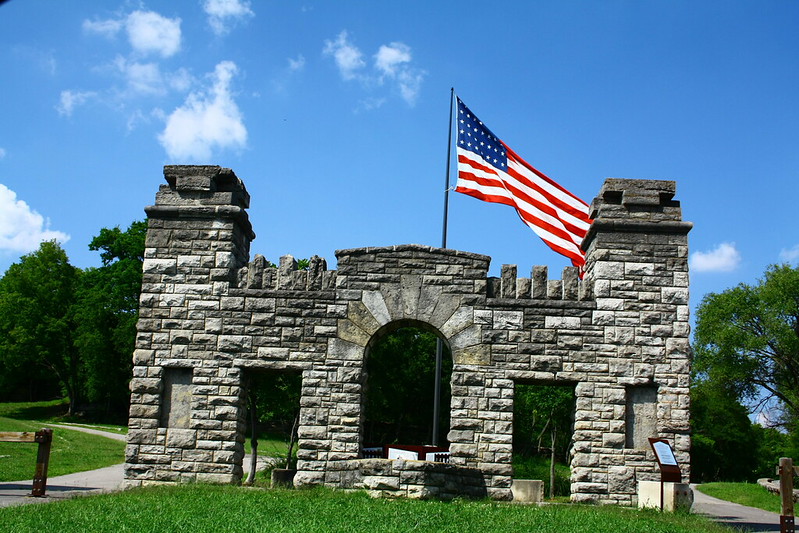
The Hilltop Fortress That Reveals a Forgotten Side of Nashville
Fort Negley stands near downtown Nashville, preserving the site of a major Civil War fortification. Its history is closely tied to the labor of formerly enslaved people and Black refugees who helped construct the defenses during the Union occupation of Nashville.
This is one of the city’s most important places for understanding the past.
The landscape looks toward modern Nashville, but the story belongs to a very different era.
Fortifications were built here during a period when the city was caught in the upheaval of the Civil War.
For the people forced or recruited into dangerous wartime labor, the work carried consequences far beyond the construction of military defenses.
The history of Fort Negley is also a story of slavery, emancipation, survival, and the Black community’s role in shaping Nashville.
Those connections deserve more attention than a passing photograph.
Stand near the historic landscape and the contrast becomes striking.
The modern city continues around you, while the site preserves evidence of a painful chapter that helped determine Nashville’s future.
Here’s what visitors need to understand.
Fort Negley’s story includes the labor and experiences of formerly enslaved people and Black refugees, not simply the military history of a Civil War fortress.
The insider tip is to begin with the site’s historical interpretation rather than rushing toward the fortifications.
Understanding the people behind the construction changes the meaning of the entire visit.
There is also an important practical warning.
Metro Nashville has reported construction-related restrictions affecting access to the historic fort structure in 2026.
The visitor center and half-mile park trail have remained available subject to interruptions, while reopening of the fort structure was anticipated for fall.
Do not assume the historic fort itself is accessible without checking the latest official notice.
The trap is planning a visit around unrestricted access to the fortifications when construction may still affect the site.
This is a place worth approaching with patience and respect.
And after a stop filled with difficult history, Nashville has another discovery that brings the mood back toward music, color, and celebration.
The Little Alley Where Nashville’s Nightlife Never Completely Grew Up
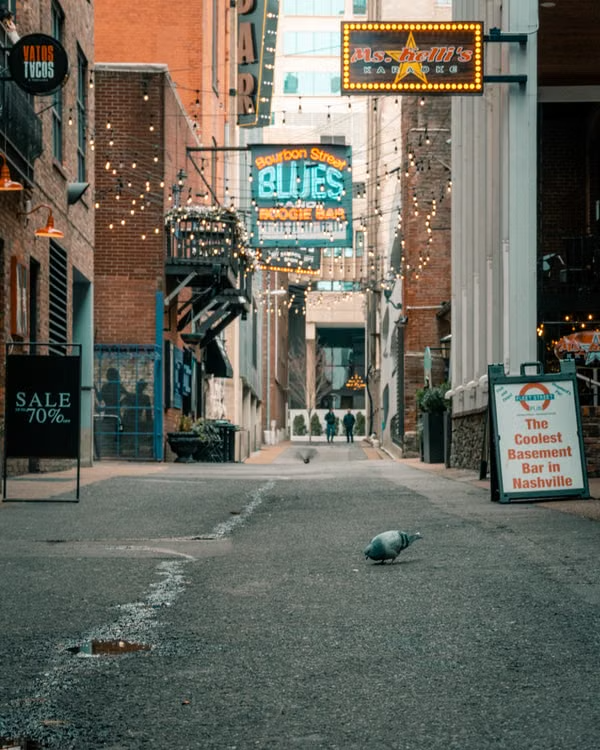
Skull’s Rainbow Room operates at 222 Printers Alley in downtown Nashville. The venue draws on the history of Printers Alley, a district associated with the city’s printing industry and later its nightlife, jazz, and entertainment traditions.
Broadway gets most of the attention.
But Nashville’s nightlife history extends beyond those famous blocks of neon.
Printers Alley has a personality all its own.
The narrow setting feels different from the wide sidewalks and towering honky-tonks along Lower Broadway.
There’s a sense of older Nashville entertainment culture in the surroundings.
At Skull’s Rainbow Room, the supper-club atmosphere offers a different kind of night out.
Jazz, dining, and theatrical entertainment are part of its identity.
Rather than moving between enormous bars, visitors can settle into a more intimate setting where the evening revolves around a particular performance.
It’s a reminder that Nashville’s music culture has never belonged exclusively to country music.
Here’s the surprising part.
One of Nashville’s distinctive nightlife experiences is connected to Printers Alley’s older jazz and supper-club traditions.
The insider move is to plan around the entertainment schedule rather than treating the venue as an ordinary walk-in bar.
Dining reservations, performance arrangements, and special entertainment can affect the experience.
Check current requirements before visiting.
The trap is assuming that because Skull’s is located downtown, it operates exactly like a Broadway honky-tonk.
The atmosphere and expectations are different.
If you’re planning dinner, look into reservations and the evening’s entertainment before arriving.
Also remember that Printers Alley itself is worth exploring as a historic downtown district.
The surrounding architecture and narrow passageways offer a perspective on Nashville that many first-time visitors overlook.
But there’s another place where the music scene takes a completely different turn.
And this one is connected to a famous record label.
The Music Room That Looks Nothing Like a Country Honky-Tonk
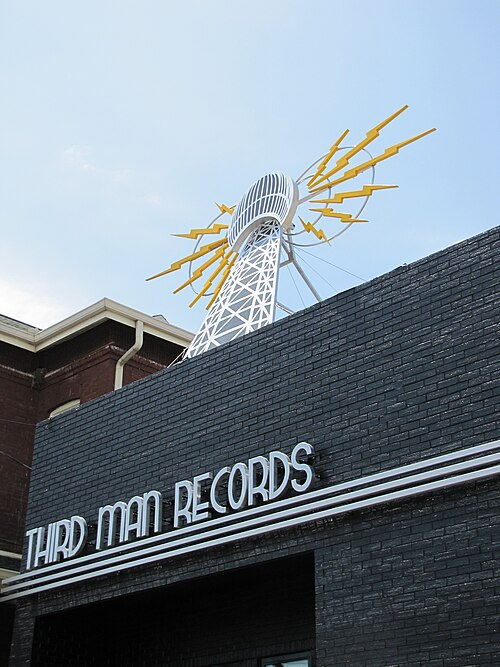
The Blue Room is associated with Third Man Records at 623 Seventh Avenue South in Nashville. The venue is part of a creative space connected to record production, vinyl culture, and live performances.
It’s another reminder that Nashville’s music identity stretches far beyond the Grand Ole Opry.
Third Man Records is associated with musician Jack White and has helped make Nashville part of a wider conversation about recorded music, analog sound, and creative experimentation.
The Blue Room reflects that personality.
Instead of a conventional country bar, the setting belongs to a record-label environment where music, design, and performance meet.
There’s something appealing about experiencing music in a space that feels connected to the recording process itself.
For people who love vinyl records, the surrounding Third Man Records experience adds another layer of interest.
Album artwork, recorded sound, and the physical culture of collecting music all become part of the attraction.
Here’s what surprises people who only know Nashville through Broadway.
The Blue Room is a performance venue associated with a record label, not a conventional downtown honky-tonk.
The insider tip is to check the official Third Man Records event calendar before making plans.
The Blue Room is not simply a public attraction with performances happening continuously throughout the day.
Access depends on scheduled events and venue arrangements.
Ticket prices and entry requirements vary, so confirm them for the particular performance.
The trap is assuming that visiting the record store automatically guarantees access to the performance space.
These are related experiences, but they aren’t necessarily interchangeable.
Give yourself time to appreciate the wider Third Man Records setting if it’s open during your visit.
It’s a worthwhile stop for people who enjoy the culture of music as much as the performance itself.
And if you’re looking for a place that trades records and concert lights for something far more unusual, the next stop might surprise you with its setting alone.
The Bar Where You’re Surrounded by Greenery Instead of Neon
The Greenhouse Bar is located at 2211 Bandywood Drive in Nashville’s Green Hills neighborhood. Its distinctive setting uses a greenhouse-style environment, creating a drinking destination that feels very different from the city’s familiar honky-tonks.
The contrast begins with the surroundings.
Instead of a room dominated by enormous television screens and flashing signs, the atmosphere centers on plants and greenery.
Ferns and hanging foliage help create the feeling of being inside a garden.
Gravel underfoot adds to the informal character.
The result is a setting that feels less like a conventional nightclub and more like a gathering place built around the pleasure of being somewhere unusual.
It’s especially appealing to visitors who want to spend an evening talking without making a giant concert stage the focus.
The environment is the attraction.
And in a city where so many bars compete to be bigger, louder, and more elaborate, that difference matters.
Here’s what catches people off guard.
Nashville has a bar built around a greenhouse atmosphere, complete with plants and an unusually garden-like setting.
The insider move is to visit for the atmosphere rather than expecting an elaborate tourist attraction.
This is a neighborhood bar with a distinctive personality.
Check current hours and service details before visiting, particularly if you’re planning around a specific time of day.
The setting may also feel different depending on the season and weather.
The trap is assuming that every unusual Nashville bar requires a secret password, an expensive ticket, or an elaborate reservation process.
Sometimes the surprise is simply finding a place with a completely different character.
Be considerate of other guests, especially if you’re taking photographs.
The plants and surroundings make an appealing backdrop, but the space is still a functioning bar.
And for anyone who enjoys a Nashville night with a little more music and a lot less Broadway spectacle, there’s another neighborhood favorite worth discovering.

The Neighborhood Music Lounge That Lets the Musicians Be the Stars
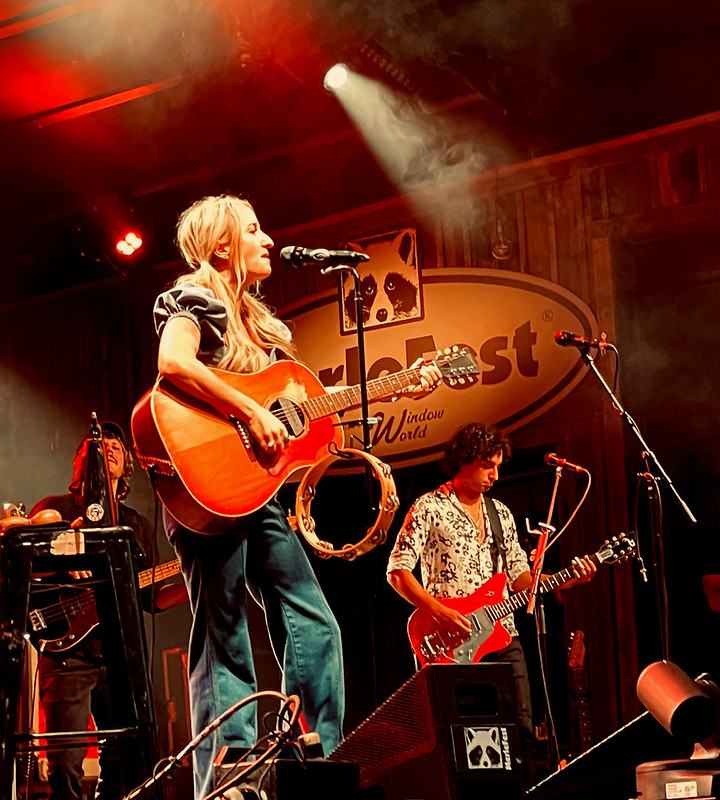
Dee’s Country Cocktail Lounge is located in Madison, north of downtown Nashville. The venue is recognized for supporting independent live music and has been featured by Nashville’s tourism organization among the city’s notable independent music destinations.
This is a different kind of Nashville evening.
The emphasis is on the people playing music rather than the size of the building around them.
The atmosphere is informal and rooted in the neighborhood.
It’s the sort of setting where the instruments, the performers, and the audience share the experience without the production of a major arena concert.
You might hear country influences, roots music, or other styles depending on the evening’s lineup.
The appeal lies in discovering artists and enjoying a room where live performance still feels personal.
Nashville has always depended on places where musicians can play for audiences without needing the machinery of a giant entertainment complex.
Dee’s belongs to that wider independent music culture.
Here’s the important distinction.
Some of Nashville’s most interesting live music happens in neighborhood venues outside the downtown entertainment district.
The insider tip is to choose your evening based on the advertised performer rather than simply arriving and hoping for a particular musical style.
Independent venues can have varied schedules.
Look into the current lineup, admission arrangements, and age restrictions before heading to Madison.
The trap is expecting the same experience as a multi-story Broadway honky-tonk.
That’s not the point.
A neighborhood music room rewards visitors who are willing to listen and appreciate the artists rather than treating the music as background noise.
If you’re staying downtown, account for transportation in both directions.
And remember that supporting smaller music venues helps preserve the musical ecosystem that makes Nashville more than a collection of famous concert halls.
But there’s one final place that might be the most surprising discovery of all.
It doesn’t have a cover charge, a secret entrance, or a complicated reservation system.
It tells the story of an entire state.
The Free Museum That Visitors Somehow Keep Overlooking
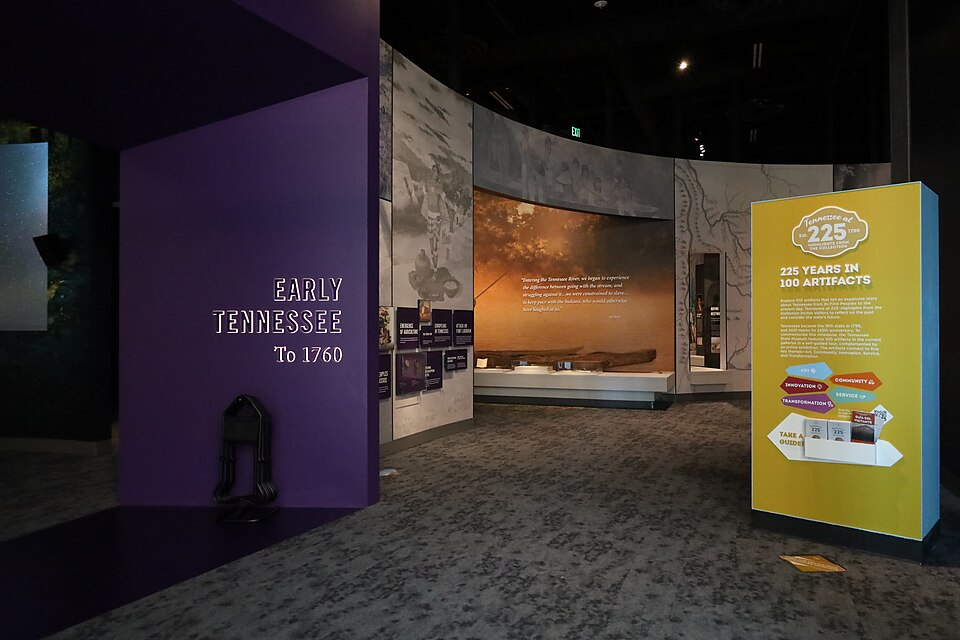
The Tennessee State Museum stands at 1000 Rosa L. Parks Boulevard, beside the Nashville Farmers’ Market. The museum offers free general admission and explores Tennessee history across multiple periods, from early settlement and statehood through more recent chapters.
For visitors watching their travel budgets, that first detail matters.
Free admission.
Not a discounted ticket.
Not a limited-time promotion.
A museum where the general admission price doesn’t become another expense on an already costly Nashville trip.
Inside, the exhibits explore the people, places, and events that shaped Tennessee.
The experience extends far beyond Nashville’s country music identity.
You’ll encounter the state’s broader history, including its communities, changing economy, cultural traditions, and major historical events.
The displays provide context for places visitors may recognize from road trips across Tennessee.
A historic town, a familiar landscape, or a regional tradition can take on a different meaning after learning more about its past.
And because the museum is indoors, it’s particularly useful when the weather doesn’t cooperate.
Here’s what many travelers overlook.
One of Nashville’s most substantial cultural attractions offers free general admission and free parking.
The insider move is to combine the museum with the neighboring Nashville Farmers’ Market and nearby Bicentennial Capitol Mall State Park.
These attractions are close enough to create a rewarding outing without constantly moving your vehicle between unrelated destinations.
At the Farmers’ Market, you can explore food options and local vendors.
At Bicentennial Capitol Mall, the landscape introduces more Tennessee history through outdoor monuments and interpretive features.
The trap is assuming that because the museum is free, it deserves only a quick visit.
Give yourself enough time to explore the subjects that interest you.
Check current museum hours and special-program schedules before arriving.
And don’t forget that the museum’s surrounding neighborhood offers more to explore than the building itself.
This is one of those rare Nashville outings where the history, food, and outdoor scenery can come together without requiring an expensive attraction ticket.
The Unexpected Fact About Nashville’s Best-Kept Places
One of the most remarkable things about Nashville’s overlooked attractions is that some exist because the city found new purposes for old spaces.
Cornelia Fort Airpark was once a functioning airfield. Shelby Bottoms preserves riverfront habitat, while Fort Negley offers a window into a difficult history that shaped the city long before today’s entertainment industry became its defining image.
And the Tennessee State Museum proves that learning more about Nashville and the state doesn’t have to come with a high admission price.
These places aren’t all literal secrets. Some are well-known neighborhood favorites, and others are established public attractions that simply fall outside the usual visitor itinerary.
That’s what makes them worth finding.
The Nashville people remember isn’t always the loudest, newest, or most expensive version of the city.
Sometimes the best part of Music City is the place you almost drove right past.
Tighten the repetitive section patternMake all 15 spots feel truly secret.