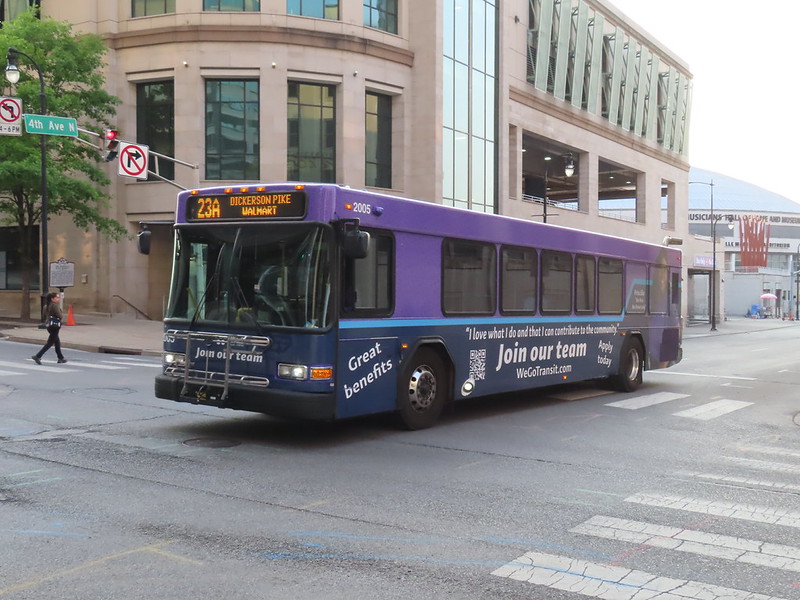
A $2 WeGo bus can get you from Nashville International Airport into downtown, yet plenty of first-time visitors begin their trip spending far more than that simply getting into the city. Then they lose something even harder to replace: vacation time driving back and forth across Nashville.
The fix is surprisingly simple. Plan Nashville by area instead of treating every famous attraction like a separate mission. Do that for three days, and Music City feels completely different.
The $2 Ride Most Visitors Never Think About
WeGo Public Transit’s Route 18 connects Nashville International Airport with the Elizabeth Duff Transit Center at WeGo Central downtown. Adult fare is $2 each way, and buses leave BNA from the Ground Transportation Center on Level 1 of the Terminal 2 Garage.
That makes your first Nashville decision an important one.
Walk out of BNA and the temptation is to get into vacation mode immediately. Grab the luggage, open a rideshare app, get into the first car available, and head toward the skyline.
There is nothing wrong with doing that when convenience matters more than cost.
But Nashville has a public-transit option sitting right there.
You roll your suitcase toward the Ground Transportation Center, find Route 18, and suddenly the trip into town costs less than plenty of drinks you’ll encounter later on Broadway.
Here’s what catches people off guard.
The regular adult fare from BNA to downtown on Route 18 is only $2 each way.
The insider move is deciding before your plane lands which transportation option makes sense. If Route 18 works with your hotel and schedule, know where you’re going before you step into the arrivals crowd.
Service became more frequent in July 2026, with Route 18 scheduled every 30 minutes between 6 a.m. and 6 p.m. seven days a week, then every 40 minutes in the evenings.
The trap is assuming public transit automatically works for every arrival. Your hotel may not be near the downtown transit center, you may have several bags, or your schedule may make another option easier.
But at least know the $2 option exists before paying for something else.
More importantly, resist the urge to turn arrival day into a race through every Nashville landmark you’ve saved on your phone.
Because your first real morning is where smart planning starts paying off.
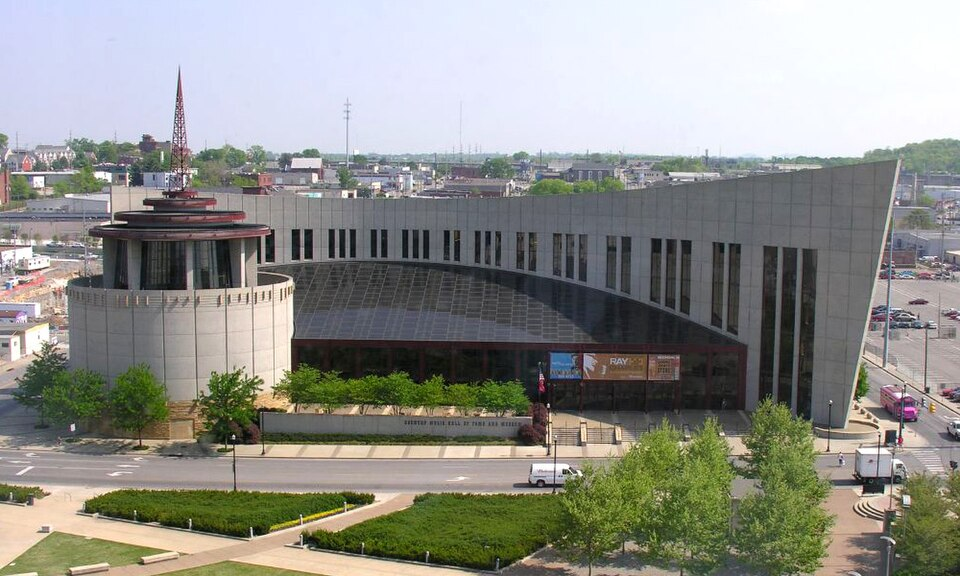
The Museum That Makes the Rest of Nashville Make More Sense
The Country Music Hall of Fame and Museum sits at 222 Rep. John Lewis Way South and is open daily from 9 a.m. to 5 p.m. The museum says the average visitor spends about two hours inside, with peak visitation generally falling between 10 a.m. and 2 p.m.
This is where Day 1 should begin.
Inside, Nashville’s music story stops being a collection of names printed on signs around town.
Instruments, stage clothes, recordings and artifacts start connecting the dots between the music you’ve heard your whole life and the city outside.
That matters.
Later, when you walk past the Ryman, hear a band spilling onto Broadway or head toward Music Row, you’re not just looking at another Nashville attraction.
You have context.
You understand why certain names keep appearing. You recognize the studios, performers and eras that shaped the city’s identity.
Here’s what catches people off guard.
The museum itself recommends planning around roughly two hours for the galleries, so treating it as a quick photo stop can wreck the rest of your morning.
The insider tip is simple: start early. The museum identifies 10 a.m. to 2 p.m. as its peak visitation period, so arriving around opening can put you ahead of some of the day’s heavier traffic.
Do not schedule lunch across town.
Do not finish here and immediately drive toward East Nashville because somebody online told you about a restaurant.
Stay downtown.
Eat nearby, keep your car parked if you have one, and make your feet do some of the work.
That’s the larger strategy behind this itinerary. Once you are in an area, squeeze the good stuff out of that area before moving.
And fortunately, one of Nashville’s most important buildings is only a downtown walk away.
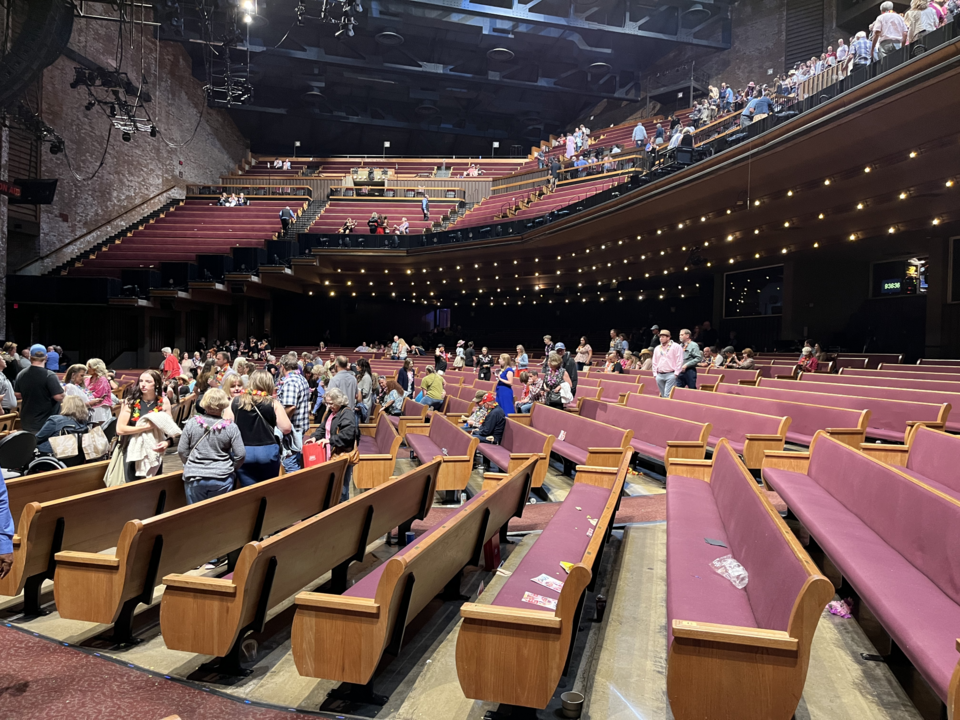
The Former Church Where Nashville Still Feels Almost Sacred
Ryman Auditorium stands at 116 Rep. John Lewis Way North. Built as a tabernacle in 1892, it later served as home of the Grand Ole Opry from 1943 through 1974. Daytime tours generally operate from 9 a.m. to 4 p.m., although event schedules can shorten tour hours.
Walk inside and the mood changes.
The curved wooden pews still look more church than concert hall.
Light comes through stained glass. The room rises around a stage that has carried country legends, rock stars, comedians, bluegrass musicians and generations of performers who wanted the chance to stand there.
This isn’t a building that needs neon to announce itself.
It has the opposite effect.
You start lowering your voice.
Here’s what catches people off guard.
The Ryman was already more than half a century old when the Grand Ole Opry moved there in 1943.
Through October 31, 2026, the Ryman is advertising fall self-guided tours for $25 plus tax. The standard self-guided experience takes roughly an hour, while guided backstage tours run longer.
The insider move is checking the tour calendar before building your afternoon around the visit.
This is still a working venue.
Shows and production needs can shorten daytime touring hours, and backstage availability varies with the event schedule.
Once you’re finished, stay downtown.
Walk.
Look toward the river. Wander the streets. Notice the old brick tucked between glass towers. Let Nashville happen at street level instead of repeatedly watching it through a windshield.
Then, when daylight starts fading, you can finally head toward the part of Nashville everybody back home is going to ask about.
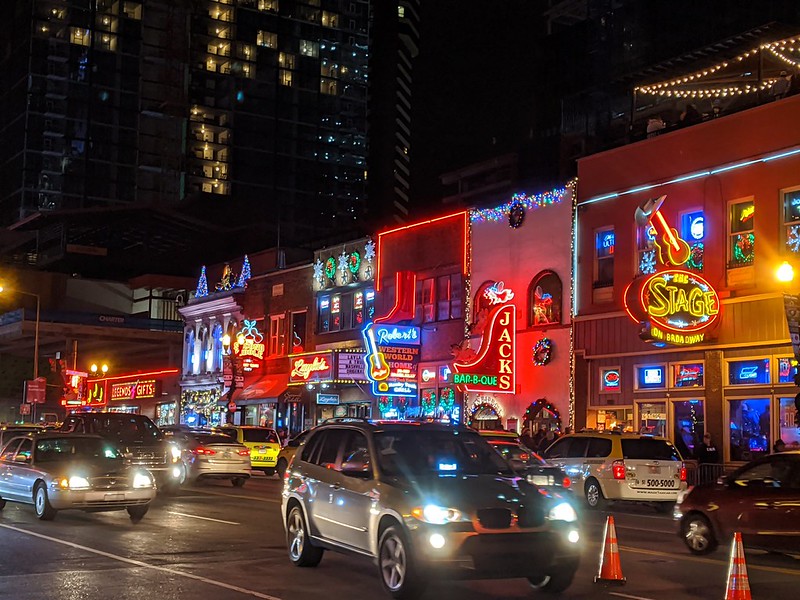
The Neon Street You Should See Without Giving It Your Whole Vacation
Lower Broadway is the Nashville most first-time visitors arrive expecting to find: blocks of honky-tonks, rooftop bars, glowing signs and live music pouring through open doors.
This belongs on Day 1.
Just not all of Day 1.
As evening settles over downtown, the signs brighten and music starts colliding in the street. One doorway gives you country. Another gives you rock. Somewhere above you, a rooftop crowd erupts.
Walk a block and the soundtrack changes three times.
That’s Broadway.
And yes, you should experience it.
Here’s what catches people off guard.
Broadway works much better as one piece of a Nashville trip than as the entire Nashville trip.
Go inside somewhere that sounds good.
Listen to the band.
Walk another block.
Look at the neon reflecting off the pavement and the stream of people moving toward the river.
Then give yourself permission to leave.
That’s the insider trick nobody wants to hear while planning their first Nashville weekend.
You do not have to conquer Broadway.
There is no prize for squeezing six bars into one night.
Your first evening is about understanding the energy, not exhausting yourself in it. That is especially true when two full Nashville days are still waiting.
The trap is letting Day 1 turn into a late-night marathon and waking up on Day 2 tired, overspent and suddenly less interested in everything you carefully planned.
Keep dinner flexible too. A first night in Nashville does not require waiting forever for the most famous restaurant on your social feed.
Eat somewhere that works with where you already are.
Then sleep.
Because tomorrow morning trades honky-tonk neon for something Nashville visitors almost never expect to see.
The Ancient Greek Temple Sitting in the Middle of Tennessee
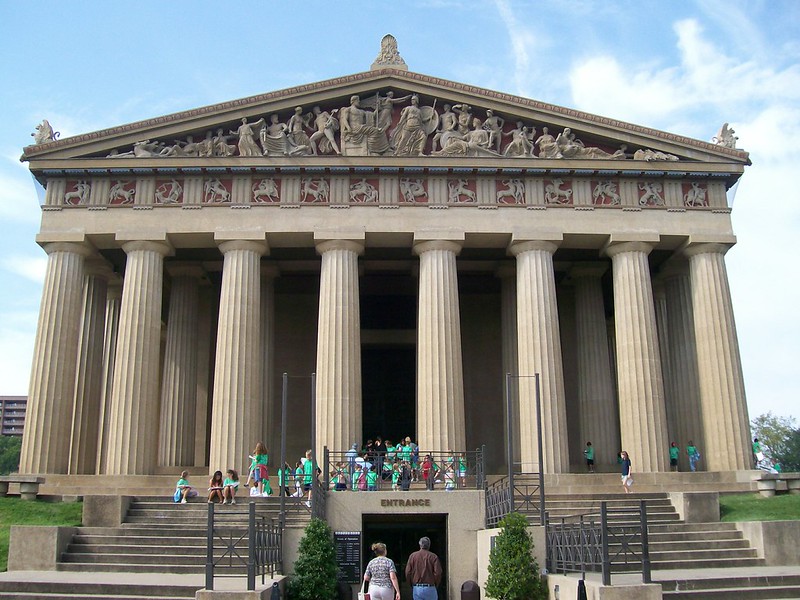
The Parthenon stands at 2500 West End Avenue inside Centennial Park. The museum is open Monday through Saturday from 9 a.m. to 4:30 p.m. and Sunday from 12:30 to 4:30 p.m., with holiday and special-hour exceptions. Adult admission is currently $15.
Yes, Nashville really has a full-scale Parthenon.
And no, seeing photographs doesn’t quite prepare you for how strange it feels to round Centennial Park and see those columns rising over Tennessee grass.
Morning suits this place.
After Broadway’s signs, amplifiers and crowds, Centennial Park feels like somebody turned Nashville’s volume knob down.
Walk around the building first.
The scale is easier to appreciate when you are standing near the columns looking upward instead of taking another distant photograph.
Then go inside.
Here’s what catches people off guard.
The Parthenon is not merely an oversized exterior photo prop. It operates as a museum, with galleries and the enormous Athena statue inside.
The insider move is budgeting enough time to actually enter the building.
Plenty of visitors photograph the outside and move on because another neighborhood is waiting. That saves time, but it also means missing the part that makes Nashville’s Parthenon much stranger than a roadside replica.
Adults currently pay $15. Seniors 62 and older and youth ages 4 through 17 pay $10, while children under four enter free. SNAP or WIC participants can receive free admission for up to four people per card.
Leave the giant backpack and picnic supplies elsewhere. Food, drinks, water bottles, large bags and luggage are among the items prohibited inside. Small free cubbies and quarter-operated lockers are available, but the lockers will not accommodate luggage or oversized backpacks.
The trap is forgetting Metro holiday closures or assuming Sunday morning hours match the rest of the week.
Once you’ve had your quiet morning, start moving through Nashville’s neighborhoods instead of retreating downtown.
Because the next stop explains why Nashville is much more interesting when you stop treating every famous spot as an isolated attraction.
The Neighborhood Stop That Teaches You to Quit Chasing Checklists
12 South is the kind of Nashville neighborhood that works best when you stop trying to force it into a fifteen-minute photo stop.
Pair it with the broader Day 2 neighborhood route rather than leaving downtown, driving here, taking one photograph and immediately crossing town again. The original planning rule still applies: group nearby experiences and let each part of Nashville have its own time.
This is walking-around Nashville.
Coffee in hand.
Storefronts.
Restaurants.
People lingering instead of rushing toward the next timed admission.
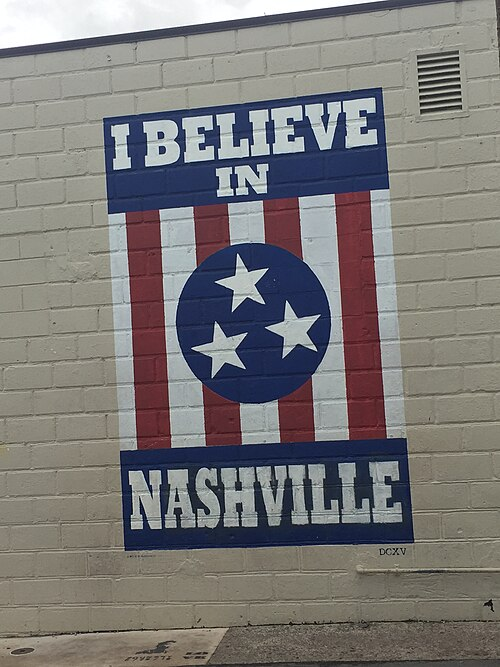
You’ll find the familiar “I Believe in Nashville” mural here, and yes, plenty of first-time visitors want the photograph.
Take it.
Then keep going.
Here’s what catches people off guard.
The famous mural should be the beginning of your 12 South stop, not the entire reason for it.
The insider move is eating lunch in the neighborhood you’re already exploring.
It sounds painfully obvious until you watch how people build Nashville itineraries.
They finish one attraction, drive across town because a restaurant has thousands of online reviews, eat, then drive back toward the same area they just left.
That is how Nashville eats your afternoon.
Instead, wander.
Find lunch nearby. Browse. Sit down. Have coffee. Leave some space between scheduled attractions.
There is no admission ticket required to enjoy a neighborhood, and there is no finish line.
The practical concern here is time.
An unhurried neighborhood stop can easily expand because that’s precisely the point. If you have a timed afternoon reservation somewhere else, know when you need to leave before settling into lunch.
And don’t make the opposite mistake by trying to squeeze 12 South, East Nashville, Germantown and three other neighborhoods into the same afternoon.
Pick your route and enjoy it.
Then point yourself toward an ordinary-looking part of town where some extraordinary music history happened behind very ordinary doors.
The Recording Studio Where the Walls Did the Talking
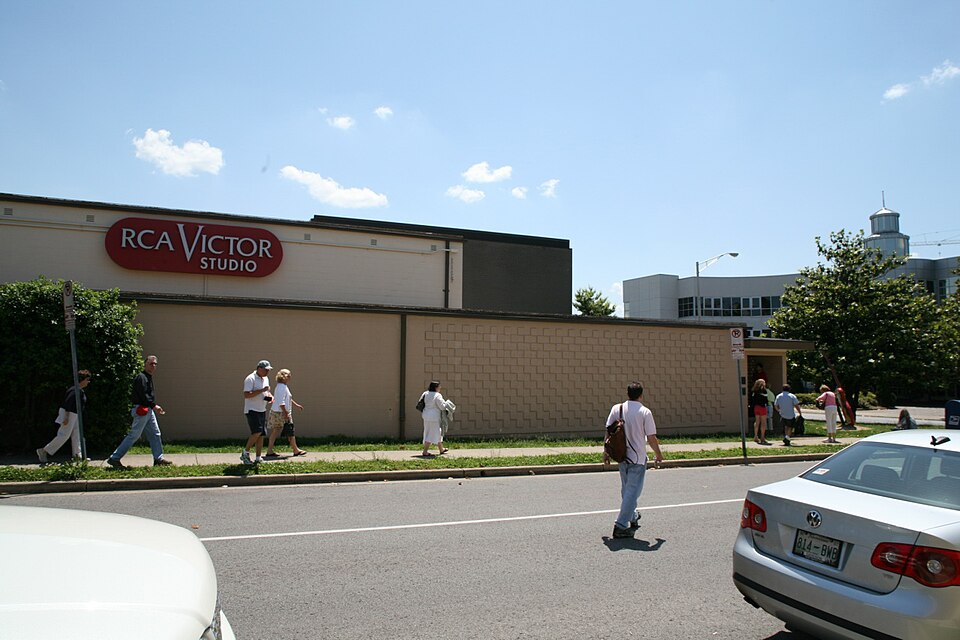
Historic RCA Studio B is toured through the Country Music Hall of Fame and Museum. Guided tours operate seven days a week between 10 a.m. and 3 p.m., depart from the museum with transportation included, and require museum admission. Advance reservations are encouraged.
This is where Nashville history becomes physical.
The room is not enormous.
That is part of its power.
You stand where musicians stood. You look at the equipment and the walls and start thinking about how many records escaped from this room and traveled around the world.
Elvis Presley recorded more than 240 songs at Studio B. Roy Orbison, the Everly Brothers, Chet Atkins, Charley Pride and other major artists also recorded there.
Suddenly Music Row is not an abstract phrase anymore.
Here’s what catches people off guard.
You cannot simply show up at Studio B and buy a standalone tour at the door. The experience is offered with museum admission and departs from the Country Music Hall of Fame and Museum.
That is the insider tip too.
Book ahead.
Then arrive at the museum at least 15 minutes before your scheduled Studio B departure. The museum specifically warns that timed guided tours are nonrefundable if you miss them.
Current online pricing lists regular museum admission at $31.95 for adults, with the RCA Studio B guided tour as a $23 add-on. A museum plus Studio B adult package is listed at $54.95.
The trap is scheduling Studio B as though it were an independent Music Row attraction you can casually walk into between other stops.
It isn’t.
Build your afternoon around the reservation instead of hoping the reservation bends around your afternoon.
When the tour is finished, do something first-time Nashville visitors rarely schedule.
Stop.
Go back to your hotel. Sit down. Change clothes. Have coffee. Put your feet up.
Because tonight is when Nashville starts sounding less like an entertainment district and more like the city where songs are actually written.
The Night When the Songwriter Finally Becomes the Main Attraction
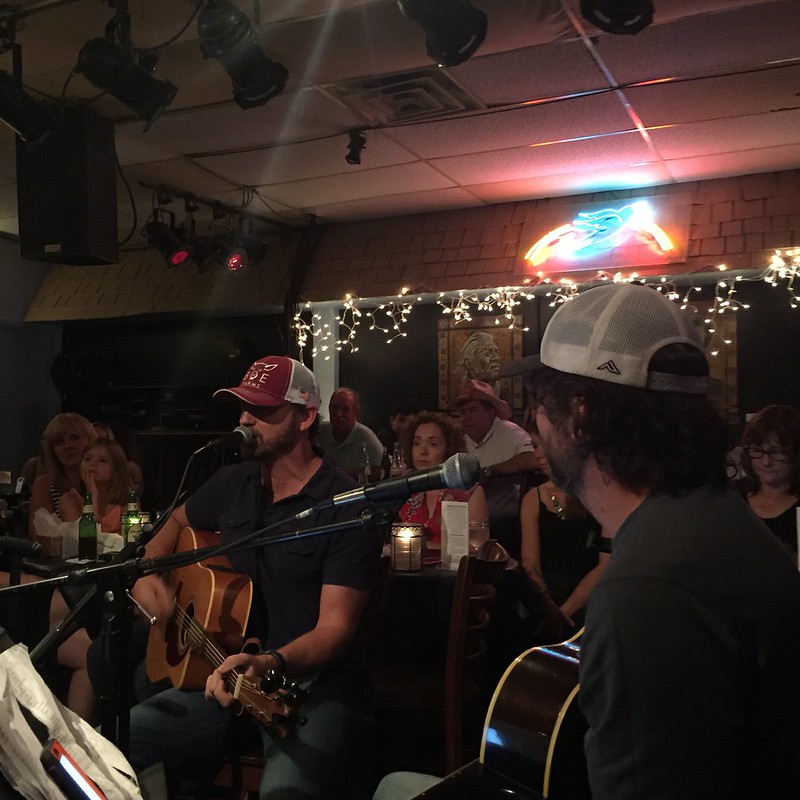
A Nashville songwriter round flips the usual concert experience around.
Instead of production swallowing the room, the song gets stripped down to a voice, a guitar and the person who helped create it.
Venues such as The Listening Room Cafe and the Bluebird Cafe have built experiences around that connection between writers and audiences. The Bluebird is especially intimate, while The Listening Room offers another established place to hear the stories behind songs.
The room settles.
A guitar gets tuned.
Somebody starts telling the story behind a lyric you’ve heard dozens of times without knowing who wrote it.
Then the first chord lands.
This is the moment plenty of visitors realize that Nashville’s music culture and Nashville’s party culture are not the same thing.
Here’s what catches people off guard.
Some of the most memorable music in Nashville happens when the room gets quieter, not louder.
The insider move is making this your second-night experience instead of automatically returning to Broadway.
You’ve already seen the neon.
Now listen.
If a specific performance matters to you, plan ahead rather than assuming you can arrive whenever you feel like it. Small rooms have a completely different capacity reality from the giant venues Nashville visitors are used to seeing.
Dinner deserves the same treatment tonight.
This is the evening to choose somewhere you actually care about eating rather than whatever happens to be closest when everybody gets hungry.
If hot chicken is on your list, this can be the night.
Just remember that Nashville hot chicken is dinner, not a dare.
Ordering the hottest available level does not earn you honorary Tennessee citizenship.
The trap on Day 2 is overplanning. Centennial Park, neighborhoods, Music Row and an evening performance already make a full Nashville day.
Leave breathing room.
Tomorrow is when everything you’ve learned about the city comes together.
And it starts inside a little piece of musical history that Nashville’s newer skyline somehow never swallowed.
The Little Music Room That Refused to Disappear
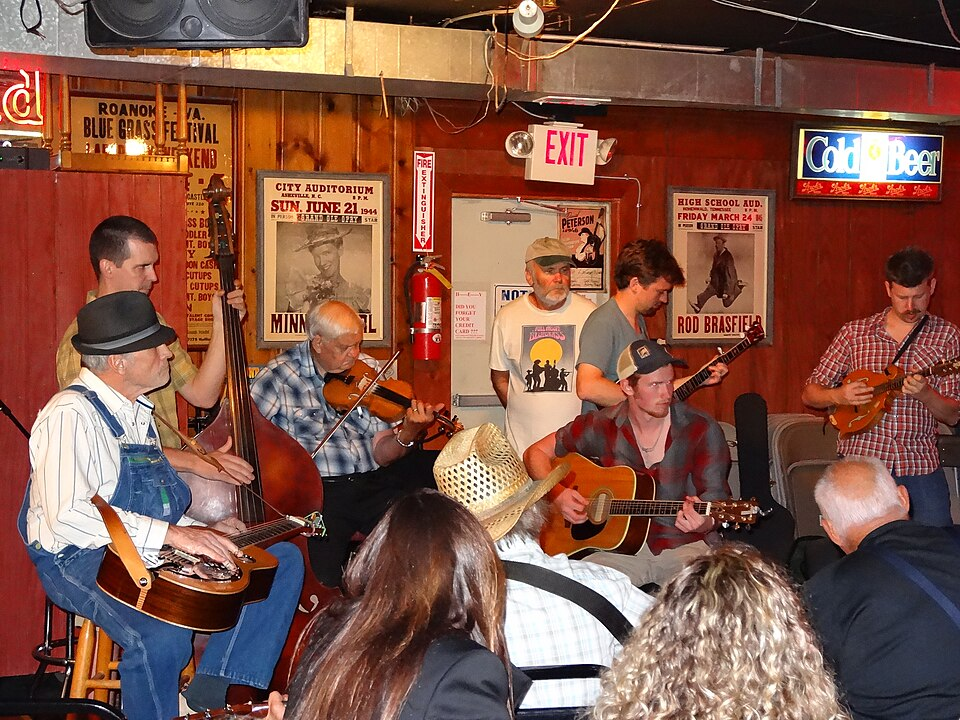
The Station Inn has long been one of Nashville’s defining bluegrass and roots-music rooms, sitting in The Gulch while major development has risen around it.
That contrast is half the experience.
Outside, modern Nashville climbs upward.
Inside, the focus comes back down to instruments, musicians and the people listening to them.
No giant spectacle is necessary.
A fiddle cuts through the room. An acoustic guitar takes its turn. Players trade leads, and suddenly you understand how much talent exists in Nashville beyond the performances marketed most heavily to visitors.
The surroundings may be simple.
The musicianship is not.
Here’s what catches people off guard.
The Station Inn’s power comes partly from how little it tries to compete with the polished Nashville surrounding it.
The insider move is checking the performance schedule before deciding which night to go.
This isn’t the kind of place where the room matters more than whoever is playing. The music is the reason you’re there.
Treat it that way.
It also makes a useful counterweight to Broadway.
Experience both and Nashville becomes much harder to reduce to a stereotype.
One night can give you neon, rooftops and packed sidewalks.
Another can give you acoustic instruments and an audience that actually came to listen.
The trap is assuming “Nashville nightlife” means Lower Broadway every single evening.
It doesn’t.
In fact, one of the easiest ways to flatten a three-day Nashville trip is to repeat the same downtown experience three nights in a row because you don’t know what else exists.
By the third morning, you’ve earned something different.
Now go back downtown.
This time, you’re not arriving clueless.
The One-Attraction Rule That Can Save Your Final Day
By Day 3, almost everybody has a list of unfinished Nashville business.
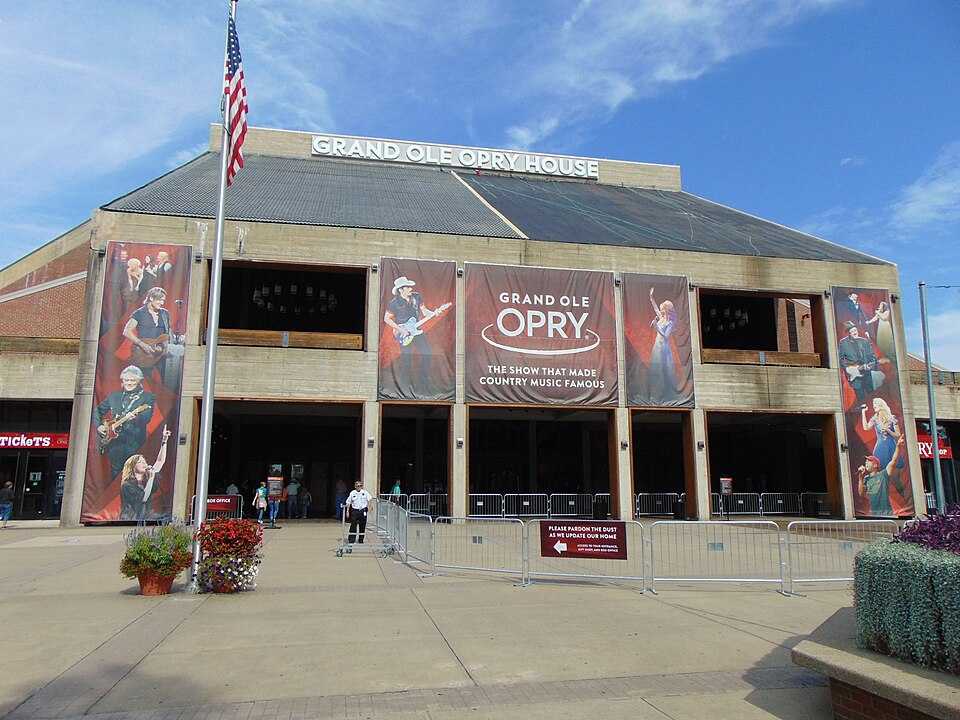
Maybe it’s the Grand Ole Opry.
Maybe it’s another museum.
Maybe you never made it to a neighborhood that caught your attention.
Maybe there’s one restaurant you’ve been talking about since before the plane landed.
The temptation is to cram all of it into the final afternoon.
Don’t.
Pick the thing you would genuinely regret missing and give it room.
That sounds too simple to count as insider advice.
It isn’t.
This is where perfectly good Nashville trips go sideways.
You start calculating.
If lunch takes 35 minutes, the museum takes an hour, traffic cooperates, parking takes ten minutes and everybody walks quickly, maybe you can squeeze in three more attractions before dinner.
Then one line is longer than expected.
Traffic slows.
Someone needs a bathroom.
Your entire afternoon becomes a stopwatch.
Here’s what catches people off guard.
The best use of your last Nashville afternoon may be intentionally leaving two or three attractions unseen.
The insider move is choosing your final big experience the night before.
By then, you know what Nashville has actually felt like to you.
Your priorities may have changed.
Perhaps you arrived certain that Broadway would be the highlight and discovered you preferred quieter music rooms.
Perhaps the music history surprised you.
Perhaps you want another neighborhood afternoon instead of another ticketed attraction.
Follow that instinct.
The trap is trying to complete somebody else’s “ultimate Nashville checklist.”
There will always be another restaurant, mural, rooftop, museum, bar or historic site.
You are allowed to miss something.
In fact, you should.
Use the extra time to find a skyline view, sit somewhere for a while and watch the city instead of consuming it.
Then give Nashville one last evening.
Dinner.
Music.
No frantic schedule.
And finally, there is one fact about planning this city that matters more than any individual attraction.
The Unexpected Fact About a Three-Day Nashville Trip
Nashville’s biggest itinerary problem is not that three days is too short.
It is that the city tempts first-time visitors to organize those three days badly.
Downtown, Centennial Park, 12 South, Music Row, East Nashville and the Opry area can all look deceptively manageable when they’re reduced to pins on a phone screen. That encourages the classic mistake: attraction, restaurant, attraction, restaurant, hotel, another attraction, then another drive across town.
The smarter formula is almost embarrassingly simple.
Area first. Experiences second.
If you’re downtown, stay downtown for a while.
If you’re exploring a neighborhood, eat there.
If you have a timed tour, build that part of the day around it instead of trying to sandwich it between three unrelated stops.
And leave empty space.
That’s the part nobody wants to put on an itinerary because blank time doesn’t look impressive when you’re planning from the couch.
Once you’re actually here, it becomes precious.
It’s the extra half hour when you hear music coming through a doorway.
It’s the coffee you weren’t planning to stop for.
It’s sitting down because your feet hurt instead of forcing yourself through another museum.
It’s watching Nashville’s skyline at the end of the trip without immediately pulling out your phone to find the next attraction.
Three days will not show you every Nashville worth seeing.
They don’t need to.
A good Nashville trip isn’t measured by how many pins disappear from your map.
See less of Nashville at a time, and you’ll leave feeling like you actually saw more of it.