A Nashville weekend can get expensive fast when every meal, ticket, drink, and evening is built around the busiest few blocks downtown. The funny part is that some of the experiences that explain this city best are smaller, quieter, cheaper, or sitting right under visitors’ noses.
Nashville is bigger than Broadway, hot chicken dares, and rooftop bars. Dig into its music rooms, old neighborhoods, studios, parks, and food traditions and a different city appears. Most visitors barely scratch it.
The Tiny Room Where the Person Behind the Hit Gets the Spotlight
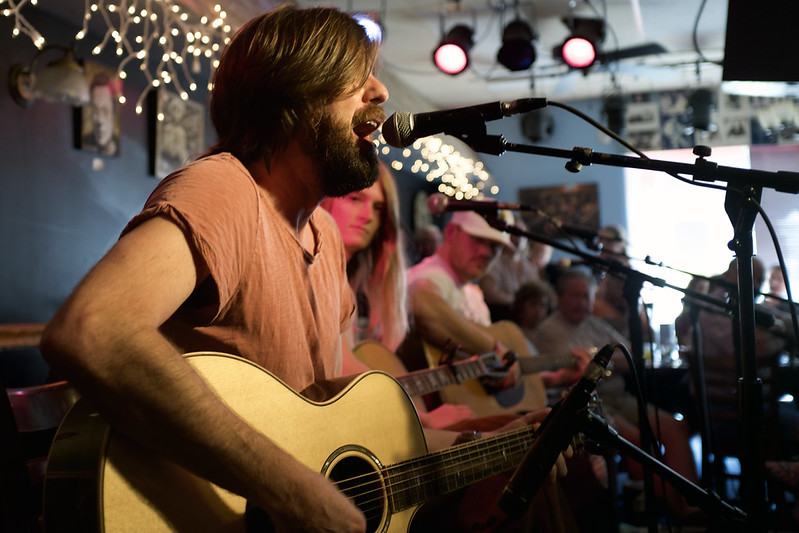
The Bluebird Cafe is a small listening room in Nashville where songwriters perform their own work and explain the stories behind it. The experience is built around listening closely rather than shouting over a bar crowd, which is exactly why it feels so different from Lower Broadway.
Inside, the room feels almost startlingly intimate.
There is no giant stage swallowing the performers. A guitar, a microphone, a songwriter and a room full of people paying attention can be enough.
Then somebody starts telling the story behind a song you already know.
Suddenly that familiar chorus has a place, a person and a reason behind it.
Here’s what catches people off guard.
In Nashville, one of the most memorable music experiences can be hearing the writer of a famous song perform it without the superstar who made it famous.
The insider move is simple: do not treat the Bluebird like a place you can casually add to the itinerary at the last minute. Check its current calendar and ticket information before building your evening around it.
And once you’re inside, remember what kind of room you’re in. This is not background music while everybody at the table carries on a conversation.
The listening is the attraction.
That distinction matters because plenty of visitors arrive believing Nashville music begins and ends with neon signs.
The next stop proves otherwise, without even leaving Broadway.
The Broadway Bar That Still Feels Like Old Nashville
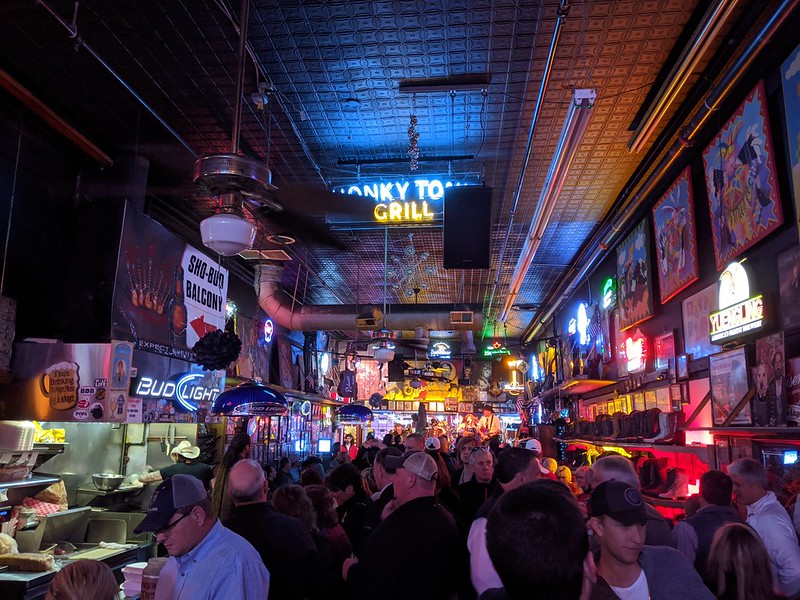
Robert’s Western World sits on Lower Broadway, right in the middle of Nashville’s most commercial tourist district. Yet its narrow storefront and old-school honky-tonk atmosphere make it feel worlds away from some of the enormous entertainment complexes surrounding it.
Walk inside and Broadway changes.
The neon is still outside. Boots still scrape across the floor. A band is still playing country music.
But this feels closer to the honky-tonk Nashville people remember talking about before celebrity-branded rooftops became part of the skyline.
Robert’s is particularly associated with its fried bologna sandwich tradition, the sort of gloriously unfancy food that makes sense in a room built around cold drinks and live country music.
Here’s the part people miss.
You can stand in the most tourist-heavy part of Nashville and still find a place where the music matters more than making the room look expensive.
Go for the atmosphere, but actually listen to the musicians. That sounds obvious until you watch how many Broadway visitors spend an entire set talking over the band.
There is no need to pretend Lower Broadway is not crowded. It is.
That is the trap. People either spend their whole Nashville trip there or avoid it completely.
The better approach is selective.
Pick the places with a reason for being there beyond sheer size, give the band your attention, then keep exploring.
Because a few blocks away, one of Nashville’s most important music rooms looks almost too ordinary to be famous.
The Little Stone Building Surrounded by a Completely Different Nashville
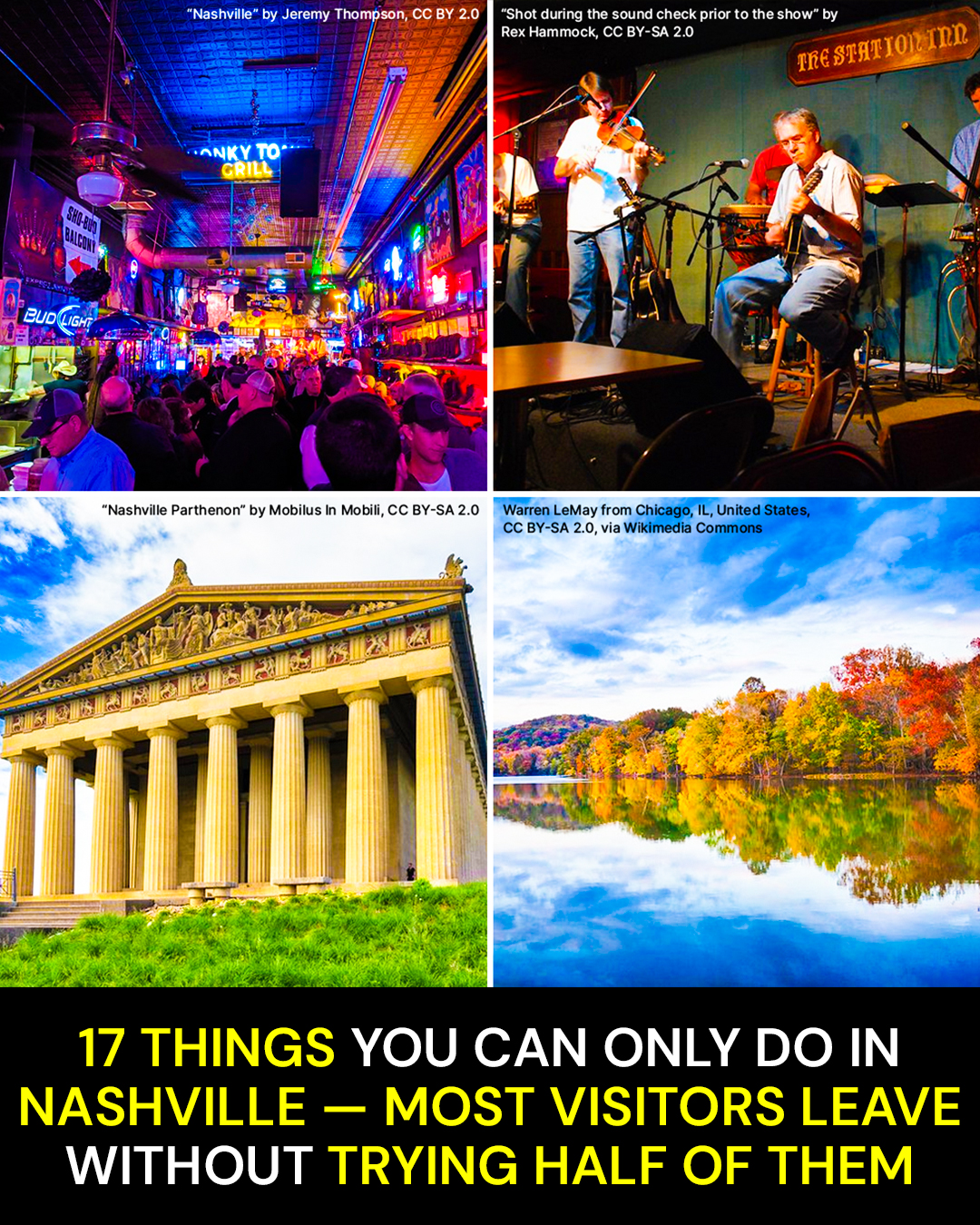
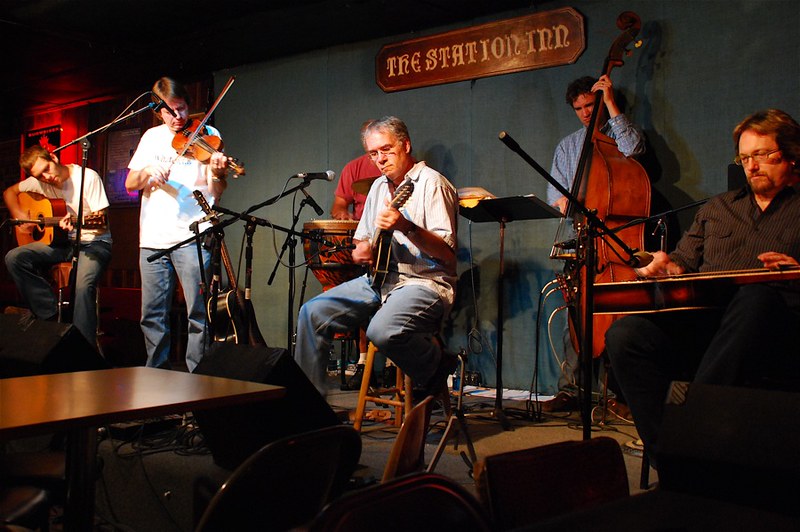
The Station Inn sits at 402 12th Avenue South in The Gulch, surrounded by one of Nashville’s most developed modern neighborhoods. Its calendar still revolves around bluegrass, roots music, country and songwriter performances, including its long-running Sunday bluegrass jam.
That contrast is half the fun.
Outside, The Gulch is polished glass, apartments, restaurants and photo stops.
Then there is the Station Inn.
Inside, the experience is about musicianship rather than spectacle. Fiddles, mandolins, banjos and acoustic guitars fill a room where you can concentrate on the hands making the sound instead of watching a giant video wall.
It feels refreshingly straightforward.
Here’s what catches newcomers off guard.
Some of Nashville’s finest picking happens inside a building many first-time visitors could walk straight past.
Check the Station Inn’s calendar before going because performances, start times and admission vary by event. Its published event information also notes that advance ticket sales or reservations are not standard unless a particular event specifies otherwise.
Sunday is especially worth checking when the recurring bluegrass jam appears on the schedule.
The mistake is arriving in The Gulch, taking the familiar photographs, eating dinner and assuming you have seen the neighborhood.
You haven’t.
One weathered-looking music room can tell you more about Nashville than a whole row of new buildings.
And Nashville has another room where even the seats are part of the story.
The Church Pews That Sound Better After the Lights Go Down
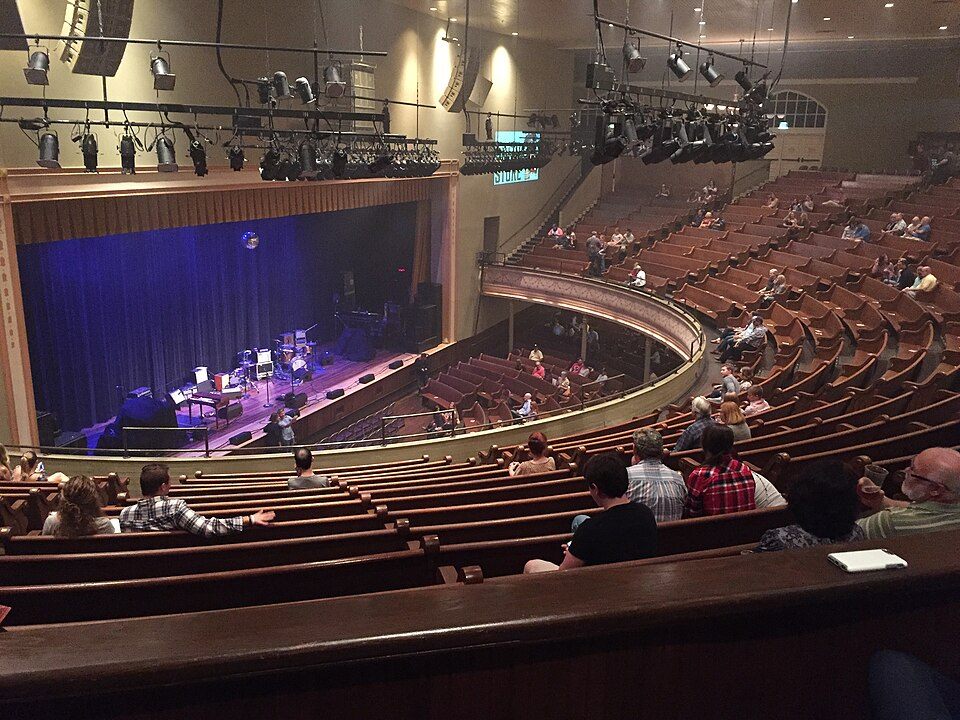
The Ryman Auditorium is known as the Mother Church of Country Music, and its wooden pews and historic auditorium are among Nashville’s most recognizable interiors. Plenty of visitors tour it during the day, but the building becomes a different experience when there is an actual performer onstage.
The room darkens.
People settle into those long pews.
Then the first notes move through a hall that has spent generations absorbing applause, guitar strings, gospel harmonies and country voices.
That is when the Ryman stops feeling like an attraction and starts feeling like a music venue again.
The building was never meant to be understood only through display cases.
Here’s the difference.
Seeing the Ryman is worthwhile, but hearing the Ryman is the experience people remember.
If your schedule allows it, check the performance calendar before automatically choosing only a daytime visit. A concert lets you experience the building doing what made it famous.
The practical trap is assuming any night will do.
Performance schedules change, ticket prices depend on the event, and popular shows can require planning ahead.
Choose the artist carefully, especially if the room itself is what interests you.
You are not merely buying a concert ticket. You are buying a couple of hours inside one of the places that helped build Nashville’s musical identity.
And the next Nashville institution goes even further. The performance is still tied to a living broadcast tradition.
The Show Visitors Mistake for a Piece of Nashville’s Past
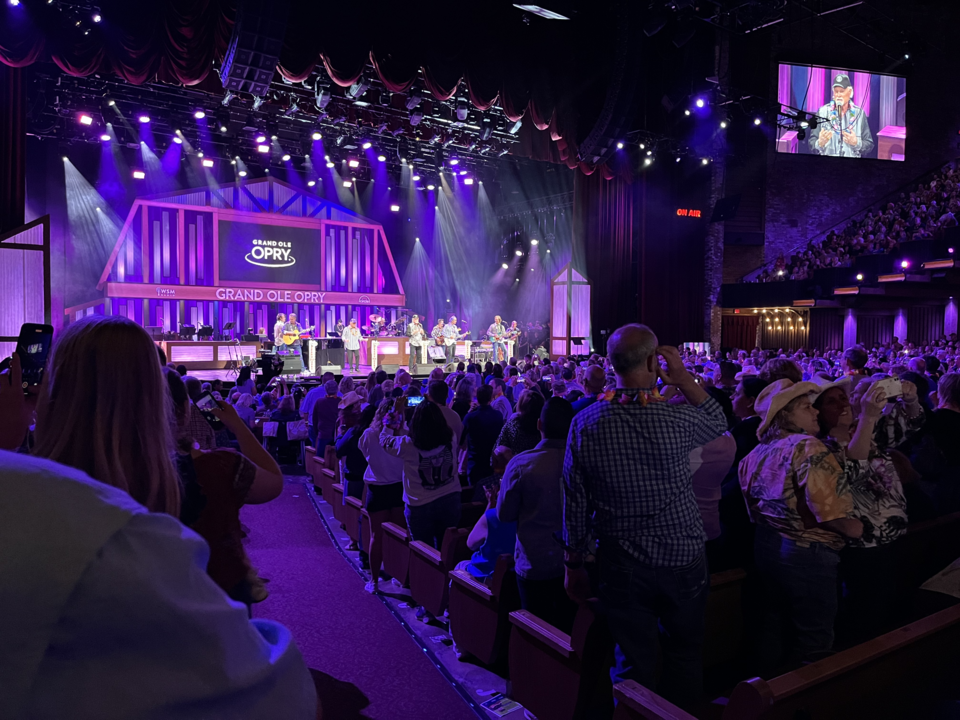
The Grand Ole Opry is not simply a historic name attached to country music. It remains a live performance institution built around the radio-show tradition that made Nashville synonymous with country music for generations.
That matters.
Some visitors picture the Opry as something their parents or grandparents listened to.
Then the curtain goes up.
Multiple performers can share the evening, generations of country music meet on the same stage, and suddenly the old radio format makes sense.
You are watching history continue instead of looking at history behind glass.
That’s the surprise.
The Grand Ole Opry is not something Nashville preserved after it ended. The tradition is still happening.
The smart move is checking the exact lineup for your date rather than buying a ticket based only on the Opry name.
Different nights can feel completely different.
The trap is expecting a conventional concert centered on one headliner. The Opry’s variety-show roots are part of the experience.
Give the format a chance.
Nashville makes more sense once you realize the city did not become Music City through one type of stage.
And once you have heard enough music, it is time to understand one of the dishes Nashville made famous.
The Hot Chicken Story That Started Before It Became a Tourist Challenge
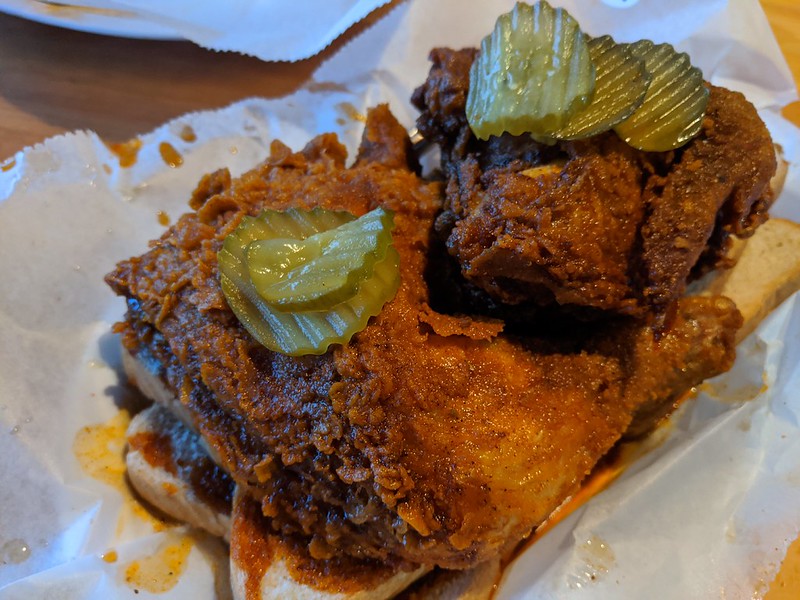
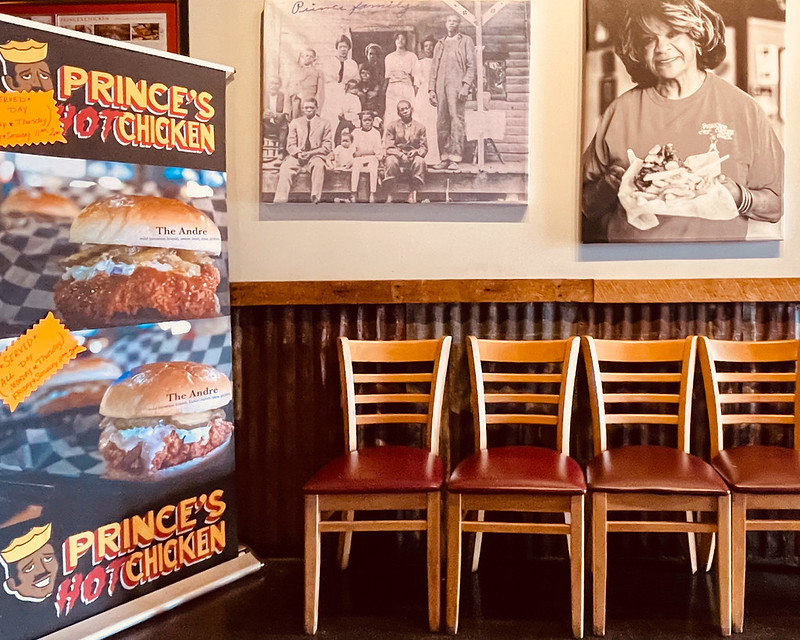
Prince’s Hot Chicken traces Nashville’s original hot chicken tradition back more than a century. Today, Prince’s operates Nashville-area locations including its South Nashville restaurant at 5814 Nolensville Pike, Assembly Food Hall downtown, Tanger Outlets and a BNA airport location.
The first bite explains why this food should never be reduced to a heat contest.
The chicken arrives carrying spice, seasoned oil and that unmistakable red-brown coating. Pickles provide a sharp break. Bread underneath catches everything dripping down.
Eat slowly enough and you notice there is flavor underneath the fire.
That is the point.
Hot chicken is Nashville food history, not a stunt invented for social media.
Order a heat level you can actually enjoy.
Locals do not receive a medal for destroying their taste buds, and neither will you.
Prince’s South location currently lists hours of 11 a.m. to 10 p.m. Monday through Saturday and closes Sunday. The Assembly Food Hall location keeps different hours, so choose the location first and check accordingly.
The biggest mistake is chasing the hottest level simply because you’re in Nashville.
Taste the chicken.
Eat the pickles.
Let the bread soak up that seasoned oil.
Treat dinner like dinner.
After all that heat, the next Nashville stop offers the exact opposite mood: slow, old-fashioned and built around biscuits.
The Roadside Cafe Where the Biscuits Have Outlived Nashville Trends
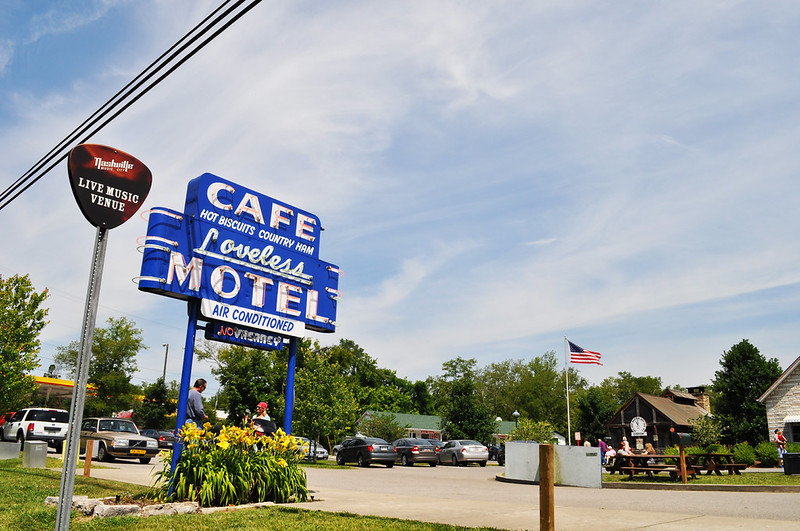
The Loveless Cafe began in 1951 when Lon and Annie Loveless served fried chicken and biscuits west of Nashville. The restaurant at 8400 Highway 100 continues serving Southern staples and its well-known biscuits more than 70 years later.
The setting immediately changes your pace.
Downtown’s glass towers disappear. Highway 100 stretches ahead, and Nashville begins feeling less like a nightlife destination and more like Middle Tennessee.
Then come the biscuits.
Warm bread, country ham, fried chicken, smoke, gravy and the kind of breakfast smells that make a person hungry even after insisting they were not.
This is not delicate food.
It isn’t supposed to be.
The Loveless has been feeding people since 1951, long before Nashville became the weekend-party destination visitors recognize today.
Timing is the trick.
The cafe specifically advises that busy periods can involve waits and suggests non-peak visits, including Wednesday or Thursday between 8 and 9 a.m. or between 2 and 6 p.m.
Current published restaurant hours are 8 a.m. to 9 p.m. on weekdays and 7 a.m. to 9 p.m. Saturday and Sunday.
Tennessee residents have another small advantage: Loveless advertises a 10 percent “Love for Locals” discount in participating on-site shops with a Tennessee state ID.
But save room.
The next Nashville experience is not about eating something historic. It is about standing inside something completely unexpected.
The Greek Temple Sitting in the Middle of Tennessee
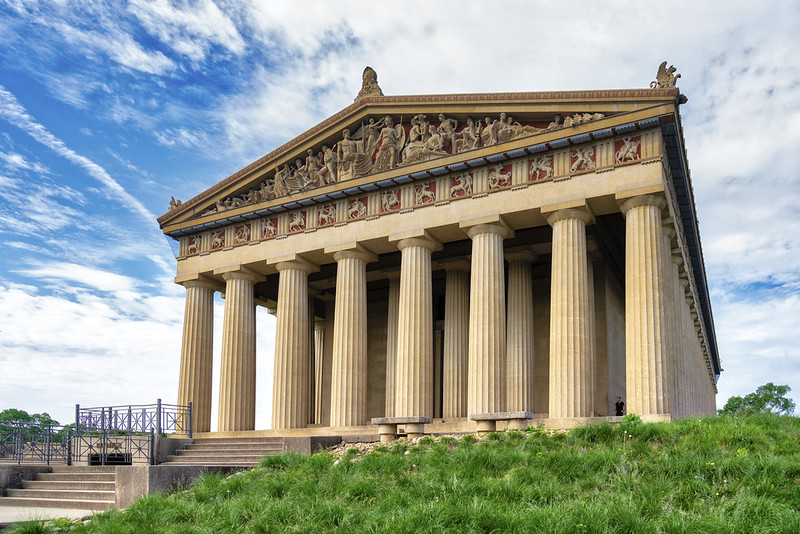
The Parthenon stands in Centennial Park as Nashville’s full-scale recreation of the ancient Greek landmark. Its story connects directly to the Tennessee Centennial Exposition of 1897, and inside stands an enormous Athena figure that makes the exterior suddenly feel like only half the attraction.
Walk toward it across the park and Nashville briefly stops looking like Nashville.
Columns rise over the lawn.
People jog past.
Families spread out under the trees.
And there, with no Mediterranean coastline anywhere nearby, is a Greek temple.
It is wonderfully strange.
Here’s the question almost everybody eventually asks.
Why is this here?
The Parthenon is one of the clearest surviving reminders of Nashville’s old “Athens of the South” identity and the city’s 1897 exposition story.
Do not make the common mistake of photographing the columns and leaving.
The exterior gets the attention because it is free to admire from the park, but the interior supplies the part that explains why this place is more than an oversized photo backdrop.
Centennial Park also works beautifully as a decompression stop.
After Broadway noise, crowded attractions and restaurant lines, a patch of grass and an absurdly grand Greek building can feel mighty good.
But Nashville has stranger contrasts than ancient Greece beside a city street.
One of them is a quiet recording room where some of American music’s biggest voices once stood behind a microphone.
The Recording Room You Cannot Simply Walk Into
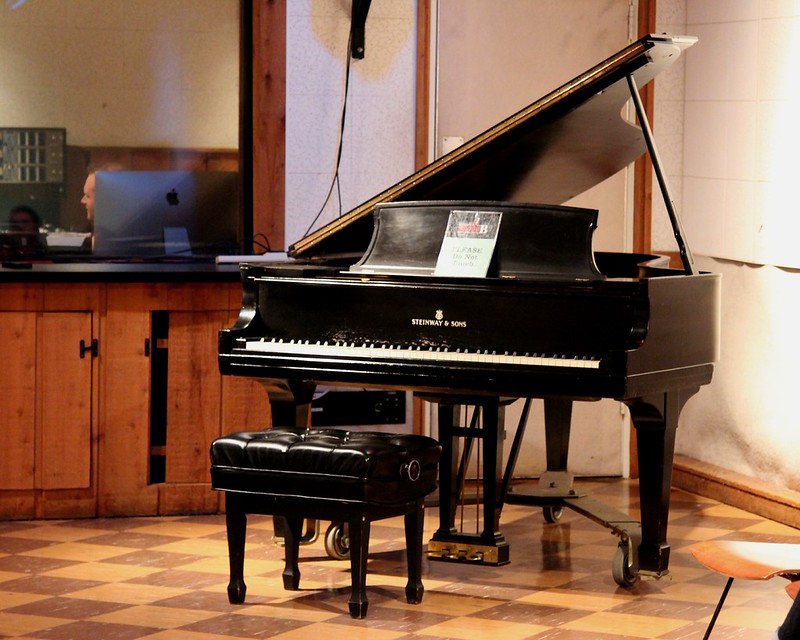
Historic RCA Studio B is one of Nashville’s most important recording landmarks, associated with artists including Elvis Presley, Chet Atkins, Eddy Arnold, Roy Orbison and the Everly Brothers. Guided tours currently operate seven days a week between 10 a.m. and 3 p.m. and depart from the Country Music Hall of Fame and Museum.
The room itself is not enormous.
That is what makes it hit harder.
Music that became part of American popular culture came out of rooms like this, not giant arenas.
Stand there and the scale of Nashville’s recording industry suddenly becomes human.
A microphone.
A piano.
Musicians listening to one another.
A control room on the other side of the glass.
Here’s what catches people.
You cannot simply show up at Studio B and buy a stand-alone tour at its door. The tour is offered in conjunction with Country Music Hall of Fame and Museum admission.
Transportation from the museum is included, and the museum recommends arriving 15 minutes early for the Studio B tour. Advance reservations are encouraged.
That is the trap.
Visitors see Studio B on a map, assume it works like an ordinary attraction, then discover that access is organized through the museum.
Plan this one before your trip.
Because Nashville’s music history is not only something you hear. Sometimes you need to stand exactly where it happened.
Then trade the recording booth for fresh air.
The Nashville Escape Where the City Suddenly Goes Quiet
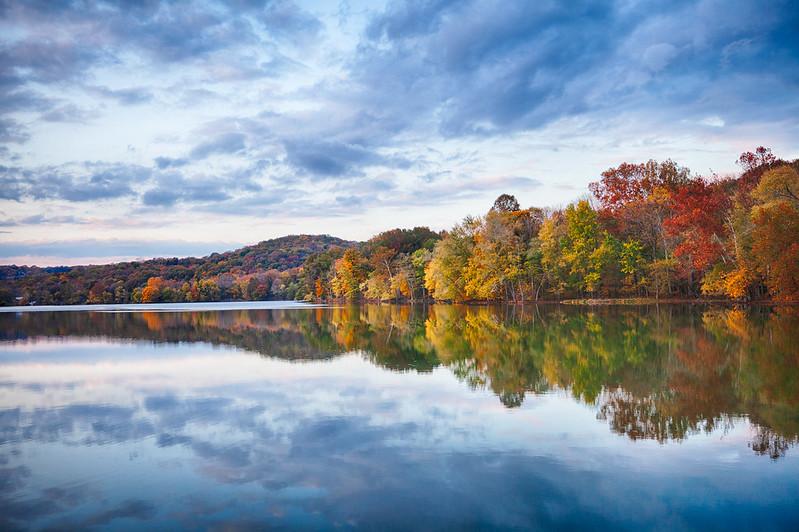
Radnor Lake State Natural Area gives Nashville something visitors often do not expect from a city trip: protected woods, trails and wildlife inside the metropolitan area. The source material specifically notes opportunities to see animals such as deer, owls and herons.
The transition is the best part.
One minute your Nashville trip is traffic, guitars, restaurants and people.
Then the trees close in.
Footsteps replace amplifiers. Leaves move overhead. Water sits quietly beyond the trail.
You start noticing sounds you could not hear downtown.
That is a very Tennessee kind of reset.
A Nashville vacation does not have to be an entirely urban vacation.
The insider move is treating Radnor as a nature preserve, not simply another city park.
Come ready to walk. Wear shoes appropriate for trails. Keep the experience quiet enough that wildlife actually has a chance to remain wildlife.
And do not build your entire visit around nightlife, especially if several consecutive evenings have already involved Broadway.
The trap is assuming you need to drive all the way to East Tennessee before Tennessee starts looking wild.
You don’t.
Middle Tennessee can change the scenery surprisingly quickly.
And when you’re ready for people again, Nashville has a neighborhood where simply walking the streets tells part of the city’s story.
The Nashville Neighborhood That Rewards People Who Slow Down
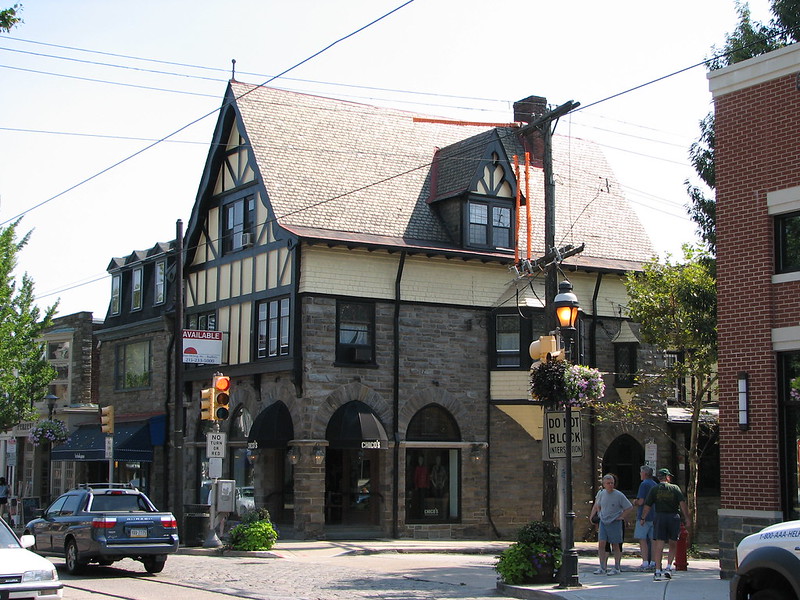
Germantown gives visitors a different picture of Nashville, with historic architecture, brick-lined streets, restored homes and restaurants woven into a residential neighborhood. It is the sort of place that works better on foot than through a car window.
This is Nashville at conversational volume.
You notice porches.
Brick.
Old houses standing beside a city that keeps building upward.
Instead of chasing one attraction after another, you can simply walk and let the neighborhood reveal itself block by block.
That’s harder than it sounds for vacationers.
We have trained ourselves to believe every hour of a trip needs a ticket.
Some of the best time you can spend in Nashville costs nothing more than the willingness to walk slowly through a neighborhood.
Do not approach Germantown like an amusement district.
There is no need to collect every restaurant or photograph every block.
Pick a comfortable route, stop when something interests you and remember that people live here.
That last part matters.
Residential Nashville deserves the same courtesy you would want outside your own front door.
The mistake is seeing Nashville only through entertainment districts.
Neighborhoods supply the connective tissue between the attractions, and once you notice that, the city begins making much more sense.
The next stop takes that ordinary-looking Nashville and adds another layer: thousands of records inside an old church.
The Record Store That Reminds You Nashville Never Belonged to One Genre
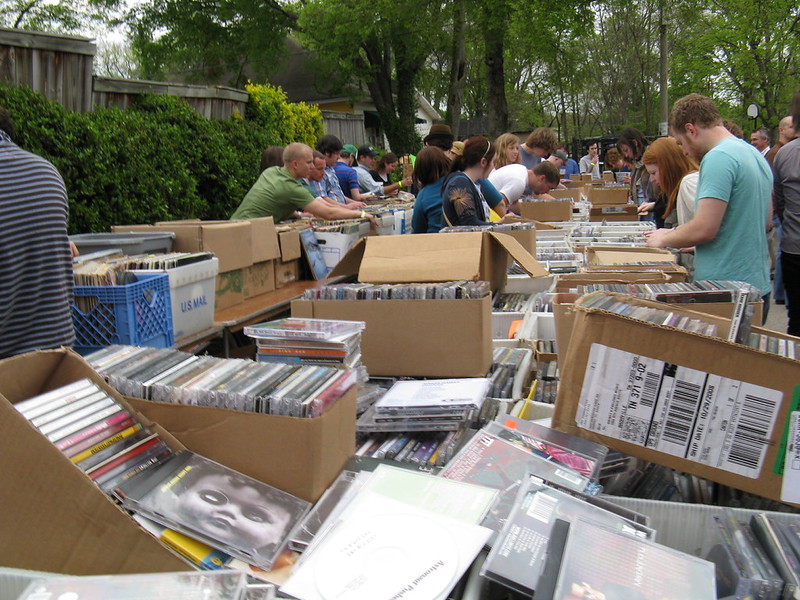
Grimey’s is an independent Nashville record store associated with the city’s broader music culture, including indie, rock and Americana alongside the country music Nashville is known for. Its current home occupies a converted church space, giving record hunting an appropriately musical setting.
This is a different kind of Music City experience.
There is no choreography.
No giant attraction entrance.
You browse.
Album covers slide past your fingertips. Somebody is looking for a new release. Somebody else is digging through records hoping to find something they did not know they needed.
That is half the joy of a real record shop.
Nashville’s music identity is much wider than country music, and independent shops make that impossible to miss.
Check Grimey’s current event information if an in-store performance is part of your plan. Special appearances are events, not something to assume will happen simply because you walk through the door.
Otherwise, give yourself time to browse without a shopping list.
That is the insider trick.
Record stores are better when you arrive looking for nothing in particular.
The trap is packing a Nashville itinerary so tightly that every stop has to produce a famous photograph.
Sometimes the souvenir is an album you had forgotten existed.
And sometimes the history is heavier than a record sleeve.
Nashville’s next story reaches directly into the Black culinary history that helped create one of the city’s most famous foods.
The Food Tradition Nashville Should Never Let Become Just a Logo
Prince’s is more than a place to eat spicy chicken. The restaurant identifies itself as the originator of Nashville hot chicken, tracing the tradition back more than 100 years and to Thornton Prince.
That history matters because hot chicken has become enormously marketable.
You see the phrase on menus far beyond Tennessee now.
But underneath the trend is a Nashville food tradition rooted in Black history, family business and a recipe that existed long before weekend visitors began lining up to test their heat tolerance.
That changes the way the plate looks.
This isn’t simply chicken covered in spice.
It is cultural history you can eat.
Here’s the part worth remembering.
Nashville hot chicken became famous nationally only after generations of Nashville diners already knew what it was.
If you want the history with the meal, Prince’s deserves context.
Read about the origin story before going. Then order according to appetite, not ego.
The South Nashville location is closed Sundays, while Prince’s other locations operate on their own schedules.
That practical detail can save an unnecessary drive.
And after a history-heavy stop, Nashville has a good antidote.
Go somewhere people are still making music simply because making music together is fun.
The Sunday Night Where the Audience Can Feel Almost as Important as the Stage
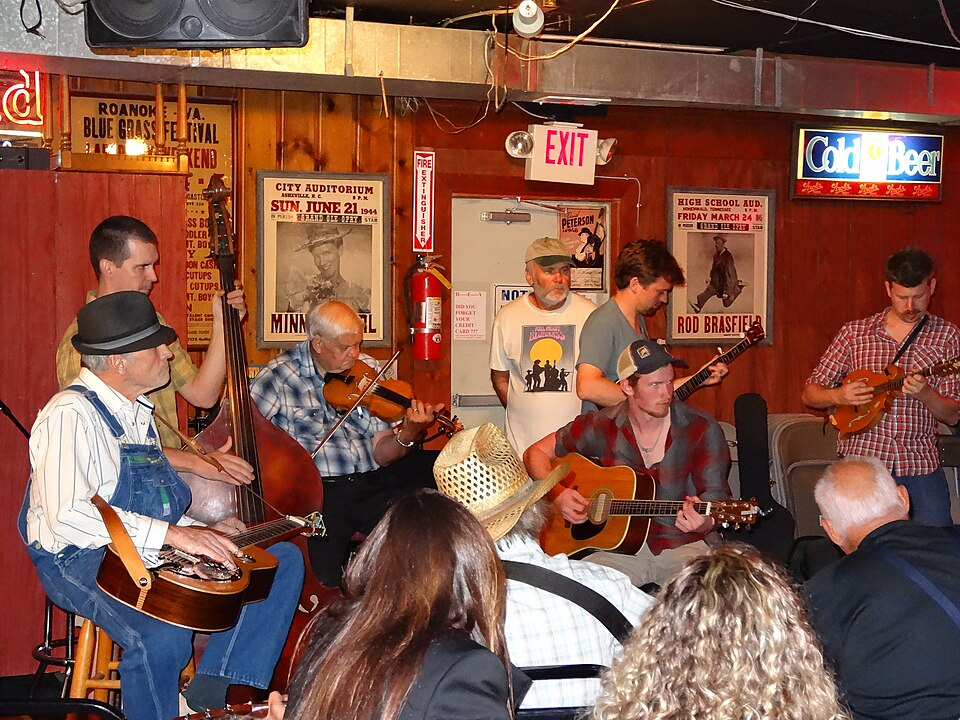
The Station Inn’s recurring Sunday bluegrass jam is one of the simplest ways to understand why Nashville musicians keep moving here. Published 2026 calendars repeatedly list the Sunday jam at 7 p.m., with doors opening at 7.
This is not arena music.
That is precisely the appeal.
Bluegrass works beautifully at close range because you can hear the pieces fit together. Banjo notes snap. A fiddle cuts through. A mandolin answers. Guitar keeps the whole thing moving.
You can watch musicians communicate without saying much at all.
It feels social.
Joyful.
Very Nashville.
The city’s music culture is not built only around stars. It survives because musicians keep gathering to play.
If the jam is important to your plans, confirm the current calendar before heading over. Recurring events can still be affected by special programming.
The Station Inn also notes that its usual events do not necessarily use advance sales or reservations unless the event description says otherwise.
The trap is assuming the most expensive Nashville ticket produces the most authentic Nashville music experience.
Price and intimacy are not the same thing.
Sometimes you want the giant show.
Sometimes you want to hear fingers hit strings.
Next comes another Nashville activity that costs nothing at all, yet plenty of visitors somehow miss it.
The Free Nashville View Hiding Behind Everybody’s Broadway Plans
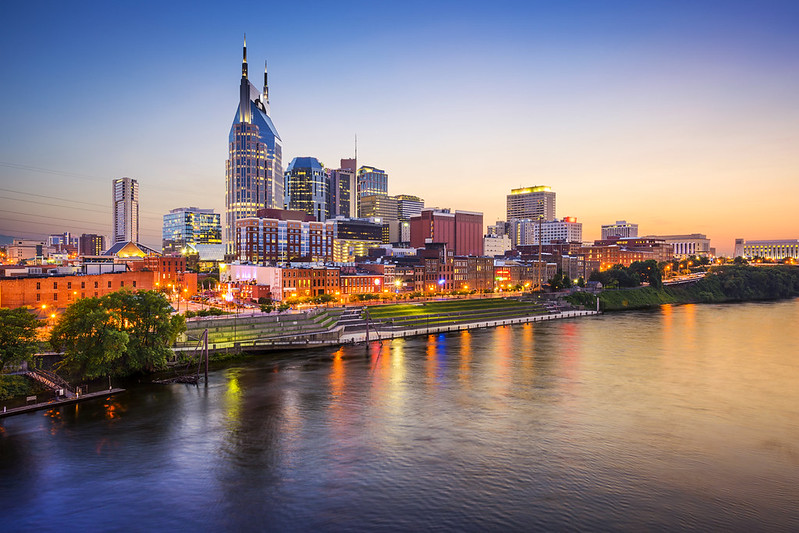
The Cumberland River runs beside downtown Nashville, yet many visitors spend more time facing Broadway’s neon than looking toward the water. Riverfront walks offer skyline views, bridges, open space and a chance to see downtown from a completely different angle.
The change in perspective is immediate.
Turn away from the bars and the city opens.
The skyline stretches instead of towering directly overhead. Bridges frame the river. The stadium side and downtown side suddenly make geographic sense.
At the right moment, the water catches the light and Nashville looks less like a party and more like a river city.
That is easy to forget.
You do not need a rooftop reservation to get a memorable Nashville skyline view.
Walk instead.
Give yourself enough time that the riverfront is not merely a shortcut between two paid attractions.
The practical advantage is obvious: enjoying the view itself costs nothing.
The trap is thinking free automatically means second-rate.
Nashville sells plenty of skyline experiences, but the Cumberland has been supplying its own view all along.
Bring comfortable shoes and pay attention to your route back, particularly if your walk extends into the evening.
Then put the camera away for a minute.
Because Nashville’s next experience works best when you stop trying to photograph everything.
The Honky-Tonk Trick Almost Nobody Puts on an Itinerary
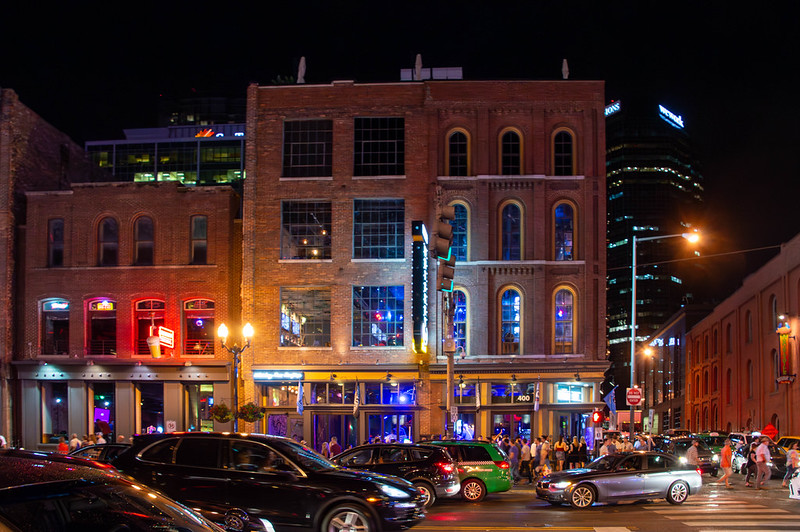
Walk into a Nashville honky-tonk and there is a good chance somebody onstage is playing at a level far above what the casual crowd realizes. The problem is that many visitors treat the band as soundtrack rather than the reason the room exists.
Try something different.
Stop talking.
Watch the guitar player.
Listen to the rhythm section.
Pay attention to the singer when the room gets noisy.
You start noticing how much work is happening on that little stage.
This changes Broadway.
Instead of seeing a wall of interchangeable bars, you begin hearing individual bands and musicians.
Here’s the whole trick.
For one full set, treat the honky-tonk like a listening room instead of a party room.
You may be surprised how much more you remember.
The practical side is wonderfully uncomplicated. Pick a place where the music catches your ear and stay long enough to hear more than half a song.
Do not keep changing bars merely because a checklist says you need to see six of them.
That is the trap.
Broadway can turn into a blur because visitors spend the whole evening moving.
Stay still occasionally.
Listen.
Nashville rewards that.
And for the second-to-last experience, leave the honky-tonks entirely. One of the city’s best tricks is discovering how many different Nashvilles exist only a few neighborhoods apart.
The Afternoon That Proves Downtown Is Only One Version of Nashville
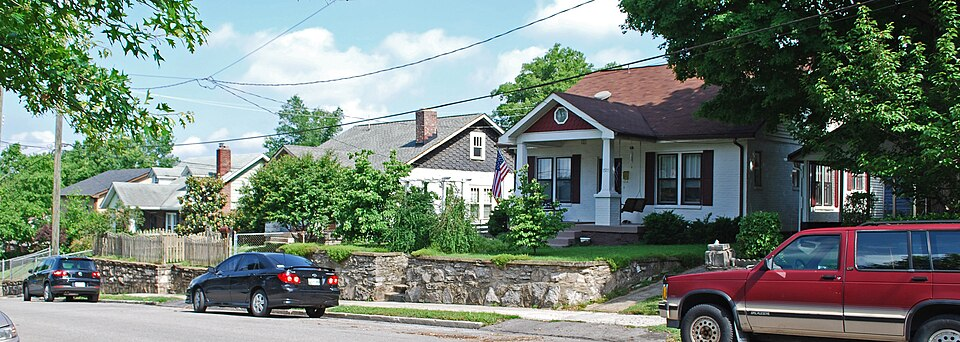
East Nashville, Germantown, 12 South, Hillsboro Village and other neighborhoods give visitors an entirely different rhythm from downtown. Walking these areas can mean coffee, shops, restaurants, murals, older homes and ordinary pieces of daily Nashville life rather than one attraction after another.
That ordinary part is important.
Vacation itineraries usually edit ordinary life out.
But ordinary Nashville is where you start seeing why people actually enjoy living here.
A front porch.
A neighborhood restaurant.
A record shop.
Someone walking a dog.
Music coming from a room that does not have a 40-foot neon sign above it.
Suddenly the city feels less like a product.
The biggest Nashville itinerary mistake is confusing downtown Nashville with all of Nashville.
Pick one neighborhood rather than trying to speed-run four of them.
Walk where appropriate. Eat somewhere nearby. Browse a shop because it looks interesting rather than because it appeared on a viral list.
The trap is treating residential neighborhoods like themed tourist districts.
They aren’t.
Be considerate about parking, private property, noise and photographs.
Slow down enough to notice what makes one neighborhood different from another.
Then comes the hardest Nashville experience to plan.
You cannot really plan it at all.
The Nashville Afternoon You Deliberately Leave Blank
Leaving several hours unplanned sounds almost irresponsible when hotel nights, meals and attraction tickets cost real money. But an open afternoon may be the easiest way to discover the Nashville that rigid itineraries filter out.
Do not schedule every minute.
Walk.
Follow music coming through a doorway.
Browse a store you did not know existed.
Sit somewhere for coffee.
Take the scenic route between two neighborhoods.
Look at the city instead of constantly checking what comes next.
That freedom changes the trip.
Here’s the uncomfortable truth.
A perfect itinerary can guarantee that you see everything on your list while leaving no time to discover anything that wasn’t on it.
The insider tip is to create the blank space intentionally.
Do not wait until something gets canceled.
Choose one morning or afternoon before the trip and refuse to fill it.
The trap is panic-booking another attraction because an empty calendar looks like wasted vacation time.
It isn’t.
Nashville is a city built around unexpected music, conversations, neighborhood restaurants and places that rarely appear on a first-timer’s checklist.
Give those things somewhere to happen.
The Unexpected Fact About Nashville
Nashville’s strangest quality may be that the clichés are not actually wrong.
Broadway really does matter. Hot chicken really is part of the city’s story. The Grand Ole Opry, Ryman Auditorium and recording studios really did help make Nashville one of America’s great music cities.
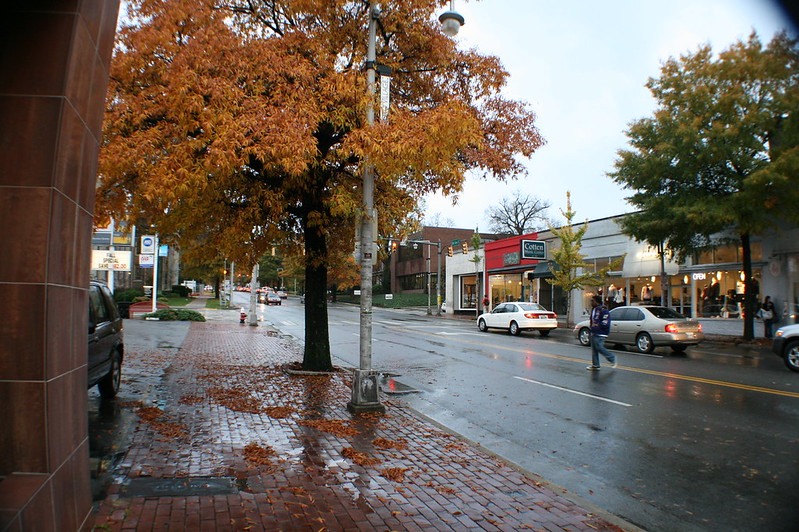
The mistake is believing those famous pieces are the whole picture. Nashville also has songwriter rooms where people listen in silence, bluegrass in an old building surrounded by new construction, Greek architecture in a city park, wooded trails inside the metropolitan area, historic neighborhoods and a century-old food tradition that existed long before tourists arrived looking for it.
That is why two people can spend the same weekend here and come home describing completely different cities.
Do the famous things you genuinely want to do. Then walk one more block, stay for one more song, explore one neighborhood you did not recognize from Instagram, and leave a few hours with absolutely nothing scheduled.
Nashville gives up its best stories slowly.
The trick isn’t seeing everything. It’s leaving enough room to notice the city while you’re here.