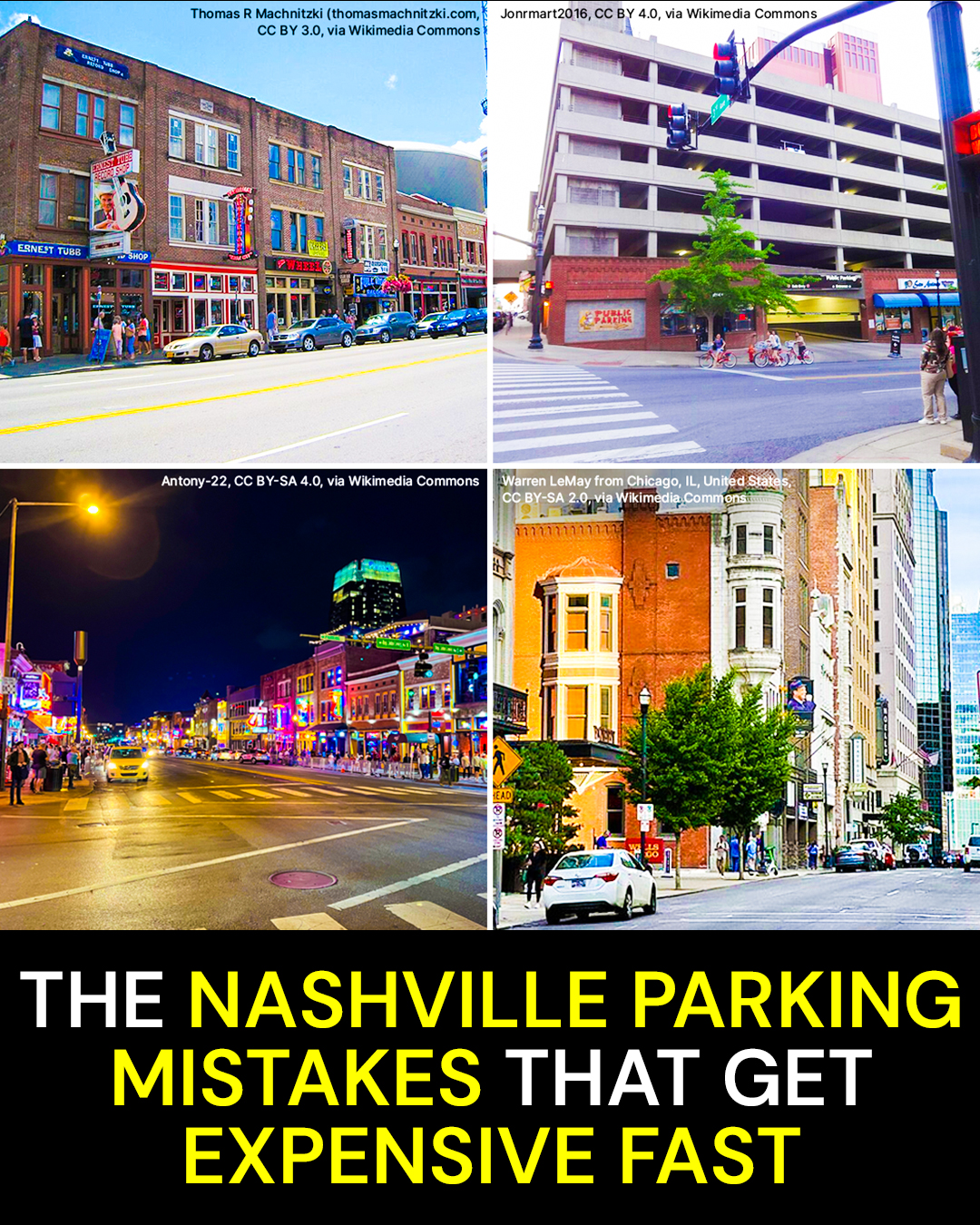
A few hours of Nashville parking can cost anywhere from a handful of dollars at a Metro garage to substantially more at a private lot near a major event. Over a three-day trip, parking can quietly become one of the biggest expenses nobody bothered to put in the vacation budget.
The good news is that most painful parking bills start with predictable mistakes. Nashville’s current parking rules, public garage rates, airport options, and the habits that repeatedly catch visitors reveal something useful: planning where the car will sit can matter almost as much as planning where you will sleep.
The Hotel Charge That Hides Behind a Good Room Rate
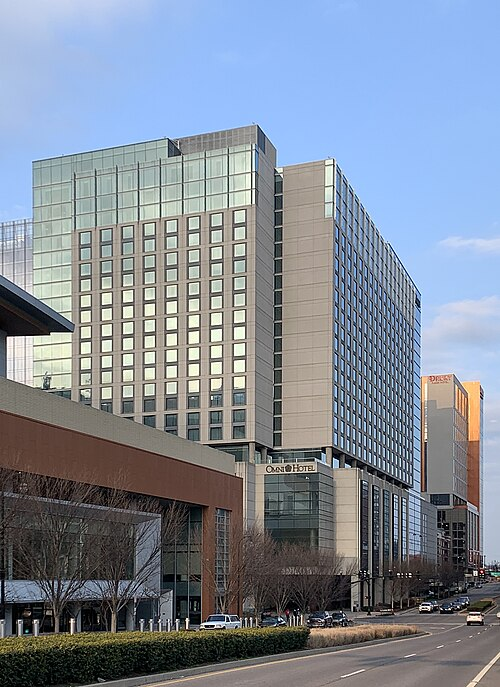
A Nashville hotel can have a garage without including that garage in the room rate. Downtown and nearby hotels may offer self-parking, valet parking, or both, and the important number is not simply what the room costs. It is what the room and your car cost together.
This is how the surprise sneaks up on people.
You find a room that looks like a deal. The location is right. Broadway is close. You picture dropping the bags, walking to dinner, and coming back without worrying about the car.
Then parking becomes another daily charge.
Stay several nights and what looked like a small difference between two hotels can turn into real money. That hurts even more when the car barely moves after check-in.
Here’s what catches people off guard.
A cheaper hotel room is not necessarily the cheaper Nashville stay once overnight parking is added.
Before booking, look specifically for overnight parking charges, self-parking versus valet, taxes or additional fees, and whether you have in-and-out privileges.
That last one matters. If leaving and returning changes what you pay, a day of sightseeing by car may not work the way you expected.
The trap is comparing hotels by the room rate shown on the first screen. Compare the total cost of sleeping there with a vehicle.
If you plan to leave the car parked most of the weekend, also ask yourself whether paying for the most convenient parking option accomplishes anything.
Because the next mistake is paying extra for convenience you hardly use.
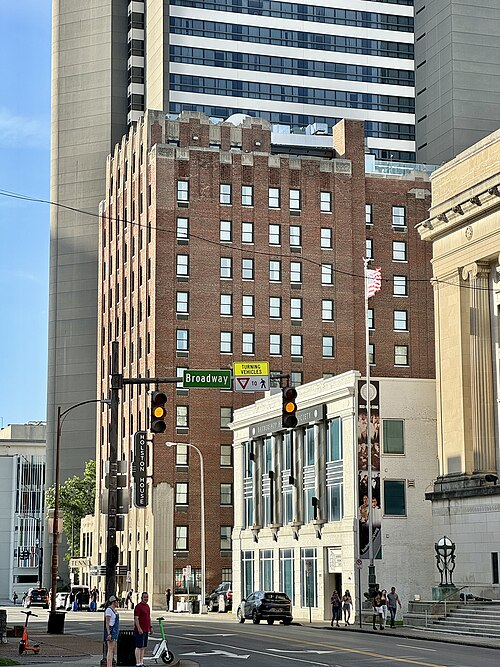
The Convenience Upgrade You May Never Actually Need
Valet parking solves a very specific problem. You arrive at the hotel, hand over the keys, and walk inside without hunting for a space.
That feels especially good after a long interstate drive.
The bags come out. The lobby doors slide open. Somebody else deals with the garage.
Convenient? Absolutely.
Automatically worth paying more for several nights? Not necessarily.
Here’s the part worth thinking through.
If your car is going to sit untouched for most of the trip, you may be paying a premium every day for a service you use only when arriving and leaving.
Compare the hotel’s valet and self-parking options before you arrive. Then compare both with nearby public parking if the hotel allows you to use an alternative.
Also think about your actual itinerary.
If Friday night, Saturday, and Sunday morning are all happening downtown on foot, repeatedly retrieving the car may make little sense anyway.
The trap is choosing valet automatically because you are tired when you arrive. That is exactly when convenience wins the argument.
Know the numbers before the tires hit the driveway.
And whatever you choose at the hotel, do not repeat the same mistake a few hours later by driving downtown with absolutely no idea where you are going to put the car.
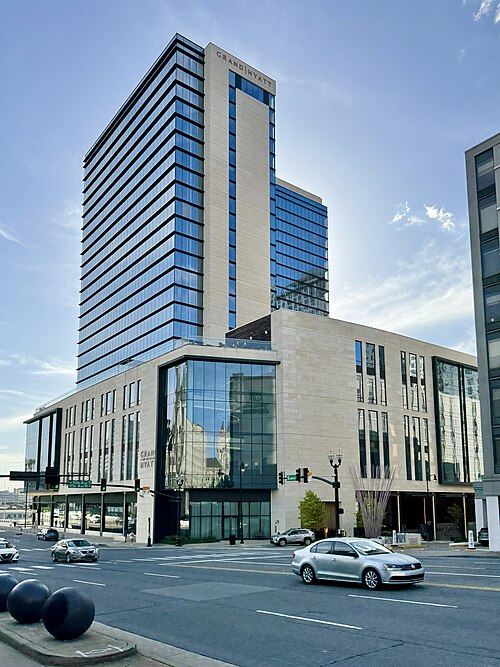
The Downtown Decision You Should Make Before Leaving the Hotel
Downtown Nashville is not the place to begin your parking research from the driver’s seat.
The Central Parking District includes downtown, SoBro, The Gulch, and an economy zone. Metro’s current on-street system uses progressive rates, and downtown on-street parking is enforced 24 hours a day.
Picture the familiar arrival.
Broadway is somewhere ahead. Pedestrians are crossing. Delivery vehicles are stopping. Your passenger is reading street signs while somebody behind you wants you to move.
Then you spot a garage entrance.
At that moment, price comparison tends to disappear.
You just want the car gone.
That’s how an unplanned parking decision gets expensive.
The worst time to decide where to park downtown is when you are already downtown, surrounded by traffic and running late.
Before leaving the hotel, identify at least a couple of realistic parking choices near the part of downtown you actually plan to visit.
You do not necessarily need the garage directly beside your destination.
The Metro Courthouse/Public Square Garage at 101 James Robertson Parkway, for example, currently lists $5 parking after 5 p.m. on weekdays and $5 on Saturdays and Sundays, although special event rates can apply.
That is the kind of information worth knowing before you drive.
The trap is thinking proximity equals value.
In downtown Nashville, sometimes the expensive decision and the cheaper decision are only a few blocks apart.
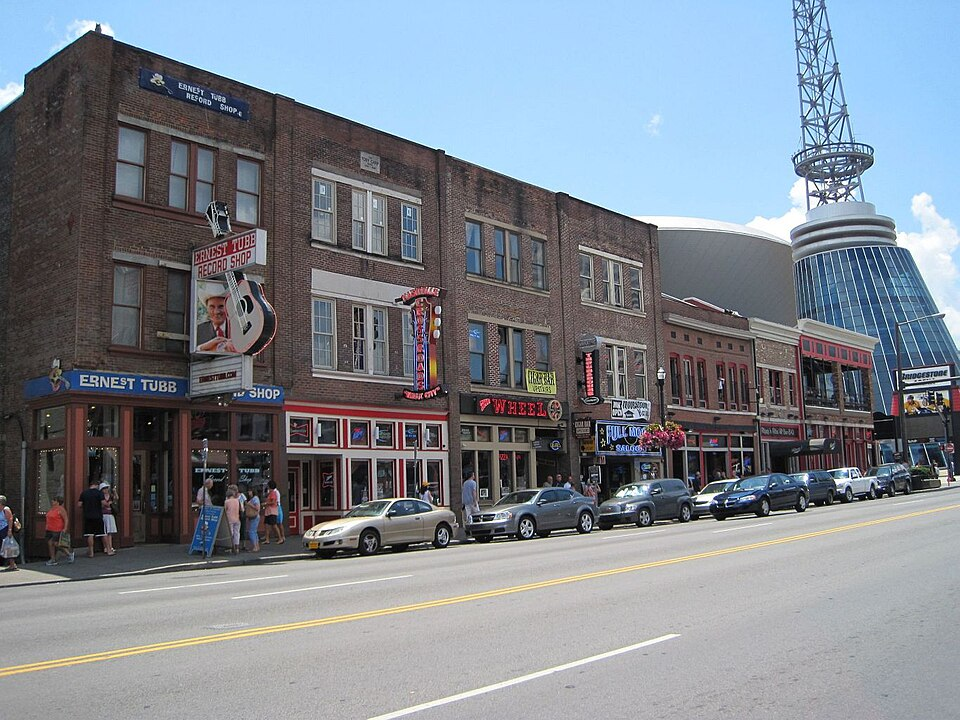
The Garage Closest to Broadway Can Cost You More Than the Walk
Nashville’s Metro-owned downtown parking currently ranges from $3 to $20 for the all-day maximum, depending on the facility and timing. Metro also warns that privately owned parking immediately around Bridgestone Arena and the downtown entertainment district may cost more.
That should tell you something.
Location has value.
The closer you try to put the bumper to the front door, the more important it becomes to check the price before entering.
On a hot Tennessee afternoon, those extra blocks can look mighty long. After dinner, when your feet are tired and Broadway is glowing behind you, the nearest garage feels even more appealing.
But Nashville’s compact downtown means a slightly longer walk can connect several stops instead of just one.
Here’s the mistake.
“Closest” and “best value” are two completely different parking categories.
Look at the total parking period, not just the first hour.
Metro’s Public Square Garage, for instance, currently lists weekday parking at $8 an hour with a $20 rate after three hours, then $5 after 5 p.m. until 5 a.m. Weekends are listed at $5, with special-event pricing possible.
That means timing can matter almost as much as location.
Wear shoes you are comfortable walking in and treat a few blocks as part of the downtown experience.
Just remember that the same garage can become a different financial proposition when 60,000 other people are heading downtown too.
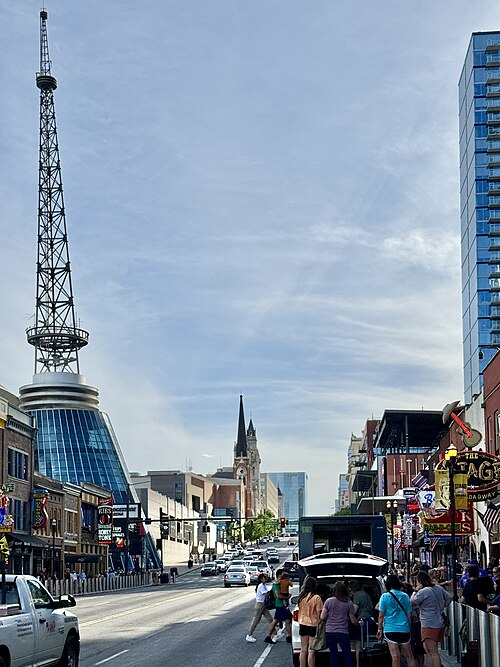
The Night a Normal Parking Rate Suddenly Stops Being Normal
Nashville’s parking math changes on event nights.
Metro says special-event parking at its downtown garages ranges from $10 to $15. The Downtown Nashville Partnership specifically notes that the Metro Courthouse Garage’s normal $5 evening and weekend rate becomes $15 for Titans games and Nissan Stadium events.
That difference is easy to miss when your attention is on the concert.
Downtown begins filling hours before showtime. Jerseys appear on sidewalks. Lines build outside restaurants. Traffic thickens around the river and arena district.
The closer kickoff or showtime gets, the less patience anyone has for comparing parking.
That is when people make expensive decisions.
A parking rate you saw on an ordinary Nashville day may not be the rate waiting for you during a major downtown event.
Check event parking before leaving, especially for Nissan Stadium, Bridgestone Arena, downtown festivals, and major concerts.
Arriving earlier can also give you more choices, although it does not guarantee an ordinary rate.
Read the price displayed for the actual parking session you are buying. Do not rely on what you paid there last month or what somebody online remembers paying.
The trap is treating parking as the last step before the show.
For big Nashville events, it belongs in the plan right beside the tickets.
And once you finally find a good space, there is another expensive habit to resist.
Leave the car there.
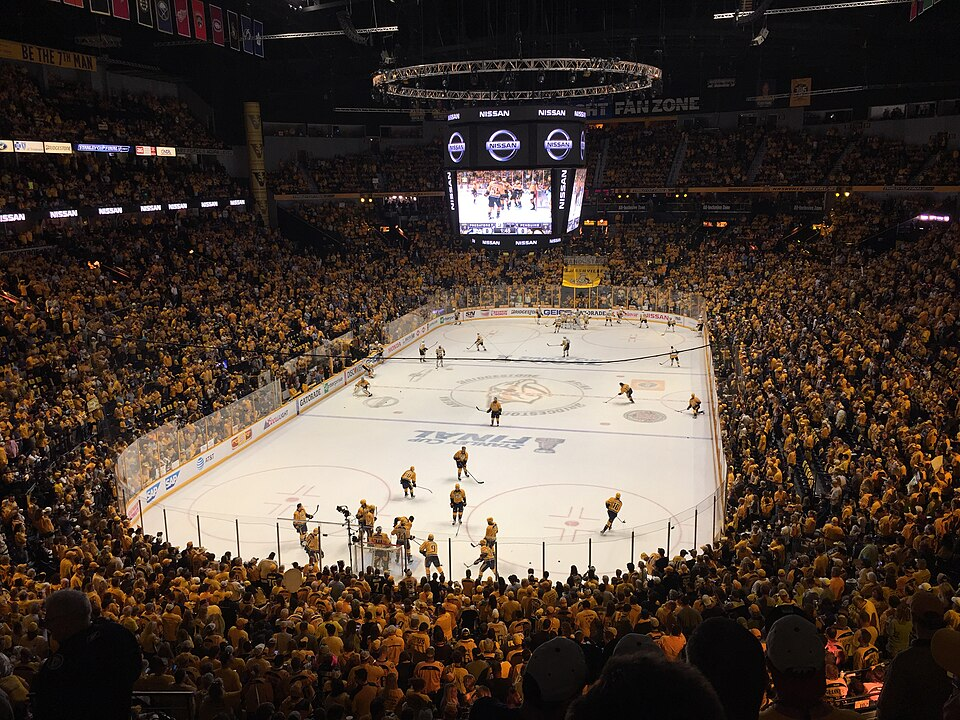
The Car That Costs You Money Every Time You Move It
Parking for breakfast, moving for sightseeing, moving again for lunch, then paying somewhere else for dinner sounds perfectly normal.
It can also mean four parking transactions in one day.
Nashville makes this mistake tempting because attractions look scattered when you first study the city.
But downtown is better handled in clusters.
Park, step onto the sidewalk, and suddenly the city makes more sense at walking speed. Music leaks through open doors. You pass old facades, restaurants, murals, shops, honky-tonks, and corners you would never notice through a windshield.
Your car does not need to participate in every meal.
Here’s the trick.
Parking once can save both money and a surprising amount of Nashville vacation time.
Group downtown attractions together. Do the same when spending time in neighborhoods outside the core instead of bouncing back and forth after every stop.
Metro’s on-street system allows sessions as long as 10 hours in applicable zones, although the rate increases with longer stays and posted restrictions always control. In the Central Parking District, current rates are $2 per hour for the first two hours, $5 per hour for hours three and four, and $6 per hour at five hours or longer, with a 10-hour maximum.
That does not mean street parking is always your best all-day choice. It means you should compare the actual length of your stay with garage options.
The trap is treating Nashville like a collection of individual addresses instead of neighborhoods.
Sometimes the smartest parking move is simply not touching the car again.
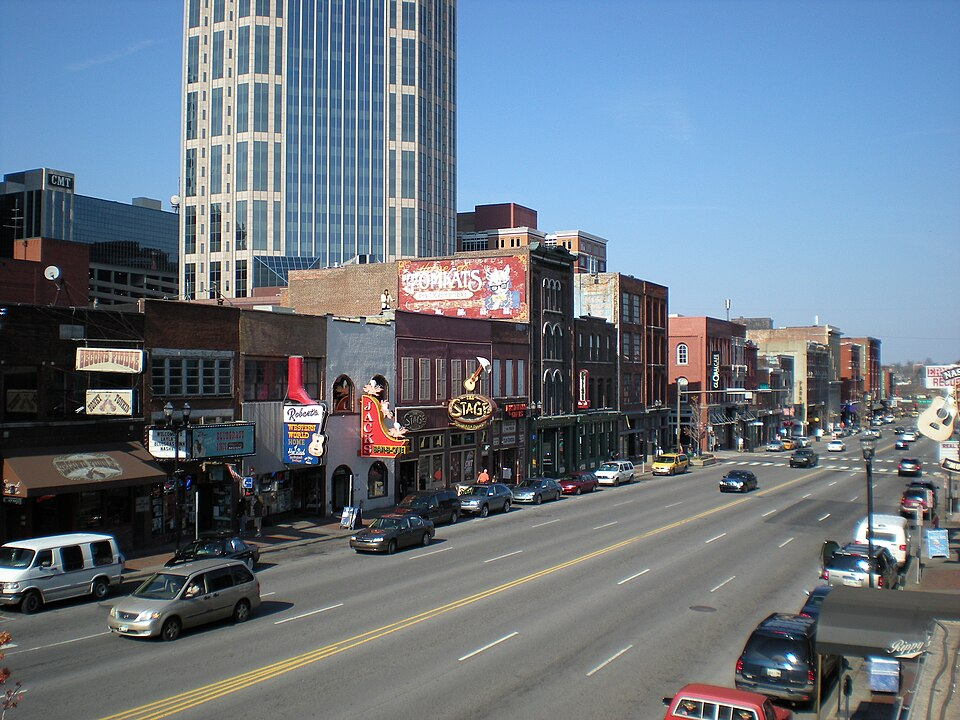
The Five-Minute Errand That Turns Into a Full Parking Session
Not every Nashville stop deserves a garage.
Maybe you are grabbing coffee. Picking up food. Running into a shop. Meeting somebody briefly.
Visitors who do not know the area sometimes default to the first obvious paid facility because uncertainty feels worse than paying.
The gate rises.
The ticket comes out.
And suddenly a tiny errand has become another parking expense.
Here’s where patience helps.
Before pulling into paid parking, decide whether you are actually staying long enough to need it.
Nashville has on-street paid parking throughout the Central Parking District and portions of areas farther west. Payment can be made by phone, credit card, or coin, although credit card transactions carry a convenience fee.
For a short stop, legal on-street parking may make more sense when available.
But there is one word in that sentence doing a lot of work: legal.
Do not assume an open curb is available simply because nobody else is parked there.
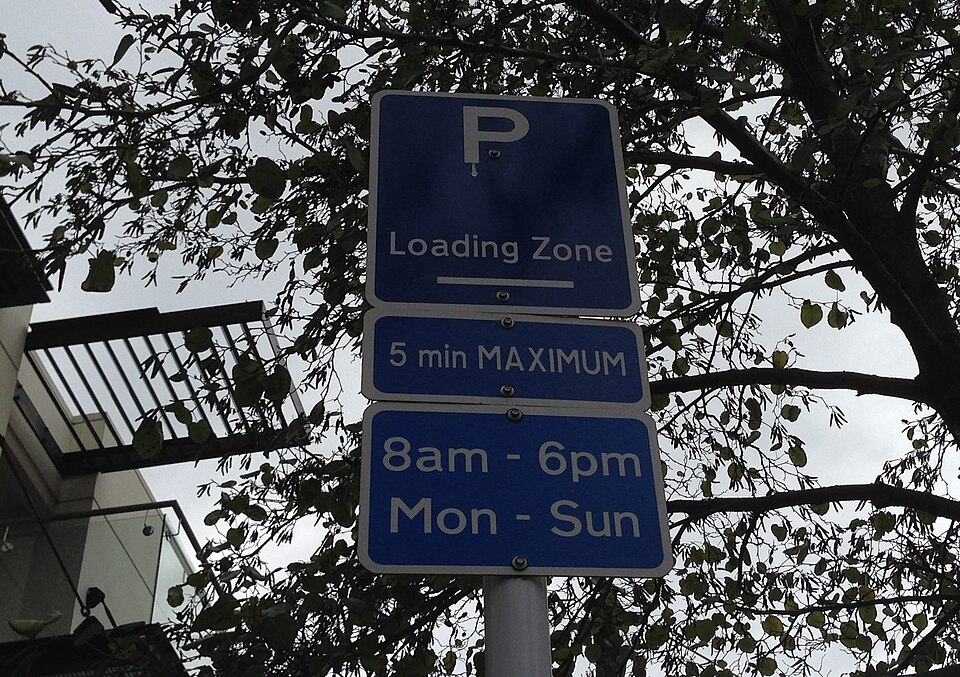
Read the signs before walking away. Check the zone, restrictions, posted time limits, payment instructions, loading rules, and any other conditions.
The trap is saving a few dollars on parking while creating a much more expensive problem.
Because Nashville’s most dangerous parking space is sometimes the one that looks completely free.
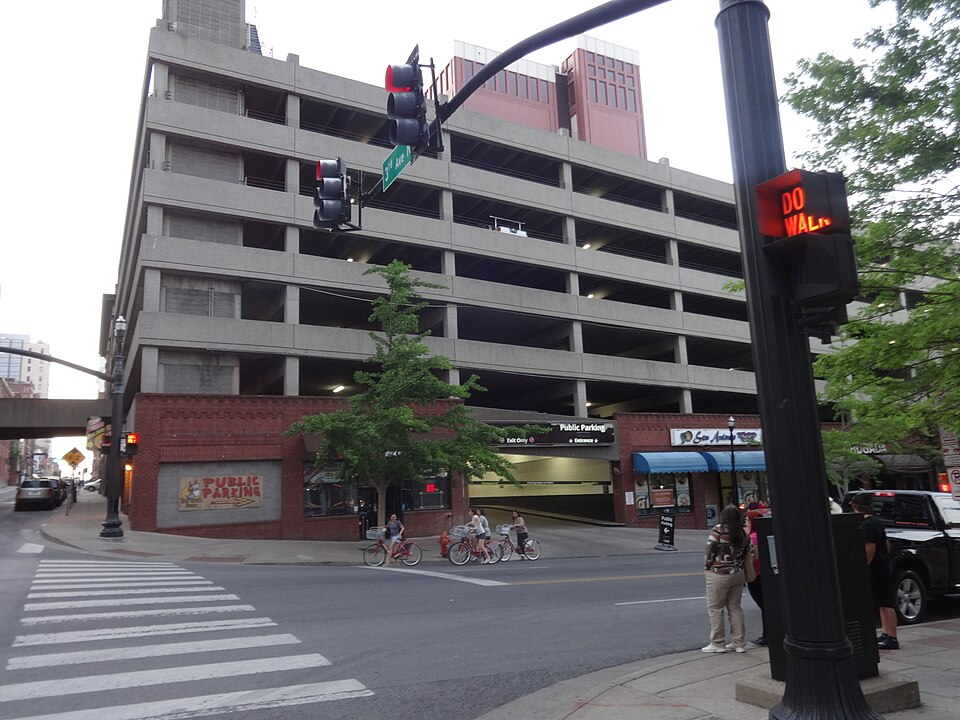
The Empty Curb That Is Not Really a Parking Space
An empty stretch of curb can feel like hitting the Nashville parking lottery.
Especially downtown.
You have circled a block, garages are filling, and there it is. No car. No gate. No obvious meter standing beside it.
Do not celebrate yet.
Nashville’s curb space includes loading areas and other restricted locations, and both NDOT Parking Enforcement and Metro Nashville Police enforce curbside parking rules.
The city itself gives the simplest advice possible: read posted signage because regulations and enforcement vary by location.
Here’s what people forget.
An empty space tells you absolutely nothing about whether you are legally allowed to leave a car there.
Walk the curb before walking away from the vehicle.
Look beyond the exact spot where you parked. A restriction sign may be farther along the block, and pavement markings can matter too.
At night, slow down enough to actually read.
The trap is copying somebody else. One parked car nearby does not prove that either of you belongs there.
If the rules are unclear, another space is cheaper than gambling with a citation or tow.
And Nashville’s current enforcement schedule makes old advice about “free after a certain hour” particularly dangerous.
The Old Nashville Parking Advice That Can Now Get You in Trouble
Downtown Nashville’s Central Parking District is currently enforced 24 hours a day.
That includes Zone 1 downtown, Zone 2 SoBro, Zone 3 The Gulch, and Zone 8, the economy zone. Other paid-parking areas including Music Row, Edgehill, Midtown, Hillsboro Village, and Economy Zone 9 are enforced from 6 a.m. until midnight.
That matters because outdated Nashville parking advice still floats around.
Someone remembers an old enforcement schedule.
A visitor assumes late night means free.
Another person sees a quiet street on Sunday and figures enforcement must be finished.
Those assumptions can age badly.
In downtown Nashville, paid on-street parking is currently enforced 24/7.
Always follow the current sign and payment information at the space.
Metro’s Central Parking District currently charges $2 per hour for the first two hours. The rate rises for longer stays, with a maximum parking session of 10 hours. Economy Zone 8 is $2 per hour.
Outside the Central Parking District, the first two hours are also $2 per hour, with lower long-stay rates than the central district and a $1-per-hour Economy Zone 9.
You can extend a parking session by phone twice, up to the 10-hour maximum. Once the session expires, Metro says the vehicle must leave that parking zone for at least 30 minutes.
The trap is trusting memory instead of the sign in front of you.
Nashville parking has changed.
Your plan should change with it.
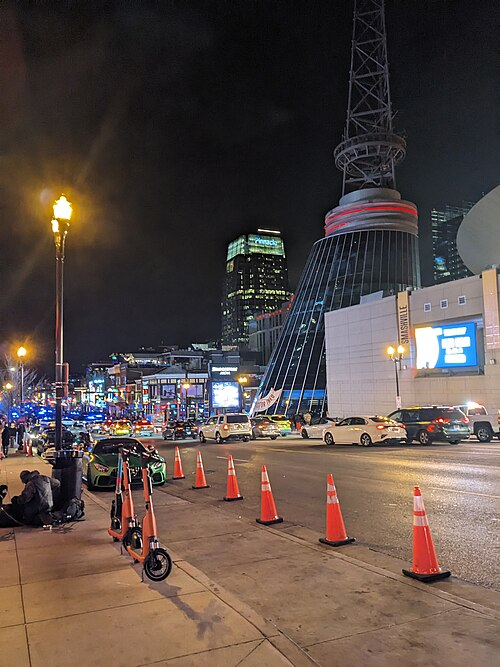
The Airport Expense People Remember After Booking the Flight
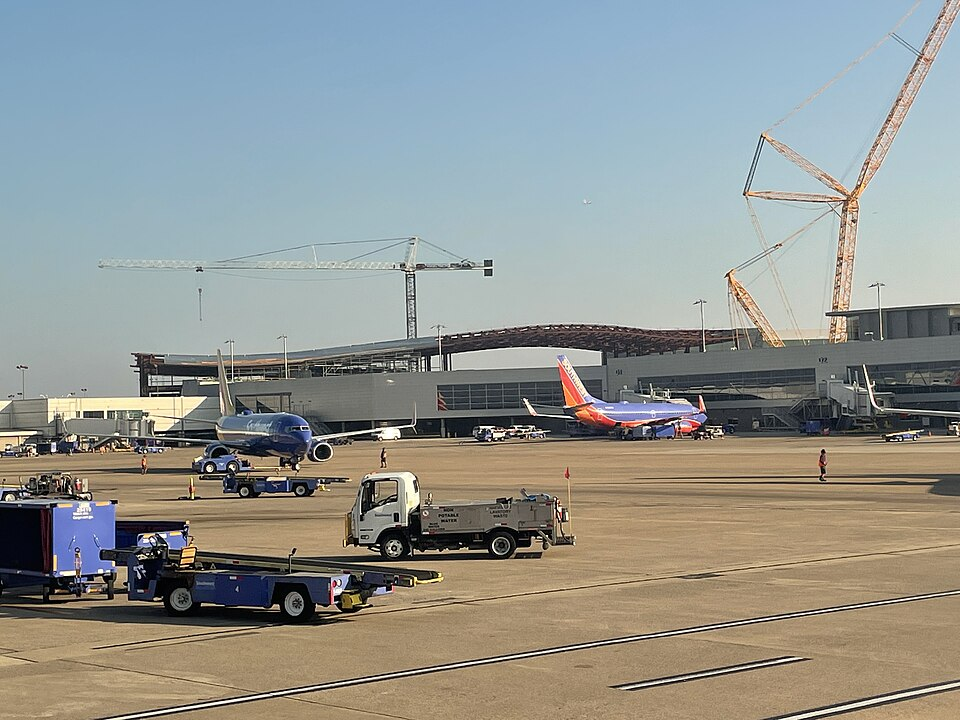
Nashville International Airport parking is easy to forget while budgeting because it happens at the beginning and end of a trip.
As of July 1, 2026, BNA parking is cashless, and Terminal Lot A is closed while construction proceeds on a new rental-car facility and parking garage.
That is exactly the kind of detail worth checking before departure morning.
You do not want to arrive half awake, coffee in the cup holder, luggage piled behind you, and discover that the parking routine you remember has changed.
BNA currently lists Economy Lot B at $24 per day. It includes complimentary shuttle service scheduled every 10 minutes. Valet parking is currently $36 per day.
Do the multiplication before you leave home.
At $24 per day, five days in Economy Lot B comes to $120 before you have spent a dollar at your destination.
Compare that total with getting dropped off, using a taxi or rideshare, or choosing another airport parking option available for your dates.
BNA’s licensed taxi flat rate between the airport and downtown is currently $30.
The insider move is not automatically choosing the closest airport space. Decide how much convenience is worth for the length of your trip.
If you need cash, BNA says Cash-to-Card machines are available inside the terminal because the parking operation itself is now cashless.
The trap is waiting until the airport entrance to think about any of this.
But airport parking is not the only way travelers accidentally pay twice.
The Double-Parking Day That Eats Your Nashville Budget
Here is a painfully common sequence.
You pay to keep the car at the hotel overnight.
Then you drive downtown and pay to park again.
Later you move to another neighborhood and start another parking session.
By bedtime, one vehicle has generated several separate charges without traveling very far at all.
That is why transportation should be planned as a whole instead of treating every trip separately.
If you are already paying to store the car at your hotel, leaving it there may sometimes be the cheapest thing that car does all day.
Walk when destinations are close enough. Compare public transportation, taxi, and rideshare costs when they are not.
This is particularly useful when several people are traveling together. A single ride divided among a group can look very different once the alternative includes another parking charge.
The practical question is not, “Do we have a car?”
Of course you have a car.
The question is, “Does the car need to come with us?”
The trap is assuming that because you already paid to bring or rent a vehicle, using it for every trip is automatically economical.
That money is already spent.
Judge each outing by what it costs from this point forward.
Which leads to one of the biggest Nashville travel-budget misconceptions of all.
The Ride That Looks Expensive Until You Add the Parking
Driving feels cheap because the car is sitting right there.
A rideshare displays its cost on the screen before the trip. Parking expenses arrive in pieces, which makes them easier to underestimate.
Gas.
Hotel parking.
Downtown parking.
Another garage later.
Time spent circling.
Suddenly “we’ll just drive” is not the simple calculation it appeared to be.
Do not compare rideshare with gasoline alone. Compare rideshare with gasoline, parking, time, and convenience.
This does not mean rideshare is always cheaper.
It isn’t.
Prices change with demand, trip length, and timing. The point is to compare the whole trip instead of one convenient piece of it.
For groups, do the math per person.
For downtown evenings, also consider whether anyone in the group plans to drink. The safest transportation choice matters more than shaving a few dollars from the trip.
Nashville even operates a Responsible Ride Program tied to on-street parking citations. Metro says qualifying drivers who choose a safer ride home and provide documented proof may have one parking violation waived, with the waiver request required within 24 hours of receiving the ticket.
That is not a parking strategy. It is a safety net.
The trap is starting every outing with “we have a car, so we might as well drive.”
Sometimes the cheaper decision is the one that leaves the keys behind.
And sometimes saving money can cost something just as valuable.
Your vacation.
The $5 Saving That Steals Half an Hour of Your Trip
There is a point where cheap parking stops being cheap.
You circle.
Then circle again.
You pass the destination, miss a turn, crawl through another light, and start checking the same streets you checked ten minutes earlier.
Technically, you are still hunting for a better deal.
In reality, Nashville is happening outside the windshield while you are looking for somewhere to leave the car.
The original research for this guide describes the classic version perfectly: spending 25 minutes searching, another 10 circling, and more time getting back to the place you actually wanted to visit.
Here’s the calculation travelers rarely make.
A parking space that saves $5 but costs a large chunk of your afternoon is not automatically the cheaper choice.
Set a limit before you start searching.
Know one or two backup options. If your first choice is full, go to the second rather than beginning an improvised tour of downtown parking garages.
This becomes even more important before timed reservations, concerts, tours, and sporting events.
The trap is becoming emotionally committed to “winning” at parking.
Nobody comes home from Nashville bragging that they spent 40 minutes finding a slightly cheaper rectangle of concrete.
Pay attention to value, not merely price.
Then use the time you saved for something that actually feels like Nashville.
Better yet, turn the walk from the car into part of the trip.
The Parking Space Five Minutes Farther Away That Gives You More Nashville
Nashville visitors often try to park beside every destination.
That instinct makes sense in a sprawling city.
Downtown is different.
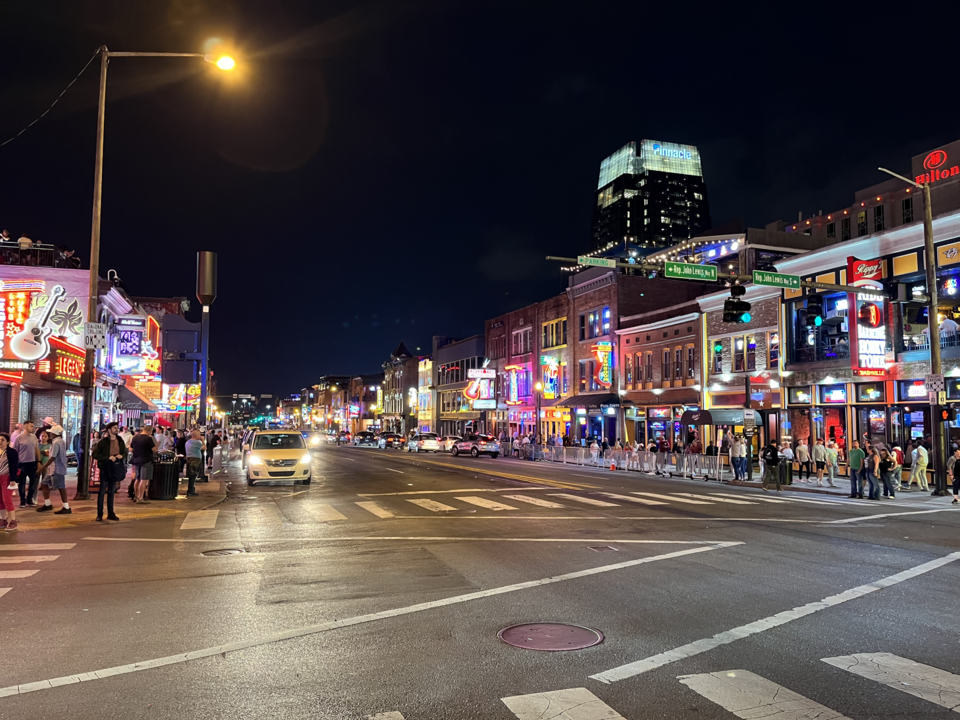
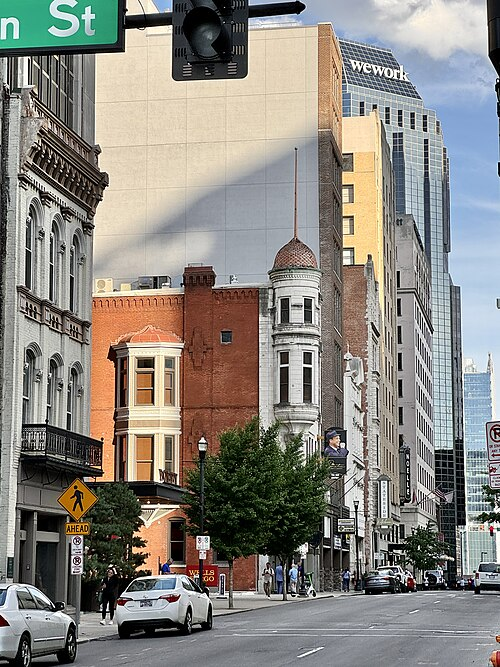
Park strategically and those extra blocks become part of what you came to see. You hear guitars through open doors before you see the stage. Neon starts glowing as daylight fades. Food smells drift onto the sidewalk. Old brick buildings sit beside glass towers.
You begin noticing the city between the attractions.
Sometimes the parking space that puts you five minutes farther away gives you a better Nashville afternoon.
The Metro Courthouse/Public Square Garage is a useful example. It sits at 101 James Robertson Parkway and has entrances from James Robertson Parkway and Gay Street. The Downtown Nashville Partnership points to it for Nissan Stadium, Riverfront Park, Second Avenue businesses, TPAC, and Municipal Auditorium.
That means one parking decision can put several downtown destinations within the same walking outing.
Bring comfortable shoes. In warm weather, bring water. Check the forecast before committing to a longer walk.
And remember that accessibility changes the equation. The best parking choice is the one that works for the people actually traveling with you, not the one that wins a theoretical cheapest-space contest.
The trap is paying repeatedly to eliminate every short walk.
Nashville is better when you occasionally stop looking at it through a windshield.
But there is one last rule that ties nearly every expensive parking mistake together.
The Unexpected Fact About Nashville Parking
The most useful Nashville parking fact is not the address of one secret cheap garage.
It is that the city’s public parking system now changes substantially depending on where and how long you park. Downtown on-street spaces are enforced 24 hours, rates increase with longer stays, economy zones offer different pricing, and Metro-owned garages have separate evening, weekend, and special-event structures.
In other words, the old strategy of driving downtown and “figuring it out” is exactly backward.
The real Nashville parking trick is deciding before you arrive: where you are going, how long you are staying, what the legal options cost, and whether the car needs to make the trip at all.
A little planning can keep your money out of parking garages and put it where a Nashville trip deserves it, toward food, music, and the places you will actually remember.
The best parking deal in Nashville is the one you never have to think about again after you step out of the car.