A Saturday in Nashville used to mean a trip downtown, a few dollars for entertainment, and an entire afternoon of memories. Today, some of those familiar places have vanished, while others survive only in photographs and stories.
From a beloved amusement park to downtown department stores, old swimming pools, and unforgettable concert nights, these 12 Nashville traditions reveal just how much Music City has changed. And one of the sweetest memories has nothing to do with country music.
1. The Amusement Park Where Nashville Families Spent Entire Summers
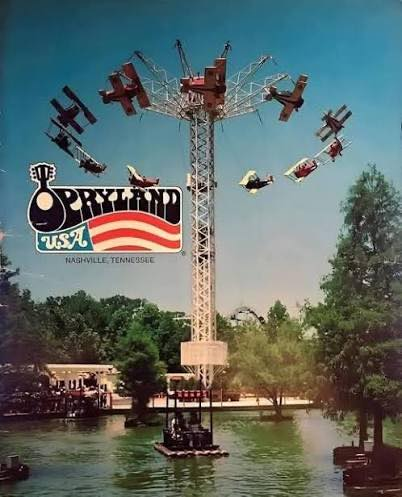
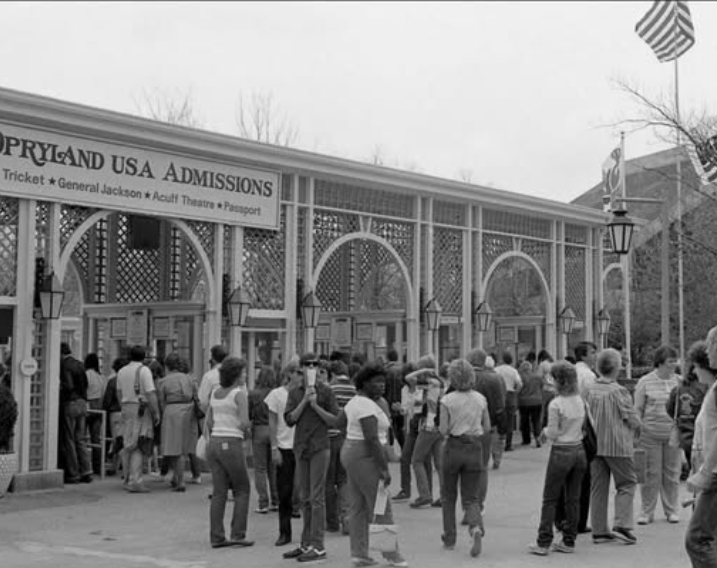
Opryland USA opened on May 27, 1972, near the Cumberland River, not far from where Opry Mills stands today. For 25 years, this music-themed amusement park gave Nashville families something that is difficult to replace: a major theme park right in their own backyard.
And it wasn't just about roller coasters.
Opryland called itself the Home of American Music, and the entertainment reflected that promise. Country, bluegrass, rock, and Broadway-style performances were part of the experience, alongside rides that became household names across Middle Tennessee.
The Wabash Cannonball sent riders twisting through its corkscrew track. The Grizzly River Rampage offered a welcome soaking during Tennessee's sticky summer afternoons.
Later attractions included the Hangman, an inverted roller coaster that delivered an entirely different kind of thrill.
Picture the scene.
The air is thick with humidity. Music drifts across the walkways. Somewhere nearby, a roller coaster rattles overhead while families decide which attraction to visit next.
There are people carrying snacks, children studying park maps, and grandparents finding a comfortable place to watch a show.
For many Nashville families, the destination wasn't a once-in-a-lifetime vacation. It was a familiar summer outing.
Here's what catches people off guard.
Opryland USA closed after the 1997 season, even though it remained one of Nashville's most recognizable family attractions.
The property eventually became Opry Mills, which opened in 2000.
That means the place where people once rode roller coasters, watched musical productions, and spent summer afternoons is now associated with shopping, restaurants, and indoor entertainment.
For visitors today, Opry Mills is still worth knowing about, particularly if the weather turns unpleasant. Its proximity to the Grand Ole Opry House and Gaylord Opryland makes it convenient to combine several attractions in one area.
But don't arrive expecting remnants of the old amusement park to be operating.
The original rides are gone, and the shopping center is a completely different experience.
The practical trick is to treat Opry Mills as part of the modern Opryland entertainment district rather than a replacement for the old park. A visit to the Grand Ole Opry or the surrounding resort area helps explain why this corner of Nashville has remained a major destination.
For longtime residents, though, the name Opryland still brings back something no shopping bag can hold.
And before Nashville families spent their Saturdays riding roller coasters, another downtown destination made getting dressed up feel like part of the fun.
2. When Getting Dressed Up to Go Shopping Was a Nashville Tradition
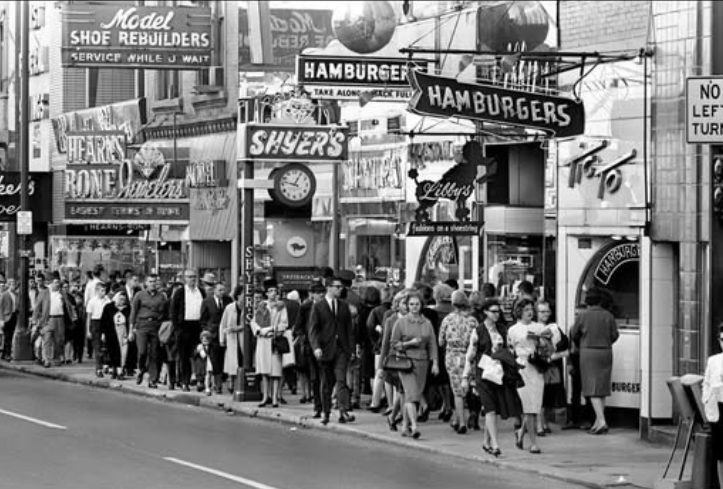
Church Street was once the center of Nashville's downtown shopping world. During the middle decades of the twentieth century, major department stores such as Harvey's, Cain-Sloan, and Castner-Knott made a trip downtown feel like an occasion.
This wasn't the kind of shopping trip where someone rushed into a store, grabbed one thing, and hurried back to the car.
For many families, it was an outing that could fill much of the day.
Imagine polished display windows, carefully arranged merchandise, elevators carrying shoppers between departments, and sidewalks filled with people moving from one familiar store to another.
During the holidays, the experience became even more memorable.
Elaborate Christmas decorations and seasonal window displays gave children something to look forward to beyond the presents waiting at home.
Harvey's was particularly famous for its family-friendly attractions.
Its Monkey Bar became one of the city's unusual dining memories, while Cain-Sloan developed its own holiday traditions, including Bunnyland.
Shopping downtown could involve much more than purchasing clothes or household goods.
A family might browse several departments, stop for lunch, admire the seasonal decorations, and finish the afternoon with a movie.
The stores themselves were destinations.
Here's what younger Nashville residents might not realize.
Church Street was once a major family shopping destination, not simply another street in Nashville's downtown business district.
The rise of suburban shopping centers gradually changed those habits.
As retail activity shifted away from the urban core, the old department-store culture faded. The buildings, businesses, and routines that had shaped generations of Nashville shopping trips changed or disappeared.
Today, Church Street remains an important downtown corridor, but it no longer offers the same department-store experience.
Visitors interested in this history can explore the downtown area on foot and imagine how different the sidewalks looked when shopping was one of the main reasons families came into the city.
The Nashville Public Library's historical collections also preserve photographs of the stores, decorations, and streetscapes that made those outings memorable.
For anyone researching family history, those images can reveal details that ordinary descriptions miss.
The most useful tip is to look at historical photographs before walking the area. Knowing where the old shopping district stood makes the modern streetscape much more meaningful.
There is another part of this lost downtown routine that deserves its own chapter.
Because after shopping, Nashville families could settle into an elegant theater for an evening that felt downright special.
3. When a Movie Ticket Meant an Entire Evening Downtown
The Paramount, Tennessee, Loew's, and Crescent theaters helped make downtown Nashville a major moviegoing destination during the twentieth century. These theaters belonged to an era when watching a film often meant traveling into the center of town rather than visiting a suburban multiplex.
Going to the movies was an event.
Theaters offered elaborate interiors, prominent entrances, and large screens that made the experience feel different from watching television at home.
Imagine walking through downtown after dinner.
The theater marquee glows above the sidewalk. People gather near the entrance, studying the film titles and waiting for the next showing.
Inside, the lights dim, the audience settles into its seats, and the room becomes quiet as the picture begins.
For many families, the movie was only one part of the evening.
A downtown outing could include shopping, eating at a familiar restaurant, and walking between destinations without getting back into the car.
That combination helped give downtown its identity as a place where Nashville residents spent their leisure time.
Here's the detail worth remembering.
Nashville once had several major downtown movie theaters, making the city center a regular destination for ordinary family entertainment.
The arrival and expansion of suburban theaters changed that pattern.
As shopping and residential development moved outward, moviegoing followed. The old downtown theater district gradually lost the role it had played in everyday Nashville life.
Today, Nashville still has movie theaters, including historic and independent cinema experiences.
But the old routine of dressing up, heading downtown, and spending the evening at one of those grand movie houses is largely a memory.
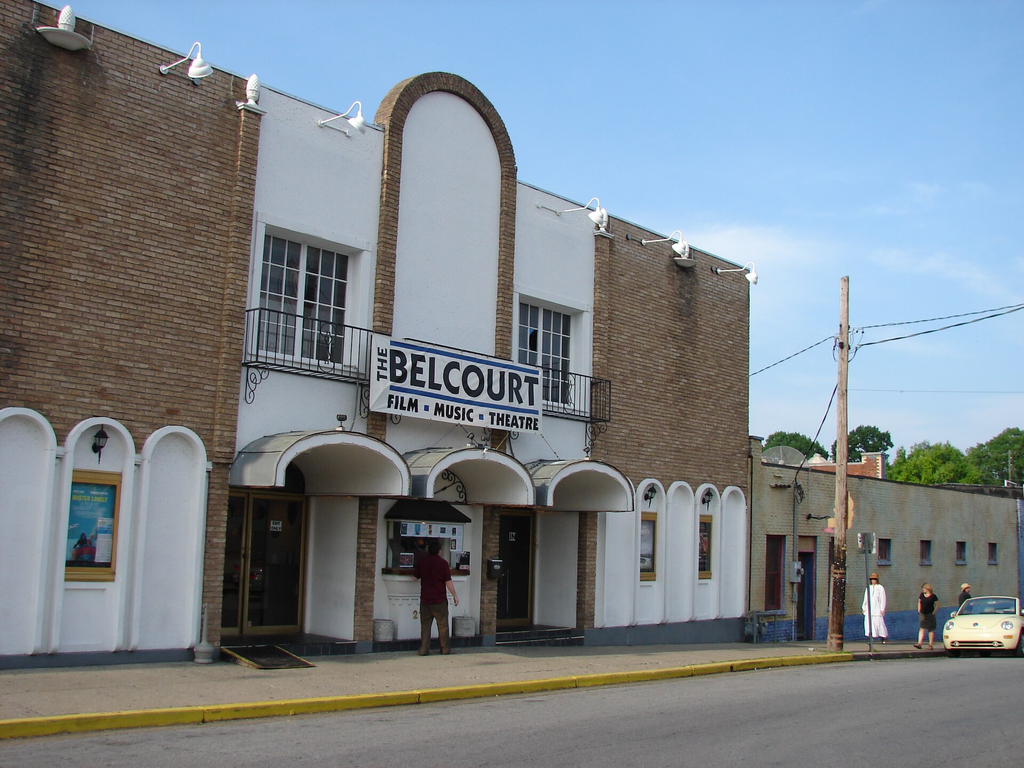
For a taste of Nashville's surviving moviegoing heritage, consider the Belcourt Theatre in Hillsboro Village.
The Belcourt has its own long history and continues to provide an alternative to the standard multiplex experience, with films and programming that attract people interested in cinema beyond the latest mainstream releases.
Check its current schedule before visiting, since screenings and special events vary.
The important distinction is that the Belcourt is not one of the vanished downtown theaters. It is a surviving example of Nashville's historic movie culture.
And while movie theaters brought people downtown for entertainment, another famous building once brought visitors into Nashville from across the country.
4. The Grand Railway Station Where Nashville Once Welcomed Travelers
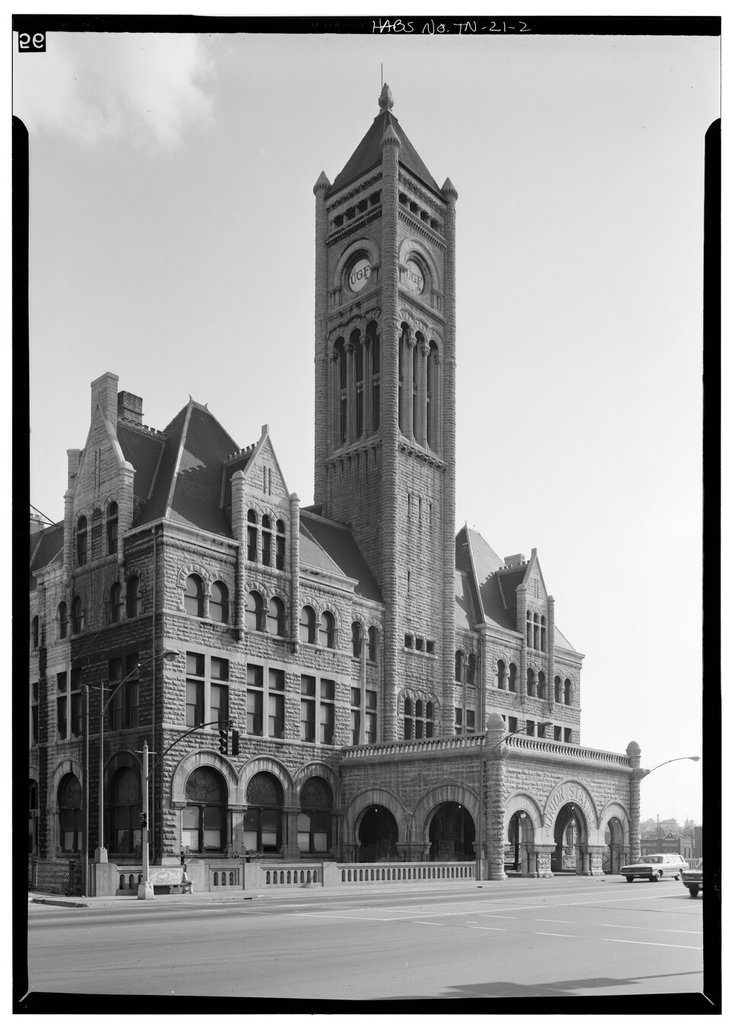
Nashville's Union Station opened in 1900 and became one of the city's most recognizable transportation landmarks. Located on Broadway, the grand railroad terminal served passenger trains during an era when rail travel connected Nashville with destinations throughout the country.
Long before airport terminals and interstate road trips dominated travel, arriving in Nashville could mean stepping off a train beneath the roof of this impressive station.
The building itself made an impression.
Its Romanesque Revival architecture, prominent tower, and grand interior reflected the importance of passenger rail service at the turn of the twentieth century.
Picture the station during its busiest years.
Travelers move through the building carrying luggage. Railroad employees direct passengers toward waiting trains. The sound of footsteps echoes across the interior as people prepare to leave town or greet arriving relatives.
Outside, the streets connect the station with downtown Nashville.
For visitors, this was often their first introduction to the city.
And for residents, the station represented a connection to a much larger world.
Here's what makes Union Station particularly interesting today.
The building still stands, but its original role as Nashville's major passenger railroad terminal has disappeared.
Passenger rail service declined during the twentieth century as automobiles and airlines became increasingly popular.
Union Station eventually stopped functioning as a passenger terminal and was restored for hotel use during the 1980s.
Today, the historic structure operates as The Union Station Nashville Yards hotel.
That gives modern visitors an unusual opportunity.
You can still experience part of the architectural atmosphere of Nashville's railroad era without needing to catch a train.
The insider tip is to pay attention to the building itself rather than treating it as just another downtown hotel.
Its architectural details tell a story about a Nashville that once measured travel in railroad schedules and station departures.
Hotel spaces and access can change, so visitors who are not staying overnight should confirm which public areas are available before planning an architectural visit.
And remember that Union Station is no longer an active Amtrak passenger station.
For travelers expecting to board a train there, that distinction matters.
But another Nashville institution still draws people from around the world, even though its most famous downtown routine changed more than half a century ago.
5. The Saturday Night Tradition That Once Filled the Ryman
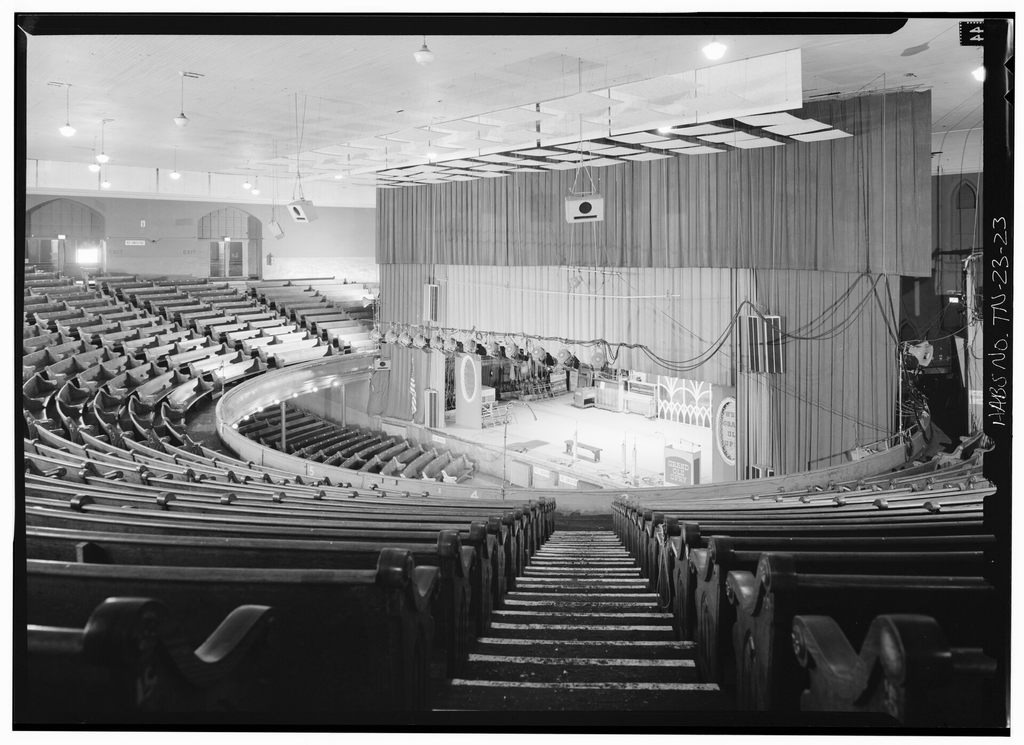
The Grand Ole Opry made Ryman Auditorium its regular home in 1943 and remained there until 1974. For more than three decades, the downtown auditorium was closely associated with one of America's most famous country music broadcasts.
The Ryman had already established itself as an important Nashville performance venue.
But its connection with the Opry helped turn it into a landmark known far beyond Tennessee.
Saturday nights carried a special kind of excitement.
Country performers stepped onto the stage, audiences settled into the wooden pews, and the music reached listeners who were nowhere near Nashville.
The atmosphere was intimate compared with the larger entertainment complexes that would follow.
The Ryman's church-like interior, close seating, and remarkable acoustics helped create an experience that performers and audiences continued to celebrate long after the Opry moved.
There was something special about hearing country music in a room where the audience could feel so close to the performers.
For many visitors, attending the Opry meant coming directly into downtown Nashville.
That changed in 1974.
The Grand Ole Opry moved from the Ryman Auditorium to the newly built Grand Ole Opry House in March 1974.
The move brought the show into the Opryland area, creating a new center for Nashville's country music tourism.
But it also ended the familiar routine of attending the Opry's regular performances at the Ryman.
The good news is that the Ryman survived.
Today, it remains an active concert venue and historic attraction. Its connection to country music history is still a major reason people visit Nashville.
The Grand Ole Opry also continues to perform at the Grand Ole Opry House, with occasional performances returning to the Ryman.
For visitors, the trick is to understand that these are two separate venues.
Buying a ticket for the Grand Ole Opry does not automatically mean the performance will take place at the Ryman.
Always check the venue printed on the ticket before making transportation or parking arrangements.
If country music history is your main interest, touring the Ryman and attending an Opry performance can provide two very different experiences.
One reveals the atmosphere of the earlier downtown years. The other shows how the tradition continues.
But Nashville's family entertainment wasn't limited to downtown theaters and famous stages.
For decades, another part of town offered roller coasters, carnival rides, and a completely different kind of excitement.
6. The Forgotten Amusement Park That Came Before Modern Nashville Entertainment
Fair Park operated at the Tennessee State Fairgrounds from 1952 until 1987. For 35 years, its permanent amusement rides made the fairgrounds a destination for families looking for excitement without traveling far from Nashville.
Unlike a temporary carnival that arrived for a few days and disappeared, Fair Park was an established part of the city's recreational landscape.
Its attractions included rides remembered by names such as the Skyliner and Mad Mouse.
The setting was different from a modern theme park.
Imagine the metallic rattle of amusement rides, bright signs, and the sounds of people laughing as they move between attractions.
The smell of concession food hangs in the warm air.
Children watch a ride complete its circuit before deciding whether they are brave enough to try it themselves.
Parents keep track of everyone while looking for a place to rest between attractions.
Fair Park offered a familiar kind of amusement that once existed in many American cities.
It was part of ordinary family recreation rather than a vacation destination requiring extensive planning.
And that made it special.
Here's the part many newer residents never hear about.
Nashville had a permanent amusement park at the fairgrounds decades before today's major entertainment complexes became familiar destinations.
Fair Park closed in 1987, ending a 35-year chapter of local amusement history.
The Tennessee State Fairgrounds area has continued to serve other purposes, including events and motorsports, but the old amusement park experience is gone.
Visitors today should not confuse the historic Fair Park with temporary fair rides or other entertainment events that may take place at the fairgrounds.
Those are different experiences.
For anyone interested in Nashville nostalgia, archival photographs are particularly useful here.
The rides, signs, and layouts reveal what family entertainment looked like before the city became associated with enormous tourist attractions.
Nashville Public Television's Memories of Nashville materials preserve valuable glimpses of this period.
The insider tip is to explore the fairgrounds' history alongside Opryland's. Together, the two parks reveal how Nashville's family entertainment evolved across generations.
But on the hottest days of summer, some Nashville families weren't looking for a roller coaster at all.
They wanted one thing.
Cold water.
7. The Giant Swimming Pool That Helped Nashville Beat the Summer Heat
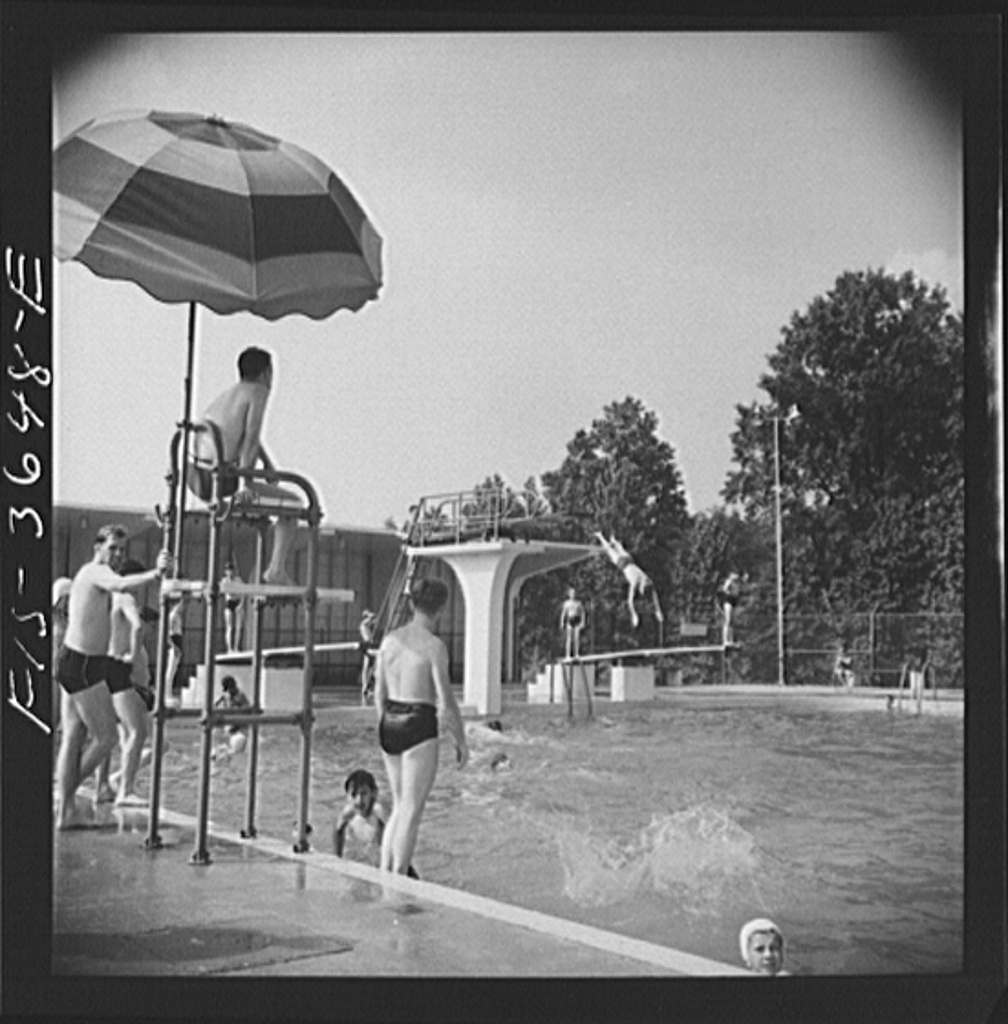
Cascade Plunge was once a major public swimming attraction at Nashville's fairgrounds. Nashville Public Television's historical materials describe the pool as measuring approximately 200 feet by 80 feet, making it an enormous recreational space by ordinary neighborhood-pool standards.
For generations who grew up before backyard swimming pools became common, public pools played an important role in summer life.
Cascade Plunge was one of Nashville's memorable examples.
Historic photographs show children waiting to jump into the water in 1958 and a high-diving structure in 1963.
Those images capture an entire era.
Imagine the sound of water splashing against the pool's edge.
People gather near the diving area, waiting for their turn. The concrete surrounding the pool feels warm beneath bare feet, while the water offers relief from Tennessee's summer humidity.
There are towels spread out nearby and groups of friends enjoying an afternoon that requires very little beyond a swimsuit and somewhere to cool off.
Before elaborate water parks and resort-style attractions became familiar, a large public swimming pool could provide a full day of entertainment.
Cascade Plunge was more than a place to swim.
It was part of the social world of Nashville's summer recreation.
Here's what makes its history so surprising.
Cascade Plunge's documented dimensions were 200 by 80 feet, far larger than many people imagine when they hear the words public swimming pool.
The historic pool no longer operates.
Nashville residents today have other swimming and aquatic recreation options, but Cascade Plunge itself belongs to the city's past.
That means anyone hoping to recreate the experience needs to look elsewhere.
Metro Nashville Parks and Recreation maintains information about current public aquatic facilities, including seasonal availability and admission arrangements.
Check the specific facility before visiting, since outdoor swimming opportunities can depend on the season and operating schedule.
For families interested in a low-cost summer outing, public recreation facilities are worth comparing before booking an expensive water attraction.
The important trick is to distinguish historic photographs from current visitor information.
A beautiful old picture of Cascade Plunge may inspire nostalgia, but it does not represent a pool that can still be visited.
And swimming wasn't the only way young Nashville residents spent afternoons with friends.
Another famous gathering place involved wheels, music, and a polished floor.
8. The Roller Rink Where Nashville Teenagers Made Their Own Entertainment
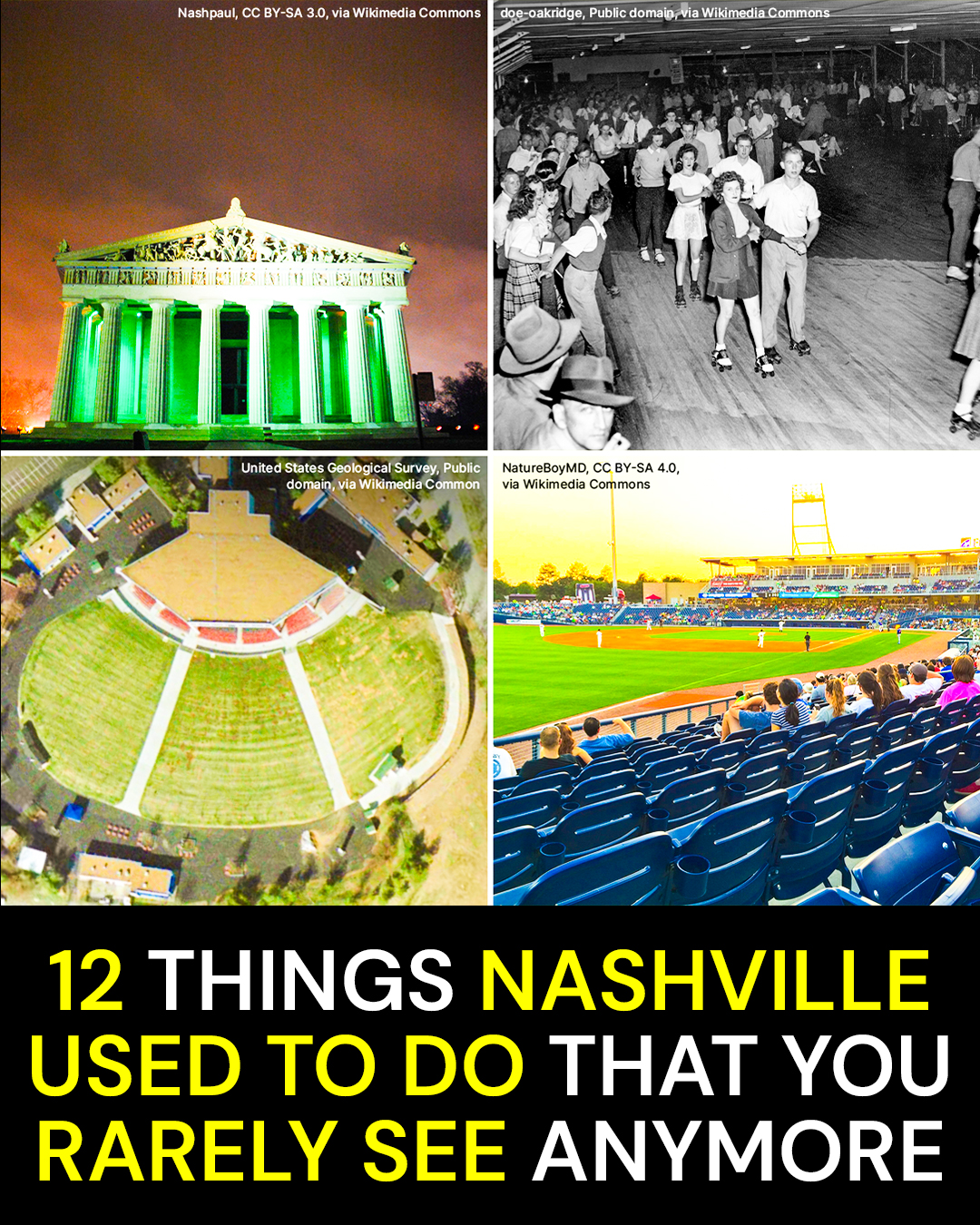
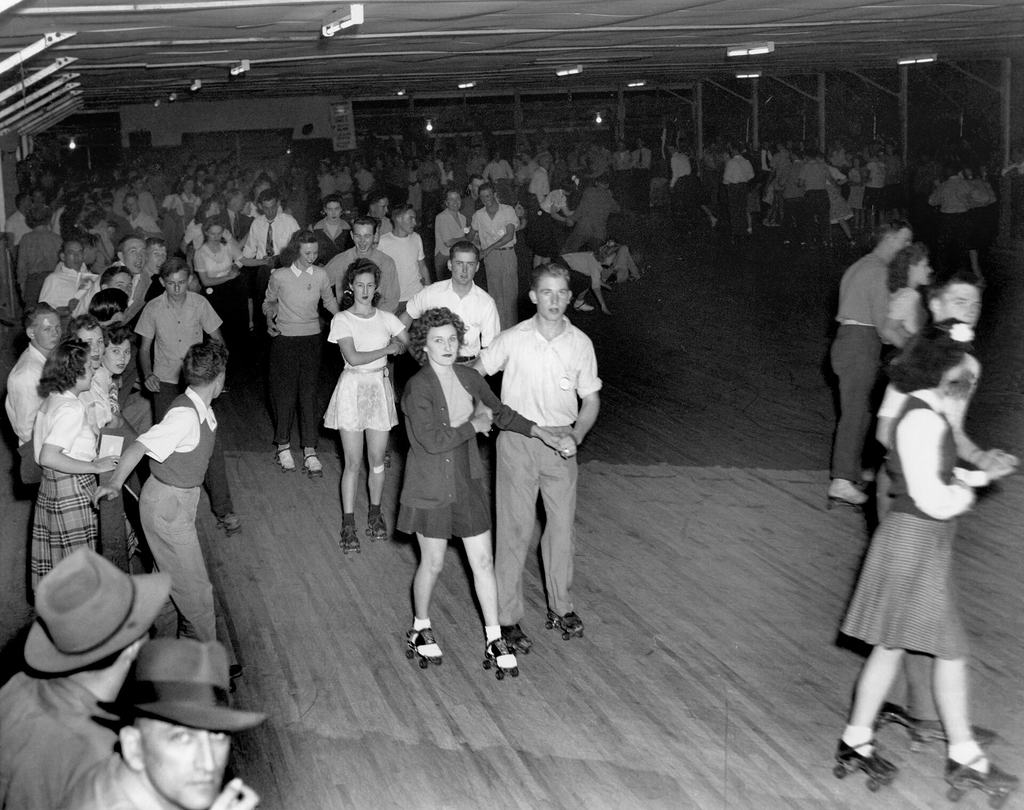
The Hippodrome on West End Avenue was once one of Nashville's memorable roller-skating destinations. During the twentieth century, it provided a gathering place for young residents who wanted music, movement, and time with friends.
Roller skating was more than exercise.
For many teenagers, the rink was a social destination.
It offered an opportunity to meet friends, practice new skills, and enjoy entertainment that didn't require an expensive outing.
Imagine the sound of wheels rolling across a smooth wooden floor.
Music fills the room as skaters move around the rink, some confidently gliding through the turns while others struggle to keep their balance.
Near the edge, beginners hold onto the railing.
More experienced skaters move past with practiced ease.
The atmosphere combines excitement with the awkwardness of learning something new in front of other people.
For young Nashvillians, the Hippodrome became associated with the kind of everyday memories that rarely make it into official city histories.
A first successful lap.
An afternoon with school friends.
The simple satisfaction of finally learning how to skate without falling.
Those moments mattered.
Here's what is easy to overlook.
The Hippodrome was part of Nashville's social history, not merely its entertainment history.
The original West End skating destination is gone, but roller skating itself has not disappeared from Middle Tennessee.
That distinction is important.
Modern skating facilities continue to offer opportunities for families, beginners, and experienced skaters to enjoy the activity.
Visitors interested in recreating part of the experience should look for a current roller rink offering public skating sessions.
Check whether skate rentals are available and whether particular sessions have age restrictions or special programming.
The practical tip is to choose a general public skating session if you're bringing beginners.
Specialized skating events can attract more experienced participants and may not offer the relaxed atmosphere someone learning to skate needs.
The old Hippodrome cannot be brought back simply by visiting another rink.
But the combination of music, movement, and shared laughter remains familiar.
And Nashville's history has another unforgettable entertainment tradition, one that brought enormous crowds to an outdoor venue in Antioch.
9. The Outdoor Concert Nights That Nashville Fans Still Talk About
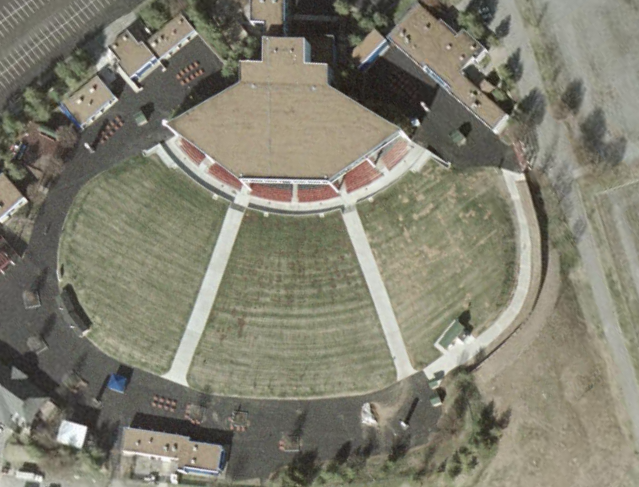
Starwood Amphitheatre opened in Antioch in 1986 and operated through the 2006 concert season. With room for roughly 17,000 people, it became one of Middle Tennessee's best-known destinations for major touring musicians.
For two decades, Starwood helped define the experience of attending a large outdoor concert near Nashville.
Its appeal wasn't limited to a particular style of music.
The venue hosted rock, pop, country, and major touring festivals, including events associated with Lollapalooza and Ozzfest.
Performers such as Jimmy Buffett, Dave Matthews Band, and Metallica were among the acts associated with its history.
For concertgoers, the lawn was a major part of the experience.
Picture a warm Tennessee evening as the sun begins to disappear.
People settle onto the grass, adjusting blankets and looking toward the distant stage. Conversations mix with the sounds of instruments being tested.
Then the lights change.
The music begins, and thousands of people turn toward the same performance.
Outdoor concerts have a particular atmosphere.
The heat, the open sky, and the shared excitement create memories that feel different from an indoor arena show.
Starwood offered that experience on a large scale.
Here's what makes the venue such a powerful piece of Nashville nostalgia.
Starwood closed after the 2006 season and was demolished in 2007, ending two decades of major outdoor concerts in Antioch.
The amphitheater no longer operates, and visitors cannot attend a performance at the old site.
Nashville still offers outdoor concerts, but the locations and atmosphere have changed.
For anyone planning a trip, Ascend Amphitheater downtown is one current option for outdoor live music.
Its setting near the Cumberland River provides a very different experience from Starwood's suburban location.
The insider tip is to consider transportation before purchasing tickets.
Downtown concert venues can involve paid parking, traffic, and busy pedestrian areas, especially when other events are happening nearby.
Checking the venue's current entry rules and transportation options can save unnecessary frustration.
For longtime Starwood fans, though, the old amphitheater remains associated with something more personal than a concert schedule.
It was the place where ordinary summer nights became stories people continued telling for years.
And some of Nashville's most meaningful entertainment history reaches much further back than Starwood.
The next tradition connects modern baseball fans with a neighborhood that helped shape the city's sporting identity.
10. The Baseball Team That Made Sulphur Dell a Nashville Institution
The Nashville Vols played professional baseball from 1901 through 1963, becoming one of the city's longest-running sporting traditions. Their historic home at Sulphur Dell was located in the area north of downtown where baseball eventually returned generations later.
For decades, attending a Vols game was part of Nashville's everyday recreational life.
The ballpark belonged to an era when professional baseball was closely connected to local communities.
Families and friends gathered to watch games, follow familiar players, and enjoy an afternoon or evening outside.
Imagine the sound of a bat meeting a baseball.
The crowd reacts as a ball travels toward the outfield. Spectators follow the play while the next batter prepares to step into position.
The smell of ballpark food drifts through the stands.
People settle into the rhythm of the game, talking between pitches and watching the scoreboard.
Baseball offered entertainment that unfolded slowly.
There was time for conversation, anticipation, and the kind of shared excitement that made a neighborhood ballpark feel like part of the community.
Sulphur Dell became an important part of Nashville's sporting identity.
But its story also reflects how the city changed.
Here's the historical connection many visitors miss.
The Nashville Vols played their final season in 1963, but professional baseball eventually returned to the historic Sulphur Dell area.
The Nashville Sounds later became the city's professional baseball team.
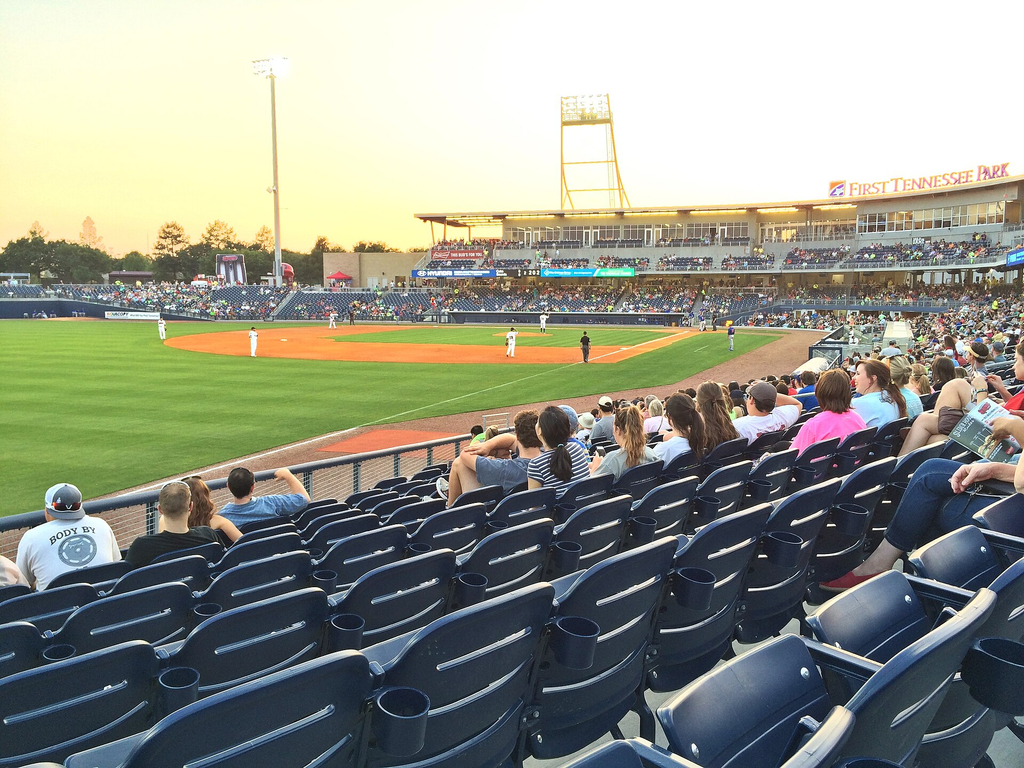
After years at Greer Stadium, the Sounds moved to First Horizon Park in 2015.
That ballpark occupies an area closely associated with Nashville's earlier baseball history.
For visitors today, attending a Sounds game offers a way to experience an active Nashville tradition while appreciating its historical roots.
The modern stadium is not the original Sulphur Dell ballpark.
It is a new venue that reconnects baseball with a neighborhood that once helped define the sport locally.
The insider tip is to look into the history of the original Sulphur Dell before attending a game.
Knowing about the Vols changes the meaning of the location.
Tickets, schedules, and parking arrangements vary by game, so consult the current Sounds schedule rather than assuming the ballpark is open for baseball every day.
And if Nashville's baseball history brings back memories of simpler entertainment, the next tradition offers something even more personal.
It involves a bookstore, a cup of coffee, and an afternoon when nobody seemed to be in a hurry.
11. The Bookstore Where Nashville Could Spend an Entire Rainy Afternoon
Davis-Kidd Booksellers was founded in 1980 by Karen Davis and Thelma Kidd and became one of Nashville's most beloved independent bookstore names. Its later Green Hills location was especially well known for combining books, author events, and a welcoming atmosphere.
For many readers, Davis-Kidd offered something beyond shopping.
It was a place to spend time.
The store became associated with browsing shelves, discovering unfamiliar authors, attending book signings, and enjoying the simple pleasure of being surrounded by stories.
Imagine walking inside on a rainy afternoon.
Outside, the pavement shines beneath gray skies. Inside, rows of books offer endless possibilities.
There is the quiet sound of pages turning.
Someone studies the back cover of a novel. Another visitor moves slowly through the history section, searching for a title they didn't know they wanted.
A bookstore like Davis-Kidd encouraged a particular kind of outing.
There didn't have to be a strict schedule.
Visitors could explore different subjects, discover new writers, and spend time in an environment built around curiosity.
For readers, the experience was part of the pleasure.
Here's what makes the loss especially meaningful.
Davis-Kidd's Nashville store closed in 2011, ending a familiar chapter of the city's independent bookstore culture.
The closure reflected broader changes in bookselling, including shifts in retail ownership and the growing influence of online shopping.
But Nashville's love of independent bookstores did not disappear.
Today, Parnassus Books in Green Hills continues to provide a locally rooted literary destination.
Its selection, author events, and connection to Nashville's reading community make it a worthwhile stop for visitors interested in books.
The insider tip is to check the bookstore's event calendar before planning a visit.
An ordinary shopping trip can become a much more memorable experience when it coincides with an author appearance or literary event.
Parking arrangements and event admission requirements can vary, so check current details before traveling.
For anyone who remembers Davis-Kidd, visiting another independent bookstore isn't the same as returning to the original.
But it does preserve an important part of what made the old experience special.
A place where people could slow down, browse, and enjoy the company of books.
And Nashville's final forgotten tradition is one that once transformed an already famous landmark into a holiday destination.

12. The Christmas Display That Turned the Parthenon Into a Family Tradition
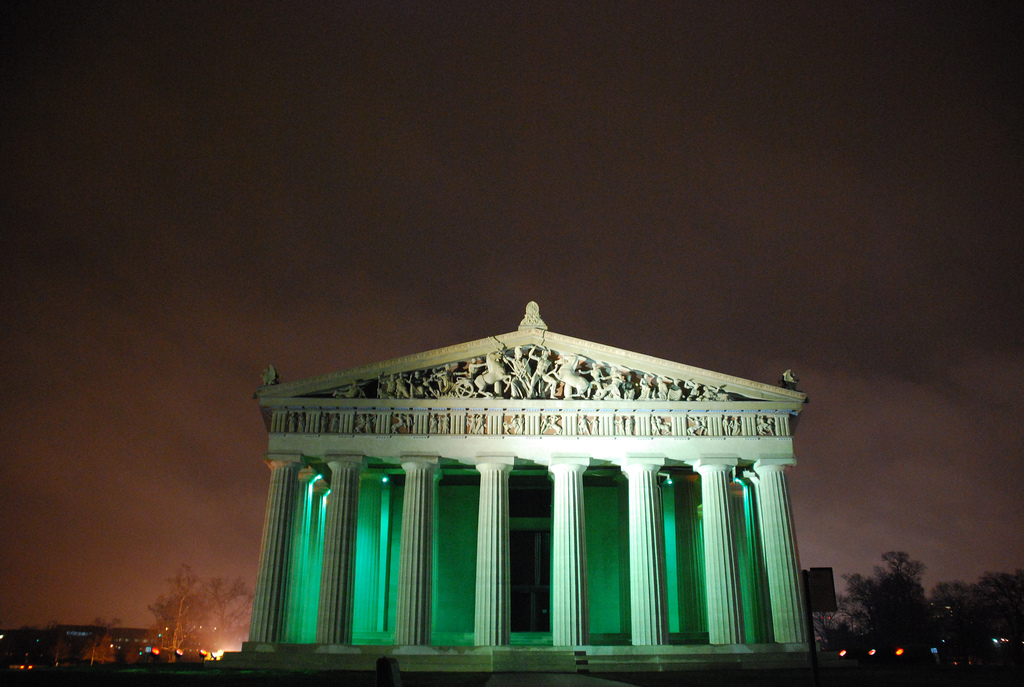
The Parthenon in Centennial Park became the setting for a memorable Nashville Christmas tradition from 1953 through 1967. During those years, an elaborate Nativity display created by sculptor Guido Rebechini attracted attention as a seasonal attraction.
The setting made the display especially unusual.
Nashville's full-scale replica of the ancient Greek Parthenon was already one of the city's most distinctive landmarks.
Adding a large holiday display created a striking combination of architecture, art, and seasonal celebration.
For families visiting Centennial Park, the attraction became part of the Christmas season.
Imagine approaching the Parthenon on a cold December evening.
The enormous columns rise against the dark sky. Holiday lighting draws attention toward the display, while families gather to admire the scene.
The experience belonged to an era when a drive through town to see Christmas decorations could be an important family outing.
There were no elaborate digital displays or interactive attractions required.
The appeal came from the setting, the artwork, and the shared seasonal ritual.
For many longtime Nashville residents, holiday memories are closely connected with places that looked completely different during their childhood.
The Parthenon display is one of those stories.
Here's the historical detail that surprises people.
Nashville's annual Parthenon Nativity display ran from 1953 through 1967, making it a recognizable holiday tradition for more than a decade.
The original seasonal installation is no longer presented at Centennial Park.
However, the Parthenon itself remains one of Nashville's most recognizable attractions.
Visitors can still explore the surrounding park and learn about the building's unusual history.
The Parthenon houses an art museum and a full-scale replica of the Athena statue associated with the ancient Greek original.
For anyone interested in Nashville's history, the combination of architecture, public art, and local memories makes Centennial Park worth exploring.
The insider tip is to visit the park with an understanding of its different historical roles.
It has served as a recreational destination, an architectural landmark, a museum setting, and a backdrop for community traditions.
The grounds can be enjoyed separately from the museum interior, which has its own admission arrangements and operating schedule.
Don't expect to find the old Nativity display during a modern holiday visit.
Instead, consider how many different generations have attached their own memories to the same remarkable building.
Because that may be the most interesting thing about Nashville nostalgia.
Sometimes the landmark survives long after the tradition surrounding it has disappeared.
The Unexpected Fact About Nashville's Forgotten Traditions
One of the most surprising things about Nashville's history is how often a familiar location has been transformed rather than simply abandoned.
Opryland became a major shopping destination. Union Station became a hotel. The Ryman continued welcoming audiences after the Grand Ole Opry moved. And professional baseball eventually returned to the historic Sulphur Dell neighborhood.
These changes reveal something important about Music City.
Nashville has never stood completely still. Its neighborhoods, businesses, and entertainment traditions have evolved for generations, often leaving behind places that people remember with extraordinary affection.
But not everything disappeared.
The music is still here. Families still gather for ballgames, concerts, shopping trips, and afternoons in the park. Independent bookstores continue to welcome readers, and the Ryman still fills with applause.
What changed were the familiar routines and places that made those experiences feel uniquely Nashville.
The city keeps finding new ways to entertain itself.
But sometimes, the Nashville people miss most is the one they can still picture with their eyes closed.