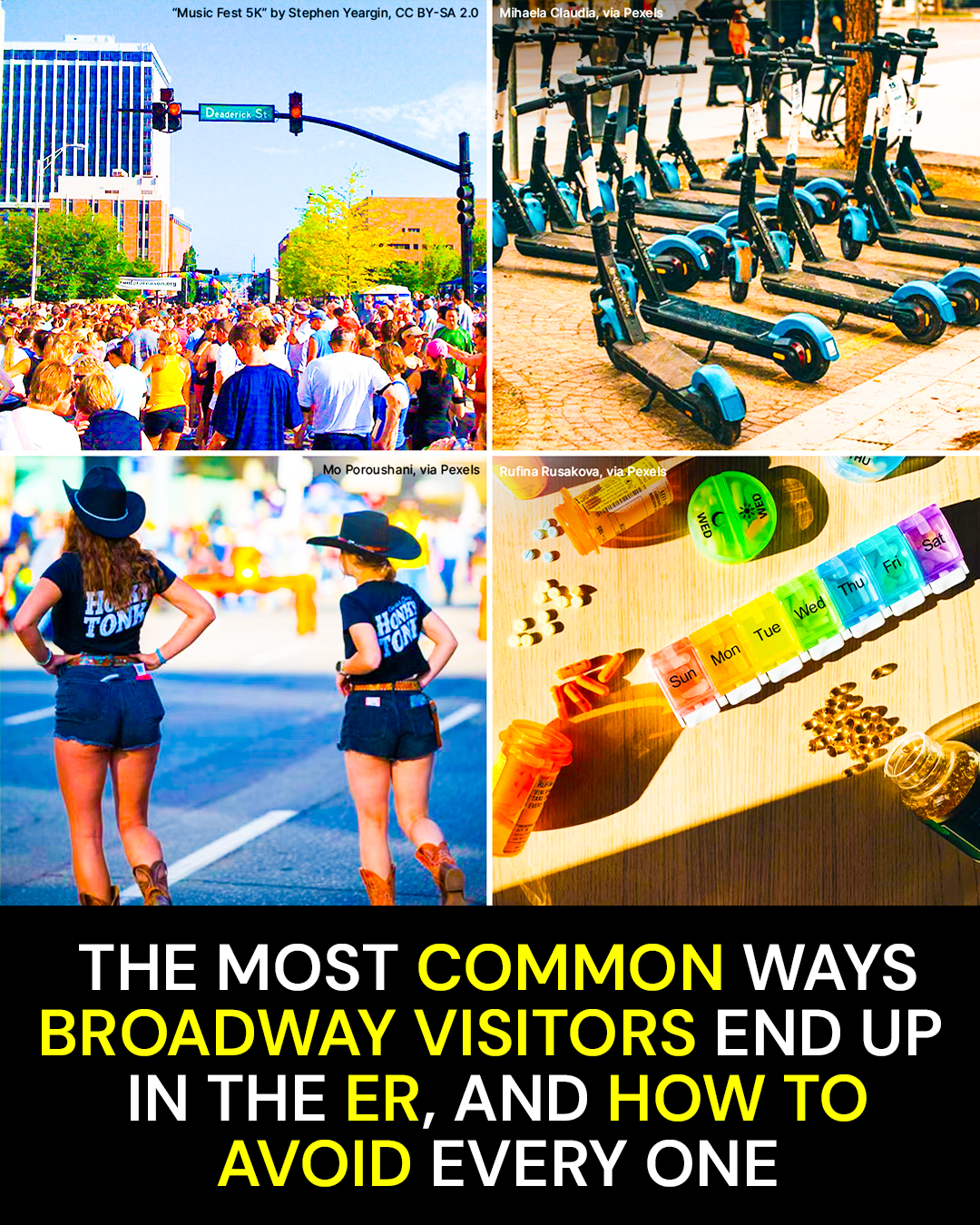
A Broadway night can turn into an expensive hospital visit because of something as ordinary as one more drink, one bad step, or one careless street crossing. Vanderbilt has treated thousands of fall victims, hundreds of scooter injuries, and large numbers of heat-related patients during major downtown events.
The surprising part is how preventable many of these emergencies are. Broadway itself is not the problem. It is the combination of alcohol, heat, stairs, traffic, unfamiliar shoes, crowds, and exhaustion. Break one link in that chain, and you may save the whole night.
The Broadway Drink That Is Stronger Than You Think
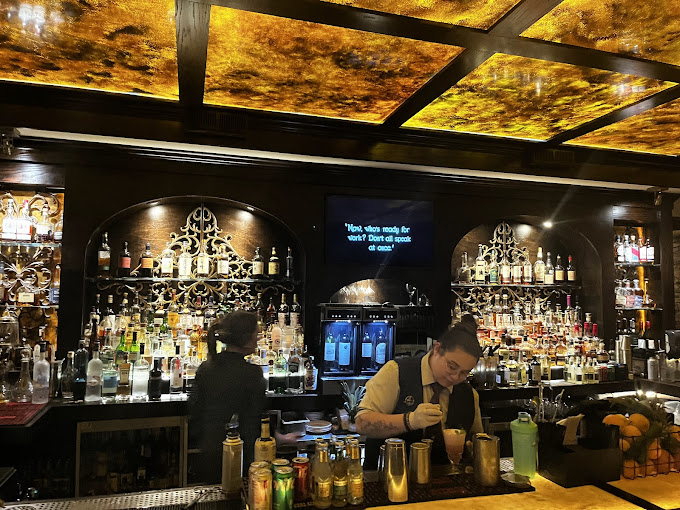
Alcohol over consumption is one of the medical problems Vanderbilt teams have specifically reported treating during major downtown Nashville events. Broadway makes it particularly easy to lose track because drinking rarely happens in one place.
You start with brunch. Then somebody orders a round on Broadway.
The next honky-tonk has a rooftop, so the group moves there. Somebody buys shots. Then comes another bar, another round, maybe a frozen drink, and suddenly nobody can quite remember whether this is drink four or drink seven.
That is the Broadway trap.
Moving to a different bar feels psychologically like starting over, but your body does not reset when you walk through another door.
The National Institute on Alcohol Abuse and Alcoholism defines a standard drink in the United States as containing about 0.6 fluid ounce, or 14 grams, of pure alcohol. A large mixed drink can contain more than one standard drink even though you mentally count it as one glass.
Here's what catches people off guard.
A person can become more impaired even after the drinking has stopped because alcohol remaining in the stomach and intestines can continue entering the bloodstream.
That is why “sleeping it off” is not always harmless.
Warning signs of possible alcohol overdose include being difficult or impossible to wake, repeated vomiting, seizures, confusion, slow or irregular breathing, and clammy, pale, or bluish skin.
Coffee does not reverse alcohol overdose. Neither does walking around, taking a cold shower, or forcing somebody to eat.
If you suspect a potentially life-threatening alcohol overdose, call 911.
The smarter move begins hours earlier. Eat a real meal before serious drinking starts. Mix nonalcoholic drinks into the afternoon and evening. Do not treat changing bars as permission to reset your mental drink count.
And do not try to keep pace with the fastest drinker in your group.
Broadway is not a competition.
Another good group rule is deciding before the night begins that anyone can say they are finished without having to defend the decision. If somebody becomes severely impaired, do not leave that person alone because everyone else wants to visit one more rooftop.
Knowing when the night is over is one of the most underrated Nashville survival skills.
But alcohol is only half of the equation during a Tennessee summer. Add several hours of heat and humidity, and the same drink can become part of a much bigger problem.
The Emergency That Can Begin Before Your First Honky-Tonk
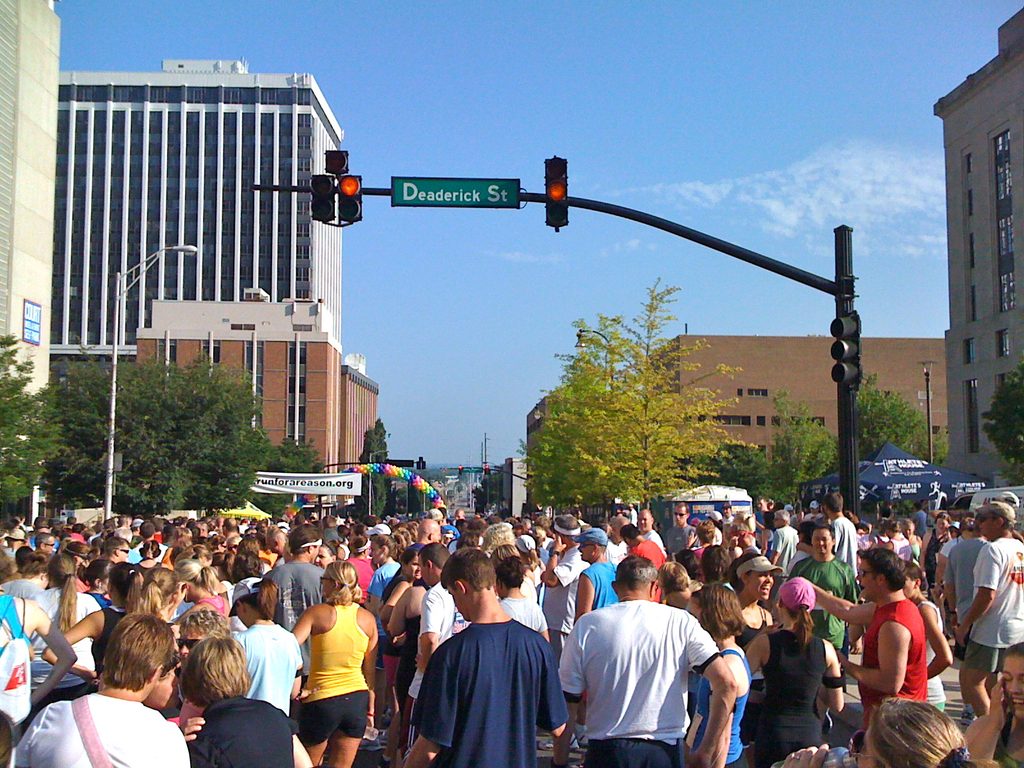
Heat-related illness is one of the best-documented medical problems associated with huge downtown Nashville crowds.
For CMA Fest 2026, Vanderbilt LifeFlight identified heat-related illness as its number one medical concern. The operation prepared for an estimated 95,000 attendees per day with more than 100 medical personnel, five ambulances, three ATVs, and five treatment tents.
That is not an ordinary Saturday-night Broadway statistic, and it should not be treated as one.
But it tells you something important about spending a long summer day downtown.
The trouble often begins long before anybody feels sick.
You leave the hotel late in the morning. The Tennessee sun is already bouncing off pavement and brick. You walk toward Broadway, stand outside for photos, wander toward the river, climb stairs to a rooftop, drink something cold, and keep going.
By late afternoon, your shirt is sticking to your back and your feet are hot.
Then somebody suggests another round.
Here's what catches people off guard.
Broadway dehydration can start hours before you actually feel dehydrated.
Vanderbilt's experience at CMA Fest shows how quickly heat can affect downtown crowds. On the opening day of CMA Fest in 2015, Vanderbilt treated 168 people for heat-related illness. Nine people were transported to hospitals for various medical problems.
At the 2013 festival, Vanderbilt treated nearly 1,000 patients overall for conditions that included heat illness, alcohol over consumption, sunburn, and foot problems.
Again, festival numbers are not everyday Broadway numbers. They are evidence of what heat, walking, crowds, and long outdoor days can do when combined.
Alcohol can make the situation worse by complicating hydration and the body's response to heat.
Watch for dizziness, weakness, headache, nausea, heavy sweating, muscle cramps, and shortness of breath.
The insider move is simple: hydration starts at the hotel.
Drink water before you head downtown. Keep drinking it while sightseeing. Have water with meals and between alcoholic drinks. Take periodic breaks somewhere cooler instead of spending the entire afternoon in direct sun.
Do not schedule your hardest drinking for the hottest part of a summer day.
And pay attention to the people around you. A friend who suddenly becomes unusually confused or lethargic in the heat deserves attention, not another drink.
There is another Broadway problem that can look almost comically minor at first.
One bad step.
That is all it takes.
The Little Fall That Can End the Entire Vacation
Vanderbilt University Medical Center reported in 2025 that falls were the most common type of traumatic injury seen by its Level 1 Trauma Center. More than 2,500 fall victims had been treated during the previous year, with most falling from less than three feet.
Those figures are not Broadway-only statistics.
But walk Lower Broadway for a few hours and you can see why the lesson matters.
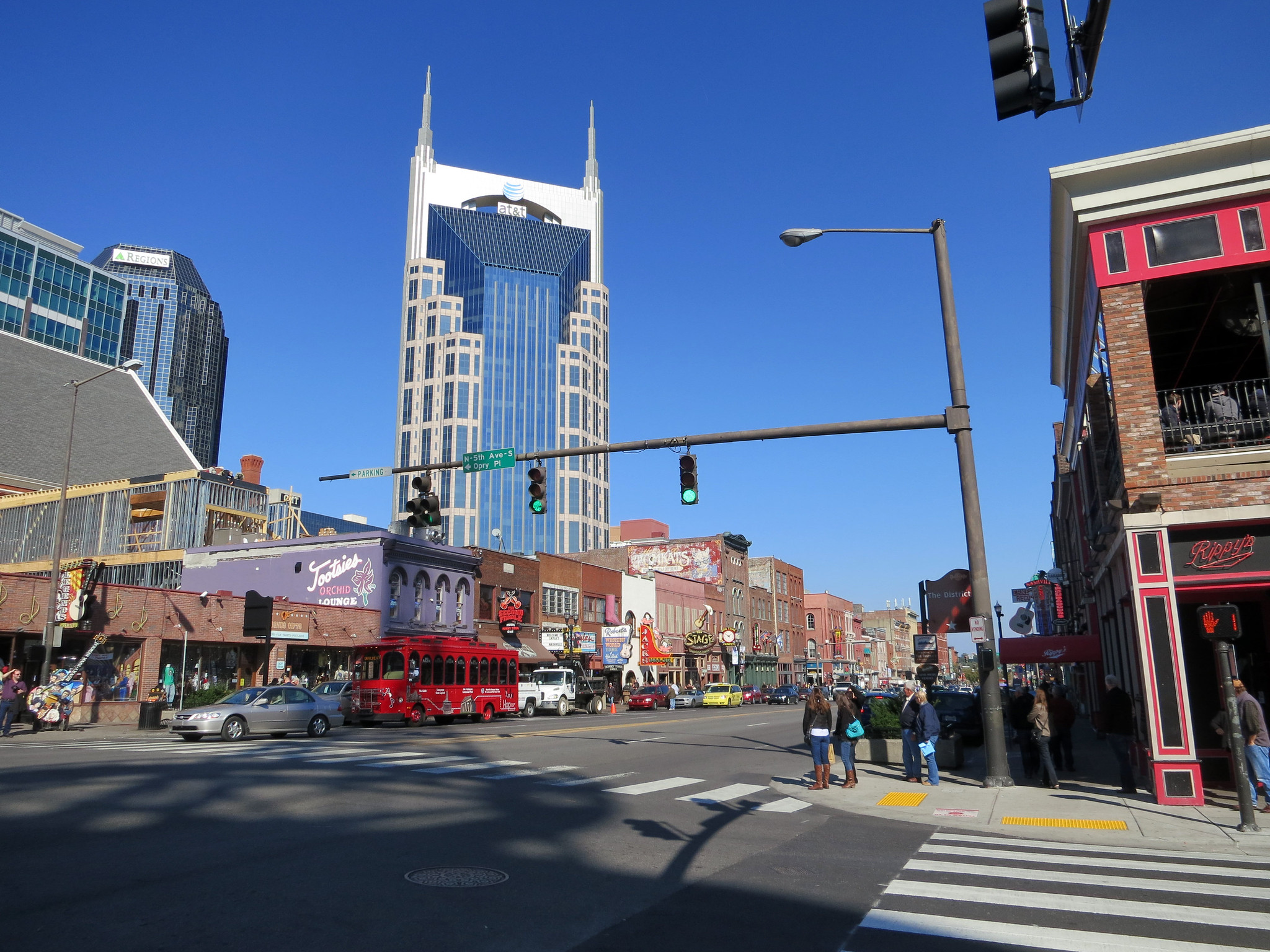
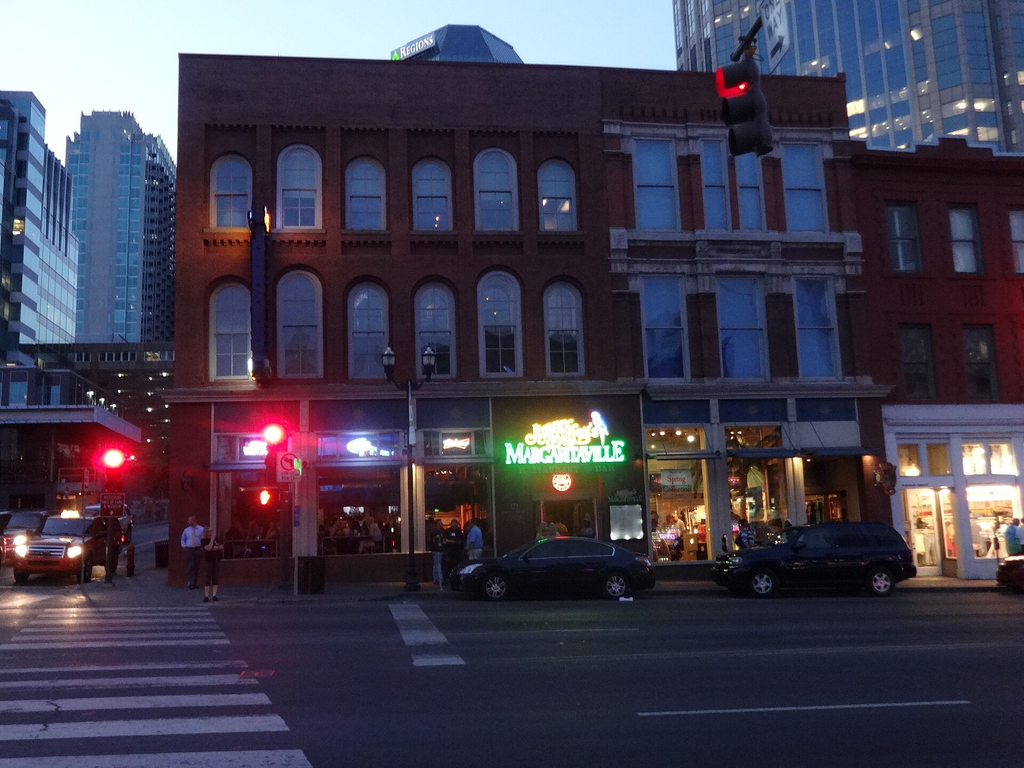
There are curbs, stairs, crowded sidewalks, wet floors, spilled drinks, dancing, unfamiliar footwear, phones, traffic, and people moving between bright outdoor light and darker interiors.
Then add alcohol.
You step out of a honky-tonk after midnight. Your eyes adjust to the streetlights and glowing signs. Music is pouring out of several open doors at once. Somebody in your group is looking for the rideshare pickup. Somebody else is texting.
The curb is right there.
Here's what catches people off guard.
A serious injury does not require a dramatic fall from a rooftop or staircase. Ground-level falls can be enough.
Falls can result in wrist and ankle fractures, shoulder injuries, facial cuts, damaged teeth, concussions, hip injuries, and more serious head trauma.
One of the simplest Nashville tips is also one of the least glamorous.
Use the handrail.
Do not walk down stairs while texting. Slow down when moving from a bright rooftop into a darker stairwell. Watch the pavement when stepping off a curb, and never assume a sidewalk transition is perfectly level.
Metro's 2022 downtown mobility work found roughly 10 miles of downtown sidewalks in poor condition at that time. That did not mean Lower Broadway itself contained 10 miles of damaged sidewalk. It did show that pedestrian infrastructure problems had been recognized downtown.
The bigger trap comes late.
At 1:30 a.m., you may have been awake since early morning, walked miles, spent hours in the heat, stood through live music, danced, and had several drinks.
That walk back to the hotel deserves more attention than most visitors give it.
Head impacts deserve particular caution because intoxication and concussion can produce overlapping symptoms such as confusion, nausea, vomiting, poor coordination, memory problems, and sleepiness.
After a head impact, concerning symptoms such as worsening confusion, repeated vomiting, seizures, loss of consciousness, or being difficult to wake warrant medical attention.
And sometimes the fall begins with something visitors bought specifically for the trip.
The Nashville Outfit Mistake Your Feet Remember for Days
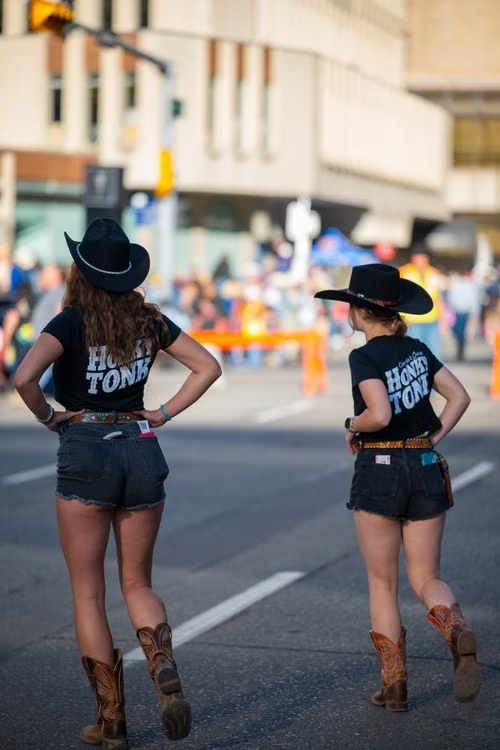
Vanderbilt LifeFlight's 2026 CMA Fest safety guidance included a wonderfully specific warning: medical teams treat numerous attendees every year for foot blisters caused by improper footwear.
Earlier Vanderbilt festival guidance also identified blisters, sprains, and improper footwear among problems treated during downtown events.
Translation?
Those brand-new cowboy boots might look fantastic in the first Broadway photo.
Your heels may have a different opinion six hours later.
Leather rubs. Toes get squeezed. Arches start aching. A blister changes the way you step, and suddenly you are putting weight on the outside of your foot or favoring one leg.
Then you encounter a staircase after a couple of drinks.
Here's what catches people off guard.
Your Nashville outfit needs to survive Nashville, not just the first photograph.
The best footwear for Broadway is footwear you already know.
Broken-in boots are fine. Comfortable walking shoes are fine. Supportive sneakers are fine.
The risky experiment is buying a new pair of Western boots and making their first outing a full day of downtown sightseeing, drinking, dancing, and walking.
If you are determined to wear boots, break them in before the trip. Bring whatever blister protection you normally use, and pay attention when your feet start hurting instead of trying to power through another six hours.
The trap is thinking Broadway is geographically small, so you will not walk much.
The honky-tonks may be packed into a relatively compact area, but a Nashville day can include your hotel, restaurants, the riverfront, attractions, shopping, repeated trips between bars, stairs inside venues, and the walk back afterward.
Your feet do not care that those miles happened on vacation.
Comfortable footwear also helps with one of downtown's bigger risks: making quick, controlled movements around traffic.
Because the next Broadway mistake can happen even when you technically have the right of way.
The Walk Signal That Still Cannot Protect You
Lower Broadway mixes enormous pedestrian crowds with active city traffic.
Metro's 2022 downtown mobility analysis reported that approximately 200 downtown traffic collisions in 2021 resulted in severe injury or death, about 5 percent of the collisions analyzed for that year.
More recently, Nashville received a painful reminder that a crosswalk cannot physically stop a vehicle.
On August 1, 2026, police said an 87-year-old driver went through a red light at 4th Avenue and Broadway and struck four pedestrians who had the right of way in the crosswalk. One visitor, 58-year-old Timothy Wedlock of Australia, died. Three other pedestrians were injured.
Another pedestrian was fatally struck while using a crosswalk at Broadway and 12th Avenue in October 2024 when a turning driver failed to yield.
Those are individual tragedies, not evidence that an ordinary Broadway visitor should expect to be struck by a car.
They do prove one thing.
A walk signal gives you permission to cross. It does not give you a force field.
Broadway feels different from a normal city street when the sidewalks are packed.
Hundreds of people may move at once. Music is playing. Signs flash overhead. Friends are calling to one another. Phones come out for videos and photos.
That atmosphere can trick you into following the crowd instead of reading the street.
Do not.
Wait for the pedestrian signal. Look both ways anyway. Pay particular attention to vehicles that may be turning across the crosswalk.
If possible, make eye contact with turning drivers.
Keep your phone down while crossing. Do not let headphones or music block your awareness of surrounding traffic, and do not assume the group in front of you has checked for vehicles.
Metro has been changing the pedestrian environment, too. Its Lower Broadway pedestrian-improvement pilot covers the stretch between 1st and 5th avenues, with parking space removed and temporary fencing used to create expanded protected pedestrian areas while longer-term options are studied.
That is useful progress.
But Broadway has not become a completely pedestrianized street. Vehicle lanes remain, and visitors still interact with traffic at intersections.
Cross deliberately.
And if you are considering a faster way back to the hotel after drinking, there is one option Nashville emergency doctors have seen go wrong hundreds of times.
The Ride Home That Looks Like a Toy Until You Hit Pavement
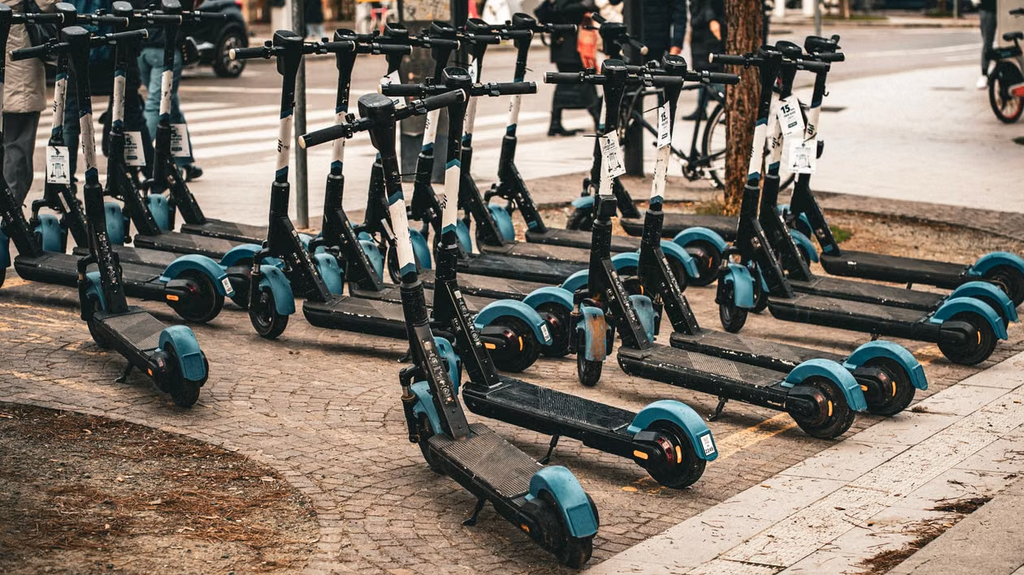
During Nashville's early scooter boom, Vanderbilt's Adult Emergency Department reported treating roughly 250 scooter-related injuries over a one-year period. During warmer weather and tourist season, doctors sometimes saw 10 to 15 cases in a week.
The injuries were not limited to scraped knees.
Vanderbilt reported fractured bones, dislocations, facial cuts and fractures, concussions, serious traumatic brain injuries, lacerations, friction burns, and dental trauma.
Downtown Nashville was seeing more than 5,000 scooter trips per day in August 2022, according to Metro's downtown mobility analysis.
Scooters solve a real visitor problem.
Your feet hurt. The hotel suddenly feels farther away than it did that morning. A scooter is sitting right there.
You scan it, hop on, and think, It's only a few blocks.
Here's what catches people off guard.
A scooter stops being a harmless shortcut the second alcohol, darkness, traffic, crowds, and unfamiliar pavement enter the equation.
Vanderbilt physicians have described crashes involving riders striking obstacles such as potholes or simply losing their balance, with some incidents complicated by alcohol intoxication.
The local rule should be brutally simple.
If you have been drinking, do not scooter.
Make that decision before the first drink rather than negotiating with yourself at midnight.
Use a sober transportation option instead. If walking is appropriate, walk carefully. If not, arrange another ride.
Do not treat a scooter differently because it lacks doors, a steering wheel, or a big engine. Your skull meets the same pavement.
Fatigue matters here, too.
After an entire Broadway day, reaction time and balance can deteriorate even if you do not feel extremely intoxicated. That makes the “just a few blocks” calculation particularly dangerous late at night.
And Nashville has another form of transportation that looks nothing like what many visitors use back home.
It comes with music.
The Moving Nashville Party That Is Still a Vehicle
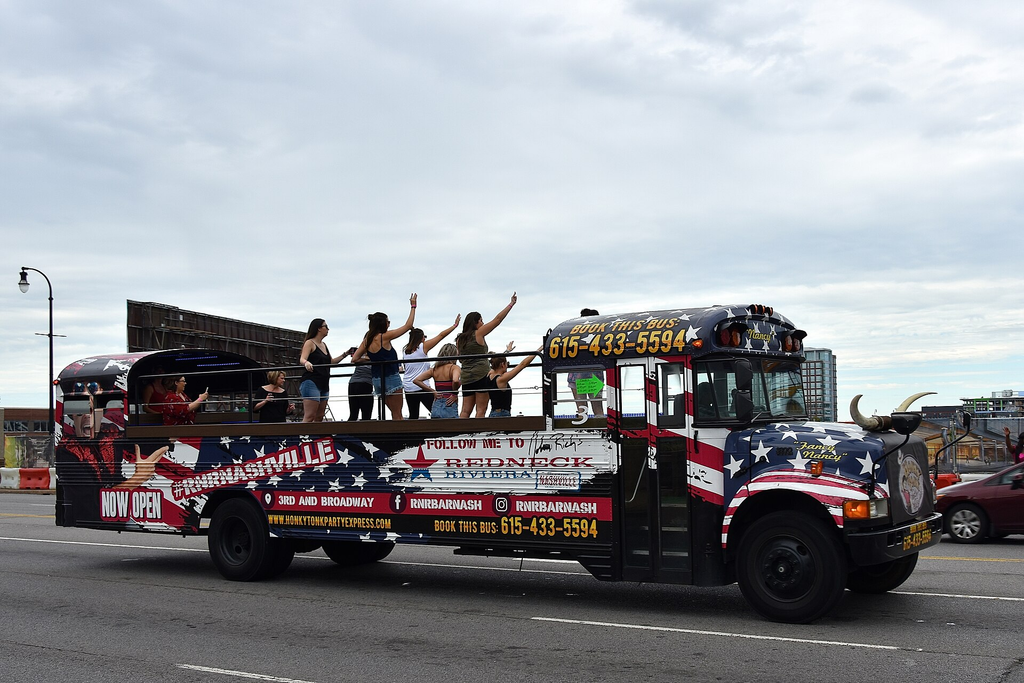
Nashville's entertainment transportation industry became so distinctive that the city developed specific regulations for these vehicles through its Transportation Licensing Commission.
Party buses, pedal taverns, tractors, and other forms of “transportainment” became part of Nashville's tourism image.
They are fun precisely because they do not feel much like transportation.
That is also the problem.
Music is playing. The group is celebrating. Drinks may be involved. Downtown rolls past while everyone treats the vehicle like a bar that happens to move.
A serious 2021 incident became part of the safety discussion surrounding Nashville's later transportainment regulations after a man fell from an uncovered party bus and was subsequently run over by the vehicle.
There is not evidence showing party-vehicle injuries rank among Broadway's most common ER visits, so they should not be exaggerated.
But they create a risk many visitors simply do not encounter at home.
Here's what catches people off guard.
A moving party vehicle is still a moving vehicle, no matter how much it feels like part of the bar crawl.
Follow the operator's rules.
Stay seated wherever seating is required. Do not climb or sit on rails. Do not lean outside the vehicle, and never jump onto or off a vehicle while it is moving.
The insider tip is to treat boarding and exiting as transportation, not entertainment.
That is when you pay attention to your footing, listen to instructions, put the phone away, and make sure everyone in the group is safely aboard or safely off.
The trap is allowing the party atmosphere to erase the fact that motion changes everything.
Broadway has plenty of places where the line between drinking and transportation gets blurry.
Keep that line clear in your own head.
There is another blurry line that can be considerably more dangerous, especially for visitors who take medications every day without giving them much thought.
The Prescription Bottle That Can Change Your Broadway Night
The Centers for Disease Control and Prevention warns that drinking alcohol while using other drugs can make their combined effects stronger and potentially deadly.
The obvious assumption is that this warning applies only to illegal drugs.
It does not.
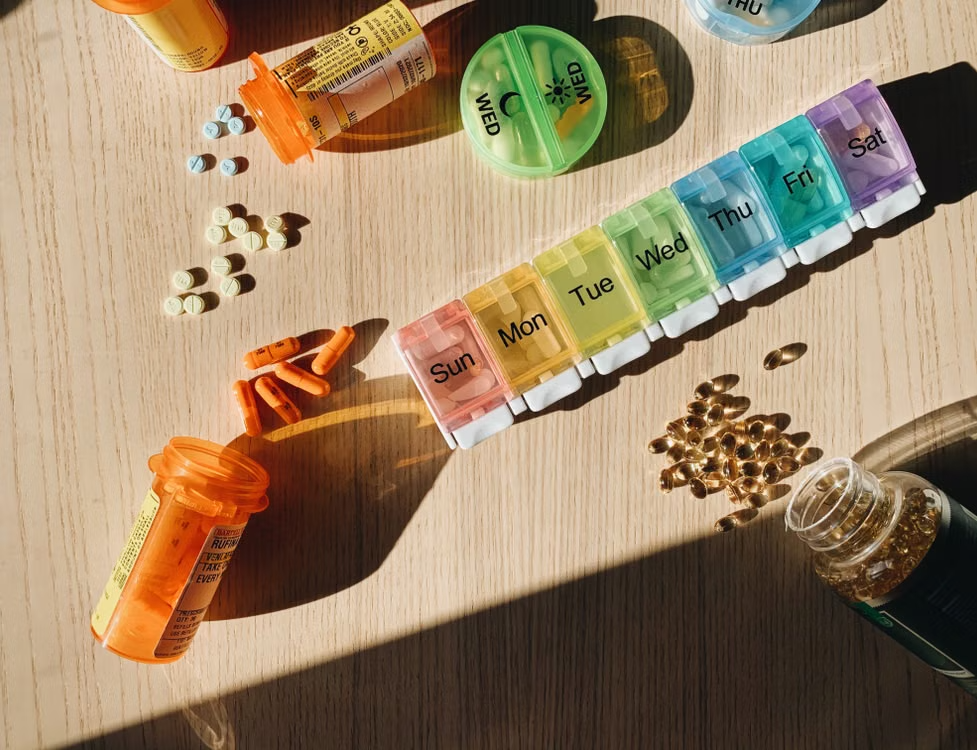
Travelers may arrive in Nashville taking legitimate prescription medications for anxiety, sleep, pain, or other conditions. Then vacation begins, the normal routine disappears, and they drink considerably more than they would at home.
Alcohol combined with opioids or benzodiazepines can dangerously suppress breathing.
Other sedating medications may also carry alcohol warnings.
Here's what catches people off guard.
The time to check whether your medication interacts with alcohol is before you arrive on Broadway, not after the third drink.
Read the medication instructions and follow the advice provided by your doctor or pharmacist.
Do not simply skip prescribed medication so you can drink unless the clinician responsible for your treatment has specifically told you that is appropriate.
The practical problem is that Broadway encourages spontaneity.
A person who expected one dinner drink winds up bar hopping. Somebody buys a round. Plans change.
Your medication does not change with them.
The safest strategy is knowing your restrictions before the evening begins and sticking to them once everybody else starts ordering.
And if somebody becomes difficult to wake, has abnormal breathing, or appears to be experiencing a potentially life-threatening reaction, this is not the moment for the group to diagnose the problem on the sidewalk.
Call 911.
That same “do not debate the emergency” rule becomes especially important after another late-night Broadway situation, when a stupid argument turns physical.
The Argument That Becomes Dangerous When Somebody Hits Concrete
Violence should not be portrayed as the normal Broadway experience. Nashville police reported decreases in violent crime in the Central Precinct in early 2026.
Still, late-night fights provide an important lesson about head injuries.
In May 2025, a fight on Church Street near Printers Alley left 25-year-old Oliver Paul McConnell unconscious with a critical head injury. He was taken to Vanderbilt and later died. Two men were subsequently indicted in connection with the incident.
In another 2025 incident near a bar on Division Street, a man suffered a serious head injury after being struck and falling unconscious onto concrete. He was transported to Vanderbilt.
The medical danger is not necessarily limited to the punch itself.
Someone gets hit.
Balance disappears.
Then the back of the head meets pavement.
Here's what catches people off guard.
In a street fight, the secondary impact with concrete can be more consequential than the original blow.
Alcohol does not help. As intoxication increases, judgment and impulse control can deteriorate.
Broadway provides endless opportunities for meaningless disagreements. Somebody bumps somebody. A drink spills. Security asks somebody to leave. Words get exchanged.
The best insider advice is not clever.
Walk away.
If security has separated an argument, let the argument be finished.
Do not follow the other person outside. Do not gather the group for round two. Do not march down the sidewalk because somebody needs to say “one more thing.”
There is nothing on Broadway worth proving with your skull.
The practical trap is pride.
Vacations create a strange pressure to keep the night going and keep the mood high, even after something has clearly gone wrong.
Be the person willing to end it.
And that brings us to the Broadway risk that quietly connects almost every section in this story.
It is not alcohol alone.
It is exhaustion.
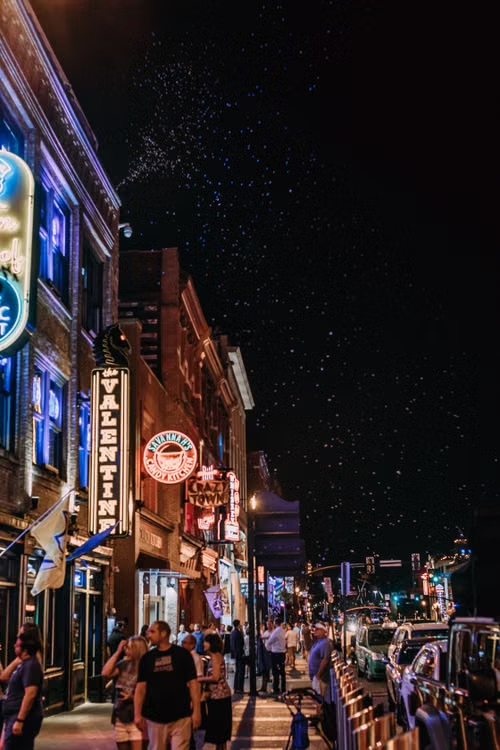
The “One Last Bar” Decision That Comes at the Worst Possible Time
Exhaustion will rarely appear on a hospital chart as “Broadway exhaustion.”
But it can sit behind almost everything that does.
Think about the schedule.
You catch an early flight. You sleep badly. Breakfast gets skipped because everybody wants to start sightseeing.
Then you walk around downtown.
The afternoon is hot. You stand in line. You climb rooftop stairs. You drink. You dance. You stand through live music. You walk some more.
Midnight arrives.
Nobody wants to be the first person to say they are tired.
Here's what catches people off guard.
The safest Broadway strategy is not simply drinking less. It is managing the entire day.
Fatigue can worsen the exact situations already working against you.
Your reactions get slower. Your attention wanders. The curb is easier to miss. Crossing the street requires less thought than it should. That scooter begins looking more tempting because your feet hurt.
Then somebody says, “One last bar.”
That phrase deserves suspicion.
The insider move is to decide ahead of time what kind of day you actually want.
If nighttime Broadway is the priority, you do not need to spend every ounce of energy before dinner. Build in a break. Eat. Hydrate. Sit down somewhere cool.
Give your feet and your brain a reset.
Start the evening with a charged phone and your hotel's name and location easily accessible. Decide how you plan to get back before drinking makes that decision harder.
Groups should also establish one simple emergency rule.
If one person believes a friend may be experiencing a life-threatening emergency, the group does not need to vote on whether getting help will ruin the night.
For a critical injury or illness requiring immediate intervention, call 911.
The night can end early.
That is better than the vacation ending in an emergency department.
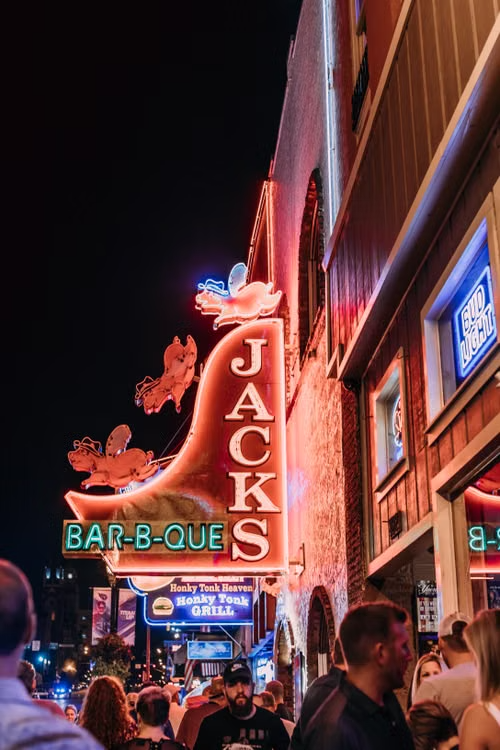
The Unexpected Fact About a Broadway ER Visit
Vanderbilt University Hospital is Middle Tennessee's only nationally verified Level 1 adult trauma center. It treats roughly 9,400 acute trauma patients annually, while its Adult Emergency Department sees more than 80,000 patients a year.
One of the most revealing numbers is much simpler: in Vanderbilt's 2025 trauma report, falls were its most common traumatic injury mechanism, with more than 2,500 fall victims treated during the previous year. Most had fallen less than three feet.
That tells you almost everything worth knowing before a Broadway night.
The danger is usually not some bizarre Nashville catastrophe. It is ordinary decisions stacking on top of one another: too little water, one more drink, sore feet, a missed curb, a scooter ride, a distracted crossing, or refusing to call it a night.
Broadway is remarkably easy to enjoy without ending up anywhere near an emergency room.
Sometimes the smartest thing you can do in Nashville is know when you've already had enough fun.
Add a quick emergency action boxMake the opening promise more specific