A four-night Nashville stay can pile more than $200 onto your bill just for hotel parking, before you buy a single attraction ticket or plate of hot chicken. Add Smokies parking, Dollywood, restaurant meals, and downtown garages, and a Tennessee vacation gets expensive fast.
The trick is knowing which things are actually worth paying for. Tennessee gives visitors an astonishing amount for free or nearly free, but you have to know where to look. These 11 moves can leave hundreds of dollars in your vacation budget.
The Waterfall Day Tourists Keep Paying to Replace
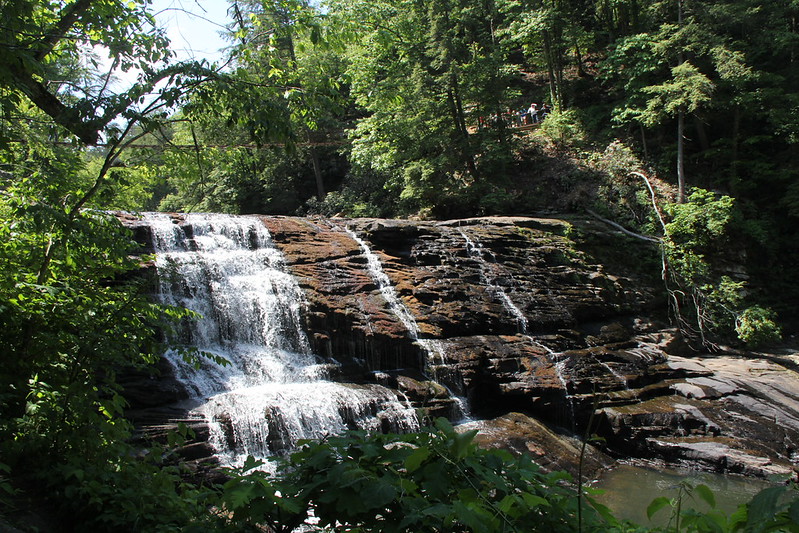
Tennessee State Parks do not charge a general entrance fee. That means places such as Fall Creek Falls, Burgess Falls, Rock Island, Roan Mountain, Reelfoot Lake, Cumberland Mountain, and Pickett CCC Memorial State Park can become full vacation days without another admission charge.
That matters more than it sounds.
Picture the alternative. You buy four attraction tickets, find parking, buy drinks and snacks, and discover by midafternoon that your supposedly simple family outing has turned into a three-digit expense.
At a Tennessee state park, the day can look very different.
You hear water before you see it. The trail slips beneath hardwoods, the air cools as you approach the falls, and suddenly the whole landscape opens in front of you. Bring sandwiches and cold drinks, find a picnic table, and nobody is checking a ticket every time you turn around.
Here's what visitors from other states often don't realize.
Tennessee's state park system has no general entrance fee, and the system includes more than 1,100 miles of trails and over 80 waterfalls.
The insider move is to deliberately schedule a state park day between expensive attraction days. Don't treat it as the thing you do because you're trying to save money. Some of Tennessee's best scenery is sitting inside those parks.
There is one important catch. Free entrance does not mean absolutely everything inside a park is free. Camping, cabins, rentals, golf, and certain programs can carry separate charges.
But you don't need any of those extras to build a memorable day.
Pack lunch. Bring water. Wear shoes suitable for the trail you choose. Check current park conditions before leaving, especially if waterfalls, swimming areas, or trails are part of your plans.
A family that replaces even one $100 to $200 commercial-attraction day with a park day has already made a serious dent in the vacation bill.
And Tennessee's biggest outdoor attraction has an even stranger pricing trick.
The National Park That Still Doesn't Charge Admission
Great Smoky Mountains National Park does not charge an entrance fee. What it does require is a parking tag for vehicles parked inside the park for longer than 15 minutes. Current parking tags cost $5 daily, $15 weekly, or $40 annually.
That distinction can save you money if you understand it before your trip.
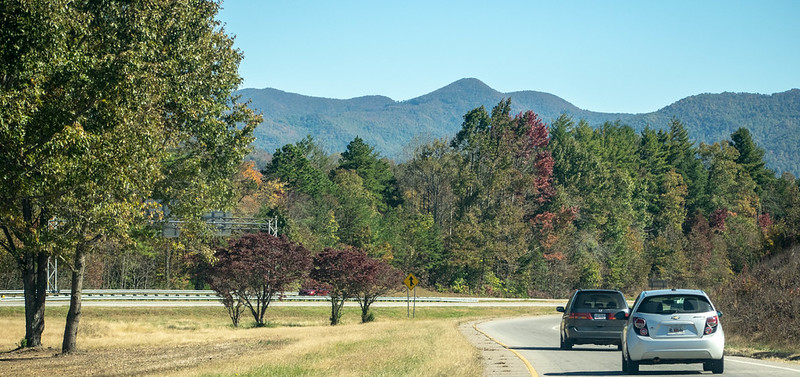
You can spend the morning rolling through Cades Cove, watch mist cling to the ridges along Little River Road, head toward Newfound Gap, explore Elkmont, or pull on hiking shoes and disappear beneath the trees.
There isn't an admission booth collecting a separate ticket price from every person in the vehicle.
That's unusual for a place this famous.
Here's what catches people off guard.
If you're parking in Great Smoky Mountains National Park for three or more days during the same week, compare the $15 weekly tag before repeatedly buying $5 daily tags.
The tag is associated with one vehicle and its license plate. A physical tag must be displayed, and a photo of the tag on your phone does not substitute for displaying it. Having a tag also does not reserve or guarantee you a parking space.
That last part matters.
A parking tag is permission to park where parking is available. It is not a magical reserved spot at the trailhead you want.
The better strategy is to decide how many park days you realistically want before buying the tag. A week in the Smokies might include Cades Cove one day, a scenic-drive day, and a hiking day. Once you see the trip that way, the weekly tag makes sense quickly.
And don't confuse the inexpensive national park with the commercial vacation towns surrounding it.
You can spend hundreds of dollars remarkably fast once you leave the park.
The Smokies aren't necessarily the expensive part of a Smoky Mountain vacation. Everything around them can be.
Which brings us to the car sitting in Gatlinburg eating your vacation budget.
The Gatlinburg Parking Trick That Starts Outside Downtown
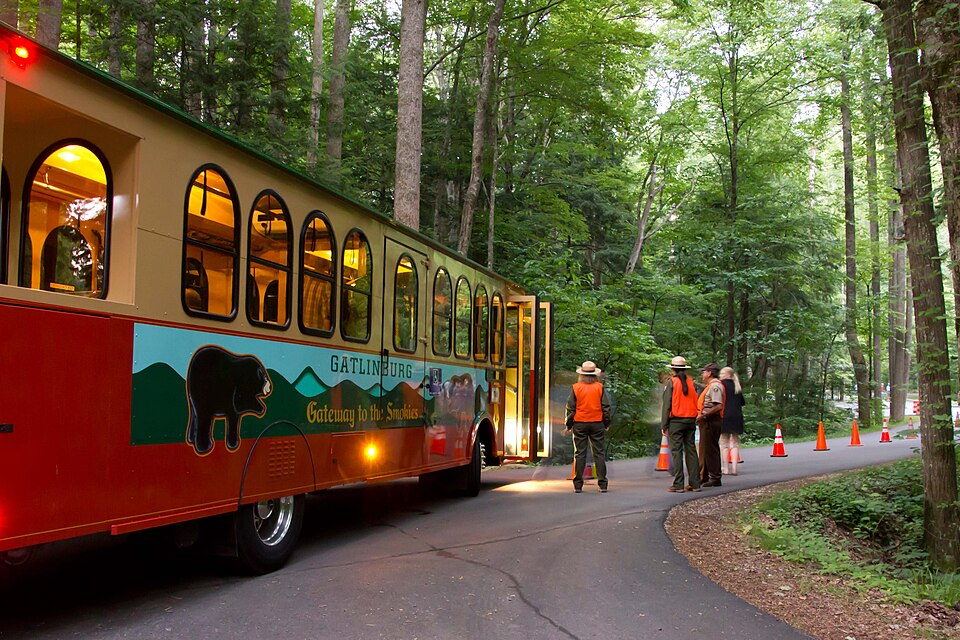
Gatlinburg operates a free trolley system, and visitors can park at the Gatlinburg Welcome Center and take the trolley into town. The city's visitor information specifically promotes this as a way to avoid dealing with downtown parking.
That is a very Tennessee kind of vacation trick: stop trying to force the car everywhere.
Downtown Gatlinburg is compact. Once you're there, restaurants, shops, attractions, candy stores, and mountain-town people-watching are packed along the Parkway.
You step off the trolley and hear music drifting from storefronts. The smell of fudge and candy hangs in the air. Families shuffle between attractions while the mountains rise behind the neon and signs.
Moving your vehicle every time you want to travel a few blocks can turn that scene into a parking scavenger hunt.
Here's what repeat visitors figure out.
The Gatlinburg trolley itself is free to ride.
If your itinerary works with the trolley, park once and leave the vehicle alone.
That's the insider tip.
You aren't just saving parking money. You're also reducing the number of times you crawl through Parkway traffic looking for the next place to leave your car.
There is a tradeoff. The trolley uses the same busy streets everybody else does, so major holidays and crowded fall weekends can affect travel times. It shouldn't be treated as an express lane through Gatlinburg traffic.
Think of it as a money-saving tool instead.
Build your Gatlinburg day geographically. Walk between nearby stops instead of riding for every tiny move. Then use the trolley for the bigger jumps and the return trip.
That's the difference between using Gatlinburg like a local and treating every stop like a separate attraction with a separate parking problem.
And just down the road, there's another trolley trick that can save you money before you even walk through Dollywood's gates.
The $3 Ride That Can Change Your Pigeon Forge Parking Math
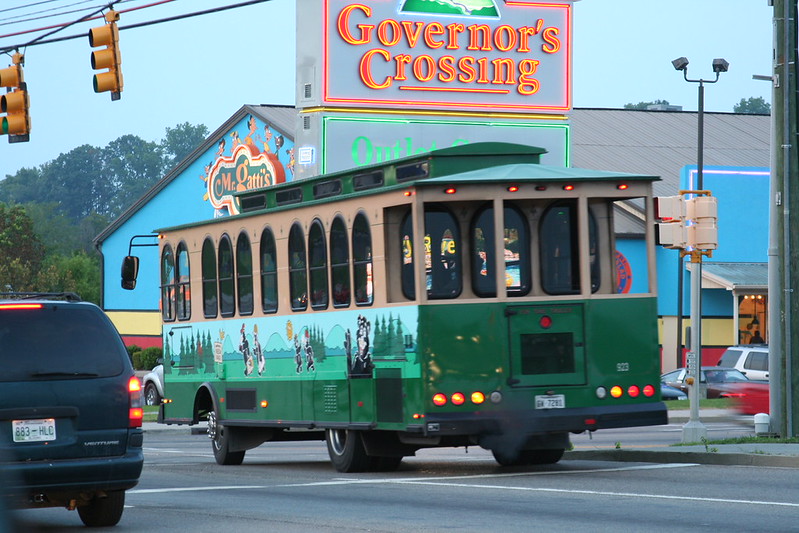
Pigeon Forge's trolley system currently offers a $3 all-day wristband, with routes serving areas including the Parkway, attractions, shopping, Dollywood, and parts of Sevierville. Visitor information also lists free parking at the trolley area near Patriot Park.
Compare that with Dollywood parking.
General parking at Dollywood is currently $25, while preferred parking is $55.
Suddenly that little trolley becomes more interesting.
You leave the car behind, settle into the ride, and let somebody else deal with Parkway traffic. No circling another lot. No adding another parking charge simply because you changed attractions.
Here's what catches people off guard.
Dollywood parking can cost considerably more than an all-day Pigeon Forge trolley wristband.
That doesn't mean the trolley is automatically the right answer for every visitor. Families with mobility considerations, complicated schedules, lots of gear, or plans that extend beyond the trolley network may decide that paying to park is worth the convenience.
But don't pay automatically.
That's the insider move.
Before buying parking, check whether your existing Dollywood arrangements already give you another option. Dollywood lists parking benefits for certain passholders, while qualifying resort and cabin guests may have complimentary transportation or parking-related benefits.
The trap is buying add-ons first and reading your benefits later.
Look at your season pass. Look at your hotel or cabin package. Look at the trolley. Then decide.
Twenty-five dollars here and another parking fee there might not feel disastrous. Multiply those charges across a week, though, and you're suddenly talking about the price of another good dinner or another attraction.
And parking isn't the only place Dollywood visitors can lose money by clicking too quickly.
The Dollywood Ticket Math Most People Never Do
Dollywood uses date-sensitive pricing. For the 2026 season, adult Pick-A-Day tickets have been advertised starting at $94.99, while flexible Good-Any-Day tickets start at $99.99, with actual pricing varying by date.
The bigger surprise appears when you start comparing multiple days.
Advertised starting prices include a one-day Dollywood ticket at $94.99, a two-day ticket at $124.99, and season passes starting at $169.99.
That changes the question completely.
Inside the park, there's a lot competing for your attention. Coasters rumble in the distance. Cinnamon bread disappears almost as fast as it reaches the table. Craftspeople work in the older sections of the park while families race toward the next ride.
Trying to squeeze everything into one frantic day isn't always the best strategy.
Here's the mistake.
Two separate one-day tickets can cost dramatically more than checking Dollywood's multi-day options before you buy.
If you're already thinking about two park days, compare the two-day ticket before purchasing anything.
If you're considering coming back later in the season, go one step further and run the season-pass numbers too.
Passes can include additional benefits depending on the product, including discounts connected with shopping, dining, resort stays, and potentially parking at qualifying tiers.
Don't buy a season pass just because it sounds like a bargain. Do the math against what you will actually use.
That's the local mindset.
Visitors ask what today's ticket costs.
Repeat visitors ask how many days they're going, what benefits they already have, and what they'll spend across the whole trip.
The same calculation becomes even more important in Nashville, where your biggest transportation expense may be a car that doesn't move at all.
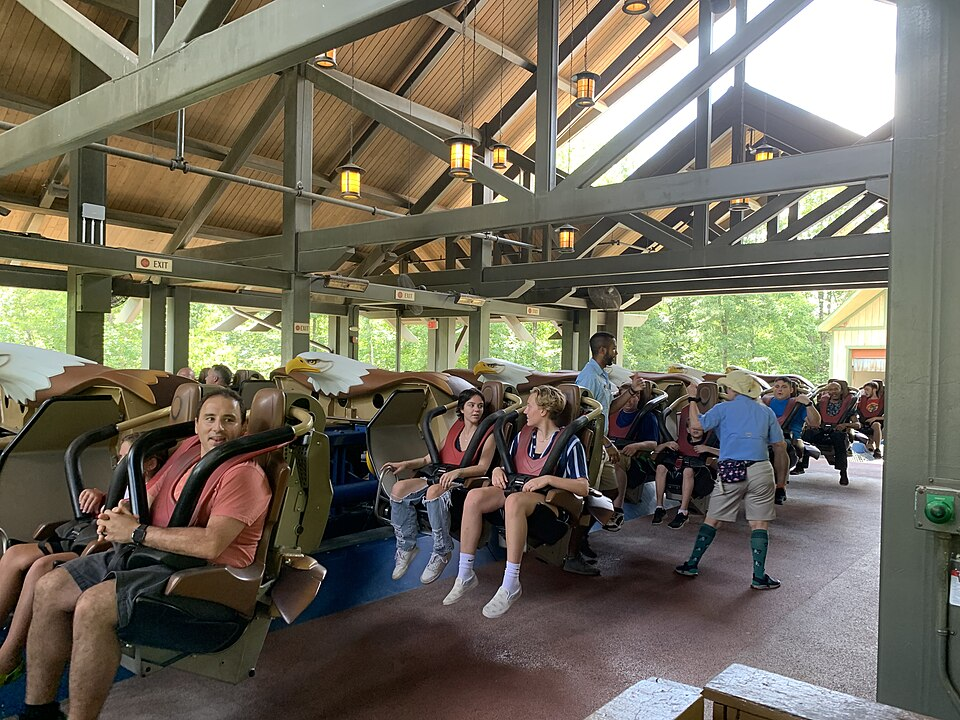
The Nashville Car That Can Cost $60 While Sitting Still
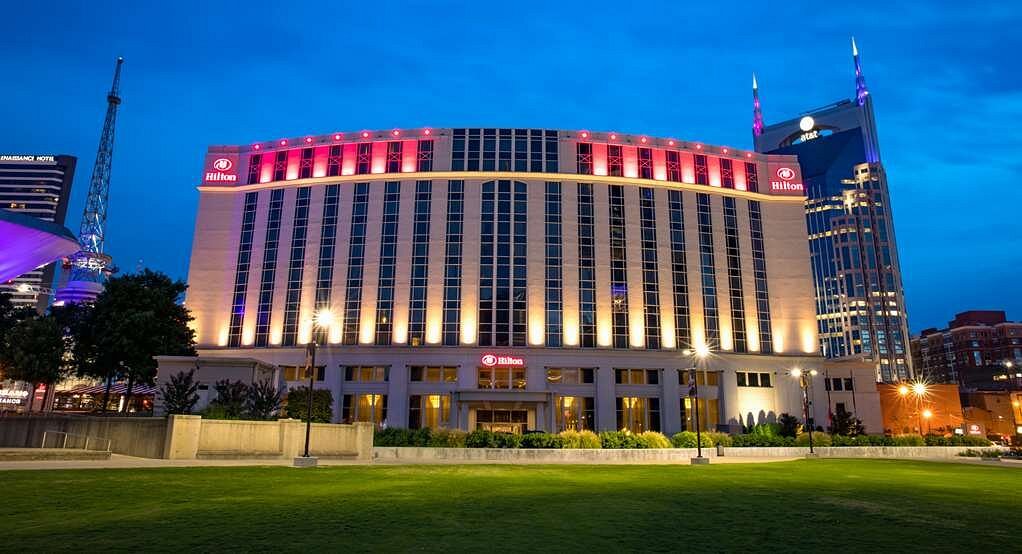
Downtown Nashville hotel parking can be eye-watering. Current examples include $60-per-day valet parking at the AC Hotel Nashville Downtown and Residence Inn Downtown/Convention Center, $55 at Moxy Nashville Downtown, $60 at Hotel Indigo, around $65 at Hilton Nashville Downtown, and $63 at Motto by Hilton Nashville Downtown.
Four nights can put you well past $200 just to leave the vehicle at the hotel.
And the car hasn't gone anywhere.
Outside, Broadway glows beneath neon signs. Guitars pour through open doors. People move between honky-tonks, restaurants, museums, arenas, and hotels on foot.
Meanwhile, your rental car may be several floors underground collecting a daily charge.
Here's what nobody tells you when you compare room rates.
A Nashville hotel that appears $30 cheaper per night can cost more overall once you add $55 to $65 nightly parking.
Always compare the whole stay.
Room rate, taxes, mandatory fees, parking, and transportation all belong in the same calculation.
If most of your first few days are downtown, ask whether you need a rental car from the moment you land.
WeGo currently charges $2 for two hours of unlimited local rides and caps local fares at $4 per day. Children age four and under ride free. Route 18 serves Nashville International Airport.
Public transit will not fit every Nashville itinerary. A car becomes far more useful when you're heading beyond the central city, especially if Franklin, countryside stops, or scattered attractions are on the schedule.
But you can rent one later.
That's the trick.
Three downtown-focused days followed by a day outside Nashville do not necessarily require four days of rental charges plus four nights of valet parking.
Save the car for the part of Tennessee where you actually need it.
Better yet, one of Nashville's best sightseeing days barely needs an attraction budget at all.
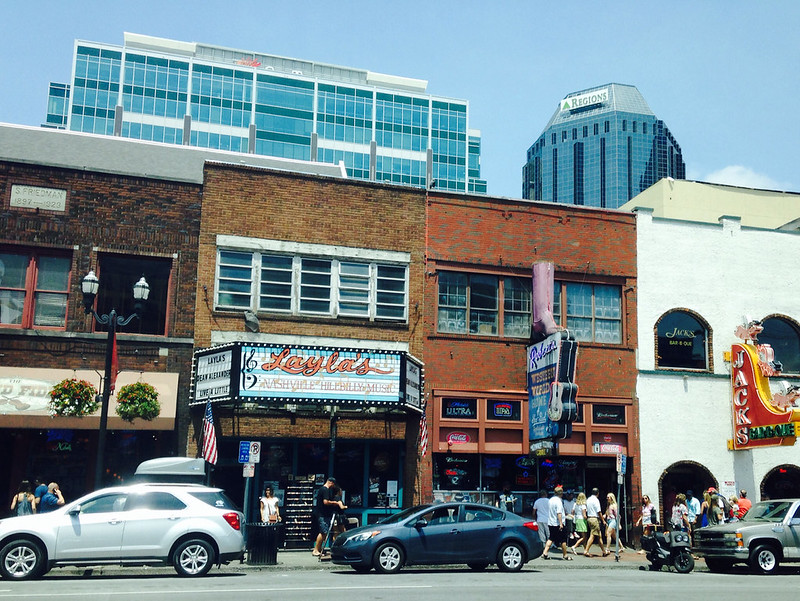
The Nashville Day That Costs Almost Nothing to See
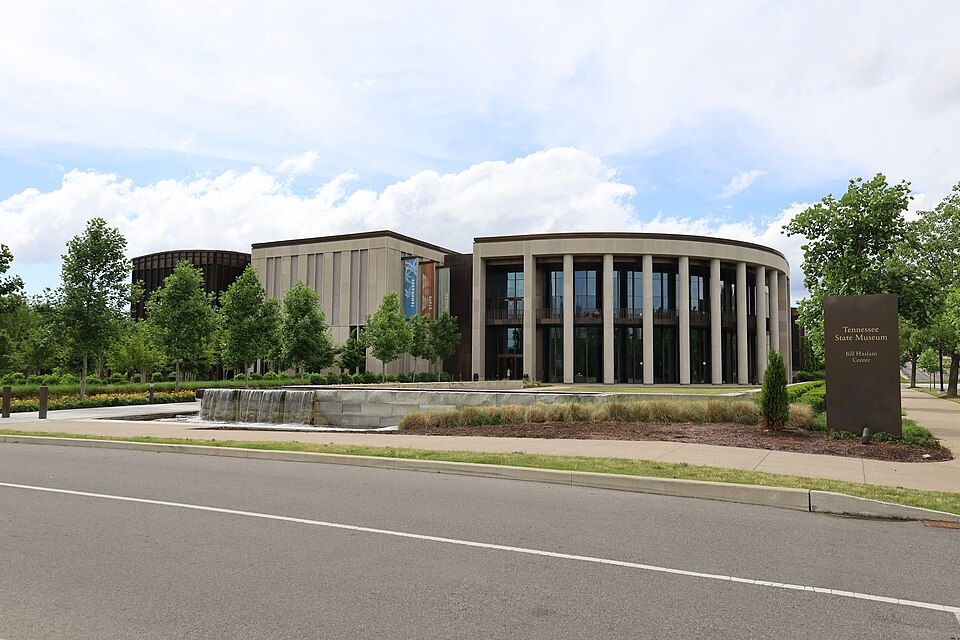
The Tennessee State Museum in Nashville charges no admission and shares free parking with the Nashville Farmers' Market, although parking spaces can fill. Beside it sits Bicentennial Capitol Mall State Park, and the Tennessee State Capitol is nearby.
These aren't random free stops scattered across town.
They're practically a ready-made itinerary.
Start inside the museum, where Tennessee's story stretches through history, art, music, culture, conflict, and change.
Then walk outside.
Bicentennial Mall spreads toward the Capitol, with its enormous Tennessee map and state-history features. Nearby, the Farmers' Market gives you somewhere to wander and buy lunch if you want it.
You can hear the city around you without feeling swallowed by Lower Broadway.
Here's what catches tourists by surprise.
You can combine the Tennessee State Museum, Nashville Farmers' Market, Bicentennial Capitol Mall, and the Capitol area into one substantial sightseeing day without buying admission at every stop.
The museum is the anchor.
Use the shared area strategically rather than driving between each nearby sight.
The practical catch is parking availability. Free parking doesn't mean unlimited parking, and spaces can fill. Arriving earlier can make the whole day easier.
Capitol guided tours are offered Monday through Friday at multiple times, so travelers interested in going beyond an exterior look should verify the current schedule before planning their day around one.
There's another free Nashville photo stop worth knowing about too.
Centennial Park itself is free, so you can see the exterior of Nashville's full-scale Parthenon replica without buying museum admission. Going inside the Parthenon is a separate paid experience.
Spend where the experience matters to you.
That's the whole game.
And another Tennessee city makes the same strategy even easier with a free ride through downtown.
The Downtown Shuttle That Makes Moving Your Car Optional
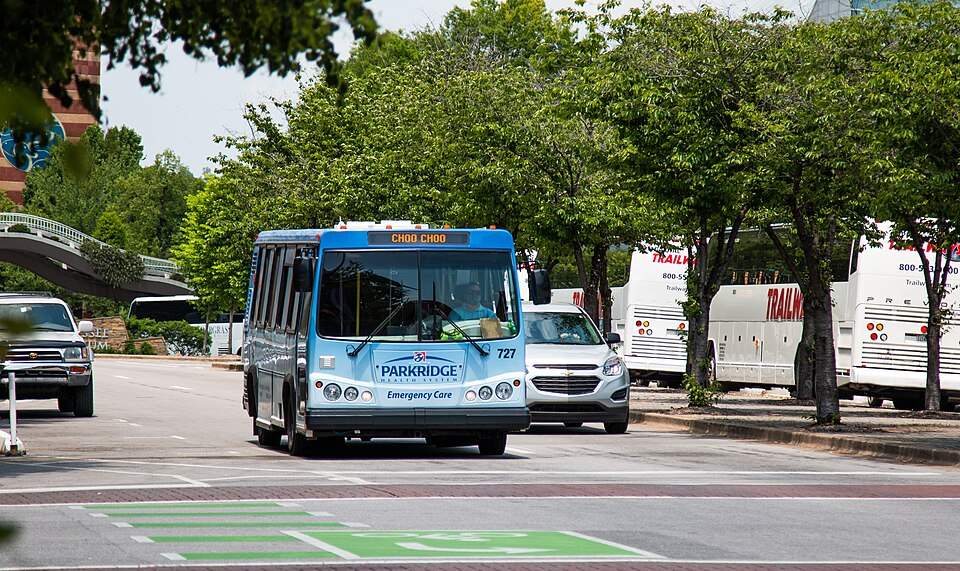
Chattanooga's CARTA system operates a free downtown electric shuttle connecting downtown destinations. Visitor information also notes that the shuttle connects several parking garages and that some CARTA garages offer the first hour free.
That gives Chattanooga visitors a useful option: park strategically, then stop treating the car like it has to follow you everywhere.
Downtown Chattanooga lends itself to that approach.
The river catches the afternoon light. People move between the aquarium area, downtown streets, restaurants, the Choo Choo area, and riverfront attractions.
Every time you return to your vehicle, though, you risk turning one sightseeing day into a string of parking transactions.
Here's the smarter move.
Chattanooga's downtown electric shuttle is free.
Use it when your itinerary lines up with the route.
The Tennessee Aquarium's primary parking lot, for comparison, currently lists rates of $9 for up to three hours, $12 for three to five hours, $14 for the day, and $10 after 4 p.m.
That's not outrageous for downtown parking.
But paying for parking, moving the car, and paying again is exactly how little expenses multiply.
The downtown shuttle operates daily except for several major holidays, according to CARTA.
Check the current route and service information before building your day around it, then group your attractions accordingly.
This is one of those vacation lessons that applies all over Tennessee: your car doesn't have to accompany you to every meal, attraction, and photo stop.
Sometimes parking once is the bargain.
And sometimes the biggest money saver isn't transportation at all. It's what you put in the cooler before leaving the cabin.
The Cabin Habit That Can Quietly Save a Family a Fortune
Tennessee taxes qualifying grocery food at a 4 percent state sales-tax rate, while prepared restaurant-type food generally receives the state's standard 7 percent rate, plus applicable local taxes. The much bigger saving, of course, comes from not buying every meal in a restaurant.
This matters enormously in Gatlinburg and Pigeon Forge.
Cabin vacations tempt you into vacation mode immediately.
Breakfast out. Lunch after an attraction. Dinner somewhere on the Parkway. Coffee tomorrow morning. Snacks for everybody. Another restaurant because nobody thought about lunch before driving into the park.
Do that every day and food becomes one of the biggest numbers on the trip.
Here's what locals and repeat cabin visitors understand.
You don't need to cook elaborate vacation dinners to save serious money. Breakfast, drinks, trail snacks, and a few picnic lunches can do most of the work.
Stock coffee, breakfast basics, fruit, sandwich supplies, cold drinks, and snacks.
Throw a small cooler in the car.
A sandwich beside a mountain stream or at a scenic picnic area doesn't feel like sacrificing your vacation. On the right day, it beats leaving the scenery to sit inside another restaurant.
There is a tax detail worth knowing. Candy, prepared food, dietary supplements, and certain other products do not qualify for Tennessee's reduced grocery-food treatment. Local sales taxes can also apply.
So don't obsess over the tax difference.
The real win is replacing repeated restaurant meals.
Keep the meals you care about. Get the barbecue. Try the hot chicken. Order the Southern breakfast you've been thinking about.
Just don't spend restaurant money three times a day because nobody stopped at the grocery store.
A five or seven-night trip gives this strategy time to compound.
And after several days of saving on sandwiches and coffee, you can spend that money somewhere that means something.
Memphis makes that choice especially easy.
The Famous Memphis Tradition That Still Costs Nothing
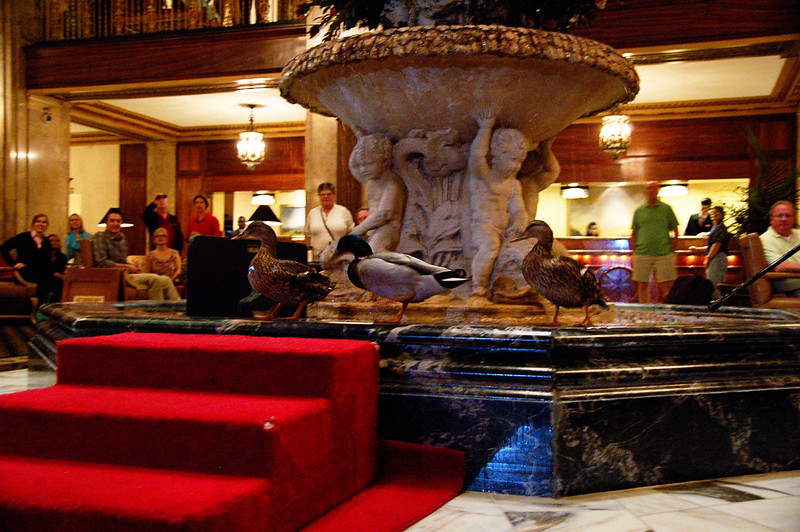
The Peabody Duck March takes place daily at 11 a.m. and 5 p.m., and watching it is free. Memphis also offers free outdoor experiences including Tom Lee Park, Big River Crossing, and the Old Forest Trail at Overton Park.
The ducks are the part people remember.
Visitors gather inside the Peabody and wait for a tradition that feels delightfully old-fashioned. Then the famous ducks appear, and for a few minutes a hotel lobby becomes one of the most recognizable scenes in Memphis.
No attraction ticket required.
Outside, the city gives you more ways to stretch the day.
Walk the riverfront. Head across Big River Crossing. Browse Beale Street. Save your paid admission budget for the Memphis museum or experience you care about most.
Here's the surprise.
One of Memphis's most famous traditions is completely free to watch.
That's the insider strategy for Memphis.
Don't confuse a good vacation with buying four admissions every day.
Choose the paid experiences that brought you to town. Build the rest of the day around places that don't require another ticket.
Memphis visitor information also lists trolley rides at about $1 per ride or $2 for a day pass.
That creates another chance to leave the vehicle parked instead of paying repeatedly as you move around.
Free programming can vary by date, particularly concerts and cultural events, so check what's happening during your actual stay rather than assuming a specific event will be available.
The trap here isn't a bad attraction.
It's attraction overload.
After two or three paid museums in one day, you're spending a pile of money while giving each place less time than it deserves.
Slow down.
Memphis rewards it.
And the next trick is the one to remember before clicking the checkout button on almost any Nashville attraction.
The Discount Page Tourists Find After They've Already Paid
Visit Music City maintains an official Nashville attraction deals page with changing offers. Deals listed during 2026 have included savings on Ryman Auditorium tickets and combination tickets, trolley tours, Belle Meade, walking tours, river cruises, and other attractions.
This sounds almost too obvious.
Yet plenty of people never check.
You're sitting at home with six browser tabs open, trying to finish the trip before dinner. You find the attraction, choose a date, enter the credit card number, and move on.
Only later do you discover there was a combo ticket, an eligibility discount, or an official tourism promotion.
Here's the rule worth remembering.
Never assume the first ticket price you see is the only legitimate price available.
Before paying, check the attraction's official website and the destination's official tourism deals.
Then look for combo tickets and any discount category that legitimately applies to you.
Military members, veterans, educators, students, first responders, seniors, and qualifying families may find discounts at individual attractions, although eligibility and purchase requirements vary.
For example, the Tennessee Aquarium currently offers qualifying active military and veterans, first responders, K-12 educators, and certified homeschool teachers $5 off adult admission and $3 off youth admission for the paying party. Those discounted tickets must be purchased onsite.
The Parthenon also lists qualifying discount and free-admission programs.
There is another trap here: old travel articles.
Deals disappear.
One Nashville example is the Music City Total Access Pass, which older guides may still mention even though the official tourism site says that product retired in 2024.
Always check current information before paying.
Five dollars saved once isn't life-changing.
Five, ten, or twenty dollars saved across several tickets and several people starts looking very different.
But there's one final Tennessee travel lesson that ties all of these tricks together.
The Unexpected Fact About Saving Money in Tennessee
The surprising thing about a cheaper Tennessee vacation is how little of it requires settling for a lesser trip.
Tennessee's state parks charge no general entrance fee. Great Smoky Mountains National Park has no entrance fee. Gatlinburg has a free trolley. Chattanooga has a free downtown shuttle. The Tennessee State Museum is free. The Peabody Duck March is free. Nashville hotel parking, meanwhile, can exceed $200 during a four-night stay.
That tells you almost everything you need to know.
The people who spend less aren't necessarily skipping waterfalls, music, mountain drives, museums, city streets, or famous Tennessee traditions. They're avoiding the charges that don't make the vacation better.
They park once instead of three times.
They buy the weekly Smokies parking tag when the math works. They check the trolley before paying for another garage. They compare a two-day Dollywood ticket before buying two separate days. They look at hotel parking before deciding which room is really cheaper.
They eat the meal they actually want, then make sandwiches tomorrow.
And they save their money for the Tennessee experiences they'd hate to go home without.
That's the real local secret: spend on the memories, not the mistakes.