Tennessee welcomed about 150 million visits in 2025, with travelers spending a record $32.5 billion. That is wonderful for the businesses that depend on tourism, but it explains why some places that once felt like an easy Saturday outing now require alarms, parking strategies, reservations, and a little patience.
The Tennessee people remember from 20 years ago has not disappeared. Locals have simply learned when to go, where to turn, and which famous stops are worth approaching differently. A few of those tricks can completely change your trip.
The Mountain Loop That Used to Be a Sunday Drive
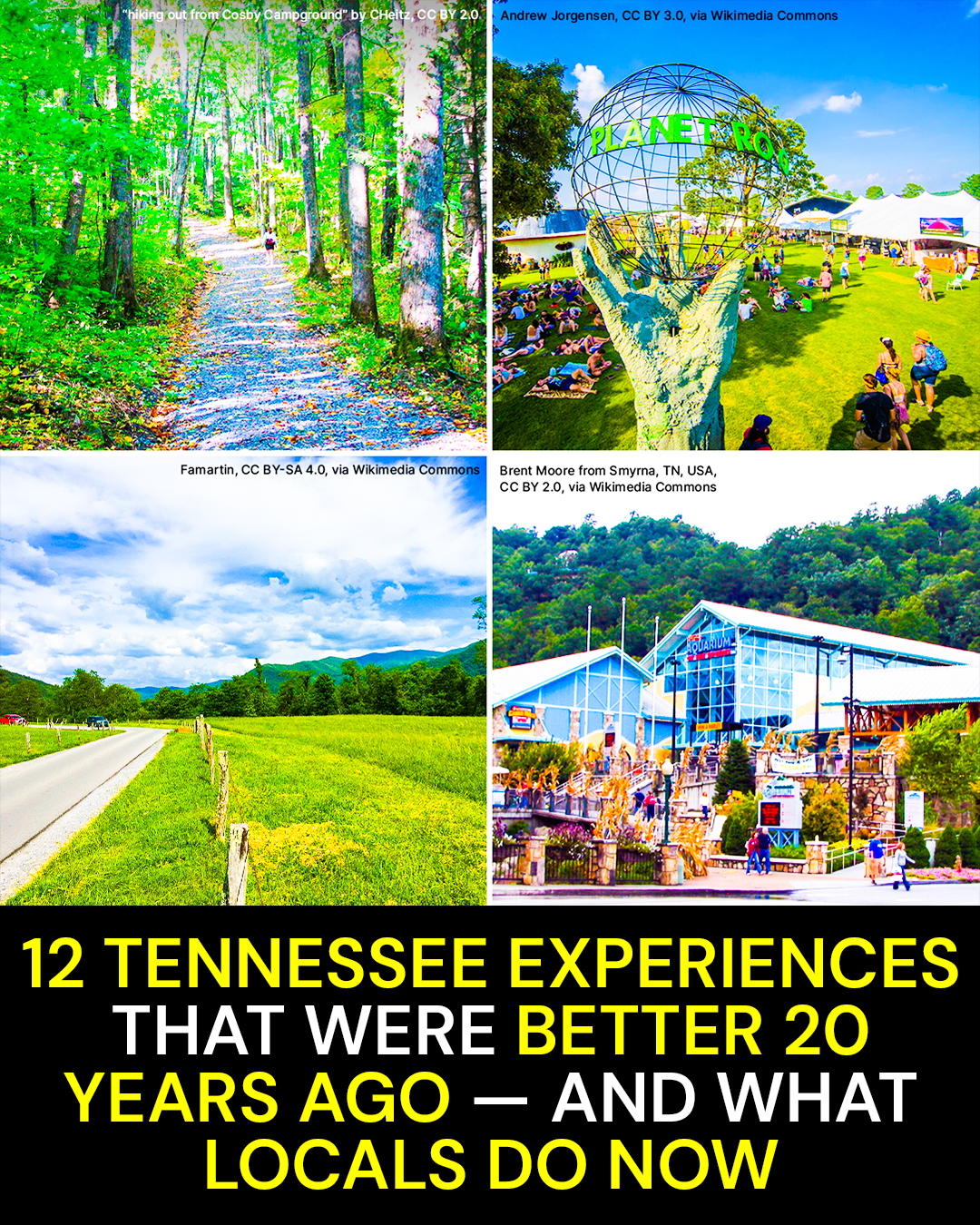
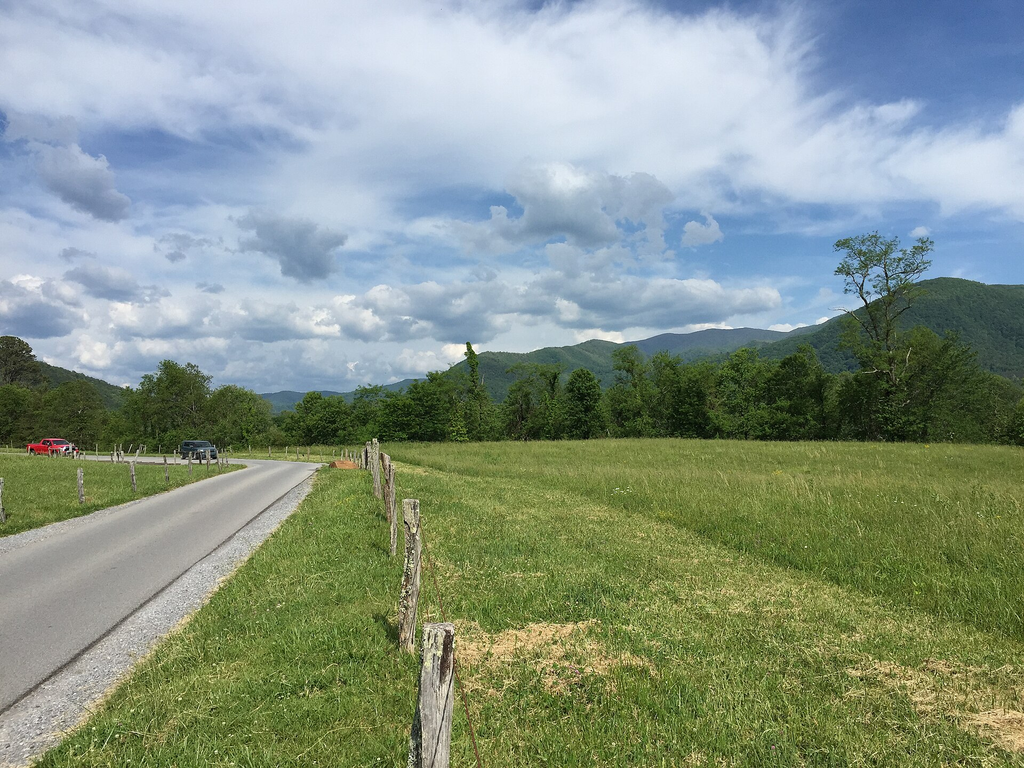
Cades Cove in Great Smoky Mountains National Park is an 11-mile, one-way loop through a broad mountain valley filled with historic buildings, wildlife habitat, and some of the park's most recognizable scenery. The Smokies recorded about 9.29 million recreational visits in 2006. By 2025, that figure had climbed to roughly 11.53 million.
Twenty years ago, the simple pleasure was spontaneity.
You could point the car toward the mountains, roll the windows down when the air turned cool, and spend the afternoon moving past split-rail fences, weathered cabins, open fields, and ridges fading blue in the distance.
The scenery is still there.
What has changed is how much strategy can be required to enjoy it.
The National Park Service openly identifies congestion, overflowing parking, roadside erosion, lines, and crowding as visitor-experience problems in the Smokies. Cades Cove is one of the places where that pressure is especially easy to see.
Here's what catches people off guard.
Parking in Great Smoky Mountains National Park for more than 15 minutes requires a parking tag, and buying one does not guarantee that you will find a parking space.
Daily parking tags cost $5, weekly tags cost $15, and annual tags cost $40. The requirement has been in place since March 2023.
The local trick is timing.
During the 2026 season, Cades Cove was closed to motor vehicles every Wednesday from May 6 through September 30, turning the loop over to cyclists and pedestrians. That changes the whole personality of the place. Instead of staring at brake lights, you hear tires on pavement, birds in the fields, and water running through the valley.
On regular vehicle days, early or late beats the middle of the day. The National Park Service identifies roughly 9 a.m. to 2 p.m. as the park's busiest period. Peak October weekends demand even more patience.
Cades Cove is still worth seeing.
You just cannot always treat it like the casual Sunday drive it once was.
And the same lesson applies to the rest of the Smokies.
The Part of the Smokies Most Visitors Still Drive Past
Great Smoky Mountains National Park is enormous, yet a surprising percentage of visitors funnel themselves toward the same roads, overlooks, and trailheads. In October 2025 alone, the park recorded more than 1.56 million recreational visits.
That means the famous Smokies experience can feel strangely urban at the wrong moment.
Cars crawl toward overlooks. Parking areas spill over. People wait for spaces while another line forms behind them.
Then you turn toward Cosby.
The change can feel almost immediate.
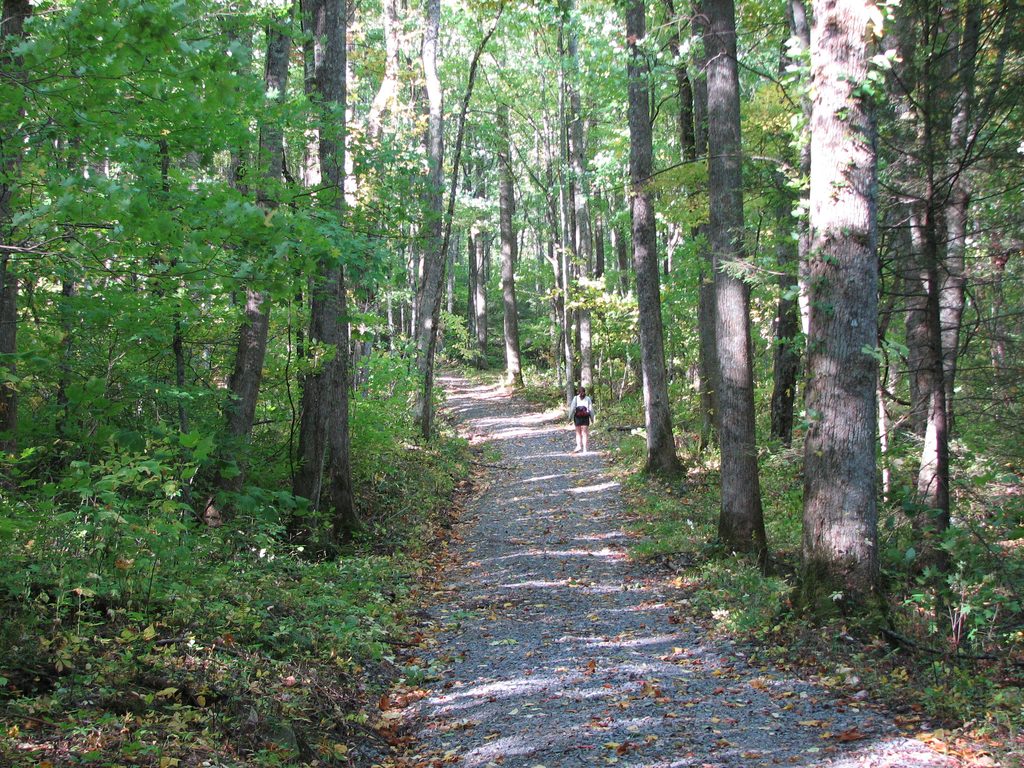
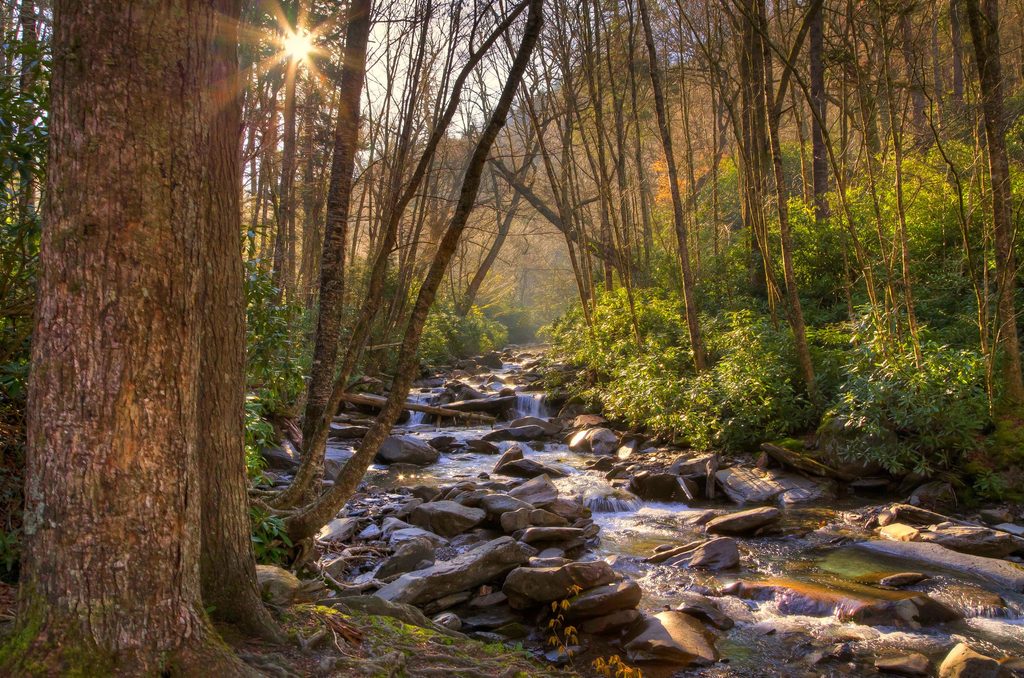
Cosby sits in a less-traveled section of Great Smoky Mountains National Park. Instead of building an entire day around the most famous photo stops, you get Cosby Creek, forest, picnic areas, historic cemeteries, wildflowers in season, fall color, and trail access.
The National Park Service itself describes Cosby as a less-traveled area and has called this portion of the park out-of-the-way. An NPS itinerary even notes that the picnic area is rarely full.
Here's the part repeat visitors understand.
You do not have to leave Great Smoky Mountains National Park to escape some of its biggest crowds.
Cosby is one answer. Greenbrier, Big Creek, and the Foothills Parkway can also change the pace of a Smokies day.
The trick is resisting the urge to collect every famous stop.
Pick one major attraction, then spend the rest of the day somewhere quieter. That is often more satisfying than trying to squeeze Cades Cove, Kuwohi, Roaring Fork, Gatlinburg, and a waterfall into one heroic itinerary.
Bring the same things you would anywhere else in the park: water, weather-appropriate layers, and a parking tag if you intend to park longer than 15 minutes.
The trap is assuming that because the park has no entrance fee, you can simply arrive at its most famous locations whenever you please and find an empty pull-off.
Twenty years ago, that gamble worked more often.
Today, locals know the map matters almost as much as the destination.
But nothing tests that strategy quite like October.
The Fall Drive That Became a Traffic Event
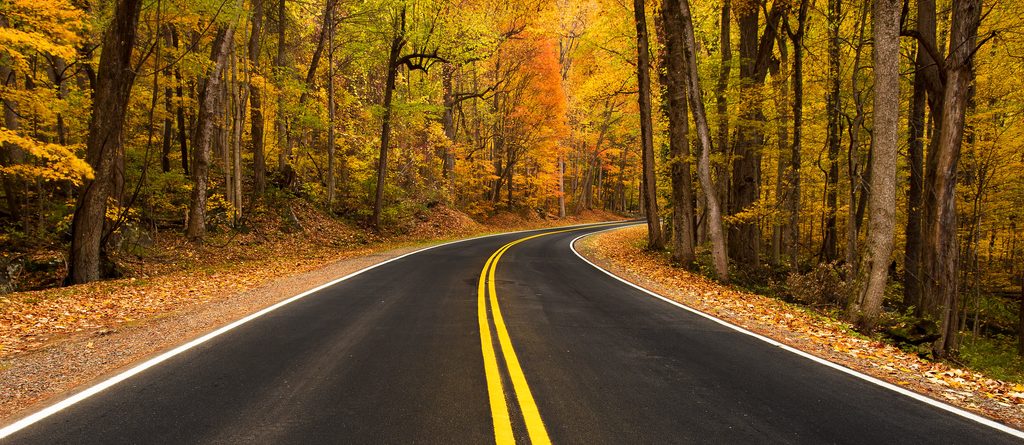
Autumn in East Tennessee is still spectacular. What changed is the number of people trying to see the same ridge at the same moment.
For fall 2026, the National Park Service specifically warned visitors about high volume, congested traffic, and limited parking around popular areas including Cades Cove, Kuwohi, and Roaring Fork. Tennessee tourism officials have also promoted less-traveled fall destinations as alternatives to the usual Smokies itinerary.
Twenty years ago, the fall plan could be wonderfully vague.
Drive toward the mountains.
Stop when the leaves look good.
Eat somewhere when you get hungry.
Come home after dark.
Now peak-color weekends can involve watching brake lights beneath trees you drove hours to see.
Here's what nobody tells you.
One of the best ways to enjoy Tennessee fall color now is to stop chasing the exact overlook everyone else has saved on their phone.
Foothills Parkway West is one alternative. The scenic road stretches about 33 miles from the Wears Valley area toward Chilhowee Lake, with broad mountain views along the way.
Farther south, the Cherohala Skyway gives drivers another mountain option around the Tennessee and North Carolina line. The Cumberland Plateau, Cherokee National Forest, and less-publicized state recreation areas can also deliver the thing people actually wanted when they planned a fall drive: room to look around.
Weekdays help. So does refusing to build the entire trip around the exact predicted peak-color weekend.
Remember that elevation changes the show. Tennessee's fall color does not happen everywhere on one magical Saturday.
The trap is trying to reproduce the photograph that brought everybody else there.
Sometimes the prettiest fall memory comes from a county road where nobody is standing beside you holding up a phone.
The mountains are not the only place where Tennessee's crowds changed the experience.
Nashville may be the clearest example of all.
The Honky-Tonk Strip That Grew Up and Up
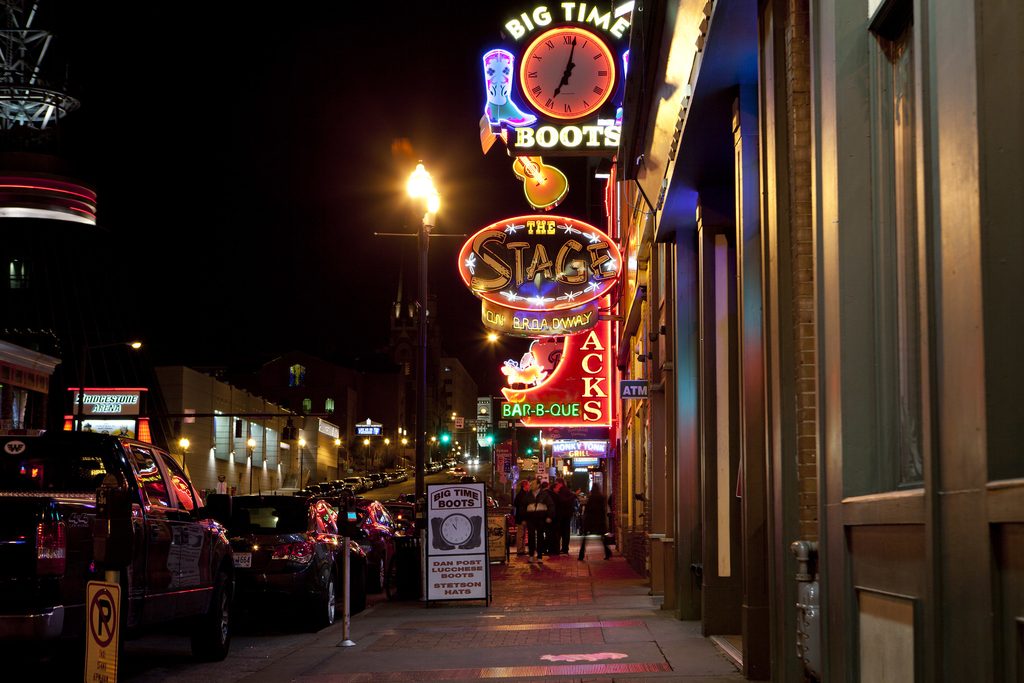
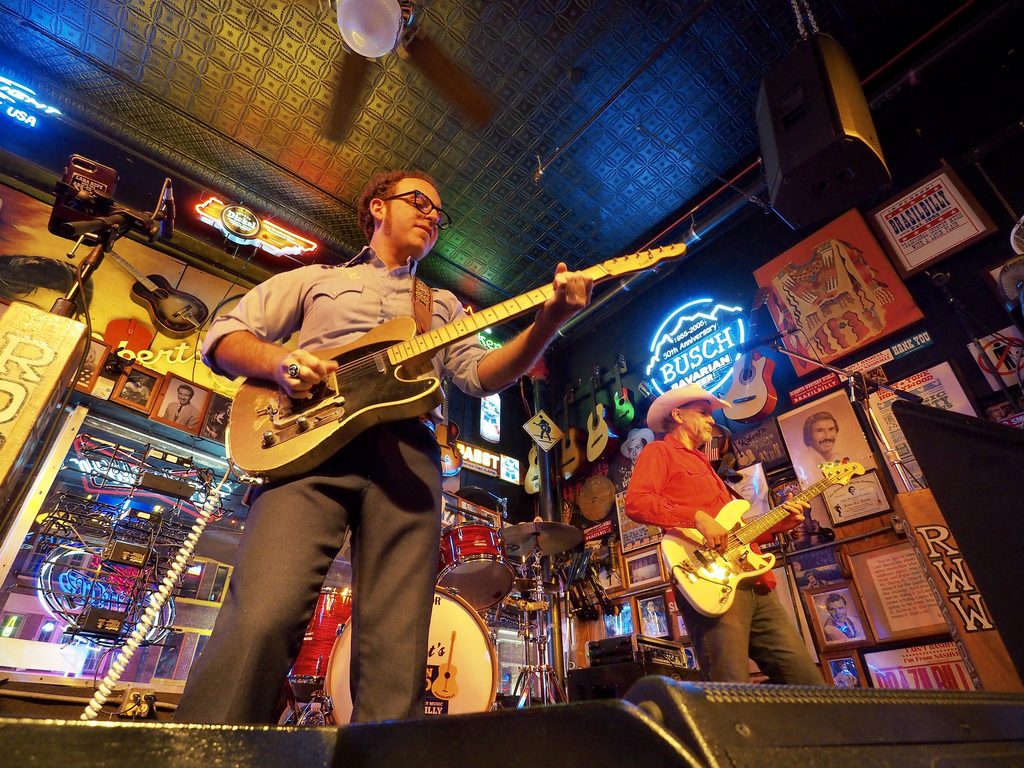
Lower Broadway in Nashville was already famous 20 years ago, but its scale was different. A 2004 Nashville Scene guide described the area around the Ryman in terms of honky-tonks and small, smoky bars, and a 2006 reader poll named Robert's Western World, Tootsie's, and The Stage as readers' favorite honky-tonks.
Walk Broadway today and the sensory overload starts before you reach the door.
Bass rattles through open windows. Pedal taverns creep past. Rooftops stack above rooftops. Music from one doorway crashes into music from the next.
And some of the venues are enormous.
Post Malone's Posty's opened in 2025 with about 26,000 square feet, six bars, three stages, and three floors. Lower Broadway property values have surged too, with Axios reporting in 2025 that 25 honky-tonk properties had seen appraised values rise by at least 140 percent in four years.
Here's the important distinction.
Old Nashville is not completely gone from Broadway, but you have to know which doors still lead to it.
Robert's Western World remains one of the obvious anchors for travelers chasing the older honky-tonk atmosphere.
The better local strategy, though, is to make the music the destination instead of making Broadway the destination.
That might mean the Station Inn in the Gulch for bluegrass, a songwriter room, a neighborhood venue, or a smaller club where the audience is actually facing the stage instead of fighting for rooftop space.
Broadway can still be tremendous fun. Go once. Hear the bands. Look up at the neon. Feel the wall of sound coming off the blocks.
Just understand the trap.
If you assume all Nashville music happens on Lower Broadway, you will miss a large part of Nashville's actual music culture.
The old rule was to follow the neon.
The better rule now is to follow the musicians.
The Nashville Night Out That Doesn't Start on Broadway
The Station Inn, songwriter rooms, neighborhood bars, and small stages tell a different Nashville story. Even old Nashville Scene guides show how spread out the city's nightlife once felt, with bluegrass at the Station Inn, songwriters at the Bluebird Cafe, country downtown, and separate indie and neighborhood scenes across town.
That version of Nashville is easier to understand when you step away from the tourism core.
The room gets smaller.
The conversations get quieter.
Instead of six bands bleeding into one another from six buildings, you hear fingers sliding over guitar strings. You hear the pause before a chorus. You notice when the room goes silent because everybody is actually listening.
That's the Nashville many repeat visitors are trying to find.
The most local music strategy in Nashville is simple: choose the room first, not the neighborhood with the most neon.
The Station Inn is particularly useful because it connects modern Nashville with a long-running bluegrass tradition. Smaller neighborhood venues and songwriter nights offer another path.
Look at the performance schedule before choosing where to spend your evening. A legendary venue on the wrong night for your taste is still the wrong venue.
And do not assume that “away from Broadway” means “nothing happening.”
That is the trap.
Nashville's tourism machine has become so visually dominant that visitors can mistake downtown for the entire city's nightlife. It is not.
Twenty years ago, going out in Nashville naturally meant spreading yourself around town. Locals still do that.
There is another Nashville experience that followed a remarkably similar path.
It started as something deeply local, then the rest of America discovered it.
The Dish Nashville Ate Before Everybody Put Its Name on a Menu
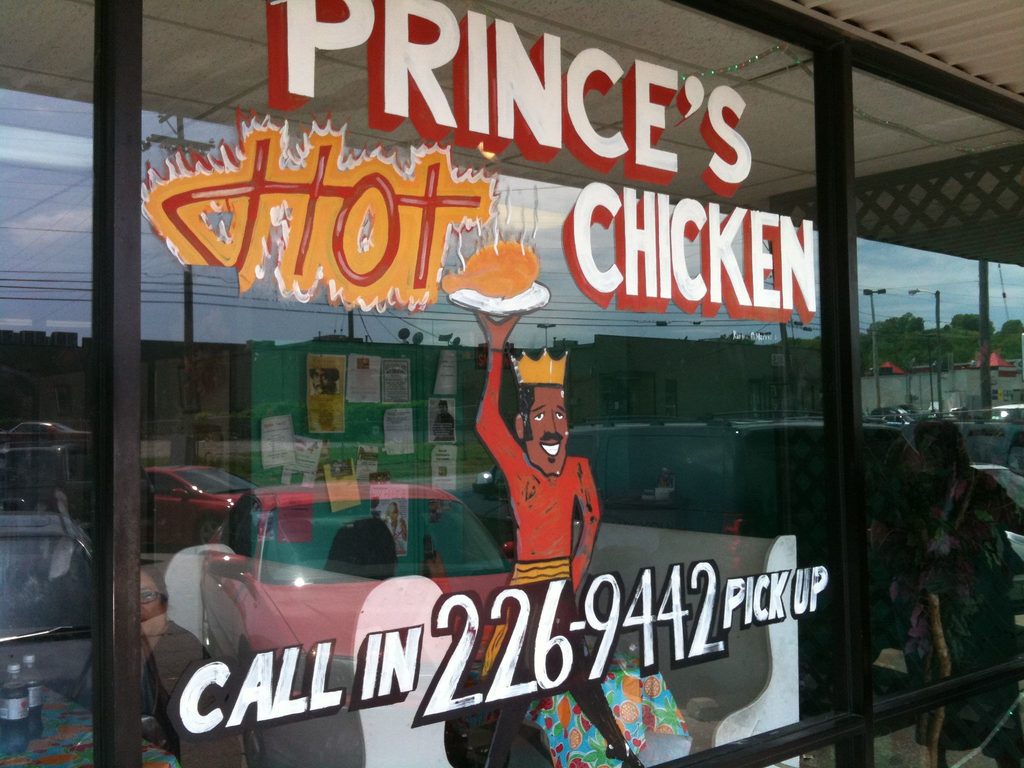
Prince's Hot Chicken is central to the story of Nashville hot chicken, a food tradition that was still far more local and neighborhood-based 20 years ago. Nashville Scene's history of the dish places a major wave of national attention around 2008, before “Nashville hot” began appearing far beyond Tennessee.
The experience is gloriously physical.
The chicken arrives hot enough to perfume the air with spice. The crust crackles. The heat builds. Bread underneath catches the drippings.
Then comes that moment when somebody who ordered above their comfort level gets very quiet.
Hot chicken did not need a national marketing campaign to matter in Nashville. It already had history, community, and fiercely loyal customers.
What changed was its visibility.
Hot chicken went from a Nashville food tradition to one of the city's most recognizable tourism brands.
That does not mean visitors should skip it. It means they should understand there is more than one version of the experience.
Prince's and Bolton's remain important names in the older Nashville hot-chicken story. Other operators, including 400 Degrees, Slow Burn, and newer neighborhood businesses, have broadened the modern scene.
The insider move is not automatically joining whichever line is longest.
Decide what matters to you. History? Heat? A particular style? Convenience? Then choose accordingly.
And take heat levels seriously.
The trap is treating the hottest option like a vacation challenge. The goal is to taste the chicken, not spend the next hour regretting your competitive streak.
Nashville turned one neighborhood food into a national calling card.
Country music fandom went through an even bigger transformation.
The Country Music Weekend That Outgrew Its Own Name
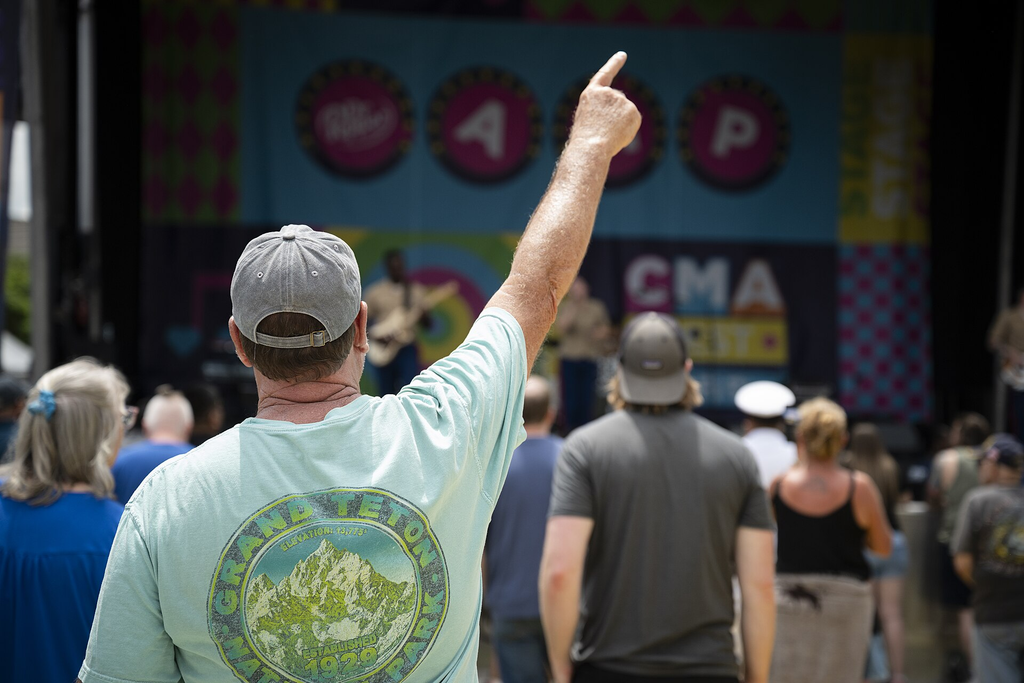
CMA Fest traces its history to Fan Fair, which began in 1972 with roughly 5,000 attendees at Municipal Auditorium. By 2026, CMA estimated the festival was attracting around 100,000 fans per day.
That single comparison tells you almost everything.
Older Fan Fair memories revolve heavily around access. Artist booths. Autographs. Fans waiting to meet performers. Country stars spending long stretches signing photographs.
Modern CMA Fest is a huge citywide production.
Downtown fills with stages, lines, music, branded experiences, fans in boots, and the kind of energy that makes Nashville feel like the center of the country universe for four straight days.
It is impressive.
It is also not casual.
Here's what has changed most.
CMA Fest grew from about 5,000 attendees at the original 1972 Fan Fair to an estimated 100,000 fans per day in 2026.
Locals who enjoy it strategically do not necessarily attempt everything.
Pick the performances you care about most. Arrive early. Consider free daytime music. Watch smaller associated shows and neighborhood calendars instead of spending four days chasing the biggest possible stage.
That is how you keep a giant festival from turning into four days of lines.
The trap is treating the schedule like a checklist.
You cannot experience every stage, every artist, every activation, and every corner of downtown. Trying usually means spending more time moving through crowds than hearing music.
Choose your moments.
Twenty years ago, Fan Fair nostalgia was about closeness.
Today, the trick is creating your own smaller experience inside something enormous.
Another Tennessee institution has changed in almost the opposite way. It did not necessarily get worse.
It got bigger, more sophisticated, and much more complicated to do casually.
The Theme Park That Became a Full Vacation
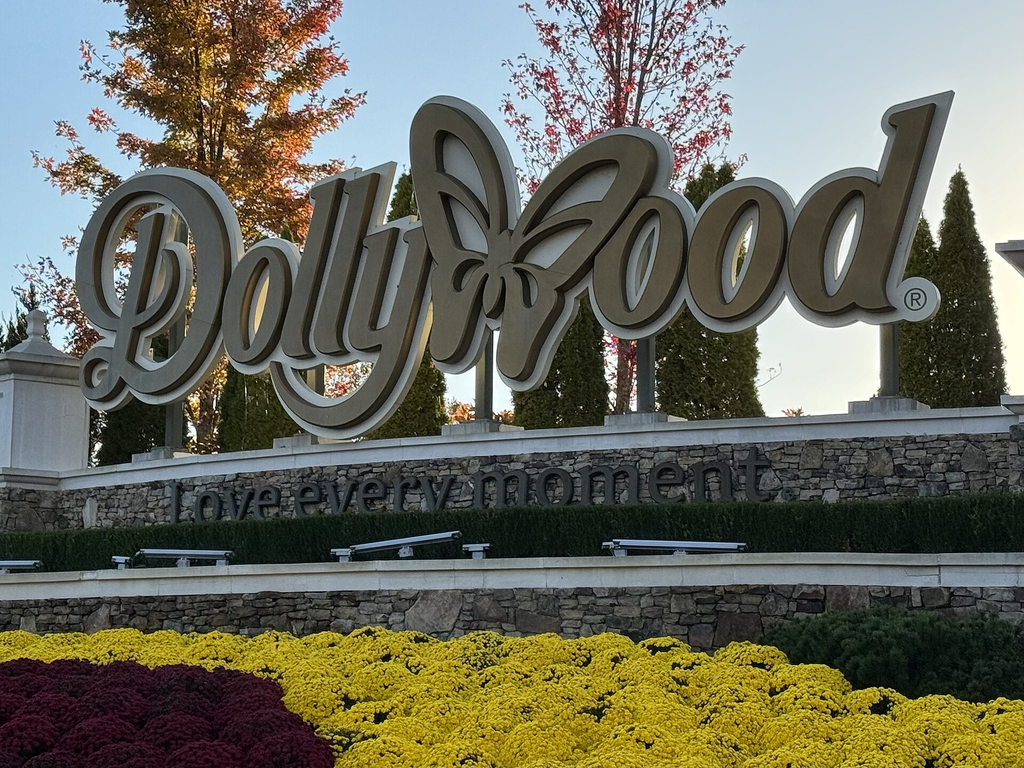
Dollywood in Pigeon Forge was already a Tennessee institution in 2006. That year brought the Timber Canyon area, while Mystery Mine followed in 2007. Today, Dollywood is a far more developed destination with date-based ticketing, multiple ticket options, festivals, major attractions, and premium choices.
That distinction matters.
Saying Dollywood itself was simply “better” 20 years ago would be unfair.
The easier argument is that a Dollywood day was simpler.
Today, families can study calendars, compare ticket types, think about festival dates, plan ride order, and decide whether a season pass makes more sense than individual visits.
In 2026, Dollywood advertised dated adult tickets starting at $94.99 before tax, flexible adult tickets starting at $99.99, and season passes starting at $169.99.
Here's the part locals understand.
Dollywood's growth gave visitors more to do, but it also made planning the day more valuable than it used to be.
Repeat visitors can benefit from thinking differently than once-a-year tourists.
Go midweek when possible. Arrive early. Decide which major attractions matter most before entering. During festivals, consider making the food, decorations, and entertainment part of the point rather than sprinting between rides all day.
Season passes may make more sense for people who know they will return, but do the math based on your actual plans.
The trap is paying for a big day and then spending the first hour inside deciding what everybody wants to do.
Dollywood rewards a little homework now.
And just down the road sits a mountain town where the same rule applies on an even larger scale.
The Mountain Town Locals Learned to Sleep Outside Of
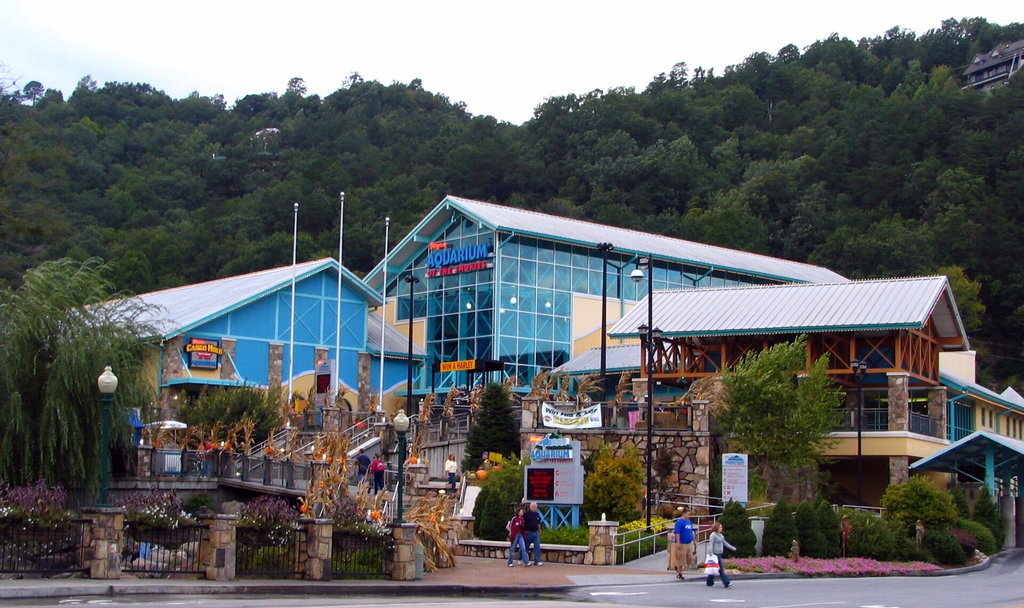
Gatlinburg remains one of Tennessee's signature destinations and one of the main gateways into Great Smoky Mountains National Park. The park's visitation climbed from about 9.3 million recreational visits in 2006 to around 11.5 million in 2025.
That growth is easy to feel on the Parkway.
Signs glow against the mountains. Attractions compete for attention. Families move between restaurants, shops, entertainment, and park entrances.
Gatlinburg can be a blast.
But visitors who remember the town from decades ago may be surprised by how much energy it takes to move through the center during busy periods.
Here's where experienced repeat visitors adapt.
Sometimes the best way to enjoy Gatlinburg is to stop treating downtown Gatlinburg as the center of every single day.
Wears Valley, Townsend, Cosby, and cabins outside the core can give a Smokies trip a different rhythm.
Stay outside the busiest area, head into the national park early, then choose when you actually want the Parkway experience.
That approach gives you both versions of East Tennessee.
You can spend an evening among lights, shops, attractions, and families carrying bags of candy. The next morning can begin with fog hanging between ridges and the sound of a creek instead of traffic.
The trap is booking a mountain vacation and accidentally spending most of it navigating the busiest entertainment corridor in the mountains.
Gatlinburg is still Gatlinburg.
The trick is giving yourself somewhere quieter to retreat to.
That same philosophy works several hours west, where Tennessee's most famous blues street is no longer the only obvious choice for a Memphis night.
The Famous Music Street That Locals Don't Have to Stay On
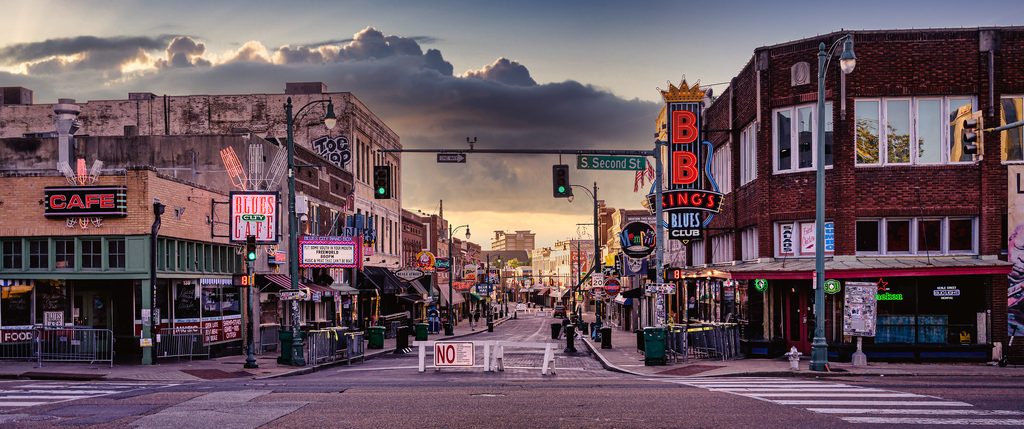
Beale Street remains essential to the Memphis story. The famous district covers roughly three blocks of clubs, restaurants, museums, shops, and live music, and Memphis continues to attract millions of visitors. The city's tourism organization reported about 13.1 million annual visitors in its recent economic-impact figures.
At night, Beale announces itself.
Neon glows on brick. Guitar riffs escape through doors. Music overlaps on the sidewalk. Visitors drift from club to club under signs carrying names they knew before they arrived.
You should see it.
But Memphis does not stop at Beale Street.
That is the modern advantage.
Tourists may start on Beale, but Memphis now offers entire entertainment districts where the night can continue in a completely different direction.
Cooper-Young has restaurants, bars, galleries, shops, and live music. Overton Square adds theaters and performing arts alongside its dining and nightlife. Crosstown Concourse, redeveloped from the former Sears complex and opened in its new form in 2017, brings food, music, events, and community spaces together under one enormous roof.
The insider move is to divide your Memphis evening.
Give Beale the attention its history deserves, then explore Midtown or another neighborhood instead of assuming you have seen Memphis nightlife after three blocks.
The trap is the same one visitors make in Nashville.
Fame compresses a city.
It convinces travelers that one nationally known street represents an entire local culture.
Memphis is much bigger than that.
And Tennessee's changing travel culture is not limited to cities. Even one of its strangest fields became a national institution.
The Farm Weekend That Turned Into an American Institution
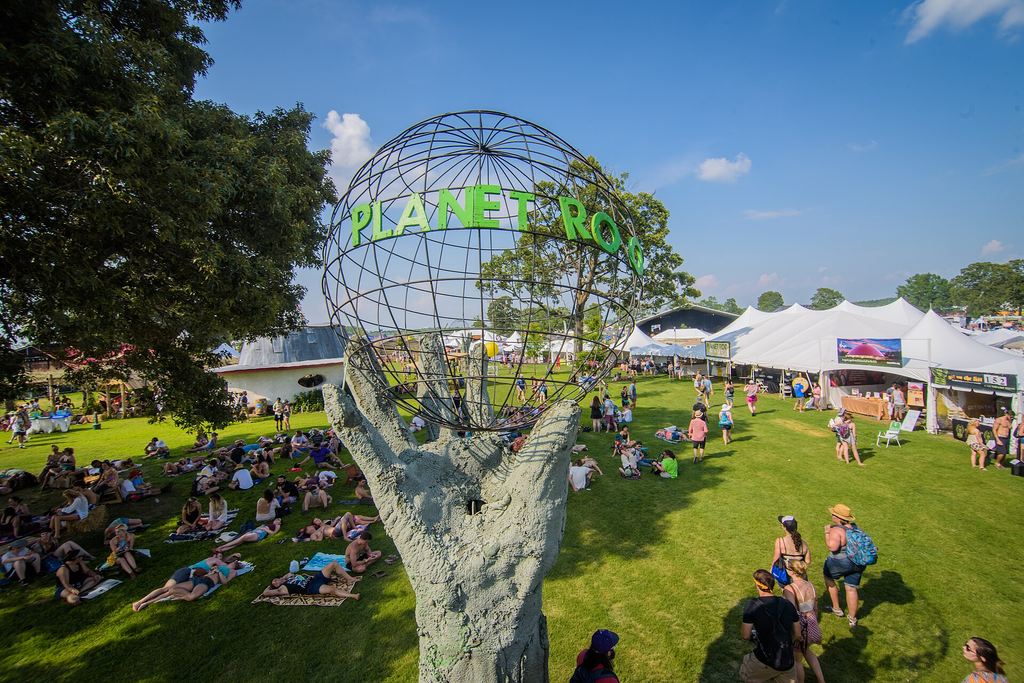
Bonnaroo was already big in 2006, but it still carried the feeling of a strange, sprawling camping experiment on a Manchester farm.
TIME's coverage that year described giant art, movies, comedy, fountains, camping, and an eclectic musical lineup. Organizers voluntarily capped attendance at around 80,000, while Billboard's year-end figures put attendance at 80,681 and tickets at roughly $169.50 to $184.50.
The old Bonnaroo image is almost tactile.
Dust on your shoes.
Tents disappearing toward the horizon.
Music floating across the farm at hours when sensible people are asleep.
Everybody slightly sunburned, slightly exhausted, and committed to the whole strange experiment.
Bonnaroo eventually became one of America's best-known major music festivals.
Here's what nostalgia sometimes leaves out.
Even in 2006, Bonnaroo was already drawing around 80,000 people. What felt different was the rougher, less polished culture surrounding the experience.
Modern festival travel rewards preparation.
Camping equipment, transportation, ticket tiers, accommodations, weather planning, and the physical reality of several days outdoors all deserve attention.
Locals who still love Bonnaroo plan for it.
Others get their live-music fix from smaller Tennessee festivals, city concerts, and individual shows without committing to a multi-day camping marathon.
Neither choice is more authentic.
The trap is expecting a major modern festival to feel like an improvised weekend in a field simply because old photographs make it look that way.
Bonnaroo grew up.
So did Tennessee tourism.
And one of the biggest consequences of that growth can be seen in places that do not sell a single concert ticket.
The Beautiful Places That Can Become Famous Overnight
Twenty years ago, a Tennessee waterfall could stay mostly local because somebody had to tell you where it was.
A swimming hole might spread through families, fishing buddies, hikers, church friends, or coworkers. A scenic overlook might be something you stumbled across because you took the long road home.
Today, one video can put a quiet place onto thousands of weekend itineraries.
Tennessee recorded roughly 150 million visits in 2025, with direct visitor spending reaching $32.5 billion. Tourism spending had grown about 40 percent since 2018.
That growth has been good for countless Tennessee communities.
But it has also changed how locals protect their own sense of discovery.
Here's the modern Tennessee trick.
Stop chasing the photograph everybody else already has.
Look at state natural areas. Explore Cherokee National Forest. Give the Cumberland Plateau more attention. Spend a day around a TVA lake. Take a weekday trip. Travel in winter. Eat in a small downtown where nobody has built an itinerary around the restaurant yet.
That does not mean keeping places secret.
It means spreading the pressure around.
The practical advantage is obvious too. Less-famous destinations can mean easier parking, less waiting, quieter trails, and more time actually experiencing the place instead of maneuvering around everybody else experiencing it.
The trap is believing “best” and “most famous” mean the same thing.
They rarely do.
And perhaps nowhere is that clearer than when Tennessee turns orange, red, and gold.
The Scenic Road That Still Rewards Taking the Long Way
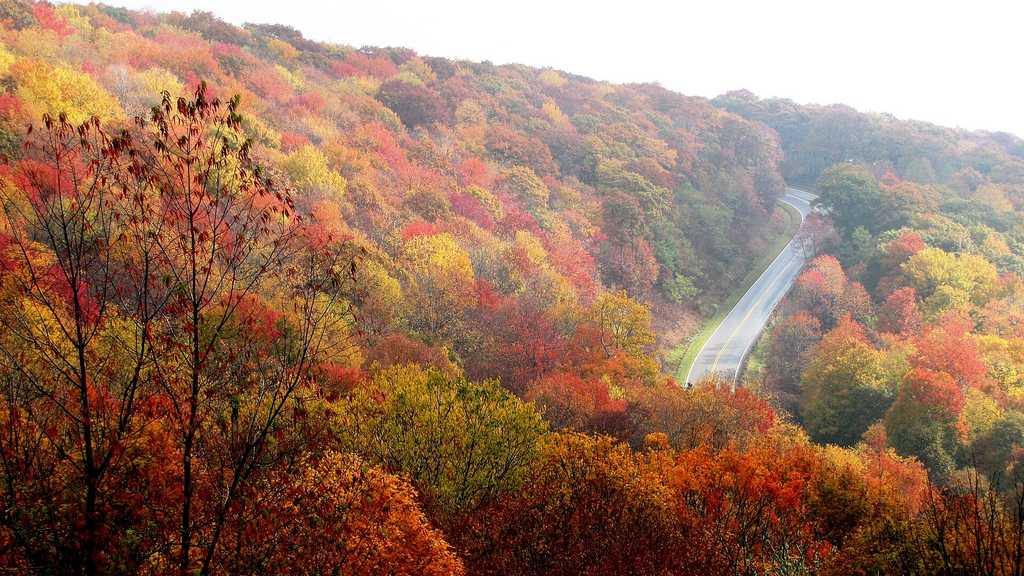
The Cherohala Skyway runs through the mountains between the Tellico Plains area of Tennessee and Robbinsville, North Carolina. It offers the kind of high-elevation driving experience many people are hoping for when they join the October rush toward the Smokies. The broader research on changing Tennessee travel patterns repeatedly points toward routes like the Cherohala, Foothills Parkway, and Cherokee National Forest as alternatives to the most concentrated tourist corridors.
This is the kind of drive that reminds you what leaf-peeping is supposed to feel like.
The road curves.
The forest changes with elevation.
One minute you are under a canopy of autumn color. Then the view opens and ridgelines begin stacking toward the horizon.
There is no attraction at the end that justifies the drive.
The drive is the attraction.
That's increasingly precious.
The best modern substitute for an old-fashioned Tennessee road trip is often choosing a road because it is beautiful, not because something famous is waiting at the end.
The insider move is to build less into the day.
Do not pair every scenic drive with six attractions and a dinner reservation two counties away. Leave time for overlooks, weather changes, and the simple pleasure of stopping because the light suddenly looks good.
Mountain weather deserves respect, especially at elevation. Check current road and weather conditions before heading out and do not assume conditions at higher elevations match what you saw in the valley.
The trap is rushing.
A scenic road cannot save a vacation schedule that leaves no time to actually look at anything.
Twenty years ago, Tennessee road trips had more room for detours.
You can still travel that way.
You just have to protect the empty space yourself.
The Unexpected Fact About Tennessee's Tourism Boom
The surprising part is not that Tennessee's famous places suddenly became worse.
It is that millions more people discovered them.
Great Smoky Mountains National Park went from about 9.29 million recreational visits in 2006 to roughly 11.53 million in 2025. Tennessee as a whole welcomed around 150 million visits in 2025, generating a record $32.5 billion in direct visitor spending. Nashville alone accounted for $11.6 billion in visitor spending that year.
That changes a place.
It changes the Saturday traffic. It changes what happens to a neighborhood restaurant after the internet discovers it. It changes the price of property near a famous entertainment district. It changes how early you need to reach a trailhead and how carefully you choose an October weekend.
But it does not erase Tennessee.
The creek still runs through Cosby. Bluegrass still sounds better in a small room. Mountain fog still settles into the valleys before breakfast. Somewhere beyond the famous overlook, another road is curling through the woods with nobody trying to recreate the same photograph.
The real Tennessee trick was never knowing one secret place.
It was knowing when to keep driving.