
Most visitors lose hours of a Tennessee trip sitting in traffic, searching for parking, or arriving at an attraction just as the best part of the day slips away. The trick is knowing when to show up, not simply where to go.
For this guide, the focus is on 15 familiar Tennessee destinations, from Nashville's neon-lit streets to the misty valleys of the Smokies, and the timing mistakes that can change an entire visit. A few of these surprises could save you a good chunk of your vacation.
1. The Nashville Street That Has Two Completely Different Personalities
Lower Broadway in downtown Nashville is the kind of place that can feel like two different cities depending on when you arrive. Come during the late morning or early afternoon for a chance to explore the honky-tonks, admire the neon signs, and listen to live music before the evening crowds take over.
Come on a busy Friday or Saturday night, and the experience changes considerably.
The sidewalks fill with visitors in cowboy boots, groups celebrating birthdays, bachelorette parties, and people trying to squeeze into their favorite music venues. Music spills through open doors, neon signs glow against the buildings, and the smell of food from nearby restaurants mixes with the unmistakable energy of downtown.
It's entertaining, certainly. But it can also be loud, crowded, and surprisingly tiring if you're trying to see everything on foot.
During the daytime, you have more room to notice the details. You can admire the old storefronts, peek inside music venues, take photographs, and get a feel for the neighborhood without constantly navigating around other people.
Here's what catches people off guard.
Broadway is not simply a nightlife destination. Its daytime live-music scene gives you another reason to visit before sunset.
The insider trick is to make two visits if your schedule allows. Explore during the day, then return after dark if you want the full neon-and-nightlife experience. You don't have to spend the entire evening fighting crowds just to say you've experienced Broadway.
Wear comfortable walking shoes, keep your belongings secure, and decide in advance which venues interest you. Some establishments have their own schedules, age restrictions, and entry policies, so check those details rather than assuming every door offers the same experience.
Also, don't build your entire evening around finding a parking spot directly beside the entertainment district. Look into downtown parking options before you arrive, and account for the walk back to your vehicle.
The biggest mistake is expecting a relaxed sightseeing experience during the busiest nightlife hours.
And if you think downtown traffic is frustrating, wait until you see what happens when thousands of visitors all want the same mountain view.

2. The Mountain Valley Where a Relaxing Drive Can Eat Up Your Morning
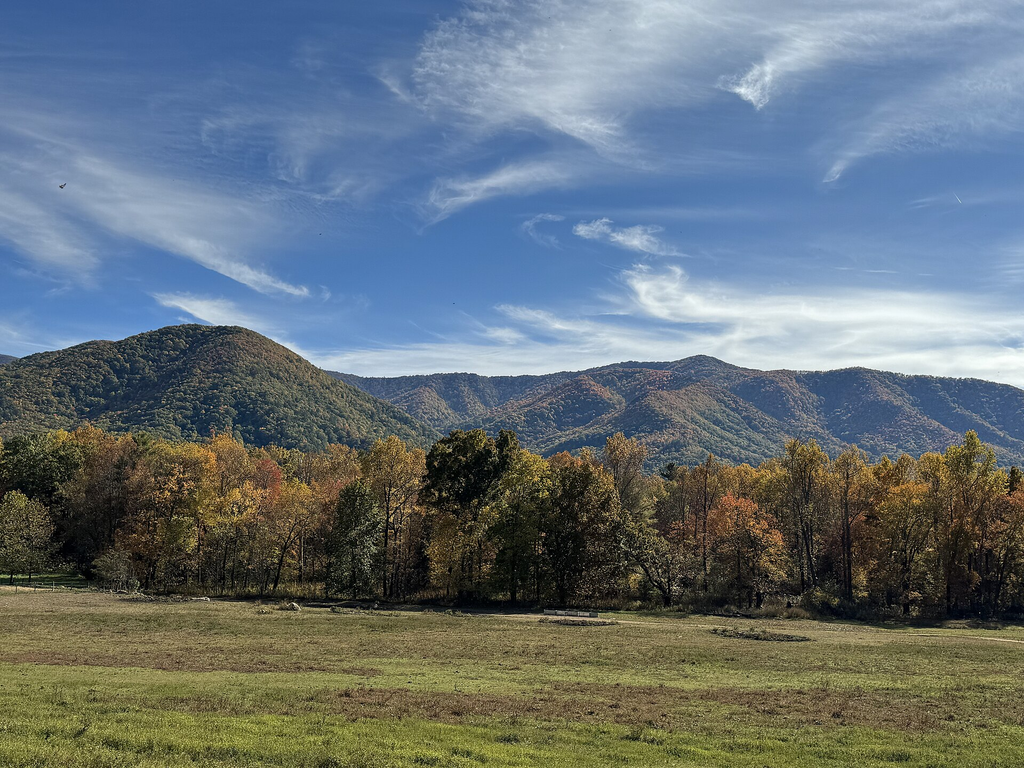
Cades Cove, inside Great Smoky Mountains National Park near Townsend, is one of those Tennessee destinations that rewards patience. Its 11-mile, one-way loop passes through a mountain valley filled with historic buildings, wildlife-viewing opportunities, and scenery that changes with the light. The National Park Service recommends allowing at least two to four hours for the drive, with additional time if you plan to hike.
The mistake is arriving late in the morning during a busy summer weekend or fall foliage season and expecting to glide through the valley.
Cades Cove is not a road you want to rush. Open fields sit beneath forested mountain ridges, and old structures offer glimpses into earlier Appalachian life. You might stop to study a historic cabin, watch the mist lift from the hills, or wait while other visitors observe wildlife from a designated pullout.
When traffic builds, however, a peaceful drive can become a long procession of vehicles.
The difference between a leisurely outing and a frustrating one often comes down to how much time you have and when you start.
The National Park Service recommends allowing two to four hours for Cades Cove, and the loop closes to vehicles at sunset.
Arrive early on a vehicle-access day, bring water and snacks, and keep your schedule flexible. Wildlife sightings are never guaranteed, so don't plan your entire visit around seeing a bear. If you do encounter wildlife, remain at a safe distance and never approach or feed it.
There is another important detail for 2026. Cades Cove Loop Road is scheduled to be vehicle-free on Wednesdays from May 6 through September 30. Those days are intended for pedestrians and cyclists, so check the current arrangements before driving over. Parking is limited, and a valid park parking tag is required when applicable.
The trap is assuming that every Wednesday is a normal driving day during the seasonal program.
Check the official park updates, road conditions, and sunset time before setting out. An early start gives you more flexibility, but don't confuse avoiding traffic with having to race through the experience.
Now, from a quiet mountain valley, let's head west to a Memphis tradition that runs on a very different clock.
3. The Hotel Lobby Where Arriving Five Minutes Late Can Ruin the Plan
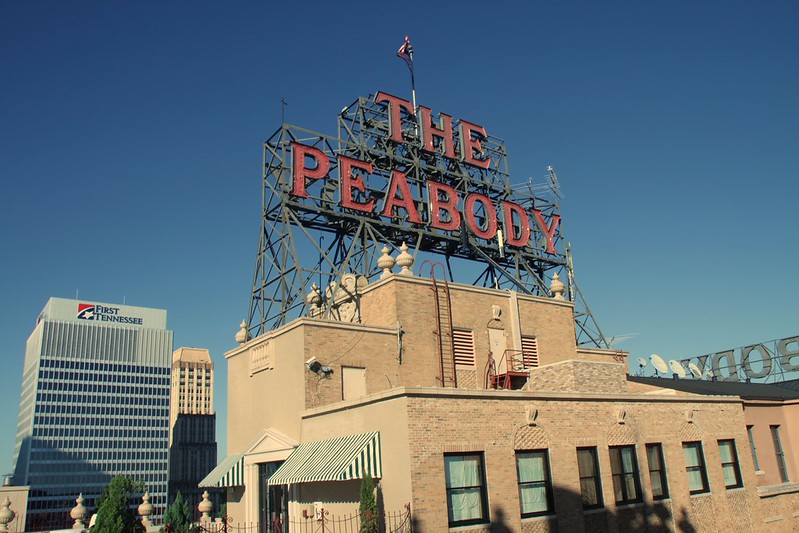
At The Peabody Memphis, the famous duck march is a scheduled event, not something you can casually drop into whenever you happen to be downtown. The ducks march daily at 11 a.m. and 5 p.m., and the hotel recommends arriving 30 minutes beforehand.
The setting is part of the appeal. The hotel's grand lobby, with its fountain and elegant surroundings, becomes the gathering point for visitors waiting to watch the ducks make their celebrated appearance.
Families position themselves near the viewing area, cameras come out, and the Duckmaster oversees a tradition that has made this Memphis hotel famous far beyond the city.
It's charming in a way that feels wonderfully old-fashioned. You don't need an elaborate itinerary or an entire afternoon to enjoy it, but you do need to pay attention to the clock.
Arriving at 10:58 a.m. and expecting a comfortable spot is not the same as arriving early enough to settle in.
Here's the little detail that makes the experience easier.
The Peabody's two daily duck marches take place at 11 a.m. and 5 p.m., with the hotel recommending arrival 30 minutes early.
Choose the 11 a.m. march if you're planning a morning downtown, or the 5 p.m. march if you'd rather make it part of an afternoon exploring Memphis. Both work well as an anchor for a larger itinerary.
The insider tip is to arrive early enough to enjoy the presentation rather than treating the march itself as the only event. The hotel's Duckmaster also shares information about the tradition, so the waiting time can become part of the experience.
Remember that this is an operating hotel, not a theater built exclusively for sightseeing. Be considerate of hotel guests and staff, and follow any directions about where visitors can gather.
You should also confirm the schedule before traveling, especially if your visit falls around a special event or holiday.
Once you've seen the ducks, you might feel tempted to squeeze in another stop just before closing time. That's exactly how people end up missing one of Nashville's most recognizable landmarks.
4. The Nashville Landmark That Deserves More Than a Quick Photograph
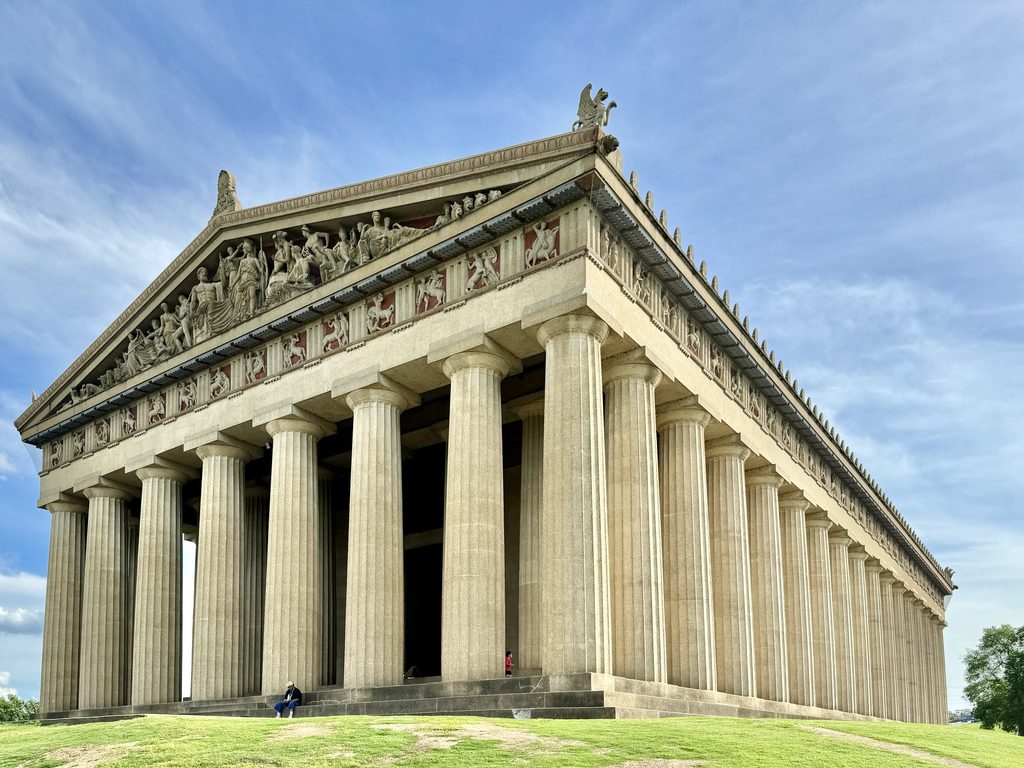
Nashville's Parthenon in Centennial Park is easy to underestimate because its exterior looks like a giant photo opportunity. The full-scale replica of the ancient Greek Parthenon is impressive from outside, but the museum inside offers another reason to plan your visit carefully.
The timing mistake is arriving late in the afternoon, snapping a few pictures, and discovering that the museum is about to close.
The enormous columns create a striking contrast against the surrounding greenery. On a clear day, the pale structure stands out beautifully against a blue Tennessee sky, while the lawns around it offer space to pause and take in the architecture.
Walk closer, and the details become more apparent. The symmetry, the columns, and the sheer scale of the building make it worth slowing down rather than treating it as another stop between lunch and dinner.
The exterior grounds and the museum are different parts of the experience, and the hours for one should not be confused with the other.
Plan around the museum's closing time, not just the amount of daylight left for photographs.
Morning or early afternoon is a sensible choice if you want to explore both the building and its surroundings without feeling rushed. If your priority is photography, consider the changing quality of natural light, but check museum hours separately.
The museum's published schedule has listed Monday through Saturday hours of 9 a.m. to 4:30 p.m. and Sunday hours of 12:30 p.m. to 4:30 p.m. Special schedules can affect access, so verify the current hours before you go.
Centennial Park gives you room to make a longer outing of the visit. Bring comfortable shoes, allow time to walk around the exterior, and avoid assuming that admission to the museum and access to every part of the grounds follow identical rules.
One common mistake is saving the Parthenon for the final stop of a packed afternoon. Give it a place in the day's plan instead.
But if you prefer Tennessee's landmarks made by nature rather than architecture, the next stop delivers a very different kind of spectacle.
5. The Waterfall That Looks Different When You Stop Watching the Clock
Fall Creek Falls State Park near Spencer is the kind of place that can make a regular afternoon feel like a proper escape. Its namesake waterfall drops 256 feet into a shaded pool, and the surrounding park offers additional waterfalls, overlooks, gorges, and hiking opportunities.
The mistake is arriving late in the day and expecting to fit everything into the remaining daylight.
Waterfalls have a way of making people linger. You reach a viewpoint, hear the rush of water below, and suddenly the quick stop you planned becomes an extended photography session. The sound carries through the surrounding forest, while the cool, shaded areas offer a welcome contrast to Tennessee's summer heat.
Then you realize you still have a trail to walk and a drive back ahead of you.
That's why timing matters more here than at an attraction where you can simply stroll indoors until closing.
Fall Creek Falls State Park closes to visitors 30 minutes before sunset, so late arrivals can leave you with less time than expected.
Start in the morning or early afternoon, particularly if you want to explore beyond the main waterfall viewpoint. Choose your trails according to your group's abilities, and leave enough time for the return walk rather than calculating your visit around the time you hope to reach the overlook.
Check the park's current trail information before setting off. Access, conditions, and available routes can change, and you shouldn't assume every trail or viewpoint is open simply because the park itself is operating.
Bring water, suitable footwear, and weather-appropriate clothing. Wet rocks and uneven surfaces deserve respect, even when a photograph makes a spot look easy to reach.
The insider tip is to choose your priorities before you arrive. If the main waterfall is what matters most, make that your first stop. If you want a longer hike, plan around the trail rather than squeezing it into whatever time remains.
Don't forget that the walk back is part of the outing.
And speaking of places that demand more time than visitors expect, Chattanooga has an indoor attraction where a late ticket can put you in a hurry.
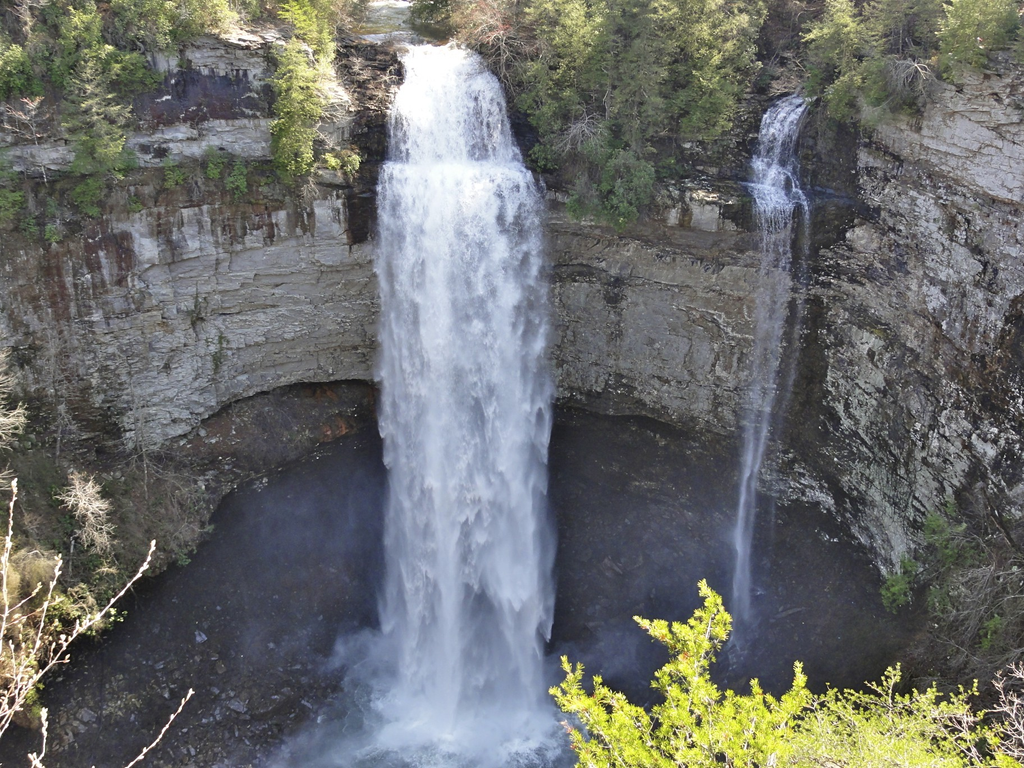
6. The Aquarium Where a Late Ticket Can Leave Half the Fun Behind
The Tennessee Aquarium in Chattanooga is not a place to squeeze into the last hour of your day. Its experience is spread across two main buildings, and the aquarium uses timed-entry tickets. Official visitor information also warns that the final entry time may come before closing and that popular time slots can sell out.
That matters because an aquarium visit is rarely a straight walk from entrance to exit.
You move from one exhibit to another, stop to watch an animal, read a display, and find yourself lingering longer than expected. The underwater scenes create their own rhythm, with shifting light, moving fish, and visitors gathering quietly around favorite exhibits.
Children may want to stop at every tank. Adults often do the same thing, even if they pretend they are simply keeping the family together.
The mistake is thinking that arriving late will give you enough time to see everything just because the doors haven't closed.
The Tennessee Aquarium has two main buildings, so allow several hours rather than treating it as a quick stop.
A morning or early-afternoon entry gives you more breathing room. Check the ticket schedule before traveling, and look for keeper chats or feeding presentations if those are important to you.
The insider trick is to plan your visit around the exhibits you most want to see instead of assuming you'll have time for everything. If you're traveling with children or anyone who needs regular breaks, build those pauses into the day.
Review the aquarium's current ticket conditions, final-entry time, and daily schedule before booking. Don't assume a ticket for a particular time means you can arrive whenever you like.
Parking and downtown traffic are also worth considering when choosing your entry slot. Leave a buffer between arrival and admission rather than pulling into the parking lot at the last possible moment.
The worst-case scenario isn't that the aquarium isn't worth seeing. It's that you spend the visit watching the clock instead of the exhibits.
Now let's trade indoor exhibits for a Nashville stop where arriving late can mean missing the very reason you came.
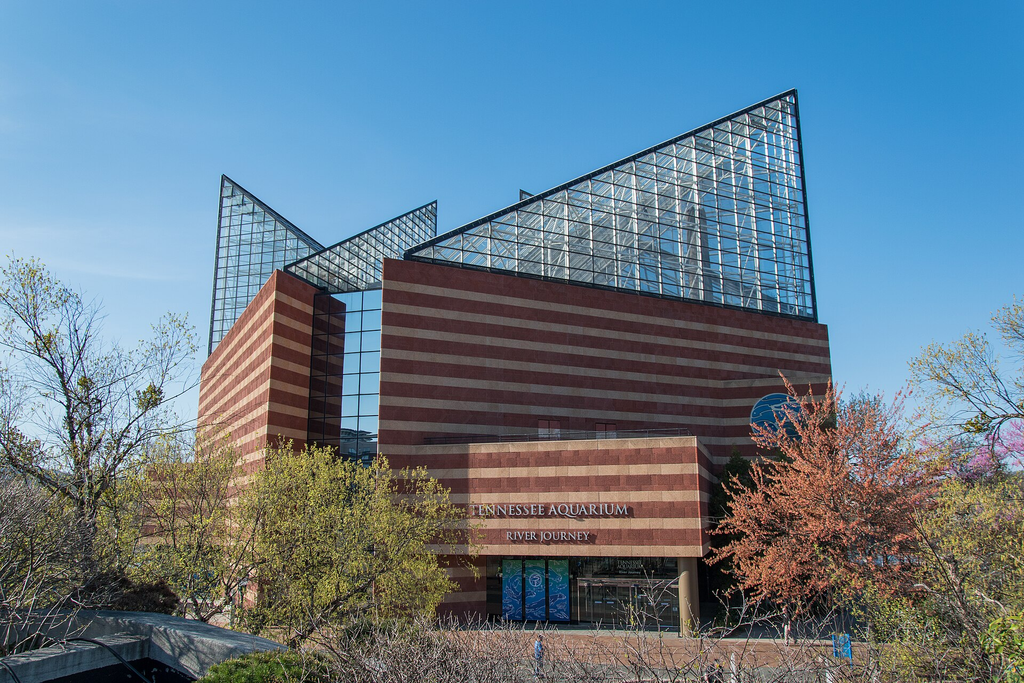
7. The Nashville Market Where the Best Morning Finds Don't Wait Around
The Nashville Farmers' Market offers a different side of the city from the honky-tonks and polished downtown attractions. It's a place to browse food stalls, explore local offerings, and turn a sightseeing day into something that feels a little more like everyday Nashville.
But the timing mistake is showing up late and expecting every outdoor farm vendor to still be operating.
The Market House and the outdoor farm sheds do not follow identical schedules. The Market House is generally listed as open daily from 8 a.m. to 8 p.m., while the outdoor sheds have more limited seasonal hours. The published schedule lists weekend farm-shed hours of 9 a.m. to 2 p.m. from March through October and 10 a.m. to 2 p.m. from November through February.
That difference matters if you're hoping to browse seasonal produce rather than simply grab a meal.
Earlier in the day, you have a better chance of seeing the outdoor market in action. Tables and stalls create a more traditional market atmosphere, and you can take your time deciding what to buy rather than rushing through a shrinking selection of open vendors.
The Market House's general hours do not mean every outdoor vendor is open for the same length of time.
Arrive in the morning if farm sheds are the main attraction. If you have a particular vendor or product in mind, check that business's schedule before setting out.
The insider tip is to treat the market as a flexible meal stop. Browse first, see what's available, and then decide what sounds good instead of planning around a specific stall without checking whether it will be open.
Remember that individual businesses set their own hours, and seasonal schedules can change. Verify the current hours before your trip, especially if you are visiting during winter or on a weekday.
You can make this a relaxed start to a day exploring Nashville, but don't leave it until the end of your itinerary and expect the full outdoor-market experience.
The next destination goes underground, where the sun outside has very little to do with the experience, but your reservation time matters a great deal.

8. The Underground Waterfall Where Your Reservation Sets the Pace
Ruby Falls on Lookout Mountain near Chattanooga takes visitors on a guided cave tour to an underground waterfall. Because the experience runs on scheduled tours through underground passages, choosing your entry time is a matter of planning, not simply chasing the best daylight.
The mistake is leaving the booking until the last minute or choosing a tour time that makes the rest of your day unnecessarily complicated.
Underground, the usual rules of outdoor sightseeing fall away. You aren't waiting for the sun to reach a waterfall or hoping the clouds will clear from a mountain overlook. Instead, the experience depends on your tour, the route, and the time needed to get through the attraction.
The cave setting itself is part of the appeal. Rock formations and narrow passages create an atmosphere that feels very different from the open landscapes Tennessee is known for, and the waterfall provides the destination at the end of the guided experience.
But this is not a stop you should casually wedge between two distant attractions.
Ruby Falls operates through scheduled guided tours, so your booked entry time should shape the surrounding itinerary.
Reserve ahead when possible, particularly if you're traveling on a busy weekend or holiday. Check the official schedule for the day you plan to visit rather than assuming an early-morning slot will always be available.
The insider tip is to avoid stacking your appointment too tightly against another timed activity. Allow room for arrival, parking, check-in, and the tour itself, and confirm any current guidance about accessibility and what to bring.
Review the attraction's current ticket terms and tour details before paying. The underground setting also means you should pay attention to the attraction's instructions instead of assuming that ordinary outdoor walking conditions apply.
If you're planning a full Chattanooga day, group nearby activities sensibly and leave enough flexibility for meals or unexpected delays.
Once you come back into daylight, there's another mountain destination where even the most carefully planned visit can be affected by something nobody controls.
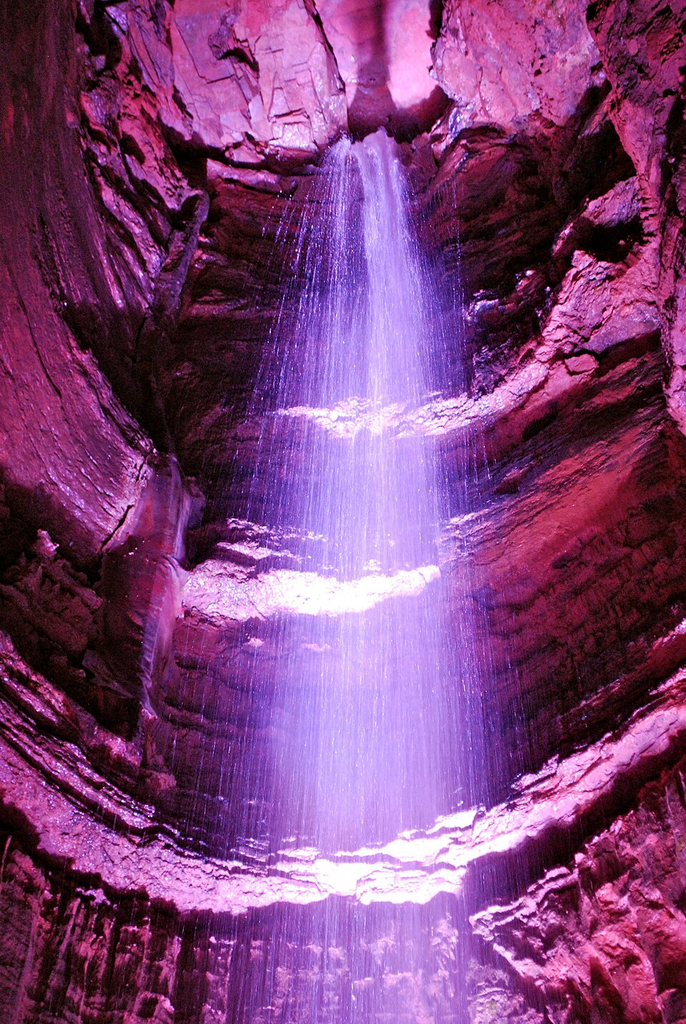
9. The Mountain View That Weather Can Ruin at Any Hour
Rock City on Lookout Mountain is famous for its unusual rock formations, garden paths, and expansive views. It's easy to build an entire day around the promise of a panoramic overlook, but the mistake is assuming that arriving at a particular hour guarantees a clear view.
Weather and visibility can change the experience more than the clock does.
On a clear day, the gardens offer a succession of natural features and viewpoints that encourage you to keep walking. The landscape feels especially dramatic when you reach an opening in the rocks and the view stretches out beyond the immediate mountain scenery.
But fog, low cloud, rain, and other weather conditions can affect how far you see. A beautiful forecast for the nearest town does not automatically guarantee clear visibility at every overlook.
Here's the detail worth remembering.
No time of day can guarantee the panoramic view if the weather isn't cooperating.
Check the forecast before choosing your visit, and keep your schedule flexible if the long-distance views are the main reason you're going. If you're visiting for a seasonal event or a winter light display, check the official event hours and ticket requirements separately.
The insider tip is to avoid making Rock City the centerpiece of a tightly packed schedule when the forecast looks uncertain. You may prefer to swap it with another nearby activity and return when conditions are more favorable.
Wear shoes suited to garden paths and uneven natural surfaces. Take your time, follow the posted route, and don't rush through the rock formations simply because you have a dinner reservation waiting.
The trap is assuming that a ticket guarantees the exact view you saw in a photograph. The attraction can still be worth exploring when the horizon disappears, but it's sensible to manage expectations.
And if you thought the busiest part of the Smokies was confined to the scenic roads, wait until you reach the trailhead parking lots.
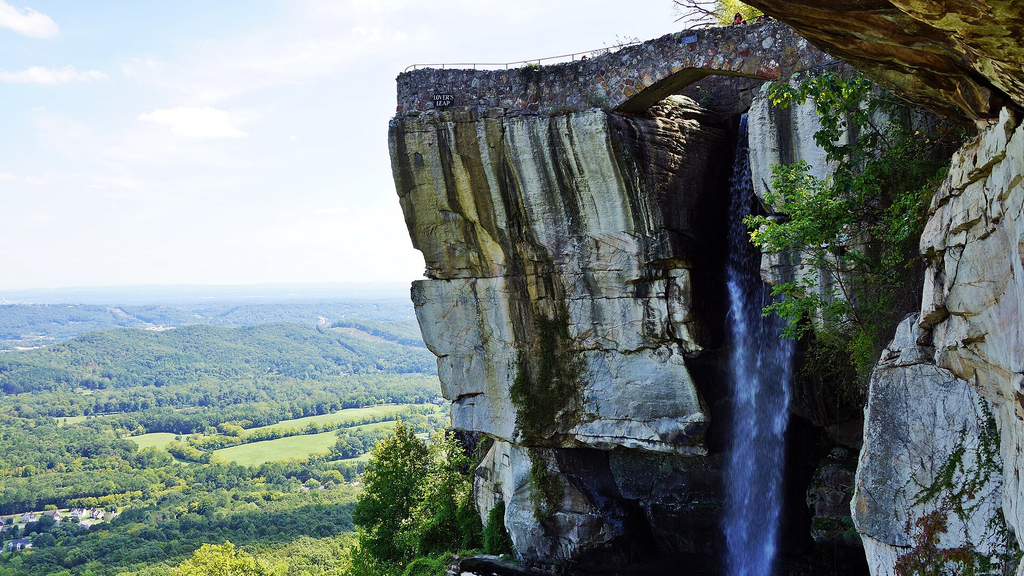
10. The Smokies Hiking Mistake That Starts Before You Take a Single Step
Great Smoky Mountains National Park draws visitors for mountain scenery, waterfalls, forests, and trails that range from short walks to demanding hikes. The National Park Service says visitation typically peaks between 9 a.m. and 2 p.m., when road congestion and full trailhead parking lots can create delays.
The mistake is starting a popular hike in the middle of that busy period without a parking plan.
You might picture a peaceful trail, birds calling from the trees, and sunlight filtering through the canopy. Instead, your first challenge can be finding a legal place to leave the car. If the lot is full, you may have to reconsider the route or wait for a space to open.
That can throw off the rest of the day, particularly if you've chosen a longer hike or promised everyone a specific destination.
The National Park Service recommends entering the Smokies by 8 a.m. or earlier during busy periods, with around 3 p.m. offered as another possible arrival window.
The important qualification is that a later start only makes sense when the hike fits comfortably within the remaining daylight. It is not a reason to begin a long or unfamiliar route close to sunset.
Choose your trail before leaving, check current closures, and identify a backup option in case the parking area is full. Carry water, appropriate footwear, a map or reliable navigation method, and a light source when needed.
The insider tip is to make the trailhead part of your planning, not an afterthought. A shorter walk with available parking can be a better use of the day than spending an hour searching for space at the most popular location.
Parking rules also matter. Check current park guidance and any applicable parking-tag requirements before your visit.
If you want to enjoy a quieter atmosphere, early morning can offer a different feel from midday, but wildlife sightings are never guaranteed, and no trail is completely free of other visitors.
The next stop is in Nashville, where the story of country music becomes much richer when you visit before the evening show begins.
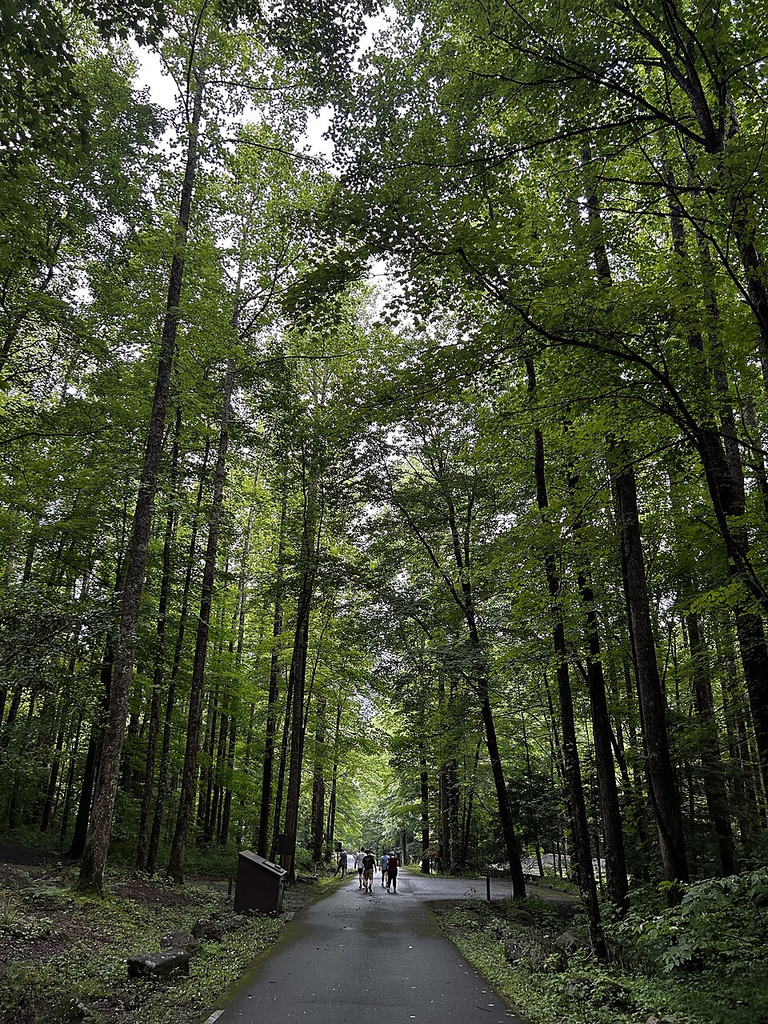
11. The Historic Nashville Stage That Isn't Only for Concertgoers
Ryman Auditorium is one of Nashville's best-known music landmarks, but you don't have to attend a nighttime performance to appreciate it. Daytime tours offer a different way to experience the historic venue, particularly if you want to learn about its architecture and musical legacy.
The timing mistake is treating the Ryman as a building that only comes alive after dark.
A concert gives you the sound, the crowd, and the shared anticipation of a live performance. A daytime tour, on the other hand, allows you to focus on the auditorium itself and the history behind the stage.
The venue's character is part of what makes the visit memorable. The auditorium is associated with generations of performers, and seeing the space without the pressure of an approaching show can give the experience a different pace.
If you are interested in music history, that slower pace may be exactly what you want.
A daytime tour and an evening performance offer two distinct ways to experience the Ryman.
The insider tip is to decide which experience matters most before booking. If you want to explore the building and learn its history, look at tour availability. If live music is the priority, start with the performance calendar and plan the rest of your day around the show.
Don't assume tour access is available at every hour. Performance schedules and special events can affect when tours operate, so verify the current options before traveling.
Allow time to reach the venue, especially if you're combining the visit with other downtown attractions. Parking, walking, and the general pace of a busy city center can take longer than expected.
It's also worth checking whether your chosen ticket includes the particular experience you want. Different offerings can have different conditions, and the details matter when you're planning a special trip.
The mistake isn't arriving in the evening. It's assuming that an evening show is the only way to understand the place.
From Nashville's music history, let's head to a waterfall destination where the walk itself deserves just as much attention as the view at the end.
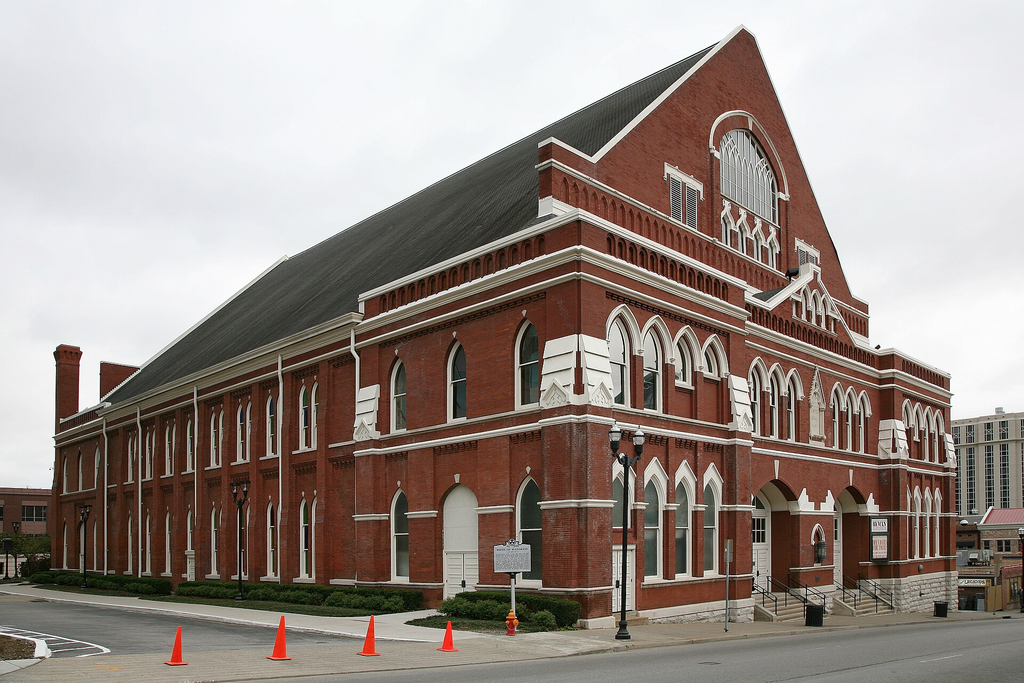
12. The Waterfall Trail Where Sunset Is Not a Friendly Deadline
Burgess Falls State Park near Sparta is a destination for visitors who want a Tennessee landscape shaped by rushing water, rocky terrain, and wooded trails. The park's published operating guidance lists hours from 8 a.m. Central time until 30 minutes before sunset.
That makes a late-afternoon arrival a gamble if your plan involves more than a quick stop.
The surrounding scenery rewards a slower pace. Trails and overlooks offer opportunities to appreciate the water and the terrain, and the changing light can make the landscape feel different as the day progresses.
But a waterfall hike is not simply a matter of walking toward a viewpoint, taking a picture, and turning around whenever you feel like it. The route, the surface, and the return journey all deserve consideration.
Burgess Falls State Park closes 30 minutes before sunset, so plan to finish your outing well before the closing window.
Morning or early afternoon gives you more room to explore without feeling pressed for time. Check the latest trail conditions and park notices before you leave, particularly if weather has affected access.
The insider tip is to resist the temptation to keep walking toward one more viewpoint just because the scenery is beautiful. Know your route, watch your pace, and turn back with enough time to return safely.
Bring water and suitable footwear, and take extra care on wet or uneven ground. Don't assume every overlook offers a safe route down to the water, and stay within marked access areas.
A common mistake is checking the park's opening hours but forgetting the sunset-based closing rule. In the colder months, that can make an afternoon visit shorter than expected.
If a waterfall is the main reason for your trip, give it the time it deserves. A rushed visit is rarely worth the stress.
The next stop is a little heavier in subject matter, but it is one of those places where arriving at the right time changes how much you can take in.
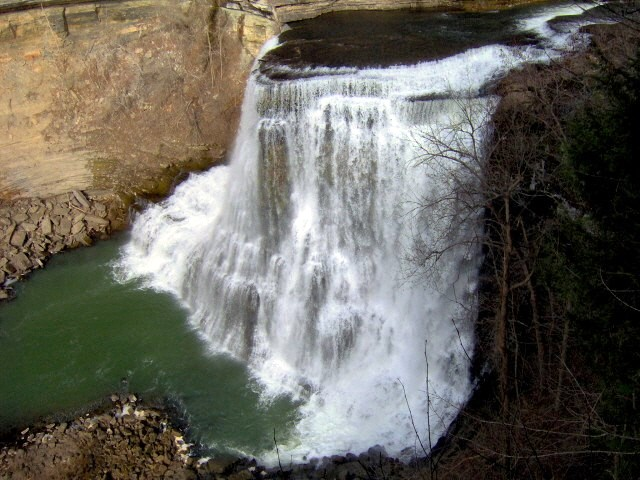
13. The Memphis Museum That Deserves Your Whole Morning
The National Civil Rights Museum in Memphis is not an attraction to squeeze into the final hour of a sightseeing day. Located at the Lorraine Motel site, the museum presents the history of the American civil rights movement through exhibits and historical spaces that require time, attention, and reflection.
The mistake is arriving late in the afternoon and trying to rush through a subject that deserves more than a hurried look.
This is not a place where you simply move from one photo opportunity to another. The exhibits ask visitors to confront the history of segregation, protest, resistance, and the struggle for equal rights. The setting itself carries historical significance, and the experience can be emotionally demanding.
You may find yourself reading every panel, pausing to absorb a photograph, or spending longer than expected with a particular exhibit. That is not wasted time. It is part of understanding what the museum preserves.
Arriving near opening gives you more flexibility to explore the exhibits without watching the clock.
Check the museum's current opening hours and ticket information before your visit, then reserve enough of the day to move through the collection at a thoughtful pace. Don't assume that an hour or two will be sufficient for every visitor.
The insider tip is to avoid scheduling another major attraction immediately afterward. Give yourself room to process what you've seen, have a meal, or take a quiet break before continuing around Memphis.
Review any visitor guidance about photography, entry procedures, and exhibit access. If you're visiting with children, consider their ages and readiness for difficult historical material, and prepare them for the subject matter.
This is also a place where respectful behavior matters. Keep conversations considerate, and remember that the history presented here is not simply a collection of dates and artifacts. It concerns real people and the consequences of real events.
The wrong time to visit is not a particular hour on the clock. It's the moment you realize you have to rush through a significant part of the experience because you left it until the end of the day.
After a visit like that, a lighter Tennessee tradition offers a reminder that not every memorable stop has to be solemn.

14. The Memphis Landmark Where Music History Comes Alive in a Small Room
Sun Studio in Memphis is closely associated with the early careers of Elvis Presley, Johnny Cash, and other influential musicians. The historic recording studio offers guided tours, making the time of your visit important if you want to explore the place rather than simply see the building from outside.
The mistake is turning up without checking tour availability and assuming you can walk straight in.
The appeal is partly the contrast between the studio's modest scale and its outsized place in music history. You're not entering a giant concert arena. You're visiting a historic recording space where music was made in a very different era.
That intimacy is part of the experience. The story is told through the room, the equipment, the recordings, and the details that connect a small Memphis studio to a much larger musical legacy.
Visitors who care about music history may want time to ask questions and take in the atmosphere rather than being hurried along by a tightly packed schedule.
Check the tour calendar before arriving, and build the rest of your Memphis itinerary around the confirmed entry time.
The insider tip is to consider an earlier available tour if it fits your plans, but don't assume a particular first-tour time or promise of smaller groups without confirmation from the studio. The current schedule is what matters.
Verify ticket details, tour duration, and any restrictions before booking. If you're traveling during a busy season, planning ahead can help prevent an awkward gap in the day while you wait for an available tour.
Allow time to reach the venue and find parking, and avoid booking another timed attraction immediately afterward. Downtown Memphis has plenty of places worth exploring, but the distances and travel time between stops still need to be considered.
The mistake is assuming that a famous name guarantees spontaneous access. Historic attractions operate on real schedules, and popular tours can fill up.
If you're a music lover, give the visit room to breathe. The story of a recording studio is best appreciated when you're not mentally calculating how fast you need to leave.
And for the penultimate stop, we're heading to a place where the timing of your visit can change the entire mood of the experience.
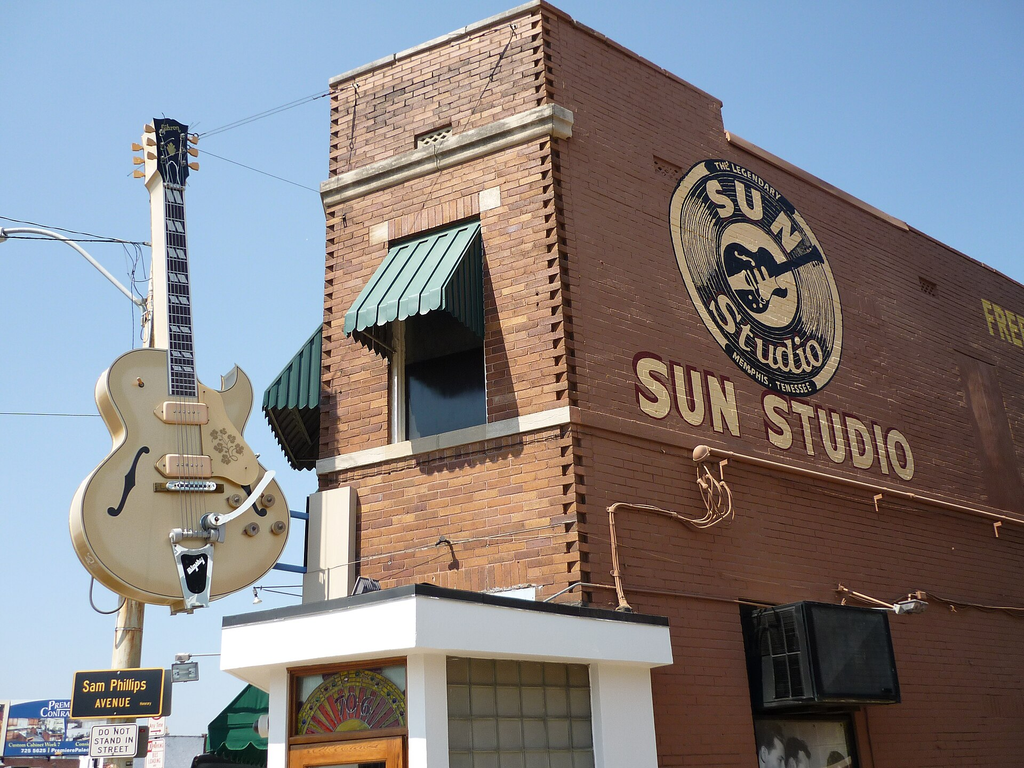
15. The Tennessee Scenic Drive That Should Never Be an Afterthought
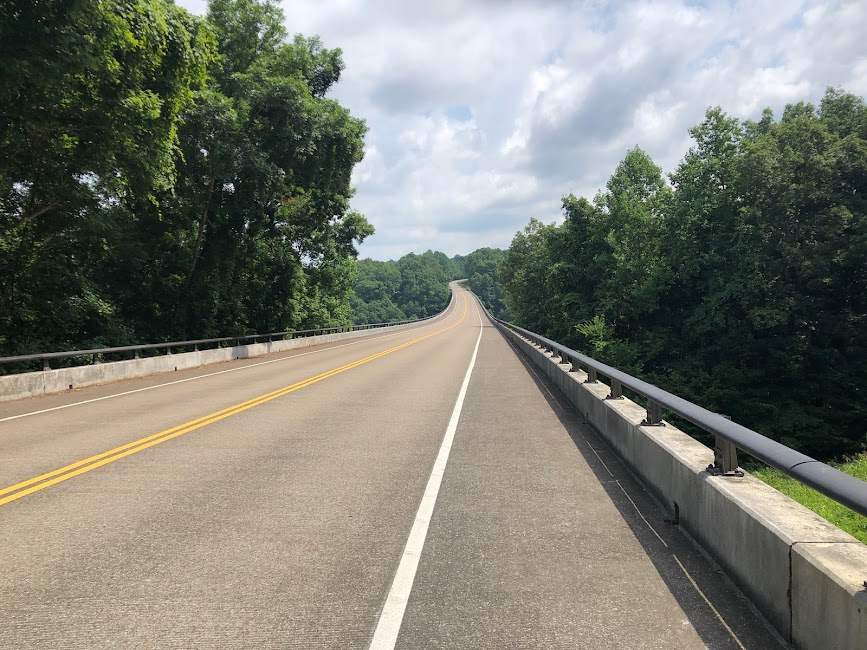
The Natchez Trace Parkway crosses a broad stretch of Middle Tennessee and offers a slower alternative to the usual highway journey. Rather than treating it as a road to get somewhere quickly, think of it as a scenic route with overlooks, historic sites, and places where you may want to stop and stretch your legs.
The mistake is leaving the drive until the end of the day without considering sunset.
A scenic drive works best when you have enough time to notice the landscape. Trees line the roadway, the road bends through wooded stretches, and the surroundings invite you to slow down rather than race toward the next destination.
The temptation is to keep driving until something catches your eye, then stop and decide what to do. That can work when you have plenty of daylight, but it becomes less practical when the sun is already dropping and you still want to explore on foot.
Plan a manageable section of the Natchez Trace Parkway instead of trying to fit an entire scenic outing into the last hours of daylight.
The insider tip is to choose your main stops before setting off. Check current road notices, decide which overlooks or historic sites matter most to you, and leave room for an unplanned stop without turning the whole drive into a race against sunset.
Some access points, trails, and facilities have their own operating arrangements, so don't assume every stop will be available at every hour. Check the current conditions before departure, especially if you plan to leave the car for a walk.
Bring water, keep your vehicle fueled appropriately for your route, and remember that a scenic road trip involves more than the time spent behind the wheel. Allow for parking, photographs, walking, and the return journey.
If you're hoping for sunset photographs, check the actual sunset time and choose a suitable stopping point in advance. Never stop in an unsafe location simply because the light looks beautiful.
The biggest mistake is treating a scenic drive as leftover time between other plans. Give it a proper place in the itinerary, and the journey itself becomes part of the destination.
There's one more Tennessee detail worth knowing, and it helps explain why the right timing can matter as much as the attraction itself.
The Unexpected Fact About Tennessee's Most Popular Destinations
One of the most useful facts about visiting the Great Smoky Mountains is that the park does not simply become quiet when the midday rush ends. The National Park Service identifies 9 a.m. to 2 p.m. as the typical peak visitation period and recommends entering by 8 a.m. during busy times, or considering an arrival around 3 p.m. when the plans and daylight allow.
That advice is more valuable than memorizing a supposedly perfect hour for every attraction. A morning that works beautifully for a scenic drive may not be the right choice for a scheduled performance, while an evening that feels crowded on Broadway may be exactly what you wanted from Nashville.
The real trick is to match the timing to the experience. Give yourself enough time for the things you came to see, check official schedules before you leave, and don't let a packed itinerary turn a memorable place into another item to cross off a list.
Tennessee has plenty to offer at every hour of the day. The difference is knowing when to arrive, when to slow down, and when to leave enough room for the unexpected.