

A Tennessee road trip can cost you plenty in gas, meals, parking, and admission tickets before you even reach the attractions you planned to see. But some of the state's most interesting stops are tucked beside ordinary highways, inside modest buildings, or just beyond places you would normally pass without a second glance.
From Dolly Parton's new roadside destination to a historic Memphis house, a collection of antique teapots, and a cave beneath the Smoky Mountain foothills, these 11 stops reveal a different side of Tennessee. A few are free, one takes you beneath the surface of American history, and several are the kind of places you will be glad you made room for.
The Highway Stop That Turns a Bathroom Break Into a Dolly Parton Experience
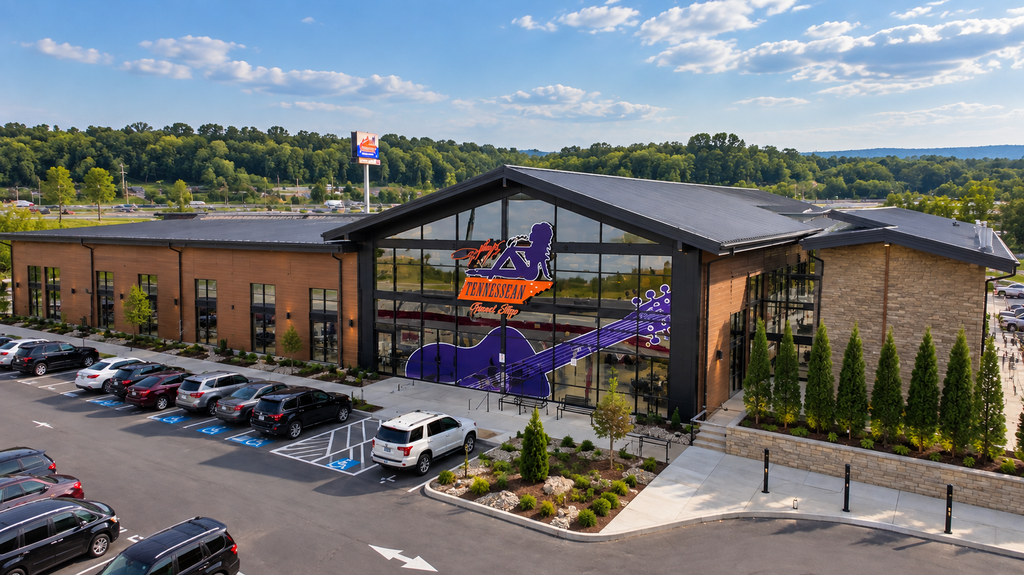
Dolly's Tennessean Travel Stop in Cornersville sits off Interstate 65 at Exit 22, roughly an hour south of Nashville. Opened in June 2026, this travel center combines fuel, food, shopping, and entertainment in a destination inspired by Dolly Parton's connection to Tennessee and the open road.
Most people know the drill at a highway stop. Find a parking space, stretch your legs, grab a coffee, and get back behind the wheel before the next traffic jam.
This place takes a different approach.
Instead of treating the stop as an interruption, the concept invites travelers to slow down a little. You can get fuel, browse merchandise, pick up a cup of coffee, or sit down for a Southern-style meal. The atmosphere is designed around hospitality rather than simply getting people in and out as quickly as possible.
And yes, the Dolly connection is the point.
Parton's public image has always been tied to her Tennessee roots, her love of music, and her ability to make people feel welcome. The travel center brings those ideas into a setting where families, truck drivers, and everyday road-trippers can all find something useful.
If you're traveling with children, it offers a more interesting break than another identical convenience store. If you're traveling with adults who appreciate country music, the Dolly-inspired branding and merchandise give the stop an extra reason to explore.
Here's what catches people off guard.
This is not just a gas station with Dolly Parton's name on the sign. It's a full travel destination with dining, shopping, and entertainment.
The insider tip is to plan your stop around food rather than fuel alone. The center has a full-service restaurant serving Southern-style meals, a coffee counter called Cup of Ambition, and a barbecue offering. The restaurant and coffee counter generally operate from 6 a.m. to 9 p.m. Sunday through Thursday and until 10 p.m. Friday and Saturday, while fuel and the main travel stop are available around the clock.
You'll find it at 3686 Pulaski Highway in Cornersville. The property has parking for personal vehicles as well as substantial truck and RV parking.
One mistake to avoid is assuming every part of the business follows the same schedule. The main travel center operates 24 hours, but dining, the upstairs seating areas, and entertainment have separate hours. Check the schedule before planning an evening visit around live music.
The best part is that you don't have to organize an entire vacation around this stop. It fits naturally into a drive between Middle Tennessee and northern Alabama, making it a practical detour for people already using I-65.
But the next attraction trades the bright lights of a modern roadside destination for a quiet old house with a history that deserves far more than a quick glance.
The Unassuming Memphis House With a Story Beneath the Floorboards
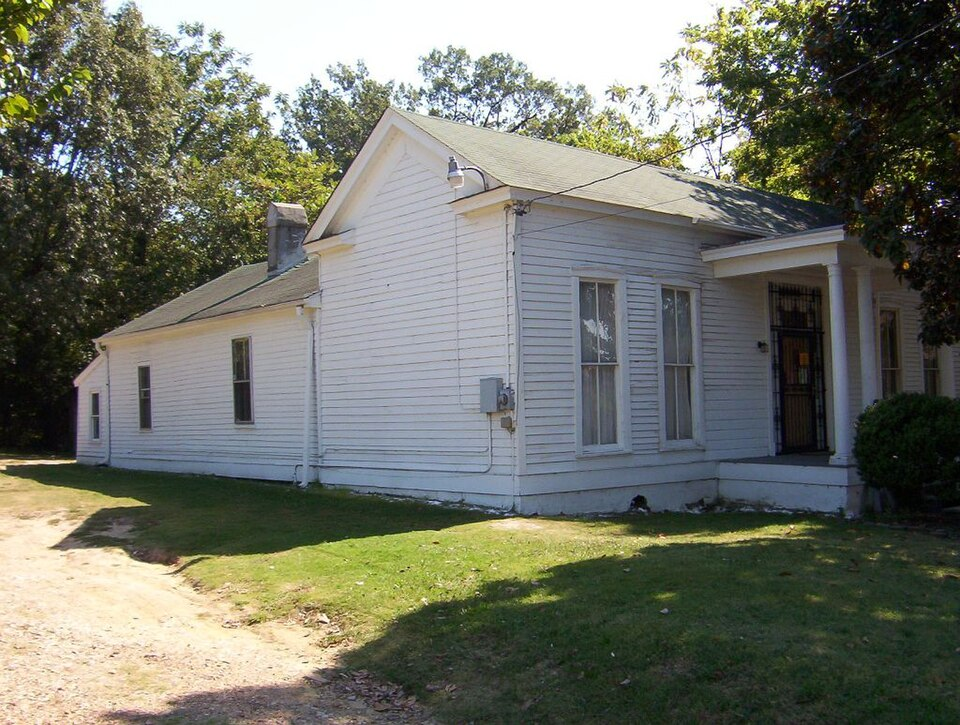
Slave Haven Underground Railroad Museum occupies the historic Burkle Estate at 826 North Second Street in Memphis. The house opened as a museum in 1997, and its exhibits interpret the history of slavery, the Underground Railroad, and the people who risked their lives to help enslaved individuals seek freedom.
From the street, the building looks like a historic residence. There is no enormous entertainment complex or flashy attraction entrance to prepare you for what the visit involves.
Inside, the atmosphere changes.
The museum uses period furnishings, artifacts, and the house's physical spaces to help visitors understand the dangerous circumstances surrounding escape from slavery. Its interpretation includes the cellar, trapdoors, and passages associated with the site's Underground Railroad history.
These are not details to treat like a spooky-house attraction.
The Underground Railroad was not a literal railroad. It was a network of people, safe places, and routes through which enslaved people attempted to escape bondage, often facing the threat of capture, violence, and death. The people who sought freedom exercised extraordinary agency under circumstances designed to deny them control over their own lives.
The house is associated with Jacob Burkle, a German immigrant and stockyard owner described by the museum as someone who helped people escaping slavery.
That history matters particularly in Memphis, where the cotton economy and slave trading were deeply connected to the city's development during the nineteenth century.
A visit can be emotionally demanding because it brings a national history into an intimate, domestic setting. Rather than looking at a distant monument, you move through rooms and spaces that encourage you to consider the physical realities of hiding and escape.
The most important detail is that the museum interprets a story of people fighting for freedom, not simply a collection of unusual architectural features.
For practical planning, the museum lists admission at $15 for adults, $14 for seniors and college students, and $12 for students ages 4 through 17. Its published schedule is Tuesday through Saturday, with seasonal hours of 10 a.m. to 5 p.m. from June through August and 10 a.m. to 4 p.m. from September through May.
Group reservations are required, and visitors arranging specialized heritage tours should make reservations in advance.
The insider tip is to leave enough time to absorb the interpretation rather than squeezing the visit between two unrelated attractions. This is a place for thoughtful attention, and reading a little about the Underground Railroad before arriving can make the experience more meaningful.
Because the visit involves stairs and cellar spaces, ask about accessibility if anyone in your group has mobility concerns.
Memphis offers plenty of music, food, and riverfront scenery. This museum adds a different dimension to the city by connecting visitors with the courage and determination of people whose experiences are essential to understanding American history.
After such a serious stop, a different kind of Tennessee history awaits in a place where railroad nostalgia, old-fashioned shopping, and a hearty meal come together.
The Roadside Village Where a Railroad Legend Still Draws a Crowd
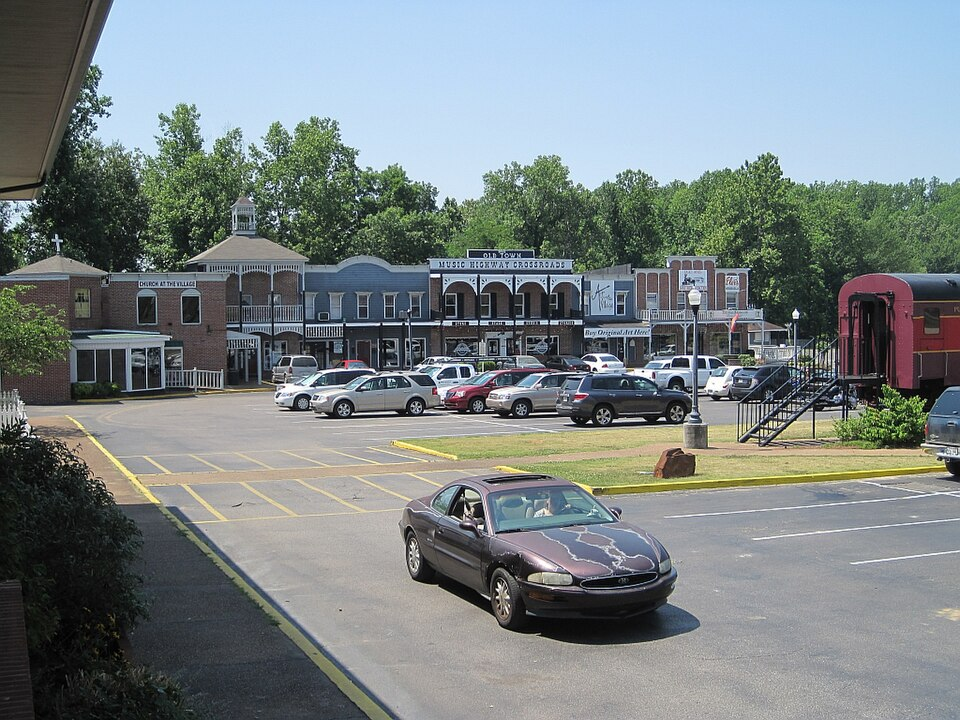
Casey Jones Village in Jackson brings railroad history into a visitor-friendly setting that also includes dining, shopping, and family activities. The Casey Jones Home and Railroad Museum is located at 56 Casey Jones Lane, making it a convenient stop for travelers crossing West Tennessee.
The name comes from John Luther Jones, the railroad engineer remembered as Casey Jones. His story became part of American railroad folklore after a fatal train collision in 1900, and his name has remained closely associated with the era when rail travel shaped the country's growth.
Railroad history has a particular kind of appeal. It combines machinery, long-distance travel, small-town life, and the people whose jobs required them to keep enormous machines moving safely across the country.
At Casey Jones Village, that history sits alongside a more relaxed visitor experience.
You can explore the museum, browse the gift shop, and stop for a meal without needing to organize a separate excursion for each activity. The surrounding village makes the attraction especially useful for families and road-trippers who want a break that offers something to see as well as somewhere to eat.
The Old Country Store is a major part of the experience. Its Southern buffet and country-store atmosphere provide a reason to stop even for travelers who did not originally plan to visit a railroad museum.
Imagine stepping away from the highway, taking a seat for lunch, and spending a little time looking through railroad memorabilia before getting back on the road.
That is the appeal here. The attraction makes it easy to combine a practical stop with a little local history.
The Casey Jones story is tied to a real railroad accident in 1900, not simply a fictional character invented for a tourist attraction.
The museum lists hours of 9 a.m. to 5 p.m. Monday through Saturday and 1 p.m. to 5 p.m. Sunday. The Old Country Store has its own schedule, with the buffet and other dining services operating at different times throughout the week.
If you're planning to visit the farm area or play mini golf, check those hours separately. The village's outdoor activities have seasonal schedules, and weather can affect operations.
The insider tip is to decide in advance whether your priority is the museum, the meal, or the outdoor activities. If you want to do all three, arriving with plenty of time is more comfortable than trying to fit everything into a short lunch break.
Bus and truck parking is available, which also makes the village practical for larger road-trip groups.
One detail worth remembering is that the story of Casey Jones has been retold in songs and popular culture for generations. The historical record and the folklore are not always identical, so the museum offers a chance to separate the documented events from the legend.
But if you think West Tennessee is only about railroad stories and country cooking, the next stop explains why the fields stretching beyond your car window have shaped the region for generations.
The Museum That Explains the Fields You Pass Without Thinking
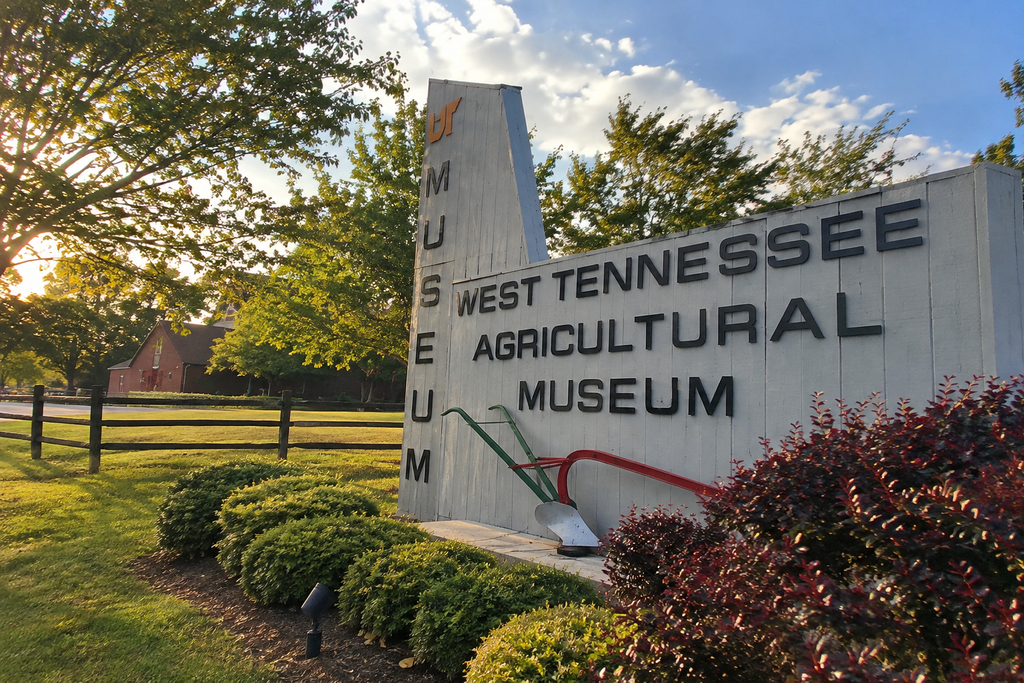
The West Tennessee Agricultural Museum sits at 3 Ledbetter Gate Road in Milan, near Jackson. It occupies more than 16,000 square feet and displays over 2,600 agricultural implements, with free admission and guided tours available.
Drive through West Tennessee and you'll see fields, farm equipment, rural roads, and small communities scattered across the landscape. It is easy to treat those views as background scenery while concentrating on your destination.
This museum gives that landscape a story.
Its exhibits explore the everyday experiences of settlers and farming communities, using historical equipment, photographs, paintings, and artifacts to illustrate how people lived and worked. Displays include settings such as a one-room schoolhouse, a country church, and a blacksmith's shop.
The result is more than a collection of old machinery.
Agriculture influenced the development of towns, the rhythms of family life, local businesses, and the ways people traveled and traded. Farming also demanded practical knowledge, from maintaining tools to understanding soil, weather, and the changing seasons.
The museum's collection was established by Tom McCutchen, who became known for his work in Tennessee no-till agriculture and served as the first superintendent of the Milan Experiment Station.
That connection makes the museum especially relevant to a region where agricultural research and farming traditions continue to influence the economy.
You don't need to be a farmer to appreciate the exhibits. Anyone who grew up around rural communities, remembers older generations talking about farm life, or enjoys understanding how everyday objects changed over time can find something familiar here.
A machine that looks strange to a modern visitor might once have been essential to a family's livelihood.
A photograph of a schoolhouse can open a window into how children learned before today's classrooms existed.
More than 2,600 agricultural implements are displayed across a museum space exceeding 16,000 square feet, and admission is free.
The museum is open Monday through Friday from 8 a.m. to 4 p.m. and is closed on weekends and holidays. Large groups and school visits require reservations, while guided tours are available.
The insider tip is to make this a weekday stop rather than assuming you can drop in on a Saturday. Its schedule is particularly important for travelers who are planning a weekend road trip through West Tennessee.
Allow enough time to move through the exhibits at a comfortable pace. This is not an attraction that depends on a single photograph or one famous object. Its value comes from seeing how many parts of daily life connect to agriculture.
The museum is also accessible to visitors with disabilities, according to its published visitor information.
For people who want to understand Tennessee beyond its music venues and tourist districts, this is a useful reminder that the state's identity was shaped just as much by work, land, and rural communities.
And now for a stop that takes a very different approach to collecting history. It is smaller, more specific, and proof that one person's fascination can become an entire town's claim to fame.
The Small-Town Collection That Turned Teapots Into a Tennessee Attraction
The Teapot Museum in Trenton is built around a collection that sounds almost too specific to be real. The city's collection includes antique teapots, including elaborate European pieces from the nineteenth century, and the museum is promoted as home to the world's largest collection of teapots.
Trenton is in West Tennessee, where the attraction offers a welcome change from the larger museums and entertainment destinations that dominate many travel itineraries.
The collection's appeal is in the details.
A teapot may seem like a simple household object until you look closely at the craftsmanship. Spouts, handles, lids, painted surfaces, and unusual shapes can turn a practical vessel into a small work of art.
Some pieces in Trenton's collection are veilleuses-théières, a type of warming vessel developed in eighteenth-century Europe. These objects combined a teapot with a pedestal designed to hold a small flame, warming the contents while allowing light to pass through translucent sections.
The designs could be surprisingly inventive. A spout might be shaped like an object or figure, while a decorative body concealed the vessel's practical purpose.
This is where a specialist collection becomes interesting even to people who have never collected anything themselves.
You begin noticing how an everyday item reflects the tastes, technology, and habits of the people who made and used it.
The collection in Trenton was originally intended for the Metropolitan Museum of Art in New York, according to the city's account of its history. The collector's brother suggested that it come to Trenton instead.
That decision gave the town a distinctive cultural attraction and a collection with an unusual identity.
The Trenton collection includes hundreds of antique teapots, with particularly elaborate examples reflecting nineteenth-century European craftsmanship.
The city lists the museum at 309 South College Street and describes admission as free, with access available around the clock. Because a small specialty attraction can have arrangements that differ from those of a staffed museum, contact the local chamber of commerce before planning a special trip to see the collection in person.
The insider tip is to look beyond the overall shape of each piece. Pay attention to the details that reveal how the objects were made and what their original owners valued.
If you are visiting during May, ask about the annual Teapot Festival, a week-long celebration associated with the collection. Festival arrangements and dates can change, so confirm the current program before traveling.
This is a good stop for travelers who enjoy antiques, decorative arts, and small-town attractions that feel different from the usual checklist of famous landmarks.
It also makes a useful reminder that a place doesn't need a giant building or a blockbuster exhibit to have a memorable story.
From the delicate craftsmanship of teapots, we're moving into a place where the main attraction is a landscape of water, trees, and wildlife right inside a city.

The Boardwalk Where City Streets Give Way to Cypress Trees
Cypress Grove Nature Park in Jackson offers a change of pace from the restaurants, shopping areas, and roads that make up a typical city visit. The park is known for its wetland landscape and boardwalk, allowing visitors to experience a natural setting without making a long drive into the countryside.
This is the kind of place that rewards anyone willing to get out of the car and walk for a while.
Wetlands have their own atmosphere. The air can feel cooler beneath the trees, water reflects fragments of sky, and the sounds of birds replace the steady noise of traffic.
Cypress trees give the landscape a distinctive character, while the boardwalk helps visitors move through the area without having to navigate every muddy patch or uneven stretch of ground.
For people traveling across West Tennessee, the park provides a welcome contrast to hours spent sitting in a vehicle.
It also offers a different way to experience Jackson. The city has its share of history and commercial attractions, but a natural area can reveal a quieter side that visitors may not expect when planning a stop around restaurants and museums.
You don't need to turn the visit into a demanding hike.
A leisurely walk, a little time watching the water, and a chance to listen for birds can be enough to make the stop worthwhile. Visitors interested in photography may also appreciate the changing reflections and textures of the wetland landscape.
The important thing is to approach it as a nature experience rather than a manicured garden. Wetlands are living environments, and conditions change with weather, season, and water levels.
Cypress Grove offers access to a wetland landscape through a boardwalk, making nature part of a city visit rather than a separate countryside excursion.
The insider tip is to bring comfortable walking shoes and allow yourself time to stop rather than treating the boardwalk as a route to hurry through. If wildlife is your priority, move quietly and give animals plenty of space.
Check current park information before setting out, particularly if you need specific details about opening hours, boardwalk conditions, or accessibility. Weather can affect outdoor paths, and a wetland environment may be muddy or slippery in places.
Bring water during hot weather and consider insect protection when conditions call for it. Avoid feeding wildlife, and stay on designated paths to protect the habitat.
This stop works especially well as a break between indoor attractions. After spending time in a museum or sitting down for a meal, a walk through a natural landscape can make the rest of the day feel less rushed.
It is also a reminder that some of Tennessee's most rewarding experiences don't require an elaborate itinerary or a ticket to a major attraction.
But the next stop offers something even more unusual. It brings you to the Mississippi River, where a new public walkway lets visitors look at one of America's great waterways from a fresh perspective.
The Free Riverfront Walkway That Reveals Another Side of Memphis
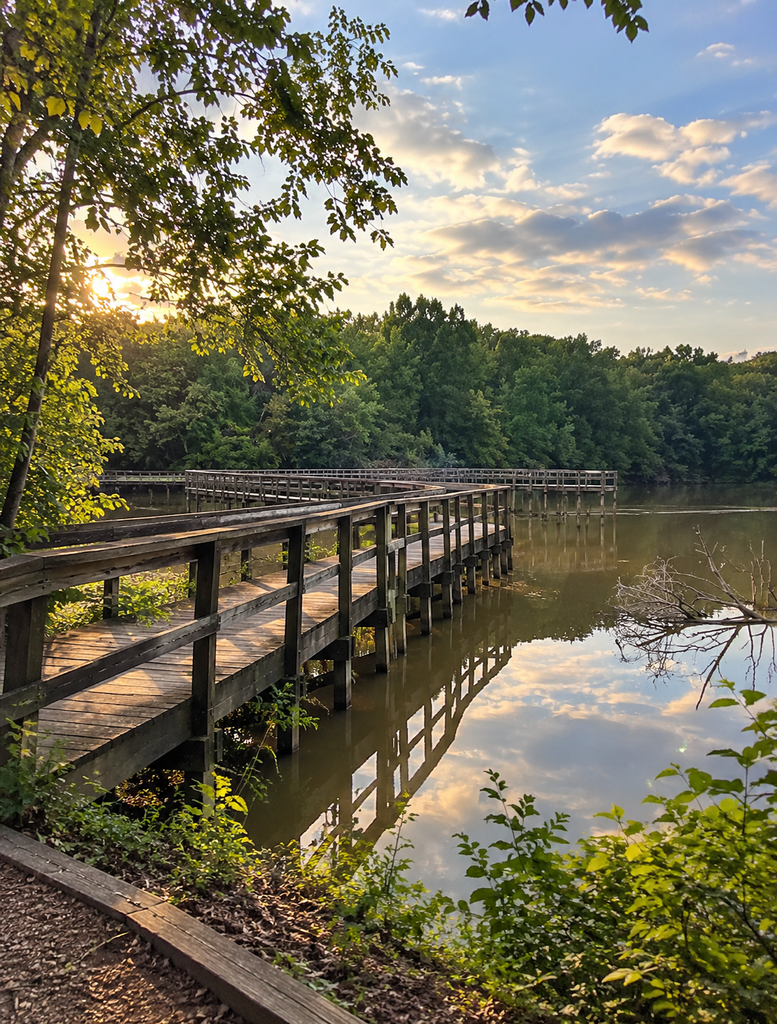
The Memphis Flyway at Tom Lee Park opened in June 2026 as part of the redesigned Memphis riverfront. The elevated walkway is 220 feet long, accessible to visitors with disabilities, and free to use, offering views of the Mississippi River and the surrounding landscape.
Memphis is famous for music, barbecue, and its relationship with the river. Yet it is easy to visit the city without taking much time to appreciate the natural environment along the waterfront.
The Flyway offers a reason to pause.
Its path moves through tree canopies and over wetlands toward the river, creating a different experience from standing beside a busy road or looking across the water from a conventional paved promenade.
The Mississippi is never quite the same scene twice. Water levels, clouds, light, and weather all affect the view, while birds moving along the river add another layer of interest.
The Flyway was designed with birdwatching and habitat conservation in mind. The surrounding landscape includes native plantings and pollinator gardens, connecting the public riverfront with the ecological systems that support wildlife.
For travelers who want to see more than the city's best-known attractions, this is a welcome alternative.
You can make it a short stop or combine it with a longer walk through Tom Lee Park. The park itself includes gardens, public art, recreation areas, and places to sit and watch the river.
The atmosphere changes throughout the day. Morning can bring softer light and a quieter walk, while later hours offer opportunities to watch the riverfront as the sky changes color.
The Memphis Flyway is a free, 220-foot-long, accessible observation walkway designed to connect visitors with the Mississippi River and its wildlife.
The insider tip is to bring binoculars if birdwatching interests you, but don't assume you need specialist equipment to enjoy the visit. The changing river, tree canopy, and open views make the walkway worthwhile even for casual visitors.
Tom Lee Park is listed as open daily from 6 a.m. to 10 p.m. Current conditions and any special event arrangements should be checked before traveling, especially if you're visiting around a major downtown event.
Comfortable shoes are useful, and the exposed riverfront can feel different from shaded streets inland. Dress for the weather and bring water during hot months.
There is no admission ticket for the Flyway itself, which makes it a useful addition to a budget-conscious Memphis itinerary.
One detail that gives the broader park its name is the story of Tom Lee, a Memphian honored for saving 32 people after a steamboat capsized in the Mississippi River in 1925, despite not knowing how to swim.
That story reflects the powerful relationship between Memphis and the river, a relationship defined by work, transportation, recreation, danger, and acts of courage.
And if a peaceful riverfront walk sounds too gentle for your road trip, the next stop has a very different kind of machinery on display, including motorcycles dating back more than a century.
The Clarksville Museum Where Motorcycles Reach Back to 1911
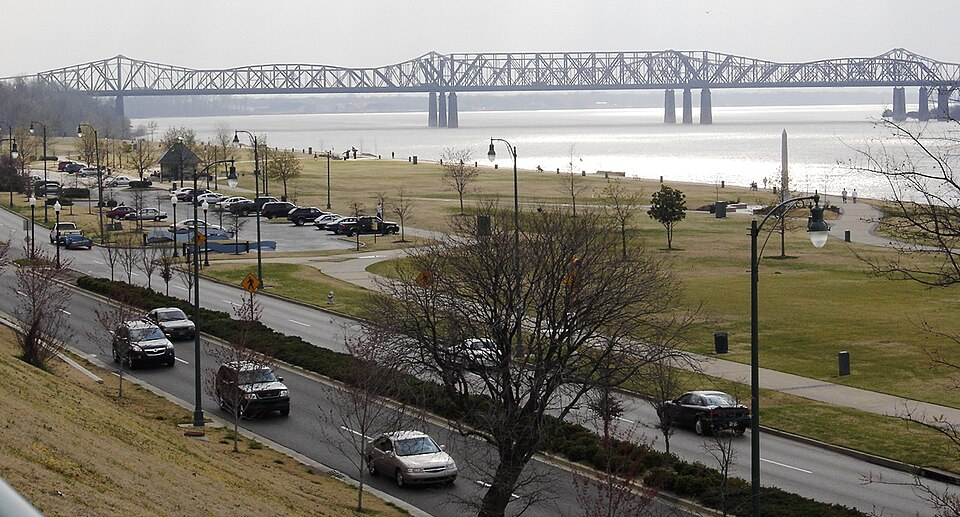
The Clarksville Throttle Museum arrived on Tennessee's tourism radar in 2026 with a collection of vintage motorcycles and classic American automobiles. The attraction features motorcycles dating to 1911 alongside cars associated with manufacturers such as Ford, Dodge, and Chevrolet.
From the outside, a museum devoted to vehicles might sound like a straightforward stop for people who already know their way around an engine.
The collection offers a broader appeal.
Older motorcycles and cars reveal how transportation changed over time, from the materials and shapes used in early machines to the increasingly recognizable designs of later American vehicles.
A motorcycle built in 1911 belongs to a very different technological era from a modern bike. Its presence gives visitors a way to think about how far engineering, manufacturing, and everyday travel have progressed.
Classic American cars offer their own kind of nostalgia. Even visitors who cannot identify a model by its grille may recognize the cultural associations attached to particular eras of automotive design.
Cars and motorcycles are also closely tied to family memories. For some visitors, a vehicle can bring to mind a first driving lesson, an older relative's favorite car, or the machines that filled local roads when they were growing up.
That makes a collection like this more than a display of metal and mechanics.
It is a visual history of changing tastes and technology, with plenty of details to examine at close range.
The museum's collection includes vintage motorcycles dating back to 1911, alongside classic American cars.
The insider tip is to visit with enough time to look at individual vehicles rather than rushing through the display. Pay attention to the shape of the frames, the controls, the seating, and the details that distinguish one period from another.
Because the museum is a newer attraction, confirm current public hours, ticket arrangements, and the vehicles available for viewing before making it a major part of your trip. Exhibitions and access policies can change, and the presence of a particular vehicle in promotional material does not guarantee it will be on display on your visit.
Clarksville is also a useful stop for people traveling through Middle Tennessee who want something different from the usual music and outdoor activities.
If you're traveling with someone who enjoys mechanical history, this can be an easy way to give that interest a place in the itinerary without planning an entire vacation around it.
The practical lesson is simple: don't assume a museum is only worth visiting if you already know its subject. A well-presented collection can make an unfamiliar topic interesting through the objects themselves.
But the next attraction is older than any of the machines you'll see in Clarksville. Its most important story was recorded on cave walls long before the surrounding city existed.
The Quiet Park Entrance That Leads to Ancient Cave Art
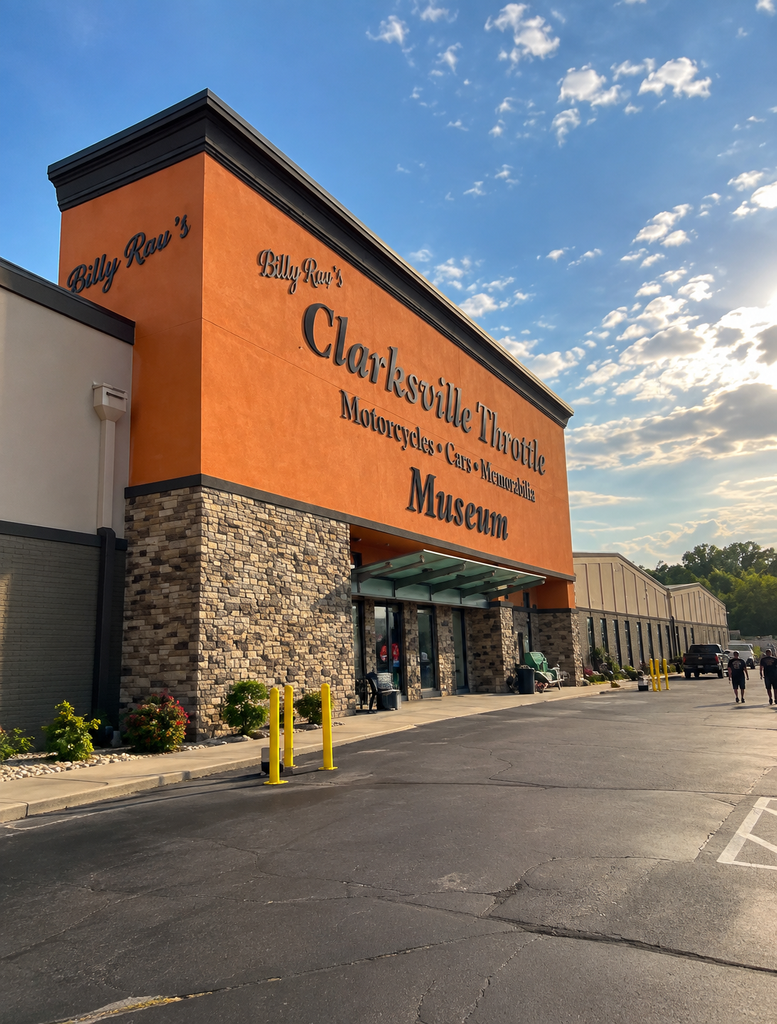
Dunbar Cave State Park in Clarksville protects a cave with important archaeological and cultural history, including prehistoric Native American cave art. Visitors can explore the surrounding park, while access to the cave itself is managed through seasonal, ranger-led tours.
From the outside, a state park entrance may not look especially different from other green spaces around Clarksville. You see trees, paths, and the kind of landscape that invites you to stretch your legs.
The cave changes the perspective.
Caves are natural spaces shaped over long periods by water, rock, and geological processes. They can also preserve evidence of human activity that would otherwise have disappeared from the landscape.
Dunbar Cave is particularly significant because of its archaeological features and the Native American imagery associated with it. These markings connect the site to Indigenous people whose histories extend far beyond the familiar dates and events commonly featured in American history lessons.
That makes the cave more than a geological attraction.
It is a place where the natural landscape and human history intersect, and where careful preservation matters. The cave's artwork should be treated as protected cultural heritage rather than a curiosity for visitors to touch or photograph without regard for restrictions.
The experience is also different from visiting a conventional museum. You are entering a natural environment where the rock, darkness, and physical setting are part of the story.
The park around the cave provides a more accessible way to enjoy the outdoors if a cave tour is not available on your chosen date.
Dunbar Cave contains prehistoric Native American cave art, and entry into the cave is controlled rather than freely available at all times.
The insider tip is to reserve a tour before traveling. Tennessee State Parks advises that reservations are strongly recommended because tours can sell out, and tickets are required to enter the cave.
The park's published tour information also specifies that participants must bring a handheld flashlight. Cellphones, headlamps, and lanterns are not accepted as substitutes, and closed-toe shoes are recommended.
Tour schedules are seasonal, so do not assume that a visit to the park automatically includes entry into the cave. Check the calendar for your intended date, along with the age requirements and any restrictions that apply to the tour.
Plan to arrive early enough to park and check in. If the cave is unavailable, you can still consider spending time in the surrounding park, but confirm the current condition of the paths and facilities.
For anyone interested in Indigenous history, archaeology, or natural landscapes, the site offers a valuable reminder that Tennessee's history did not begin with European settlement.
And after exploring a cave with a story stretching back thousands of years, we're heading toward the Smokies for an underground landscape shaped by water, stone, and a very different chapter of regional history.
The Smoky Mountain Cave Where the Temperature Stays Near 58 Degrees
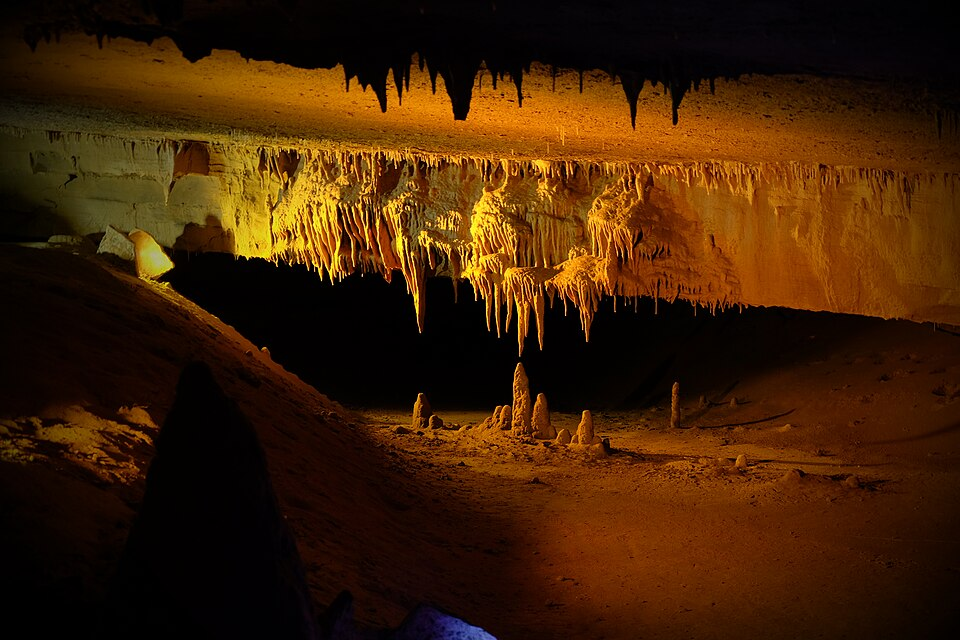
Forbidden Caverns in Sevierville offers guided tours through a limestone cave featuring rock formations, underground water, and passages illuminated for visitors. The cave maintains a temperature of approximately 58 degrees Fahrenheit throughout the year, making it a striking contrast to the heat outside during a Tennessee summer.
The approach is part of the appeal.
The foothills around Sevierville are known for wooded slopes, winding roads, and the steady stream of travelers heading toward the Great Smoky Mountains. From the surface, there is little indication of the world beneath the surrounding hills.
Inside, the landscape changes completely.
Rock formations rise from the floor and extend from the ceiling, shaped over long periods by the movement of water and minerals. Underground streams add another dimension to the cave environment, while the lighting helps visitors see the details of the stone.
The air feels cooler, and the enclosed space creates a different sense of scale from the mountains outside.
For people accustomed to hiking in open sunlight, the cave offers a chance to explore a landscape without spending the whole visit exposed to summer temperatures.
The experience also reveals a side of the Smokies that can be easy to overlook when most visitors focus on mountain overlooks, shopping areas, and outdoor trails.
The cave's history includes accounts of Indigenous use and later moonshining activity. Such stories should be understood in their historical context rather than treated as guaranteed details about every passage or chamber.
The geology alone gives visitors plenty to consider. A cave is not simply an empty space inside a hill. Its features record long periods of water movement and mineral deposition, and the formations can be delicate.
Forbidden Caverns stays near 58 degrees Fahrenheit year-round, even when the outdoor temperature is much higher.
The insider tip is to bring a light jacket, even if you arrive on a hot summer afternoon. Wear shoes that can handle damp surfaces, and expect the possibility of puddles or muddy patches.
The attraction lists its seasonal operating period as April 1 through November 25, with tours generally running from 10 a.m. to 4 p.m. It is closed on Thursdays and Sundays, and it closes for the season from Thanksgiving through March.
Published admission prices are $25 for adults ages 13 and older, $15 for children ages 5 through 12, and free for children 4 and under. Prices can change, so confirm the current amount before setting out.
The cave does not currently offer advance or online ticket sales, according to its visitor information. Tours depart frequently, but waiting times can vary, so avoid scheduling another time-sensitive activity immediately afterward.
Photography is permitted when the tour has stopped, but video recording is not allowed. There is also a picnic area outside if you'd like to bring food and take a break before continuing your drive.
One practical warning: a cave tour is not the same as walking through a flat indoor museum. The terrain and steps may make it unsuitable for some visitors, so check mobility considerations before purchasing tickets.
After an underground adventure, the final attraction on our list brings the story back above ground, to a town that helped shape one of the most consequential scientific projects in modern history.
The Ordinary East Tennessee Town That Helped Change the World
The American Museum of Science and Energy in Oak Ridge tells the story of the science, engineering, and community associated with the Manhattan Project and the development of the town during World War II. It is located at 115 East Main Street and features educational exhibits exploring the area's scientific history.
Oak Ridge may look like a conventional East Tennessee town today, but its wartime origins were anything but ordinary.
During World War II, the federal government established Oak Ridge as a secret site for work on the Manhattan Project, the massive research and engineering effort that developed the first atomic weapons.
The scale of the operation transformed the area. Workers arrived to build and operate facilities whose purpose was concealed from much of the outside world, and a community grew around a scientific undertaking with global consequences.
The museum gives visitors a way to understand that history without needing to be scientists themselves.
Its exhibits explore scientific advances, engineering, energy, and the people who worked in Oak Ridge. The setting helps connect technical subjects to the lives of the people who built, operated, and lived around the facilities.
That connection matters because the Manhattan Project was not simply an achievement in physics. It was also a vast industrial and government undertaking, involving secrecy, difficult working conditions, extraordinary resource demands, and decisions that changed the course of the war and the future of international security.
The atomic bombings of Hiroshima and Nagasaki caused catastrophic destruction and mass civilian death. Any account of the Manhattan Project needs to acknowledge those consequences alongside the scientific and engineering history.
A visit can therefore raise questions that go beyond how a technology works. It can prompt visitors to consider how scientific discoveries are used, who makes decisions about them, and what responsibilities accompany technological power.
Oak Ridge was built as part of the secret wartime Manhattan Project, and the museum interprets the science and human history behind that effort.
The American Museum of Science and Energy lists admission at $10 for adults, $5 for youth ages 6 through 17, $5 for seniors ages 65 and older, and free for children under 5. Students with identification and active military visitors are also listed at $5.
Published hours are Monday through Saturday from 9 a.m. to 5 p.m. and Sunday from 1 p.m. to 5 p.m. The museum is located on East Main Street, and its visitor information includes details about current exhibits and events.
The insider tip is to allow time for both the technical displays and the historical context. If you focus only on the scientific achievement, you miss much of what makes Oak Ridge important.
Check the museum's current event calendar before visiting, particularly if you are interested in lectures, educational programs, or other special activities. If you plan to visit additional Manhattan Project-related sites, research their access requirements separately because some locations have their own arrangements and restrictions.
Oak Ridge is a reminder that the places we drive through are often connected to events much larger than their present-day appearance suggests.
The buildings, streets, and local institutions may look familiar, but the history beneath them can reach across generations and around the world.

The Unexpected Fact About Tennessee's Roadside Attractions
One of the most interesting things about exploring Tennessee is how often an ordinary-looking stop connects to a much larger story.
A travel center can reflect a music legend's relationship with her home state. A modest Memphis house can help visitors understand the struggle for freedom under slavery. A small agricultural museum can explain the landscape outside the windshield, while a cave can preserve evidence of human activity from long before modern Tennessee existed.
Even a collection of teapots has a story about craftsmanship, collecting, and the way a small town can become the home of something distinctive.
The state also offers a reminder that roadside attractions are not all created for the same purpose. Some entertain, some preserve cultural heritage, some introduce visitors to science, and others protect landscapes that might otherwise go unnoticed.
The trick is to leave a little room in your schedule for places that weren't originally on your list. Check opening times before setting off, keep an eye out for worthwhile detours, and remember that a free attraction can sometimes become the most memorable part of the day.
You don't have to spend a fortune to discover a different side of Tennessee. Sometimes the story you've been looking for is waiting just beyond the next exit.