
Five days in Tennessee can disappear into highway miles, expensive downtown parking, and attractions you barely have time to enjoy. The trick is knowing which places deserve a full afternoon and which stops can turn an ordinary drive into a memory.
This five-day itinerary brings together Nashville's music and food, scenic Middle Tennessee, and the Great Smoky Mountains, with practical advice drawn from the trip research. The biggest surprise? Seeing less of Tennessee on the map can help you experience much more of it in person.
The Four Blocks Where Nashville's Music Never Seems to Clock Out
Lower Broadway is where many first-time visitors meet Nashville, and it makes an unforgettable opening to a Tennessee road trip. The historic downtown stretch is known for its honky-tonks, live bands, neon signs, and a steady stream of music drifting through open doorways.
Walk along Broadway in the afternoon and you can hear one band working through a country classic while another sends the beat of a blues guitar onto the sidewalk. The air carries the mixed smells of fried food, barbecue, and whatever somebody just ordered at the next bar.
The buildings are part of the experience, too. Look above the crowds and you'll notice historic brick facades, old-fashioned signs, and layers of Nashville history beneath the newer lights and entertainment venues.
You don't need to spend the whole evening inside one establishment to get a taste of the place. The fun is moving at your own pace, stopping when a band catches your ear, and discovering that the music doesn't always come from the biggest stage.
Here's what surprises many first-time visitors.
You can hear live music without committing your entire evening to one ticketed performance.
Lower Broadway is a collection of individual venues, so you can choose your own musical adventure instead of treating downtown as one enormous attraction.
The insider tip: Pick one or two music venues that appeal to you, then leave room to wander. If you're interested in Nashville's musical history as much as its nightlife, make time for the Ryman Auditorium or the Country Music Hall of Fame on a separate part of the trip. Booking requirements vary by attraction and performance, so check the details before you arrive.
For practical planning, wear comfortable walking shoes and decide in advance how you'll handle parking or transportation back to your hotel. Downtown parking costs vary, and the closest garage isn't automatically the most economical choice. Compare the total cost before leaving your car for the evening.
The other trap is trying to squeeze too much into one night. Music venues, restaurants, and sidewalks can all become crowded, especially during busy travel periods. Give yourself enough time to enjoy the atmosphere without constantly checking the clock.
And remember that a live band playing a familiar song in a small room can be just as memorable as a famous name on a marquee.
But Nashville isn't only about the music pouring onto the sidewalk. The next day, a different side of the city shows you how much character can fit into a single neighborhood.

The Nashville Neighborhood That Rewards You for Slowing Down
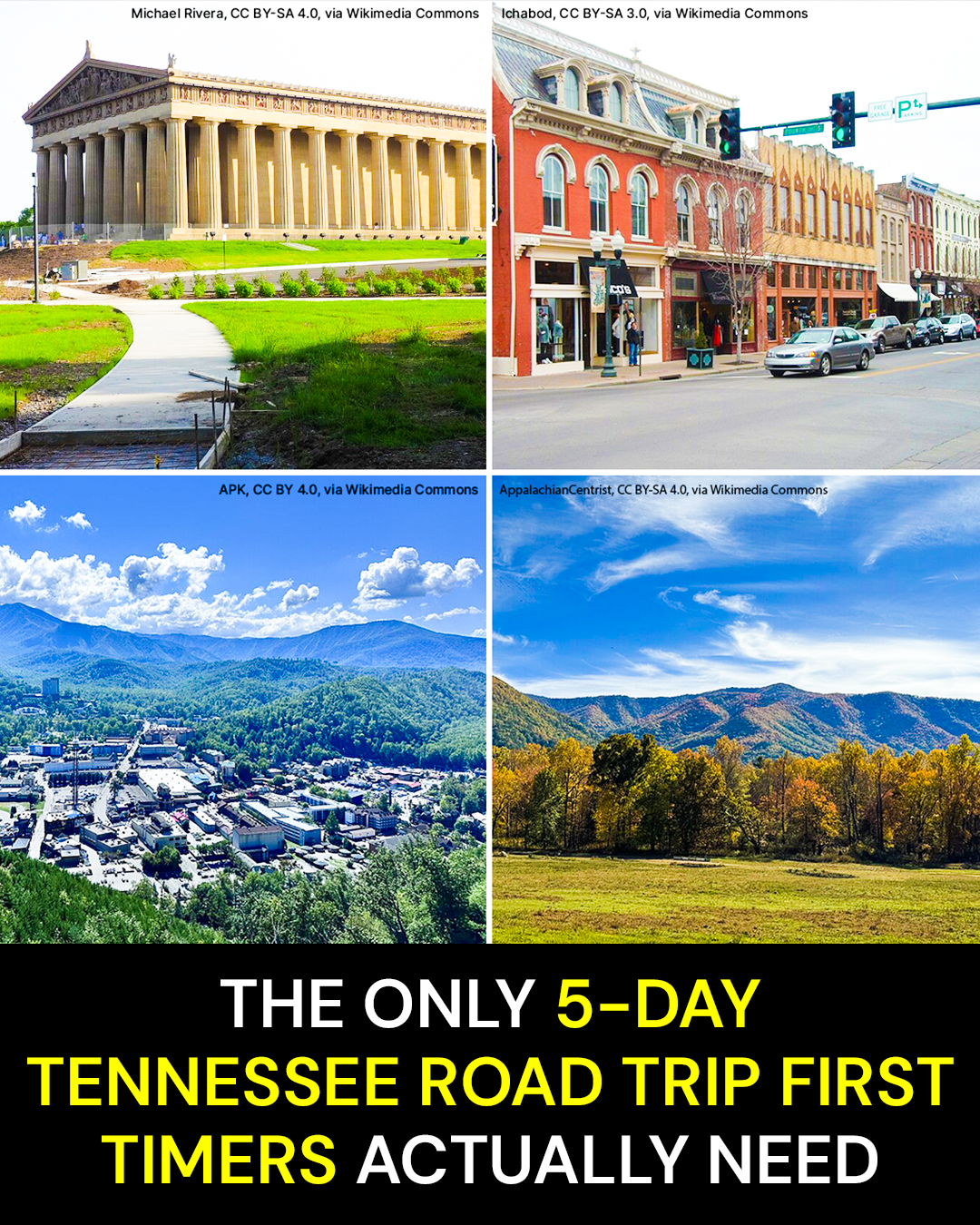
Centennial Park, in the West End area of Nashville, offers a welcome change of pace after downtown's noise and crowds. Its standout attraction is the Nashville Parthenon, a full-scale replica of the ancient Greek temple that was built for the Tennessee Centennial Exposition in 1897. The park's address is 2500 West End Avenue.
The first surprise is the setting. Instead of neon signs and packed sidewalks, you get open green space, shady paths, and a broad view of a building that looks as though it belongs in Athens rather than Tennessee.
Walk toward the Parthenon and its columns begin to dominate the view. The symmetry is striking, especially when you see the structure reflected in the surrounding landscape. It is an unusual sight in a city better known for country music and honky-tonks.
The park gives you room to breathe between bigger attractions. You can stroll, sit for a while, take photographs, or simply enjoy being somewhere that doesn't demand an admission ticket for every little thing you do.
Inside the Parthenon, the experience shifts from outdoor relaxation to art and architecture. The building includes an enormous statue of Athena, and the interior offers a closer look at the scale of the classical design.
Here's the beauty of putting this stop early in your trip.
You get a taste of Nashville beyond the entertainment district without needing to plan an entire day around it.
The Parthenon connects Nashville's identity as a city of grand ambitions to an actual building inspired by ancient Greece.
The insider tip: Visit the park as part of a relaxed morning rather than rushing through it between downtown appointments. If you want to see inside the Parthenon, check the current museum hours, admission arrangements, and any special closures before setting out. The outdoor park and the indoor attraction are not the same experience.
This is also a sensible place to enjoy a slower lunch break or a walk before returning to the city's busier districts. Bring comfortable shoes, water, and weather-appropriate clothing if you plan to spend time outdoors.
Don't make the mistake of assuming that a replica temple is only interesting to architecture enthusiasts. The building is unusual enough to appeal to curious travelers, and the park provides a different view of the city without adding another major excursion to your schedule.
Keep your second Nashville day flexible. One carefully chosen neighborhood, a good meal, and an unhurried afternoon can feel far more rewarding than crossing town repeatedly to check off every popular stop.
And if you want a small-town change of scenery before heading east, there's a historic downtown just south of Nashville that offers a very different kind of Tennessee story.
The Small-Town Main Street Where Tennessee History Is Still Part of the Landscape
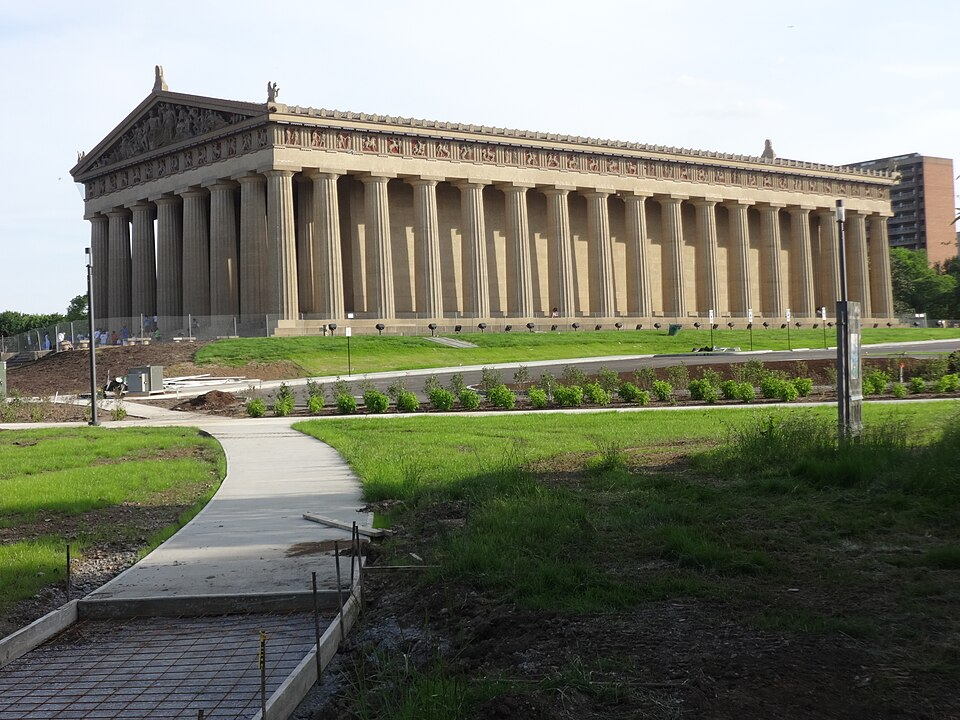
Franklin is a practical optional stop for travelers who want to see more of Middle Tennessee before heading toward the Smokies. Its historic downtown is known for preserved buildings, independent shops, restaurants, and a Civil War history that remains central to the area's identity.
Start around Main Street, where the older storefronts give the town a different feel from Nashville's downtown entertainment district. The pace is more suited to browsing than rushing. Shop windows invite a second look, and the streetscape encourages you to explore on foot rather than simply drive through.
But Franklin is not just pretty storefronts.
On November 30, 1864, the Battle of Franklin took place here. The battle caused more than 10,000 American soldier casualties, and the event left a lasting mark on the community. Historic sites, interpretive markers, and local history experiences help explain what happened and how the battle affected the town.
That contrast is part of what makes Franklin worth considering. A pleasant afternoon on Main Street can sit alongside a much more serious exploration of the Civil War, giving visitors a fuller picture of Tennessee than restaurants and scenery alone can provide.
Here's what you should understand before visiting.
The historic district and the battlefield-related sites are connected, but they are not interchangeable experiences.
Franklin's downtown charm sits alongside a documented history shaped by one of the Civil War's major battles in Tennessee.
The insider tip: If you want more than a shopping stop, pick one historical site or guided experience before you arrive. The Carter House, Carnton, and the Lotz House are among the places associated with Franklin's Civil War history. Check their individual visitor arrangements rather than assuming every site operates on the same schedule.
Allow enough time to walk the downtown streets without turning the stop into a race. A self-guided walking tour can help you understand the buildings and their stories, while a more focused historical visit can give you context that a quick drive past the landmarks won't provide.
Franklin works best as an optional detour, not an obligation. If your priority is music and food, spend the extra time in Nashville. If you enjoy historic architecture and want to understand more of the region's past, Franklin can add a meaningful layer to the trip.
Be realistic about driving, too. Adding a detour means adding time, and the journey toward the Smokies is already a substantial part of the itinerary. Don't squeeze Franklin into the schedule if doing so leaves you arriving at your next overnight stop exhausted.
The point is to experience a little more of Tennessee, not to turn five days into a test of endurance.
Now it's time to trade historic streets and city sounds for the quieter scenery along the road east.
The Drive East That Deserves More Than a Gas Station Stop
The journey from Nashville toward Gatlinburg is roughly 220 miles, and it typically takes about three and a half to four hours without extended stops. That makes Day 3 the natural transition between Music City and the Great Smoky Mountains, provided you resist the temptation to turn every roadside attraction into another appointment.
Leave Nashville in the morning and let the scenery change gradually. The urban landscape gives way to smaller communities, stretches of open countryside, and the rolling terrain of Middle Tennessee before the mountains become the focus of the trip.
This is the day to stop treating the road as dead time.
A road trip is not improved by making every mile a race to the next hotel. A thoughtful stop for a walk, a meal, or a look at the surrounding landscape can make the journey feel like part of the vacation rather than an interruption to it.
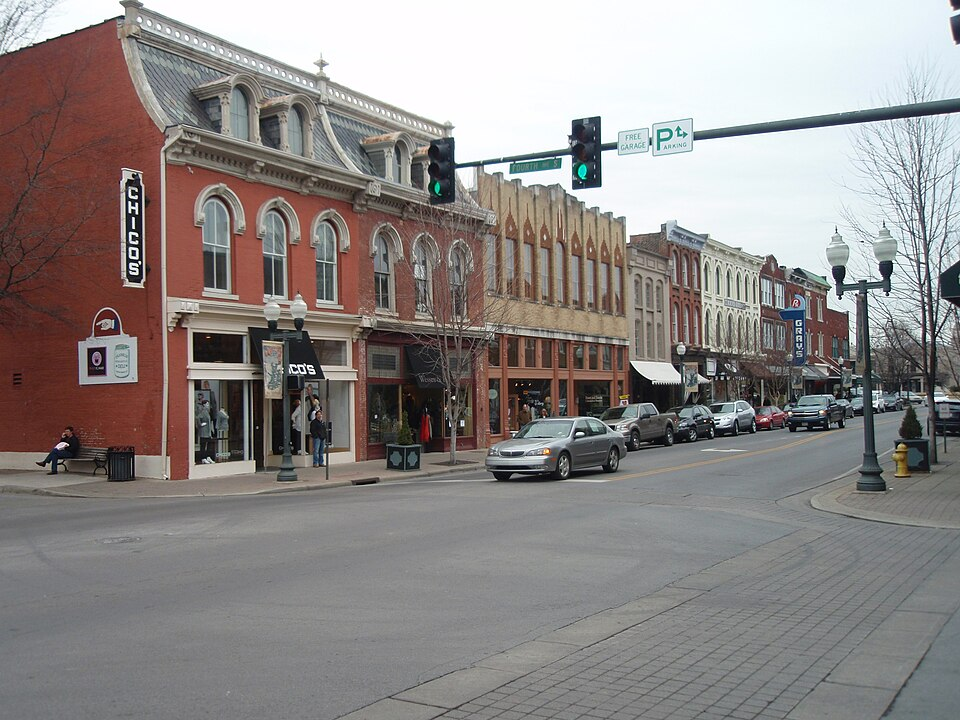
Burgess Falls State Park is one possible nature detour to investigate before leaving the Nashville area. Located near Sparta, it offers a waterfall-focused alternative to spending the entire day on the interstate. The important qualification is that the suitability of this stop depends on the route, available time, and current trail conditions.
Don't build your schedule around a waterfall photograph you saw online without checking what access is available on your travel date. Trail conditions, weather, and park information can affect how much of an attraction you can comfortably experience.
Here's where a little restraint pays off.
You do not need three scenic stops to make a drive memorable.
The Nashville-to-Gatlinburg transfer is already a substantial driving day, so one well-chosen stop is more useful than an overloaded list of attractions.
The insider tip: Decide before departure whether you want a nature stop or a more direct drive. If you choose Burgess Falls, check current official park information and the actual driving route rather than assuming it sits directly along the quickest route to Gatlinburg.
Keep snacks and drinking water within reach, and make sure your phone or navigation system is ready for the journey. Mountain-bound travel can involve changing weather and slower sections of road, so leave room for delays rather than scheduling dinner down to the minute.
This is also the day to avoid adding a second major city to the itinerary. Memphis and Chattanooga both have plenty to offer, but including either one changes the character of this particular five-day trip. Memphis makes more sense for travelers focused on blues, barbecue, and civil rights history. Chattanooga offers a different combination of river scenery, mountain views, and attractions.
Those are worthwhile trips in their own right.
For this itinerary, the aim is to reach the Smokies with enough energy left to enjoy them. Check into your accommodation, unpack properly, and spend the evening relaxing instead of immediately setting off on another long excursion.
Tomorrow, the landscape becomes the main attraction, and the best moments may come when you stop trying to make anything happen at all.
The Mountain Gateway Where You Can Choose Your Own Kind of Vacation
Gatlinburg is the main mountain-town base for the final stretch of this itinerary. It offers access to Great Smoky Mountains National Park while giving travelers a place to eat, shop, and spend the evening after a day outdoors.
The town and the national park are two different experiences, and that distinction matters.
In Gatlinburg, you can plan around restaurants, attractions, and the convenience of staying close to town. Inside the national park, the focus shifts toward forested roads, mountain views, historic structures, wildlife, and outdoor recreation.
You don't have to choose between a rustic mountain holiday and a comfortable vacation with restaurants nearby. Your accommodation decision simply determines how much driving and activity you want to build into each day.
Gatlinburg suits travelers who want access to entertainment and dining after exploring the park. Townsend, on the western side of the park, offers another base to consider if you prefer a quieter gateway and want to organize your plans around outdoor exploration.
The difference is not that one town is right and the other is wrong. It is about what you want your evenings to feel like.
Here's the detail worth deciding before you book.
Your location can shape how much time you spend in traffic and how much time you have left for the mountains.
The most useful accommodation choice is the one that supports your actual itinerary, not simply the one with the most attractions advertised nearby.
The insider tip: Choose your lodging area before booking nonrefundable activities. If you plan to spend most of your time exploring the national park, compare the practical routes from Gatlinburg and Townsend to the places you intend to visit. If restaurants and evening entertainment matter more, consider how convenient it will be to return to town after a full day outside.
Don't assume a cabin deep in the mountains automatically saves money. Compare the full cost, including cleaning fees, transportation, parking, and any extra driving. A property with a lower advertised rate can be less convenient if every meal and attraction requires another drive.
Likewise, a room near the center of town may offer convenience but come with different parking arrangements or added costs. Read the booking details rather than relying on photographs alone.
Plan for changing mountain weather, too. Conditions in the higher elevations can differ from what you see in town. Pack layers, bring comfortable footwear, and keep a rain jacket available even if the morning begins under blue skies.
The biggest mistake is trying to spend every waking hour in Gatlinburg's attractions and leaving the national park as an afterthought. You have traveled to this part of Tennessee for the mountain landscape, so protect time for it.
Tomorrow's plan should include fewer stops, not more. One scenic drive, a manageable walk, or a carefully chosen historic area can fill the day beautifully.
And one of the most rewarding places to put that advice into practice is a broad mountain valley where the scenery and the remains of an older community share the same landscape.
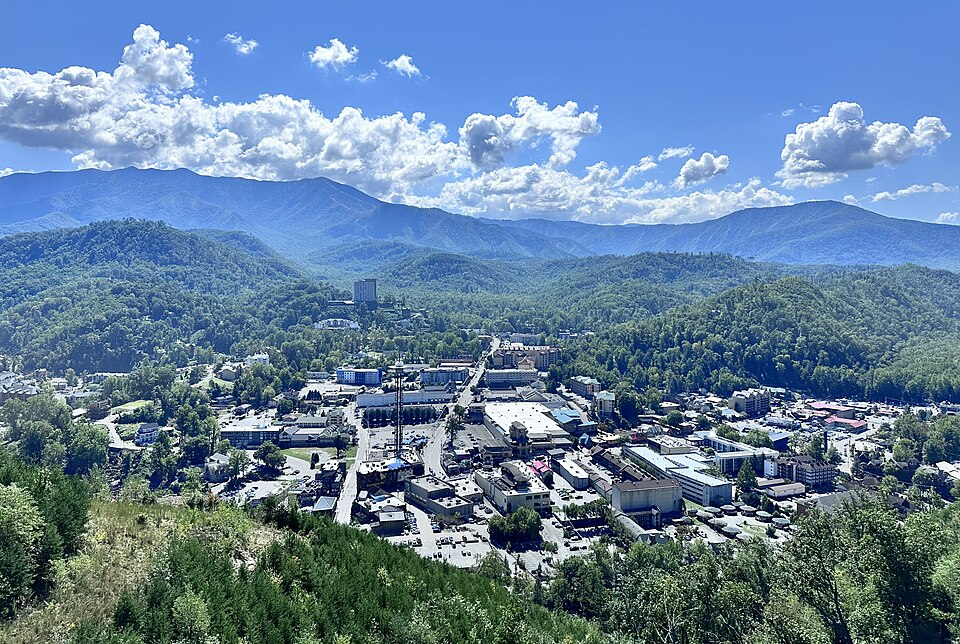
The Eleven-Mile Loop Where a Mountain Morning Can Turn Into an All-Day Adventure
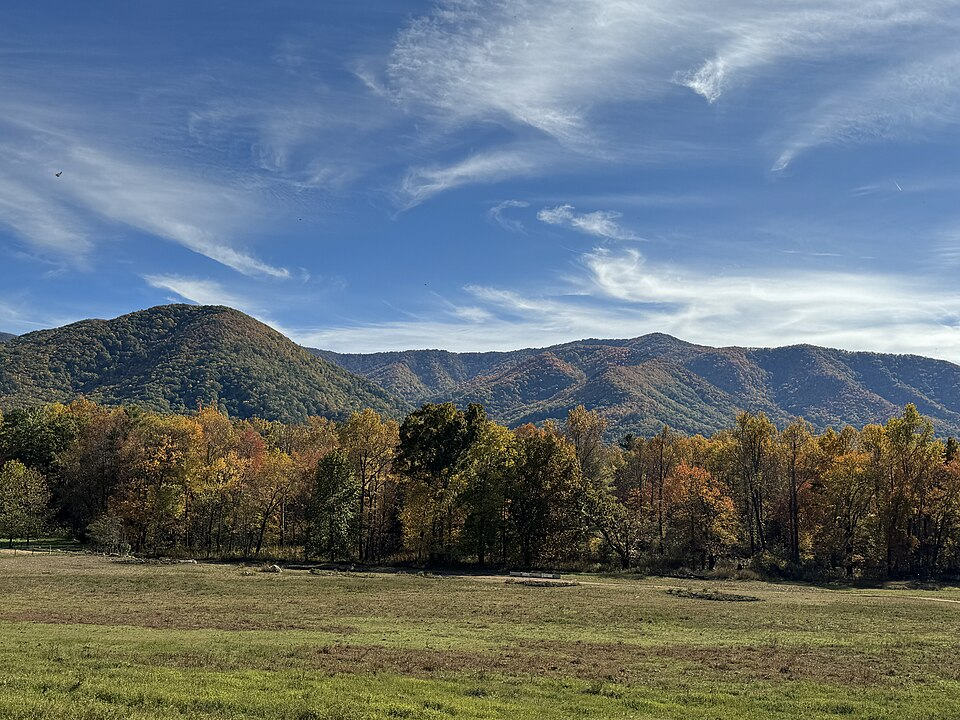
Cades Cove is one of the defining experiences of the Great Smoky Mountains portion of this road trip. Its 11-mile loop road takes visitors through a mountain valley surrounded by ridges, with opportunities to see wildlife and explore historic buildings along the way.
This is not a stop to squeeze between breakfast and a late lunch reservation.
The valley brings together open meadows, wooded edges, mountain backdrops, and traces of the communities that lived here before the national park was established. Historic cabins, churches, and other structures help make the landscape feel like more than a scenic drive.
Early in the day, the changing light can make the ridges look blue and the low areas appear misty. Deer may be visible in the meadows, and visitors sometimes encounter other wildlife. Black bears are part of the park's ecosystem, but sightings are never guaranteed.
The important thing is to observe from a safe distance. Wildlife is not there for photographs, and approaching an animal can put both visitors and wildlife at risk.
Traffic is part of the Cades Cove experience, particularly during busy travel seasons. Drivers may stop when wildlife appears, and vehicles can bunch up around popular viewing spots. What looks like a short loop on a map can occupy a significant part of your day once you account for the drive, parking, and time spent exploring.
Here's the part many visitors underestimate.
The attraction is not simply the road. It is everything you discover by allowing yourself time to stop.
Cades Cove is an 11-mile scenic loop with historic structures and wildlife-viewing opportunities, and it can take two to four hours to experience without rushing.
The insider tip: Make Cades Cove your main outing for the day. Arrive early if you want to make the most of the morning, but check the official road schedule before leaving. During the 2026 season, the loop is scheduled to be closed to motor vehicles on Wednesdays from May 6 through September 30, creating an opportunity for pedestrians and cyclists instead.
For a regular driving visit, check current road conditions, available parking, and the latest visitor guidance. Bring water, snacks, and comfortable walking shoes, and remember that stopping to view wildlife should never mean blocking traffic or getting too close to an animal.
The park requires a valid parking tag for vehicles parked within its boundaries for more than 15 minutes. That requirement applies even though the national park does not charge an entrance fee. The tag must be displayed properly, and buying one does not guarantee a parking space.
Another common mistake is scheduling a long meal or several attractions immediately after Cades Cove. Traffic can be unpredictable, so keep your afternoon flexible.
If the weather is poor or the loop is crowded, consider changing your plans rather than forcing the day to work exactly as written. There are other areas of the Smokies worth exploring, and the right alternative depends on current conditions and your comfort level.
Once you have spent time in the valley, the next experience offers a different perspective. Instead of looking across the mountains from below, you can travel toward one of Tennessee's highest viewpoints.
The Mountain View That Requires More Planning Than the Photograph Suggests
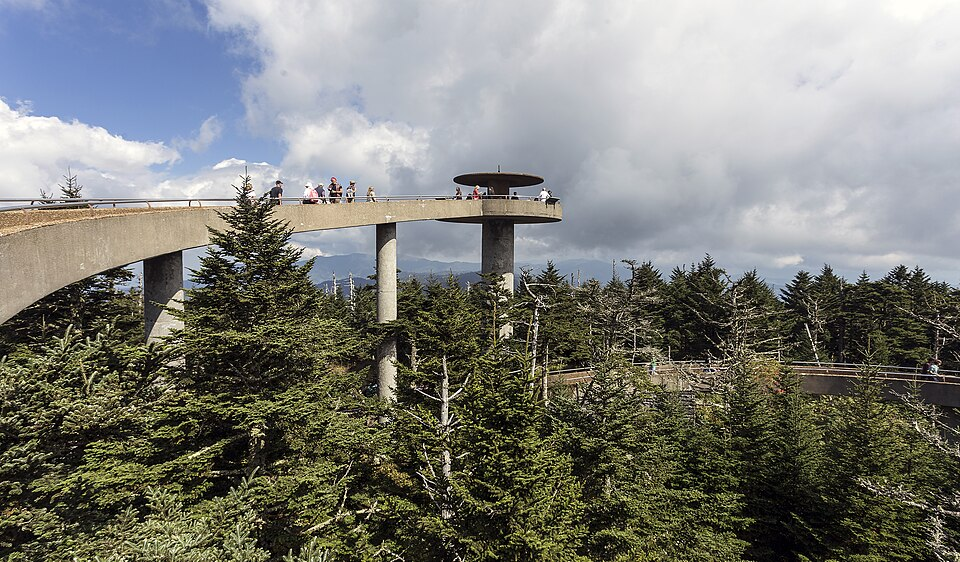
Kuwohi, formerly known as Clingmans Dome, is one of the major high-elevation destinations in Great Smoky Mountains National Park. The summit reaches 6,643 feet, making it the highest point in Tennessee, and the approach offers a chance to see the mountains from a very different perspective.
The drive toward the summit is part of the experience. Forested slopes and winding mountain roads replace the broad views of the lower valley, while cooler conditions can make the air feel noticeably different from Gatlinburg.
The final walk is where visitors need to be realistic. The paved trail to the observation tower is steep, and the elevation can make it more demanding than its short distance suggests. Give yourself time, move at a comfortable pace, and turn back if conditions or your physical comfort call for it.
At the top, the landscape opens toward a series of mountain ridges. On a clear day, the layered views stretch into the distance, with the blue tones that give the Smokies much of their familiar character.
Clouds and mist can transform that view in minutes. Some days provide sweeping panoramas; others offer a much more limited outlook.
Neither is a reason to ignore the weather.
Here's what makes this stop different from a casual roadside overlook.
You are traveling to a high elevation, where the conditions may not match those in town.
Kuwohi reaches 6,643 feet, and the summit walk is steep enough that visitors should plan for effort rather than treating it as a quick stroll.
The insider tip: Check the official road schedule before setting out. Kuwohi Road is seasonally operated, and the 2026 schedule lists April 1 through November 29, subject to closures caused by snow, ice, or other hazardous conditions. A calendar date alone does not guarantee access.
Wear shoes with reliable traction and bring an extra layer, even if the weather in Gatlinburg feels warm. Give yourself enough time for the drive, the walk, and the return journey. If clouds are already covering the higher elevations, be prepared to change your plans.
The practical issue is that a summit visit can be less straightforward than it appears on a map. Parking availability, road conditions, weather, and the steep approach all affect how enjoyable the outing will be.
Don't build your entire final day around reaching the tower at a particular minute. Flexibility is especially useful in the mountains, where conditions can change and a scenic drive may take longer than expected.
If the summit is closed or the weather is unsuitable, choose a lower-elevation area or a short walk instead. You don't have to reach the highest point to experience the character of the Smokies.
And this is where the trip becomes more than a list of scenic stops. The mountains are not just pretty scenery. Their mist, forests, and valleys have shaped how people have lived here for generations.
The Historic Mountain Community That Makes the Smokies Feel Different
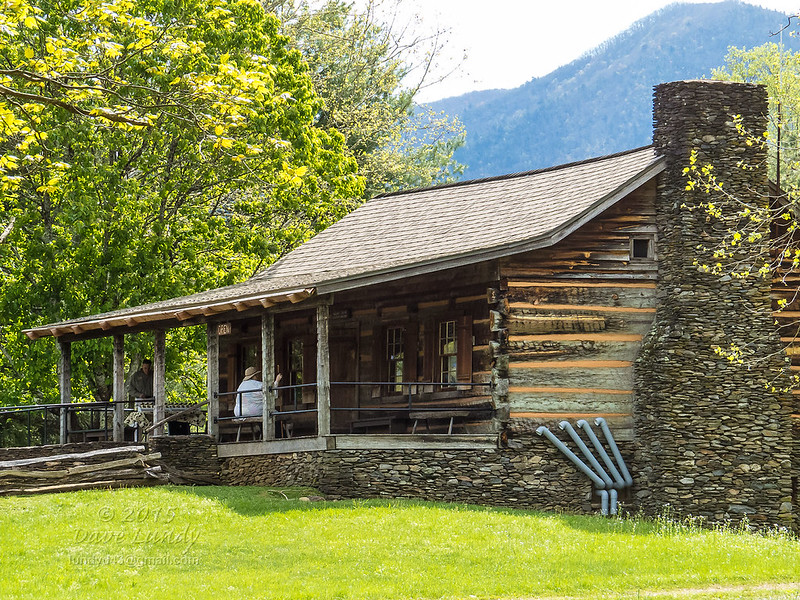
The Great Smoky Mountains are not simply a wilderness of trees and overlooks. The park also preserves evidence of the communities that lived in these mountains, worked the land, built homes, and established churches before the area became a national park.
Cades Cove is one place where that history is especially visible. The old buildings and agricultural landscape offer clues about everyday life in an isolated mountain valley, and they add another dimension to the scenery.
Look beyond the mountain backdrop and pay attention to the structures themselves. A cabin, a church, or an old mill can tell you something about the practical work of building a community in a place where the landscape shaped daily routines.
That perspective changes the way you experience the park. Instead of seeing only a beautiful view, you begin to recognize a place with a human history that deserves attention and preservation.
The story is not always comfortable. The establishment of a national park also involved changes to communities and the lives of people who had lived in the region. A thoughtful visit makes room for both the natural landscape and the people whose histories are connected to it.
Here's why it is worth slowing down.
The buildings are not merely decorative remnants placed along a scenic road. They are part of the historical record of the mountains.
Great Smoky Mountains National Park protects both natural landscapes and historic places that help explain how people lived in the region.
The insider tip: Give yourself time to read the interpretive information at historic sites rather than photographing a building and immediately moving on. If you're visiting Cades Cove, decide in advance which historic structures or visitor areas matter most to you, then allow enough time to explore without rushing.
Practical preparation still matters here. Historic areas may have uneven ground, and the amount of walking required varies by stop. Comfortable shoes and weather-appropriate clothing make a difference, particularly if the ground is wet.
Check current park information for access and closures before setting out. The national park's roads, facilities, and visitor services can have seasonal schedules, and not every building or site is necessarily open for entry at all times.
The same principle applies to wildlife. Animals and historic structures share this landscape, and visitors need to respect both. Follow posted instructions, remain at safe distances from wildlife, and avoid climbing on or disturbing old buildings.
There is no need to turn this into a solemn day with no room for enjoyment. The history is part of what makes the park interesting, and it can sit comfortably alongside a picnic, a scenic drive, or a relaxed evening back in town.
Once you have spent time with the mountains' human history, finish your trip with something lighter. A final breakfast, a short walk, or one last view can make a better farewell than another long drive to squeeze in a distant attraction.
The best ending to a road trip is not necessarily the most dramatic one. Sometimes it is the moment when you realize you finally stopped hurrying.
The Simple Planning Trick That Keeps Five Days From Becoming Five Long Drives
The difference between a satisfying Tennessee road trip and an exhausting one often comes down to decisions made before departure. The most useful is to choose two main accommodation bases instead of packing up and changing hotels every night.
Spend the first two nights in Nashville, then move to the Gatlinburg area or another suitable gateway to the Smokies for the remaining nights. That arrangement gives you time to explore the city before concentrating on the mountains, without repeatedly checking in and out of hotels.
The next decision is when to rent a car. A vehicle is useful for the journey east and for exploring the national park, but a car is not automatically necessary for every hour spent downtown Nashville.
If you're staying near the main downtown attractions, compare the cost of hotel parking, rental fees, and local transportation before deciding whether to collect your car immediately. Sometimes it makes practical sense to arrange transportation around your city days and begin the road trip when you're ready to leave Nashville.
Then plan around the things that can change.
Weather, road closures, traffic, and parking availability can all affect your schedule. The higher elevations of the Smokies can experience conditions quite different from those in town, and a road that is usually open may be temporarily closed because of hazardous weather.
Here's the small detail that can save a frustrating surprise.
Great Smoky Mountains National Park does not charge an entrance fee, but vehicles parked inside the park for more than 15 minutes need a valid parking tag.
The current published rates are $5 for a daily tag, $15 for a weekly tag, and $40 for an annual tag. Each tag applies to a single vehicle, and the physical tag must be displayed as instructed. A parking tag does not reserve a space or guarantee that a busy trailhead will have room when you arrive.
The insider tip: Buy the appropriate tag after you know which vehicle you'll be driving and make sure the license plate information matches. If you are renting a car, wait until you have the correct registration details. Check the National Park Service's current instructions for purchasing and displaying the tag.
For the five-day plan, keep the schedule straightforward:
- Day 1: Explore downtown Nashville, choose a major music attraction, and enjoy live music in the evening.
- Day 2: Spend time in a Nashville neighborhood, visit Centennial Park, or take an optional trip to historic Franklin.
- Day 3: Drive east toward the Smokies, adding no more than one carefully selected nature stop.
- Day 4: Give the national park a full day, choosing Cades Cove or another area that fits your interests and current conditions.
- Day 5: Enjoy a final mountain view or short walk, then leave enough time for your onward journey.
That last point matters if you are catching a flight. Don't schedule a long hike immediately before departure. Mountain roads, weather, and traffic can make a tight timetable difficult to manage.
The same restraint applies to food, attractions, and accommodation. Pick experiences that genuinely interest you rather than trying to do everything recommended by every travel guide.
And if you find yourself tempted to add Memphis and Chattanooga to the same five-day schedule, pause before booking. Memphis brings its own music history, barbecue traditions, and civil rights landmarks, while Chattanooga offers riverfront scenery and mountain attractions. Both deserve time, but combining them with Nashville and the Smokies means sacrificing time somewhere else.
A road trip should feel like a holiday, not a competition to cover the most miles.
The Unexpected Fact About Tennessee's Smoky Mountains
The Great Smoky Mountains got their name from the natural haze that often hangs over the ridges and valleys. The Cherokee name for these mountains, Shaconage, is commonly translated as “land of blue smoke.” That familiar blue appearance is part of the landscape's identity, and it explains why the mountains can look so different from one hour to the next.
There is another important detail about the park: it stretches across Tennessee and North Carolina, protecting a vast area of forests, wildlife habitat, historic sites, and mountain scenery. A five-day trip that focuses on Nashville and the Tennessee side of the Smokies offers a manageable introduction, but it barely scratches the surface of what the state has to offer.
That's exactly why this route works. You get the music and food that make Nashville famous, a chance to explore Middle Tennessee's history, and time to experience the mountains without spending every day behind the wheel.
You don't have to see all of Tennessee in five days to understand what makes it special. The best road trips leave you with stories to tell, not just miles to count.