You can spend an entire Nashville weekend racing between bars, restaurants, and famous attractions, only to board your flight home feeling like you missed the best parts. After researching Nashville's visitor guides, music venues, neighborhoods, and travel advice, one thing becomes clear: knowing a few local rules can change the way you experience Music City.
Some will save you time and unnecessary expenses. Others will help you discover a side of Nashville that never makes it into the typical weekend itinerary. And the ninth rule might be the one you remember longest.
The Famous Street That Tells Only Part of Nashville's Story
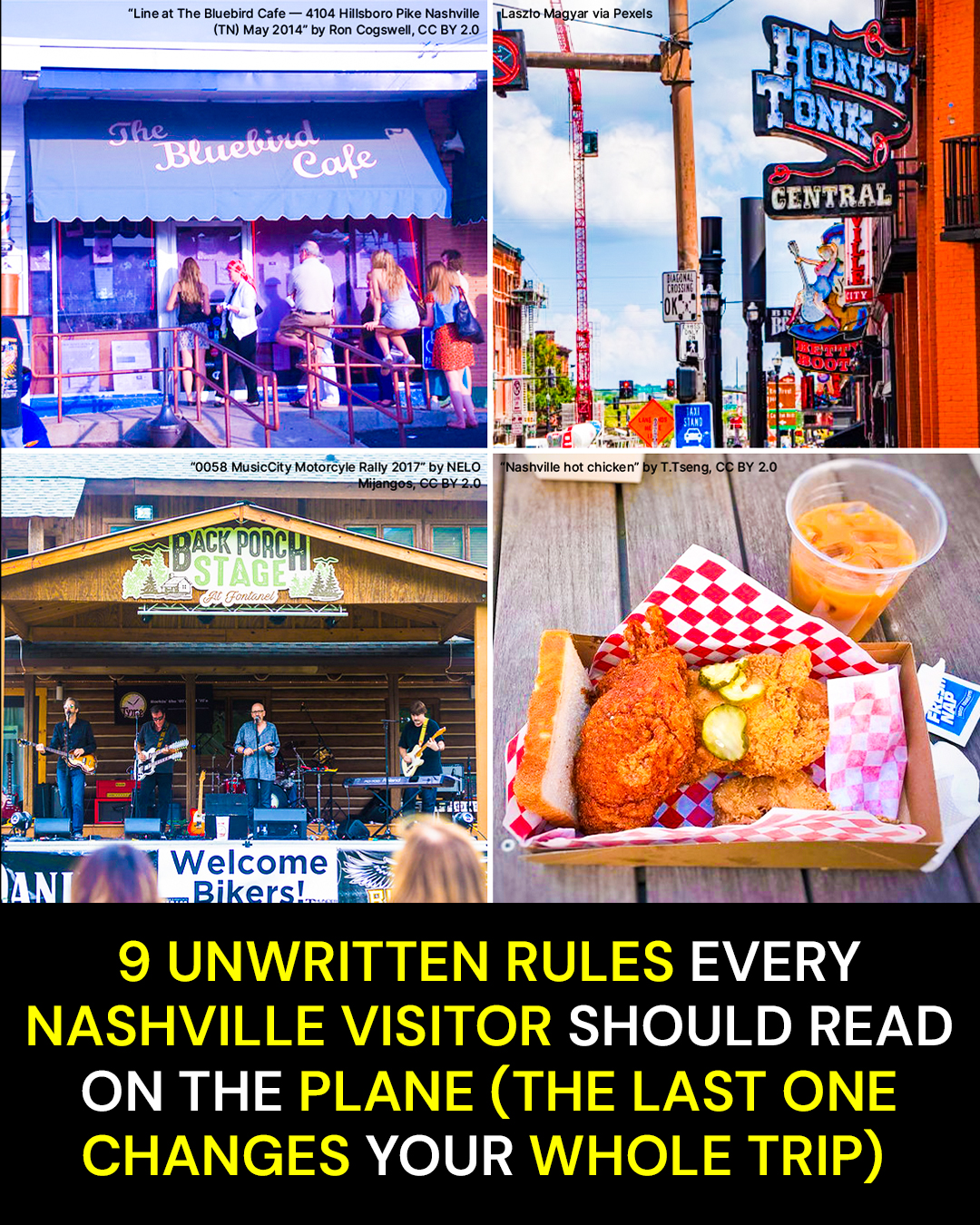
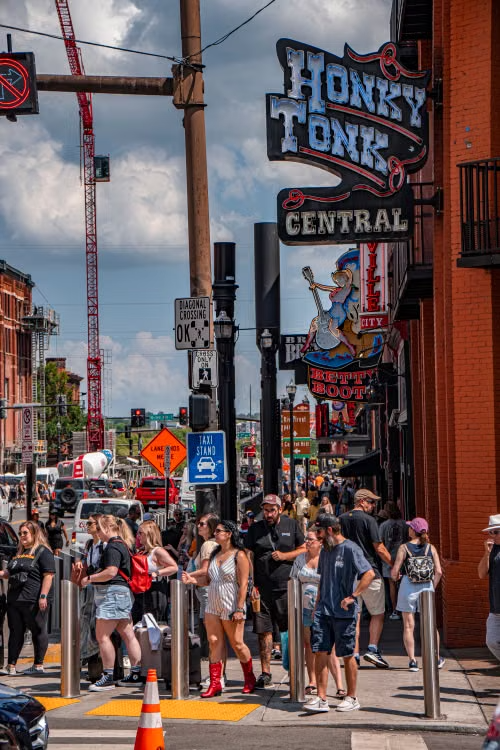
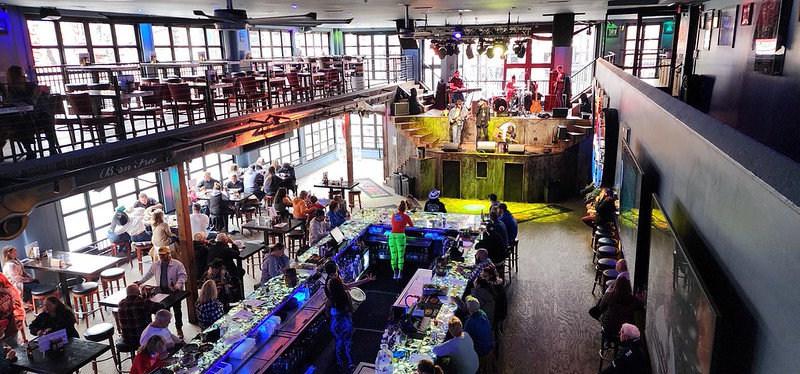
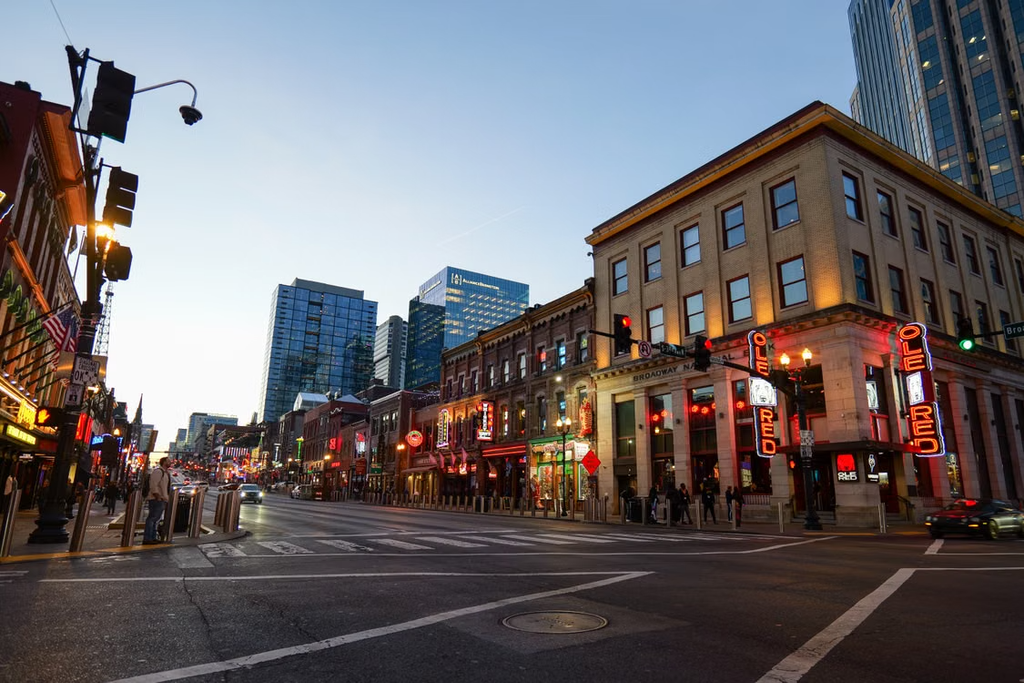
Broadway is where plenty of Nashville trips begin, and there's a good reason for that. Lower Broadway's Honky Tonk Highway brings together live music bars, neon signs, crowds spilling along the sidewalks, and performers playing country, rock, blues, and everything in between. Music starts around 10 a.m. and continues until 3 a.m. daily, according to Nashville's official tourism guide.
You step onto Broadway and hear a guitar riff drifting from one doorway, a singer belting out a familiar chorus from another, and the steady rumble of conversations rising above the music. Neon reflections shimmer in the windows after dark. Somewhere nearby, a band launches into a song that gets half the sidewalk singing along.
It's entertaining, energetic, and unmistakably part of Nashville's visitor experience.
But Broadway isn't the whole city.
A common travel mistake is to treat the famous strip as a complete introduction to Nashville. Spend all your time downtown, and you may leave without experiencing the quieter side of the city's music culture, its different neighborhoods, or the restaurants that serve people who aren't visiting for a long weekend.
The trick isn't to avoid Broadway. It's to give it the right amount of space in your plans.
Broadway is a major part of Nashville's music identity, but the city's musical life extends far beyond Lower Broadway.
Here's your insider tip: enjoy Broadway for an evening, then plan a separate music experience somewhere that offers a different atmosphere. The Ryman Auditorium, the Bluebird Cafe, and smaller songwriter showcases each provide a different way to experience music in Nashville. They aren't interchangeable, and that is precisely the point.
For practical planning, remember that a venue advertising free live music doesn't necessarily mean your entire evening will be free. Drinks, meals, tips, transportation, and any ticketed experiences can still add up. Check the policies of individual venues before you go, especially if you're planning a special night out.
Broadway can also be crowded, particularly during popular weekends, festivals, and major events. Don't build a schedule that requires you to move instantly from one busy attraction to another.
Give yourself room to linger when you find a band you like.
And if the neon, noise, and late-night energy aren't quite your style, you haven't come to the wrong city. You simply need to explore a different part of it.
Because the next rule concerns one of the biggest misconceptions about Nashville nightlife: the idea that the best music doesn't start until the evening.
The Best Part of a Music Day Doesn't Have to Happen After Dark
Nashville's Honky Tonk Highway isn't a nightlife attraction that only wakes up when the sun goes down. Official visitor information says live music on Lower Broadway begins around 10 a.m. and continues until 3 a.m. daily. Many venues offer performances without a regular cover charge, making daytime music an option for travelers who want to hear several bands without purchasing a concert ticket for every stop.
That changes how you can plan a day.
Instead of spending the afternoon waiting for your evening plans to begin, you can head downtown earlier, explore a few music venues, stop for lunch, and enjoy the atmosphere before committing to a late night.
Daylight brings out details that can disappear in the evening rush. You can see the architecture above the storefronts, study the signs outside the bars, and get a better feel for the streets between stops. Inside, the guitars are still plugged in, the drums still kick, and the singers are still working through familiar songs.
You don't have to wait until midnight to feel that Nashville energy.
Earlier visits may also suit travelers who prefer a less intense evening. That said, don't assume an afternoon will always be quiet. Concerts, holidays, festivals, and busy weekends can change the atmosphere considerably.
Here's what catches people off guard.
A good music day doesn't need to become a marathon.
Nashville's official visitor guide places the daily start of Lower Broadway's live music at around 10 a.m., so you can plan a music-focused visit well before nightfall.
The insider tip is to choose an afternoon stop before dinner rather than saving every music experience for the end of the night. You can hear a band, eat, explore another part of town, and decide later whether you want to return downtown.
This approach can be particularly useful for couples, multigenerational groups, and travelers who don't want every evening to end in a crowded bar.
Check individual venue schedules before setting out. The fact that music is available on Broadway throughout the day doesn't guarantee that a particular band will be playing at a particular hour. Crowd levels also vary, and a free performance isn't the same thing as a reserved seat at a ticketed show.
Budget for the whole outing, not just the music. You might not pay a cover charge, but you should still plan for food, drinks, tips, and getting back to your hotel.
One more thing: don't feel obligated to stay somewhere just because you've entered. If a band isn't your taste, move on. If you find a singer you love, stay awhile.
That freedom is part of what makes a music-centered afternoon work.
And once you understand that Nashville offers different kinds of live performances, you'll want to learn the rule that separates a loud night out from an evening you can actually listen to.
The Little Room Where Talking Can Ruin the Whole Show
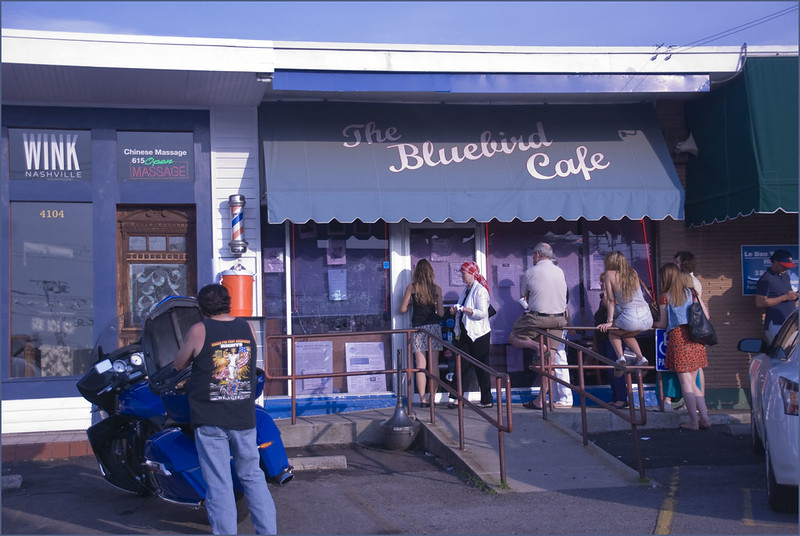
The Bluebird Cafe in Green Hills offers a very different kind of Nashville music experience from the bars along Broadway. It opened in 1982 and is known for intimate songwriter performances, including its signature in-the-round format, in which songwriters perform together and share the stories behind their songs.
Picture a room where the song matters more than the spectacle. Instead of competing with a wall of televisions or the chatter of a crowded bar, you're there to hear the words, the melody, and the story behind the song.
A songwriter may introduce a tune with a little context before beginning to play. The audience listens, laughs at the right moment, and applauds when the final note fades.
It's an entirely different way to understand Nashville's reputation as a songwriting town.
The room itself sets the expectations. This isn't the place to hold a loud conversation with your travel companions while waiting for your drinks.
The Bluebird Cafe explicitly asks audiences to keep conversation to a minimum during performances and warns that guests who disregard its quiet policy may be asked to leave.
Here's the insider tip: treat getting tickets as part of planning your trip, not as something you'll automatically sort out after dinner.
Reservations are made through the venue's online system, and availability depends on the show. The venue's published policies explain that reservations generally become available one week ahead for Tuesday through Thursday performances, while Friday, Saturday, and Sunday reservations generally go on sale on the Monday of that week. Special events can follow different schedules.
The venue also keeps some seats available for walk-up guests for most shows, but availability is limited. Don't build your entire evening around getting one of those seats unless you're prepared for the possibility of missing out.
There are a few practical details worth knowing. The food or drink minimum is $15 per reserved seat, separate from the non-refundable show cover charge and reservation fee. Your reservation is for individual seats, not necessarily an entire table, so a smaller party may share a table with other guests. The venue also conducts ID checks, and the reservation name must match the guest's identification.
Give yourself enough time to reach Green Hills, too. The Bluebird's published guidance estimates a drive of 15 to 30 minutes from downtown, depending on traffic.
If you arrive late, you risk losing your seats once the performance starts. Large bags are restricted, and video or audio recording isn't allowed. Read the rules before you leave your hotel.
One final point: you don't have to choose between loving Broadway and appreciating a listening room. Nashville has room for both.
And once you've made space for the music, it's time to make a little space on your plate for something beyond the dish everybody associates with the city.
The Famous Chicken Isn't the Whole Menu
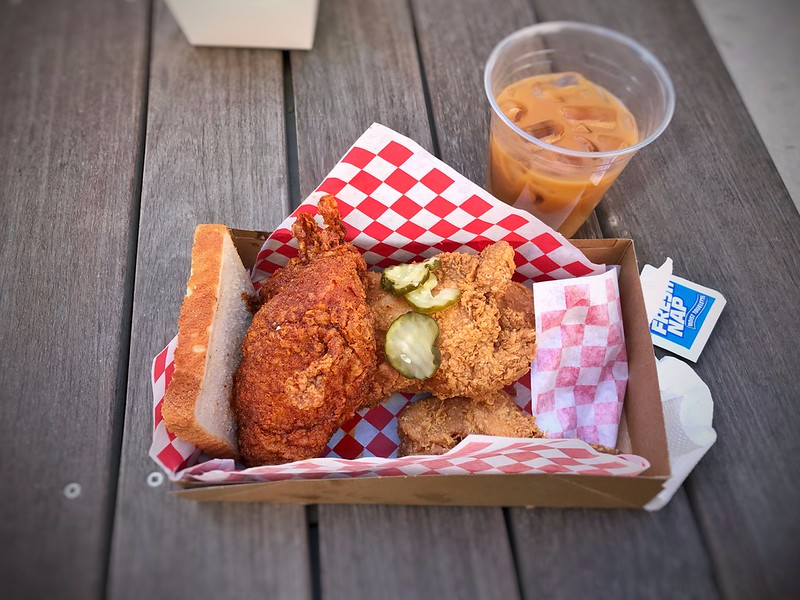
Nashville hot chicken deserves its reputation, and skipping it simply because it's popular would mean missing part of the city's food culture. But the mistake is assuming that one famous dish tells you everything you need to know about eating in Nashville.
The city's food scene includes hot chicken, traditional Southern meat-and-three meals, barbecue, international cuisine, brunch spots, bakeries, and contemporary restaurants. The meat-and-three tradition, in particular, is a classic Southern meal built around a main dish and several sides.
Hot chicken brings its own kind of drama to the table. The crust crackles, the seasoning leaves a warm tingle on your lips, and the heat can build with every bite. Depending on the restaurant and spice level, the experience can range from pleasantly peppery to a meal that demands a little time between mouthfuls.
That's part of the fun, provided you choose a heat level you're comfortable with.
But think about the rest of the trip, too. Nashville has restaurants serving traditional Southern meals, international dishes, brunch, bakery treats, and contemporary cooking. East Nashville, in particular, is known for a broad mix of restaurants, coffee shops, and independent food businesses.
Nashville's food identity includes both hot chicken and traditional meat-and-three meals, so there's no reason to limit your trip to one famous dish.
The insider tip is to plan at least one meal away from the busiest downtown strip. Pick a neighborhood restaurant based on what you genuinely enjoy eating, not just what appears most frequently in tourist photographs.
If you want hot chicken, check the menu before ordering and ask how the restaurant describes its spice levels. Heat labels aren't necessarily standardized between restaurants, so don't assume one establishment's medium will taste like another's.
For practical planning, look at menus, opening hours, reservation requirements, and current prices before making a detour. Popular restaurants can have waits, and an online menu may not show every current special or policy.
Also, don't confuse a long queue with a guarantee that you'll love the food. A restaurant may be famous for a particular dish, but your own preferences still matter. If you don't enjoy spicy food, there's no reason to turn dinner into an endurance contest.
Budget for the complete meal, including drinks, sides, tax, and any tip you choose to leave. If you're traveling with a group, agree on the restaurant before everyone gets hungry and impatient.
A good food itinerary has variety. Have the iconic dish if it appeals to you, try a Southern classic, and leave room for an unexpected neighborhood meal.
You may come home talking about the chicken. You may discover that the dish you hadn't planned to order becomes the meal you remember.
Now for a rule that matters no matter what you're eating, drinking, or doing downtown.
Free Music Doesn't Mean the Musicians Work for Nothing
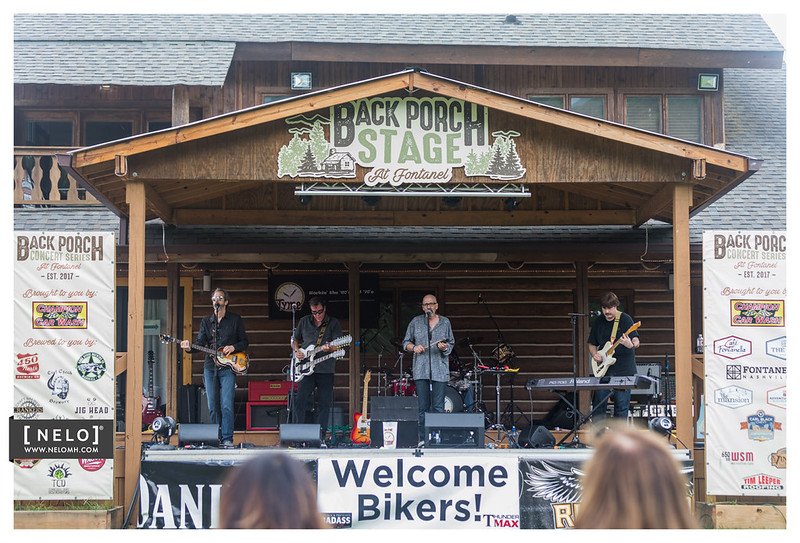
One of the pleasures of Nashville is that you can hear live music without necessarily buying a concert ticket. The city's official tourism guide notes that many Broadway bars offer live performances without a regular cover charge, and it specifically encourages visitors to tip the musicians.
That arrangement can make a music-filled afternoon accessible to travelers who don't want to spend their entire entertainment budget on ticketed shows.
You walk into a bar, order something to drink, and find a band already playing. The singer's voice carries across the room, a guitar cuts through the conversation, and somebody at the next table recognizes the chorus before you do.
It's easy to settle in and think of the music as part of the atmosphere.
But those performances involve real work. Musicians spend time rehearsing, traveling, learning material, setting up equipment, and performing for audiences. A venue's decision not to charge a regular cover doesn't mean the people onstage have no costs or deserve no appreciation.
Nashville's official tourism guidance explicitly says that tips for musicians are appreciated even when the live music has no cover charge.
Here's the insider tip: decide what you can comfortably spend on music before the evening begins. Set aside money for performers separately from your food and drink budget, and look for the venue's preferred way of receiving tips.
Don't assume that one payment automatically reaches everybody working that night. The arrangements for musicians, bartenders, servers, and other staff can vary by venue.
And remember that tipping isn't a substitute for following the venue's rules. If a musician is playing a quiet songwriter showcase, listening respectfully is part of being a good audience member. If you're at a lively bar, enjoy yourself without making the performance impossible for the people around you to hear.
The practical trap is thinking that a free show means an entirely free night. Drinks and meals still cost money, transportation can add up, and several stops in a row can turn a supposedly inexpensive evening into a surprisingly costly one.
Check menus before ordering, keep track of what you're spending, and don't feel pressured to buy something at every venue just because you've walked inside. Be courteous to staff, and ask politely if you're unsure how tipping works at a particular establishment.
There's another way to save money that has nothing to do with skipping music or cutting your meal short.
It starts with what you put on your feet.
The Cowboy Boots Are Optional, but Your Feet Will Have an Opinion
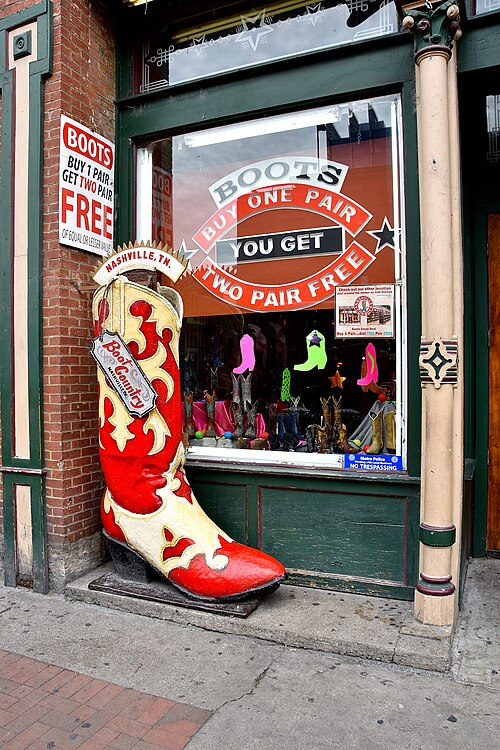
Nashville has a reputation for Western-inspired outfits, and you'll see plenty of cowboy boots, hats, denim, and carefully coordinated group looks around downtown. But there is no dress code requiring visitors to look like they've stepped out of a country music video.
The practical question is much simpler: can you comfortably spend hours on your feet?
A typical day might involve walking around downtown, exploring a museum, stopping for lunch, heading to another neighborhood, and standing through a live performance. Add a night out, and the hours can stretch longer than you expected.
Your feet will remember every part of that schedule.
Cowboy boots are a personal style choice, not a requirement for enjoying Nashville, and comfortable footwear deserves a place in your packing plan.
Here's the insider tip: if you're bringing new boots, wear them around home before the trip. Don't make your first extended walk in them the same day you plan to explore downtown.
There's a difference between wearing boots for a few photographs and wearing them for an entire day. Even a beautiful pair can rub, pinch, or leave you wishing you'd packed something else.
For practical planning, bring shoes that you already know you can walk in comfortably. A second pair gives you an alternative if your feet get tired or the weather changes. Pack a light layer and clothing suited to the forecast, too, rather than building your entire wardrobe around a single Nashville aesthetic.
Before you go, check the weather for your travel dates. Conditions can change, and an outfit that works beautifully for a sunny afternoon may not be comfortable in rain or a cool evening.
Think about your actual itinerary when choosing clothes. If you're attending a ticketed performance, check the venue's specific entry policies. If you're spending most of the day walking through neighborhoods, comfort may matter more than a perfectly coordinated outfit.
You can still dress up for photographs, wear your favorite boots, or embrace the Western look if that is what makes the trip fun. The point is not to avoid dressing the part.
It's to avoid letting an imagined dress code dictate your entire suitcase.
There is no prize for finishing a Nashville weekend with sore feet and a wardrobe you never wanted to wear in the first place.
And while we're talking about the experience you actually want, there's one more planning mistake that can make even a perfectly packed suitcase feel irrelevant: treating every Nashville neighborhood as if it's just another block downtown.
The Neighborhoods That Give You a Different Side of Music City
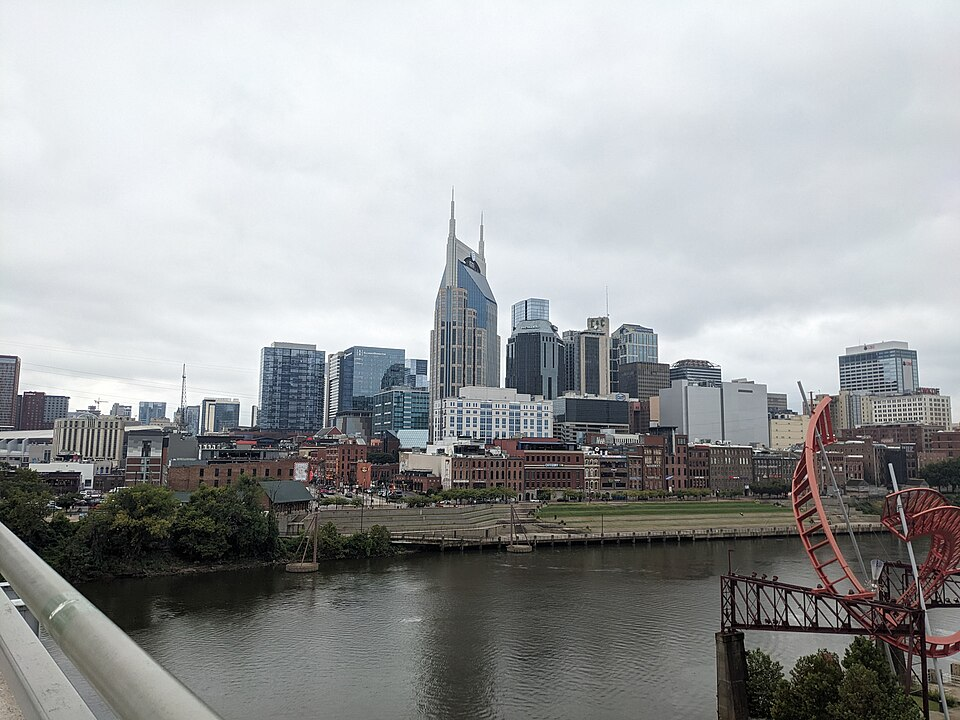
Nashville is a collection of distinct neighborhoods, each with its own mix of restaurants, shops, attractions, and local character. The city's visitor guides highlight places including East Nashville, Germantown, 12South, and Wedgewood-Houston, offering travelers different ways to spend their time beyond the downtown entertainment district.
Consider East Nashville, across the Cumberland River from downtown. The area is known for historic homes, independent restaurants, vintage shops, record stores, coffee shops, and music-related businesses.
The atmosphere changes when you move away from the main tourist corridor. Instead of planning your day around a series of famous attractions, you can explore a cluster of independent businesses, browse a shop, stop for coffee, and find a restaurant that catches your eye.
Germantown offers a different combination of historic streets, restaurants, brunch spots, museums, and access to the Farmers' Market. The visitor guide also identifies 12South as a walkable area with boutiques, restaurants, and street art.
These neighborhoods aren't interchangeable, and they don't need to be.
Nashville's official neighborhood guides identify multiple distinct areas, including East Nashville, Germantown, and 12South, each with different attractions and dining options.
The insider tip is to choose a neighborhood according to what you actually like doing. If you enjoy browsing independent shops, seek out an area with those businesses. If restaurants are your priority, research a dining destination and build your afternoon around it. If you want galleries and creative spaces, investigate Wedgewood-Houston before deciding how to spend your time.
Don't attempt to cover every neighborhood in a single weekend. Choose one or two that suit your interests and allow enough time to explore them without constantly checking the clock.
Practical details matter here. Nashville's neighborhoods are spread across the city, so don't assume that every attraction is an easy walk from your hotel or from the previous stop on your itinerary. Check the route, transportation options, and expected travel time before committing to a sequence of activities.
If you're planning dinner outside downtown, check the restaurant's current hours and reservation policies. Confirm the opening hours of shops and galleries separately, since businesses in the same neighborhood may keep different schedules.
Also, remember that a neighborhood is home to people who live and work there. Be considerate when parking, photographing homes, or occupying sidewalks. A quieter area isn't a theme park built for visitors.
The reward for exploring beyond the familiar tourist route isn't that you've found a supposedly more authentic version of Nashville. It's that you've discovered another part of a real, complicated, changing city.
And before you set off to explore it, there is one practical rule that can protect both your budget and your mood.
The Little Planning Mistakes That Cost You Time and Money
Nashville is a much easier city to enjoy when you plan the essentials before arriving. Popular performances, restaurant reservations, parking, and transportation can all affect how much of your trip you actually get to enjoy. The city's official tourism guidance encourages visitors to plan important experiences ahead rather than assuming every attraction will accommodate a spontaneous visit.
Think about the difference between two evenings.
In one, you have a ticket for a show, know how you'll get there, and have enough time to eat beforehand. In the other, you're searching for a restaurant, circling for parking, checking ticket availability, and trying to figure out transportation while everyone in your group is getting tired.
Same city. Very different experience.
The trouble is that the little decisions accumulate. A delayed meal can affect a reservation. A parking search can eat into your sightseeing time. A missed performance can mean losing the experience you planned the entire trip around.
The Bluebird Cafe, for example, has limited seating, specific reservation rules, and a late-arrival policy that can put unclaimed seats back into the walk-up line once a performance starts.
That's the sort of detail worth checking before you leave the hotel.
Here's the insider tip: identify the two or three experiences you would genuinely be disappointed to miss, then organize the rest of the trip around them.
If a particular concert is essential, confirm the ticket details and arrival instructions. If you have a special dinner planned, check whether reservations are required. If you're attending a bar or another age-restricted venue, carry valid identification and check the venue's entry requirements.
Transportation deserves its own attention. Nashville's official visitor resources provide travel information and maps to help visitors plan routes between attractions and neighborhoods.
Before choosing a hotel, consider the locations you plan to visit most often. Staying near your main activities may reduce some transportation needs, although the right choice depends on your budget and itinerary.
If you're driving, check the current parking rates, restrictions, and payment arrangements for the specific lot or garage you intend to use. Don't assume a parking space will be available simply because a map shows a nearby facility. If you're using a rideshare service, allow for pickup delays and traffic, especially around major events.
For budgeting, add up more than accommodation and attraction tickets. Meals, drinks, tips, parking, transportation, shopping, and unexpected expenses can all contribute to the final total. Checking current prices is more useful than relying on an old travel article.
One more thing: don't overbook every hour. Leave some flexibility for a restaurant recommendation, an unexpected performance, or a stop that takes longer than planned.
That balance is the point. Planning should remove unnecessary stress, not turn your holiday into a military operation.
Because the final rule is less about navigating Nashville and more about understanding what makes a trip memorable in the first place.
The One Rule That Changes Your Entire Nashville Weekend
Nashville offers an almost irresistible list of things to do. You can plan live music, a famous meal, a historic venue, neighborhood shopping, museums, and an evening downtown, then discover that the list is longer than the time you have available.
The temptation is to squeeze everything in.
But consider what happens when you spend the whole weekend rushing. You leave one attraction early to reach another. You watch the clock through dinner. You miss the opening of a performance because your previous stop took longer than expected. By the final morning, you may have visited plenty of places without giving yourself much time to enjoy any of them.
Here's the surprising part: you don't need to see everything to have a full Nashville experience.
The city's visitor resources present very different ways to experience Music City, from Lower Broadway's live music to neighborhood restaurants and performances at historic venues such as the Ryman Auditorium.
Those experiences don't all require the same pace. A crowded music bar might be a quick stop. A songwriter showcase deserves time to listen. A neighborhood afternoon may be more enjoyable when you aren't rushing from one shop to the next.
The most useful trip-planning change is to choose one main experience for each day and give yourself enough time to enjoy it.
That could mean a concert one evening, a special meal the next day, or an afternoon exploring a neighborhood you've been curious about. Everything else becomes flexible rather than another deadline.
The insider tip is to leave at least one block of unscheduled time in your itinerary. You might use it to revisit a place you loved, browse a shop you hadn't planned to enter, or sit down for a proper meal instead of grabbing something while rushing to the next attraction.
This isn't an argument against planning. It is a reason to plan with some breathing room.
Make reservations for the experiences that require them. Check opening hours and ticket policies. Budget for transportation and meals. Then stop adding activities just because somebody online says they're essential.
If you travel with friends or family, agree on the day's main priority and let people choose how to spend the remaining time. Not everyone needs to enjoy every activity, and splitting up for an afternoon can sometimes make a group trip more pleasant.
The practical payoff is that you have room to adapt. If it rains, you can change the order of your plans. If a restaurant is busy, you have time to consider another option. If you discover a performer you love, you can stay for another song without worrying that the entire evening will unravel.
And when the trip ends, the memories that stay with you may not be the attractions you rushed to check off. They may be the unexpected performance, the meal you hadn't planned, or the hour you spent enjoying a place without looking at the time.
That is the rule worth remembering when you pack your bags.
Nashville has plenty to offer. You don't have to conquer the whole city in one weekend.
The Unexpected Fact About Nashville's Most Famous Music Tradition
The Ryman Auditorium, often called the Mother Church of Country Music, wasn't originally built as a country music venue. It opened in 1892 as the Union Gospel Tabernacle, a building inspired by riverboat captain Thomas G. Ryman after he attended a religious revival led by preacher Sam Jones. Its original purpose was religious gatherings, but the building became a place for lectures, community events, and musical performances.
The history gets even more interesting. The Grand Ole Opry moved into the Ryman in 1943 and remained there until 1974, helping establish the venue's lasting association with country music. Today, the Ryman hosts performers across multiple genres, and its history remains part of the experience for visitors who come to see a show or take a daytime tour.
That story captures something important about Nashville. Places change, music evolves, and traditions often grow beyond the purposes for which they began. A building that started as a religious gathering place became one of the city's defining music venues.
You can enjoy the neon lights on Broadway, try the hot chicken, explore the neighborhoods, and hear a songwriter perform a song that stays with you long after the trip ends. You don't have to choose just one version of Nashville.
The trick is to leave enough time to experience more than the version you arrived expecting.
The best Nashville memories often begin when you stop rushing to make the next one.