Nothing burns a Tennessee road trip faster than a two-hour detour to a restaurant an old list still says is open. That matters right now, because City Cafe in Murfreesboro closed in 2025 and Nashville's Varallo's closed in 2026, knocking two longtime names off Tennessee's oldest-restaurant lists.
The survivors are worth knowing. From a Memphis hamburger tradition dating to 1912 to Nashville biscuits still coming out hot by the thousands, these places have outlasted interstates, changing neighborhoods, food fads, and generations of customers. And a few of their signature dishes have stories almost as old as the restaurants themselves.
The Burger Cooked in More Than a Century of Memphis Lore
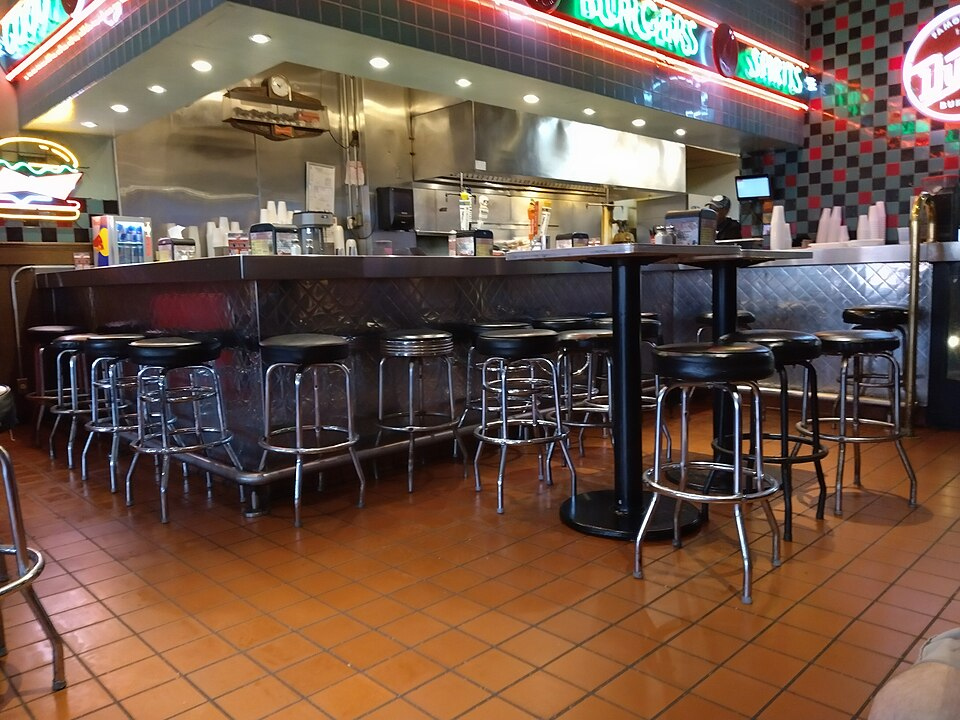
Dyer's Burgers traces its history to 1912, when Elmer “Doc” Dyer began developing the skillet-fried hamburger that would become the restaurant's calling card. Today you can still eat that burger on Beale Street, or follow the tradition to Dyer's Cafe just off Collierville's town square.
The Beale Street version feels exactly where a Memphis legend ought to live.
You step in from the music, lights, brick sidewalks, and noise outside, then meet a burger that looks almost suspiciously simple. Thin beef. Mustard. Pickles. Onion. A soft bun.
Then comes the grease story.
Dyer's says the cooking fat produced by its burgers is strained and maintained daily, continuing a tradition that goes back through generations. The restaurant even says the grease was transported between locations under police escort.
Here's what catches people off guard.
The famous Dyer's burger is fried in a cooking tradition that began in 1912, not cooked like the standard flat-top burger most visitors expect.
Order the single first if you have never been. The Beale Street menu currently lists a plain single at $6, or $7 with cheese. A single combo with fries and a drink is $9.50.
The Beale Street location is at 205 Beale Street. Current published hours are 11 a.m. to 10 p.m. Sunday through Thursday, with later Beale Street activity on weekends depending on the source, so late-night visitors should verify before making the trip.
The trap is ordering it like a modern gourmet burger. This is not about avocado, boutique cheese, or a tower of toppings. The whole point is tasting the old Memphis formula.
And Memphis has another century-old restaurant where the famous dish has nothing to do with burgers.
The Memphis Breakfast Counter That Hollywood Couldn't Leave Alone
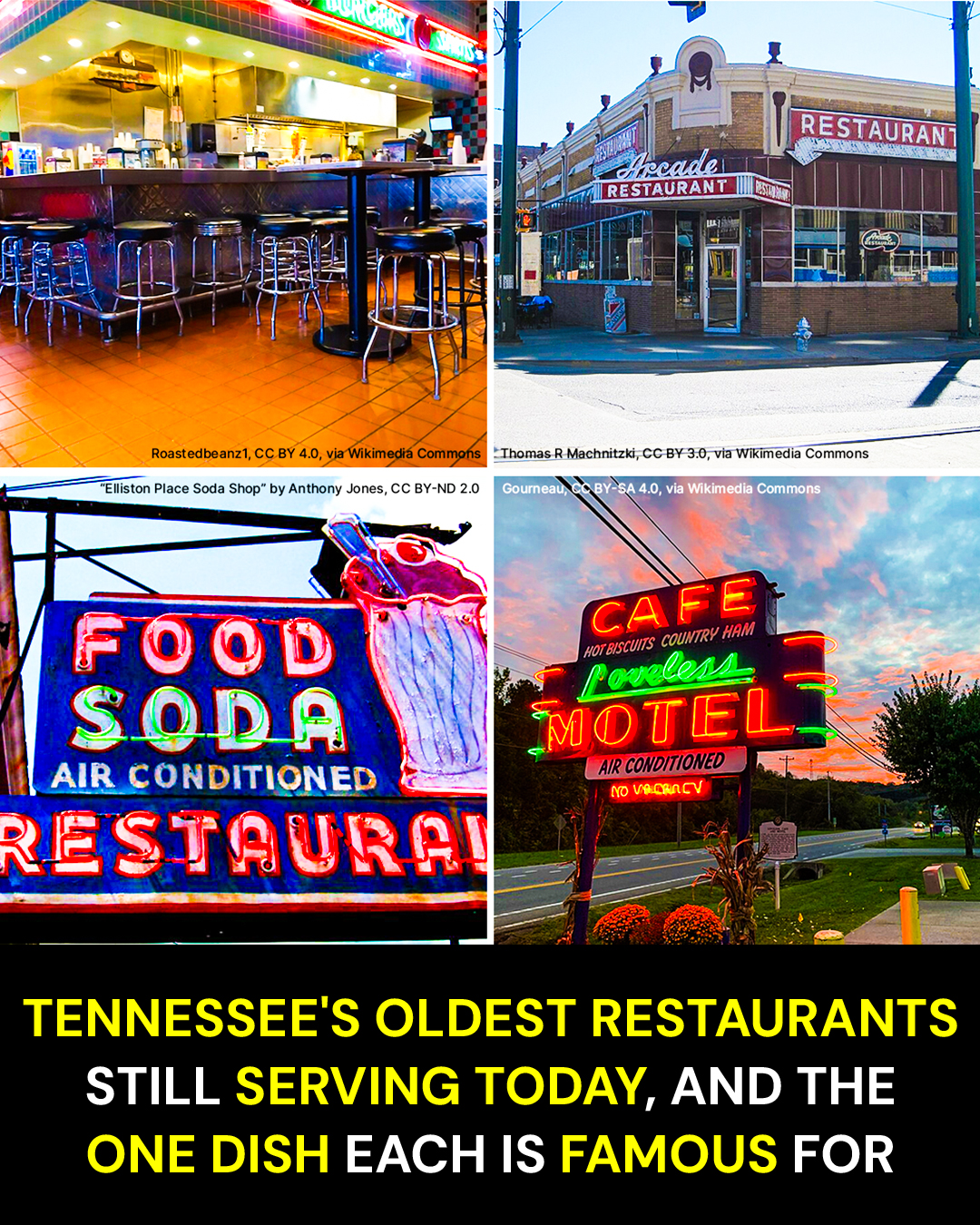
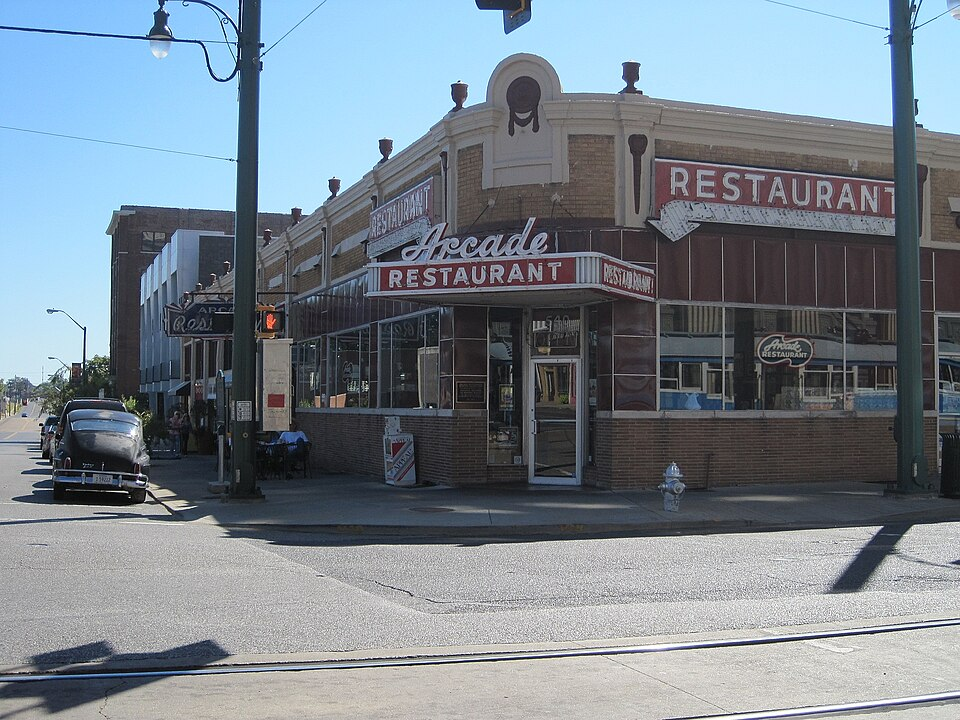
The Arcade Restaurant was founded in 1919 by Greek immigrant Speros Zepatos and still operates at 540 South Main Street in Memphis. Zepatos replaced the original wood-frame restaurant with the Arcade Building in 1925, and his son later helped create the 1950s diner look people recognize today.
Walk inside and the room does half the storytelling.
There are booths, neon, old counter details, worn surfaces, and that unmistakable feeling that thousands of coffee cups have landed in the same spots before yours. The restaurant's own history points to the boomerang-pattern tabletops and mid-century makeover that helped create the Arcade's visual identity.
Movies noticed, too.
The Arcade has appeared in productions including Walk the Line, The Firm, and Mystery Train, turning an everyday Memphis cafe into one of those places that looks strangely familiar even on a first visit.
Here's what catches people off guard.
The sweet potato pancakes are a better reason to come hungry than simply chasing the Elvis stories.
The pancakes have become one of the Arcade's recognizable breakfast specialties, alongside dishes such as Eggs Redneck. Breakfast is served throughout the day.
Current hours are easy to remember: 7 a.m. to 3 p.m., seven days a week. The restaurant sits in Memphis' historic South Main district.
Come earlier if you want the diner to feel more like a diner and less like an attraction.
The trap is arriving with only Elvis on your mind. Look around. The worn tabletops and old neon are part of what you came for.
Then point the car north, because one of Tennessee's oldest meals is still being served near a lake famous for cypress trees, eagles, and catfish.
Where Fried Catfish Has Been Drawing People to Reelfoot Lake Since 1921
Boyette's Dining Room in Tiptonville traces its story to 1921, when Nannie Boyette established the business near Reelfoot Lake. What began as a grocery operation grew into a restaurant associated for generations with fishermen, hunters, families, and travelers coming to the lake.
The meal fits the landscape.
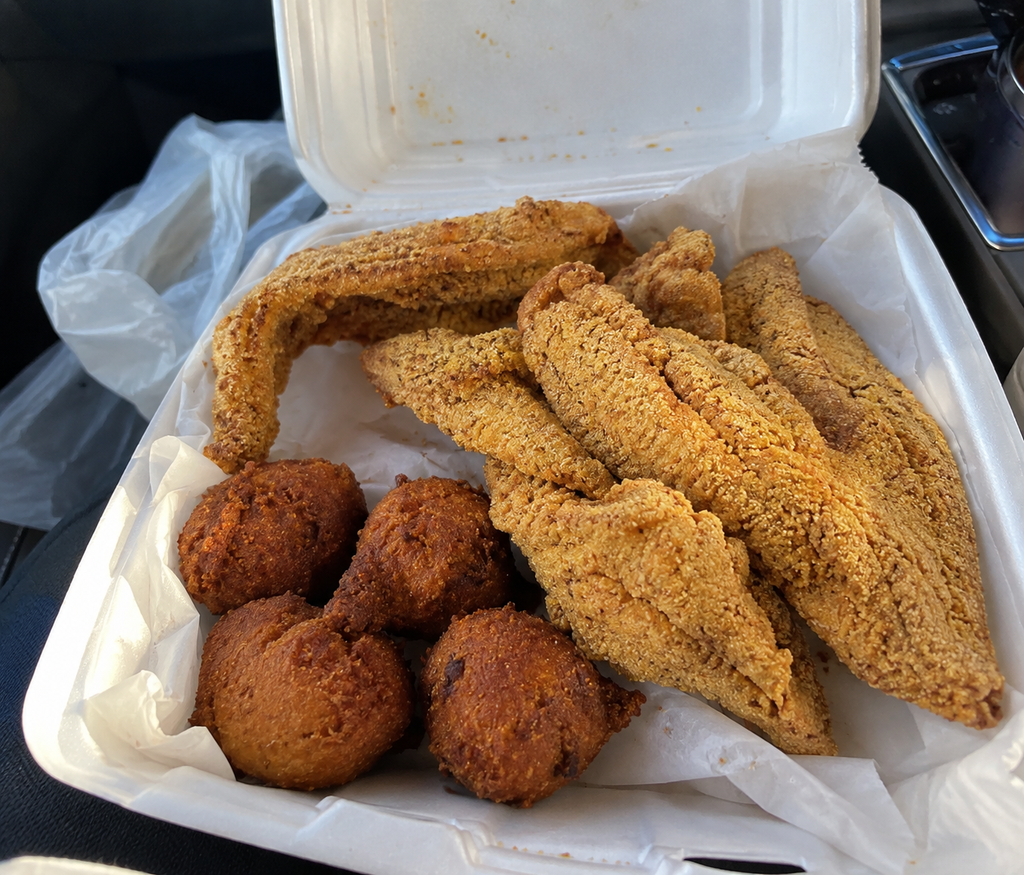
Fried catfish arrives with the supporting cast Tennessee fish houses have perfected over decades: hushpuppies, onion rings, slaw, beans, and fries. Other longtime menu traditions include fried chicken, country ham, quail, and frog legs.
This is food built for appetite, not restraint.
Spend a cold morning watching bald eagles around Reelfoot or a summer afternoon near the water, and a plate of hot catfish suddenly makes perfect sense.
Here's what catches people off guard.
Boyette's has been feeding Reelfoot Lake visitors for more than a century.
The dish to build the visit around is fried catfish. Come hungry, because this is the kind of old-school Tennessee restaurant where the sides matter nearly as much as the fish.
Current listings show Boyette's at 10 Boyette Road, with hours of 11 a.m. to 8:30 p.m. Tuesday through Saturday and 11 a.m. to 8 p.m. Sunday. Monday is currently listed as closed.
Recent dining listings put the general price range around $10 to $20 per person and note parking on site.
The trap is treating Boyette's as a quick meal detached from its surroundings. Give yourself enough daylight to see Reelfoot Lake while you are there.
The next restaurant takes two foods that should have remained in separate Tennessee universes and proves they belonged together all along.
The Memphis Restaurant That Put Barbecue on Pizza Before It Was Cool
Coletta's began in Memphis in 1923 as the Suburban Ice Cream Company. Founder Emil Coletta served ice cream, sandwiches, and pasta before the business grew into the Italian-American restaurant generations of Memphians know today.
Then Memphis did what Memphis does.
Pizza was still unfamiliar to plenty of local diners in the early 1950s. So the Coletta family combined it with something the city already understood very well.
Barbecue.
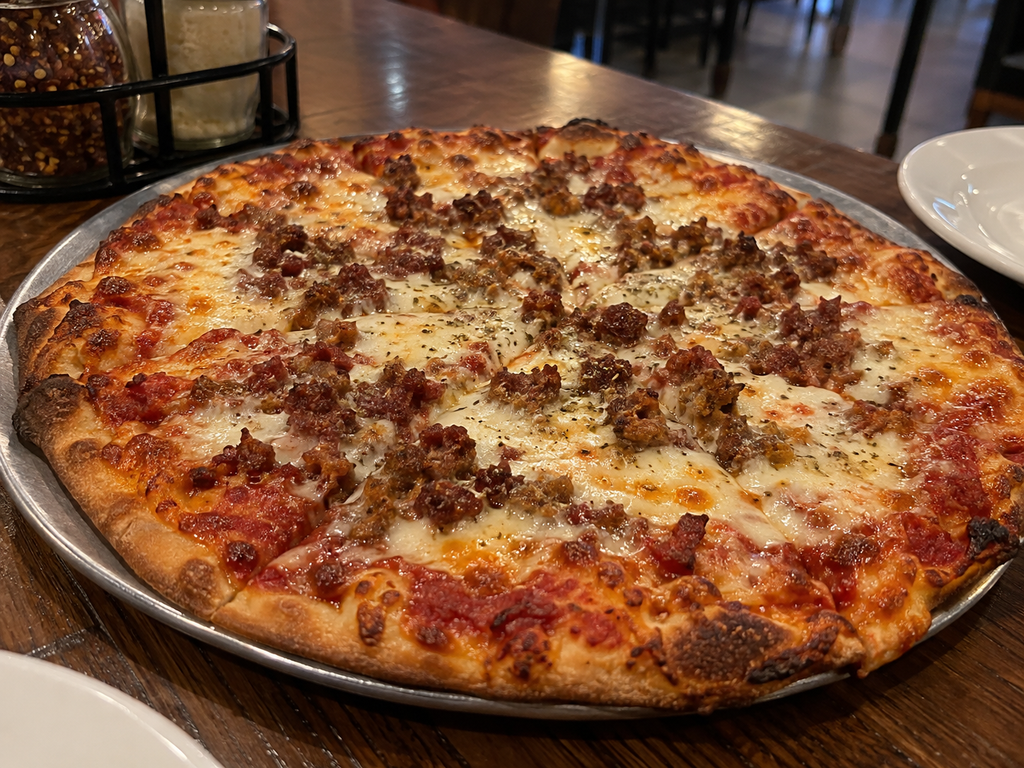
The result was barbecue pizza, a combination Coletta's credits itself with originating.
You smell tomato sauce, baked dough, meat, cheese, and that unmistakable sweet-smoky barbecue character all at once. It sounds like two restaurants accidentally collided.
Instead, it became the point.
Here's what catches people off guard.
Coletta's was serving its Memphis-style barbecue pizza decades before barbecue pizza became a familiar menu idea around the country.
Order the barbecue pizza if this is your first visit. Spaghetti can wait.
Coletta's currently operates locations on South Parkway and Appling Road. The South Parkway location opens at 11 a.m. Monday through Friday, noon Saturday, and 1 p.m. Sunday, with evening closing times varying by day. The Appling location opens at 11 a.m. daily.
Check which location you are heading to before plugging “Coletta's” into the GPS.
That is the trap.
The next stop swaps Memphis city streets for an old Highway 100 restaurant where biscuits, preserves, and cast-iron fried chicken still make the road itself feel important.
The Highway 100 Restaurant That Outlived the Road-Tripping Era That Built It
Beacon Light Tea Room opened near Bon Aqua in 1936, back when Highway 100 was a major route between Nashville and Memphis. Interstate 40 eventually changed the traffic patterns, but Beacon Light kept serving the kind of country food that made roadside restaurants destinations in the first place.
And no, this is not a delicate little tea room.
The table tells you that quickly.
Biscuits. Preserves. Country ham. Fried chicken. Old-fashioned sides.
The chicken is the dish to remember. Research on Beacon Light's traditional preparation describes chicken beginning in cast-iron skillets before getting a brief fryer finish for extra crispness.
Here's what catches people off guard.
One of Tennessee's classic fried-chicken stops survived the decline of the very highway traffic that helped make it famous.
Do not skip the biscuits and preserves just because the chicken gets the headline. Recent diner feedback repeatedly singles out those biscuits as part of the experience.
Beacon Light is at 6276 Highway 100 in Bon Aqua. Current sources agree that Monday is closed, though published hours for other days conflict, especially for Tuesday through Friday and Sunday. A 2026 business update showed evening service beginning at 4 p.m. on some weekdays, while other listings showed earlier openings. Check same-day hours before making a special drive.
That conflicting information is the trap.
Do not assume an old road restaurant keeps old all-day hours.
Farther west, another family restaurant has an even better origin story. It involves catfish, overnight river guests, and a future Tennessee governor.
The River Shack Where Guests Stayed Overnight Because Getting Home Was Too Hard
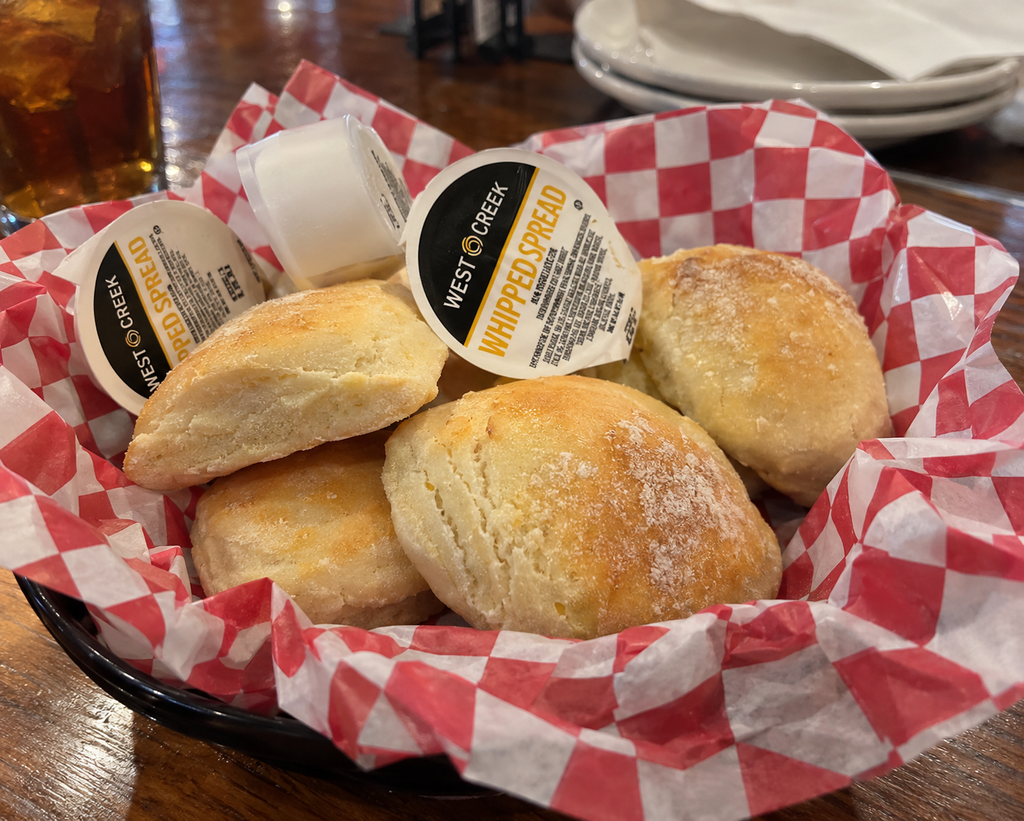
Hagy's Catfish Hotel sits on the Tennessee River near Shiloh, where the Hagy family has owned land since 1825. The restaurant itself dates to 1938, growing out of Norvin Hagy's riverside catfish cookouts.
The name is the first surprise.
It was not originally a hotel in the normal sense. Guests sometimes arrived by boat for the fish, then stayed overnight because traveling the river after dark could be difficult. “Catfish Hotel” stuck.
The setting still does plenty of work.
You are near the Tennessee River and only minutes from Shiloh National Military Park. Hot whole catfish arrives hand-breaded and fried golden, with hushpuppies following right behind it.
Here's what catches people off guard.
The restaurant grew from river cookouts held on property the Hagy family has occupied for roughly two centuries.
The whole fried catfish is the order. Current menu pricing lists the whole fish at $20.95, while the hushpuppies are $4.95 if ordered separately. Save room for Lemon Rub Pie, which the restaurant says comes from a family recipe used since 1938.
Hagy's is open Tuesday through Thursday from 11 a.m. to 8 p.m., Friday and Saturday until 9 p.m., and Sunday until 8 p.m. Monday is closed except Memorial Day and Labor Day.
The trap is scheduling your Shiloh day for Monday and assuming you can finish it with catfish.
History gets heavier from here. The next Nashville stop preserves not only a restaurant, but a style of eating that helped define the city.
The Nashville Counter That Helped Turn “Meat and Three” Into a Local Language
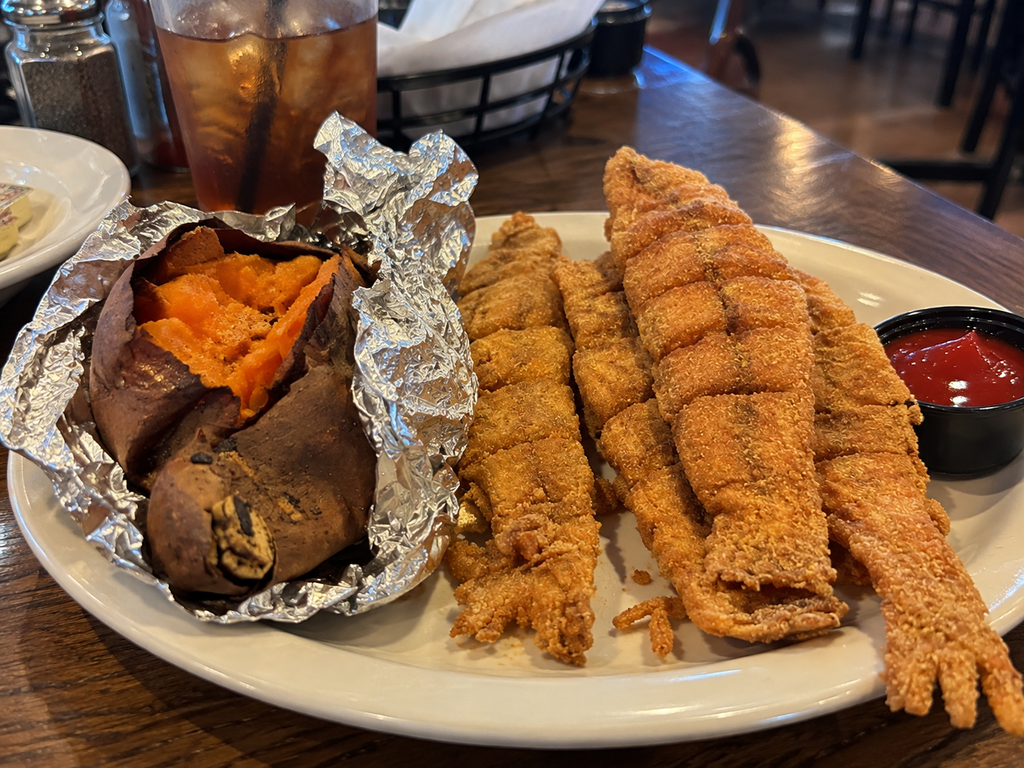
Elliston Place Soda Shop has operated on Elliston Place since 1939, when 23-year-old Lynn Chandler bought the soda fountain inside Elliston Pharmacy. The restaurant credits Chandler with helping establish the familiar Nashville formula of choosing a meat with three vegetables.
That alone would be enough history for one dining room.
Then you see the counter.
Chrome, stools, old-fashioned soda-fountain details, milkshakes, pie, breakfast plates, and vegetables lined up beside Southern mains make the place feel like several eras landed on the same block.
The restaurant nearly disappeared in 2019 before new owners stepped in to preserve it.
Here's what catches people off guard.
A restaurant famous for shakes and retro style also has a serious claim to Nashville's meat-and-three tradition.
Order the meat-and-three if history is the point of the visit. Current online pricing lists it at $15.99 and the meat-and-two at $13.99. Milkshakes are currently listed at $6.99.
The restaurant is at 2105 Elliston Place. Current hours are 7:30 a.m. to 4 p.m. Monday through Saturday and 9 a.m. to 3 p.m. Sunday.
The trap is thinking “soda shop” means dessert stop only.
Come hungry enough for the plate first. Get the shake afterward.
Then comes something much hotter, born from one of Nashville's most repeated food legends and carried forward by the same family.
The Revenge Breakfast That Became Nashville's Most Famous Food
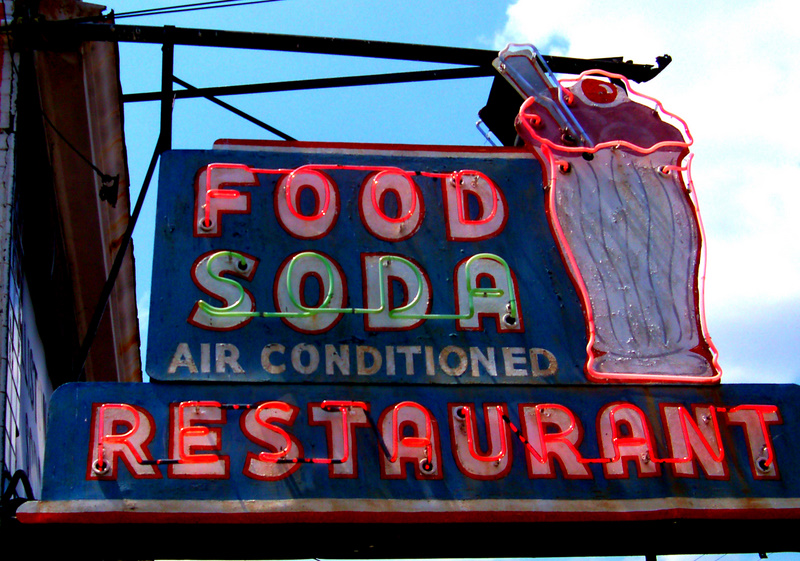
Prince's Hot Chicken traces its culinary story to Thornton Prince and Nashville's Black community, with roots reaching into the 1930s and the restaurant generally dated to around the mid-1940s. Sources disagree on the exact commercial opening date, so the safest thing to say is that the tradition is older than the paperwork most people can easily find.
The family story is famous.
Thornton Prince came home after a night out, and an angry lover supposedly loaded his fried chicken with enough pepper to teach him a lesson.
It backfired.
Prince loved the chicken.
The fiery style eventually became a business, and his great-niece André Prince Jeffries continues the family tradition today.
Here's what catches people off guard.
The Nashville hot chicken copied around the world traces back to Prince's family tradition.
For the most old-school experience, order actual bone-in hot chicken rather than turning your first visit into a sandwich experiment. And respect the heat level.
Seriously.
Prince's South location at 5814 Nolensville Pike is open Monday through Saturday from 11 a.m. to 10 p.m. and closed Sunday. The Assembly Food Hall location keeps different hours and stays open later on Friday and Saturday. There are also locations at Tanger Outlets and Nashville International Airport.
The trap is assuming every Nashville Prince's follows the same schedule.
The next restaurant proves Memphis has its own way of making outsiders rethink barbecue.
The Basement Rib Joint That Turned an Elevator Shaft Into Barbecue History
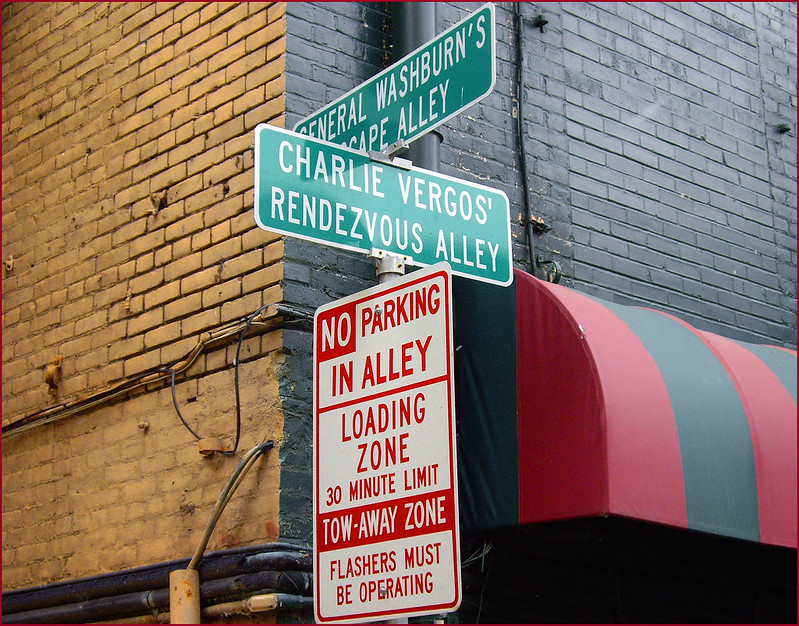
Charlie Vergos opened Rendezvous in downtown Memphis in 1948, down in a basement across from the Peabody Hotel. The early business focused on simple food and beer before Vergos began experimenting with ribs during the 1950s.
Then an old elevator shaft entered the story.
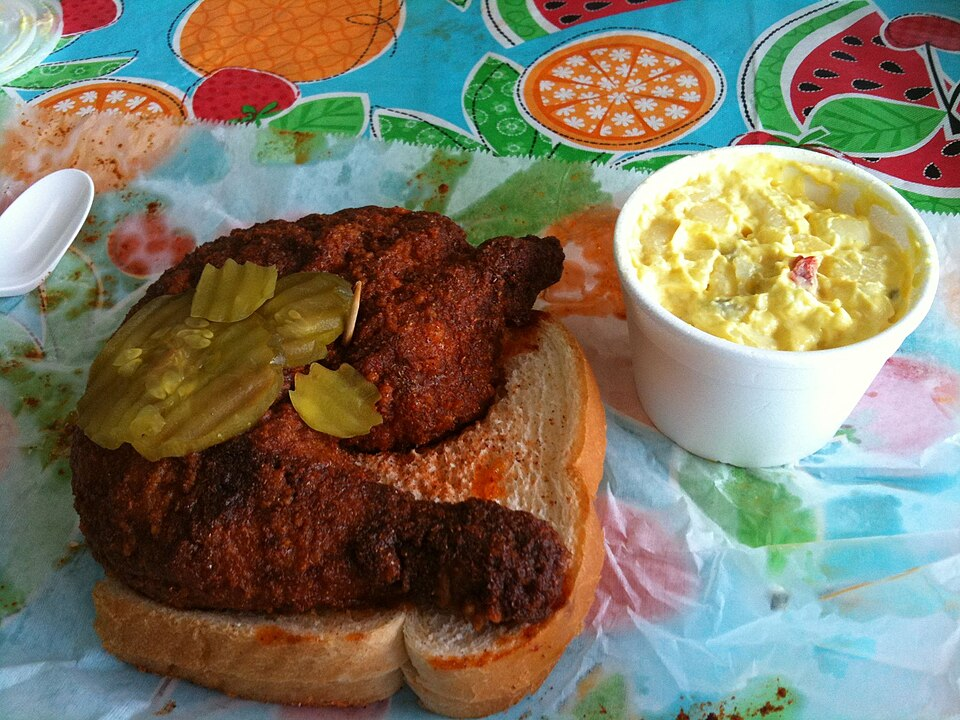
Vergos converted it into a smoker and developed ribs cooked close to the fire, moistened with a vinegar wash, and finished with a dry seasoning influenced partly by Greek flavors from his family's cooking tradition.
Walk down into the basement and Memphis seems to close over your head.
Brick walls. Smoke. Seasoning. The smell of pork and charcoal. Plates of ribs that look different from the glossy, heavily sauced barbecue many first-time visitors expect.
Here's what catches people off guard.
Rendezvous helped make dry-seasoned Memphis ribs nationally recognizable without drowning them in sauce.
Order the ribs. This is not the place to get clever.
Rendezvous is at 52 South Second Street. Current hours are Tuesday through Thursday from 11 a.m. to 9 p.m. and Friday and Saturday from 11 a.m. to 10 p.m. It is closed Sunday and Monday.
Parking is unusually well explained by the restaurant. Valet service is currently $12, and several nearby garages are listed, including Commerce Square and the garage at 79 Union Avenue, which the restaurant notes as a local favorite during event days.
The trap is looking for a big obvious front door at street level.
The place is in the alley and downstairs. That's part of the fun.
Next comes a Nashville roadside icon where the famous food is smaller than your fist, arrives by the basket, and can disappear faster than anyone at the table planned.
The Roadside Cafe Making Enough Biscuits to Feed a Small Town
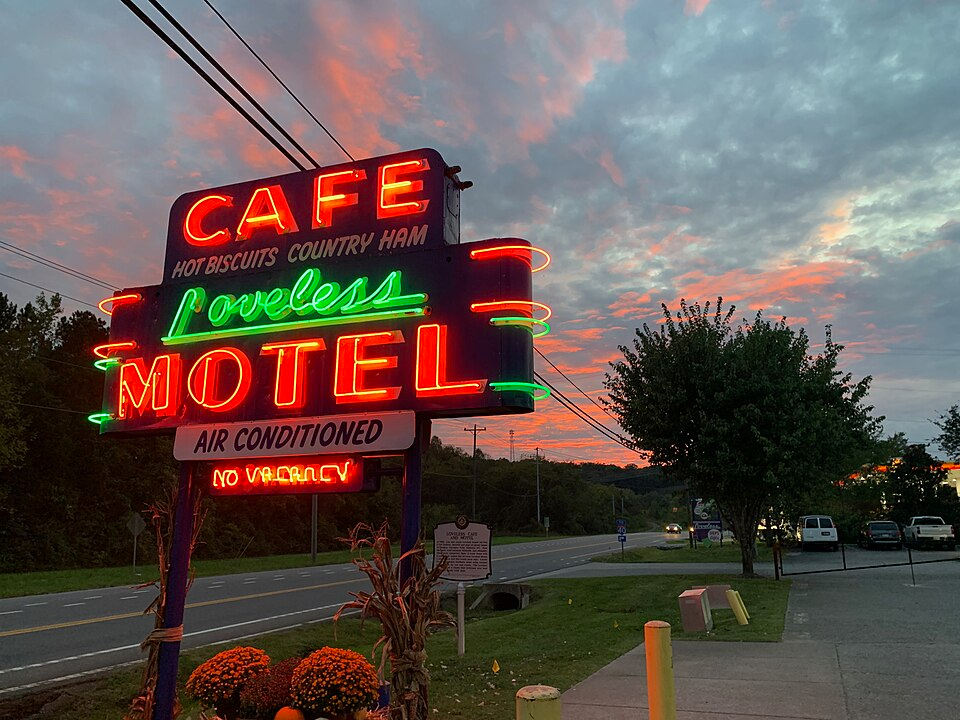
The Loveless Cafe started in 1951 when Lon and Annie Loveless began serving fried chicken and biscuits from their home along Highway 100 west of Nashville. As business grew, the property became a restaurant and a 14-room motel.
The motel is gone as lodging, but the roadside feeling survived.
That neon sign still announces the place before the meal does. Once inside, the smell gives away the main attraction.
Warm biscuits.
The cafe says it can produce as many as 10,000 biscuits in a day.
Here's what catches people off guard.
A dish that began as roadside home cooking in 1951 is now produced by the thousands without losing its place as the restaurant's signature.
Start with the biscuits and preserves. Then decide how much room remains for fried chicken, country ham, barbecue, and sides.
Loveless is at 8400 Highway 100, near the northern end of the Natchez Trace Parkway. Current hours are 8 a.m. to 9 p.m. Monday through Friday and 7 a.m. to 9 p.m. Saturday and Sunday.
Here's the insider move: the cafe itself recommends non-holiday Wednesdays or Thursdays between 8 and 9 a.m., or between 2 and 6 p.m., for shorter waits.
The trap is showing up for a prime weekend breakfast and being shocked that everybody else had the same idea.
One more Nashville breakfast institution belongs on this list, but its signature comes with sweet potatoes and a line that has become part of Hillsboro Village scenery.
The Pancakes Nashville Has Been Lining Up for Since 1961
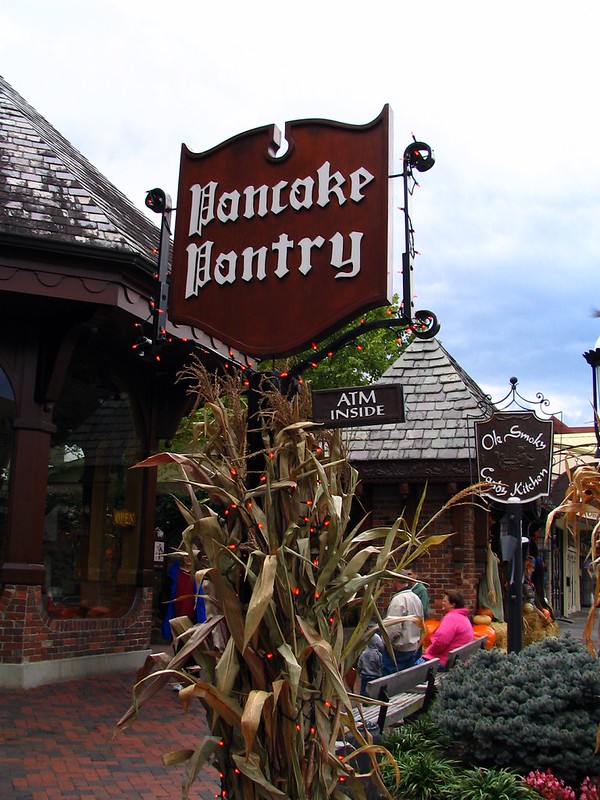
Pancake Pantry opened in Hillsboro Village in 1961. Founder Robert Baldwin built the restaurant around scratch-made pancakes and family recipes, and his son David later continued the business while sourcing specialty flours from East Tennessee.
Today there are two Nashville locations, but Hillsboro Village is the one tied directly to the original story.
The room wakes up early.
Coffee. Butter. Hot griddles. Syrup. Plates moving fast. People already eating pancakes while somebody outside is still deciding if the line is worth it.
It usually moves better than newcomers expect.
Here's what catches people off guard.
Pancake Pantry now serves 23 varieties of scratch-made pancakes, but the sweet potato pancakes remain one of the dishes most closely tied to its Nashville identity.
Order the sweet potato pancakes on a first visit. This is not the moment to choose the most complicated thing on the menu simply because it has more toppings.
The original Hillsboro Village location at 1796 21st Avenue South is currently open from 6 a.m. to 3 p.m. The downtown location at 220 Molloy Street runs from 6 a.m. to 2 p.m.
Parking is easier if you know the trick. Hillsboro Village has street parking, and Pancake Pantry currently validates parking for up to 1.5 hours in the lot behind the restaurant. Downtown visitors rely on nearby public lots and hotel garages.
The trap is seeing the line and immediately driving away.
This place has been dealing with breakfast crowds for decades.
The Unexpected Fact About Tennessee's Oldest Restaurants
The biggest surprise is not that Tennessee still has restaurants from 1912, 1918, 1919, and 1921.
It is how quickly the list can change.
City Cafe in Murfreesboro opened in 1900 but closed in January 2025. Varallo's opened in Nashville in 1907 and spent years being described as Tennessee's oldest continuously operating restaurant, but it permanently closed in February 2026. That suddenly moved restaurants like Dyer's, Zarzour's, the Arcade, and Boyette's closer to the front of Tennessee's surviving culinary timeline.
That is what makes these meals worth taking seriously.
A burger, a bowl of chili, a plate of catfish, a basket of biscuits, or a stack of pancakes can look ordinary right up until the last restaurant serving it the old way turns off the sign.
In Tennessee, sometimes the best history lesson is still hot when it reaches the table.