In Nashville, history rarely stays behind a velvet rope.
You can drive past it on Broadway, jog around it in Centennial Park, hear a concert inside it or walk through it on the way to lunch. Some of the city's best-known landmarks have become such familiar parts of the scenery that it is easy to forget why they are there in the first place.
Look past the tour buses and neon, though, and Nashville starts telling a much older story. A city park was once a racetrack. A famous concert hall began as a religious tabernacle. One downtown shopping passage has survived for more than 120 years.
Here are seven places worth looking at twice.
Union Station was the front door to Nashville
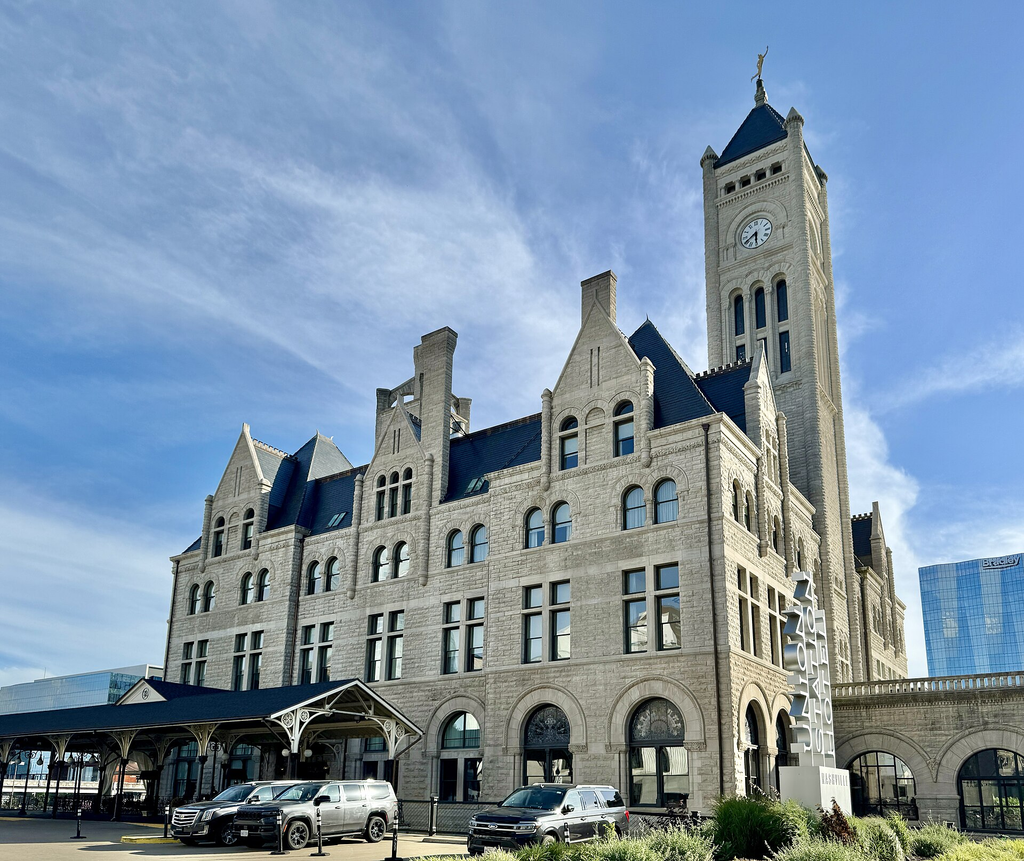
Before airline terminals and interstate exits, plenty of visitors got their first look at Nashville from Union Station.
The grand terminal opened in 1900 on Broadway. For decades, its clock tower stood above a building filled with railroad passengers coming and going from the city. Today, the same building operates as a hotel.
Passenger service at the station ended by 1979, and the property reopened as a hotel in 1986.
That makes Union Station one of downtown's clearest examples of a building changing jobs without disappearing. Nashville kept the landmark, but the crowds carrying train tickets eventually gave way to hotel guests.
For anyone stuck in modern Broadway traffic, it is worth remembering that this stretch of town was busy with travelers long before rideshares arrived.
Centennial Park once had horses racing across it
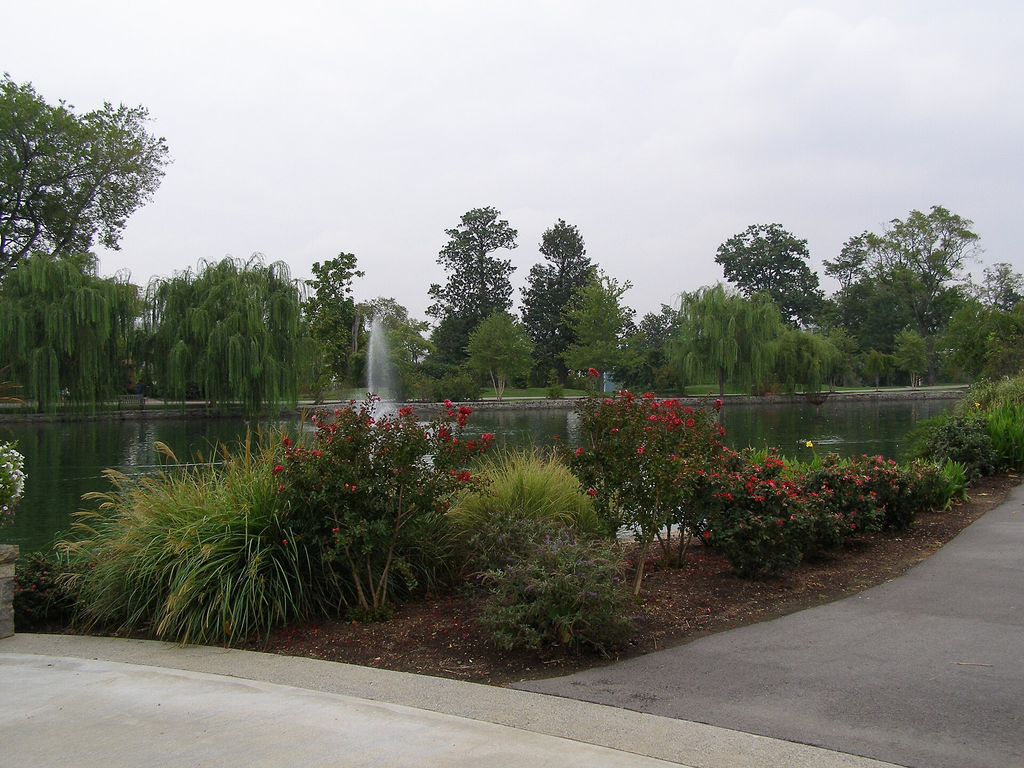
A blanket on the grass and a lap around Lake Watauga hardly suggest a day at the racetrack.
But Centennial Park had several lives before becoming the public space Nashville knows today.
Metro Parks says the land was once a farm, later became state fairgrounds and operated as West Side Park, a racetrack, from 1884 to 1895. Then came an even bigger transformation: the grounds hosted the Tennessee Centennial Exposition in 1897. About 1.8 million people attended the exposition.
Eventually, the grounds became a permanent city park.
So that peaceful patch of West End has hosted farming, fairs, horse racing, a giant exposition and more than a century of ordinary Nashville afternoons.
The Parthenon was supposed to be temporary
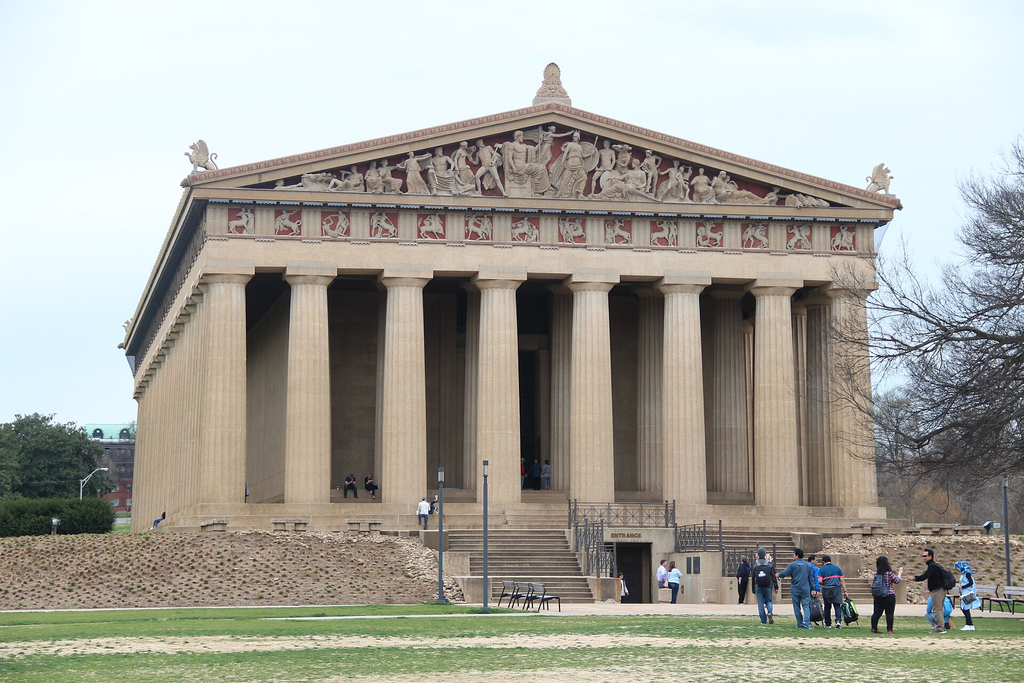
The strangest thing about Nashville having a full-size Greek temple may be that the city almost didn't keep it.
The first Parthenon was constructed for the 1897 Tennessee Centennial Exposition. It was not meant to last forever. But the building became so closely tied to the city that Nashville eventually replaced the temporary version with a permanent one.
Metro Parks says the concrete reconstruction took place from 1921 to 1931.
Inside is another surprise: a full-scale Athena statue standing about 42 feet tall. Nashville sculptor Alan LeQuire was commissioned to create it in 1982, and the statue was unveiled in 1990.
Today, people use the lawn outside for everything from walks to festivals. Sitting behind them is a monument to a world's-fair-style celebration held more than a century ago.
The Ryman was built for sermons, not country stars
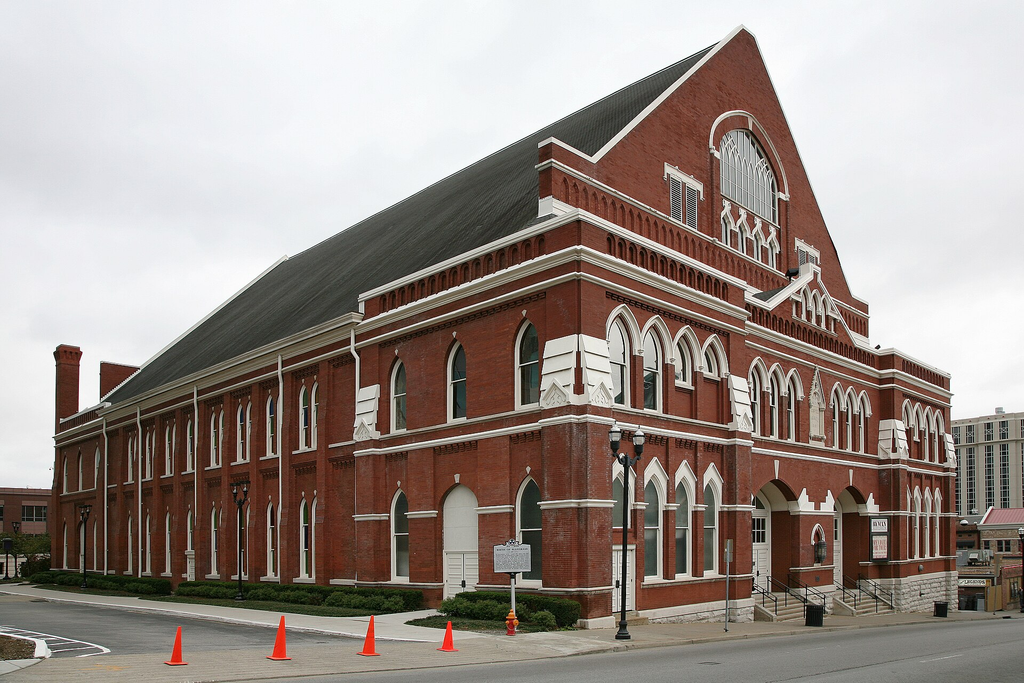
The wooden pews inside the Ryman make more sense once you know what the building was originally for.
It opened in 1892 as the Union Gospel Tabernacle. Riverboat captain Thomas Ryman helped create it after attending a revival led by evangelist Sam Jones. The space soon grew beyond religious gatherings and began hosting concerts, lectures and other events.
Then came the chapter that changed Nashville music history.
The Grand Ole Opry moved into the Ryman in 1943 and remained there until 1974.
The building's religious beginnings and its later place in country music help explain the nickname that still follows it: the Mother Church of Country Music.
In other words, one of Nashville's most famous stages was already part of the city's story decades before country music took it over.
Fort Negley's story includes the people forced into its construction
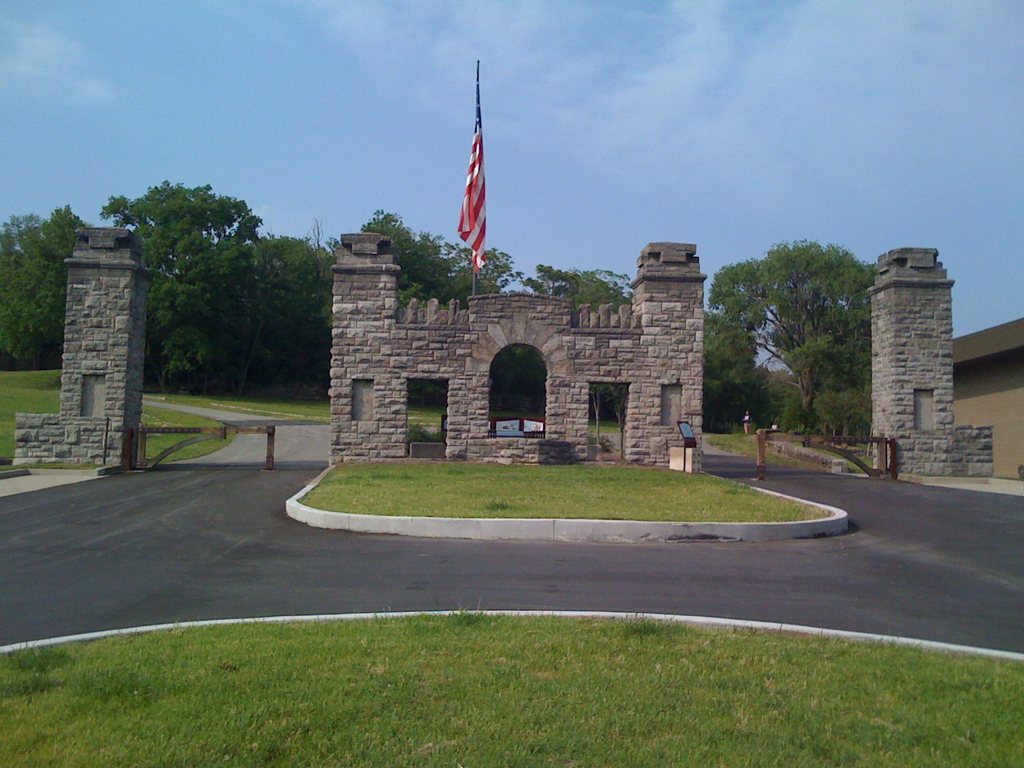
The stone remains at Fort Negley tell only part of what happened there.
Built after Union forces occupied Nashville during the Civil War, Fort Negley became the largest inland stone fortification constructed during the conflict, according to Metro Nashville.
But its history is also tied directly to Black labor.
The National Park Service says Black masons, carpenters and laborers built the fort. Many were self-emancipated people who had reached Union lines and were classified at the time under the military term “contraband.” The NPS says roughly 2,500 Black craftsmen were involved in Fort Negley's construction.
That makes the site more than a collection of Civil War stonework. It is also a place to understand emancipation, wartime labor and the experiences of Black Nashvillians during one of the city's most important periods.
The Arcade was Nashville's early version of a shopping mall
Long before suburban shopping centers, Nashville had the Arcade.
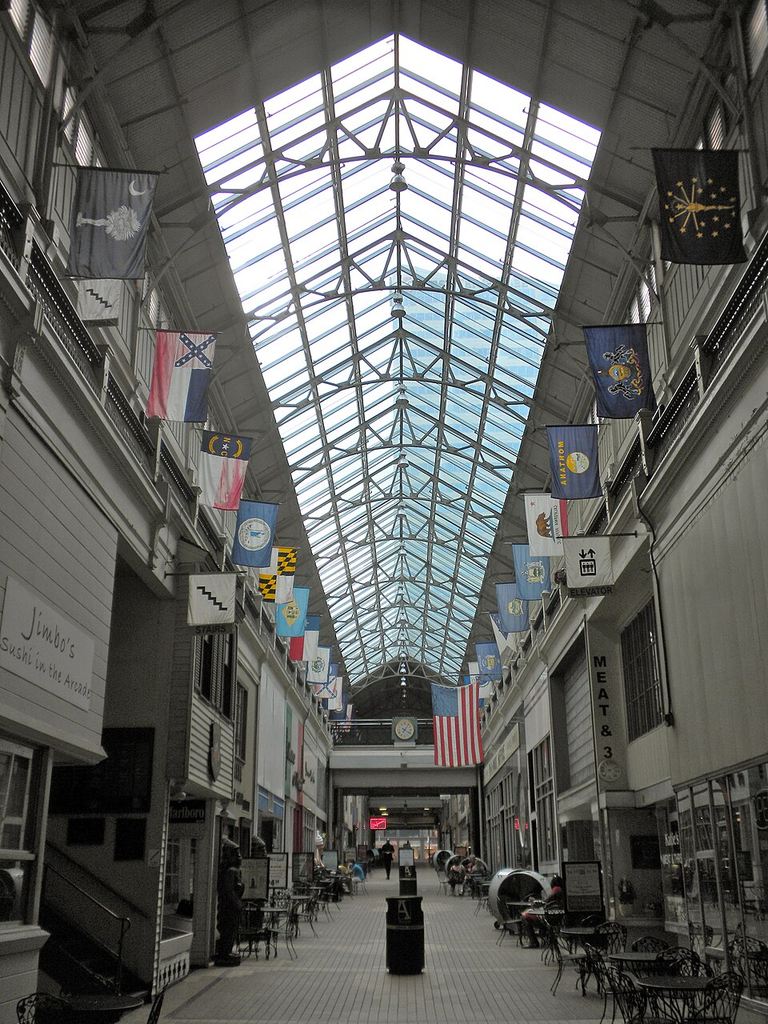
Built in 1902 and opened in 1903, the covered passage between Fourth and Fifth avenues was Nashville's first enclosed shopping area. Its design was inspired in part by the great shopping arcades of Italy.
Forty businesses reportedly operated there when it opened, selling everything from baked goods to jewelry and fruit. A Metro historic-preservation publication says more than 40,000 people attended its 1903 grand opening — an enormous turnout for Nashville at the time.
Its glass-covered walkway can feel tucked away compared with the louder parts of downtown, which may be exactly what makes it interesting. Nashville was experimenting with the basic idea of indoor pedestrian shopping generations before the modern mall boom.
Lower Broadway was important before the honky-tonks
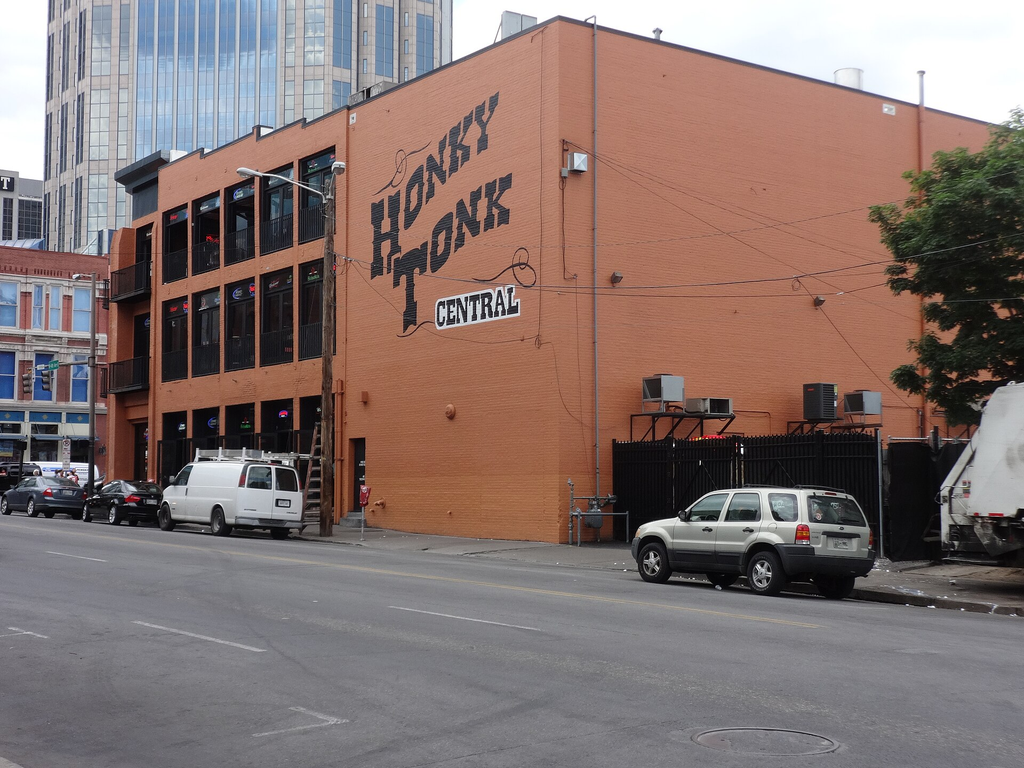
It is almost impossible now to separate Lower Broadway from live music, neon signs and packed sidewalks.
But Broadway's role as a major Nashville street is much older.
The Cultural Landscape Foundation notes that what was originally called Broad Street was among Nashville's earliest east-west streets. The lower section served as an important route into the city from the Cumberland River docks, with commercial buildings growing along it.
The district later went through decline before redevelopment helped turn it into the entertainment destination people recognize today.
That history changes the view a little. Behind the giant signs and rooftop stages, many of the buildings still belong to an older downtown built around commerce, transportation and the river.
Nashville keeps building on top of Nashville
These places survived for different reasons.
Some were saved and rebuilt. Others found completely new uses. A railroad terminal became a hotel. A tabernacle became one of the world's best-known music rooms. An exposition ground became a neighborhood park.
That is part of what makes Nashville history easy to miss. It is not always sitting inside a history museum.
Sometimes it is underneath your picnic blanket.
Sometimes it is the building where you are seeing a concert Saturday night.
And sometimes it is hiding behind a very large neon guitar.
Sources
Metro Nashville Parks and Recreation: Centennial Park history and the Parthenon.
The Parthenon: official history and architecture.
Ryman Auditorium: official venue history and Grand Ole Opry history.
Metro Nashville: Fort Negley history.
National Park Service: Fort Negley Civil War Database.
Union Station Nashville Yards: building history.
Nashville Sites and Metro Historical Commission materials: Nashville Arcade history.
The Cultural Landscape Foundation: Lower Broadway history.