Ask longtime Nashvillians what part of the city still feels like the old Nashville, and you'll quickly discover something surprising.
Many don't believe it exists anymore.
That was by far the most common response when locals were asked which part of Nashville still captures the spirit of the city they grew up with.
For some, old Nashville isn't a place anymore. It's a memory.
“None Of It”
Again and again, people gave the same answer.
None.
Not downtown. Not the neighborhoods. Not the places they once knew.
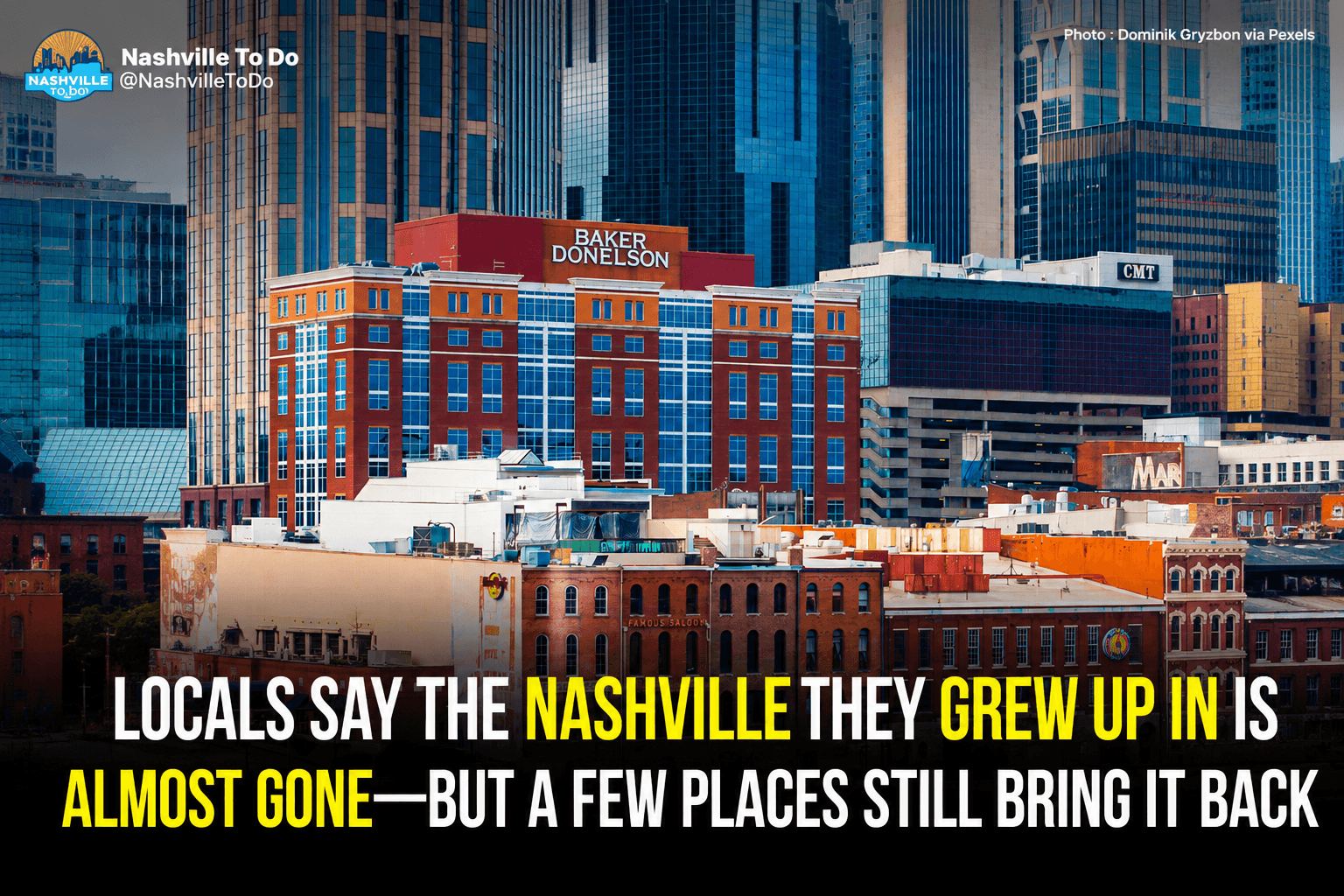
The comments revealed a deep sense of loss among many longtime residents who feel Nashville's explosive growth has changed the city beyond recognition.
New condos became the symbol of that frustration. Many pointed to endless development, rising costs, and the disappearance of affordable housing as proof that old Nashville has been replaced by something entirely different.
For those residents, the city didn't slowly evolve.
It vanished.
The Places That Still Hold On
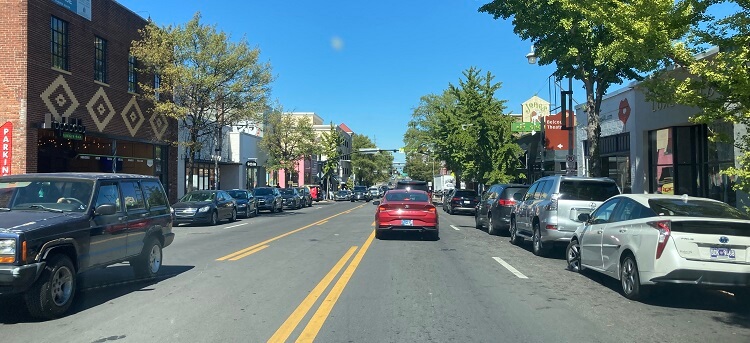
While many said old Nashville is gone, a handful of locations kept appearing throughout the discussion.
Donelson was one of the most frequently mentioned areas. Old Hickory received similar praise, with residents describing both communities as places where pieces of Nashville's past can still be found.
Madison, Woodbine, Hillsboro Village, Green Hills, and parts of South Nashville also appeared repeatedly.
What these places have in common isn't flashy attractions.
It's familiarity.
They're neighborhoods where people still feel connected to the city they remember.
The Last Of The Old Music City
When people weren't naming neighborhoods, they were naming institutions.
The Station Inn appeared repeatedly. So did Brown's Diner, Nashville Palace, Springwater, Printers Alley, and the historic alleyways behind Lower Broadway.
Many of these places aren't polished tourist attractions. That's exactly the point.
They're among the few spots where locals still feel connected to Nashville's musical roots rather than its tourism economy.
One commenter described the area around the Ryman and the historic alleys nearby as “hallowed ground.”
That feeling says a lot.
Tourism Changed Everything
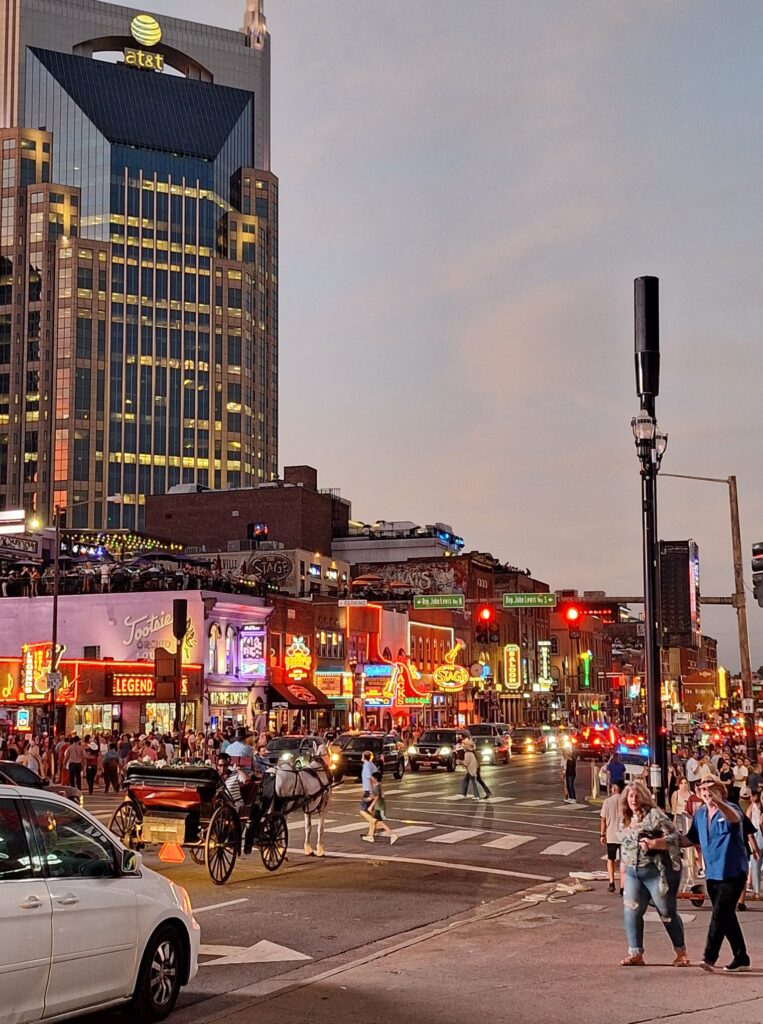
A major theme throughout the discussion was the belief that Nashville's identity shifted as tourism became the city's driving force.
Some residents accepted that change and even celebrated it. Tourism supports jobs, businesses, and growth throughout Middle Tennessee.
Others were less enthusiastic.
They argued that the city increasingly caters to visitors while the culture that made Nashville special continues to disappear.
The debate isn't really about tourists.
It's about whether a city can grow without losing itself.
Maybe Old Nashville Isn't A Place
One of the most telling responses wasn't a neighborhood or a landmark.
It was simply “the memories.”
That idea appeared throughout the discussion, even when people didn't say it directly.
The old Nashville many residents miss wasn't just a collection of buildings. It was a feeling. Familiar faces. Affordable neighborhoods. Local businesses that survived for decades. A music scene that felt less corporate and more personal.
That's why so many struggled to point to a single place on a map.
The Nashville they remember exists in scattered pockets across the city.
And for some, only in memory.