
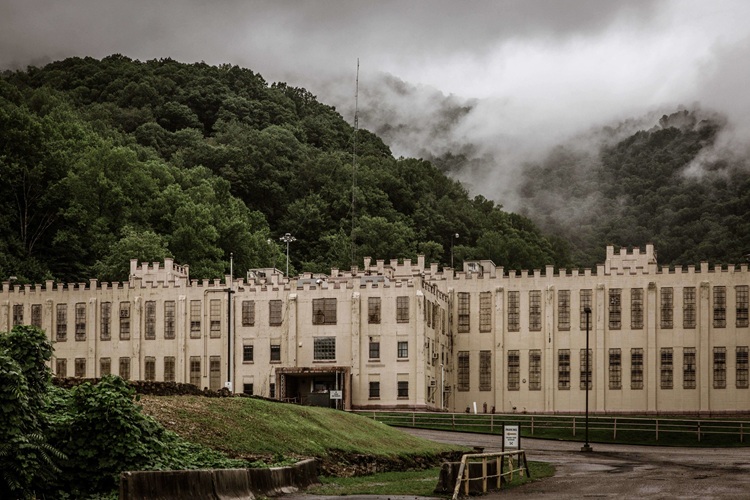
Brushy Mountain State Penitentiary stands as one of Tennessee’s most infamous correctional facilities, etched in history for its harsh conditions, notorious inmates, and unique role in the state’s penal system. Nestled in the remote Appalachian Mountains, this prison was once considered the ultimate stop for Tennessee’s most dangerous criminals.
History & Background
- Established: 1896
- Location: Petros, Tennessee
- Purpose: Originally built to house prisoners working in the nearby coal mines as part of the state’s convict labor system.
- Architecture: The prison was designed as a fortress, its stone walls built from locally quarried rock, adding to its ominous reputation.
Notable Aspects
Coal Mining Operations
One of the prison’s defining features was its forced labor system, where inmates toiled in the brutal conditions of the surrounding coal mines. This practice played a crucial role in ending Tennessee’s controversial “convict leasing system,” which had allowed companies to exploit prisoner labor for profit.
Maximum-Security Facility
Brushy Mountain was often referred to as the “End of the Line,” as prisoners sent there rarely left except in a coffin. It housed Tennessee’s most violent criminals, including murderers, bank robbers, and escape artists, earning a reputation for being one of the toughest prisons in the country.
Infamous Inmates
One of the most notorious prisoners to pass through Brushy Mountain was James Earl Ray, the man convicted of assassinating Dr. Martin Luther King Jr. Sentenced to 99 years in prison, Ray attempted to escape in 1977 along with six other inmates. Despite their efforts, Ray was recaptured within 58 hours, just miles from the prison. His presence at Brushy Mountain added to the facility’s legend.
Prison Conditions & Reputation
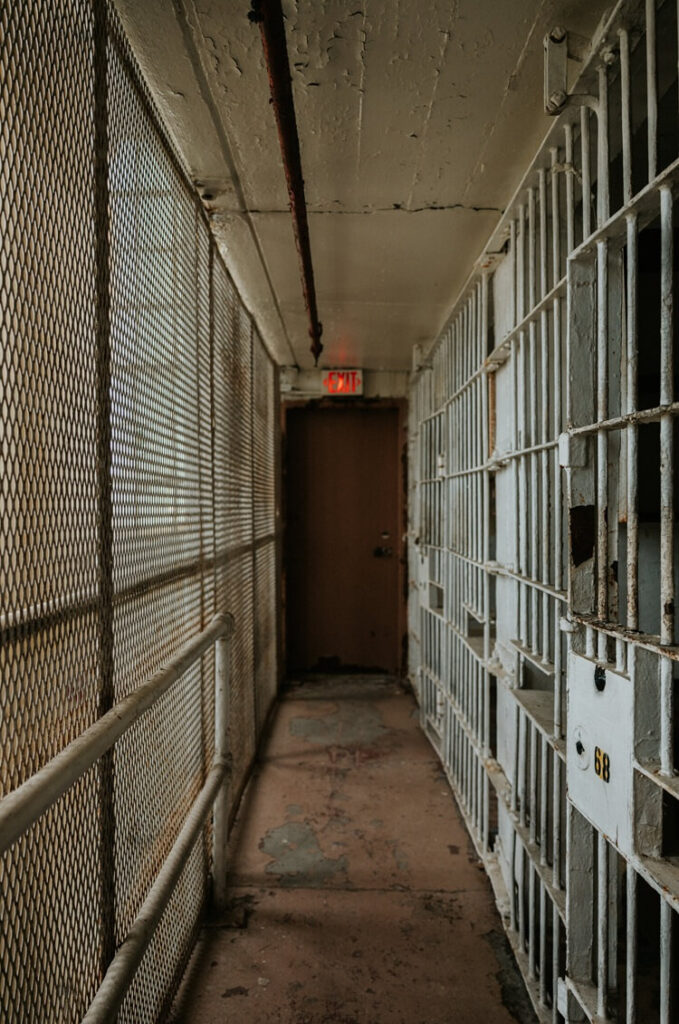
Brushy Mountain was infamous for its brutal environment. Inmates endured severe overcrowding, extreme violence, and harsh disciplinary measures. Corrupt guards and rampant gang activity only heightened the sense of lawlessness within its walls.
Solitary Confinement & Punishment
The prison’s isolation unit, commonly referred to as “the hole,” was a place of extreme psychological and physical torment. Many inmates emerged from solitary confinement broken in both body and mind, reinforcing the prison’s unforgiving reputation.
Closure & Modern Legacy
By the early 21st century, Brushy Mountain had become outdated and too expensive to maintain. The state decommissioned the prison in 2009, transferring its remaining inmates to newer, more modern facilities. However, this did not mark the end of its story.
Tourist Attraction
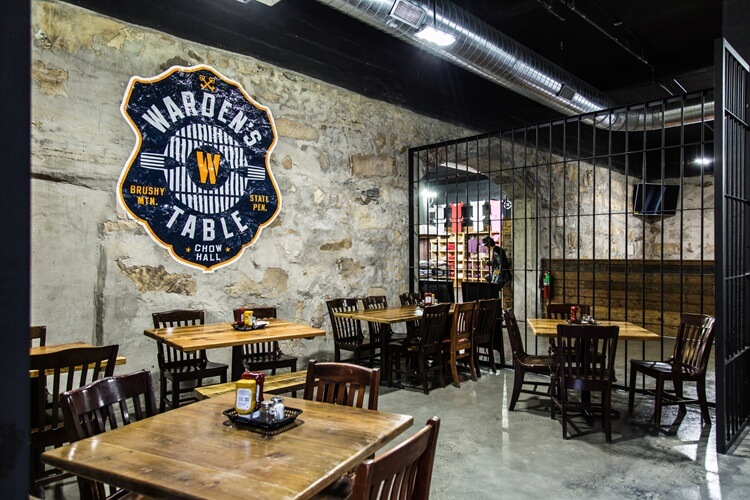
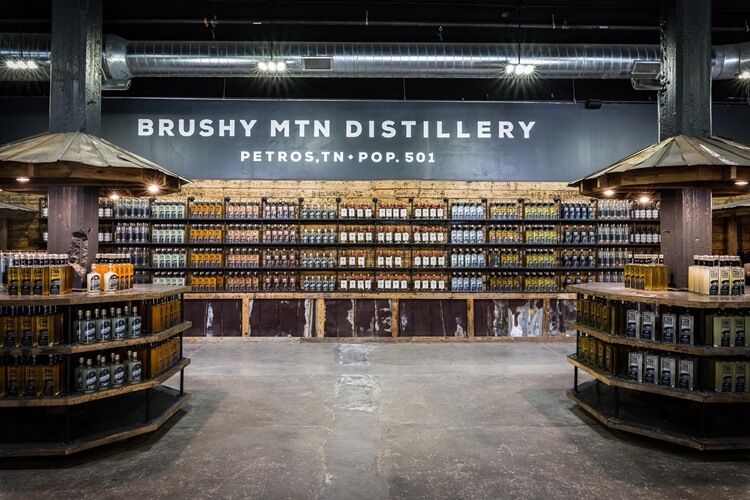
After its closure, the former prison was repurposed into a museum, distillery, and haunted attraction. Today, visitors can explore its eerie corridors, participate in paranormal investigations, and even enjoy whiskey tastings at the Brushy Mountain Distillery, adding a new chapter to its long and storied history.
Cultural Impact
Paranormal Activity
Due to its grim past, Brushy Mountain has become a hotspot for ghost hunters and paranormal enthusiasts. Reports of ghostly apparitions, unexplained sounds, and chilling encounters have made it a frequent subject on supernatural TV shows.
Pop Culture Appearances
The penitentiary has been featured in various books, documentaries, and films, cementing its place in American criminal history. Its chilling aura and dark past make it a compelling subject for storytelling.
Conclusion
Brushy Mountain State Penitentiary remains an enduring symbol of the American justice system’s past—one of punishment, hard labor, and harsh conditions. Though it no longer operates as a prison, its walls continue to tell the stories of those who lived and died within its confines. Whether through historical tours or spine-chilling paranormal investigations, Brushy Mountain’s legacy endures as one of Tennessee’s most haunting landmarks.